Admin, Author At America's Advantage Remodeling - Page 6 Of 15

Посты автора admin

admin

admin

Top Kitchen Cabinet Color Ideas for 2025: Fresh Looks to Transform Your Remodel

Опубликовано: July 25, 2025 в 6:55 am

Автор:

Категории: Kitchen

Тэги: ,

Why Kitchen Cabinet Color Matters in 2025

Your kitchen is more than just a place to cook, it’s the heart of your home, and your cabinets play a starring role in how that space feels and functions. In 2025, kitchen cabinet color ideas are evolving to reflect not just style, but also lifestyle. The right paint color can brighten a space, add depth, express personality, and even boost resale value.
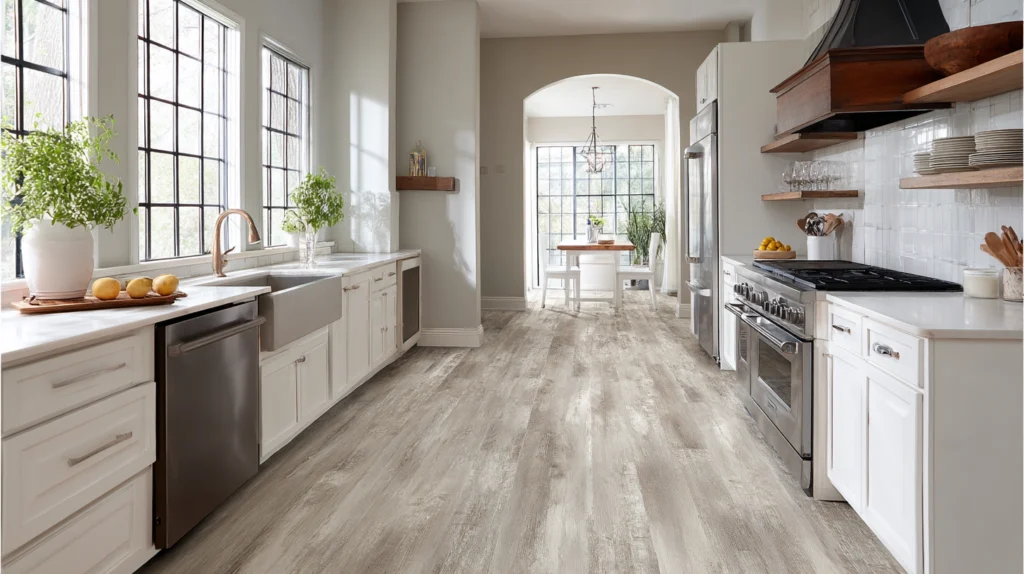
Kitchen cabinet colors are no longer limited to white or espresso. This year, many homeowners are exploring a wide color palette that includes earthy green, soothing light blue, bold dark tones, and timeless warm neutrals. Choosing the right cabinet paint or stain with excellent durability can completely transform your kitchen and turn it into a space that feels custom-built just for you.

At America’s Advantage Remodeling, our design team helps homeowners throughout Northern California select cabinet colors that reflect their personal taste while enhancing the overall kitchen cabinet design. Whether you’re planning a full remodel or a quick update with painted kitchen cabinets, we’re here to guide you through every step. Top 6 Kitchen Color Trends: What’s Popular Right Now

As we dive into 2025, some cabinet color choices are standing out as clear favorites. Below are the top kitchen cabinet color ideas shaping remodeling projects this year.

Top 6 Kitchen Cabinet Color Ideas

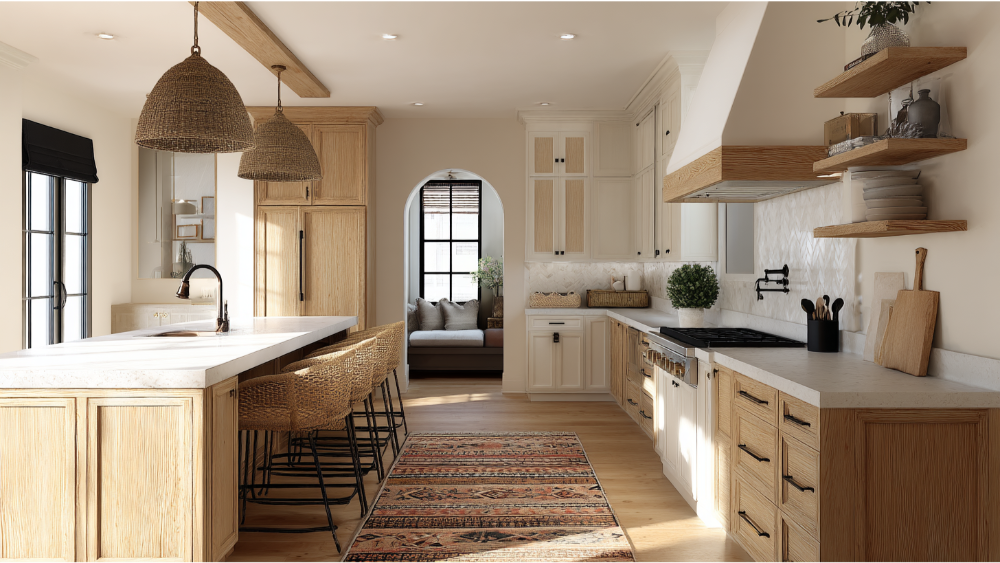
A warm, rustic-modern kitchen with light wood tones, woven accents, and a large island with wicker bar stools and pendant lights.

1 | Nature-Inspired Greens

Forest green, sage, and olive continue to lead the way in natural kitchen cabinet colors. These rich hues bring a calming, organic feel to the kitchen, making them a great choice for homeowners who want a grounded and inviting space.

Pair green cabinets with natural wood tones, brass hardware, or creamy countertops to create a serene and balanced environment. For added contrast, consider white walls, a dark backsplash, or a walnut flooring finish.

You can find inspiration in colors like Benjamin Moore’s “Backwoods” or Sherwin Williams’ “Ripe Olive,” both of which offer just the right amount of mood without overpowering the room.

2 | Light Blue and Soft Pastels

Light blue is the breakout star of the year for homeowners looking to add a splash of color without going too bold. Dusty blue, powder blue, and muted teal are being used on cabinets, backsplashes, or even islands to introduce a refreshing and lighthearted feel.

These lighter colors are ideal for small kitchens or spaces with minimal natural light. When paired with soft white walls, quartz countertops, and brushed nickel hardware, light blue cabinets deliver a breezy, welcoming feel that never goes out of style.

3 | Warm Earth Tones and Terracotta

Terracotta, taupe, and light brown shades are making a big comeback. These cabinet colors give your kitchen an earthy richness and complement a wide variety of flooring and backsplash materials. Their warm base makes them feel inviting and timeless.

To create a modern yet grounded look, consider pairing warm white uppers with brown or terracotta lower cabinets, or use a clay-colored island to introduce contrast in an otherwise neutral kitchen.

4 | Bold and Dark Tones

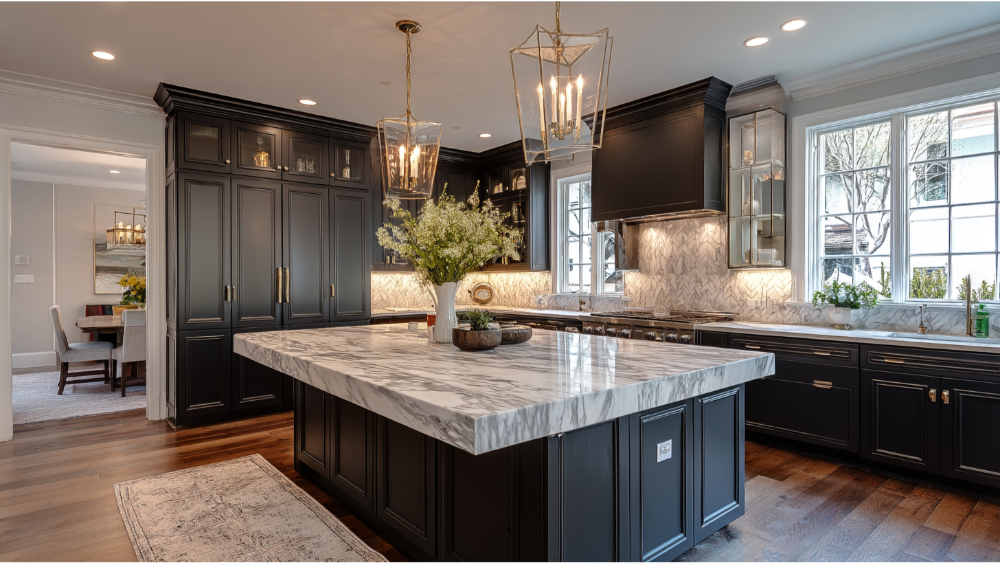
An elegant kitchen featuring dark shaker cabinets, a striking marble island and backsplash, and upscale lighting.

Dark tones like navy, charcoal, and even purple are showing up in high-end kitchens as statement cabinet colors. These deeper shades add a luxurious and dramatic effect, especially when paired with metallic finishes like brass or copper.

If you’re not ready to go all in on dark kitchen cabinets, start with an island or a single bank of cabinets. Combined with lighter walls and countertops, the effect is sophisticated without feeling too heavy.

Try Benjamin Moore’s “Hale Navy” or Sherwin Williams’ “Tricorn Black” for dark tones that offer lasting appeal and stain resistance.

5 | Soft Whites and Warm Neutrals

For those who love a clean look without the starkness of pure white, soft white and warm neutrals are the way to go. These kitchen cabinet colors provide a gentle backdrop that works with virtually any style, from classic to coastal to contemporary.

Soft white cabinets pair beautifully with wood flooring, mixed-metal hardware, and light backsplashes. For added depth, consider a subtle glaze or distressing technique to enhance the appearance and texture of your cabinets.

Popular shades in this category include Dutch Boy’s “Soft Linen” and Benjamin Moore’s “Swiss Coffee.”

6 | Two Tone Cabinets

The two tone cabinets trend is stronger than ever. By mixing different cabinet colors on the upper and lower cabinets, or pairing a bold island color with perimeter white kitchen cabinets, you add dimension and personality to your kitchen.

Common two tone cabinets combinations include:

  • Light blue uppers with dark brown or navy lowers
  • White kitchen cabinets above and natural wood tones below
  • Soft white perimeter with a forest green island

This design idea is both practical and stylish, offering homeowners a way to create visual separation in open-concept spaces or emphasize custom features.

How to Choose the Perfect Kitchen Cabinet Color

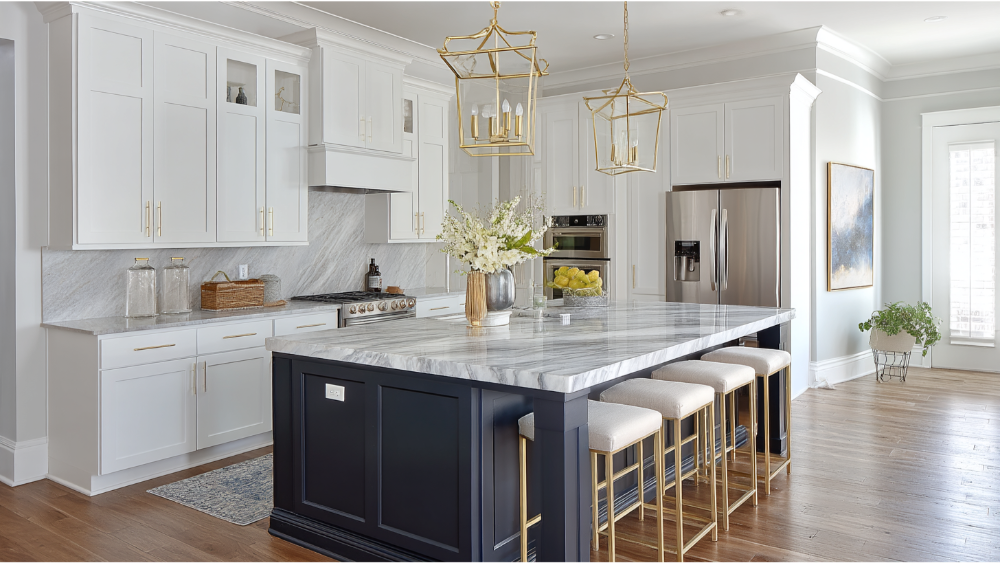
A bright kitchen blending classic and modern design, with white cabinetry, a navy blue island, and brass fixtures.

With so many kitchen cabinet color ideas and kitchen color ideas out there, how do you narrow down your options? Here are a few factors to consider when selecting the perfect color for your space:

Lighting

Paint color will look different depending on the lighting in your kitchen. North-facing rooms tend to amplify cool tones, while south-facing rooms highlight warm ones. Always test samples at different times of the day and under both natural and artificial light before making your final decision.

Kitchen Size and Layout

Smaller kitchens benefit from lighter colors like soft white or light blue, which open up the space and reflect light. In contrast, large kitchens with ample lighting can handle dark tones or saturated paint color without feeling closed in. Also, consider the ceiling height and color as it can influence how cabinet colors appear and how the overall space feels.

Existing Features and Materials

Consider your existing flooring, backsplash, and countertops. Choose cabinet colors that create contrast and cohesion with your kitchen’s permanent elements. If you’re planning a full remodel, your design team can help build a comprehensive color palette that ties everything together beautifully, making sure your cabinets act as the perfect backdrop for your kitchen’s style.

Your Personal Style

Your kitchen should reflect your taste and lifestyle. Whether you lean toward modern, farmhouse, traditional, or transitional style, there’s a paint color that fits your aesthetic. Don’t be afraid to explore bold choices like forest green or purple, especially if you’re pairing them with classic elements.
Resale Value

If you’re planning to sell in the next few years, stick to timeless kitchen cabinet colors like warm white, greige, or navy. These shades appeal to a broad audience and allow future buyers to find inspiration easily when envisioning their own updates.

Cabinet Paint: Should You Paint, Reface, or Replace?

Updating your kitchen cabinets doesn’t always require a full replacement. Depending on the condition of your existing cabinetry, paint or refacing might be a more affordable and sustainable option.

Painted Kitchen Cabinets

Painting your cabinets is a fast, effective way to completely transform your kitchen’s look. Professional spray application ensures a smooth, durable finish that resists stains, scratches, and wear. If your cabinetry is solid and well-built, paint can give it new life at a fraction of the cost of replacement.

Cabinet Refacing

Refacing involves replacing cabinet doors and drawer fronts while keeping the original boxes. This option is perfect when the layout is functional but the style feels outdated. You can select brand-new door styles, colors, and finishes for a completely customized appearance.

Cabinet Replacement

If your existing cabinets are damaged, poorly built, or inefficiently laid out, full replacement may be the best choice. At America’s Advantage Remodeling, we specialize in custom cabinetry that fits your exact needs and brings your kitchen cabinet design vision to life.

Real Remodel Inspiration from America’s Advantage

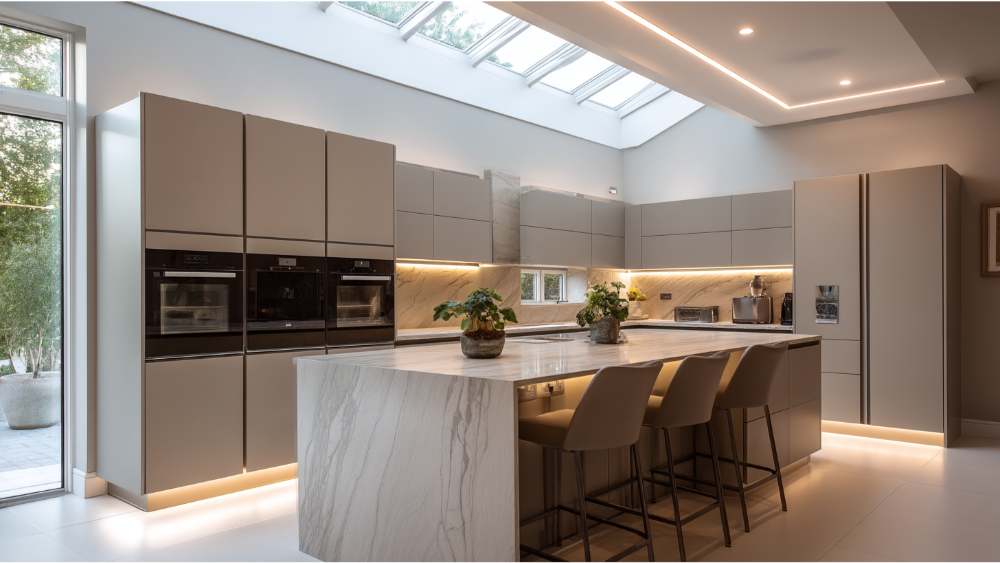
A contemporary kitchen with greige cabinetry, white countertops, brass accents, and pendant lighting over a central island.

In Lincoln, CA, a client came to us with outdated wood cabinets and a dark, closed-off layout. Our team updated the cabinetry with a beautiful light blue finish, soft white uppers, and brushed nickel pulls. Paired with quartz countertops and oak flooring, the result was a bright, coastal-inspired space that feels completely new.

Another Roseville homeowner wanted a bold, modern look. We installed two tone cabinets with forest green lowers and white kitchen cabinets above, creating high contrast and visual depth. The mixed-metal hardware and slate backsplash added texture and polish to the final design.

Frequently Asked Kitchen Cabinet Colors Questions

What are the best kitchen cabinet colors for 2025?

Top kitchen cabinet colors this year include forest green, light blue, soft white, warm neutrals, and classic dark tones like navy and charcoal.

Is painting cabinets a good option?

Yes, if your cabinets are in good structural condition, paint is a smart way to refresh your kitchen. Professional painting provides a durable, long-lasting finish with excellent durability.

Two tone cabinets that combine bold lowers with light uppers, like navy and soft white, or light blue with walnut are hugely popular for 2025.

How do I pick a kitchen cabinet color that matches my countertops?

Look for a color palette that offers contrast without clashing. If your countertops are busy, opt for solid, neutral cabinet colors. If they’re subtle, consider a bold cabinet paint color.

Where can I test cabinet colors before committing?

Start with samples from your local paint store, like Sherwin Williams, Dutch Boy, or Benjamin Moore. Test them in your actual space under different lighting.

Final Thoughts: Bring Your Kitchen Cabinet Color Ideas to Life

Your kitchen cabinets are one of the biggest design opportunities in your home. With the right paint color and finish, you can transform your kitchen into a space that’s functional, beautiful, and uniquely yours.

Whether you’re drawn to the calm of light blue, the richness of dark tones, or the simplicity of warm neutrals, our team at America’s Advantage Remodeling can help you make the perfect color choice. From painted kitchen cabinets to full custom cabinetry, we bring craftsmanship, style, and personal service to every project.

Ready to explore your kitchen cabinet color ideas? Contact us today for a personalized design consultation, and let’s create a kitchen that reflects you.

How to Clean Hardwood Floors Without Damaging Them

Опубликовано: July 18, 2025 в 6:52 am

Автор:

Категории: Flooring

Тэги: ,

Hardwood floors add warmth, value, and elegance to your kitchen. Learning how to clean hardwood floors the right way will help you preserve their beauty for years. With proper maintenance, wood floors stand up to spills, foot traffic, and everyday life in your house. If you want to clean wood floors without causing damage, avoid excessive water, steam cleaners, abrasive cleaners, harsh chemicals, and the wrong tools. This guide will teach you how to clean hardwood floors step by step with a microfiber mop, the right cleaning solution, and elbow grease so you can maintain your kitchen floors like a pro.

Why Kitchen Hardwood Floors Require Special Care

Kitchens, Moisture, and Heavy Use

Kitchen hardwood floors see constant spills, grease, dust, and hot water from cooking. High foot traffic from shoes, children, pets, and guests stresses wood grain and finish. Even high humidity from cooking can lead to excessive water in wood pores. Learning how to clean hardwood floors means keeping moisture controlled and dealing with dirt quickly.

Consequences of Improper Cleaning

Even a single use of steam cleaners on wood floors, or using a wet mop with too much water, can cause warping or buckling over time. Abrasive cleaners, white vinegar solutions, dishwashing liquid with strong chemicals, or chlorine bleach can dull the finish or strip protective coatings. Harsh chemicals and wax buildup invite dust and dirt that erodes hardwood with every step. For proper maintenance of kitchen hardwood floors, you need the right cleaning product, tools, and technique.

Sealed Versus Unsealed Floors

Sealed wood floors have a polyurethane coating that protects the wood. A quick test is to place a few drops of water on the floor. If the water beads, you have sealed floors. If it soaks in over long periods, it is unsealed. You must use different cleaning methods depending on seal status. This guide assumes sealed hardwood floors, which are easier to clean and maintain without damage.

Step‑by‑Step Guide to Clean Hardwood Floors

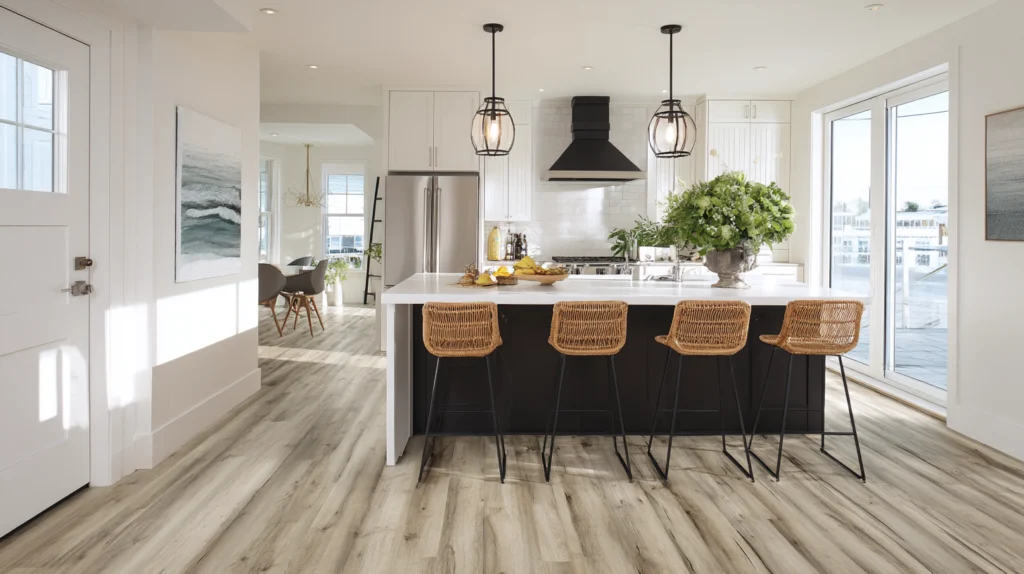
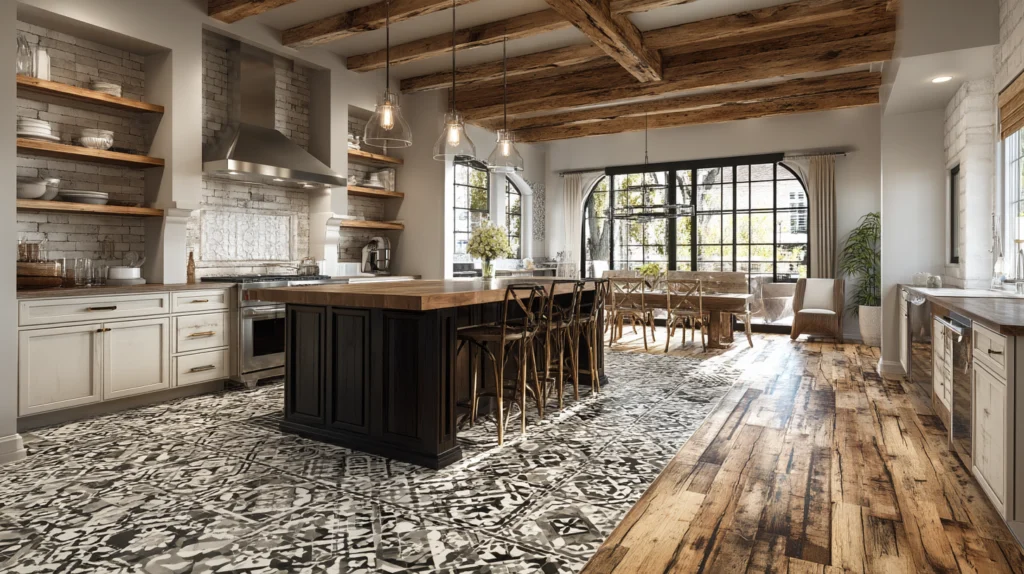
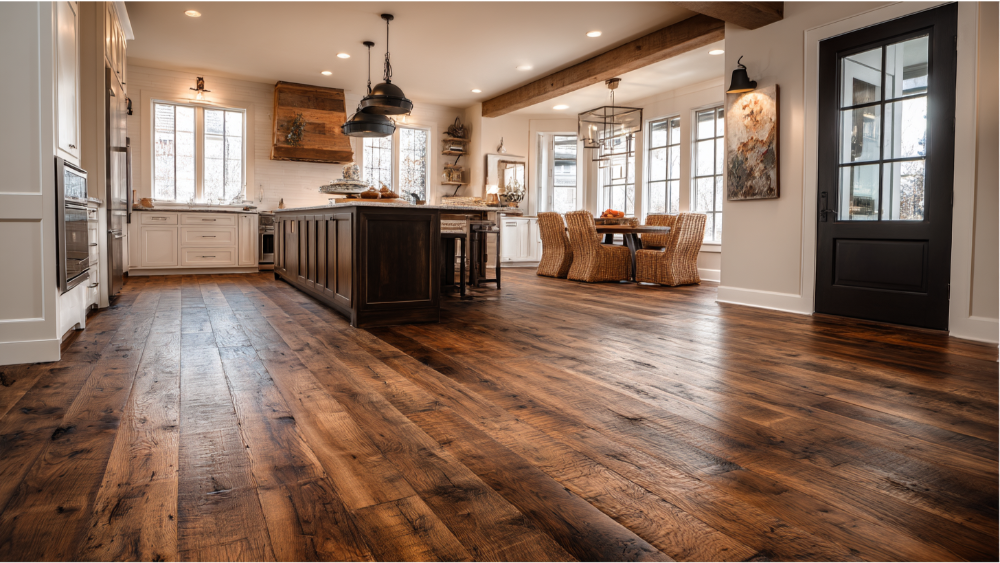
A wide-angle view of a rustic kitchen with rich, distressed wide-plank hardwood flooring and farmhouse-inspired decor.

Step 1 – Sweep, Dust Mop, and Vacuum Regularly

Start by removing loose debris and dirt. Use a soft cloth broom or a dedicated dust mop daily. Vacuuming once or twice a week with a hardwood‑safe vacuum head will prevent sand‑like grit from scuffing the finish. Don’t skip this step, because cleaning wood floors with dirt still there causes scratches, dull spots, and premature wear.

Step 2 – Weekly Damp Mop for Clean Hardwood Floors

A damp mop with a microfiber mop head is the best tool to clean wood floors. Do not use a wet mop, bucket of water, or steam cleaners. Instead, fill a bucket with warm water and a few drops of water‑based cleaning solution or wood floor cleaner. Dip the mop, wring it thoroughly so it’s damp, then mop following the wood grain to prevent streaking. Make sure excess water is squeezed out before use. After mopping, go over the floor again with a dry mop or microfiber cloth to air dry the surface completely. This routine avoids excessive water exposure while cleaning wood floors thoroughly.

Step 3 – Spot Clean Spills Immediately

Kitchen spills happen often. Always keep a pack of paper towel or damp paper towel on hand. Blot a spill right away instead of wiping, because wiping can smear liquids deeper into finish. Use warm water with a drop of dish soap or dishwashing liquid to clean sticky or greasy messes. Rinse with a damp soft cloth and dry thoroughly. For stubborn stains, use a cleaning product designed for hardwood floors, applied sparingly with a damp mop head or soft cloth. Wipe, rinse, and dry completely to prevent damage.

Step 4 – Monthly Deep Cleaning Session

Each month, give your hardwood floors a deeper clean. Use a specialized wood floor cleaner in the recommended dilution. Scoop a small amount into warm water, dip microfiber mop head, wring until just damp, mop with wood grain, then rinse the mop head as needed. Finally, use a dry mop or soft cloth to remove any moisture. Air dry for a few minutes. This deep clean removes stuck‑on residues, grease, and dirt that regular mopping misses. If buildup remains, call in professional hardwood cleaning to restore shine.

What Not to Do When Cleaning Wood Floors

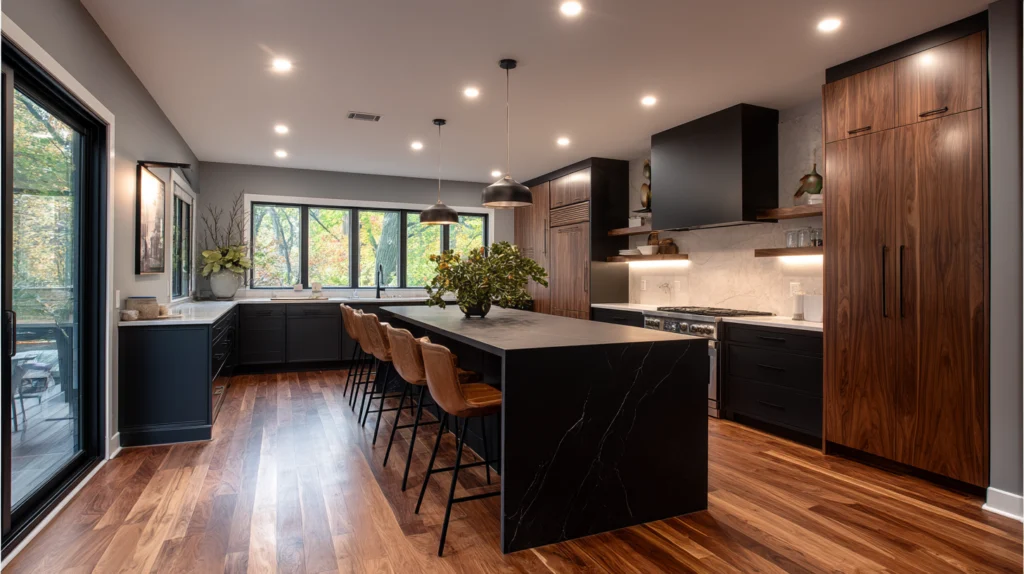
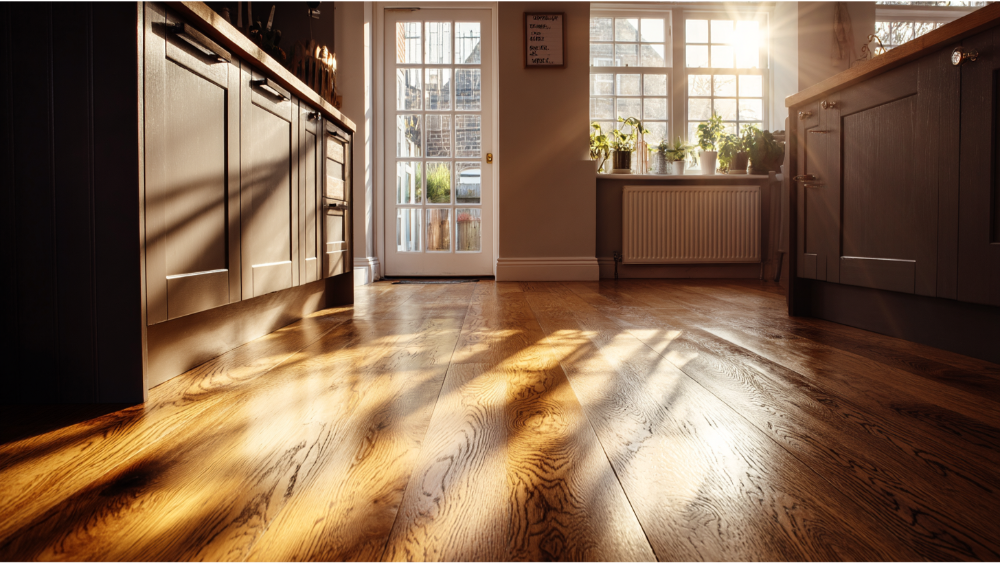
 A cozy kitchen with dark cabinetry and warm-toned hardwood floors, with sunlight streaming through the windows.

Avoid Wet Mops and Excessive Water

Never use wet mop or bucket after bucket with hot water on wood floors. Excessive water leads to cupping, warping, and discoloration. Always wring the mop thoroughly before use and follow up with dry mop to keep floors dry.

No Steam Cleaners or Abrasive Cleaners

Steam cleaners introduce heat and moisture that can warp wood. Abrasive cleaners scratch finishes and dull the surface. Avoid harsh chemicals, chlorine bleach, white vinegar, and pine oil on hardwood floors. They can break down finishes and leave residue that attracts dirt.

Skip Wax, Oil-Based Polishes, and Paper Towels Alone

Wax leaves buildup, becomes slippery, and creates uneven shine. Oil‑based products, like olive oil mixes, attract dust and leave greasy residue. A paper towel alone or dry mop with dust still there just spreads dirt. After cleaning with a damp mop, always go over with a dry mop to prevent haze and streaking.

Don’t Forget Protection and Maintenance Between Cleanings

To maintain hardwood floors, fit felt pads to chair legs and table legs to prevent scratches from shifting furniture. Place rugs or mats near the door, sink, and stove to catch spills and dirt. Trim pet nails regularly. Control indoor humidity levels to avoid expanding or shrinking wood, which causes cracks or gaps. These habits go beyond cleaning—they are essential proper maintenance practices for lasting beauty.

Long‑Term Maintenance Tips for Clean Wood Floors

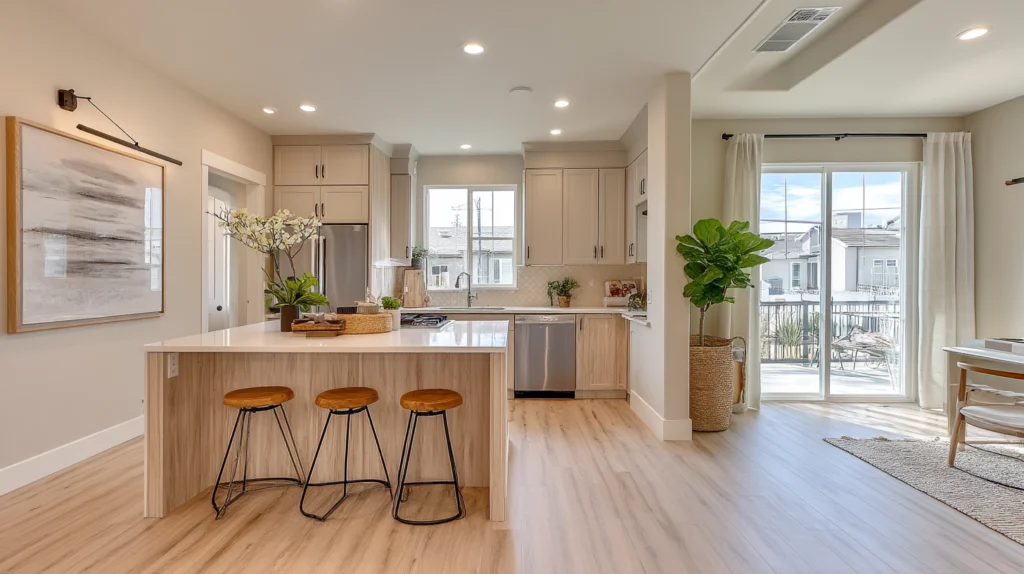
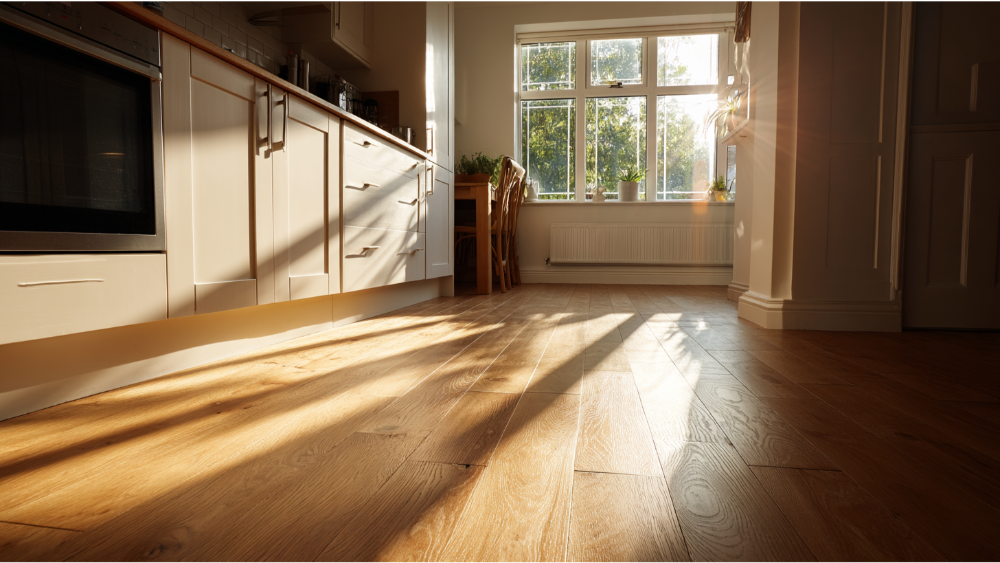
A bright kitchen with light cabinetry and medium oak hardwood flooring, bathed in natural sunlight from large windows.

Use Area Rugs and Mats Strategically

Place mats in high‑risk areas where spills and moisture are common. Mats protect floors from grease, dirt, hot water spills, and foot traffic. Make sure mats have non‑abrasive backing so they don’t scratch the finish. Clean them regularly to avoid dirt accumulation beneath them.

Apply Felt Pads to Furniture Legs

Felt pads are inexpensive, easy to install, and highly effective at preventing scratches when chairs and tables move. Check them every few months and replace them when worn.

Maintain Ideal Indoor Humidity

Keeping indoor humidity between 35 and 55 percent minimizes wood expansion and contraction. Use a humidifier in winter and dehumidifier in summer, especially in multi‑season climates. This prevents cracking, warping, and separation along wood grain.

Recoat or Refinish Floors Periodically

Every 3 to 5 years, consider a professional recoat to refresh the finish without sanding. When wear and scratches deepen, a full refinishing with sanding and resealing may be needed every 7 to 10 years. This maintains durability and appearance through long periods of wear and tear.

Best Cleaning Solutions and Products

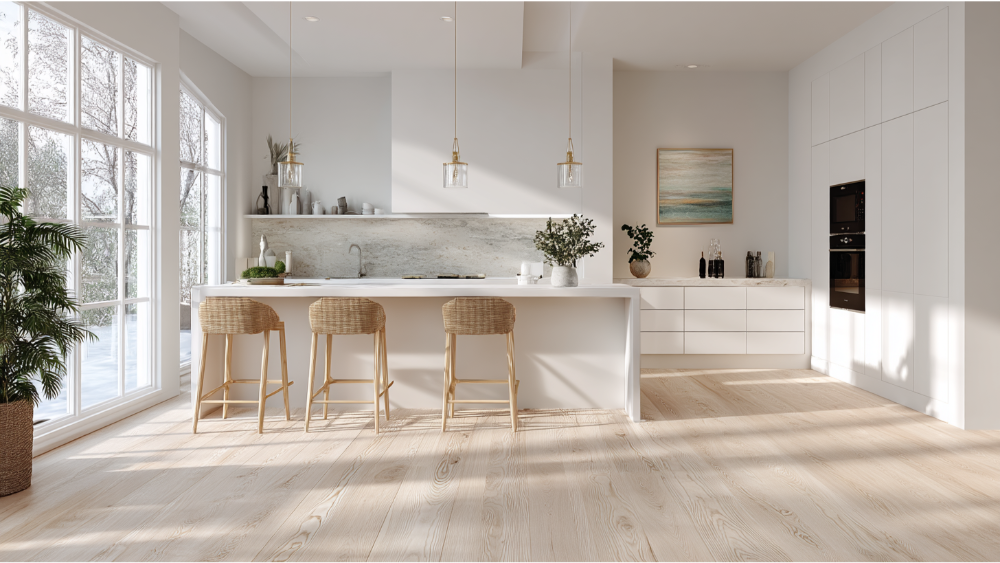
A modern, minimalist kitchen with light-toned wood flooring, white cabinetry, and large windows filling the space with natural light.
  • Bona Hardwood Floor Cleaner is a trusted option for daily damp mop cleaning, and prevents buildup.
  • Bruce Hardwood & Laminate Cleaner suits homes with pets or heavy foot traffic because it’s gentle but effective.
  • Rejuvenate Professional Wood Floor Restorer can help revive a dull finish between recoats.

Use these products according to label instructions, and always test on a small area before full use.

DIY Cleaning Solution for Clean Hardwood Floors

A DIY cleaner can work if you need a quick solution. Mix warm water with a few drops of dish soap or dishwashing liquid in a bucket. Dip mop head or soft cloth, wring until damp and mop wood floors with the grain. Rinse mop head frequently and wipe with a dry mop. Use sparingly and only occasionally to avoid buildup. Never substitute DIY cleaners often, because they can alter finish over long periods.

Frequently Asked Cleaning Hardwood Floors Questions

Can I use steam cleaners on wood floors?

No. Steam cleaners add heat and excess moisture that can warp sealed wood, damage sealant, or cause cupping.

Should I avoid white vinegar for cleaning wood floors?

Yes. While vinegar is natural, it is acidic and may dull or damage finish over time. Stick to hardwood‑safe cleaners or mild DIY solutions.

How can I prevent streaking when damp mopping?

Use a microfiber mop head, wring it thoroughly, follow wood grain, and finish with a dry mop. Change water often and avoid hot water.

Is olive oil a good cleaner for wood floors?

No. Olive oil can build up, attract dust, and leave floors greasy. It might darken wood and create uneven shine.

How do I deal with stubborn stains?

Blot spills immediately with paper towel. Clean stubborn stains with hardwood cleaner, damp mop head or damp cloth and dry completely.

How often should I clean hardwood floors?

Dust mop or vacuum regularly, about three times a week. Damp mop weekly and deep clean monthly. Perform full maintenance every 3‑5 years or sooner in busy households.

Final Thoughts on Proper Maintenance for Wood Floors

Kitchen hardwood floors are a durable and attractive investment for your home when you know how to clean hardwood floors properly. Avoiding steam cleaners, abrasive cleaners, excessive water, harsh chemicals, wax, white vinegar, olive oil, and chlorine bleach will help maintain the protective seal. Use a microfiber mop head and the right cleaning solution to clean wood floors gently with wood grain. Always capture spills immediately with paper towel or damp paper towel, and finish by drying with a dry mop. Protect floors with rugs, felt pads, humidity control, and coat regularly. Following this routine will keep your floors looking like new through long periods of use.

If your floors are scratched, worn, or need refinishing, we can help. At America’s Advantage Remodeling, our kitchen remodeling services include expert hardwood floor restoration, recoating, refinishing, and sealing to maintain both beauty and durability. Visit our kitchen remodeling services page or contact us to schedule a free consultation.

Granite vs Quartz? Which Countertops Are The Best for Your Home?

Опубликовано: July 18, 2025 в 6:48 am

Автор:

Категории: Kitchen

Тэги: ,,

Choosing the right kitchen countertop in 2025 is one of the most important decisions in any remodel. Whether you’re starting from scratch or upgrading an outdated kitchen or bathroom, the debate of granite vs quartz countertops is one homeowners face every day. At America’s Advantage Remodeling, we specialize in helping Northern California homeowners choose the perfect material for their lifestyle, budget, and design preferences. This guide breaks down everything you need to know about granite countertops, quartz countertops, and how to make the smartest decision for your home.

Understanding Granite and Quartz Countertops

What Are Granite Countertops?

Granite is a 100% natural stone that’s quarried from the earth and cut into slabs. Each granite slab offers a one-of-a-kind combination of minerals, colors, and unique patterns, giving it unmatched natural beauty. Granite countertops are known for their durable surface, rich tones, and resistance to heat, making them a favorite for chefs and homeowners who value timeless elegance.

What Are Quartz Countertops?

Quartz countertops are made from engineered stone, composed of about 90% ground quartz combined with resins and pigments. This process results in a non-porous, low-maintenance surface with consistent patterns and colors. Quartz and granite may serve the same purpose, but their composition leads to very different performance in the home. For those looking to buy quartz, it offers a versatile and budget friendly option among countertop options.

Why the Granite vs Quartz Countertop Decision Matters

A bright kitchen with white cabinetry, marble waterfall island, and stainless steel appliances, decorated with fresh tulips and natural light.

When you compare granite vs quartz countertops, you’re looking at more than just appearance. These two materials differ in heat resistance, cleaning needs, maintenance, cost per square foot, and overall resale value. Making the right choice requires balancing personal preferences with practical functionality.

Appearance and Aesthetic Appeal

The Natural Beauty of Granite

If you love the look of authentic stone, granite counters offer striking, unique patterns and rich natural coloring. Whether you’re designing a rustic farmhouse kitchen or a classic bathroom, granite and quartz countertops can both fit the bill, but granite gives you that truly organic feel. It pairs well with wood cabinets, butcher block islands, and even marble countertops in mixed-material kitchens.

The Clean Look of Quartz

On the other hand, quartz countertops feature consistent patterns and are available in nearly every shade and style imaginable. Many quartz products are designed to mimic the look of marble countertops, but without the maintenance that marble requires. For those wanting a modern, sleek look with little variation, quartz is the perfect solution.

Durability and Heat Resistance

Can Granite Withstand High Temperatures?

Yes, granite countertops are highly durable and heat resistant. You can place a hot pan or hot pots directly on the surface without fear of heat damage. Granite, like many natural stone surfaces, can withstand high temperatures, making it a great option for serious home cooks or entertainers.

What About Quartz Heat Resistance?

Quartz, while highly resistant to scratches and stains, is not as heat resistant as granite. Because quartz countertops contain resin, direct exposure to extreme heat or high temperatures can cause discoloration or warping. Always use hot pads or trivets when placing hot pots or pans on quartz surfaces.

Maintenance and Cleaning

A spacious kitchen featuring a marble countertop island, white cabinetry, stainless steel appliances, and elegant decor.

Caring for Granite

Granite countertops require regular sealing to maintain their non-porous surface. Without proper sealing, granite can absorb spills and stain, especially in high-use areas like the kitchen countertop. However, with proper care, including regular cleaning and sealing every 12–18 months, granite can last for decades. Proper sealing is essential to prevent staining and keep your granite counters looking their best.

Caring for Quartz

Quartz countertops are non-porous, which means they do not require sealing and resist staining. Their low-maintenance design is one of the top reasons homeowners choose quartz. Just a simple wipe-down with mild soap and water is enough to keep your countertops looking spotless. The non-porous surface also makes quartz more hygienic, especially during food preparation.

Cost Comparison Per Square Foot

When evaluating granite vs quartz countertops, cost is a major factor. Both options vary widely based on color, origin, and finish, but here’s a general breakdown:

  • Granite cost per square foot: $40 to $200
  • Quartz cost per square foot: $70 to $150

The final cost of either surface can also vary based on edge profiles, cutouts for sinks, and installation labor. Exotic stones or rare color patterns can increase pricing significantly due to the stone’s rarity.

Environmental Impact and Sustainability

If eco-conscious remodeling is a priority, it’s worth comparing the environmental footprint of each material.

  • Granite is a natural stone, but quarrying and transporting slabs can create a larger carbon footprint. Opting for local sources or recycled slabs is a more sustainable approach.
  • Quartz countertops, being engineered stone, are manufactured using energy-intensive processes. However, many brands now offer quartz with recycled content and low-VOC resin formulas that improve sustainability.

Countertop Materials and Home Value

A close-up of two granite countertop samples showing different colors and surface textures on a neutral background.

When comparing countertop materials, both granite and quartz offer exceptional long-term value. Buyers are drawn to the timeless beauty and functionality of both surfaces. In Northern California’s competitive housing market, quartz countertops appeal to those who want a low-maintenance, modern space, while granite countertops often signal luxury and timeless elegance.

In short, both surfaces positively impact resale value, and your decision can be based on how you use your kitchen or bath and what style speaks to you.

Pros and Cons of Granite and Quartz

Granite Countertops

Pros:

  • Natural, authentic stone
  • Superior heat resistance
  • Unique slab colors and textures

Cons:

  • Needs proper sealing and regular cleaning
  • Can absorb liquids if not properly sealed
  • Some patterns are hard to match if repairs are needed

Quartz Countertops

Pros:

  • Non-porous and highly stain-resistant
  • Low maintenance and easy to clean
  • Available in designs that mimic marble countertops and other materials

Cons:

  • Can’t handle extreme temperature changes
  • Direct heat can damage resin
  • Slightly more expensive depending on brand

Common Use Cases and Recommendations

Best for Busy Families

If you have kids, frequent guests, or heavy kitchen use, quartz countertops are ideal thanks to their low maintenance and non-porous nature.

Best for Serious Cooks

Homeowners who frequently use cast iron or cook at high temperatures should lean toward granite, which can handle hot pans without damage.

Best for Modern Aesthetics

Want a streamlined, minimal look? White quartz countertops or engineered options with subtle veining offer consistency and modern appeal.

Best for Traditional Design

Love warm tones, wood cabinetry, or farmhouse style? Granite countertops or a mix of granite and quartz deliver contrast and natural beauty.

A rustic kitchen with natural wood cabinets, a stone backsplash, exposed beams, and a large island with upholstered stools and warm lighting.

2025 is all about blending beauty and practicality. Here are a few trends we’re seeing across granite and quartz installations:

  • Matte finishes on both granite and quartz countertops
  • Waterfall edges using sleek engineered stone
  • Mixing marble countertops with solid surface or granite accents
  • Budget-friendly designs that pair butcher block islands with quartz perimeters
  • Increased demand for sustainable and recycled quartz products

Frequently Asked Granite vs Quartz Countertops Questions

Is quartz better than granite?

Not better, just different. Quartz is low maintenance and consistent, while granite offers more natural beauty and heat resistance.

Can I put hot pots on quartz?

No. Placing hot pots or pans directly on quartz can damage the resin. Always use a trivet or hot pad.

Does granite require sealing?

Yes. Granite needs to be sealed every 12–18 months to protect its surface and keep it stain-resistant.

Which costs more, granite or quartz?

Quartz tends to be slightly more expensive on average, but pricing varies widely depending on color, finish, and installation complexity.

What is the best countertop material for resale?

Both granite and quartz offer strong resale value in Northern California. Choose the one that best fits your lifestyle and design preferences.

Final Thoughts: Which Countertop Is Best?

There’s no universal winner in the granite vs quartz countertops debate. It all comes down to how you use your space, how much maintenance you’re willing to do, and what design speaks to you. Granite brings natural beauty, timeless elegance, and heat resistance. Quartz offers sleek design, low maintenance, and lasting durability.

At America’s Advantage Remodeling, we’ll help you find the perfect fit for your kitchen or bath, one that enhances your daily life and adds lasting value to your Northern California home.

Ready to Transform Your Kitchen or Bathroom?

Let’s get started. Schedule your free consultation today to explore the best countertop materials for your Sacramento, Roseville, or greater Northern California home. Whether you’re drawn to the natural beauty of granite, the sleek appeal of quartz, or the luxurious finish of marble, America’s Advantage Remodeling is your trusted partner for a job done right.

How Much Is Appliances Per Month? A 2025 Guide for Homeowners

Опубликовано: July 11, 2025 в 6:40 am

Автор:

Категории: Kitchen

Тэги: ,

If you’re a homeowner planning a remodel or just trying to cut back on your electricity bills, one question matters more than you think: how much is appliances per month? While most people budget for upfront costs, it’s the monthly operating expenses that slowly eat into your wallet. From electricity, maintenance, and energy consumption to hidden fees from older systems, the true energy costs of home appliances stretch far beyond the purchase price.

At America’s Advantage Remodeling, we help homeowners throughout Sacramento, Roseville, and the surrounding areas make smarter choices about energy, design, and monthly expenses. In this guide, we’ll explore the average monthly cost of appliances, break down energy use per hour, and help you understand how to make your appliances more affordable and energy efficient in 2025.

The Real Cost of Appliances Per Month

When you ask, “how much is appliances per month,” the answer depends on a few key factors: the size of your household, the wattage listed on your appliances, how often you use them, and local utility rates. Energy consumption and electricity costs can vary depending on your location, appliance age, and efficiency.

On average, the monthly electricity cost for appliances ranges between $30 and $60, but this can climb higher for larger appliances, homes with central air conditioning, or units running per hour over long periods. Understanding these energy costs helps homeowners budget better and identify which appliances contribute most to their annual costs.

Appliance Purchase Price vs. Monthly Operating Cost

A modern apartment kitchen with sleek white cabinetry, stainless steel appliances, and floor-to-ceiling windows offering a panoramic city view.

Common Appliance Prices in 2025

Here’s a breakdown of appliance costs homeowners can expect when buying new kitchen appliances and other home units:

  • Refrigerator: $900 to $3,200
  • Dishwasher: $450 to $1,250
  • Oven and range: $700 to $2,700
  • Microwave: $150 to $600
  • Washer and dryer set: $1,100 to $2,800
  • Portable units: Vary depending on size and type

While these prices are important, you also need to consider how much these appliances will cost per month to operate. Many homeowners pay more for cheap units in the long run due to poor energy efficiency, which increases their annual costs through higher energy consumption.

Monthly Energy Use by Appliance

Below is the estimated monthly electricity usage of major household appliances, based on average use and current 2025 per kilowatt hour (kWh) rates:

AppliancekWh/monthCost Per Month (avg $0.27/kWh in CA)
Refrigerator35–60$9.45–$16.20
Electric oven25–45$6.75–$12.15
Dishwasher20–30$5.40–$8.10
Electric dryer40–60$10.80–$16.20
Washing machine10–20$2.70–$5.40
Microwave15–30$4.05–$8.10
Lights50–90$13.50–$24.30
Air conditioner150–300$40.50–$81.00
Heat pump120–250$32.40–$67.50
Central air conditioning300–500$81.00–$135.00
Television25–60$6.75–$16.20
Waffle iron8–15$2.16–$4.05
Radio10–20$2.70–$5.40

These figures help answer not only how much is appliances per month, but also how much electricity each one uses. Wattage and usage are crucial, many older models draw more power than necessary, leading to higher energy costs and annual costs.

Energy Consumption: The Hidden Money Drain

 An industrial-style kitchen with concrete finishes, metal stools, open wood shelving, and large windows for natural light.

Energy Bills from Appliances Add Up

The average U.S. homeowner spends between $350 and $600 per year, or roughly $30 to $50 per month, on appliance-related energy use alone. This does not include hot water, heating, cooling, or lighting.

Old or poorly maintained appliances increase energy consumption, especially if they run inefficiently or lack energy star certification. That’s why replacing old kitchen appliances and other home appliances can be a smart financial decision. You might pay more upfront, but you’ll save money every month in electricity costs.

Understanding Wattage and Kilowatt Hours

Each appliance has a wattage listed that tells you how much power it draws per hour. Multiply that by the number of hours used, divide by 1,000, and you’ll get your kWh. That kWh number, multiplied by your local rate per kilowatt hour, gives you the hourly cost.

Let’s take a refrigerator as an example:

  • Wattage: 150 watts
  • Daily usage: 24 hours
  • Monthly usage: 150 x 24 x 30 ÷ 1000 = 108 kWh
  • Monthly electricity cost: 108 kWh x $0.27 = $29.16

Now consider an energy star refrigerator:

  • Wattage: 80 watts
  • Monthly cost: about $15.55

That’s almost half the cost, showing why energy efficiency pays off.

Factors That Affect Monthly Appliance Costs

Household Size and Usage Habits

An average family of four will naturally use appliances more often than a single resident. More loads of laundry, more food preparation, and longer heating or cooling hours all lead to increased energy bills. Monitor your usage habits to understand which systems are running unnecessarily.

Appliance Age and Efficiency

Old appliances typically have lower energy efficiency and lack smart controls or automatic shutoff features. New home appliances, especially those with energy star labels, are built to reduce energy consumption and increase performance.

Local Electricity Rates

In California, electricity costs are higher than the national average. While national rates hover around $0.16 per kilowatt hour, PG&E and SMUD rates are close to $0.27 per kWh in 2025. That means every hour an appliance runs has a bigger impact on your energy bills here.

Seasonal Systems

Appliances like air conditioners, heat pumps, whole house fans, and portable heaters can drastically increase monthly energy consumption during seasonal spikes. In summer, central air conditioning can cost as much as $135 per month to operate in California.

How to Lower Monthly Appliance Costs

A luxurious kitchen with dark cabinetry, a dramatic waterfall marble island, pendant lighting, and warm wood flooring.

Replace Old Appliances with Energy Star Units

If you’re remodeling or upgrading, consider replacing old kitchen appliances and other home appliances with energy star certified models. These units meet strict energy efficiency guidelines and use 20% to 50% less power, depending on the type and wattage.

Some energy-saving options include:

  • Front-loading washers with moisture sensors
  • Induction ovens with rapid response
  • Energy star refrigerators with inverter compressors
  • Dishwashers with soil sensors and low-watt heating elements

Optimize Usage Habits

You don’t need to overhaul your whole kitchen to see savings. Small habit changes make a difference:

  • Run full loads in the washer, dryer, and dishwasher
  • Air dry dishes instead of using the heat cycle
  • Use cold water when possible
  • Turn off unused lights and electronics
  • Unplug television, radio, or microwave when not in use
  • Switch to LED lighting throughout the house

Install Smart Monitors

Installing smart energy monitors helps track power usage per appliance per hour, revealing which units are driving up your bills. You can install outlet-level monitors that track the wattage listed and provide data in real time.

Upgrade Systems That Support Appliances

Beyond just the appliances, other home systems play a role in energy consumption. Consider upgrading or optimizing:

  • Insulation to reduce heating and cooling loads
  • Whole house fan for passive cooling
  • Hot water heater for faster recovery and lower electricity use
  • Programmable thermostats for HVAC optimization

When to Repair vs. Replace

Repairs are often short-term fixes. If an appliance is over 10 years old or operates at a high energy consumption rate, consider replacing it. Here’s when to choose each:

Repair:

  • Minor malfunction
  • Still under warranty
  • No effect on energy bills

Replace:

  • Unit uses high wattage per hour
  • Frequent breakdowns
  • Parts are discontinued
  • You’re starting a remodel

As part of our remodeling projects, we help homeowners evaluate and select appliances that offer optimal long-term performance and lower electricity demand.

How Much Is Appliances Per Month When Remodeling?

A contemporary kitchen with striking black cabinetry and white marble countertops, featuring dual islands and high-end finishes.

During a home remodel, clients often ask, how much is appliances per month, and how to keep that number low. We recommend the following:

  • Bundle appliance installs during your kitchen or laundry remodel
  • Use rebates and local utility incentives for energy star appliances
  • Plan for your average use based on family size and lifestyle
  • Choose appliances that require less power per hour

We handle all of this as part of our design-build process, from appliance sourcing and placement to installation and energy planning.


Frequently Asked How Much Is Appliances Per Month Questions

What are the most expensive appliances to operate?

Central air conditioning, electric dryers, and old refrigerators use the most energy per hour, often contributing over $20–$100 per month depending on usage and wattage.

How do I calculate how much electricity an appliance uses?

Multiply the wattage listed by hours used, divide by 1,000 to get kWh, then multiply by your local per kilowatt hour rate.

Can energy star appliances really save money?

Yes. Energy star units are designed to reduce energy consumption, often cutting electricity costs by 20% to 50%.

Should I unplug appliances when not in use?

Unplugging or using smart strips prevents vampire power, especially for television, microwave, or radio, which continue drawing electricity per hour even when turned off.

Is it worth switching to a heat pump?

Yes. A modern heat pump is more energy efficient than a traditional heater or air conditioner, reducing energy use in both summer and winter.

Final Thoughts

Understanding how much is appliances per month gives you more control over your remodel and your monthly bills. From calculating kilowatt hour usage to planning around energy consumption, a little knowledge goes a long way.

At America’s Advantage Remodeling, we help homeowners make smart, energy-conscious choices when renovating their homes. Whether you’re upgrading your kitchen appliances, planning to add a heat pump, or need guidance on reducing electricity usage, our team is here to help.

Let’s design a home that looks great, runs efficiently, and saves you money every single month. Schedule a free consultation with our team today.

Energy-Efficient Kitchen Appliances: The Ultimate 2025 Guide to Saving Money, Energy, and the Environment

Опубликовано: July 11, 2025 в 6:36 am

Автор:

Категории: Kitchen

Тэги: ,

Why Energy Efficiency in the Kitchen Matters in 2025

In 2025, energy efficiency is no longer optional. With utility bills rising and growing concerns about climate change, homeowners are prioritizing energy efficient appliances in every room, especially the kitchen. Kitchen appliances account for a significant portion of household energy use, with some using as much energy as your air conditioning or water heater over time. That means every appliance choice you make, from your refrigerator to your oven, can directly impact your energy costs, your health, and the environment.

Upgrading to energy efficient kitchen appliances is one of the most practical ways to save energy, lower monthly utility bills, and reduce your home’s contribution to global warming emissions. And thanks to advancements in technology and clear labeling programs like ENERGY STAR, it’s never been easier to find the most efficient models.

How to Identify Energy Efficient Kitchen Appliances

A sleek, minimalist kitchen with glossy white cabinets, stainless steel appliances, and a subtle tile backsplash.

The ENERGY STAR Label: Your Guide to Smarter Shopping

The Environmental Protection Agency and the Department of Energy created the ENERGY STAR program to help homeowners easily identify energy efficient products. When shopping for kitchen appliances, the ENERGY STAR label ensures that the appliance meets strict guidelines for energy use and performance.

ENERGY STAR-rated appliances use significantly less energy than standard models. For example, energy efficient refrigerators with the ENERGY STAR label can use up to 15% less energy than conventional models. That means you’ll not only save money but also reduce carbon dioxide emissions from your home.

Key Energy Efficiency Metrics to Know

When evaluating energy efficient kitchen appliances, look for:

  • EnergyGuide labels, which show estimated annual energy consumption and energy costs
  • Smart features, including off-peak scheduling and usage monitoring
  • Advanced components, such as inverter compressors or induction heating elements
  • Efficient models that use less heat and power to achieve the same or better results

The most efficient models go above and beyond standard ENERGY STAR requirements. These high-performance appliances can offer even greater energy savings over their lifespan.

Top 4 Energy Efficient Appliances to Consider in 2025

1 | Energy Efficient Refrigerators

Refrigerators run 24/7, making them one of the highest energy-consuming kitchen appliances in the average home. Energy efficient refrigerators with inverter compressors maintain a consistent temperature while using less electricity. French-door and bottom-freezer models certified by ENERGY STAR offer optimal storage and temperature control while using significantly less energy than older units.

If you’re still using an old refrigerator, you’re likely paying more than you should in energy costs. Replacing it with an energy saver model could reduce your electricity bill by over $100 a year.

2 | Dishwashers

Modern energy efficient dishwashers use less water, less electricity, and deliver better performance than older models. Look for features like soil sensors, quick-wash cycles, and air-dry or heat dry settings. ENERGY STAR dishwashers use advanced washing technology to clean dishes using just three gallons of water or less, compared to over 10 gallons in older models. That helps you save water and reduce energy use simultaneously.

3 | Induction Cooktops and Electric Ovens

Induction cooktops are rapidly replacing gas stoves thanks to their efficiency and safety. They use electromagnetic energy to heat cookware directly, resulting in faster cooking times, more precise temperature control, and less heat loss. Induction cooktops use less energy than gas or traditional electric stovetops and are safer, especially in homes with kids or seniors.

Electric convection ovens are also a smart upgrade. These ovens circulate hot air for even cooking, which allows food to cook faster at lower temperatures, saving both time and energy.

4 | Microwaves and Small Appliances

Microwaves are among the most energy efficient appliances for cooking small portions. New ENERGY STAR-rated microwave models use less power and distribute heat more evenly. Pairing them with other efficient small kitchen appliances like electric kettles, slow cookers, and air fryers can help you save energy throughout your daily routine.

Smart plugs can further reduce energy consumption by automatically turning off appliances when not in use, limiting phantom energy use from idle devices.

Why Homeowners Are Choosing Energy Efficient Kitchen Appliances

A bright kitchen with white cabinets, subway tile backsplash, stainless steel appliances, and light wood flooring.

Lower Utility Bills

Energy efficient appliances can significantly reduce monthly energy costs. For example:

  • ENERGY STAR dishwashers can save over $35 a year
  • Energy efficient refrigerators save $200 or more over their lifetime
  • Induction cooktops reduce heat loss and shorten cooking times, saving more energy

Combined, these savings can add up to hundreds of dollars each year, making your kitchen remodel a smart long-term investment.

Better Indoor Air Quality

Switching from gas stoves to electric or induction cooktops improves your indoor air quality. Gas stoves release nitrogen dioxide, carbon monoxide, and other pollutants that contribute to indoor air pollution. Poor air quality can affect children, seniors, and those with respiratory conditions. Choosing energy efficient electric appliances helps protect your family’s health and create a safer home environment.

Reduced Environmental Impact

Lower energy consumption means fewer carbon dioxide emissions from power plants. Every energy efficient appliance you add helps reduce your home’s contribution to climate change. When scaled across millions of homes, the shift toward energy efficient kitchen appliances can support a more energy efficient economy and help combat global warming emissions.

Addressing the Myths and Concerns

“Energy Efficient Appliances Cost Too Much Upfront”

While energy efficient appliances sometimes have a higher initial price tag, they offer long-term savings that far outweigh the costs. When you factor in utility savings, rebates, and tax credits, the return on investment becomes clear. Plus, many of today’s efficient models are more durable and require fewer repairs than standard models.

“Smart Appliances Are Complicated”

Today’s smart kitchen appliances are user-friendly and intuitive. Most models allow you to control settings with your smartphone, track energy use, and even receive maintenance alerts. These features help you save money and time, all while maximizing energy efficiency.

“It’s Hard to Know Which Appliance to Buy”

With programs like ENERGY STAR, clear labeling, and support from local contractors like America’s Advantage Remodeling, choosing the right energy efficient kitchen appliances has never been easier. You can even find rebates through your utility company or online databases to reduce the cost of new appliances.

How to Maximize Energy Efficiency in Your Kitchen Remodel

A modern kitchen with matte black cabinetry, a white waterfall island, pendant lighting, and stainless steel appliances.

Design for Efficiency

At America’s Advantage Remodeling, we believe that an energy efficient kitchen starts with smart design. We focus on:

  • Appliance placement to reduce heat buildup
  • Proper ventilation to eliminate indoor air pollution
  • Improved insulation around cooking zones and refrigeration areas
  • Natural lighting strategies to reduce dependency on electricity

Avoid placing your refrigerator in direct sunlight or near your oven. This can force it to work harder, consuming more energy. Thoughtful layout planning helps every appliance perform at its best.

Upgrade to ENERGY STAR Appliances

When remodeling your kitchen, replacing outdated appliances with ENERGY STAR-rated models should be a top priority. We help homeowners select energy efficient refrigerators, dishwashers, ovens, and microwaves that align with their lifestyle, budget, and energy-saving goals.

Install Smart Systems and Controls

Integrating smart home systems into your kitchen can improve energy savings. From smart thermostats to programmable lighting and appliance timers, we incorporate technologies that help you save energy without lifting a finger.

Rebates, Tax Credits, and Incentives Available in 2025

In 2025, homeowners have access to a wide range of financial incentives for upgrading to energy efficient kitchen appliances. These include:

  • Federal tax credits for certain ENERGY STAR appliances
  • Local utility rebates for specific product categories
  • State programs that promote energy efficient products and services

We help our clients navigate these programs to find rebates that reduce the cost of their remodel. Whether you’re buying an energy efficient refrigerator or upgrading your dishwasher, we make sure you get the maximum return.

Proper Appliance Disposal and Recycling

A spacious, contemporary open-concept kitchen with walnut cabinetry, a large waterfall island, and floor-to-ceiling windows.

When replacing appliances, it’s important to properly recycle your old refrigerator, dishwasher, or oven. Many utility companies offer pickup and recycling programs for old appliances, helping reduce landfill waste and recover valuable materials. By removing your old refrigerator, you can also eliminate one of the most energy-hungry devices in your home.

Frequently Asked Energy-Efficient Kitchen Appliances Questions

What are the most energy efficient kitchen appliances in 2025?

Some of the most efficient models include ENERGY STAR-certified refrigerators with inverter compressors, smart dishwashers with soil sensors, induction cooktops, and convection ovens.

Do energy efficient appliances really save money?

Yes. Energy efficient appliances are designed to use less power and water while delivering equal or better performance than standard models. Over time, these savings add up, helping you reduce utility costs significantly.

How do I find rebates for energy efficient appliances?

You can find rebates through your local utility company, the ENERGY STAR rebate finder, or by consulting with professionals like America’s Advantage Remodeling. We help you identify and apply for eligible programs.

Are gas stoves bad for indoor air quality?

Yes. Gas stoves emit pollutants like nitrogen dioxide and methane, contributing to indoor air pollution. Switching to electric or induction appliances improves air quality and enhances energy efficiency.

Should I replace my old refrigerator?

If your refrigerator is more than 10 years old, it likely uses significantly more energy than current efficient models. Upgrading to an energy efficient refrigerator can save you money and lower your home’s carbon footprint.

Start Your Energy Efficient Kitchen Remodel Today

Additionally, many home appliances such as clothes washers and heating units contribute significantly to household energy consumption. For example, clothes washers with ENERGY STAR ratings reduce drying time and water heating needs, saving energy and lowering utility bills.

The American Council for an Energy-Efficient Economy highlights that most people can reduce their energy use by half by upgrading to efficient appliances. Efficient heating water systems and hot water management also play crucial roles in overall home energy savings, complementing the benefits of energy efficient kitchen appliances.

At America’s Advantage Remodeling, we specialize in creating energy efficient kitchens that are functional, beautiful, and cost-effective. From layout planning to installing ENERGY STAR appliances and integrating smart systems, we handle every detail to ensure maximum energy savings and long-term value.

Whether you’re looking to save energy, improve indoor air quality, or reduce utility bills, we’re here to help you build a kitchen that meets today’s highest efficiency standards.

Easy Way to Remove a Kitchen Faucet 2025

Опубликовано: July 4, 2025 в 6:29 am

Автор:

Категории: Kitchen

Тэги: ,

Quick Answer: How to Remove a Kitchen Faucet

To remove a kitchen faucet, first clear the cabinet space and shut off the hot and cold water supply valves. Open the faucet handles to drain remaining water, then use an adjustable wrench to disconnect the supply lines. Next, use a basin wrench to loosen and remove the mounting nuts under the sink. Once the nuts are off, return above the sink and lift the faucet out, cutting through old caulk or sealant if necessary. Finally, clean the sink deck thoroughly to prepare for your new faucet installation. With the right tools and a little patience, most homeowners can complete the process in under an hour.

More Details

If you’re planning to upgrade your kitchen faucet or you’re dealing with a leak or corrosion issue, learning how to remove kitchen faucet parts safely and properly is the first step to a successful replacement. Removing an old faucet can seem intimidating, but with the right tools, a little patience, and a clear process, it’s a task most homeowners can manage. In this comprehensive guide, our kitchen remodeling experts at America’s Advantage Remodeling walk you through how to remove a kitchen sink faucet from start to finish. Whether you’re replacing an outdated fixture or making space for a stylish new one, this tutorial has you covered.

Tools You’ll Need for Kitchen Sink Faucet Removal

Before you begin the removal process, gather all the necessary tools. Having everything close by will prevent delays once you’re working underneath the sink.

Basic Faucet Removal Tools

  • Basin wrench – This is essential for reaching and loosening nuts behind the sink basin.
  • Adjustable wrench – For loosening the cold water supply lines and hot water supply lines.
  • Screwdriver – You may need both Phillips and flathead types depending on the faucet design.
  • Bucket or box – To catch any residual water from the supply lines.
  • Penetrating oil – Helps with loosening rusted or corroded hex nuts.
  • Flashlight or work light – To illuminate the cabinet under the kitchen sink.

Optional but Useful Items

  • Putty knife or utility knife – To remove old sealant from the sink deck.
  • Dremel tool with metal cutting bit – A backup option if a nut is seized and cannot be loosened.
  • Safety gloves and goggles – Protect yourself from metal shavings and debris.

Once your tools are assembled, it’s time to prep the area and get started.

Step 1 | Prep Your Kitchen Sink Area

A modern kitchen with wood countertops, open shelving, white tile backsplash, and plenty of natural light from a large window.

Start by clearing out the cabinet beneath the kitchen sink. Remove cleaning products, trash bins, or storage boxes to give yourself plenty of room. Lay down an old towel or pad to rest on as you work, since the position under the sink can be awkward. Place a bucket beneath the faucet connections to catch water from the supply lines once they are disconnected.

Turn Off the Water Supply

Locate the shut-off valves underneath the kitchen sink and turn them clockwise to stop the flow of water. These valves control both the cold and hot water supply lines. If your home doesn’t have individual shut-offs, you’ll need to turn off the main water supply.

Drain the Faucet and Supply Lines

Open the faucet handles to release any remaining water from the lines. This step helps reduce pressure and prevents unexpected leaks as you disconnect parts.

Step 2 | Disconnect the Supply Lines

Using your adjustable wrench, unscrew the nuts attaching the cold and hot water supply lines from the faucet tailpieces. If the lines are stiff or corroded, spray them with penetrating oil and allow it to sit for a few minutes.

You may also need to disconnect the supply lines from the shut-off valves, especially if you plan to replace them entirely. Inspect the lines for wear or damage—if they appear brittle or frayed, now’s a good time to replace them. Many supply lines are made from PVC or braided stainless steel; choosing the right material is important for durability.

Step 3 | Remove Mounting Hardware

A luxury kitchen with navy blue lower cabinets, white upper cabinets, gold hardware, and a large white marble island.

This is the step where things often get tricky. Kitchen sink faucets are usually secured with one or two large mounting nuts that hold the faucet in place beneath the sink.

Locate and Loosen the Mounting Nuts

Using your basin wrench, reach up behind the sink basin and locate the hex nuts. These nuts are typically located at the base of the faucet tailpieces. The basin wrench’s pivoting head is designed for awkward positions and tight spaces, making it ideal for this job.

Turn the nuts counterclockwise. If the nuts are corroded and won’t budge, apply more penetrating oil. Let it soak, then try again. In some stubborn cases, you may need to cut the nut using a Dremel tool with a metal bit.

Dealing With a Faucet Sprayer

If your kitchen faucet includes a separate sprayer, you’ll need to disconnect the hose from the faucet body. Most are secured with a clip or threaded connection. Unscrew the connection and remove the sprayer line.

Step 4 | Remove the Old Faucet

Now that you’ve loosened and removed the mounting nuts under the sink, it’s time to take out the old faucet. Head back above the sink and try gently pulling the faucet up and out of its position. In many cases, it will slide right out without much resistance.

If your faucet is stuck, don’t panic — this is very common. Over time, mineral buildup, rust, or hardened sealant can cause the base of the faucet to bond tightly to the sink. Instead of forcing it (which could crack your sink or countertop), try these pro tips:

  • Loosen sealant: Run a putty knife or utility knife carefully around the base of the faucet to break any caulk or plumber’s putty seal.
  • Apply gentle pressure: Rock the faucet back and forth to loosen its grip before pulling upward.
  • Use penetrating oil: If corrosion is the culprit, apply a small amount of WD-40 or a similar penetrating oil around the base, let it sit for 10–15 minutes, then try again.

When lifting the faucet, be mindful of the sink surface and countertop — use a towel underneath the base to prevent scratches or chips. Also, keep a bucket or rag nearby, as a small amount of water may still drain from the supply lines.

Once the faucet is out, take a moment to inspect and clean the area. Remove any old caulk, plumber’s putty, or debris from the sink deck so the new faucet sits flush and creates a watertight seal. This prep work may seem small, but it makes a huge difference in the longevity and leak resistance of your new installation.

Step 5 | Clean the Sink Deck

A cozy farmhouse-style kitchen with wood cabinets, white tile backsplash, open wood shelves, and decorative potted plants.

Use your putty knife or utility blade to remove any old sealant or plumber’s putty from the faucet mounting holes. Wipe the area clean with a damp cloth so that the surface is ready for the new faucet.

Inspect the faucet holes to ensure they’re clear and not obstructed by debris. If you’re switching from a three-hole faucet to a single-hole model, you’ll need a deck plate or cover plate to hide the unused holes.

When Things Don’t Go as Planned

Corroded Nuts and Threads

Over time, faucet mounting hardware can corrode and fuse to the sink or countertop. If penetrating oil and a basin wrench don’t work, your best solution may be to simply cut the nut using a Dremel tool.

Limited Access Under the Sink

Tight cabinet spaces can make it difficult to maneuver tools. Try using a compact basin wrench or a socket wrench attachment designed for faucet nuts.

Broken Parts or Leaks

If you encounter broken hardware, a rusted pipe, or a leak during removal, consider calling a professional. At America’s Advantage Remodeling, we’ve removed and installed hundreds of kitchen sink faucets. If the job becomes more than a basic DIY project, we’re here to help.

After You Remove the Faucet: What’s Next?

A bright farmhouse kitchen with cream cabinetry, a large apron sink, subway tile backsplash, and natural accents like wicker and flowers.

Once the old faucet is removed and the sink is clean, it’s time to either install your new faucet or move forward with your kitchen remodeling project.

Check the Supply Lines

Inspect the supply lines and shut-off valves. Replace any parts that show signs of aging or corrosion. Braided stainless steel lines are a reliable and long-lasting upgrade.

Prepare the New Faucet

Unbox your new faucet and review the manufacturer’s instructions. Lay out all the parts and ensure that everything is included: the spout, mounting plate, washers, nuts, screws, and any specialty tools or rods.

Line Up the New Faucet

Place the new faucet into the sink holes and ensure proper alignment. Pay attention to the direction of the faucet handles and spout for optimal use. From underneath, install the rubber or plastic gasket and thread the mounting nuts onto the faucet tailpieces in a pair to ensure even tightening. Tighten the nuts securely but avoid over-tightening, which could crack plastic components or damage threads.

Pro Tips From America’s Advantage Remodeling

  • Take a picture of the plumbing under your sink before you begin. This can help you remember how parts were attached if you’re reinstalling.
  • Always use a basin wrench for faucet nuts. Other tools might work, but nothing beats a basin wrench in tight spots.
  • Don’t ignore damaged threads. If the faucet or line threads are stripped or worn, replace them to avoid leaks.
  • Use thread sealant tape on threaded connections. It helps prevent leaks and makes future removal easier.
  • Lay out all parts before starting. Many homeowners start installing a new faucet only to realize they’re missing a screw or rubber washer halfway through the job.
  • If you prefer visual guidance, watch a detailed video tutorial on how to remove kitchen faucets safely and efficiently.
  • Choose a reputable brand for your new one to ensure quality and durability.
  • Our suggestion: continue to maintain your faucet regularly to extend its lifespan and avoid future leaks.

Frequently Asked How to Remove Kitchen Faucet Questions

How long does it take to remove a kitchen faucet?

Most faucets can be removed in under an hour. If corrosion is present, it could take longer.

Can I remove a faucet without a basin wrench?

Technically yes, but it will be much harder. A basin wrench is designed specifically for faucet nuts and makes the job easier.

What if my faucet is leaking at the base?

This is often caused by a worn-out seal or cracked housing. Removing and replacing the faucet is usually the best fix.

Should I replace supply lines when installing a new faucet?

Yes. Replacing supply lines when installing a new faucet reduces the risk of future leaks and improves water flow.

What if I strip the mounting nuts?

If the threads are damaged, you may need to cut them off with a Dremel tool. Replacement parts can be found at most hardware stores.

Conclusion

Now that you know how to remove kitchen faucet assemblies correctly, you’re one step closer to completing your DIY kitchen update. Removing a kitchen sink faucet might seem complex, but when broken down into manageable steps and backed by the right tools and guidance, it’s a task any determined homeowner can handle.

From identifying the hex nuts to using a basin wrench in awkward cabinet positions, understanding each part of the process helps you avoid frustration and finish the job efficiently. Whether you’re simply replacing an old faucet or preparing your kitchen sink area for a larger remodel, this guide has you covered from start to finish.

If you’d rather leave it to the professionals or run into trouble during the removal process, America’s Advantage Remodeling is here to help. We specialize in kitchen faucet replacement, kitchen sink installations, and full kitchen remodeling throughout Northern California.

Ready to get started? Contact us today or explore our kitchen remodeling services to discover how we can help bring your dream kitchen to life.

Little Kitchen Remodel Ideas That Maximize Space and Style

Опубликовано: July 4, 2025 в 6:22 am

Автор:

Категории: Kitchen

Тэги: ,

When it comes to transforming your home, the kitchen is one of the most rewarding places to start. But what if you’re working with a little kitchen? Don’t let limited square footage hold you back. With thoughtful planning, creative solutions, and a focus on smart design, even the tiniest kitchen can be stylish, functional, and full of charm. At America’s Advantage Remodeling, we specialize in turning small kitchen ideas into real, beautiful spaces across Northern California, including San Francisco and surrounding areas. Let’s explore the best little kitchen remodel ideas to maximize your space and reflect your personal style.
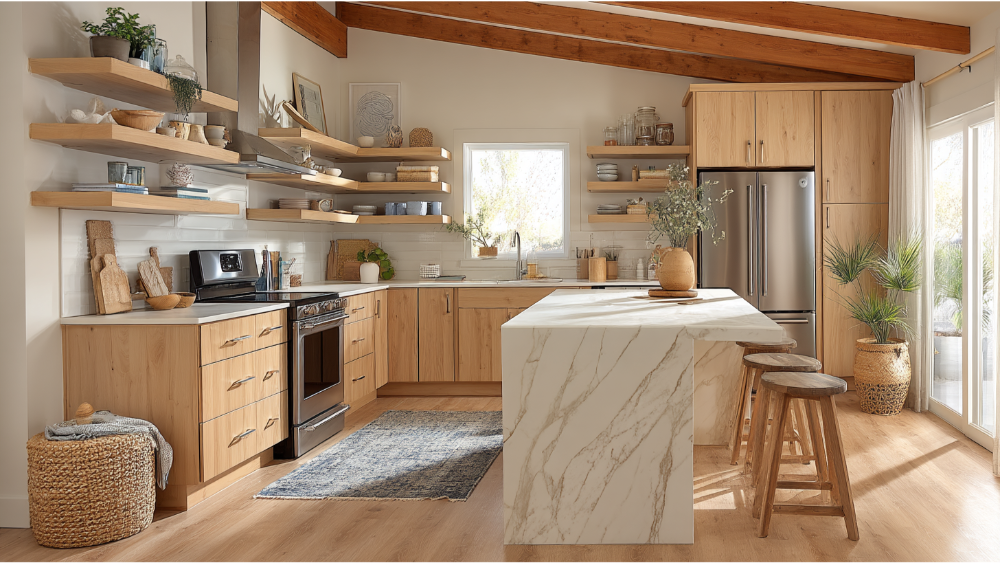
Smart Kitchen Layouts for Tight Spaces

A modern compact kitchen with light wood countertops, concrete backsplash, and open shelving, featuring potted plants and under-cabinet lighting.

The Power of a Galley Kitchen

A galley kitchen is one of the most effective designs for small kitchens. With two parallel walls lined with cabinets and appliances, this layout maximizes counter space and storage efficiency. You can incorporate stainless steel appliances and marble countertops for a seamless look that feels both modern and functional. Galley kitchens also promote workflow efficiency, especially when the work triangle, sink, stove, and fridge, is well thought out.

U-Shaped and L-Shaped Kitchens for Function and Flow

If you have a corner area to work with, consider a U-shaped or L-shaped kitchen layout. These designs use three or two walls respectively and offer plenty of cabinet space and room for open shelving or glass cabinets. L-shaped layouts allow room for a dining table or a compact island. U-shaped kitchens are great for pulling everything in close, creating an easy cooking flow, while also giving you more storage with upper cabinets and pullout storage in every nook.

Open Concept Ideas to Make Your Kitchen Feel Bigger

Removing a non-load-bearing wall can transform a tiny kitchen by letting in more light and improving traffic flow. This not only increases the visual space but also allows the room to feel more connected to the rest of the house. Combine open shelving with glass cabinet doors to create visual interest and display your favorite dishes without adding visual clutter. Open-concept layouts often make a small kitchen feel larger and help the room feel more breathable and modern.

4 Storage Ideas That Work in Small Kitchens

A narrow galley kitchen with white cabinetry, stainless steel appliances, subway tile backsplash, and dark wood flooring.

1 | Maximize Vertical Space with Smart Cabinetry

When you’re working with limited square footage, every inch counts. Using your vertical space with floor-to-ceiling upper cabinets provides more storage while drawing the eye upward to make the ceiling feel taller. Add spice racks inside cabinet doors or utilize the area above your refrigerator with custom cabinetry to make use of every bit of available space.

2 | Add Floating Shelves and Open Shelving for Style and Function

Open shelving is more than a trend, it’s a practical and stylish solution in small kitchens. Use it to store everyday items like plates, mugs, and spices, while mixing in decorative pieces to create visual interest. Open shelves also help the space feel more open compared to bulky cabinets and encourage intentional organization. For balance, pair open shelving with traditional upper cabinets to maintain function without sacrificing style.
3 | Clever Organization with Pullout Storage and Pot Racks

Make tight spaces more efficient with smart cabinet accessories like pullout storage, lazy Susans, and spice racks. Hanging pot racks, especially in corner areas or above islands, free up cabinet space and keep cookware within easy reach. Pot racks also add texture and can enhance your kitchen’s visual appeal while boosting your storage space.

4 | Use the Backsplash for Added Storage

Consider installing a rail system or magnetic strips on your backsplash to hang utensils or knives. This adds functionality without taking up counter space and keeps your most-used tools within arm’s reach. Pair with tile or marble backsplashes that reflect light and create a cohesive look.

Design Elements That Make a Small Kitchen Feel Bigger

A minimalist kitchen with light wood cabinets, white marble backsplash, and modern plants near a large window.

Embrace Light Cabinetry and Reflective Finishes

Light cabinetry in tones like white, cream, or soft gray can make a small kitchen feel brighter and more open. Pair with stainless steel appliances and polished hardware for a clean look. Reflective surfaces such as glossy tiles, light-colored quartz, or marble countertops help bounce light around the room and make the space feel larger.

Let In More Natural Light

Maximize natural light by adding or expanding windows when possible. Skylights or solar tubes are great options for bringing in more light without changing the existing footprint. The more light you bring in, the more your small kitchen feels open and airy. Consider using sheer or no window treatments to avoid blocking daylight.

Flooring and Ceiling Tricks for a Spacious Look

Use consistent flooring throughout your kitchen and adjoining areas to create flow. Larger format tile or continuous wood plank flooring helps reduce visual interruptions. On the ceiling, add vertical design details like beadboard or planks to draw the eye upward and make the room feel taller. Light paint colors on the ceiling and walls can also open up the room.

Glass Cabinets and Open Shelf Styling

Incorporate glass cabinet doors to break up solid cabinet runs and give the appearance of depth. This creates visual interest and makes your kitchen design feel lighter. A mix of open shelf displays and glass cabinets adds elegance and lets you showcase your personal style.
Small Kitchen Islands and Workstations That Do It All

Space-Saving Islands for Prep and Storage

Even a tiny kitchen can accommodate an island if you choose the right size. Narrow, movable islands or a small built-in unit with storage can provide extra counter space and help define the kitchen layout. Look for designs that include drawers or shelves for more storage and create a focal point with a butcher block top or farmhouse sink.

Create Zones with Mini Workstations

If a full island isn’t an option, try adding a mini workstation or coffee bar along a wall or inside a recessed nook. A compact baking station with open shelving, small appliances, and designated cabinet space keeps everything organized and close at hand. Workstations like these add purpose to unused spaces and make your kitchen more functional.

Built-In Banquettes and Multi-Purpose Dining Tables

A built-in banquette with storage underneath is a fantastic way to save space and create a cozy dining area. Pair it with a compact dining table that doubles as prep space or a homework station. These solutions allow your kitchen to serve multiple functions without sacrificing comfort or flow.

Surface and Material Ideas That Enhance Small Kitchens

A bright and modern kitchen with white cabinetry, open wooden shelves, a center island with stools, and black-framed windows and doors.

Choose Countertops That Work Hard

Quartz and marble countertops are excellent choices for small kitchens. They’re durable, low-maintenance, and available in light tones that brighten up the room. Go for seamless edges and full-height backsplashes to reduce visual breaks and promote a cohesive look. When selecting countertops, consider how the material reflects light and adds texture.

Use Tile to Create Visual Interest

Tile isn’t just for backsplashes. Use it on floors, behind open shelves, or even as an accent wall to create visual interest. Subway tile in a herringbone or stacked pattern adds clean lines and gives a modern twist to a classic look. Mosaic or geometric tiles can bring in color and personality without overwhelming the room.

Don’t Overlook the Cabinet Doors

Swapping out cabinet doors can dramatically change the style of your kitchen without a full renovation. Try shaker doors for a timeless look or go with slab fronts for a sleek, contemporary feel. Add custom hardware for a personalized touch and consider painting the doors in a light, warm shade to make the room feel more inviting.

Add Texture with Wood and Retro Elements

If you love a bit of nostalgia, consider adding retro elements like a checkerboard tile floor, vintage light fixtures, or a classic farmhouse sink. Wood accents, like butcher block counters, reeded cabinet panels, or ceiling beams, introduce warmth and texture that make a room feel cozy and unique.

Appliances and Technology That Work for Small Spaces

Built-In and Compact Appliances

In a small kitchen, space-saving appliances are essential. Choose compact dishwashers, counter-depth refrigerators, or even under-counter microwaves to maximize cabinet space. Panel-ready and stainless steel appliances create a cohesive look that blends seamlessly with cabinetry and adds a modern edge.

Smart Features That Add Functionality

Today’s small appliances often come packed with smart features. Look for voice-activated lights, touchless faucets, or app-controlled ovens that increase convenience without cluttering your kitchen. These tech upgrades allow you to streamline your routine and make the most of every inch of space.

Cost-Effective Upgrades for Your Small Kitchen

Reface or Refinish Instead of Replacing Cabinets

If your cabinets are structurally sound but outdated, refacing or refinishing is a great way to get a fresh look without a full remodel. Painting cabinet doors, adding new hardware, and updating the trim can give your kitchen a modern upgrade at a lower cost. This approach helps stretch your budget while still increasing your home’s value.

Focus on the Elements That Matter Most

In small kitchens, prioritize layout, lighting, and storage. These core elements make the biggest impact on usability and comfort. Add more light wherever possible, optimize your kitchen layout for movement, and use vertical space for additional cabinets or open shelving.

Add Personal Style With Accessories

Small changes can make a big difference. Display your favorite cookbooks on an open shelf, hang a few pieces of artwork, or bring in greenery to add color and life. These finishing touches help you express your personal style and make your kitchen feel like home.

Before and After Inspiration from Local Remodels

A Tiny Kitchen in Citrus Heights Gets a Big Upgrade

We recently helped a homeowner with a tiny kitchen in Citrus Heights reconfigure their layout for better flow. By removing a wall, installing open shelving, and using light cabinetry paired with marble countertops, we made the room feel spacious and more functional. Stainless steel appliances added a sleek, modern touch while keeping the kitchen efficient.

A San Francisco Galley Kitchen Becomes a Showpiece

In San Francisco, we transformed a dated galley kitchen into a beautiful kitchen with custom cabinets, glass cabinet doors, and a space-saving island. Light tile floors and a white subway tile backsplash helped reflect natural light and gave the room a seamless look. The result was a kitchen that felt much larger than its square footage.

Frequently Asked Little Kitchen Remodel Ideas Questions

What is the perfect size for a small kitchen?

A small kitchen typically ranges from 70 to 150 square feet. However, the perfect size depends on your home’s layout and your cooking needs. With smart design and efficient storage, even kitchens on the smaller end of this range can feel spacious and functional.

How can I maximize storage space in a little kitchen?

Maximize storage by utilizing vertical space with tall upper cabinets, incorporating pullout storage solutions, hanging pot racks, and using open shelving strategically. Using cabinet doors for spice racks and adding storage above appliances also helps make the most of every inch.

Are stainless steel appliances a good choice for small kitchens?

Yes, stainless steel appliances are excellent for small kitchens. Their reflective surfaces help bounce light around the room, making the space feel larger and more modern. They also blend well with various cabinet styles and finishes.

Can open shelving work in a small kitchen without making it feel cluttered?

Absolutely. Open shelving can make a small kitchen feel more open and airy if kept organized. Display everyday items neatly and mix in decorative pieces to create visual interest. Pairing open shelves with closed cabinetry helps balance style and function.

How do I bring more natural light into a small kitchen?

Increase natural light by adding or expanding windows, installing skylights or solar tubes, and using sheer or minimal window treatments. Light-colored cabinetry and reflective surfaces further enhance the brightness of the space.

What are some cost-effective upgrades for a small kitchen remodel?

Refinishing or refacing existing cabinets, updating hardware, improving lighting, and adding open shelving are affordable ways to refresh a small kitchen. These upgrades can significantly improve the room’s functionality and appearance without a full remodel.

How can I create a dining area in a small kitchen?

Consider built-in banquettes with storage underneath paired with a compact dining table that can double as prep space. Multi-purpose furniture and space-saving layouts help you share meals comfortably even in tight spaces.

Final Thoughts on Little Kitchen Remodel Ideas

The best little kitchen remodel ideas are those that make your space work harder and feel bigger without sacrificing your style. Whether you’re upgrading your cabinets, rethinking your kitchen layout, or adding more storage with pullout solutions, there are endless ways to turn a small kitchen into your favorite room in the house. At America’s Advantage Remodeling, we take pride in helping Northern California homeowners turn tight spaces into high-functioning, beautiful kitchens that stand the test of time.
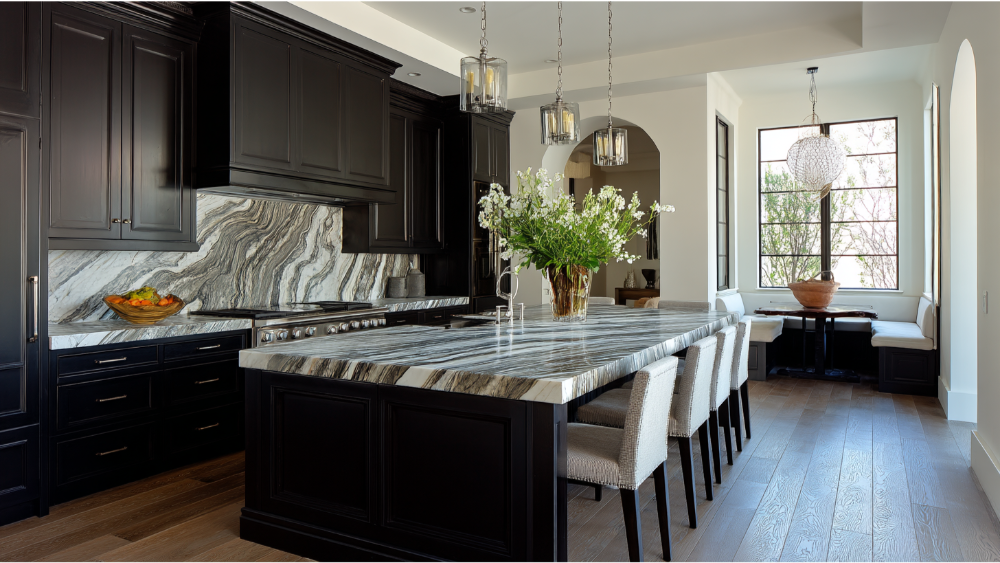
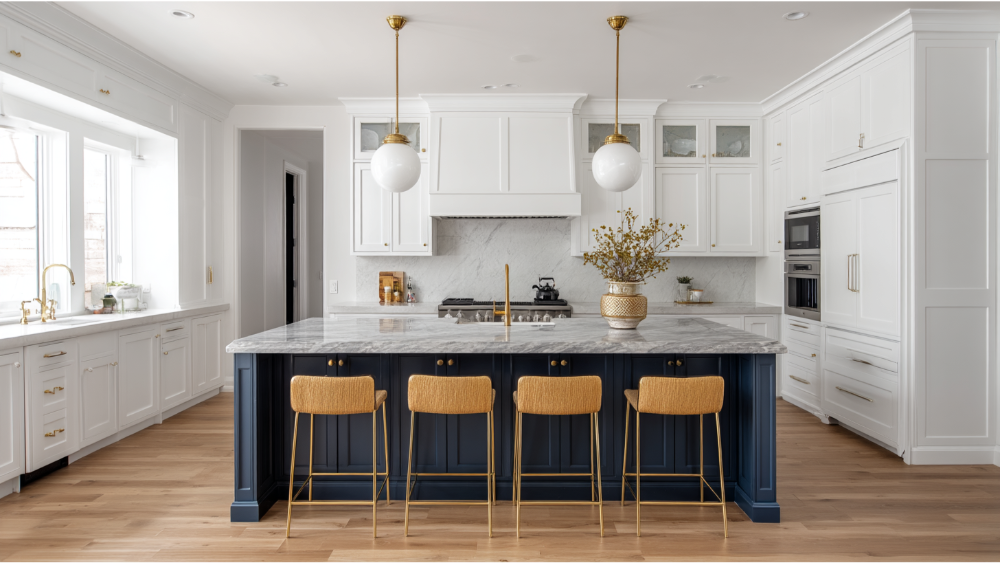
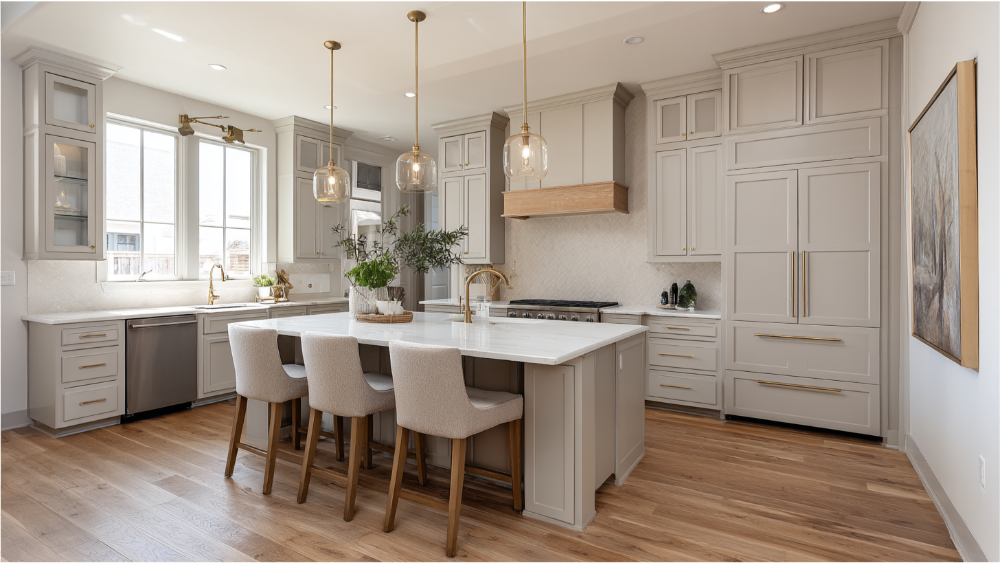
Ready to create your dream kitchen? Contact America’s Advantage Remodeling to schedule your free consultation and explore what’s possible in your home.

How to Clean Stainless Steel Appliances

Опубликовано: June 27, 2025 в 9:11 pm

Автор:

Категории: Kitchen

Тэги: ,

Stainless steel appliances bring style and sophistication to any kitchen, but if you own them, you already know how tricky they can be to maintain. Fingerprints, smudges, and water stains can quickly dull their shine. That’s why learning how to clean stainless steel appliances the right way is essential to keeping your kitchen looking fresh and polished.

At America’s Advantage Remodeling, we understand how important it is for your kitchen to look as clean as it functions. This guide will show you everything you need to know about how to clean stainless steel, from daily touch-ups to deep cleaning solutions, using safe techniques and the best stainless steel cleaners available in 2025.

Why Stainless Steel Needs Special Care

Close-up of a stainless steel microwave with control knobs.

Stainless steel is a durable, non-porous material that resists rust and corrosion, but it does show fingerprints, smudges, and stains easily. Unlike other surfaces, the finish on steel appliances can be permanently damaged by the wrong cleaning products. Harsh chemicals, steel wool pads, or even glass cleaner with ammonia can leave streaks or scratches that are difficult to repair.

You also need to follow the direction of the grain on your stainless steel surface. Whether you are cleaning a stainless steel refrigerator or a dishwasher, always wipe in the direction of the grain using a soft cloth or microfiber cloth. This method helps protect the finish and maintain that like-new gleam.

Everyday Cleaning for Stainless Steel Appliances

What You’ll Need

  • Warm water
  • Dish soap
  • Spray bottle
  • Microfiber cloth
  • Dry cloth or soft microfiber cloth

Step-by-Step Method to Clean Stainless Steel

  1. Mix your solution: Add a few drops of mild dish soap to warm water and pour the mixture into a spray bottle.
  2. Spray and wipe: Lightly spray the soapy water onto the stainless steel surface and gently rub with a microfiber cloth in the direction of the grain.
  3. Rinse: Wipe clean using a clean cloth dampened with plain warm water.
  4. Dry immediately: Use a dry cloth or paper towel to wipe dry and remove remaining streaks.
  5. Polish if needed: Apply a small amount of mineral oil or baby oil with a soft cloth to add shine.

Maintenance Tip

Use a clean microfiber cloth every time you clean to avoid scratching the surface. Regular cleaning once or twice a week can help prevent buildup and reduce the need for harsh scrubbing or elbow grease later on.

Deep Cleaning Stainless Steel Appliances

Stainless steel range and hood in a white kitchen with subway tile backsplash.

Even with regular upkeep, you’ll need to clean stainless steel appliances more thoroughly on occasion to remove rust, water stains, or stubborn stains from grease and spills.

Best Stainless Steel Cleaners in 2025

  • Bar Keepers Friend Stainless Steel Cleaner
  • CLR Stainless Steel Spray
  • Weiman Stainless Steel Wipes and Polish
  • Zep Stainless Steel Polish

These stainless steel cleaners are designed to clean stainless steel without causing damage. They remove tough grime while restoring shine and leaving behind a protective coating.

How to Use Stainless Steel Cleaners

  1. Read the owner’s manual to confirm what cleaning products are safe.
  2. Spray the stainless steel spray directly on the surface.
  3. Gently rub using a clean microfiber cloth, moving with the direction of the grain.
  4. Let the cleaner sit for a few seconds for tough spots.
  5. Wipe dry with a dry cloth to prevent streaks or water spots.

Natural Alternatives for Cleaning

If you prefer a DIY cleaning solution, try these natural methods:

  • Baking soda paste: Mix baking soda with water to make a paste and apply it to stubborn stains. Gently rub with a microfiber cloth and rinse with warm water.
  • White vinegar: Spray undiluted white vinegar onto the appliance, then wipe with a clean microfiber cloth.
  • Club soda in a spray bottle: Use as a quick rinse to wipe clean and add shine.

Finish with a few drops of baby oil or mineral oil on a soft cloth to polish stainless steel appliances.

How to Clean Specific Stainless Steel Appliances

Each appliance has its own set of challenges. From greasy stovetops to smudged refrigerators, knowing how to clean stainless steel appliances effectively requires attention to the appliance type and its daily use.

Stainless Steel Refrigerator

The stainless steel refrigerator is often the most touched appliance in the kitchen. Fingerprints around the handles and water stains near the dispenser are common. Spray a small amount of stainless steel spray or soapy water from a spray bottle directly on the surface. Use a clean microfiber cloth and gently rub in the direction of the grain. For polishing, apply a small amount of mineral oil or baby oil with a soft cloth, then buff with a dry cloth to add shine.

Stainless Steel Oven and Range

Grease and food splatter can make cleaning stainless steel ovens and stovetops a chore. Start with a mild cleaning solution using dish soap and warm water. For stubborn stains, apply baking soda paste and let it sit before gently scrubbing with a clean cloth. Never use steel wool or steel wool pads, as they can leave scratches that are difficult to remove.

Stainless Steel Dishwasher

Stainless steel dishwashers often collect water stains and soap residue around the bottom and edges. Use a spray bottle filled with white vinegar or a recommended stainless steel cleaner to wipe the surface. Always move in the direction of the grain and use a soft microfiber cloth. Follow with a dry cloth to wipe clean and prevent remaining streaks.

Stainless Steel Microwave

Clean stainless steel microwave exteriors with soapy water or a stainless steel spray. Wipe with a microfiber cloth and rinse with a clean cloth dampened with warm water. To polish stainless steel appliances like microwaves, apply a small amount of mineral oil and buff gently with a soft cloth.

Stainless Steel Cleaning Mistakes to Avoid

Learning how to clean stainless steel means avoiding common pitfalls. Using the wrong tools or cleaning products can do more harm than good.

  • Avoid harsh chemicals: Ammonia-based glass cleaner, bleach, and other harsh products can damage the stainless steel surface.
  • No steel wool: Steel wool and abrasive pads will scratch and dull your appliances.
  • Don’t skip drying: Leaving moisture behind can cause water stains or leave streaks.
  • Never wipe against the grain: Always follow the direction of the grain to prevent damage.
  • Avoid using the same cloth: A dirty or rough cloth can redistribute grime and leave streaks.

Use only safe, approved cleaning products or natural alternatives, and always finish with a clean microfiber cloth.

Tips for Maintaining the Shine of Steel Appliances

Minimalist kitchen with stainless steel refrigerator, microwave, and oven.

To keep your kitchen looking sharp, you don’t need elbow grease every day. Simple habits go a long way when it comes to preserving the beauty of your stainless steel appliances.

  • Daily wipe-downs: Use a spray bottle with soapy water or a commercial stainless steel cleaner to wipe away smudges.
  • Weekly polishing: Apply a small amount of baby oil or mineral oil to a soft cloth, then buff your appliances for added protection and shine.
  • Monthly deep cleaning: Use specialized stainless steel cleaners like Bar Keepers Friend or CLR stainless steel spray to clean stainless steel deeply and remove tough residue.
  • Switch to microfiber: Always use a soft microfiber cloth to avoid scratches and streaks.
  • Clean immediately after spills: Avoid letting food or liquids sit too long, especially on oven doors or dishwasher edges.

Frequently Asked How to Clean Stainless Steel Appliances Questions

What’s the best way to clean stainless steel appliances?

Use dish soap and warm water for daily cleaning. For deeper cleans, use stainless steel cleaners like Weiman or Bar Keepers Friend. Always wipe with the grain using a microfiber cloth.

Can I use baking soda to clean stainless steel?

Yes, baking soda mixed with water forms a gentle cleaning paste. Apply it to stubborn stains and wipe with a clean microfiber cloth. Rinse with warm water and dry thoroughly.

Is vinegar safe for stainless steel?

White vinegar is safe when used correctly. It can help dissolve hard water stains and restore shine. Always wipe clean and dry after using vinegar to avoid streaks.

How often should I clean stainless steel appliances?

Wipe down your steel appliances daily or every few days depending on usage. Polish them weekly and perform a deep clean once per month to remove residue and add shine.

What cloth should I use?

Use a clean microfiber cloth or soft microfiber cloth every time. Avoid paper towels, which can leave lint, and never use steel wool or abrasive cloths.

When It’s Time for More Than Just Cleaning

Sometimes, even the best stainless steel cleaners can’t cover up years of wear and tear. If your appliances are outdated, dented, or no longer match your kitchen’s aesthetic, it might be time to consider a full remodel. At America’s Advantage Remodeling, we offer custom kitchen remodeling solutions that combine modern design, functionality, and the durability you need for a busy household.

Explore our kitchen remodeling services and project gallery to see how we transform everyday kitchens into polished, high-performance spaces.

Final Thoughts

Stainless steel appliances are a beautiful investment in your home, and with proper care, they can last for decades. Learning how to clean stainless steel appliances the right way ensures they stay streak-free, shiny, and protected from damage. Whether you use commercial stainless steel cleaners or natural methods like baking soda and white vinegar, consistency is key.

Avoid harsh chemicals and steel wool, stick with microfiber cloths, and always clean with the direction of the grain. With these tips and tools, you can clean stainless steel like a pro and enjoy a kitchen that looks as good as it performs.

Need help refreshing your space or upgrading your appliances? Contact America’s Advantage Remodeling today to bring lasting shine and style to your kitchen.

Best Waterproof Flooring for Kitchen: Top Choices for Style and Durability

Опубликовано: June 13, 2025 в 8:38 pm

Автор:

Категории: Flooring

Тэги: ,

Why Waterproof Flooring Matters in the Kitchen

Kitchens Are High-Moisture Zones

At America’s Advantage Remodeling, we’ve seen firsthand how quickly moisture can damage the wrong flooring in a kitchen. If there’s one room in the house that takes a daily beating, it’s the kitchen.

Between splashes from the sink, steam from boiling pots, spills from cooking, and the occasional dishwasher leak, your kitchen floor sees more moisture than any other space in the home. Without the right flooring material, all that water can seep below the surface, leading to swelling, warping, mold, or worse.

That’s why waterproof flooring isn’t just a luxury, it’s a necessity. Whether you’re building a new home or upgrading your forever house, installing water resistant flooring protects your investment and brings peace of mind.

Long-Term Durability and Maintenance Savings

Choosing a waterproof option pays off in both time and money. Unlike solid wood or traditional hardwood floors, which can easily scratch, warp, or stain from moisture, today’s advanced flooring materials are engineered to stand up to heavy use and high humidity. Most can handle everything from muddy pet paws to kitchen mishaps without a single worry.

And let’s not forget the maintenance. With waterproof flooring, cleanup is fast and simple, just sweep and occasionally mop. There’s no need for sealing, waxing, or complicated care routines. In busy households, that’s not just a benefit, it’s a lifesaver.

Enhanced Resale Value

Homebuyers today want flooring that looks amazing but can stand up to daily life. Waterproof materials like ceramic or porcelain tile, luxury vinyl, or waterproof laminate signal to buyers that your kitchen is modern, durable, and designed to last. It’s a smart, stylish upgrade that adds long-term value to your property.

Top 5 Best Waterproof Flooring for Kitchen

Warm-toned kitchen with light oak laminate flooring and stainless steel appliances

1 | Luxury Vinyl Plank (LVP) and Luxury Vinyl Tile (LVT)

Luxury vinyl flooring options top the list for a reason. Not only are they fully waterproof, but they’re also incredibly versatile and affordable. Available in wood-look planks or tile-like squares, LVP and LVT deliver the look of high-end oak, hickory, or even marble without the upkeep of natural materials.

These floors are a good choice for families with kids or pets, thanks to their resistance to scratches and dents. Many even come with textured finishes for added traction, great for kitchens that double as play zones or social hubs. Plus, vinyl flooring is soft underfoot, quiet to walk on, and warm, unlike traditional tile, which can feel cold and hard.

2 | Rigid Core Vinyl (WPC and SPC)

For maximum performance and dimensional stability, rigid core vinyl is hard to beat. WPC (wood plastic composite) and SPC (stone plastic composite) floors offer next-level durability while remaining completely waterproof. They’re perfect for kitchens near a pool area or for homeowners who want flooring that can take a beating and still look new.

These luxury vinyl flooring options come with built-in underlayment for added cushion and sound absorption. Many mimic hardwood floors so convincingly that you’d have to touch them to tell the difference. Whether you love the look of traditional oak or the cool tones of gray driftwood, rigid core vinyl gives you options that perform.

3 | Ceramic or Porcelain Tile: Waterproof and Built to Last

When it comes to moisture protection, few materials match the performance of ceramic or porcelain tile. These surfaces are naturally impervious to water, easy to clean, and incredibly tough. They resist heat, scratches, and even stains, making them a strong contender for busy kitchens.

You can choose from virtually endless styles, from matte-finish gray stone to glossy white subway to marble-look tiles that add a luxury vibe to your space. And while ceramic tile can feel harder underfoot than vinyl or laminate, radiant heating can offset that chill. It’s also a smart option near entryways or kitchens that lead to the backyard or pool.

For homeowners going for a timeless, high end aesthetic, ceramic or porcelain tile provides the durability and elegance that make it a true standout.

4 | Waterproof Laminate Flooring

Laminate flooring has come a long way. Modern waterproof laminate options are engineered with tight locking systems and moisture-sealed cores that prevent water from seeping through. That makes them ideal for kitchens, especially if you want the classic look of wood without the limitations of solid wood.

You’ll find styles that resemble traditional hardwood floors, bamboo, and even rustic hickory. Many are resistant to scratches, scuffs, and daily wear, making them a good choice for high-traffic spaces. Some options are even low-VOC, so they’re healthier for families and better for indoor air quality.

5. | Sheet Vinyl Flooring

Looking for an affordable, low-maintenance option? Sheet vinyl might be the right fit. Because it’s installed as one seamless layer, there are no joints or seams for water to sneak through, offering complete protection. It’s particularly useful in rental properties, utility kitchens, or basements where performance matters more than prestige.

Though it lacks the texture and realism of luxury vinyl or ceramic tile, new designs are surprisingly attractive. You can even request a sample from your installer to see how the color and pattern fit your kitchen lighting and cabinetry.

What to Look for in Water Resistant Kitchen Flooring

Contemporary kitchen featuring gray-washed vinyl plank flooring and open shelving

Water Resistant vs. Waterproof: Know the Difference

While water resistant flooring can handle light moisture or spills, it’s not designed for standing water or repeated exposure. That’s a key distinction. In the kitchen, waterproof options provide better long-term protection, especially if you’re dealing with kids, pets, or the occasional plumbing issue.

Focus on Durability and Slip Resistance

Look for flooring that resists scratches and offers a slip-resistant surface. Ceramic tile, rigid core vinyl, and LVP with textured finishes are safer in wet environments. This is especially important if your kitchen connects to a patio or pool area where water might be tracked in.

Maintenance That Fits Real Life

If you’re juggling family meals, laundry, and maybe even a work-from-home setup, your flooring should work for you, not the other way around. Waterproof floors that clean easily and hold up to daily life are not only practical, they help protect your peace of mind.

Compare Your Options: High End Looks, Everyday Strength

Flooring MaterialWaterproofDurabilityPrice RangeScratch ResistantStyle Options
Luxury Vinyl FlooringYesHigh$2–6/sq ftYesWood, stone, marble
Rigid Core (WPC/SPC)YesVery High$3–8/sq ftYesOak, gray, hickory
Ceramic or Porcelain TileYesExtreme$4–12/sq ftYesMarble, stone, wood-look
Waterproof LaminateYesModerate$2–5/sq ftModerateBamboo, traditional wood
Sheet VinylYesModerate$1–3/sq ftModerateBasic and modern looks

Our Recommendations: What We Install and Why

Transitional kitchen with beige stone-look tile flooring and neutral walls

High-End Remodels and Custom Kitchens

For clients designing high end kitchens, we often recommend ceramic or porcelain tile or luxury vinyl with a stone or marble finish. These offer timeless beauty and uncompromising performance. If you want a standout space that turns heads and handles heavy traffic, this is a winning combo.

Smart, Stylish Everyday Options

In busy homes with pets, children, or frequent guests, luxury vinyl flooring options strike the right balance of function and style. They resist scratches, clean up in minutes, and still offer a beautiful, realistic look, without the upkeep of hardwood floors.

Projects That Inspire Confidence

At America’s Advantage Remodeling, we’ve helped hundreds of local homeowners transform their kitchens with waterproof flooring that fits their lifestyle and budget.

Eco-Friendly, Safe, and Sustainable Flooring

Many of today’s waterproof floors are made with sustainability in mind. From bamboo-based laminates to recycled vinyl options, we carry flooring that supports healthier homes and greener practices. Look for certifications like GREENGUARD or FloorScore when comparing products, and feel free to ask us for a sample during your consultation.

Should You DIY or Hire a Pro?

Modern white kitchen with polished marble-look tile flooring and large center island

When DIY Works

Click-lock vinyl or sheet vinyl may be suitable for skilled DIYers. But even then, we recommend ordering a sample to test for fit and finish before purchasing in bulk.

When Professional Installation Is the Right Move

For complex layouts, heavy furniture, or ceramic tile installation, hiring a professional ensures the job is done right. We handle subfloor prep, moisture barriers, and detailed trim work, so your new floors look amazing and last for decades. Visit our Kitchen Remodeling Services page to learn more.

Frequently Asked Waterproof Flooring for Kitchens Questions

Is waterproof flooring necessary for kitchens?

Yes, kitchens are wet zones by nature. Waterproof flooring prevents water damage and simplifies maintenance, giving you long-term protection and peace of mind.

Can I install over existing floors?

In many cases, yes. Products like vinyl and laminate can be floated over tile or older hardwood floors with proper prep. Our team will assess your current setup during a consultation.

Which flooring material adds the most value?

Ceramic tile, marble-look porcelain, and luxury vinyl are excellent for resale. Buyers love the combination of durability, design, and worry-free maintenance.

How do I prevent scratches and scuffs?

Look for scratch-resistant flooring and use felt pads on furniture. LVP, SPC, and tile are all great choices for scratch prevention.

Gray tones, natural oak, and mixed-width planks are popular right now. Whether you want rustic, modern, or traditional, we can show you options that match your style.

Is ceramic tile a good choice for kitchen flooring?

Yes, ceramic tile is a great choice. It’s waterproof, durable, easy to clean, and available in many styles, perfect for busy kitchens.

Final Thoughts: Choose Flooring That Stands Up to Life

Whether you’re upgrading a cozy cottage kitchen or building your dream house from the ground up, waterproof flooring is one of the best investments you can make. It blends beauty, strength, and low-maintenance ease, qualities every kitchen deserves.

Need help picking the right fit? Schedule a free consultation with America’s Advantage Remodeling. We’ll bring samples, expert advice, and years of experience to help you choose flooring that looks amazing and stands up to real life.

We also help homeowners find options with excellent water resistance for bathrooms, kitchens, and other moisture-prone areas. Whether you’re planning to have your bathroom refinished or comparing flooring cost, our team can guide you every step of the way.

What’s the Most Expensive Part of a Bathroom Remodel?

Опубликовано: June 9, 2025 в 11:23 pm

Автор:

Категории: Bathroom

Тэги: ,,,,,,,,

The Real Cost of a Bathroom Remodel

A bathroom remodel is more than a home improvement project, it’s an upgrade to your daily life. From morning routines to guest impressions, your bathroom needs to function well and feel good to use.

In California, bathroom renovation costs can range from $20,000 to $40,000 for mid-range updates, while upscale remodels often exceed $75,000. Costs vary depending on square footage, material costs, and what’s uncovered during the remodeling process, especially in older homes where existing fixtures may need to be replaced or relocated.

Understanding where your money goes helps you make smarter decisions and keep your overall budget on track.

What Is the Most Expensive Part of a Bathroom Remodel?

Modern bathroom with floating wood vanity, large wall mirror, marble walls and floors, and a glass-enclosed shower.

The Wet Area – Where Function and Luxury Meet

The wet area, that’s your shower, tub, and the surrounding bathroom walls and floors, is almost always the most expensive part of a remodel. It’s one of the most critical zones in the entire bathroom, where functionality, safety, and style all need to come together. It also happens to be one of the most costly aspects of any bathroom remodeling project.

This area involves waterproofing, advanced plumbing, tile work, proper drainage, and ventilation, all of which require experienced trades and precise execution. From a walk-in shower with built-in seating to a new freestanding tub and custom niches, this is where many homeowners choose to invest for comfort and design.

Why the Wet Area Adds Up

Several factors contribute to why this is one of the most costly aspects of the remodeling process:

  • Tile installation plays a major role in cost. Homeowners often underestimate how many tiles they’ll need per square foot, especially when working with large or patterned layouts.
  • Using high-end tile work, such as natural stone or mosaic designs, takes more time and skill ,and adds to labor and material costs. Moving or replacing plumbing, especially near the shower or tub, can uncover hidden issues. In homes with a slab foundation or aging sewer line pipes, plumbing upgrades are often necessary and can add to the total cost.
  • Smart toilets, digital shower systems, or multi-spray body jets are popular modern features, but these upgrades require precise electrical and plumbing work, and coordination between trades.
  • Custom bathroom vanity installations in the wet area, especially floating or wall-mounted styles, may require extra structural reinforcement or wall prep.
  • The sheer number of specialty materials used in the wet zone, waterproofing membranes, backer boards, thinsets, add up quickly under tight budget constraints.

Even in a small remodel, the wet area takes up a big chunk of your budget. But when done right, it’s where your investment pays off, in daily comfort, functionality, and long-term durability.

Labor Costs and Their Impact on Your Remodel Budget

Luxury bathroom under construction with a freestanding tub, large glass shower enclosure, and floor-to-ceiling windows.

Labor accounts for 40% to 65% of your total cost. This includes demolition, plumbing, electrical work, tiling, drywall, finish carpentry, and painting. With multiple trades involved, labor becomes a big part of the budget, and one where quality matters.

Why Labor Costs Are Often the Highest Line Item

  • The bathroom remodeling process requires multiple licensed professionals. From plumbers installing new plumbing fixtures to tile setters executing detailed tile design, each expert brings precision that affects your outcome, and your timeline.
  • Projects involving structural changes or layout changes require more time, coordination, and skilled trades, which increases your total cost.
  • In homes built on a slab, rerouting pipes or drains often means concrete cutting, which adds time and labor to the project.
  • Plumbing costs can add up quickly, especially when walls are opened up and old systems need to be replaced or rerouted to meet code.
  • If you’re updating an older home, be prepared to find old wiring or deteriorated plumbing behind the walls, both of which can add several unexpected days (and dollars) to your schedule.Even if you’re using budget friendly materials, the expertise required to install them properly, especially in high-moisture areas like showers and wet zones, can blow your labor budget. That’s why working with an experienced remodeling team is so important: it ensures the job is done right the first time, and avoids costly rework down the line.

Bathroom Remodel Cost: What to Expect and How to Prepare

Knowing your bathroom remodel cost upfront helps you plan smarter and avoid financial surprises. While most mid-range projects fall between $20,000 and $40,000 in California, the actual cost can vary greatly depending on your bathroom’s size, layout changes, and the quality of finishes you choose.

Break down your remodel budget into categories: labor, material costs, plumbing, electrical, and finishes. Then allocate a contingency fund, 10%–20%, for unexpected expenses like hidden damage or code updates.

Remember: features like a new tub, heated floors, or custom cabinetry will add to the total cost, but they also add to daily function and comfort. The key is prioritizing upgrades that align with your goals, lifestyle, and the long-term value they bring to your home.


Bathroom Design That Balances Beauty, Budget and Function

Bright contemporary bathroom featuring a white double vanity, glass shower, and wall-mounted mirrors with accent lighting.

Good bathroom design is about more than finishes, it’s about how the space functions day to day. From layout and lighting to storage and flow, every detail should work for you.

Start with what you need: better storage, smoother routines, or a spa-like feel. A smart design plan that fits your space and budget makes all the difference.

Even small touches, like lighting placement, hardware options, or vanity height, can transform the feel. And with the right materials, like beautiful tiles and natural stone, you can achieve a high-end look without overspending.

Custom Vanities and Features That Affect the Budget

Custom Vanities – Worth the Investment

One of the most visible upgrades in any bathroom is the vanity. A custom built or made to order vanity gives you flexibility in size, shape and storage. Whether it’s a floating double vanity with drawers designed for your morning routine, or something sleek and modern with integrated lighting and higher quality stains, these pieces are functional and beautiful.When combined with custom cabinets, you get a cohesive look that elevates your bathroom design. These are long-term investments, made with high end materials, that last longer and perform better than basic units.

Save with Semi-Custom or Stock Options

If a custom vanity doesn’t fit your overall budget, there are still great alternatives. Semi custom vanities offer flexibility in size and finish but at a lower price. Stock vanities and ready to assemble options come in standard sizes and colors but still offer style and function, without the premium price tag.

Whatever you choose, be sure to factor in hardware options, countertop materials and sink upgrades. These add style but also add to the price.

Fixtures and Smart Tech

Smart features are becoming a popular part of the bathroom remodel, from voice-activated lighting to temperature-controlled showers. While convenient, they can raise both material and installation costs.

Even smaller luxury items like heated floors or Bluetooth mirrors add up, so it’s important to plan for them early to keep your remodel on track.

Rethinking Your Bathroom Layout

Partially completed bathroom with freestanding tub and frameless glass shower enclosure, surrounded by unfinished walls and construction materials.

When to Change It, And What It’ll Cost

Changing the layout can improve function but often raises bathroom renovation cost. Moving fixtures means rerouting plumbing, electrical work, and pulling permits, adding time and labor.

Keeping existing fixtures in place saves money, but investing in a more efficient layout or creating more usable space can be worth it in the long run.

Bathroom Renovation vs. Full Remodel

What’s the Difference?

A bathroom renovation typically involves surface-level updates: painting, new lighting, hardware swaps and maybe a new vanity. It keeps the structure and plumbing where it is, which lowers both labor and material costs.

A full remodel often involves removing walls, changing the footprint, replacing the bathroom floor and installing new systems from scratch. While a remodel offers more design freedom, it’s also one of the most expensive parts of the bathroom remodeling process.

Choose the right approach depends on your goals, timeline and budget flexibility.

Energy Efficiency and Smart Choices That Pay Off

Energy efficiency means more than just lower bills, it means smart long-term decisions. From low-flow faucets and toilets to LED lighting and efficient exhaust fans, these features help you conserve water and electricity without sacrificing style.

Pairing efficiency with cost effective materials is a win-win. For example, choose porcelain tile that looks like natural stone or engineered quartz that looks like marble at a fraction of the cost.

These choices improve performance, reduce waste and keep your bathroom looking and functioning beautifully for years.

The Hidden Costs Most Homeowners Don’t Expect

Layout Changes and Structural Surprises

Even a small change in layout can trigger a chain reaction of unexpected costs. Moving plumbing might reveal rot, mold or outdated infrastructure. Opening walls could uncover corroded pipes or failing supports. If your home is older, these issues are more common, and more expensive.

Concrete cutting, re-framing and replacing subfloors are often necessary to bring everything up to code. These are the behind-the-scenes tasks that can eat into your budget if you’re not prepared.

Unforeseen Expenses

Budgeting for the unknown is key to a successful remodel. A good rule of thumb is to set aside 10%–20% of your total project cost for surprises. Whether it’s structural fixes, inspection delays or backordered new fixtures, having that cushion keeps the remodel moving forward without major setbacks.

How to Plan Like a Pro and Stay on Budget

Define Your Priorities

Your bathroom should reflect how you live. Do you need more storage? Better lighting? A soaking tub? By defining what matters most early on, you can make smart trade-offs when needed, without compromising what matters in your daily life.

Strategic Planning Saves Money

The best way to stay on budget is to make all major decisions before work begins. Choose your fixtures, finishes and layout in advance. This gives your contractor time to order materials and schedule labor without delays.

Also, look for cost-effective swaps: porcelain over stone, semi custom vanities instead of full custom, or reusing existing plumbing lines rather than moving them.

Don’t Overlook the Little Things

Towel racks, trim, light switches and vent fans might not seem like big deals, but together they can blow your budget. Include them in your plan from the start so there are no surprises.And when you’re comparing price points, don’t forget about future maintenance. Choosing higher quality now can help avoid costly repairs later.

Final Thoughts – What Really Drives Up the Cost?

So, what is the most expensive part of a bathroom remodel? The wet area, hands down. From waterproofing to tilework and plumbing, this space demands more labor, more materials and more planning than any other. Labor costs, especially for electrical work and layout changes, are the next biggest factor in your total cost.

Then come the design choices: custom cabinets, made to order vanities, premium materials, and luxury items that make your bathroom feel like your own personal retreat. These features might raise the budget, but they also raise your satisfaction.

With clear priorities, smart planning and professional guidance, you can create a bathroom that not only fits your lifestyle but makes every day feel just a little more elevated.

Frequently Asked What’s the Most Expensive Part of a Bathroom Remodel Questions

How much does a bathroom remodel cost?

Most remodels range from $15,000 to $30,000. But costs can climb past $50,000 depending on square footage, materials and labor needs.

Can I do a bathroom remodel for under $5,000?

Yes, especially if you keep existing fixtures in place and opt for stock vanities, paint and basic tile upgrades.

Where should I invest the most in a bathroom remodel?

The wet area (shower, tub, surrounding tile), your vanity and long-lasting surfaces like flooring. These are used every day and deliver the most return.

What’s the difference between a renovation and a bathroom remodel?

A renovation refreshes surfaces without changing layout or systems. A remodel reimagines the space, often involving plumbing and electrical.

How long does a bathroom remodel take?

3–6 weeks on average. More complex projects with layout changes or custom features may take 8+ weeks.

Conclusion

Bathroom renovation costs can climb quickly, but with smart planning, they don’t have to overwhelm your overall cost. With bathroom remodel, choosing where to save and where to invest helps you stay on budget without sacrificing function or style.

Upgrades like high quality materials, layout changes, or tile work often take up a significant portion of the budget, especially if your home has a concrete slab or raised foundation, where plumbing and access can be more complex.

Some of the most expensive aspects of a bathroom remodel are also the most impactful. With clear priorities and professional guidance, you can design a bathroom that fits your lifestyle and adds lasting value.

Ready to get started? America’s Advantage Remodeling here to help make the process smooth, rewarding, and worth every penny.