Kitchen Countertops Archives - America's Advantage Remodeling

Посты с тэгом: Kitchen Countertops

How Do Contractors Ensure Countertop Measurements Are Accurate?

Опубликовано: March 16, 2026 в 3:53 am

Автор:

Категории: Kitchen

Тэги:

How Do Contractors Ensure Countertop Measurements Are Accurate?

Installing a new countertop is one of the most exciting parts of a kitchen renovation, but it is also one of the most technical steps. Homeowners often focus on choosing materials, colors, and edge styles, yet the most important factor behind a successful installation is accurate measurement. Even small measurement errors can cause gaps along walls, poorly aligned seams, or appliances that do not fit correctly. Understanding how do contractors ensure countertop measurements are accurate helps explain why professional measuring is such a critical step before fabrication begins.

Contractors rely on proven processes, specialized tools, and experience to measure countertops correctly. From verifying cabinet placement to using digital templating systems, each step is designed to produce accurate dimensions that allow the countertop to fit perfectly during installation. When done correctly, accurate countertop measurements protect homeowners from delays, material waste, and costly errors. In this guide, we will walk through how professionals measure countertops and why the process matters for long lasting kitchen countertops and smooth countertop installation.

Why Accurate Countertop Measurements Matter in a Kitchen Remodel

Precise measurements are essential when installing new countertops because most materials are cut before they arrive at the home. Granite, quartz, and solid surface slabs are fabricated at a shop using the exact dimensions recorded during measuring. If those dimensions are incorrect, the countertop will not fit the cabinets or walls properly. This can lead to visible gaps, difficult installation, or the need to remake sections of the countertop entirely, which can significantly increase the overall cost of a 10×10 kitchen remodel.

Accurate measurements also help avoid costly mistakes during fabrication. Stone slabs are expensive, and once the material is cut it cannot easily be adjusted. Contractors take careful measurements to prevent material waste and to protect the homeowner’s investment in the new surface.

Another reason measuring is so important is that walls in most homes are rarely perfectly straight. Even new construction kitchens may have slight variations in framing or drywall. Contractors account for wall irregularities when they measure countertops so the back edge of the countertop fits tightly against the back wall.

Accurate countertop measurements also help coordinate appliances. Sink openings, cooktop cutouts, and faucet placements all depend on accurate dimensions. A small measuring error could mean the exact width of an appliance opening is incorrect. Professional measuring prevents those issues and helps ensure a seamless installation once fabrication is complete.

When Contractors Take Final Countertop Measurements

Many homeowners assume contractors measure countertops at the beginning of a renovation. In reality, professional measuring usually happens after several other steps are completed. Contractors wait until cabinets and layout details are finalized before they start measuring.

The base cabinets must be fully installed first. Because the countertop rests on top of the cabinets, their final placement determines the exact countertop length and width. Choosing the right kitchen cabinet depth also impacts how far the countertop will extend into the room. If contractors measure before cabinets are secured, even small cabinet adjustments can affect the final dimensions.

Flooring installation should also be completed before measuring. Flooring can slightly change cabinet height or alignment, which can affect measurements accuracy. Waiting until flooring is finished ensures the countertop will sit properly on a solid foundation, and understanding whether flooring should be installed before or after cabinets helps you plan the sequence of your remodel correctly.

Contractors also verify the location of sinks, cooktops, and other appliances before they measure countertops. These features require cutouts in the countertop area, and the openings must match the appliance specifications exactly. Accurate dimensions ensure the appliances fit correctly after installation.

If the kitchen previously had an existing countertop or existing countertops, those surfaces are usually removed before final measuring. Removing the current countertop exposes the cabinet tops and allows contractors to measure the exact countertop area without interference from old materials; following a careful process for removing a kitchen countertop in 7 steps helps protect your cabinets and walls.

Sometimes an existing backsplash must also be removed before measuring. An existing backsplash can slightly change the depth between the cabinet and the wall. Measuring after removal ensures the back edge of the new countertop sits flush against the back wall.

The Professional Countertop Templating Process

After cabinets and layout elements are ready, contractors move to the templating stage. This step creates a detailed guide used during the fabrication process. A template captures the full layout of the countertop area including appliance openings, overhang dimensions, and wall angles.

Traditional measuring often involved physical templates created from cardboard or thin wood strips. These templating materials were arranged on top of cabinets to replicate the countertop shape. Physical templates still work well for some installations, particularly when the layout includes irregular shapes or complex shapes.

Today many contractors rely on digital templating technology. Digital templating uses a digital device with laser measurement capability to scan the entire countertop space. The system records exact dimensions and creates a precise digital template that can be sent directly to professional fabricators.

A precise digital template allows stone fabricators to translate the measurements into fabrication instructions. Because the template captures angles, wall curves, and cabinet variations, it helps ensure a seamless fit when the countertop arrives at the home. Digital templating can also save time because the measurements move directly from the job site to the fabrication shop without manual re entry.

Templating ensures that measuring captures more than just length and width. The template also includes overhang dimensions, sink cutouts, seam locations, and edge profiles. This information helps create kitchen countertops that fit the cabinets and walls exactly.

Key Measurements Contractors Carefully Verify

Professional measuring involves much more than recording the countertop length. Contractors check multiple elements to ensure the countertop will fit correctly.

The first step is to measure the length and depth of the countertop area. Contractors use a measuring tape or tape measure to measure the length along the cabinet run. They also confirm the standard kitchen countertop depth from the cabinet face to the back wall. The front edge of most countertops typically extends slightly beyond the cabinet face to create a small overhang.

Contractors also measure the exact width of any countertop sections that extend beyond standard cabinet runs. Islands, peninsulas, and breakfast bar areas often require custom overhang dimensions that must be measured precisely, and getting the correct kitchen island height is just as important for comfort and usability.

Another critical measurement involves the location of appliance cutouts. Contractors record the position of sinks, cooktops, and other appliances to ensure the countertop openings match the manufacturer specifications.

Seam placement is also planned during measuring. Large kitchen countertops may require multiple slabs, and seams must be positioned over cabinet supports. Careful measuring ensures seams are discreet and structurally supported, and learning how seams in stone countertops are handled can help you set realistic expectations for the finished surface.

Contractors also verify the front edge and back edge alignment with cabinets and walls. They measure from the cabinet frame to the outermost edge to confirm the countertop edges will align evenly across the kitchen, and they consider the right kitchen counter height for the home so working at the surface feels comfortable and functional.

Tools Contractors Use to Measure Countertops Accurately

Using the right tools makes a significant difference in measurements accuracy. Professional contractors rely on several tools you’ll need to capture accurate dimensions.

A measuring tape or tape measure is one of the most basic tools used during measuring. Contractors use these tools to measure the length and width of cabinet runs and confirm overall square footage.

Laser measuring tools provide additional precision. These digital devices measure distances using laser technology, allowing contractors to capture exact dimensions quickly and efficiently.

Another tool commonly used is a straight edge or long level. Because walls are rarely perfectly straight, contractors use a straight edge to check cabinet alignment and wall surfaces before finalizing measurements.

Digital templating systems represent the most advanced measuring tools available today. These systems scan the countertop area and generate a precise digital template that guides fabrication. The use of digital templating helps ensure accuracy and reduces the chance of human error.

Contractors may also use graph paper when sketching layouts for complex kitchens. Drawing the layout helps visualize complex layouts, irregular shapes, or non standard angles before templating begins.

Challenges Contractors Account for During Measurements

Every kitchen presents unique measuring challenges. Experienced contractors anticipate these issues during the measuring process.

One common challenge is wall irregularities. Because walls are rarely perfectly straight, contractors must account for slight curves or uneven surfaces. They measure along the back edge and sometimes scribe the countertop so it fits tightly against the back wall.

Another challenge involves uneven cabinets. Contractors check cabinet alignment with a straight edge to ensure the cabinets provide a solid foundation for the countertop installation.

Complex layouts can also make measuring more difficult. Kitchens with l shaped or u shaped kitchen designs require contractors to segment separately each section of countertop. Each segment is measured individually to ensure accurate dimensions before calculating the total square footage.

Islands and breakfast bar sections often require additional measurements because they may extend beyond the cabinet structure. Contractors measure the outermost edge carefully to ensure the overhang dimensions match the design plan, tying into broader decisions about overall kitchen island dimensions and clearances in the room.

How Contractors Double Check Measurements Before Fabrication

Professional measuring always includes verification steps before the countertop moves into fabrication. Contractors double check every dimension to ensure accuracy.

The first step is reviewing all measurements taken with the measuring tape and digital device. Contractors confirm that each section of the countertop area matches the recorded dimensions.

They also double check appliance specifications to ensure the cutout sizes match manufacturer requirements. Sink and cooktop openings must match the exact width and depth required for safe installation.

Contractors may also take additional measurements if something appears inconsistent. For example, if a wall angle seems unusual, they will re measure the length and depth to verify the accurate dimensions.

Some contractors perform a final walkthrough with the homeowner before fabrication begins. This review helps confirm overhang dimensions, edge profiles, and seam placement. Verifying these details helps ensure customer satisfaction once the countertop arrives for installation.

Common Countertop Measurement Mistakes DIY Installations Make

While some homeowners attempt to simply measure their own kitchen countertops, professional measuring usually produces better results. Many DIY installations encounter problems due to inaccurate measurements.

One common mistake is measuring the current countertop rather than the cabinets. The current countertop may have irregular overhangs or uneven edges, which can create inaccurate dimensions for the new surface.

Another mistake is ignoring wall irregularities. Walls may appear perfectly straight, but small variations can affect the back edge of the countertop. Professional contractors account for these variations during measuring.

DIY installers may also underestimate the importance of appliance cutouts. Measuring sink and cooktop openings incorrectly can prevent appliances from fitting properly.

Seam placement is another area where mistakes occur. Without proper planning, seams may appear in visible areas or lack structural support. Professional fabricators understand how to measure countertops so seams remain discreet and durable.

Because countertop materials are expensive, these errors can lead to costly mistakes and unnecessary delays.

Why Professional Contractors Deliver Better Countertop Results

Experienced contractors bring specialized knowledge to the measuring process. Their experience helps ensure countertop installation goes smoothly from templating through final placement.

Professional fabricators and contractors understand how different materials behave during fabrication. Granite, quartz, and solid surface materials each require specific handling and cutting techniques. Choosing among popular kitchen countertop materials for your remodel will influence how the fabricator works with the slabs. Accurate countertop measurements help ensure the material supplier receives the correct dimensions for fabrication.

Contractors also understand how to measure countertops for complex layouts such as l shaped kitchens, u shaped kitchen designs, or large islands. These complex shapes require careful measuring and planning to ensure a seamless fit once installed.

Using the right tools and digital templating technology allows contractors to save time while maintaining precision. This technology helps ensure accurate dimensions that produce a seamless installation when the countertop arrives at the home.

Professional measuring also supports long term durability. When countertops are measured correctly, they sit evenly on cabinets and distribute weight properly. This creates a solid foundation that helps the countertop last for years.

Ultimately, professional measuring improves customer satisfaction by ensuring the finished kitchen countertops look beautiful and function exactly as expected.

What Homeowners Should Do Before Countertop Measurements

Homeowners can help ensure accurate countertop measurements by preparing the space before measuring begins.

First, finalize appliance selections including sinks and cooktops. Having the correct specifications ensures the contractor can measure cutouts accurately.

Second, confirm that cabinets are fully installed and secured. The cabinets create the base for the countertop, so measuring should only happen after they are complete.

Third, remove any remaining existing countertops or full height backsplashes. Clearing the workspace allows contractors to measure directly from the cabinet surface and back wall.

Finally, confirm design details such as edge profiles and overhang dimensions. Finalizing these decisions before templating helps avoid changes during fabrication.

FAQs About Countertop Measurements

How precise do countertop measurements need to be?

Countertop measurements must be extremely precise because most countertops are fabricated before installation. Even small variations can affect how the countertop fits against cabinets and walls.

Do contractors measure countertops more than once?

Yes. Contractors typically measure countertops multiple times and double check their measurements before sending them to fabrication. This process helps ensure accuracy.

What happens if countertop measurements are wrong?

Incorrect measurements may require the countertop to be refabricated. This can delay installation and increase project costs.

Can countertops be adjusted onsite?

Minor adjustments may be possible, but most countertop fabrication happens off site. Large errors often require a new slab to be fabricated.

How do contractors calculate square footage?

Contractors measure the length and depth of each section of the countertop area, then calculate the total square footage. Kitchens with irregular shapes may require separate measurements for each segment before adding the totals.

Work With a Contractor Who Gets Countertop Measurements Right the First Time

Accurate measuring is the foundation of successful countertop installation. Contractors rely on professional tools, templating systems, and careful verification steps to ensure accurate measurements before fabrication begins. By accounting for wall irregularities, cabinet alignment, and appliance openings, they create kitchen countertops that fit perfectly in the home.

When new countertops are measured correctly, installation becomes faster, smoother, and more predictable. Homeowners avoid material waste, costly errors, and delays that can occur when measurements are incorrect.

Working with experienced professionals ensures the countertop is measured, fabricated, and installed with precision. With the right tools and careful measuring, your new countertop will provide a seamless fit and a beautiful finish that enhances your kitchen for years to come.
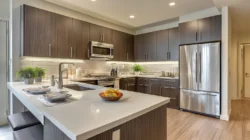
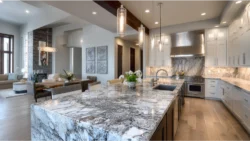
Should Countertops Match or Contrast with Cabinets?

Опубликовано: January 3, 2026 в 4:23 am

Автор:

Категории: Kitchen

Тэги:

Should Countertops Match or Contrast with Cabinets?

When remodelers and homeowners work together to update a kitchen, one of the most common questions is should countertops match or contrast with cabinets. Should countertops match cabinets for a cohesive look, or should countertops contrast to create visual interest? Choosing between matching cabinets and countertops or contrasting elements shapes the entire space and influences kitchen design, visual appeal, and daily use. In this guide we will dive into ways to pair light cabinets with light countertops, or combine dark cabinets with dark countertops, and everything in between, to help you make confident decisions about your dream kitchen.

Why Countertops and Cabinets Matter in Kitchen Design

The kitchen cabinets you choose and the kitchen countertops you select play a major role in determining how the entire kitchen feels. From the moment you walk in, people see the cabinets, the stone countertops, and the way the surfaces interact with kitchen lighting and natural daylight. When thinking about whether countertops match or contrast with cabinets, you are really thinking about how the major surfaces of your kitchen work together.

Choosing between matching cabinets and countertops or contrasting components affects visual interest, how large the kitchen feels, how busy kitchens feel during meal prep, and how cohesive the overall space looks. Whether you have white cabinets, wood cabinets, light gray cabinetry, navy cabinets, or matte cabinets, the decisions you make around countertops will influence your daily experience.

What It Means to Match Countertops and Cabinets

When countertops match kitchen cabinets you are creating a cohesive kitchen with a cohesive look. This means the cabinets and countertops are in the same color family, or have tones that complement each other. When the countertops and cabinets visually align, the result often feels calm and unified.

Benefits of Matching Cabinets and Countertops

Matching creates a sense of unity and helps a room feel larger, especially when you combine light cabinets with light countertops like white quartz or neutral engineered stone. This approach is especially valuable in smaller kitchens where a complex mix of surfaces can feel visually overwhelming. Matching cabinets and polished countertops also makes it simpler to choose surrounding elements like kitchen flooring, backsplash tile, and fixtures, helping the design stay balanced and intentional.

One popular combination is blending white cabinets with light countertops such as white quartz or gentle veined natural stone. The blend of lighter tones reflects natural light and gives an open airy feel to the kitchen. When selecting materials like quartz countertops, homeowners can enjoy engineered materials that have the consistency and durability needed in busy kitchens.

Potential Drawbacks of Too Much Matching

While matching creates harmony, an entirely uniform palette can feel flat if not layered with texture or subtle contrast. When everything is too similar, whether that be solid surface counters paired with cabinets of the exact shade, you risk losing depth and dimension. This is where thoughtful pairing and accents like backsplash, hardware, or lighting come into play. In some traditional kitchens, an overly cohesive palette might make details blend together without definition.

What It Means to Contrast Countertops and Cabinets

Contrasting cabinets and countertops means intentionally using different tones between cabinets and countertops. For example, pairing dark cabinets with light countertops like light quartz or neutral countertops creates separation between surfaces and highlights design elements. This contrast can also be done with light cabinets and dark countertops like black countertops or dark granite.

Benefits of Contrasting Cabinets and Countertops

A contrast between cabinets and countertops creates visual interest and defines zones in the kitchen design, especially in modern kitchens or transitional layouts. Pairing dark cabinets with light countertops focuses the eye and creates a focal point. Similarly, light cabinets paired with dark countertops anchors the kitchen and balances light cabinetry with depth and contrast.

Another advantage of contrast is that it allows a homeowner’s personal style to shine. Bold agreements between cabinet colors and countertop materials invite personality into a space. Using a popular stone like granite countertops with richer tones, against wood cabinets, connects different materials for a layered effect.

Challenges of High Contrast

While contrast can be stunning, too much separation between cabinets and countertops without supportive elements may feel disjointed. When choosing a countertop combination, it’s important to consider flooring choices, backsplash, and hardware to tie the look together. Additionally, if countertops are too bold, they might compete with other key design features.

Understanding Cabinet and Countertop Material Options

Before finalizing decisions about whether countertops match or contrast with cabinets, it helps to understand the common materials used in both.

Cabinet Materials and Finishes

Kitchen cabinets colors vary from classic white cabinets to rich wood tones in wood cabinets. Light gray cabinetry and navy cabinets are popular contemporary choices, while matte cabinets and solid color cabinets offer modern simplicity. The cabinet finish you select also influences how the cabinets interact with polished countertops and other elements in your kitchen.

Countertop Materials

Countertops come in many materials with distinct characteristics:

Quartz Countertops
Quartz is an engineered stone celebrated for durability, low maintenance, and consistent appearance. This makes quartz countertops an easy choice for kitchens seeking both practical and stylish solutions. Installing quartz requires professional expertise to ensure a flawless finish and long-lasting performance.

Granite Countertops and Natural Stone Countertops
These natural materials bring the natural beauty of earth-formed patterns into your kitchen. Dark granite or lighter stone adds richness and uniqueness to every slab.

Solid Surface and Engineered Stone
Solid surface countertops provide smooth, seamless options with minimal veining and softer transitions between cabinet and countertop areas. Engineered stone combines performance with design flexibility, often mimicking natural materials.

Butcher Block and Other Natural Materials
Warm wood or butcher block countertops pair beautifully with wood cabinets for a classic or farmhouse feel. Combining butcher block with painted cabinets gives homeowners custom-style kitchens tailored to their preferences.

How Lighting and Layout Influence Countertop and Cabinet Pairings

When deciding whether countertops match or contrast with cabinets, lighting affects how surfaces look. Kitchens with ample natural daylight will highlight texture and tone differences between cabinets and countertops, whereas more subdued lighting can minimize contrast.

Homes with generous windows, skylights, or transitional spaces that open to adjacent rooms benefit from thoughtful kitchen lighting plans that ensure surfaces look intentional in every condition. When lighting is inconsistent throughout the day, samples offer the best preview of how materials perform under various light levels.

Practical Tips for Choosing Between Matching and Contrasting

Start with Cabinet Samples

Before making a final choice, obtain actual cabinet samples and place them near countertop samples. This enables you to view potential combinations in the real lighting of your home. Testing samples side by side is one of the most reliable ways to see whether your selections feel too similar or work well in contrast.

Lean on the Same Color Family

Whether you are trying to get light cabinets to pair with light countertops, or finding harmony between dark cabinets and dark countertops, selecting pieces in the same color family helps create a cohesive feel even when tones vary slightly.

Balance Bold Statement Colors with Neutral Elements

When using bold finishes in cabinets, consider grounding them with neutral countertops. For example, navy cabinets balance beautifully with neutral countertops like pale quartz or white counters. This kind of countertop combination brings energy without overwhelming the space.

Common Mistakes to Avoid

Ignoring Undertones

Two materials that look similar on paper could have different undertones. For example, light gray cabinetry might have cool undertones while a light countertop slab has warm tones. If undertones clash, the space can feel disjointed.

Forgetting About Surrounding Elements

Your decision on whether countertops match or contrast with cabinets must consider backsplash tile, kitchen flooring, and overall color coordination. A well-executed flooring combination and backsplash tie cabinets and countertops together.

Overlooking Personal Style

While trends matter, your kitchen should reflect your daily life. Whether you choose matching cabinets and countertops or a contrasting duo, align choices with your personal style so your kitchen feels like your own space.

Matching vs. Contrasting in Different Kitchen Styles

Traditional Kitchens

In traditional kitchens, matching cabinets and countertops often provide the calm symmetry associated with classic designs. Pairing wood cabinets with gentle stone countertops produces a warm cohesive kitchen that feels rooted in natural materials.

Contemporary Kitchens

Contemporary kitchens favor intentional contrast and sleek lines. Dark cabinets paired with light quartz or neutral countertops produce a dramatic, modern look that also celebrates material performance and minimal veining.

Final Thoughts

Deciding whether countertops match or contrast with cabinets is a foundational decision in your kitchen remodel. You can choose to emphasize unity by matching tones, or emphasize expression by contrasting surfaces. Both approaches can work beautifully when supported by thoughtful planning and informed design choices.

Whether you lean toward subtle combinations with light cabinets and light countertops, or bold pairings like dark cabinets with dark countertops, the key is balancing practicality with personal taste.

Ready to Design Your Dream Kitchen?

Your cabinets and countertops shape more than the way your kitchen looks, they influence how your family feels and functions in the room. If you are unsure where to start, schedule a consultation with remodeling professionals to explore the perfect countertop and cabinet pairing for your space. Together you can turn your kitchen into a harmonious space that reflects your style and supports your lifestyle.

Granite vs Quartz? Which Countertops Are The Best for Your Home?

Опубликовано: July 18, 2025 в 6:48 am

Автор:

Категории: Kitchen

Тэги: ,,

Choosing the right kitchen countertop in 2025 is one of the most important decisions in any remodel. Whether you’re starting from scratch or upgrading an outdated kitchen or bathroom, the debate of granite vs quartz countertops is one homeowners face every day. At America’s Advantage Remodeling, we specialize in helping Northern California homeowners choose the perfect material for their lifestyle, budget, and design preferences. This guide breaks down everything you need to know about granite countertops, quartz countertops, and how to make the smartest decision for your home.

Understanding Granite and Quartz Countertops

What Are Granite Countertops?

Granite is a 100% natural stone that’s quarried from the earth and cut into slabs. Each granite slab offers a one-of-a-kind combination of minerals, colors, and unique patterns, giving it unmatched natural beauty. Granite countertops are known for their durable surface, rich tones, and resistance to heat, making them a favorite for chefs and homeowners who value timeless elegance.

What Are Quartz Countertops?

Quartz countertops are made from engineered stone, composed of about 90% ground quartz combined with resins and pigments. This process results in a non-porous, low-maintenance surface with consistent patterns and colors. Quartz and granite may serve the same purpose, but their composition leads to very different performance in the home. For those looking to buy quartz, it offers a versatile and budget friendly option among countertop options.

Why the Granite vs Quartz Countertop Decision Matters

A bright kitchen with white cabinetry, marble waterfall island, and stainless steel appliances, decorated with fresh tulips and natural light.

When you compare granite vs quartz countertops, you’re looking at more than just appearance. These two materials differ in heat resistance, cleaning needs, maintenance, cost per square foot, and overall resale value. Making the right choice requires balancing personal preferences with practical functionality.

Appearance and Aesthetic Appeal

The Natural Beauty of Granite

If you love the look of authentic stone, granite counters offer striking, unique patterns and rich natural coloring. Whether you’re designing a rustic farmhouse kitchen or a classic bathroom, granite and quartz countertops can both fit the bill, but granite gives you that truly organic feel. It pairs well with wood cabinets, butcher block islands, and even marble countertops in mixed-material kitchens.

The Clean Look of Quartz

On the other hand, quartz countertops feature consistent patterns and are available in nearly every shade and style imaginable. Many quartz products are designed to mimic the look of marble countertops, but without the maintenance that marble requires. For those wanting a modern, sleek look with little variation, quartz is the perfect solution.

Durability and Heat Resistance

Can Granite Withstand High Temperatures?

Yes, granite countertops are highly durable and heat resistant. You can place a hot pan or hot pots directly on the surface without fear of heat damage. Granite, like many natural stone surfaces, can withstand high temperatures, making it a great option for serious home cooks or entertainers.

What About Quartz Heat Resistance?

Quartz, while highly resistant to scratches and stains, is not as heat resistant as granite. Because quartz countertops contain resin, direct exposure to extreme heat or high temperatures can cause discoloration or warping. Always use hot pads or trivets when placing hot pots or pans on quartz surfaces.

Maintenance and Cleaning

A spacious kitchen featuring a marble countertop island, white cabinetry, stainless steel appliances, and elegant decor.

Caring for Granite

Granite countertops require regular sealing to maintain their non-porous surface. Without proper sealing, granite can absorb spills and stain, especially in high-use areas like the kitchen countertop. However, with proper care, including regular cleaning and sealing every 12–18 months, granite can last for decades. Proper sealing is essential to prevent staining and keep your granite counters looking their best.

Caring for Quartz

Quartz countertops are non-porous, which means they do not require sealing and resist staining. Their low-maintenance design is one of the top reasons homeowners choose quartz. Just a simple wipe-down with mild soap and water is enough to keep your countertops looking spotless. The non-porous surface also makes quartz more hygienic, especially during food preparation.

Cost Comparison Per Square Foot

When evaluating granite vs quartz countertops, cost is a major factor. Both options vary widely based on color, origin, and finish, but here’s a general breakdown:

  • Granite cost per square foot: $40 to $200
  • Quartz cost per square foot: $70 to $150

The final cost of either surface can also vary based on edge profiles, cutouts for sinks, and installation labor. Exotic stones or rare color patterns can increase pricing significantly due to the stone’s rarity.

Environmental Impact and Sustainability

If eco-conscious remodeling is a priority, it’s worth comparing the environmental footprint of each material.

  • Granite is a natural stone, but quarrying and transporting slabs can create a larger carbon footprint. Opting for local sources or recycled slabs is a more sustainable approach.
  • Quartz countertops, being engineered stone, are manufactured using energy-intensive processes. However, many brands now offer quartz with recycled content and low-VOC resin formulas that improve sustainability.

Countertop Materials and Home Value

A close-up of two granite countertop samples showing different colors and surface textures on a neutral background.

When comparing countertop materials, both granite and quartz offer exceptional long-term value. Buyers are drawn to the timeless beauty and functionality of both surfaces. In Northern California’s competitive housing market, quartz countertops appeal to those who want a low-maintenance, modern space, while granite countertops often signal luxury and timeless elegance.

In short, both surfaces positively impact resale value, and your decision can be based on how you use your kitchen or bath and what style speaks to you.

Pros and Cons of Granite and Quartz

Granite Countertops

Pros:

  • Natural, authentic stone
  • Superior heat resistance
  • Unique slab colors and textures

Cons:

  • Needs proper sealing and regular cleaning
  • Can absorb liquids if not properly sealed
  • Some patterns are hard to match if repairs are needed

Quartz Countertops

Pros:

  • Non-porous and highly stain-resistant
  • Low maintenance and easy to clean
  • Available in designs that mimic marble countertops and other materials

Cons:

  • Can’t handle extreme temperature changes
  • Direct heat can damage resin
  • Slightly more expensive depending on brand

Common Use Cases and Recommendations

Best for Busy Families

If you have kids, frequent guests, or heavy kitchen use, quartz countertops are ideal thanks to their low maintenance and non-porous nature.

Best for Serious Cooks

Homeowners who frequently use cast iron or cook at high temperatures should lean toward granite, which can handle hot pans without damage.

Best for Modern Aesthetics

Want a streamlined, minimal look? White quartz countertops or engineered options with subtle veining offer consistency and modern appeal.

Best for Traditional Design

Love warm tones, wood cabinetry, or farmhouse style? Granite countertops or a mix of granite and quartz deliver contrast and natural beauty.

A rustic kitchen with natural wood cabinets, a stone backsplash, exposed beams, and a large island with upholstered stools and warm lighting.

2025 is all about blending beauty and practicality. Here are a few trends we’re seeing across granite and quartz installations:

  • Matte finishes on both granite and quartz countertops
  • Waterfall edges using sleek engineered stone
  • Mixing marble countertops with solid surface or granite accents
  • Budget-friendly designs that pair butcher block islands with quartz perimeters
  • Increased demand for sustainable and recycled quartz products

Frequently Asked Granite vs Quartz Countertops Questions

Is quartz better than granite?

Not better, just different. Quartz is low maintenance and consistent, while granite offers more natural beauty and heat resistance.

Can I put hot pots on quartz?

No. Placing hot pots or pans directly on quartz can damage the resin. Always use a trivet or hot pad.

Does granite require sealing?

Yes. Granite needs to be sealed every 12–18 months to protect its surface and keep it stain-resistant.

Which costs more, granite or quartz?

Quartz tends to be slightly more expensive on average, but pricing varies widely depending on color, finish, and installation complexity.

What is the best countertop material for resale?

Both granite and quartz offer strong resale value in Northern California. Choose the one that best fits your lifestyle and design preferences.

Final Thoughts: Which Countertop Is Best?

There’s no universal winner in the granite vs quartz countertops debate. It all comes down to how you use your space, how much maintenance you’re willing to do, and what design speaks to you. Granite brings natural beauty, timeless elegance, and heat resistance. Quartz offers sleek design, low maintenance, and lasting durability.

At America’s Advantage Remodeling, we’ll help you find the perfect fit for your kitchen or bath, one that enhances your daily life and adds lasting value to your Northern California home.

Ready to Transform Your Kitchen or Bathroom?

Let’s get started. Schedule your free consultation today to explore the best countertop materials for your Sacramento, Roseville, or greater Northern California home. Whether you’re drawn to the natural beauty of granite, the sleek appeal of quartz, or the luxurious finish of marble, America’s Advantage Remodeling is your trusted partner for a job done right.