All Archives - America's Advantage Remodeling

All

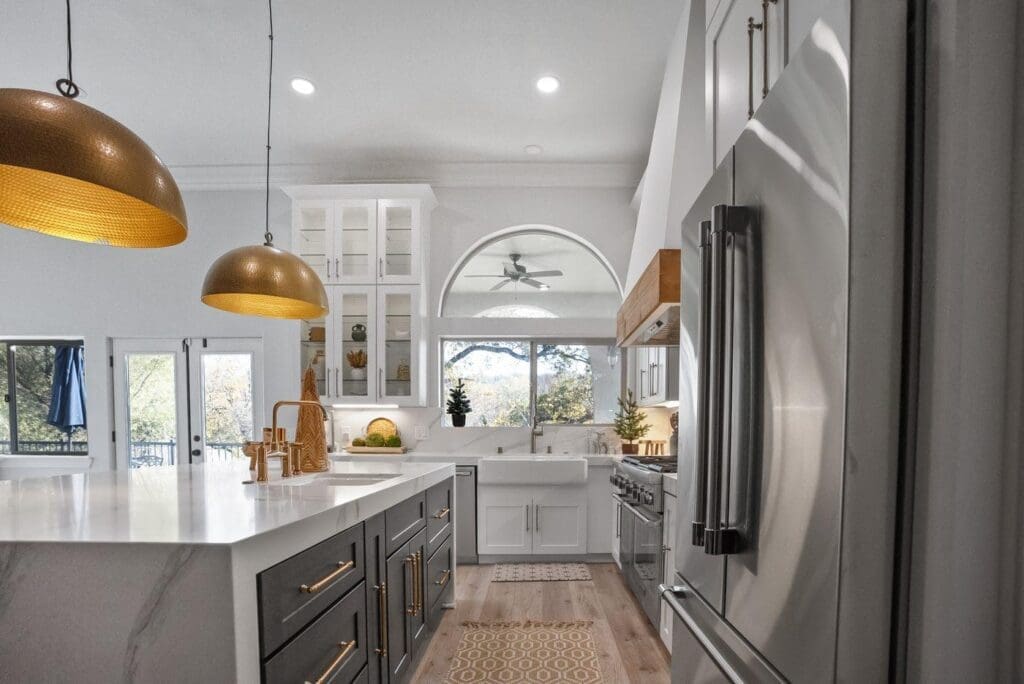
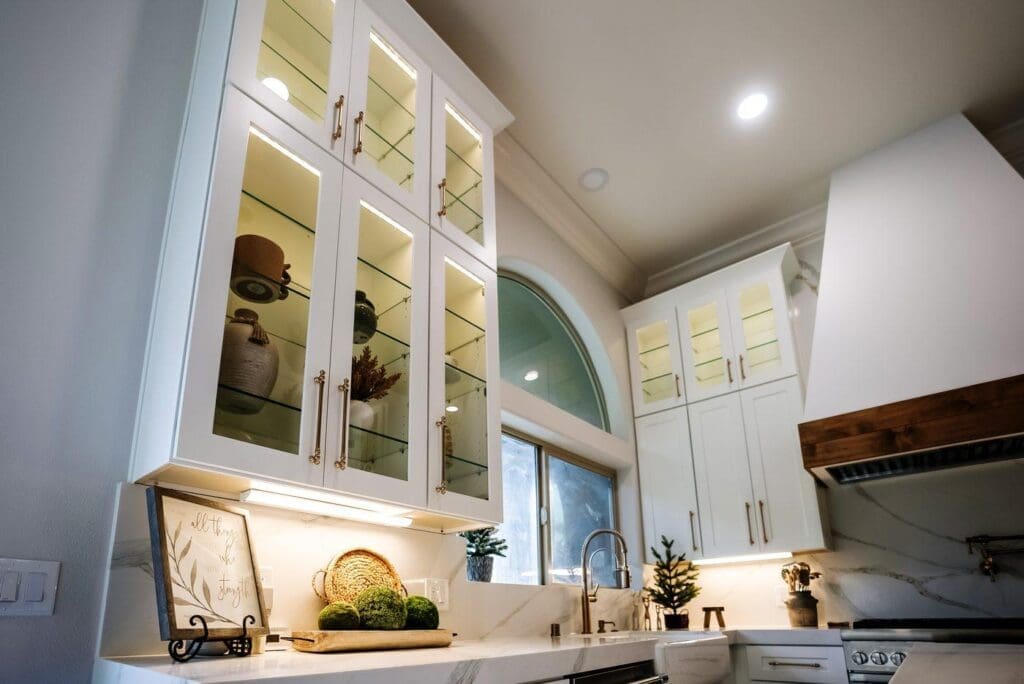
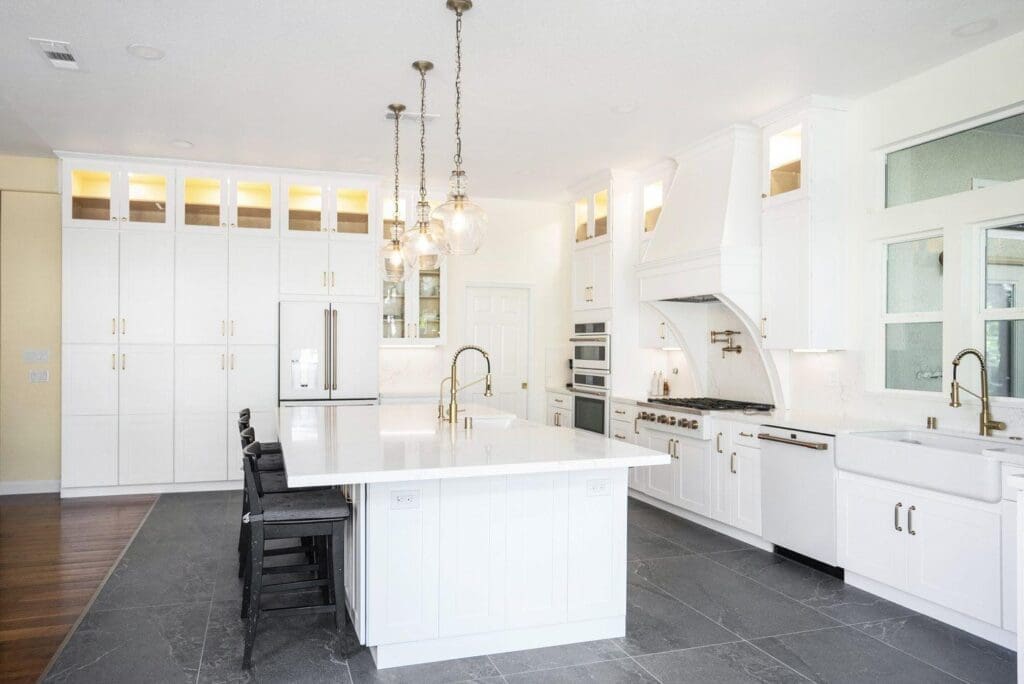
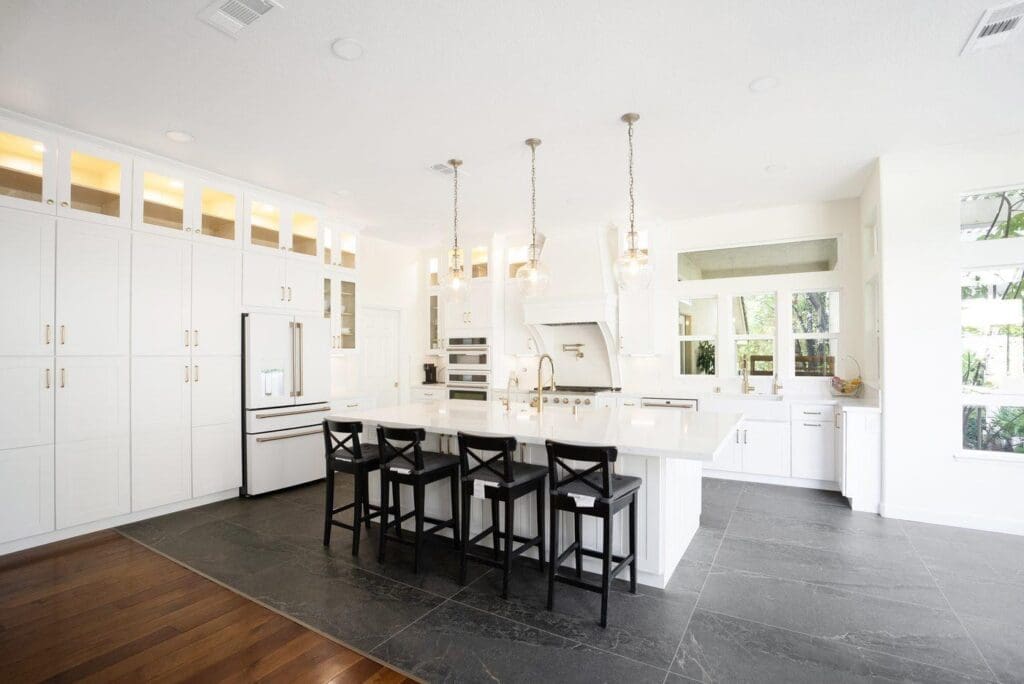
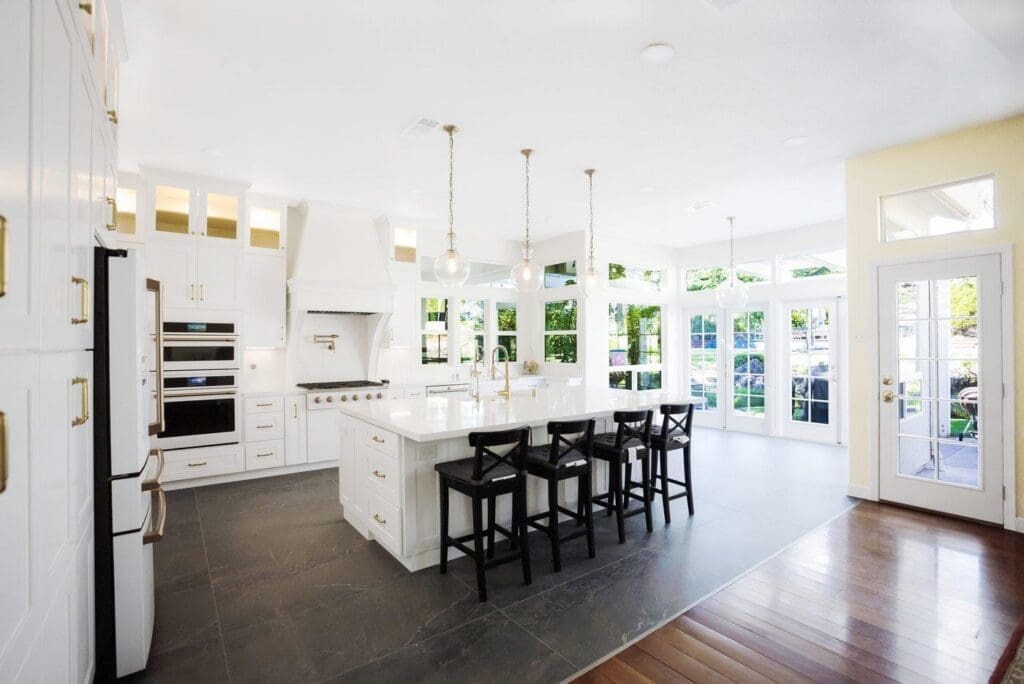
Luxury Kitchen Design: The Elements That Make a Kitchen Feel High-End

Опубликовано: May 21, 2026 в 11:58 am

Автор:

Категории: All,Kitchen

Luxury Kitchen Design: The Elements That Make a Kitchen Feel High-End

A luxury kitchen isn’t defined by how much you spend — it’s defined by a set of design choices: premium materials, custom or custom-look cabinetry, integrated high-performance appliances, a generous island, statement lighting, and a relentless attention to detail and proportion. Get those elements right and a kitchen reads as high-end whether the budget is large or carefully prioritized. Get them wrong and even an expensive kitchen can feel builder-grade.

If you want your kitchen to feel upscale and custom rather than ordinary, here are the elements that actually create that high-end feeling — and which ones deliver the most impact.

1. Premium Materials, Used Intentionally

Luxury starts with materials: natural stone counters (quartzite, marble, or high-end quartz), a statement backsplash that runs to the ceiling, real wood or high-quality cabinetry, and quality flooring. The key isn’t using expensive materials everywhere — it’s choosing a few standout surfaces and letting them shine. A single dramatic island waterfall edge or a full-height stone backsplash often does more than scattering premium finishes throughout.

2. Custom (or Custom-Look) Cabinetry

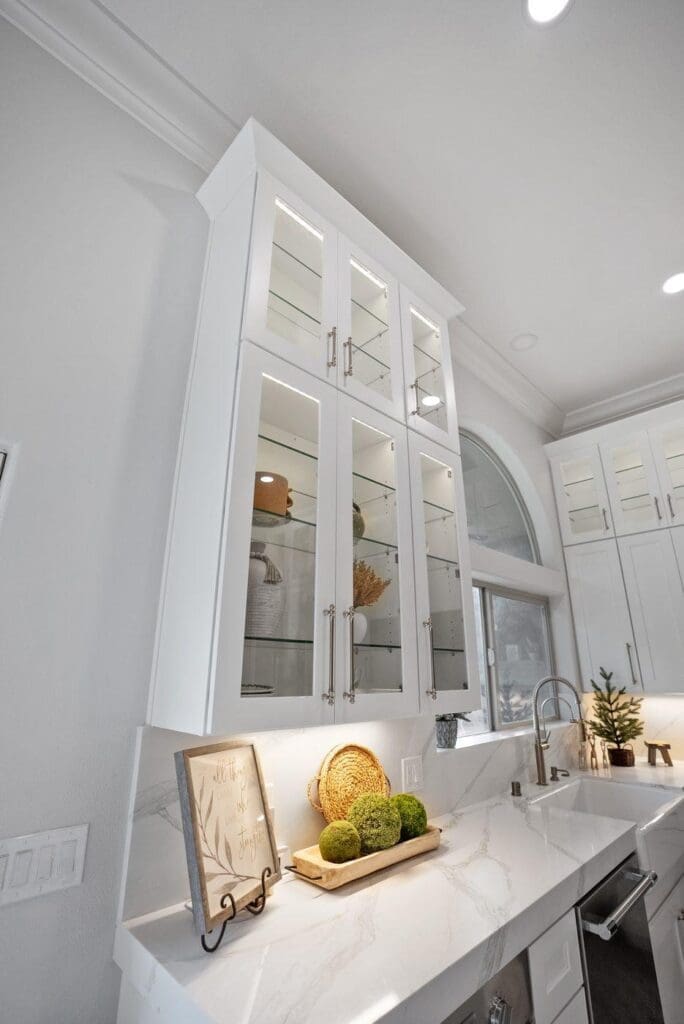
Nothing signals luxury like cabinetry that fits the space perfectly — floor-to-ceiling cabinets, integrated panels, hidden hardware, and clean, intentional lines. Custom cabinetry eliminates the filler strips and awkward gaps that make a kitchen feel builder-grade. Even semi-custom cabinetry, designed and installed precisely, can achieve the same tailored look.

3. A Generous, Well-Designed Island

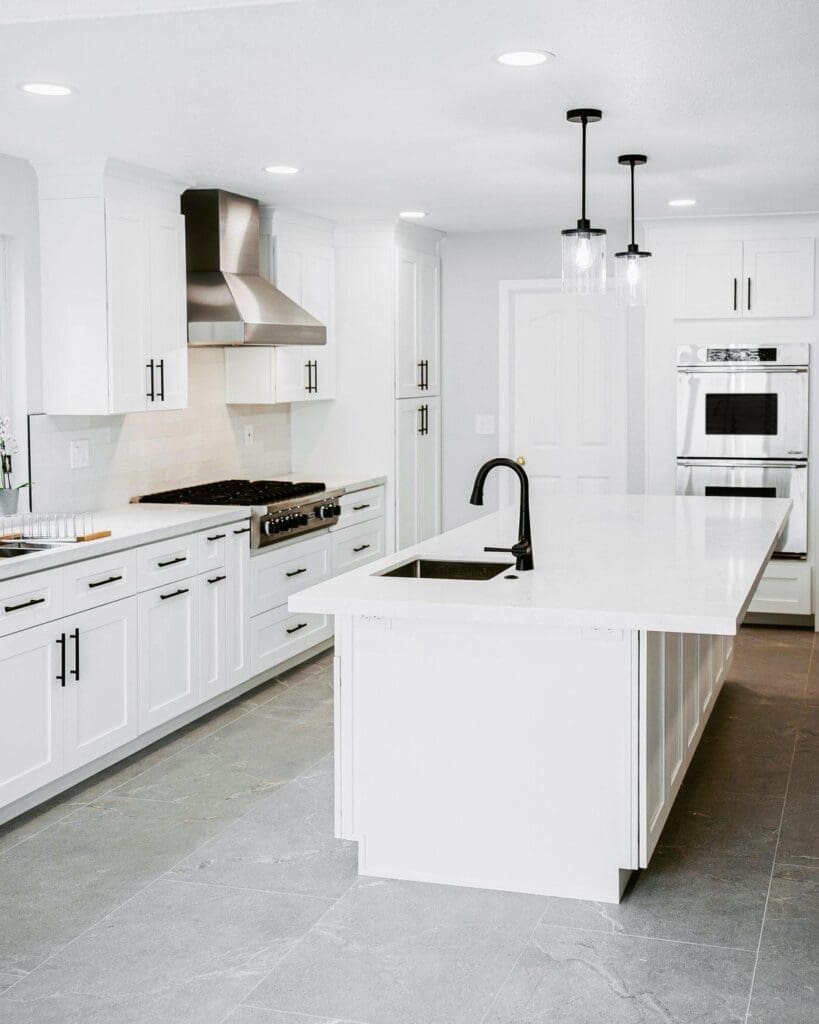
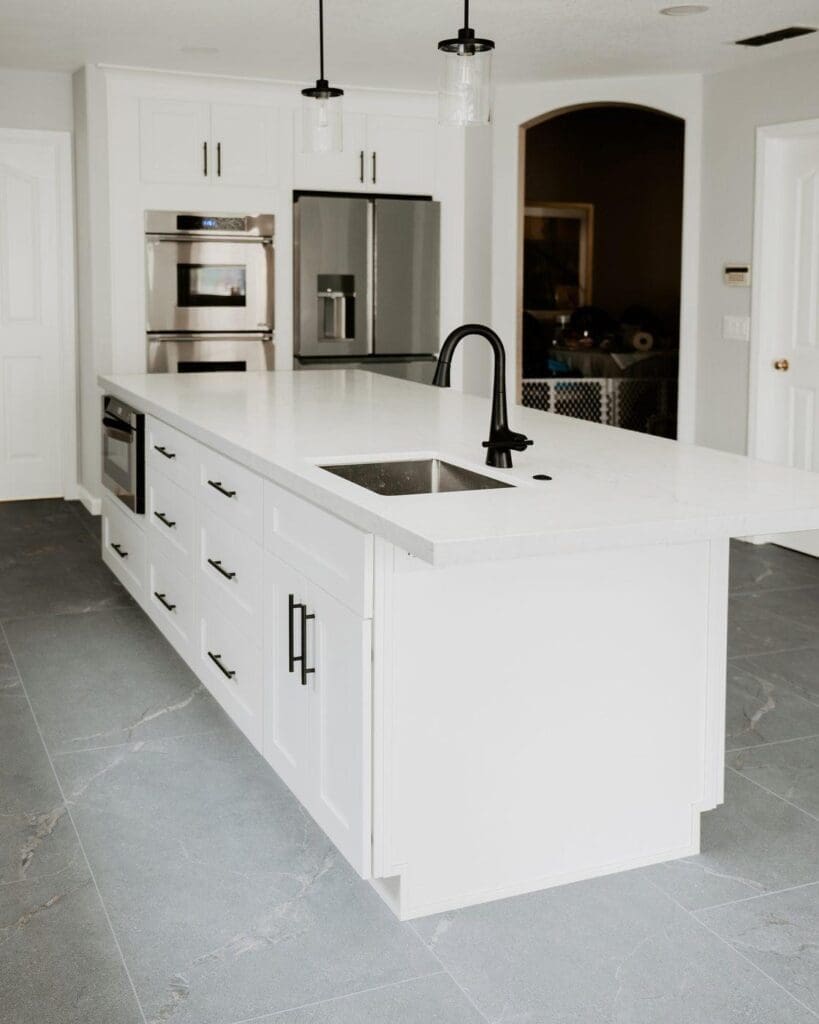
The island is the heart of a luxury kitchen. A larger island with seating, a waterfall edge, or a contrasting finish becomes the room’s centerpiece. Beyond looks, a luxury island is *functional* — ample prep space, storage, and often a prep sink or beverage center built in.

4. Integrated, High-Performance Appliances

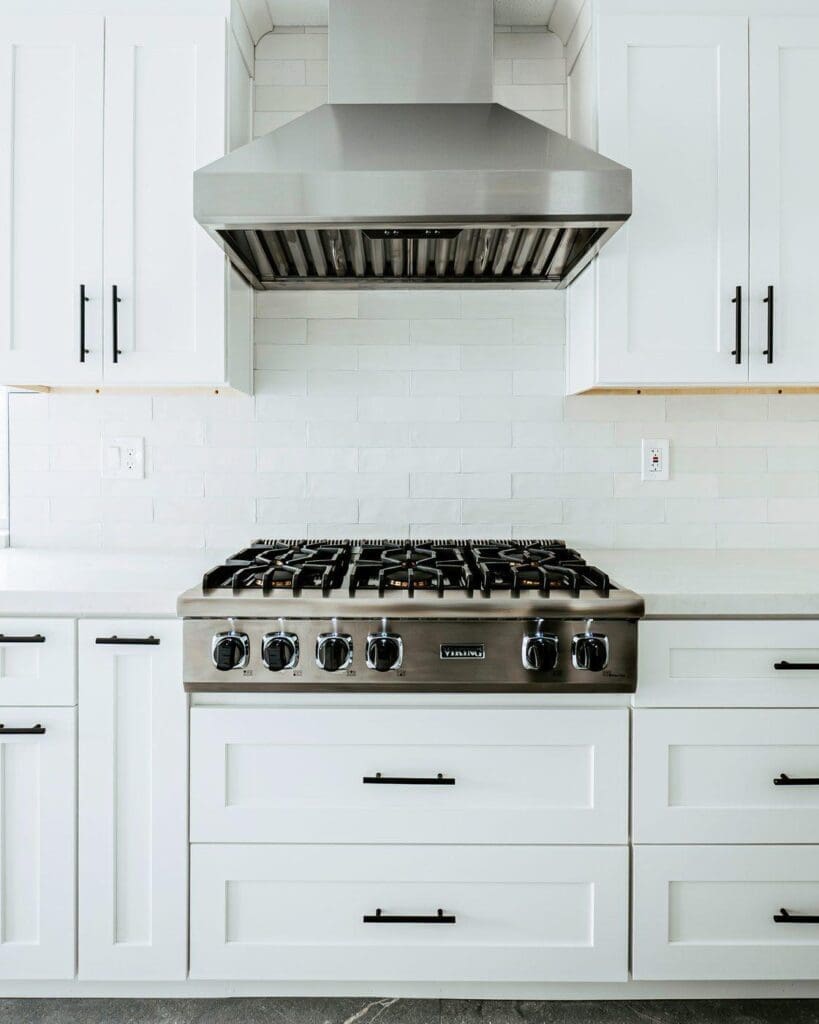
Luxury kitchens favor professional-grade appliances and, increasingly, integrated ones — refrigerators and dishwashers hidden behind cabinet panels for a seamless look. A statement range or range hood can also serve as a focal point. The goal is appliances that perform beautifully and either disappear or stand proudly as design features.

5. Statement Lighting

Layered, intentional lighting separates luxury kitchens from ordinary ones: sculptural pendants over the island, recessed lighting for overall illumination, under-cabinet lighting for prep, and often accent lighting inside glass cabinets. Lighting on dimmers lets the kitchen shift from bright workspace to warm gathering space.

6. Thoughtful Storage and Organization

A hallmark of luxury is that everything has a place: deep drawers with custom dividers, a walk-in or built-in pantry, appliance garages that hide small appliances, and pull-out organization. A clutter-free kitchen *feels* expensive because the design did the work of hiding the mess.

7. Details and Proportion

Finally, luxury lives in the details: quality hardware, well-chosen faucets, consistent finishes, and — most importantly — proportion. Cabinets that reach the ceiling, balanced spacing, and a layout that flows are what make a kitchen feel designed rather than assembled. These details cost relatively little but make an outsized difference.

You Don’t Need an Unlimited Budget

Here’s the truth most homeowners don’t realize: a kitchen that *feels* luxurious is more about smart prioritization than raw spending. Investing in a few high-impact elements — a stunning island, full-height backsplash, ceiling-height cabinets, great lighting — and keeping the rest clean and intentional often reads as more luxurious than spreading the budget thin across everything. The skill is knowing where to spend and where to hold back.

How We Design High-End Kitchens in Sacramento

At America’s Advantage Remodeling, we’ve designed and built upscale kitchens across Sacramento, Roseville, Folsom, and El Dorado Hills since 2001. Creating a luxury feel is about getting the proportions, materials, and details exactly right — and showing you the result before you commit. We model your kitchen in 3D so you can see the island, the cabinetry lines, the lighting, and the finishes working together, and our in-house team builds it to that standard.

Want a Kitchen That Feels Custom and High-End?Luxury is in the details and the proportions — and those are hard to judge from a mood board. Our Sacramento-area design team will model your high-end kitchen in 3D so you can see the materials, the island, and the lighting working together before you invest a dollar in the build. Call 916-507-0469 or request your free design consultation. Serving Roseville, Sacramento, Folsom, El Dorado Hills, and surrounding areas since 2001.

Frequently Asked Questions

What makes a kitchen look luxurious?

A kitchen looks luxurious through premium materials used intentionally, custom or custom-look cabinetry with clean lines, a generous well-designed island, integrated high-performance appliances, layered statement lighting, and careful attention to proportion and detail. It’s the combination and execution of these elements — not just expensive finishes — that create a high-end feel.

How can I make my kitchen look high-end on a budget?

Focus your budget on a few high-impact elements: a standout island, a full-height backsplash, ceiling-height cabinets, quality hardware, and layered lighting, while keeping everything else clean and intentional. Smart prioritization and clutter-free organization often read as more luxurious than spreading a budget thin across the entire kitchen.

What countertops are used in luxury kitchens?

Luxury kitchens often use natural stone like quartzite or marble, high-end quartz, or dramatic statement slabs, frequently with details like a waterfall island edge or full-height backsplash. The choice depends on the look and maintenance preference, but the surface is usually treated as a focal design element rather than just a work surface.

Are integrated appliances worth it in a luxury kitchen?

Integrated appliances, which hide refrigerators and dishwashers behind cabinet panels, are a hallmark of luxury kitchen design because they create a seamless, custom look. They’re worth it for homeowners who want a clean, uninterrupted aesthetic, though professional-grade statement appliances can also serve as intentional focal points.

What is the most important element of a luxury kitchen?

The island and overall proportion are often the most important elements of a luxury kitchen. A generous, well-designed island anchors the room as a functional centerpiece, while correct proportions — like ceiling-height cabinets and balanced layout — are what make a kitchen feel designed and high-end rather than assembled.

What lighting is best for a luxury kitchen?

Luxury kitchens use layered lighting: sculptural statement pendants over the island, recessed lighting for general illumination, under-cabinet lighting for prep, and often accent lighting inside glass cabinets. Putting the lights on dimmers allows the kitchen to shift from a bright workspace to a warm entertaining space.

How do I make custom cabinets look high-end?

To make cabinetry look high-end, run cabinets to the ceiling, eliminate filler gaps, use hidden or minimal hardware, keep lines clean and consistent, and ensure precise installation. Even semi-custom cabinetry achieves a luxury look when it’s designed to fit the space exactly and installed with attention to detail and proportion.

What is the kitchen work triangle in luxury design?

The kitchen work triangle is the principle that the sink, stove, and refrigerator should form an efficient triangle so the cook moves easily between them. In luxury kitchens it is often expanded into defined zones for prep, cooking, cleanup, and storage, but the underlying goal of effortless flow stays central to a high-end design.

How big is a luxury kitchen?

There is no fixed size for a luxury kitchen — proportion and layout matter more than square footage. Many high-end kitchens run 200 square feet or larger to accommodate a generous island and zones, but a smaller kitchen can feel luxurious through quality materials, ceiling-height cabinetry, and a well-planned layout. Execution, not size, defines luxury.

About the Author

This guide was written by Eugene Chernioglo, owner of America’s Advantage Remodeling, a licensed kitchen and home remodeling contractor (CSLB #1036517) serving Roseville, Sacramento, Folsom, El Dorado Hills, and the surrounding area since 2001. AAR holds a 4.9-star rating across 225+ Google reviews and an A+ rating with the BBB. Eugene and the AAR team handle design, fabrication, and installation in-house, giving homeowners a single accountable partner from the first 3D rendering to the final walkthrough.

2026 Kitchen Cabinet Color Trends: What’s In (and What Lasts)

Опубликовано: May 19, 2026 в 11:56 am

Автор:

Категории: All,Kitchen

2026 Kitchen Cabinet Color Trends: What’s In (and What Lasts)

The biggest kitchen cabinet color trends for 2026 move away from the all-cool-gray era toward warmth and nature: soft warm whites and creams, earthy greens, natural and stained woods, moody blues, and rich two-tone combinations. The throughline is warmth and personality — homeowners are trading sterile, matchy kitchens for spaces that feel inviting and individual. The best part: most of these trending colors are also timeless, so choosing one doesn’t mean dating your kitchen in three years.

If you’re planning a remodel and want a color that feels current *and* lasts, here are the 2026 cabinet colors worth considering — and how to choose one you won’t regret.

1. Warm Whites and Creams

Crisp, cool white is giving way to warm whites, creams, and soft off-whites. They keep a kitchen bright and open but feel cozier and less clinical than the stark whites of the last decade. These shades are about as timeless as it gets and pair with almost any countertop, floor, and hardware.

2. Earthy and Sage Greens

Green is the standout color of 2026 — especially soft sage, olive, and deeper forest greens. Green reads as calming and natural, works beautifully on lower cabinets or an island, and pairs gorgeously with warm woods and brass hardware. It’s bold enough to feel current but grounded enough to last.

3. Natural and Stained Wood

After years of painted-everything, natural and stained wood cabinets are back — warm oak, walnut tones, and rift-cut woods. Wood brings texture and warmth that paint can’t, and it’s increasingly paired with a painted color in two-tone designs. This is one of the strongest 2026 directions.

4. Moody Blues

Navy and deeper blues continue to be popular, especially on islands and lower cabinets. Blue is friendly, classic, and works across coastal, traditional, and modern kitchens. For 2026, the trend leans slightly moodier and more saturated than the brighter navies of a few years ago.

5. Two-Tone Combinations

Two-tone kitchens — typically a warm neutral up top with a richer color or wood below, or a contrasting island — remain one of the strongest directions. They add depth and let you bring in a trending color without committing the whole room to it.

6. Soft Black and Charcoal Accents

Black and charcoal continue as accent colors — on an island, a pantry wall, or lower cabinets — paired with lighter tones. Used in moderation, they add sophistication and contrast without making a kitchen feel heavy.

How to Choose a Color That Won’t Date

The secret to a timeless kitchen isn’t avoiding trends — it’s anchoring with a neutral and adding one personality color. Keep your most permanent, expensive elements (cabinets, counters) in durable warm neutrals or natural wood, and express the trend through one accent: a green island, navy lowers, brass hardware. That way the bones stay current for years, and refreshing the look later is easy.

It’s also worth seeing any color in *your* kitchen’s actual light. A green that looks perfect in a showroom can read very differently under your lighting, against your floors, with your countertop. This is where guessing gets expensive.

How We Help Sacramento Homeowners Choose Cabinet Colors

At America’s Advantage Remodeling, we’ve designed kitchens across Sacramento, Roseville, and Folsom since 2001, and color is one of the decisions homeowners stress about most. We model your chosen colors in 3D in your actual kitchen — under your lighting, against your floors and counters — so you can see exactly how a 2026 trend color will read in your space before a single cabinet is painted or ordered.

See Your 2026 Cabinet Color Before You CommitA trending color is only right if it works in *your* kitchen, under *your* light. Our Sacramento-area design team models your cabinet colors in 3D against your actual space, so you choose with confidence — not from a paint chip and a hope. Call 916-507-0469 or request your free design consultation. Serving Roseville, Sacramento, Folsom, El Dorado Hills, and surrounding areas since 2001.

Frequently Asked Questions

What kitchen cabinet colors are trending for 2026?

The top 2026 kitchen cabinet color trends are warm whites and creams, earthy and sage greens, natural and stained woods, moody blues, two-tone combinations, and soft black or charcoal accents. The overall direction is toward warmth and personality, moving away from the all-cool-gray look of recent years.

Is gray still in style for kitchen cabinets in 2026?

Cool gray is fading as the dominant cabinet color in 2026, replaced by warmer neutrals like creams, greiges, and natural woods. Gray hasn’t disappeared, but warmer, earthier tones now feel more current. If you have gray cabinets, warming up the surrounding finishes keeps the look fresh.

What is the most timeless kitchen cabinet color?

Warm white and off-white are the most timeless kitchen cabinet colors because they stay bright, pair with almost any countertop and floor, and rarely look dated. Natural wood tones are similarly enduring. Anchoring with a timeless neutral and adding one trend accent color is the safest long-term approach.

What cabinet color makes a kitchen look bigger?

Light cabinet colors like warm white, cream, and soft greige make a kitchen look bigger because they reflect more light and create an open, airy feeling. If you want a darker color, placing it on the lower cabinets or island while keeping the uppers light preserves that sense of space.

Are green kitchen cabinets a trend that will last?

Sage and earthy greens are a leading 2026 trend, and softer, muted greens tend to have staying power because they read as calming and natural rather than bold or novelty. Using green on an island or lower cabinets, paired with neutral uppers, is a low-risk way to embrace the trend.

Should kitchen cabinets be lighter or darker than the walls?

Kitchen cabinets are usually lighter than or in contrast to the walls, but there’s no strict rule. A common approach is light cabinets with slightly darker or neutral walls for an open feel, or darker cabinets against light walls for contrast. What matters most is balance and how the colors read under your kitchen’s lighting.

How do I pick a cabinet color that won’t go out of style?

Anchor your kitchen with a timeless neutral or natural wood on the cabinets and counters, then express current trends through easily changed accents like hardware, an island color, or paint. This keeps your most expensive, permanent elements current for years while letting you refresh the look affordably over time.

Are white kitchen cabinets out of style for 2026?

No, white kitchen cabinets are not out of style for 2026 — warm whites and creams remain a top choice. What has shifted is the tone: bright, cool, stark whites are giving way to softer, warmer whites that pair with natural wood and earthy accents. White stays the safest, most timeless cabinet color.

Which kitchen cabinet color looks outdated?

Cool, flat gray and the orange-toned honey oak of the ‘80s and ‘90s read as the most dated cabinet colors heading into 2026, and very stark, cold whites can also feel out of step. Warming up the palette with creams, natural woods, or muted greens is the simplest way to keep a kitchen current.

About the Author

This guide was written by Eugene Chernioglo, owner of America’s Advantage Remodeling, a licensed kitchen and home remodeling contractor (CSLB #1036517) serving Roseville, Sacramento, Folsom, El Dorado Hills, and the surrounding area since 2001. AAR holds a 4.9-star rating across 225+ Google reviews and an A+ rating with the BBB. Eugene and the AAR team handle design, fabrication, and installation in-house, giving homeowners a single accountable partner from the first 3D rendering to the final walkthrough.

Soapstone Countertops: Pros, Cons, and Care (2026 Guide)

Опубликовано: May 19, 2026 в 11:51 am

Автор:

Категории: All

Soapstone Countertops: Pros, Cons, and Care (2026 Guide)

Soapstone countertops are a natural stone surface with a soft, matte finish and a distinctive dark gray-to-charcoal color that often develops green or blue undertones. Their biggest advantages are that they’re completely non-porous (so they never need sealing and resist stains), highly heat-resistant, and develop a beautiful aged patina over time. The trade-offs: soapstone is softer than granite or quartz, so it can scratch — though scratches sand out easily — and the color naturally darkens with age. For homeowners who want a distinctive, low-maintenance, characterful surface, soapstone is a hidden gem.

If you’re tired of seeing the same quartz in every kitchen and want something with more soul, soapstone deserves a look. Here’s the honest rundown.

What Is Soapstone?

Soapstone is a natural quarried stone composed largely of talc, which gives it a smooth, soft, almost soapy feel — hence the name. It’s been used for centuries in everything from science-lab countertops to wood stoves precisely because it’s non-porous and heat-resistant. In kitchens, it brings a quiet, understated elegance that pairs beautifully with both modern and traditional designs.

The Pros of Soapstone

Non-porous — never needs sealing. Unlike granite or marble, soapstone doesn’t absorb liquids, so it resists stains from wine, coffee, and oil without any sealing. This is its biggest practical advantage.

Excellent heat resistance. Soapstone shrugs off heat — you can set a hot pot directly on it without worry. This is why it was historically used around stoves and in laboratories.

Distinctive, timeless look. The soft matte finish and deep gray tones feel calm and high-end without being flashy. It stands apart from the ubiquitous white quartz look.

Easy to repair. Because it’s soft, minor scratches can be sanded out with fine sandpaper and a little mineral oil — a DIY-friendly fix that stone like granite can’t offer.Naturally antibacterial and food-safe. Its non-porous surface doesn’t harbor bacteria, making it a hygienic, food-safe prep surface.

The Cons of Soapstone

Softer than granite or quartz. Soapstone scratches and can chip more easily than harder stones. The upside is that scratches sand out — but if you want a surface that never shows a mark, soapstone isn’t it.

Color darkens over time. Soapstone naturally develops a darker, richer patina, especially where it’s handled and oiled. Many homeowners love this; others want it applied evenly with mineral oil to control the look. Either way, expect it to change.

Limited color range. Soapstone comes in grays and charcoals with subtle veining — there’s no bright white or bold color option. If you want variety, your palette is limited.

Less common, so sourcing varies. Soapstone isn’t stocked as widely as granite or quartz, so slab selection may take more effort.

Soapstone vs. Granite and Quartz

vs. Granite: Granite is harder and comes in more colors, but it’s porous and needs sealing. Soapstone is softer but non-porous and more heat-resistant. Granite resists scratches better; soapstone resists stains and heat better.

vs. Quartz: Quartz is engineered, extremely durable, and comes in endless colors including marble looks, but it can scorch under heat and never develops natural character. Soapstone is natural, handles heat better, and ages with patina — but scratches more easily and offers fewer color choices.

For a homeowner who values heat resistance, zero sealing, and a one-of-a-kind natural look — and who appreciates a surface that ages with character — soapstone wins.

How to Care for Soapstone

Soapstone care is genuinely minimal. Clean it with mild soap and water — no special stone cleaners or sealers needed. Many owners apply food-grade mineral oil periodically to deepen and even out the patina, though this is optional and purely aesthetic. Minor scratches can be buffed out with fine sandpaper followed by a coat of oil. That’s it — no sealing schedule, no special products.

Is Soapstone Right for Your Kitchen?

Choose soapstone if: you want a distinctive, natural surface that never needs sealing, you cook a lot and value true heat resistance, and you appreciate a material that develops character over time. It’s perfect for homeowners who want something different from the quartz mainstream.Look elsewhere if: you want a bright white or colorful counter, you need maximum scratch resistance, or you dislike the idea of the color evolving. In those cases, quartz or quartzite may suit you better.

How We Help Sacramento Homeowners Choose Countertops

At America’s Advantage Remodeling, we’ve guided Sacramento and Roseville homeowners through countertop decisions since 2001. Soapstone isn’t for every kitchen, but for the right homeowner it’s a standout choice — and we’ll show you real slabs, explain how the patina will develop, and model it in your kitchen in 3D so there are no surprises after installation.

Want a Countertop That Isn’t Like Everyone Else’s?Soapstone is a quietly stunning, low-maintenance choice that most homeowners never consider. If you want something distinctive, our Sacramento-area team will show you real soapstone slabs, explain exactly how the patina develops, and model it in your kitchen in 3D before you decide. Call 916-507-0469 or request your free design consultation. Serving Roseville, Sacramento, Folsom, El Dorado Hills, and surrounding areas since 2001.

Frequently Asked Questions

Are soapstone countertops a good choice?

Soapstone countertops are an excellent choice for homeowners who want a non-porous, heat-resistant, low-maintenance natural stone with a distinctive look. They never need sealing and resist stains and heat well. The main trade-offs are that they’re softer than granite (so they scratch) and the color darkens with age.

Do soapstone countertops need to be sealed?

No, soapstone countertops never need sealing because soapstone is naturally non-porous and doesn’t absorb liquids. This is one of its biggest advantages over granite and marble. Some owners apply mineral oil periodically, but this is purely to deepen the color and patina, not to seal the stone.

Do soapstone countertops scratch easily?

Soapstone is softer than granite and quartz, so it can scratch more easily, but scratches are easy to repair. Minor scratches buff out with fine sandpaper and a coat of mineral oil, restoring the surface. Many homeowners find the lived-in patina, including light marks, part of soapstone’s character.

Can you put hot pans on soapstone?

Yes, you can set hot pans directly on soapstone because it’s highly heat-resistant — it was historically used around wood stoves and in laboratories for this reason. While trivets are still good practice for any countertop, soapstone handles direct heat far better than quartz, which can scorch.

How is soapstone different from granite?

Soapstone is softer and non-porous, so it never needs sealing and resists heat better, but it scratches more easily and comes only in gray tones. Granite is harder and offers many colors and patterns, but it’s porous and requires periodic sealing. Soapstone wins on heat and maintenance; granite wins on hardness and color variety.

Does soapstone change color over time?

Yes, soapstone naturally darkens and develops a richer patina over time, especially in areas that are handled often or treated with mineral oil. Many homeowners love this evolving character. If you prefer a consistent look, applying mineral oil evenly across the surface helps control and unify the darkening.

Is soapstone more expensive than granite or quartz?

Soapstone is generally a premium material and its price varies with slab availability and quality, often falling in a similar range to mid-to-high granite and quartz. Because it’s less commonly stocked than those materials, pricing and selection vary, so a quote on your specific kitchen gives the accurate figure.

Is soapstone safe and non-toxic for kitchen countertops?

Yes, soapstone is completely safe and non-toxic for kitchen countertops. It is a dense, non-porous natural stone that doesn’t harbor bacteria and has long been used for laboratory surfaces and food preparation. The mineral oil sometimes applied to it is food-safe, so there are no health concerns with everyday kitchen use.

Can you use vinegar or acidic cleaners on soapstone?

Yes, soapstone resists acids, so vinegar and acidic foods won’t etch or damage it the way they would marble — a major advantage of the stone. For everyday cleaning, mild soap and water is all you need, and harsh chemicals are unnecessary.

About the Author

This guide was written by Eugene Chernioglo, owner of America’s Advantage Remodeling, a licensed kitchen and home remodeling contractor (CSLB #1036517) serving Roseville, Sacramento, Folsom, El Dorado Hills, and the surrounding area since 2001. AAR holds a 4.9-star rating across 225+ Google reviews and an A+ rating with the BBB. Eugene and the AAR team handle design, fabrication, and installation in-house, giving homeowners a single accountable partner from the first 3D rendering to the final walkthrough.

Butcher Block Countertops: Pros, Cons, and Whether They’re Right for You (2026)

Опубликовано: May 17, 2026 в 11:45 am

Автор:

Категории: All

Butcher Block Countertops: Pros, Cons, and Whether They’re Right for You (2026)

Butcher block countertops are solid wood surfaces — usually maple, oak, walnut, or birch — that bring warmth and a natural, hand-crafted look to a kitchen. Their biggest advantages are beauty, affordability relative to stone, and the fact that they can be sanded and refinished if they get scratched or stained. The trade-offs: they need regular oiling or sealing, they’re sensitive to standing water and heat, and they require more care than stone or quartz. For the right kitchen, they’re a stunning, characterful choice.

If you’ve fallen for the warm, organic look of wood counters but keep hearing they’re a maintenance headache, this guide gives you the honest pros, cons, and care reality — so you know exactly what you’re signing up for.

What Are Butcher Block Countertops?

Butcher block is made by joining strips or boards of solid wood into a thick, durable slab. There are three common constructions: edge grain (long boards joined side by side — the most popular and budget-friendly), end grain (small blocks standing on end, the classic “chopping block” look, most durable and most expensive), and face grain (wide boards showing the full grain — beautiful but softer). The wood species and grain you choose affect both the look and the durability.

The Pros of Butcher Block

Warmth and natural beauty. Nothing matches the warm, organic look of real wood. It softens a kitchen and pairs beautifully with both modern and farmhouse styles.

More affordable than premium stone. Butcher block typically costs less than quartz, granite, or quartzite, making it a way to get a high-end look on a more modest budget.

Renewable and repairable. This is butcher block’s superpower: scratches, stains, and even burns can be sanded out and the surface re-oiled, returning it to like-new. Stone can’t do that.

Knife-friendly and food-safe. Properly maintained wood is gentle on knife edges and safe for food prep when finished with a food-safe oil.

Warm to the touch. Unlike cold stone, wood feels warm and inviting — a small but real everyday pleasure.

The Cons of Butcher Block

Requires regular maintenance. Butcher block needs periodic oiling (mineral oil or a food-safe finish) to stay sealed and water-resistant — often every few weeks at first, then less frequently. Skipping it leads to drying and cracking.

Sensitive to water and heat. Standing water can cause staining, warping, or splitting over time, especially around the sink. Hot pans can scorch the surface, so trivets are a must.

Scratches and dents. Wood is softer than stone, so it shows knife marks and dents more readily — though, again, these can be sanded out.

Not ideal everywhere. Many homeowners use butcher block as an accent (an island, a coffee station, or a baking zone) rather than for the entire kitchen, pairing it with stone or quartz in the wet and high-heat areas.

Best Wood Types for Butcher Block

Maple is the most popular — hard, light-colored, affordable, and durable. Oak offers a more pronounced grain and warm tone. Walnut is a premium choice with rich, dark color and a luxurious look. Birch and cherry are also used for specific tones. For most Sacramento kitchens, maple delivers the best balance of durability, look, and value.

How to Care for Butcher Block

Caring for butcher block is straightforward but ongoing: wipe spills promptly, never leave standing water, use cutting boards for heavy chopping if you want to minimize marks, use trivets for hot cookware, and re-oil on a regular schedule. With consistent care, butcher block lasts for decades and only gets more characterful. Treat it like a quality wood table and it will reward you.

Is Butcher Block Right for Your Kitchen?

Choose butcher block if: you love warm, natural materials, you want a high-end look at a friendlier price, and you’re comfortable with light, regular upkeep. It’s especially great as an island or accent surface.

Look elsewhere if: you want a zero-maintenance surface, you have a very busy wet-and-hot kitchen, or the idea of periodic oiling sounds like a chore. In that case, a warm-toned quartz may give you a similar feel with less work.

A popular approach we design often: butcher block on the island for warmth and prep, paired with quartz or quartzite on the perimeter for durability in the sink and cooking zones — the best of both worlds.

How We Help Sacramento Homeowners With Countertops

At America’s Advantage Remodeling, we’ve helped Sacramento, Roseville, and Folsom homeowners choose countertops since 2001. If you love the look of butcher block, we’ll talk through where it makes sense in your kitchen, which species and grain fit your use, and how to pair it with stone where durability matters — then model it in 3D so you can see the whole kitchen come together before you commit.

Love the Look of Wood Counters? Let’s Figure Out Where They Fit.Butcher block can be stunning — in the right spot, finished the right way. Our Sacramento-area design team will help you decide where wood makes sense in your kitchen and where stone serves you better, then model the whole thing in 3D so you see it before you commit. Call 916-507-0469 or request your free design consultation. Serving Roseville, Sacramento, Folsom, El Dorado Hills, and surrounding areas since 2001.

Frequently Asked Questions

Are butcher block countertops a good idea?

Butcher block countertops are a good idea for homeowners who love warm, natural wood and don’t mind regular maintenance. They’re more affordable than stone, can be sanded and refinished when damaged, and look beautiful. The trade-off is they need periodic oiling and are sensitive to standing water and heat.

How do you maintain butcher block countertops?

Maintain butcher block by wiping spills promptly, never leaving standing water, using trivets for hot pans, and re-oiling the surface with food-safe mineral oil on a regular schedule. With consistent care, butcher block stays water-resistant and lasts for decades, and any scratches can be sanded out.

What is the best wood for butcher block countertops?

Maple is the best all-around wood for butcher block countertops because it’s hard, durable, light-colored, and affordable. Walnut is a premium option with rich dark color, while oak offers a pronounced grain. For most kitchens, maple delivers the best balance of durability, appearance, and value.

Do butcher block countertops stain easily?

Butcher block can stain if spills sit too long or the surface isn’t properly oiled, because unsealed wood is porous. Keeping the surface oiled and wiping spills promptly prevents most staining. If a stain does occur, butcher block can usually be sanded and re-oiled to remove it.

Can you put hot pans on butcher block countertops?

No, you should not put hot pans directly on butcher block countertops because the heat can scorch or burn the wood. Always use trivets or hot pads. Unlike stone, butcher block is heat-sensitive, though minor burns can often be sanded out and the surface refinished.

Are butcher block countertops cheaper than granite or quartz?

Yes, butcher block countertops are typically more affordable than granite, quartz, or quartzite, making them a popular way to get a warm, high-end look on a more modest budget. The exact cost depends on the wood species, grain construction, and thickness, so a quote on your kitchen gives the accurate figure.

Should I use butcher block for my whole kitchen or just the island?

Many homeowners use butcher block just for the island or an accent area rather than the whole kitchen. This pairs the warmth of wood with the durability of stone or quartz in the sink and cooking zones, reducing maintenance where water and heat are heaviest while keeping the natural look where it shines.

How long do butcher block countertops last?

A well-maintained butcher block countertop can last 20 years or more because it can be sanded and refinished repeatedly. Lifespan depends on care — regular oiling, prompt spill cleanup, and trivets for hot pans. Unlike stone, surface damage can be repaired rather than replaced, which extends its usable life.

Can you permanently seal butcher block countertops?

Yes, you can apply a durable film finish such as a food-safe hardwax oil or polyurethane-style sealer that greatly reduces ongoing oiling. The trade-off is that a film finish is harder to spot-repair than oil — once scratched or worn, you typically refinish the whole surface. Many homeowners prefer periodic mineral oil for easier touch-ups.

About the Author

This guide was written by Eugene Chernioglo, owner of America’s Advantage Remodeling, a licensed kitchen and home remodeling contractor (CSLB #1036517) serving Roseville, Sacramento, Folsom, El Dorado Hills, and the surrounding area since 2001. AAR holds a 4.9-star rating across 225+ Google reviews and an A+ rating with the BBB. Eugene and the AAR team handle design, fabrication, and installation in-house, giving homeowners a single accountable partner from the first 3D rendering to the final walkthrough.

Quartz vs Marble Countertops: Which Is Right for Your Kitchen? (2026 Guide)

Опубликовано: May 15, 2026 в 11:33 am

Автор:

Категории: All

Quartz vs Marble Countertops: Which Is Right for Your Kitchen? (2026 Guide)

Quartz and marble both create stunning kitchens, but they behave very differently day to day. Quartz is an engineered, non-porous surface that resists stains and scratches and never needs sealing. Marble is a soft, porous natural stone that’s prized for its unmatched beauty but etches, stains, and scratches more easily and needs regular care. For most busy Sacramento kitchens, quartz is the practical winner — but marble still wins on pure beauty for the right homeowner.

If you’ve fallen in love with marble’s look but keep hearing horror stories about wine stains and dull spots, this guide will help you decide — including the option that gives you the marble look without the marble worry.

Quartz: Engineered for Real Life

Quartz countertops are manufactured from roughly 90% ground natural quartz blended with resins and pigments. Because they’re engineered, they’re non-porous — they don’t absorb liquids, so they resist staining from wine, coffee, citrus, and oil, and they never need sealing. Quartz is also hard and scratch-resistant, which makes it forgiving in a working kitchen.

The trade-offs: quartz can scorch under a hot pan (always use trivets), and because it’s manufactured, even marble-look quartz won’t have the truly random, one-of-a-kind veining of natural stone.

Marble: Unmatched Natural Beauty

Marble is a natural stone with soft, flowing veining that many homeowners consider the most beautiful countertop surface available. No two slabs are alike, and a marble island can become the centerpiece of an entire kitchen.But marble is soft and porous, which means it comes with real maintenance. It etches (dulls) when acids like lemon juice, vinegar, or wine touch it; it stains if spills aren’t wiped quickly; and it scratches more easily than quartz or granite. Marble needs sealing on a regular schedule, and even sealed, it develops a lived-in patina over time. For some homeowners that patina is part of the charm; for others it’s a daily source of stress.

Quartz vs Marble: Head-to-Head

Etching from acidsScratch resistanceHeatSealingLook
FactorQuartzQuartzite
OriginEngineered (90% stone + resin)Natural stone
StainingExcellent resistance (non-porous)Stains easily if not sealed/wiped
ResistantEtches (dulls) from acids
Very goodSofter — scratches more easily
Use trivets (resin can scorch)More heat-tolerant but can mark
Never neededRequired, on a schedule
Consistent; marble-look availableUnique, unmatched natural veining
Best forBusy families, low maintenanceBeauty-first homeowners who accept patina

The Best of Both: Marble-Look Quartz

Here’s what many Sacramento homeowners don’t realize: modern quartz can convincingly mimic marble’s veining. Marble-look quartz gives you the bright white-and-grey veined aesthetic you love with quartz’s stain resistance and zero sealing. For the vast majority of homeowners who want the marble look but live a real, busy life, this is the sweet spot — and it’s one of the most popular countertop choices we install.

True marble purists will still want the real thing, and that’s a valid choice. But if it’s the *look* you’re after rather than the natural stone specifically, marble-look quartz removes nearly all the maintenance anxiety.

Which Should You Choose?

Choose quartz if: you cook often, have kids, host frequently, or simply don’t want to think about your countertops. It’s the low-stress, high-durability choice — and marble-look options mean you don’t have to sacrifice the aesthetic.

Choose marble if: beauty is your top priority, you’re drawn to natural stone specifically, and you’re comfortable with sealing, careful cleanup, and a surface that develops character (and a few etch marks) over time.

There’s no wrong answer — only the one that matches how you actually use your kitchen.

How We Help Sacramento Homeowners Choose

At America’s Advantage Remodeling, we’ve helped Sacramento and Roseville families choose countertops since 2001. Rather than steering you toward one material, we show you real slabs — including marble-look quartz next to natural marble — and model them in your kitchen with 3D renderings so you can see the look against your cabinets and floors before you commit. Our in-house team fabricates and installs, so the slab you choose is the one installed correctly.

See Marble and Marble-Look Quartz Side by SideThe quartz-versus-marble decision is much easier when you can see real slabs in your own kitchen. Our Sacramento-area design team will show you natural marble next to marble-look quartz and model both in 3D against your cabinets and floors — so you choose with confidence, not guesswork. Call 916-507-0469 or request your free design consultation. Serving Roseville, Sacramento, Folsom, El Dorado Hills, and surrounding areas since 2001.

Frequently Asked Questions

Is quartz or marble better for kitchen countertops?

Quartz is better for most kitchens because it’s non-porous, stain-resistant, scratch-resistant, and never needs sealing. Marble is more beautiful and prized for its natural veining, but it’s soft, porous, etches from acids, and requires regular maintenance. The right choice depends on whether you prioritize durability or natural beauty.

Does marble stain more than quartz?

Yes, marble stains far more easily than quartz because marble is porous and absorbs liquids like wine, coffee, and oil, while quartz is non-porous and resists staining. Marble also etches from acidic foods, which quartz does not. This is the main reason busy kitchens often choose quartz.

Can you get quartz that looks like marble?

Yes, modern marble-look quartz convincingly mimics marble’s white-and-grey veining while keeping quartz’s stain resistance and zero-maintenance benefits. For homeowners who love the marble aesthetic but want a durable, low-maintenance surface, marble-look quartz is often the ideal choice.

Does marble countertop need to be sealed?

Yes, marble countertops need to be sealed on a regular schedule because marble is a porous natural stone that absorbs liquids and stains. Even when sealed, marble can still etch from acidic spills and develops a patina over time, so it requires more ongoing care than non-porous quartz.

Is marble harder than quartz?

No, marble is softer than quartz and scratches more easily. Quartz is engineered to be hard and durable, while marble is a softer natural stone that can scratch, chip, and etch with everyday use. This durability difference is a key reason quartz is popular in high-use kitchens.

Which is more expensive, quartz or marble?

Both quartz and high-end marble sit in a premium price range, and the cost depends heavily on the specific slab, grade, and edge profile. Rare marble can be very expensive, while quartz pricing is more predictable. The only accurate figure comes from a quote on your specific kitchen.

Can you put hot pans on quartz or marble?

You should use trivets on both, but for different reasons. Quartz can scorch because the resin binding it is heat-sensitive, while marble is more heat-tolerant but can still mark or be damaged by thermal shock. Protecting either surface with trivets is the safest practice.

Why isn’t marble used more in kitchens?

Marble is used less in kitchens because it is soft and porous — it etches from acids like lemon and wine, stains if spills aren’t wiped quickly, scratches more easily than quartz, and needs regular sealing. Homeowners who love the look but want low maintenance increasingly choose marble-look quartz, which mimics the veining without the upkeep.

About the Author

This guide was written by Eugene Chernioglo, owner of America’s Advantage Remodeling, a licensed kitchen and home remodeling contractor (CSLB #1036517) serving Roseville, Sacramento, Folsom, El Dorado Hills, and the surrounding area since 2001. AAR holds a 4.9-star rating across 225+ Google reviews and an A+ rating with the BBB. Eugene and the AAR team handle design, fabrication, and installation in-house, giving homeowners a single accountable partner from the first 3D rendering to the final walkthrough.

Modern Farmhouse Kitchen Ideas: How to Get the Look in 2026

Опубликовано: May 13, 2026 в 11:17 am

Автор:

Категории: All,Kitchen

Modern Farmhouse Kitchen Ideas: How to Get the Look in 2026

A modern farmhouse kitchen blends the warmth and comfort of traditional farmhouse style with the clean lines of modern design. The defining elements are a neutral palette (whites, warm woods, soft blacks), a statement apron-front sink, shaker cabinets, natural materials, and simple matte hardware. Done well, it feels cozy and current at the same time — which is exactly why it’s been one of the most-requested kitchen styles in Sacramento and Roseville homes.

The “modern” half of modern farmhouse is what keeps it from tipping into country cliché. Where traditional farmhouse leans rustic and busy, modern farmhouse pares it back: fewer ornate details, cleaner lines, and a more restrained color story. Here’s how to get the balance right.

The Core Elements That Define the Look

A neutral, warm palette. White or off-white cabinets, warm wood tones, and soft black accents are the foundation. The warmth is what separates modern farmhouse from a cold all-white kitchen.

An apron-front (farmhouse) sink. The single most recognizable element. A white fireclay or stainless apron sink instantly signals the style and works as a functional centerpiece.

Shaker cabinets. Clean, simple shaker doors are the workhorse of modern farmhouse — traditional enough to feel farmhouse, simple enough to feel modern.

Natural materials. Butcher block accents, natural stone counters, wood open shelving, and woven textures (baskets, stools) bring in the organic, lived-in feel.

Matte black or aged-brass hardware. Simple, unfussy hardware in matte black or warm brass ties the look together without competing with the cabinets.

Statement lighting. Pendant lights over the island — often black metal or natural materials — are where modern farmhouse gets its personality.

Color Palettes That Work

The safest and most popular modern farmhouse palette is white cabinets + warm wood + black accents. It’s bright, warm, and timeless. For more depth, two-tone cabinets — white uppers with sage green, navy, or charcoal lowers — have become a defining modern farmhouse move in recent years. For a moodier take, warm greige or soft black cabinets paired with wood and brass feel current and sophisticated.

Whatever palette you choose, keep it to one neutral plus one accent. Modern farmhouse goes wrong when the color story gets crowded.

Modern Farmhouse vs. Traditional Farmhouse

The difference comes down to restraint. Traditional farmhouse embraces ornate details, distressed finishes, busier patterns, and a more rustic, collected-over-time feel. Modern farmhouse keeps the warmth and the signature elements (the apron sink, the shaker doors, the natural materials) but strips away the clutter: cleaner lines, simpler hardware, a calmer palette, and more open space. If traditional farmhouse is a working country kitchen, modern farmhouse is that kitchen reimagined by a contemporary designer.

How to Keep It From Feeling Dated

Trends within the style come and go — shiplap everywhere, sliding barn doors, all-white everything. To keep a modern farmhouse kitchen timeless, lean on the durable core (warm neutrals, shaker cabinets, natural materials, an apron sink) and treat the trendy accents (specific tile patterns, a particular pendant shape) as easily-swapped layers. That way the bones stay current even as the accents evolve.

Small-Space Modern Farmhouse

You don’t need a big kitchen for the look. In a compact Sacramento kitchen, prioritize the high-impact, low-footprint elements: a white shaker cabinet base, an apron sink, warm wood open shelving instead of bulky uppers, and matte black hardware. Light walls and warm wood accents make a small farmhouse kitchen feel bright and roomy rather than cramped.

How We Bring Modern Farmhouse to Life in Sacramento

At America’s Advantage Remodeling, we’ve designed and built kitchens across Sacramento, Roseville, Folsom, and El Dorado Hills since 2001. Getting modern farmhouse right is all about balance — enough warmth to feel inviting, enough restraint to feel current. We model your kitchen in 3D so you can see the palette, the cabinets, and the finishes working together before anything is ordered, and our in-house team builds it so the result matches the rendering.

Want a Modern Farmhouse Kitchen That Feels Current, Not Cliché?The difference between a modern farmhouse kitchen that looks timeless and one that looks dated is all in the balance — and that’s hard to judge from a Pinterest board. Our Sacramento-area design team will model your kitchen in 3D so you can see the palette and finishes working together before you commit. Call 916-507-0469 or request your free design consultation. Serving Roseville, Sacramento, Folsom, El Dorado Hills, and surrounding areas since 2001.

Frequently Asked Questions

What makes a kitchen modern farmhouse?

A modern farmhouse kitchen combines warm farmhouse elements — an apron-front sink, shaker cabinets, and natural materials — with clean modern lines and a restrained, neutral palette. The blend of cozy warmth and contemporary simplicity is what defines the style and separates it from traditional, rustic farmhouse.

Is the modern farmhouse style still popular in 2026?

Yes, modern farmhouse remains one of the most popular kitchen styles in 2026, though it has matured. The look has moved away from heavy shiplap and all-white everything toward warmer woods, two-tone cabinets, and more restrained, sophisticated palettes that feel current rather than trendy.

What colors are best for a modern farmhouse kitchen?

The best modern farmhouse colors are warm neutrals paired with one accent: white or off-white cabinets, natural wood, and soft black or aged-brass hardware. Two-tone combinations like white uppers with sage green, navy, or charcoal lowers are especially popular and add depth without crowding the palette.

What is the difference between farmhouse and modern farmhouse?

Modern farmhouse keeps the signature farmhouse elements — apron sink, shaker cabinets, natural materials — but strips away the rustic clutter with cleaner lines, simpler hardware, and a calmer color palette. Traditional farmhouse is busier and more distressed; modern farmhouse is its pared-back, contemporary version.

What kind of sink goes in a modern farmhouse kitchen?

An apron-front sink, also called a farmhouse sink, is the signature choice for a modern farmhouse kitchen. White fireclay and stainless steel are the most popular options, and the exposed front of the sink works as a functional focal point that instantly signals the style.

Can I do a modern farmhouse kitchen in a small space?

Yes, a small kitchen can absolutely work as a modern farmhouse design. Focus on high-impact, low-footprint elements: white shaker cabinets, an apron sink, warm wood open shelving instead of bulky uppers, and matte black hardware. Light colors and natural wood keep a small farmhouse kitchen feeling bright and open.

What hardware works best for modern farmhouse cabinets?

Matte black and aged-brass hardware work best for modern farmhouse cabinets because they’re simple and warm without competing with the cabinets. Choose clean, unfussy pulls and knobs and keep the finish consistent throughout the kitchen for a cohesive, current look.

What is replacing the modern farmhouse style?

Modern farmhouse is evolving rather than disappearing — warmer woods, organic-modern touches, and more color are softening the all-white, shiplap-heavy version. Transitional and warm-minimalist looks are gaining ground, but the farmhouse core of an apron sink, shaker cabinets, and natural materials stays current when kept restrained.

Are open shelves necessary in a farmhouse kitchen?

No, open shelves are optional in a modern farmhouse kitchen. A small section of wood open shelving adds warmth and signals the style, but plenty of farmhouse kitchens use closed shaker uppers for storage. Treat open shelving as an accent rather than the whole wall to keep the look intentional rather than cluttered.

About the Author

This guide was written by Eugene Chernioglo, owner of America’s Advantage Remodeling, a licensed kitchen and home remodeling contractor (CSLB #1036517) serving Roseville, Sacramento, Folsom, El Dorado Hills, and the surrounding area since 2001. AAR holds a 4.9-star rating across 225+ Google reviews and an A+ rating with the BBB. Eugene and the AAR team handle design, fabrication, and installation in-house, giving homeowners a single accountable partner from the first 3D rendering to the final walkthrough.

Two-Tone Kitchen Cabinets: Ideas, Color Combos & How to Get It Right (2026)

Опубликовано: May 11, 2026 в 10:56 am

Автор:

Категории: All,Kitchen

Two-Tone Kitchen Cabinets: Ideas, Color Combos & How to Get It Right (2026)

Two-tone kitchen cabinets use two different colors or finishes in the same kitchen — most often a darker shade on the lower cabinets and a lighter shade on the uppers, or a contrasting island against perimeter cabinets. Done well, the look adds depth, makes a kitchen feel custom and intentional, and is one of the most requested cabinet trends we see in Sacramento and Roseville homes.

The reason it’s so popular is simple: a single cabinet color can feel flat, while two tones give the eye somewhere to land and let you anchor the room without it feeling heavy. The catch is that two-tone only works when the combination is chosen with intention. Here’s how to get it right.

Why Two-Tone Cabinets Work So Well

A single all-white or all-gray kitchen can read as safe but a little lifeless. Adding a second tone breaks up the space, draws attention to a feature like the island, and lets you bring in a richer or bolder color without committing the entire room to it. It’s also a practical way to hide wear — darker lowers near foot traffic and feet show scuffs far less than light cabinets do.

For homeowners who want their kitchen to feel designed rather than ordered from a catalog, two-tone is one of the easiest ways to get there.

The Most Popular Two-Tone Combinations

White uppers, dark lowers. The most timeless combination. White or off-white uppers keep the room feeling open and bright, while a darker base — navy, charcoal, forest green, or deep wood — grounds the space. This is the safest entry point into the trend.

Contrasting island. Keep all perimeter cabinets one color and make the island the standout in a bolder shade. This adds a focal point without committing the whole kitchen to a strong color, and it’s easy to refresh later.

Warm wood + painted. Pairing a natural wood tone with a painted color (often white, sage, or a soft blue-gray) brings warmth and texture. This combination has surged as kitchens move away from all-cool-gray palettes.

Navy and white. A perennial favorite — crisp, classic, and friendly to a wide range of countertops and hardware. It reads coastal, traditional, or modern depending on the finishes around it.

Black and wood. For a bolder, contemporary kitchen, matte black paired with natural wood feels current and high-end without being trendy in a way that dates quickly.

Which Cabinets Should Be Darker — Uppers or Lowers?

As a general rule, put the darker color on the lower cabinets. Darker lowers anchor the kitchen visually, keep the eye level bright and open, and hide everyday scuffs near the floor. Lighter uppers reflect more light and make the ceiling feel higher.

There are exceptions — a small kitchen with very little upper cabinetry can flip this to create drama, and open shelving changes the math entirely. But for most Sacramento kitchens, darker-on-the-bottom is the reliable starting point.

How to Choose Colors That Won’t Date

Two-tone goes wrong when both colors are trend-chasing at once. The fix: pair one timeless neutral with one color that has personality. White, off-white, greige, and natural wood are the durable neutrals. Pair one of those with your accent — navy, green, charcoal, or a warm wood — and the kitchen will still look intentional in ten years.

Hardware and countertops tie it together. Keep hardware consistent across both tones, and choose a countertop that bridges the two colors rather than competing with either.

Common Two-Tone Mistakes to Avoid

The most common mistakes we fix in Sacramento kitchens: choosing two colors with the same intensity so neither one leads, splitting the colors in a way that fights the room’s natural lines, and forgetting that lighting changes how both tones read. A color that looks elegant in the showroom can look muddy under your kitchen’s actual lighting.

This is exactly where seeing the combination in your own space — not on a chip — makes the difference.

How We Help Sacramento Homeowners Nail Two-Tone

At America’s Advantage Remodeling, we’ve designed and installed kitchens across Sacramento, Roseville, Folsom, and El Dorado Hills since 2001. Before you commit to a color combination, we model it in 3D in your actual kitchen so you can see exactly how the two tones will read under your lighting, against your floors, and with your countertops. Our in-house team then builds and installs it, so the kitchen that looked right in the rendering is the one you live in.

Want to See Your Two-Tone Kitchen Before You Commit?Picking two colors from tiny chips is how good ideas turn into expensive regrets. Our Sacramento-area design team will model your exact two-tone combination in 3D — in your kitchen, under your lighting — so you know it works before a single cabinet is ordered. Call 916-507-0469 or request your free design consultation. Proudly serving Roseville, Sacramento, Folsom, El Dorado Hills, and surrounding areas since 2001.

Frequently Asked Questions

Are two-tone kitchen cabinets still in style in 2026?

Yes, two-tone kitchen cabinets remain one of the most popular and enduring cabinet trends in 2026. The look has shifted from high-contrast novelty toward refined pairings like white with natural wood or a single bold island, which keeps it feeling current rather than trendy.

Should upper or lower cabinets be darker?

Lower cabinets should generally be the darker color. Darker lowers anchor the kitchen, hide everyday scuffs near the floor, and let lighter uppers reflect more light to keep the room feeling open and bright. Small kitchens with minimal upper cabinetry are the main exception.

What are the best two-tone cabinet color combinations?

The most reliable two-tone combinations are white uppers with dark lowers, a contrasting island against neutral perimeter cabinets, and natural wood paired with a painted neutral. Navy and white, charcoal and white, and black and wood are all timeless, low-risk choices.

Do two-tone cabinets make a kitchen look smaller?

No, two-tone cabinets don’t make a kitchen look smaller when done correctly — they can actually make it feel larger. Keeping the upper cabinets light reflects more light and lifts the eye, while a darker base grounds the room without closing it in.

Are two-tone cabinets more expensive than single-color?

Two-tone cabinets can cost slightly more than single-color because two finishes mean two paint or stain processes, but the difference is usually modest. The exact cost depends on the cabinet line, finishes, and your kitchen size, so the only accurate number comes from a quote.

What color should a kitchen island be in a two-tone kitchen?

The island is the ideal place for the bolder of your two tones. A contrasting island — in navy, green, charcoal, or wood against neutral perimeter cabinets — creates a focal point and is easy to refresh later without redoing the whole kitchen.

How do I keep two-tone cabinets from looking dated?

Pair one timeless neutral with one accent color rather than two trend colors at once. White, off-white, greige, and natural wood are durable neutrals; combine one with a single accent like navy or green, keep hardware consistent, and the look will stay current for years.

What cabinet colors should you avoid in a two-tone kitchen?

Avoid pairing two trend colors of equal intensity, since neither leads and the result can look busy or muddy. Also steer clear of combinations that fight your countertops or flooring. The reliable formula is one timeless neutral — white, off-white, greige, or natural wood — paired with a single accent like navy, green, or charcoal.

About the Author

This guide was written by Eugene Chernioglo, owner of America’s Advantage Remodeling, a licensed kitchen and home remodeling contractor (CSLB #1036517) serving Roseville, Sacramento, Folsom, El Dorado Hills, and the surrounding area since 2001. AAR holds a 4.9-star rating across 225+ Google reviews and an A+ rating with the BBB. Eugene and the AAR team handle design, fabrication, and installation in-house, giving homeowners a single accountable partner from the first 3D rendering to the final walkthrough.

Quartz vs Quartzite Countertops: Which Is Right for Your Sacramento Kitchen? (2026 Guide)

Опубликовано: May 9, 2026 в 10:49 am

Автор:

Категории: All,Kitchen

Quartz vs Quartzite Countertops: Which Is Right for Your Sacramento Kitchen? (2026 Guide)

Quartz and quartzite sound nearly identical, but they are two completely different countertop materials. Quartz is engineered (manmade from ground stone and resin), while quartzite is a 100% natural stone quarried from the earth. That single difference drives everything else — how each one handles heat, scratches, sealing, and daily life in a busy Sacramento kitchen.

If you’ve been comparing slabs and feeling like the salesperson is speaking a different language, you’re not alone. The names get used interchangeably constantly, and choosing wrong can mean thousands of dollars on a surface that doesn’t fit how you actually cook and live. Here’s the straight comparison, with no jargon.

Quartz: The Engineered Option

Quartz countertops are made from roughly 90% ground natural quartz crystals bound together with resins and pigments. Because they’re manufactured, the color and pattern are consistent and predictable — what you see on the sample is what shows up in your kitchen.

The big advantage is that quartz is non-porous. It never needs sealing, it resists staining from wine, coffee, and tomato sauce, and it doesn’t harbor bacteria. For families who want a low-maintenance surface that looks the same in ten years as it did on day one, quartz is hard to beat.

The trade-off: quartz is sensitive to heat. The resin that holds it together can scorch or discolor if you set a hot pan directly on it. You’ll want trivets, and you’ll want them every time.

Quartzite: The Natural Stone Option

Quartzite is natural sandstone that’s been transformed by heat and pressure deep underground into an extremely hard stone. It is not the same as quartz, and it’s not the same as marble — though it often looks like marble, which is a big part of its appeal. Homeowners who love the dramatic veining of marble but want something far more durable often land on quartzite.Quartzite is harder than granite and stands up to scratches and heat exceptionally well. You can set a hot pot down without the panic you’d feel on quartz. The trade-off: because it’s natural stone, quartzite is porous and needs sealing — typically once a year — to resist stains. Each slab is also unique, so you’ll want to hand-select yours rather than ordering from a photo.

Quartz vs Quartzite: Head-to-Head

FactorQuartzQuartzite
OriginEngineered (90% stone + resin)100% natural stone
Heat resistanceModerate — use trivets alwaysExcellent — handles hot pans
Scratch resistanceVery goodExcellent (harder than granite)
SealingNever neededYearly
Stain resistanceExcellent (non-porous)Good when sealed
AppearanceConsistent, predictableUnique, marble-like veining
Best forLow-maintenance familiesHomeowners wanting natural drama + durability

Cost in the Sacramento Area (2026)

Both materials sit in a similar premium range, though pricing depends heavily on the specific slab, color, and edge profile you choose. As a 2026 Sacramento-area estimate, installed quartz typically runs in the mid range for engineered surfaces, and quartzite tends to land slightly higher because it’s natural stone that requires more careful fabrication and hand-selection.

The smarter way to think about cost isn’t the per-square-foot number — it’s the lifetime fit. Choosing quartz for a household that loves to set down hot cookware leads to regret. Choosing quartzite for someone who never wants to think about sealing leads to the same. Match the material to how you live, and the cost takes care of itself. *(For a current quote on your specific kitchen, call us at 916-507-0469.)*

Which Should You Choose?

Choose quartz if: you want zero maintenance, a consistent look, and you’re willing to use trivets religiously. It’s the practical pick for busy families and rental-grade durability without the upkeep.

Choose quartzite if: you want the look of natural marble with far better durability, you cook a lot and want true heat resistance, and you don’t mind a quick yearly seal. It’s the pick for homeowners who want their kitchen to feel one-of-a-kind.

There’s no universally “better” stone here — only the one that fits your kitchen, your cooking, and your tolerance for maintenance.

How We Help Sacramento Homeowners Decide

At America’s Advantage Remodeling, we’ve helped Sacramento and Roseville families choose countertops since 2001. Rather than pushing one material, we walk you through how you actually use your kitchen, show you real slabs in person, and use 3D renderings so you can see quartz versus quartzite in your specific space before you commit. Our in-house team handles fabrication and installation, so the slab you hand-select is the one that gets installed correctly.

Not Sure Which Stone Fits Your Kitchen? Let’s Look at Slabs Together.You shouldn’t have to guess between quartz and quartzite from a tiny sample. Our Sacramento-area design team will show you real slabs, model both options in your actual kitchen with 3D renderings, and help you choose based on how you cook and live — not on what’s easiest to sell. Call 916-507-0469 or request your free design consultation. Serving Roseville, Sacramento, Folsom, El Dorado Hills, and the surrounding area since 2001.

Frequently Asked Questions

Is quartzite better than quartz?

Neither is universally better — they suit different needs. Quartzite is a natural stone with superior heat and scratch resistance but needs yearly sealing. Quartz is engineered, never needs sealing, and resists stains better, but it can scorch under hot pans. The right choice depends on how you cook and how much maintenance you want.

What is the difference between quartz and quartzite?

Quartz is engineered from about 90% ground stone mixed with resin, while quartzite is 100% natural stone quarried from the earth. Quartz offers a consistent look and zero maintenance; quartzite offers natural marble-like veining and better heat resistance but requires sealing.

Does quartzite need to be sealed?

Yes, quartzite needs sealing because it is a natural, porous stone. Most quartzite countertops should be sealed about once a year to resist stains from spills like wine, oil, and coffee. Quartz, by contrast, is non-porous and never needs sealing.

Can you put a hot pan on quartzite?

Yes, quartzite handles direct heat far better than quartz because it’s natural stone formed under intense heat and pressure. While we still recommend using trivets to protect any countertop long-term, quartzite won’t scorch the way quartz can when exposed to a hot pan.

Is quartzite harder than granite?

Yes, most quartzite is harder than granite on the Mohs scale, making it one of the most scratch-resistant natural countertop materials available. This durability is a big reason Sacramento homeowners choose it for high-use kitchens.

Which is more expensive, quartz or quartzite?

Quartzite is often slightly more expensive than quartz because it’s a natural stone that requires careful fabrication and hand-selection. However, pricing for both varies widely by slab, color, and edge profile, so the only accurate number comes from a quote on your specific kitchen.

Does quartzite look like marble?

Yes, quartzite often closely resembles marble with similar dramatic veining, which is a major reason homeowners choose it. Unlike marble, however, quartzite is far harder and more resistant to scratches, etching, and heat, making it a more practical choice for kitchens.

What is the downside of quartzite?

The main downsides of quartzite are that it is porous and needs sealing about once a year, and quality slabs sit at a premium price. Because it is natural stone, each slab varies and should be hand-selected. Homeowners who want zero maintenance often choose engineered quartz instead, which skips sealing entirely.

How can you tell quartz from quartzite?

The simplest tell is consistency: quartz has a uniform, repeating pattern because it is manufactured, while quartzite shows random, one-of-a-kind veining because it is natural stone. Quartzite is also hard enough to scratch glass and can be sealed, which quartz cannot. When in doubt, ask to see the slab’s material certification.

About the Author

This guide was written by Eugene Chernioglo, owner of America’s Advantage Remodeling, a licensed kitchen and home remodeling contractor (CSLB #1036517) serving Roseville, Sacramento, Folsom, El Dorado Hills, and the surrounding area since 2001. AAR holds a 4.9-star rating across 225+ Google reviews and an A+ rating with the BBB. Eugene and the AAR team handle design, fabrication, and installation in-house, giving homeowners a single accountable partner from the first 3D rendering to the final walkthrough.

How Do Hardwood Floors Perform in Humid Environments?

Опубликовано: April 24, 2026 в 1:29 pm

Автор:

Категории: All,Flooring

Тэги:

How Do Hardwood Floors Perform in Humid Environments?

Hardwood floors are known for their timeless and natural beauty as well as long-lasting value. However, many homeowners ask: how do hardwood floors perform in humid environments? The answer depends on how humidity affects wood, the type of wood flooring you choose, and how well your home maintains climate control. In humid climates, floors face unique challenges because wood is a natural material that reacts to moisture in the surrounding environment. When humidity levels rise or fall, wood absorbs and releases moisture, which directly impacts performance. Understanding the impact of humidity is essential to avoid moisture damage, humidity-related damage, and costly repairs over time.

In this guide, we break down how hardwood floors perform in humid environments, what causes humidity issues, and how to choose the right flooring for long-term success.

Understanding How Humidity Affects Hardwood Floors

Wood flooring is highly sensitive to indoor humidity and temperature. Because wood is a natural material, it responds to its surrounding environment through a constant cycle where wood absorbs moisture and releases moisture. When indoor humidity levels increase, wood fibers expand, and when indoor humidity levels drop, wood releases moisture and contracts. This is a natural process, but humidity affects performance when humidity levels fluctuate too often or too drastically. Significant humidity fluctuations, humidity changes, and seasonal humidity shifts can all lead to long-term problems in floors.

Why Wood Expands in High Humidity

In high humidity, excess moisture in the air enters the wood fibers, causing wood to swell. This happens because wood absorbs moisture from the surrounding environment. In humid climates, especially during humid summers and warmer months, humidity levels rise quickly, creating pressure inside flooring materials.

What Happens When Humidity Fluctuates

When humidity levels fluctuate between high and low, the repeated expansion and contraction weaken the structure of wood. These humidity fluctuations are one of the main causes of humidity-related problems. Seasonal changes and changing seasons make this worse, especially in homes without consistent indoor humidity levels.

Common Problems Hardwood Floors Face in Humid Environments

When humidity is not controlled, hardwood floors can develop humidity-related damage that affects both structure and appearance.

Cupping

Cupping occurs when the edges of boards rise higher than the center, usually caused by excess moisture in damp areas or beneath the floors.

Crowning

Crowning is the opposite effect, often occurring after floors dry too quickly following prolonged exposure to excessive moisture.

Buckling

Buckling is one of the most serious forms of moisture damage, where boards lift from the subfloor due to excessive humidity and lack of expansion gaps.

Gaps and Separation

When humidity levels drop into low humidity conditions, wood releases moisture and shrinks, creating gaps. Seasonal changes and seasonal humidity variations often cause this issue.

Finish Damage and Wear

Humidity affects finishes over time. Prolonged exposure to excessive humidity can lead to peeling, dulling, and uneven wear, impacting the floors.

Ideal Indoor Conditions for Hardwood Floors

Maintaining consistent indoor humidity levels is critical for protecting floors from humidity-related damage.

Recommended Humidity Levels

The ideal relative humidity range for most hardwood floors is between 30 percent and 50 percent relative humidity. According to the National Wood Flooring Association, maintaining consistent indoor humidity levels is key to preventing humidity issues.

Temperature Considerations

Heating systems, indoor heating, and air conditioning all play a role in stabilizing indoor humidity levels. HVAC systems help regulate humidity and reduce humidity fluctuations.

Why Stability Matters More Than Perfection

Rather than focusing on exact numbers, homeowners should aim for consistent indoor humidity levels. Avoiding significant humidity fluctuations is more important than maintaining perfect conditions.

Solid Hardwood vs. Engineered Hardwood in Humid Climates

Choosing the right flooring materials is essential in humid climates.

What Is Solid Hardwood?

Solid hardwood is made from a single piece of solid wood. While it offers timeless beauty, it is more vulnerable to humidity changes and lacks the dimensional stability needed for high humidity areas.

What Is Engineered Hardwood?

Engineered hardwood flooring is built using multiple layers with cross-layered construction. This design gives engineered hardwood better dimensional stability and allows it to handle humidity changes more effectively than solid wood floors.

Which Option Performs Better in Humidity?

Engineered hardwood flooring performs better in humid climates because of its cross-layered construction, multiple layers, and better dimensional stability. Engineered wood reduces the effects of humidity and provides more reliable performance.

When Solid Hardwood Still Makes Sense

Solid wood floors can still work in homes with strong climate control, stable indoor humidity, and proper installation. However, solid hardwood is more sensitive to humidity-related problems in high humidity environments.

Best Hardwood Flooring Options for Humid Environments

Selecting the right flooring options reduces the risk of humidity-related damage.

Engineered Hardwood Flooring

Engineered hardwood flooring is one of the best flooring options for humid climates due to its dimensional stability and resistance to moisture.

Pre-Finished vs. Site-Finished Floors

Pre-finished wood flooring is sealed to resist excess moisture, while site-finished floors require additional care to prevent humidity issues.

Wood Species That Handle Humidity Better

Different wood species respond differently to humidity. Choosing stable wood species like oak or hickory can help reduce humidity-related problems.

Installation Matters: The Hidden Key to Performance

Even the best flooring materials can fail without proper installation.

Proper Acclimation Before Installation

Proper acclimation allows wood flooring to adjust to the home’s environment before installation, reducing the impact of humidity changes.

Subfloor Moisture Testing

Testing for moisture ensures there is no excess moisture beneath the floors, preventing future moisture damage.

Expansion Gaps and Layout Planning

Expansion gaps allow for natural expansion and contraction caused by humidity changes.

Why Professional Installation Makes a Difference

Working with experienced professionals at America’s Advantage Remodeling ensures proper installation and helps prevent humidity-related damage.

How to Protect Hardwood Floors in Humid Environments

Protecting floors requires attention to indoor humidity and daily maintenance habits.

Use of HVAC Systems and Dehumidifiers

HVAC systems, heating systems, indoor heating, and air conditioning all help regulate indoor humidity levels and prevent excessive humidity.

Monitor Indoor Humidity

Homeowners should monitor indoor humidity and track humidity levels to avoid humidity issues. Monitoring indoor humidity levels helps maintain consistent indoor humidity levels.

Daily Habits That Make a Difference

Clean up spills quickly, avoid excess moisture, and vacuum regularly to clean hardwood floors without damaging them and protect floors.

Seasonal Maintenance Tips

Seasonal humidity and changing seasons require adjustments. During humid summers, humidity levels rise, while winter indoor heating can lead to low humidity, which is why many homeowners plan comprehensive home remodeling in Elk Grove, CA around climate control improvements.

Signs Your Hardwood Floors Are Affected by Humidity

Recognizing early signs helps prevent costly repairs.

Early Warning Signs

Minor cupping, small gaps, and subtle changes in floors indicate humidity affects performance.

When to Take Action

If humidity levels fluctuate or problems worsen, action should be taken to stabilize indoor humidity levels.

When to Call a Professional

Severe humidity-related damage, such as buckling, requires experienced professionals.

Is Hardwood Flooring a Good Choice for Your Home?

Hardwood floors remain a top choice due to their timeless beauty and durability, but humid climates present unique challenges.

Homes That Are Good Candidates

Homes in areas like Sacramento with expert home remodeling support, with stable indoor humidity, strong climate control, and reliable HVAC systems are ideal.

Situations Where You Should Be Cautious

High humidity areas, damp areas, and spaces with poor ventilation may lead to humidity-related problems, especially in older homes that could benefit from targeted home remodeling in Davis, CA.

Alternative Flooring Options to Consider

Some waterproof flooring options for kitchens perform better in high humidity areas, especially where excessive moisture is present.

Why Homeowners Trust America’s Advantage Remodeling for Flooring Projects

At America’s Advantage Remodeling, we understand the impact of humidity on wood flooring and how to match the right flooring to your home’s environment, drawing on extensive experience with home remodeling projects in Roseville, CA. Our experienced professionals focus on proper installation, climate control, and moisture management to help prevent humidity-related damage and ensure long-lasting performance, and our remodeling gallery showcases real flooring results.

Key Takeaways for Homeowners

  1. How hardwood floors perform in humid environments depends on controlling humidity, choosing the right flooring materials, and ensuring proper installation.
  2. Engineered hardwood flooring offers better dimensional stability than solid hardwood in humid climates.
  3. Maintaining consistent indoor humidity levels helps prevent humidity-related damage and costly repairs.
  4. HVAC systems, air conditioning, and heating systems are essential for climate control and managing indoor humidity.
  5. Monitoring indoor humidity and avoiding significant humidity fluctuations protects floors long term.

FAQs About Hardwood Floors in Humid Environments

Will hardwood floors warp in high humidity?

Yes, high humidity and excessive moisture can cause wood to expand and warp.

What is the best humidity level for hardwood floors?

The ideal relative humidity range is between 30 percent and 50 percent.

Is engineered hardwood waterproof?

No, but engineered hardwood offers better dimensional stability than solid hardwood.

Can I install hardwood in basements or bathrooms?

These areas often have excessive moisture and may not be ideal for wood flooring.

How do I fix cupping in hardwood floors?

Address moisture and humidity levels first, then evaluate repairs.

Do I need a dehumidifier for hardwood floors?

Yes, in humid climates, dehumidifiers help maintain consistent indoor humidity levels.

Final Thoughts: Making Hardwood Floors Work in Any Climate

Hardwood floors can perform well in humid environments when humidity levels are controlled and the right flooring options are selected, as seen in our flooring and remodeling project portfolio. By understanding how humidity affects wood, maintaining optimal humidity levels, and investing in proper installation, homeowners can protect their floors from humidity-related problems. With the right approach, wood flooring can maintain its natural beauty, durability, and performance, even in humid climates with seasonal changes and humidity fluctuations.

The Complete Guide To Kitchen Remodel Costs in 2026, Including Labor [Updated April 2026]

Опубликовано: January 1, 2026 в 2:35 pm

Автор:

Категории: All

Kitchen Remodel Cost in Sacramento – 2026 Quick Summary

  • Average Cost: $17,355 to $125,700
  • Most Common Spend: $40,000 to $55,000
  • High-End Remodels: $120,000 to $150,000+
  • Typical Timeline: 6 to 12 weeks
  • Recommended Contingency: 10 percent to 20 percent

Get a Free Kitchen Remodel Estimate

Introduction

When it comes to the cost of remodeling your kitchen in Sacramento, a myriad of factors come into play that can significantly influence the overall cost. The scope of the project, the quality of materials chosen, labor costs, and unexpected issues can all contribute to the final price tag.

Whether you’re undertaking a minor upgrade or planning an extensive overhaul, understanding these factors can help you set a realistic budget and avoid unnecessary surprises down the line.

In this guide, we’ll delve into the various cost components of a kitchen remodeling project in Sacramento, offering insight into how you can make the most of your investment in 2026.

Average Cost of Kitchen Remodel in Sacramento

Kitchen in Sacramento

As of April 2026, kitchen remodeling projects in Sacramento range from $17,355 to $125,700, with most homeowners spending around $44,230 for a basic kitchen renovation. This price can increase significantly for high-end modifications and luxury appliances, with some upscale remodels costing upwards of $155,000.

When we compare Sacramento to other areas in the country, you’ll find that these prices are fairly standard. According to We Do Construction, the kitchen remodel cost in San Francisco ranges from $25,000 to $150,000+.

It’s important to note that these figures are just averages and the actual cost can vary greatly depending on the specific upgrades you choose, the size of your kitchen, the cost of labor in your area, and many other factors. Therefore, it’s essential to get a quote from your local contractor to get a more accurate estimate for your kitchen remodel.

Looking for a trusted kitchen remodeling company in Sacramento?
Visit our kitchen remodeling experts at America’s Advantage Remodeling to get a custom quote for your project.

Kitchen Remodel Cost by Scope

Cosmetic Remodel

$17,355 to $30,000
Includes paint, fixtures, hardware upgrades, minor appliance replacements, and no layout changes.

Midrange Remodel

$40,000 to $80,000
Includes new cabinets, countertops, flooring, appliances, lighting, and limited electrical or plumbing updates.

Full Remodel

$80,000 to $120,500
Includes layout changes, upgraded electrical and plumbing, semi-custom or custom cabinetry, and modern finishes.

Luxury Remodel

$120,000 to $150,000+
Includes custom cabinetry, premium appliances, structural changes, designer finishes, and high-end materials.

Factors Affecting Cost

Several factors can affect the kitchen remodeling cost in Sacramento:

Material Quality

One of the largest factors affecting the cost is the quality of the materials. Premium materials such as hardwood, marble, and high-end appliances will significantly add to the cost. Per square foot, ceramic tile will be much more expensive than other types of flooring. On the other hand, choosing laminate or vinyl flooring, or budget appliances can reduce the overall cost.

Kitchen Size

The size of your kitchen will undoubtedly affect the cost of the remodel. Larger kitchens require more materials and labor, leading to higher costs. Smaller kitchens, while potentially requiring less material, may also come with their own challenges in terms of space optimization which could require custom solutions.

Layout Changes

A blueprint of a kitchen remodel

If your remodel involves changing the layout of your kitchen, this will also add a substantial amount to the total cost. This often means moving plumbing and electrical systems, which requires professional labor and can be quite costly.

Labor Costs

Labor is another substantial component of the cost. Depending on the complexity of the remodel, you may need to hire professionals, from plumbers and electricians to cabinet installers and painters. The hourly rates for these professionals can range significantly, adding to the overall cost.

Permits

Depending on the extent of your remodel, you may also need to obtain certain permits from your local city or county office. The cost for these permits can vary, but they are an important factor to consider when budgeting for your project cost.

Kitchen Remodel Permits in Sacramento

Most kitchen remodels in Sacramento require permits when the project involves electrical work, plumbing modifications, gas lines, or structural changes. Cosmetic upgrades such as cabinet refacing, countertop replacement, or appliance swaps typically do not require permits.

Permit costs vary based on the scope of work but commonly range from $1,000 to $4,000. Working with a licensed local contractor helps ensure permits are properly pulled and inspections are completed.

Unexpected Issues

Renovation projects often uncover unexpected issues, such as old wiring, outdated plumbing, or structural problems. These unexpected issues can add substantial amounts to your kitchen remodel budget, so it’s always a good idea to set aside a contingency fund.

Appliances and Fixtures

The cost and quality of appliances and fixtures can also have a significant impact on the overall cost of your kitchen remodel. High-end appliances and fixtures will increase the cost, while budget options can help keep costs down.

Countertops and cabinets

Cabinets and Countertops

The choice of kitchen cabinets and countertops can also significantly influence the cost of your kitchen remodel. Custom cabinetry and high-end materials like granite or quartz will add to the cost, while choosing stock cabinets and laminate countertops can help keep costs lower.

Kitchen Remodel Cost Breakdown by Category

  • Cabinets: $12,000 to $30,000
  • Countertops: $3,500 to $8,500
  • Appliances: $4,000 to $15,000
  • Flooring: $3,000 to $7,500
  • Lighting and Electrical: $2,000 to $6,000
  • Plumbing: $2,500 to $7,000
  • Permits: $1,000 to $4,000
  • Labor: Typically 35 percent to 50 percent of total project cost

Budgeting Tips

A married couple budgeting for their kitchen remodel project
  1. Set a Budget and Stick to It: Before starting any construction, it’s crucial to establish a budget. Consider all the square foot costs, including materials, labor, and permits. Once you have a budget, stick to it! It’s easy for costs to snowball if you make changes midway through the project.
  2. Plan for the Unexpected: Unanticipated issues often arise during remodeling projects, particularly in older homes. Allocate around 10-20% of your budget for unexpected costs to avoid any financial strain.
  3. Prioritize Your Needs: Identify the elements that are most important to you and allocate more of your budget towards those. You might want to splurge on a professional-grade stove but save on cabinetry, for instance.
  4. Do Some Tasks Yourself: If you’re handy, you can save money by doing some tasks yourself, like demolition or painting. However, leave complicated tasks like plumbing and electricity to professionals to avoid costly mistakes.
  5. Shop Around for Materials and Contractors: Prices can vary significantly from one supplier or contractor to another. Get at least three quotes from professional remodeling contractors before making a decision.
  6. Reuse or Refurbish Existing Materials: Not everything needs to be new. You can refurbish cabinets or appliances to save money. If some elements of your kitchen are still in good shape, such as existing cabinets, consider reusing them.
  7. Avoid Changing the Layout: If it’s not necessary, try to keep the existing kitchen layout. Moving plumbing and electrical work can add significant costs to your project.
  8. Choose Quality Where It Matters: While it’s important to stick to your budget, don’t skimp on things that matter most. Investing in good quality where it counts, like cabinets and countertops that get a lot of use, can save you money in the long run as they’ll last longer.
  9. Consider Financing Options: If you’re struggling to fund your remodel upfront, consider seeking financing options. Many banks and credit unions offer home improvement loans with attractive interest rates.
  10. Think About Return on Investment: If you plan on selling your home in the future, keep in mind the potential return on investment. Some upgrades, like energy-efficient appliances or high-quality countertops, may increase your home’s resale value.

Example Kitchen Remodel Budget in Sacramento

Midrange Kitchen Remodel Around $50,000

  • Cabinets: $18,000
  • Countertops: $5,500
  • Appliances: $7,000
  • Flooring: $4,500
  • Electrical and Lighting: $4,000
  • Plumbing: $3,500
  • Permits: $2,000
  • Labor and Project Management: $5,500

Commonly Asked Questions

A kitchen remodel in Sacramento

1. How Much Does an Average Kitchen Remodel Cost in Sacramento?

At America’s Advantage Remodeling, our average cost of a kitchen remodel in Sacramento ranges from $15,800 to $120,500, while high-end remodels can go up to $150,000. However, this is a generalized figure, actual costs can vary widely depending on the scope of the project, labor costs, materials used, and many other factors. Want an exact quote, request a free estimate by filling out the form on our contact page.

Does The Cost Of A Kitchen Remodel Change By City?

The cost doesn’t change much by city but can fluctuate a bit. Here is a kitchen remodel cost breakdown by cities in the Sacramento area.

Kitchen Remodel Cost In Roseville, CA

Average cost of a kitchen remodel in Roseville ranges from $18,800 to $121,040

Kitchen Remodel Cost In Granite Bay, CA

Average cost of a kitchen remodel in Granite Bay ranges from $33,200 to $135,000. The cost jump for Granite Bay, California is connected with the fact that the median house price is about 2.5 times more according to Redfin.com than Sacramento, California. Thus, the houses here tend to have more expensive materials and more custom kitchens.

Kitchen Remodel Cost In Auburn, CA

Average cost of a kitchen remodel in Auburn ranges from $17,400 to $110,000

Kitchen Remodel Cost In Folsom, CA

Average cost of a kitchen remodel in Folsom ranges from $22,400 to $125,000

Kitchen Remodel Cost In Rancho Cordova, CA

Average cost of a kitchen remodel in Rancho Cordova ranges from $15,700 to $119,300

Kitchen Remodel Cost In Fair Oaks, CA

Average cost of a kitchen remodel in Fair Oaks ranges from $18,500 to $129,300

Kitchen Remodel Cost In Carmichael, CA

Average cost of a kitchen remodel in Carmichael ranges from $15,700 to $117,300

Kitchen Remodel Cost In Citrus Heights, CA

Average cost of a kitchen remodel in Citrus Heights ranges from $13,800 to $112,300

Get An Exact Kitchen Remodel Cost From America’s Advantage Remodeling Today!

City not listed, or you want to get an exact cost estimate for your home, contact us today and have our kitchen remodeling experts send you a detailed cost breakdown.

2. Can I Remodel My Kitchen Myself?

Yes, it is possible to remodel your kitchen yourself, especially if it’s just minor updates. However, for larger projects that involve structural changes, it’s recommended to hire professionals. Do-it-yourself projects can save labor costs but may require significant time and skill investment.

3. What Renovation Adds the Most Value to a Kitchen?

Kitchen remodels that have the most impact on a Kitchens return on investment (ROI) typically consist of updates that improve the overall functionality and aesthetics of the kitchen. This could include upgrading appliances, installing energy-efficient lighting, adding a functional island, or replacing old countertops with more durable materials.

4. How Do I Budget for a Kitchen Remodel?

Begin by defining the scope of your remodel and determining the most important elements. Get several quotes from different contractors to understand the market rates and consider your financing options. Remember to set aside some funds for unexpected costs.

5. Which Should I Choose: Custom Cabinets or Stock Cabinets?

Custom cabinets allow for more personalized design and better utilization of space. However, they are more expensive than stock cabinets. If budget is a constraint, stock cabinets can be a good choice, with the trade-off being lower customization.

6. How Long Does a Kitchen Remodel Take?

The duration of a kitchen remodel can vary widely based on the project’s scope. Minor remodels may take a few weeks, while larger ones can take several months. Always factor in time for unexpected delays.

7. How Much Should I Spend on Appliances and Fixtures?

The amount spent on appliances and fixtures largely depends on your budget and priorities. If you cook frequently, investing in high-quality appliances may be worthwhile. Remember to consider energy efficiency, as it can lead to long-term savings.

8. Do I Need a Permit to Remodel My Kitchen?

Yes, in most cases, you will need a permit for a kitchen remodel, especially for works involving structural, plumbing, or electrical changes. Always check with your local city or county office for exact requirements.

9. What Flooring Options Are Best for a Kitchen?

Durability, water resistance, and ease of cleaning are important factors when choosing kitchen flooring. Options like ceramic tiles, vinyl, and hardwood are popular because they meet these criteria and come in a variety of styles.

10. Can I Still Use My Kitchen During the Remodel?

This depends on the extent of the remodel. For larger projects, it might not be feasible to use your kitchen. It’s best to plan for an alternative cooking area for the remodel duration.

Get an Exact Kitchen Remodel Cost for Your Sacramento Home

Every kitchen remodel is unique. To receive a detailed and accurate cost estimate based on your home’s layout, design goals, and material preferences, contact America’s Advantage Remodeling today.

Request a Free Kitchen Remodel Estimate