Admin, Author At America's Advantage Remodeling - Page 8 Of 15

Посты автора admin

admin

admin

What Is The Cost To Replace Cabinets And Countertops In 2025

Опубликовано: March 12, 2025 в 6:10 pm

Автор:

Категории: Kitchen

Тэги: ,,

Renovating a kitchen by replacing cabinets in 2025 and countertops can dramatically transform the space, increasing both its functionality and aesthetic appeal. However, it’s important to understand the costs involved to plan your budget effectively. From material choices to labor expenses, several factors influence the overall cost of this type of upgrade.

Cost Breakdown for Countertop Costs

Laminate Countertops

Laminate countertops are one of the most affordable options, making them a popular choice for budget-conscious renovations. Prices typically range from $10 to $40 per square foot, depending on the brand and quality. They come in a variety of colors and patterns, mimicking more expensive materials like stone or wood. While they might not be as durable as other materials, laminate countertops are easy to install and maintain.

Marble Countertops

Marble countertops are a luxurious choice, with costs ranging between $40 and $100+ per square foot, based on the type and rarity of the marble. This natural stone offers unparalleled beauty with unique veining patterns, adding elegance to any kitchen. However, marble requires regular sealing and maintenance to prevent staining and scratches. Its high cost and care needs make it ideal for those willing to invest in a premium aesthetic.

Granite Countertops

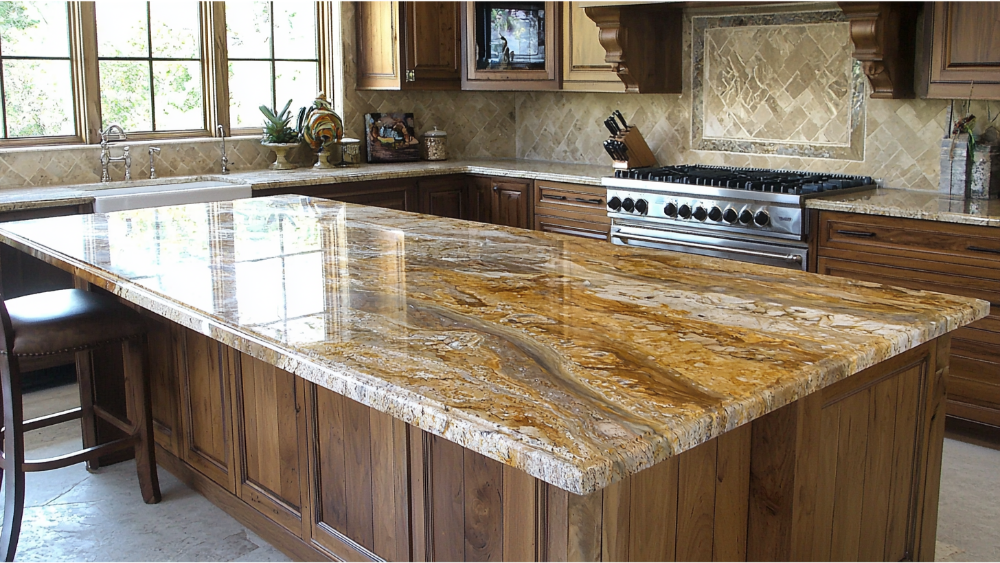
Granite countertops typically cost between $35 and $75 per square foot, providing a balance between durability and visual appeal. They are highly resistant to heat and scratches, making them a practical choice for busy kitchens. With numerous colors and patterns available, granite is a versatile option that works well with both stock cabinets and semi-custom cabinets. Like marble, granite needs sealing to maintain its longevity.

Quartz Countertops

Quartz countertops offer a blend of affordability and performance, with prices ranging from $50 to $150 per square foot. Unlike natural stones, quartz is engineered, which ensures consistency in color and design. It is non-porous, making it resistant to staining and easier to clean. Quartz is an excellent choice for those upgrading kitchen spaces with semi-custom cabinets and looking for a durable yet stylish surface.

Butcher Block Countertops

Butcher block countertops are a warm and rustic option, with costs typically ranging from $30 to $100 per square foot, depending on the type of wood and finish. They add a natural charm to any kitchen remodel and are excellent for those looking for eco-friendly countertop materials. While they do require regular sealing to prevent water damage and scratches, they can be sanded and refinished, making them a long-lasting option for those replacing their kitchen countertop. These countertops pair especially well with farmhouse or traditional kitchen designs.

Cost Breakdown for Cabinet Costs

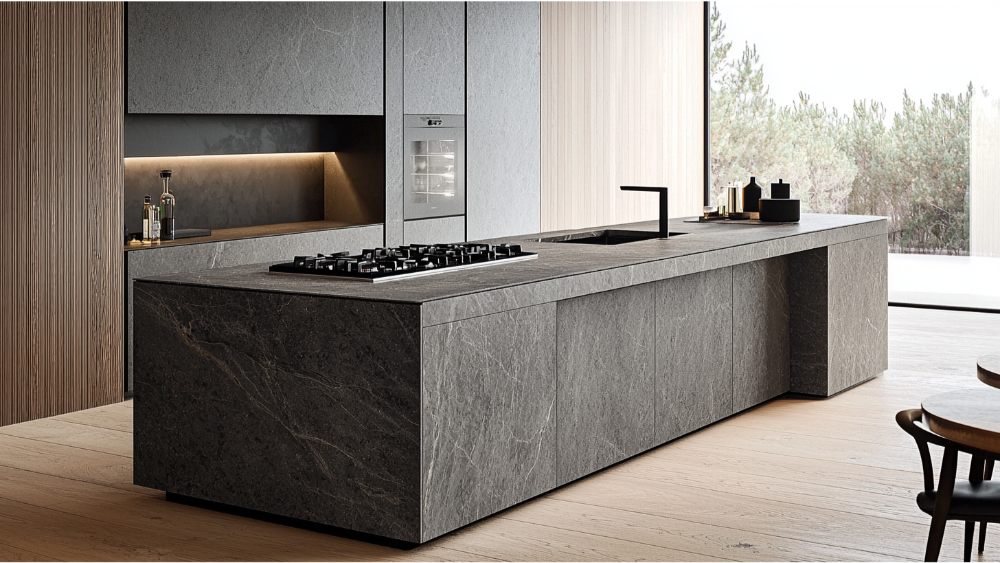
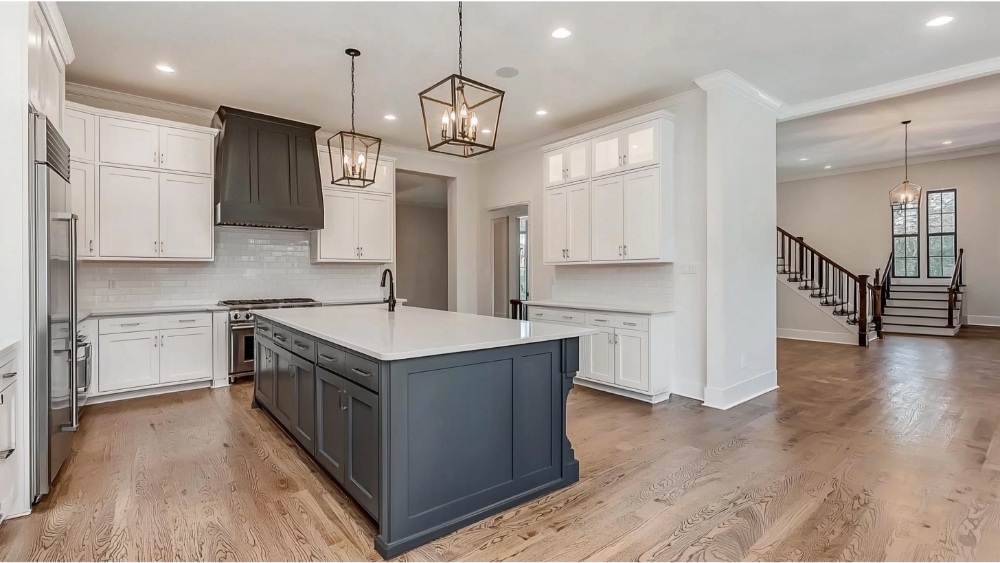
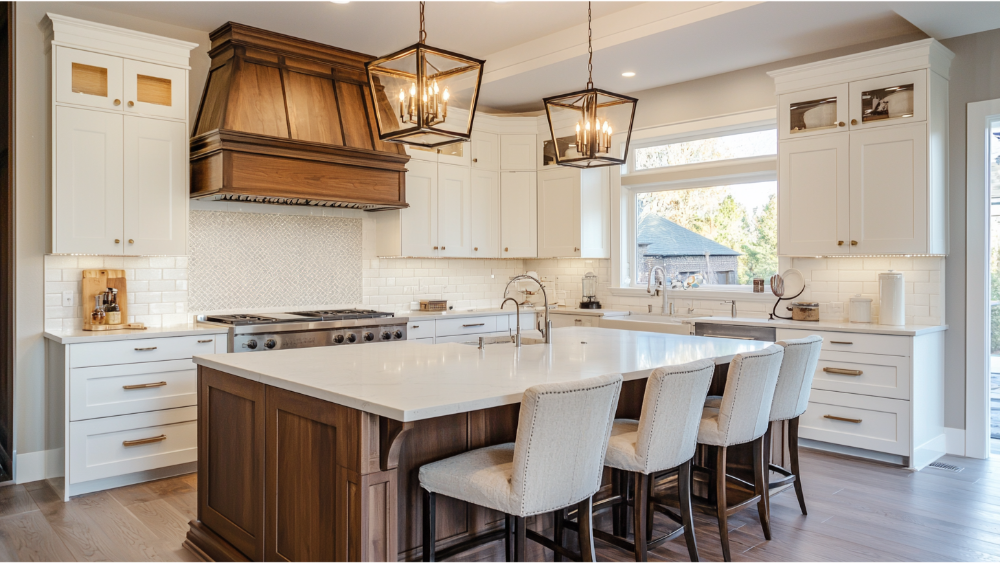
A nice white kitchen remodel

Stock Cabinets

Stock cabinets are the most budget-friendly option, with prices ranging from $60 to $200 per linear foot. These cabinets are pre-manufactured and available in standard sizes and designs, making them an excellent choice for those seeking quick kitchen cabinet installation. While they offer limited customization, they come in a variety of materials, including laminate or engineered wood, and are easy to integrate into most kitchen styles. Stock cabinets are best for cost-conscious projects where functionality and affordability are top priorities.

Semi-Custom Cabinets

Semi-custom cabinets strike a balance between affordability and personalization, costing between $100 and $650 per linear foot. These cabinets allow for slight modifications in dimensions, finishes, and other design details, providing more flexibility than stock cabinets. Available in various materials, including solid wood and engineered wood, they cater to a wide range of aesthetic preferences and budgets. Semi-custom cabinets are ideal for those looking to elevate their kitchen design without committing to the higher costs of fully custom cabinets.

Custom Cabinets

Custom cabinets are the ultimate option for homeowners looking for complete design freedom, with costs ranging from $500 to $1,200 or more per linear foot. These cabinets are built to order, allowing you to choose every detail, from size and layout to material and finish. Solid wood is a common choice for custom cabinetry due to its aesthetic and durability, but other materials like metal or glass can also be used for a unique look. While more expensive, custom cabinets offer unmatched quality and craftsmanship, making them a worthy investment for a truly bespoke kitchen.

Solid Wood Cabinets

Solid wood cabinets are a premium option due to their durability and timeless aesthetic, with prices typically starting at $250 per linear foot. The type of wood significantly impacts the cost, with popular choices like oak, maple, and cherry influencing the price range. Solid wood cabinets are highly durable and can be refinished, which makes them an excellent long-term investment. Their natural beauty enhances any kitchen, whether combined with new cabinets or updated countertops.

Refaced Cabinets

Refacing cabinets is a more affordable alternative to replacing them entirely, with costs ranging from $4,000 to $9,000 for an average kitchen. This option involves replacing the doors, drawer fronts, and hardware while leaving the existing cabinet boxes in place. Refacing is perfect for those with structurally sound cabinets who want a refreshed look at a fraction of the cost of new cabinets. It is a cost-effective way to enhance aesthetics without the need for a complete kitchen cabinet installation.

Factors Affecting Cost for Cabinets and Countertops

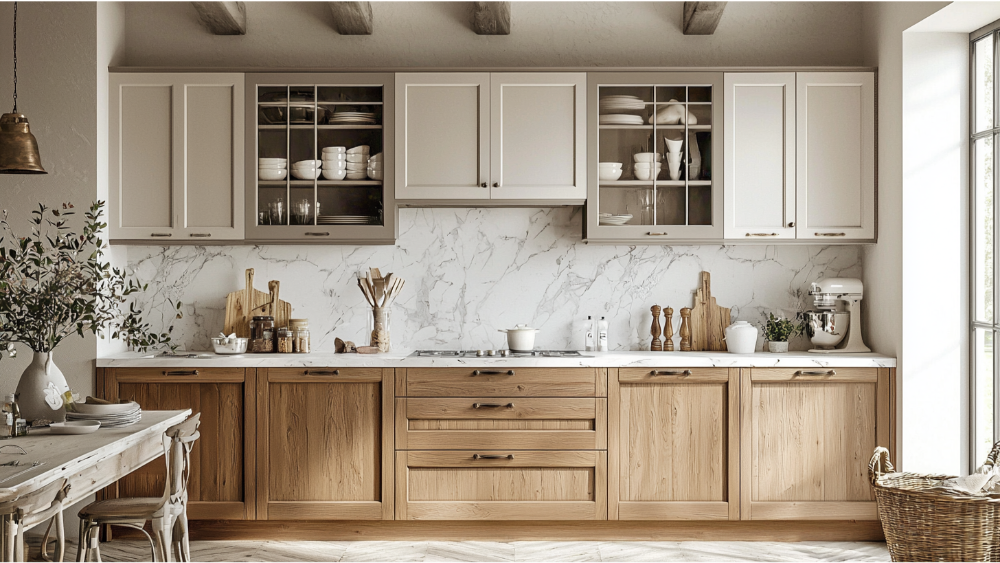
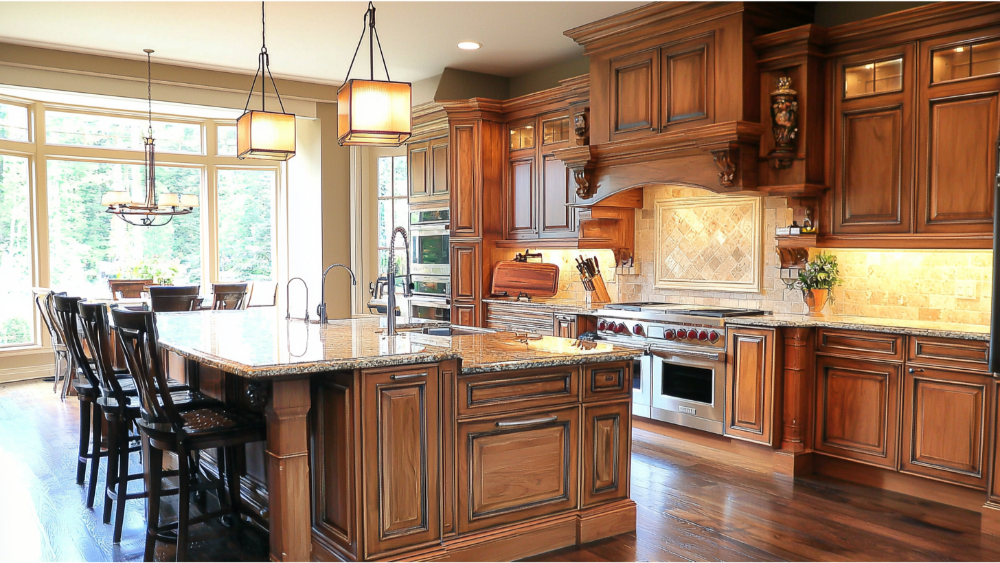
A nice kitchen

Material Selection

The type of material chosen significantly impacts the cost of both cabinets and countertops. Premium countertop materials like marble, granite, and quartz tend to be more expensive, while laminate or engineered wood offers more budget-friendly alternatives. Similarly, cabinets made from solid wood or custom materials will drive up costs compared to stock or semi-custom options.

Labor Costs

Labor is a crucial factor that influences the overall cost of replacing kitchen countertops or installing new cabinets. Skilled labor for installing premium countertop materials or custom cabinetry demands higher fees due to the expertise required. Additionally, complex layouts or unique designs may further increase labor costs.

Size and Dimensions

The size of the kitchen and the dimensions of the cabinets and countertops significantly affect the final price. Larger kitchens require more material and labor, which directly increases expenses. For example, replacing kitchen countertops in a spacious kitchen may involve higher costs compared to a smaller one.

Customization Options

Customizing kitchen cabinets or countertops, such as adding intricate designs, special finishes, or unique shapes, raises expenses. Fully custom cabinets or countertops allow you to tailor everything to your preferences but come at a premium cost. Opting for stock or semi-custom options can help keep customization charges lower.

Installation Complexity

The complexity of the installation process also plays a role in determining the cost. Countertops made of delicate or heavy materials, like marble or granite, require careful handling and professional expertise, which can add to labor costs. Similarly, custom cabinet installations with unique layouts or features may demand additional time and effort.

Maintenance and Longevity

The long-term maintenance requirements of the materials can indirectly affect their overall cost. For example, premium countertop materials like marble and butcher block require sealing and care, adding to ongoing expenses. On the other hand, materials like quartz or engineered wood are low-maintenance, making them a more cost-effective choice in the long run.

Tips to Save for Cabinet and Countertop Installation

Explore Semi-Custom Cabinet Offers

Semi-custom cabinet options provide a balance between affordability and style. Look for promotions or discounts on semi-custom cabinets from retailers, as they often run seasonal sales or special offers. By capitalizing on these deals, you can achieve a personalized look for your kitchen without breaking the budget.
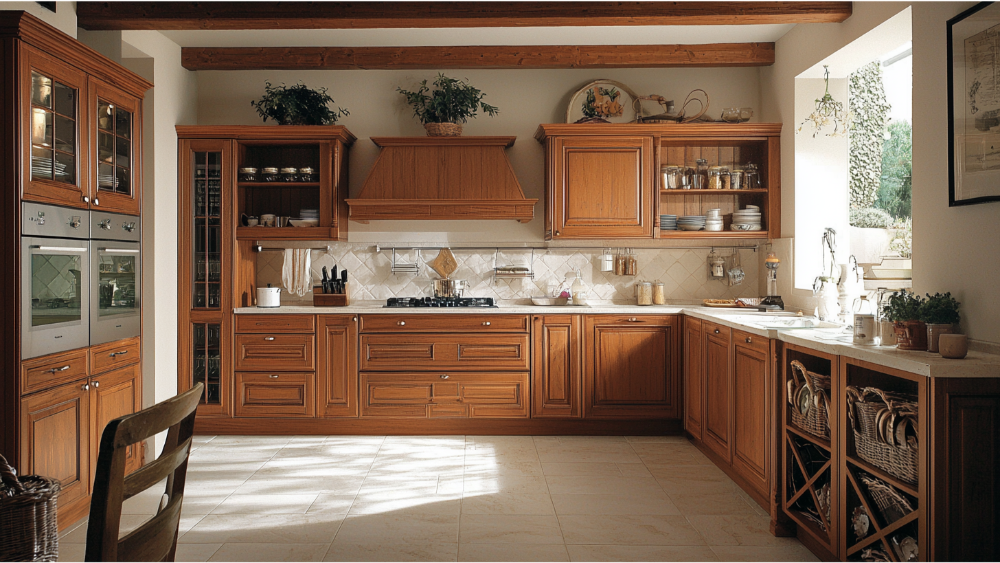
Refinish or Replace Cabinet Doors Only

Instead of completely replacing your cabinets, consider refinishing or replacing just the cabinet doors for a refreshed appearance. This approach is significantly more affordable and allows you to update the style while keeping the underlying cabinet structure intact. It’s a cost-effective way to elevate your kitchen’s look without a full renovation.
Take a DIY Approach to Install Kitchen Cabinets

If you’re handy and comfortable with tools, consider installing kitchen cabinets yourself to save on labor costs. Many manufacturers provide easy-to-follow installation guides for their products. Tackling the installation as a DIY project can reduce expenses significantly while giving you the satisfaction of contributing to your kitchen redesign.

Plan Ahead for Sales and Discounts

Timing your purchase with annual sales or special promotions can lead to substantial savings on both cabinets and countertops. Keep an eye out for clearance sales or end-of-season discounts on materials. By planning ahead, you can secure high-quality options at more affordable prices.

Opt for Cost-Friendly Countertop Materials

While premium materials like granite or marble are stunning, alternatives like laminate or engineered stone can be just as stylish at a fraction of the cost. These materials are durable, require less maintenance, and offer a wide range of colors and patterns. Carefully selecting cost-effective countertop materials can reduce your overall renovation expenses.

Frequently Asked Cost to Replace Kitchen Cabinets and Countertops Questions

a nice small kitchen

What is a Realistic Budget for a Kitchen Remodel?

A realistic budget for a kitchen remodel typically ranges from $10,000 to $50,000, depending on the size of the space, the materials used, and the extent of the renovation. Smaller-scale updates, such as refacing cabinets and replacing laminate countertops, can keep costs on the lower end. However, incorporating custom cabinetry, premium countertop materials, and professional labor will place the remodel on the higher end of the budget spectrum.

What is the Most Expensive Part of a Kitchen Remodel?

Cabinets are often the most expensive part of a kitchen remodel, typically accounting for 30% to 40% of the total budget. Custom cabinetry and high-quality materials significantly drive up costs, especially when paired with intricate designs or finishes. Countertops made of premium materials like quartz or marble can also be a substantial expense, particularly in larger kitchens.

What Makes a Kitchen Look Cheap?

A kitchen can look cheap when low-quality materials, such as peeling laminate countertops or particleboard cabinets, are used. Poor lighting, outdated fixtures, and mismatched hardware also contribute to an unpolished and inexpensive appearance. Additionally, cluttered countertops and lack of cohesive design can make the space look unrefined.

Conclusion

Replacing kitchen cabinets and countertops is a significant investment, but with careful planning and informed choices, it is possible to create a stylish and functional space within your budget. By considering cost-saving tips, such as exploring semi-custom options, opting for alternative materials, and timing purchases with sales, you can achieve a remodeled kitchen that meets your needs without overspending. Prioritize quality materials and professional installation where necessary to ensure long-term durability and satisfaction. Whether you’re aiming for a minor update or a complete transformation, thoughtful decisions will help you create a kitchen you’ll enjoy for years to come.

What Does Refreshed Bathroom Mean?

Опубликовано: March 6, 2025 в 9:31 pm

Автор:

Категории: Bathroom

Тэги: ,,

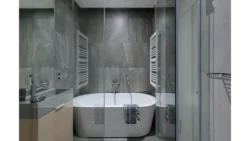
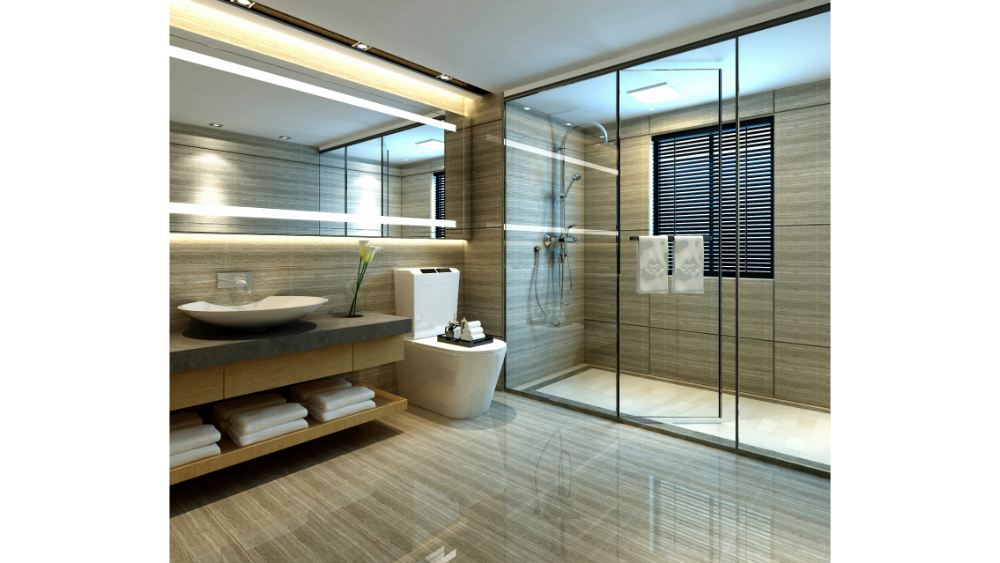
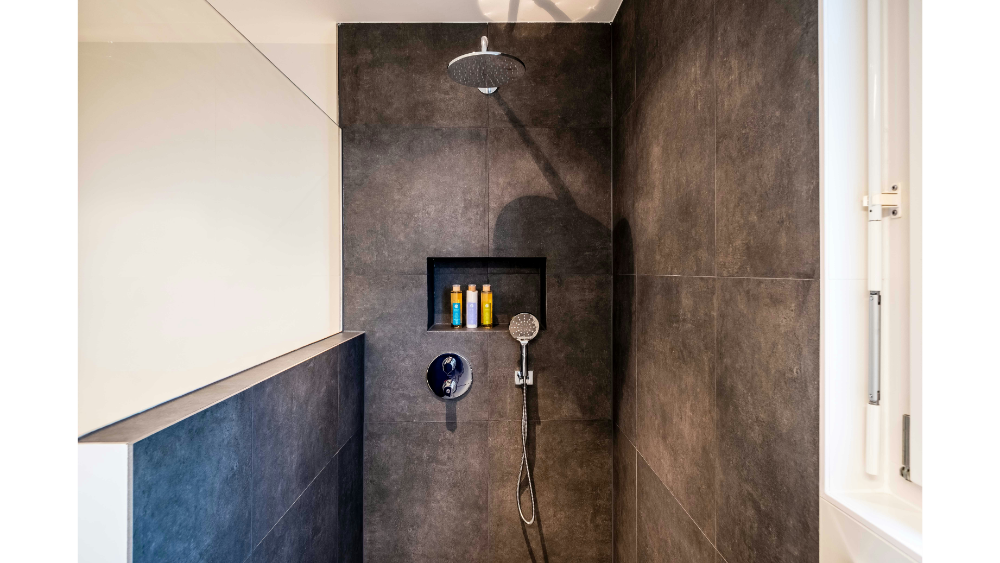
A refreshed bathroom refers to a space that has been updated or revitalized to feel cleaner, more modern, and welcoming without necessarily undergoing a full renovation. This can involve simple changes like a fresh coat of paint, new fixtures, or upgraded accessories that transform the room’s overall appearance. It’s a cost-effective way to breathe new life into one of the most used spaces in your home.

Key Elements to a Refreshed Bathroom

New Paint or Wallpaper

Choosing a fresh color or design with paint or wallpaper can instantly transform the look of your bathroom. This sets the tone for the entire space, and turning the “page” on an outdated color scheme can make a huge impact.

Modern Lighting Fixtures

Updating the lighting is a small project that can make a big difference. Whether you opt for statement pieces or subtle fixtures, it’s hard to go wrong when choosing modern, energy-efficient designs.

Upgraded Faucets and Showerheads

Swapping out old faucets and showerheads for sleek, contemporary options is a simple way to enhance both practicality and aesthetics. This detail ensures your refreshed bathroom feels polished and up-to-date.

Stylish Mirrors

A new mirror, whether framed or frameless, can act as a focal point for the bathroom. By selecting one that complements the overall style, you can avoid going “wrong” with the visual balance of the space.

Storage Solutions

Introducing functional storage like shelves, baskets, or vanity upgrades helps maximize space and reduce clutter. Thoughtful storage can keep the bathroom looking tidy, helping your refreshed page stay organized.

High-Quality Textiles

Switching out old towels, rugs, and shower curtains for fresh, high-quality options adds subtle sophistication. These details go a long way in making the bathroom feel cohesive and inviting.

Decorative Accents

Finishing the project with plants, artwork, or chic accessories personalizes the bathroom without overwhelming the space. Choosing the right accents can ensure the refreshed room looks intentional rather than pieced together wrong.

Differences Between Refresh & Renovation

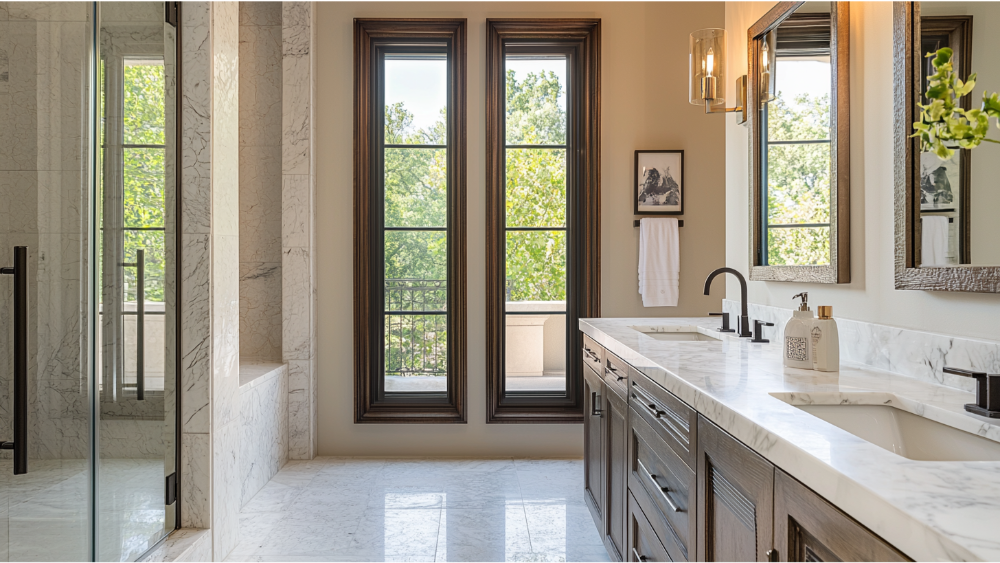
A refreshed bathroom

Scope of Changes

A refresh involves smaller updates like swapping fixtures, repainting walls, or adding decorative accents. It focuses on enhancing the look and feel of the space without altering the underlying structure or layout.

On the other hand, a renovation requires a more extensive process that can include demolishing walls, changing plumbing, or completely reconfiguring the space. To decide which approach is best, check your budget and the scope of changes you want to achieve.

Time Investment

Refreshing your bathroom is typically quicker, often taking anywhere from a few hours to a couple of weekends, depending on the extent of updates. Renovations, however, can take weeks or even months as they involve more complex planning, permits, and construction phases.

If you’re short on time, find out which minor updates can make the biggest impact with less effort. Checking timelines for both options will help you set realistic expectations.

Cost Considerations

The cost of a bathroom refresh is generally much lower since it focuses on cosmetic changes rather than structural updates. Renovations, however, often come with higher costs due to labor, materials, and possible unforeseen expenses.

If your focus is to save money while updating your space, find creative ways to refresh your bathroom with affordable upgrades. Always check your financial plan before committing to a more expensive renovation.

Impact on Functionality

A refresh typically improves the aesthetics and may provide some functional benefits, such as better storage or more efficient fixtures, but it doesn’t drastically alter how the space is used.

Renovations often aim to resolve functional challenges and align the space more closely with your needs, such as increasing the size or adding more advanced fixtures. Consider what functional changes, if any, are necessary and check whether a renovation would better address those than a simple refresh.

Level of Customization

Refreshing is more about working with what you already have while adding personalized details to fit your style. Renovations allow for a higher degree of customization, giving you the freedom to create a completely unique space tailored to your preferences and requirements.

Check whether the level of personalization you desire can be achieved with a refresh, or if a renovation would better match your vision. If you find that major customizations are needed, a renovation may be the more suitable option.

Benefits of Refreshing a Bathroom

A refreshed bathroom

Cost-Effective Transformation

Refreshing a bathroom allows you to achieve a new look without a large financial investment. By focusing on affordable upgrades like paint, fixtures, or decor, you can stay within a budget while still seeing noticeable results. This approach is perfect for those who want a change without committing to expensive renovations.

Quick and Convenient Updates

A bathroom refresh can typically be completed in a much shorter time than a full renovation. Simple projects such as replacing lighting or adding new textiles can often be done in a single day or weekend. This convenience means you can continue to use the space with minimal disruption.

Enhanced Aesthetics

Small changes can significantly elevate the overall appearance of your bathroom. Matching new elements with your existing theme or introducing a modern style can make the space feel cohesive and inviting. A refreshed bathroom instantly feels fresher and more appealing, improving your home’s ambiance.

Improved Functionality

Upgrading features like faucets, showerheads, or storage solutions can improve your bathroom’s practical use. These updates often provide better performance, energy efficiency, or easier organization. They make daily tasks more enjoyable while maximizing the room’s usability.

Boosted Property Appeal

A refreshed bathroom can increase your home’s overall appeal, especially if you’re planning to sell. Potential buyers are often drawn to well-maintained and modern-looking bathrooms. Even minor updates can leave a lasting positive impression, adding value to your property.

Personalized Style

Refreshing allows you to tailor the space to reflect your personal taste without extensive changes. Whether you choose bold decor or calming tones, these updates make your bathroom feel uniquely yours. It provides an opportunity to express creativity while maintaining a functional space.

Eco-Friendly Opportunities

Opting for energy-efficient lighting, water-saving fixtures, or sustainable materials during a refresh can reduce your environmental impact. These changes not only help conserve resources but can also save money on utility bills over time. A greener bathroom benefits both you and the planet.

Tips for an Effective Bathroom Refresh

A refreshed bathroom vanity

Set a Clear Budget

Determine how much you’re willing to spend before starting your bathroom refresh. This will help you prioritize upgrades and avoid overspending on items that aren’t essential.

Start with a Vision

Decide on the overall style and color scheme you’d like for your bathroom. Having a clear theme will guide your decisions and ensure consistency across all updates.

Focus on High-Impact Changes

Identify elements in your bathroom that create the biggest visual or functional impact, such as lighting, mirrors, or fixtures. Upgrading these features can instantly elevate the look of the space.

Repaint for a Fresh Look

A new coat of paint can completely transform the feel of your bathroom. Choose colors that complement your desired design and consider using moisture-resistant paints for longevity.

Upgrade Hardware and Fixtures

Swapping out old faucets, cabinet handles, and towel racks for modern designs can add a polished and updated feel. Opt for finishes like chrome or matte black to create a contemporary touch.

Don’t Overlook Storage Solutions

Adding or reorganizing storage can improve both aesthetics and functionality. Consider sleek shelving or decorative baskets to keep essentials neatly arranged and accessible.

Improve Lighting

Update your lighting fixtures or add layers of light, such as task and ambient lighting. A well-lit bathroom not only looks better but also feels more inviting and usable.

Revitalize with Textiles

Refreshing towels, shower curtains, or even bath mats can quickly enhance the space’s appeal. Choose colors and textures that align with your overall design plan.

Decorate with Greenery

Adding indoor plants or small succulents can introduce natural elements to your bathroom. These touches make the space feel fresher and create a relaxing atmosphere.

Tidy and Declutter

Before making updates, clear out unnecessary items to keep your bathroom organized and clean. A clutter-free bathroom feels more spacious and makes new updates stand out.

Frequently Asked What Does Refreshed Bathroom Mean Questions

A refreshed bathroom vanity

Is It Better To Refresh Or Remodel a Bathroom?

Deciding whether to refresh or remodel a bathroom depends on your goals, budget, and timeline. A refresh is ideal if you’re looking for cost-effective, quick updates that enhance aesthetics and functionality without major changes. On the other hand, a remodel is better suited for extensive customization or addressing structural issues to create a completely revamped space.

How Often Should You Get a New Bathroom?

The need for a new bathroom depends on factors like wear and tear, style preferences, and functionality. On average, bathrooms are remodeled or refreshed every 10-15 years to maintain a modern and efficient space. However, smaller updates can be done more frequently to keep the area looking fresh and up-to-date.

What Is the Most Expensive Part of a Bathroom Remodel?

Typically, the most expensive part of a bathroom remodel is updating or replacing the plumbing and fixtures, such as bathtubs, showers, and toilets. This cost can increase further if major structural changes are needed to accommodate new layouts or systems. High-quality materials and luxury upgrades like custom cabinetry or premium tile work can also add significantly to the overall expense.

Conclusion

Refreshing your bathroom is a practical and rewarding way to enhance your home’s aesthetics, functionality, and overall value without undergoing a complete remodel. By focusing on impactful changes like upgrading fixtures, improving lighting, and incorporating eco-friendly solutions, you can create a space that feels personalized, modern, and efficient. Whether you’re aiming to enjoy a more comfortable daily routine or prepare your property for resale, a bathroom refresh delivers significant benefits tailored to your needs and budget. A better bathroom is within reach with thoughtful planning and creative updates.

What is a Bathroom Vanity? Everything You Need to Know

Опубликовано: March 6, 2025 в 9:12 pm

Автор:

Категории: Bathroom

Тэги: ,

A bathroom vanity is an essential feature in modern bathrooms, combining both functionality and style. It typically includes a sink, countertop, and storage space, making it a practical centerpiece for daily tasks. Beyond its utility, a well-chosen vanity can enhance the overall aesthetic of the bathroom.

Definition of a Bathroom Vanity

A bathroom vanity is a fixed installation within a bathroom that integrates a sink or basin with a storage cabinet and often a countertop. It serves both practical and decorative purposes, offering space for hygiene-related tasks while providing storage for toiletries, cleaning products, and other essentials. Vanities are available in various sizes, styles, and materials, allowing homeowners to select options that suit their functional needs and complement their bathroom’s design.

Components of a Bathroom Vanity

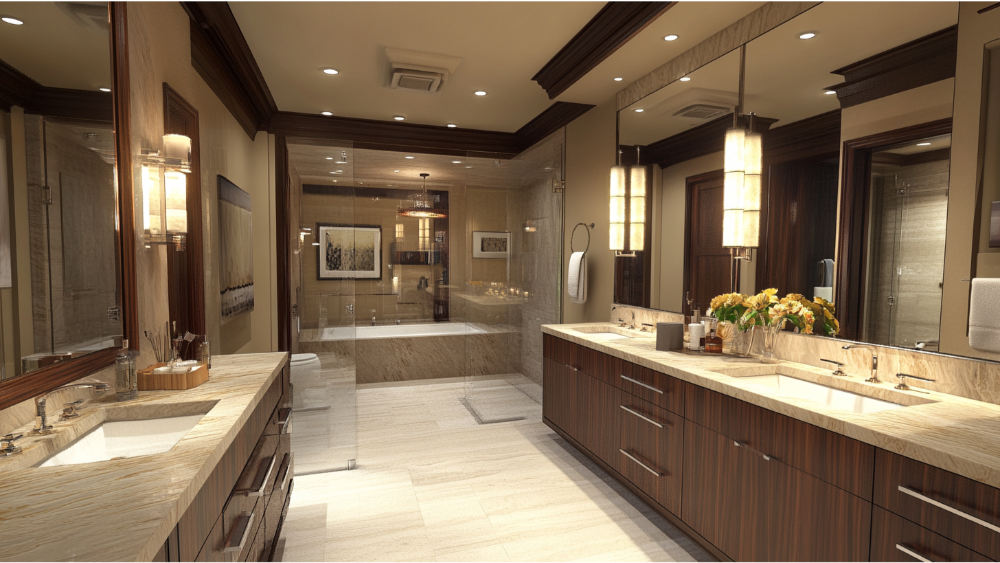
A nice bathroom vanity

Sink

The sink is the centerpiece of any bathroom vanity, serving as the primary area for hygiene tasks like washing hands and brushing teeth. Connected to the plumbing network, it requires proper installation of pipes to ensure functionality and prevent leaks. Choosing the right sink style and materials plays a key role in blending it with the overall design of the space.

Countertop

The countertop provides a durable surface for daily use and serves as space to hold bathroom essentials such as toiletries or decorations. When searching for the ideal countertop, key considerations include its durability, ease of cleaning, and suitability for the vanity’s job. High-quality materials like quartz, granite, or laminate ensure both longevity and aesthetic appeal.

Storage Space

Storage space in a vanity helps keep the bathroom organized by providing room for items like towels, toiletries, and cleaning supplies. Cabinets and drawers are common storage solutions, crafted from materials designed to withstand moisture and humidity. Efficient storage design makes it easier to page through items and locate what you need quickly.

Plumbing

The pipes within the vanity connect the sink to the overall plumbing system, ensuring proper water flow and drainage. Proper installation and quality materials are critical to prevent issues like leaks or clogging, which can lead to costly repairs. Inspecting the pipes periodically helps maintain the vanity’s job of delivering seamless functionality.

Faucet

The faucet is the functional highlight of the vanity and is available in styles ranging from modern to vintage. Well-chosen faucet designs and materials can significantly enhance the vanity’s look while complementing the overall bathroom decor. It’s important to search for durable faucet options that meet water efficiency standards for long-term use.

Types of Bathroom Vanities

Freestanding Vanities

Freestanding vanities are a classic option, designed to stand independently without being attached to walls or floors. These vanities are a popular choice among homeowners seeking a functional yet stylish design that’s straightforward to install. Ideal for users with a budget in mind, freestanding vanities are available in a wide range of sizes and materials, making it easy to tailor them to individual preferences. Since less labor is required during installation, they are also a cost-effective option for quick bathroom remodels.

Wall-Mounted Vanities

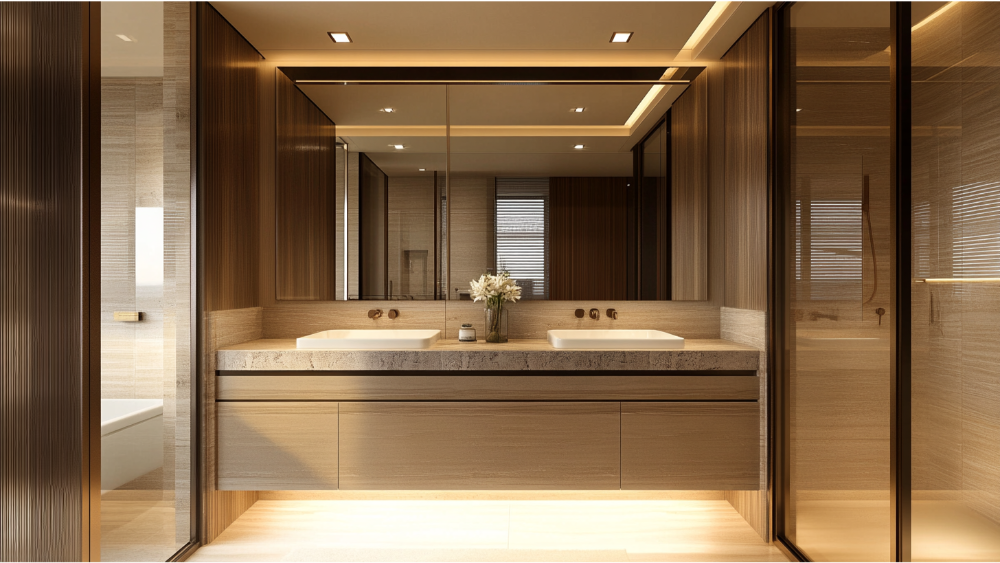
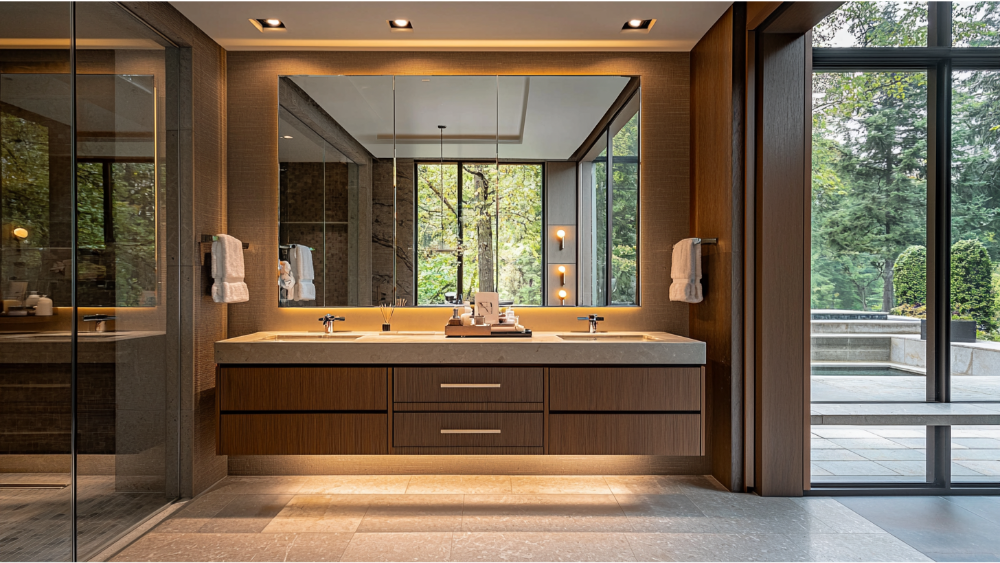
Wall-mounted vanities, often referred to as floating vanities, are designed to be installed directly onto the wall, creating a sleek and modern look. This design not only enhances the aesthetic appeal but also provides open space beneath, making cleaning easier and giving a sense of openness to the room. Homeowners looking to invest in a design-forward piece often opt for wall-mounted vanities to elevate their bathroom decor. However, their installation requires precise measurements and professional labor to ensure securely mounted plumbing connections.

Double Sink Vanities

Double sink vanities are perfect for users who value shared bathroom functionality, offering two sinks and additional counter space. They are a practical choice for families or homeowners who frequently experience high bathroom traffic, making morning routines more efficient. While they require a larger budget due to the additional materials and labor for installation, their practicality often outweighs the costs. This type is an excellent long-term investment for those prioritizing convenience and storage capacity.

Corner Vanities

Corner vanities are a compact and space-saving solution designed to maximize bathroom usability in smaller or awkwardly shaped spaces. Their unique design allows homeowners to make efficient use of corners without compromising on style or functionality. These vanities are a favorite for users seeking affordable options that minimize labor requirements during installation. With careful planning, a corner vanity can provide just the right balance of storage and countertop space for smaller budgets.

Custom Vanities

Custom vanities offer tailored designs to meet the exact needs and preferences of users, delivering a personalized touch to the bathroom. They allow homeowners to select everything from materials to layout, ensuring the vanity integrates seamlessly with the overall design. Although custom vanities can demand higher budgets and labor compared to pre-made options, they provide unmatched uniqueness and long-term satisfaction. This type is ideal for those who want a vanity that serves as a prominent design sign in their bathroom remodel.

Things to Consider Before Choosing a Bathroom Vanity

A nice bathroom vanity

Location and Space

Before selecting a vanity, it’s crucial to evaluate the location and available space in your bathroom. Measure thoroughly to ensure the vanity fits seamlessly without obstructing doorways, walkways, or other fixtures. A well-placed vanity not only enhances functionality but also serves as a focal spot in your bathroom design.

Style and Home Aesthetics

Your vanity should align with the overall style of your home to maintain a cohesive look. Whether you prefer a modern, traditional, or rustic design, ensure the vanity complements your bathroom’s ambiance. Choosing the right style will set a lasting tone for your bathroom’s appearance.

Materials and Durability

Selecting the right materials is essential to ensure your vanity withstands daily wear and tear. Focus on materials that are resistant to moisture and easy to care for, such as quartz, granite, or laminate countertops. Durable materials will save maintenance costs and keep your bathroom looking pristine over time.

Storage Needs

Assess your storage needs to find a vanity that provides enough cabinets or drawers for your essentials. If organization is a priority, look for designs with efficient storage techniques that help you neatly store toiletries, towels, and cleaning supplies. A well-organized vanity saves time and reduces bathroom clutter.

Plumbing and Installation Requirements

Consider the plumbing setup to ensure the chosen vanity aligns well with your existing or planned system. Wall-mounted vanities, for example, may require professional installation to set secure plumbing connections. Take time to review the installation guide of your preferred vanity type to minimize unexpected labor costs.

Budget and Maintenance

Factor in your budget, not just for purchase but also for future care and maintenance. Free up funds for additional costs like installation or potential repairs down the line. Finding a balance between cost and quality will help you make a smart, long-term investment.

Personalization Options

If you’re looking for a unique addition to your bathroom, consider custom vanities for a personalized touch. They may come at a higher cost but allow you to tailor every detail according to your preferences. America’s Advantage Remodeling excels at helping you personalize your options, ensuring the perfect custom vanity to guide your bathroom design toward a truly one-of-a-kind space.

Frequently Asked What is a Bathroom Vanity Questions

a bathroom vanity

What is the Difference Between a Vanity and a Sink?

A sink is a standalone fixture designed primarily for hand-washing and other tasks involving water, while a vanity encompasses the entire unit that includes the sink, countertop, and storage space. Vanities offer additional functionality by providing areas to store toiletries and personal items, whereas a sink alone lacks this storage component. Vanities also serve as a decorative element, contributing to the overall design and aesthetics of the bathroom. Essentially, the sink is just one part of a vanity, making the latter a more comprehensive and versatile option for bathroom use.

What is the Purpose of a Vanity in a Bathroom?

The primary purpose of a vanity in a bathroom is to provide a functional space where users can perform daily grooming tasks, such as washing, shaving, or applying makeup. Beyond functionality, it serves as an essential storage solution, keeping toiletries, cleaning products, and personal items neatly organized and out of sight. Vanities also play a key role in enhancing the aesthetic appeal of a bathroom, acting as a design focal point that ties the room’s style together. Additionally, they help optimize space by combining multiple functions into a single unit, making bathrooms more practical and efficient.

What is the Most Common Bathroom Vanity?

The most common bathroom vanity is the single-sink vanity, which is ideal for small to medium-sized bathrooms. It provides sufficient countertop space and storage while maintaining a compact design that suits most households. This type of vanity is widely available in various styles and materials, making it both affordable and versatile for different aesthetic preferences.

Conclusion

Choosing the right bathroom vanity is a pivotal aspect of any bathroom remodel, as it blends practicality, storage, and style into one essential piece. By carefully evaluating factors such as space, style, materials, storage, and budget, homeowners can select a vanity that not only meets their functional needs but also complements their home’s overall aesthetic. Whether you opt for a pre-made or custom vanity, a thoughtful selection will ensure long-term satisfaction and elevate the look and efficiency of your bathroom. At America’s Advantage Remodeling, we are committed to helping you find the perfect vanity to transform your bathroom into a beautiful, organized, and functional space.

How Much Does a Kitchen Island Cost?

Опубликовано: February 25, 2025 в 1:25 am

Автор:

Категории: Kitchen

Тэги: ,

A kitchen island can be a valuable addition to any home, offering extra counter space, storage, and a stylish focal point for your kitchen. However, the cost of installing a kitchen island can vary widely depending on factors like size, materials, and additional features. Understanding the potential expenses can help you plan your budget and make the best decision for your space.

Cost Breakdown for Types of Kitchen Islands

Pre-assembled Kitchen Islands

These islands are pre-made and ready to install, making them a budget-friendly option for many homeowners. Pre-assembled models typically follow a standard design and use cost-effective materials, which helps keep the price lower. Depending on the size and features, you can expect to spend anywhere from $200 to $2,000. This option is ideal if you want a quick addition that fits into an existing space without major modifications.

Custom-built Kitchen Islands

A custom built kitchen island in a home

For a tailored solution, custom-built islands offer unmatched flexibility in design and materials. A custom option allows you to set specifications for dimensions, materials, and advanced features like built-in appliances or lighting. Prices for custom models start around $3,000 and can go well over $10,000, depending on the complexity. This type of island works best if you’re rethinking your kitchen layout entirely or creating a centerpiece for your space.

Rolling or Movable Kitchen Islands

A smaller and more affordable option, rolling kitchen islands can follow you wherever extra counter space is needed. These islands usually come with lightweight frames and lockable wheels, offering versatility that suits a variety of kitchen setups. Costs range from $100 to $700, making them a great choice for smaller kitchens or renters. They can easily integrate with both new and existing kitchen designs.

Built-in Kitchen Islands with Advanced Features

This type of island is often equipped with high-end features like sinks, cooktops, or wine refrigerators. These islands are built directly into the kitchen floor plan, making them a permanent and luxurious addition. Costs generally start around $5,000 and can exceed $15,000, depending on the appliances and customizations. Built-in islands are a long-term investment and perfect for homeowners aiming to set their kitchen apart with a premium upgrade.

Repurposed Furniture Kitchen Islands

For a creative and eco-friendly approach, repurposed furniture can be transformed into a functional kitchen island. Items like old dressers, tables, or cabinets can be modified to suit your needs, offering a unique and personal touch to your kitchen. The cost for this option varies widely depending on whether you already own the piece of furniture or need to purchase and modify it. With some DIY effort, costs can range from $100 to $1,000, making it an affordable and sustainable choice for those who enjoy upcycling.

Factors That Affect Kitchen Island Cost

A custom built wooden kitchen island

Size and Dimensions

The size of the kitchen island is one of the most significant factors influencing cost. Larger islands require more materials and often involve higher labor costs for installation. Additionally, the size will determine how well the island fits into your existing kitchen layout, ensuring you make the best use of the available space. Make sure to carefully measure your kitchen to avoid surprises, as improper dimensions can lead to additional expenses.

Materials Used

The materials chosen for your kitchen island can greatly affect its price. High-end materials like granite, quartz, or hardwood will raise the overall cost, while laminate or stainless steel tend to be more affordable. Each material offers a unique look and level of durability, so it’s essential to balance aesthetics and functionality. To make an informed decision, compare the options you’ve found and ensure they match your long-term needs.

Built-in Features and Appliances

Adding built-in features like sinks, cooktops, or wine refrigerators can substantially increase the cost of a kitchen island. These advanced features not only require specialized materials but may also involve extra plumbing, electrical, or installation work. Before committing, consider whether the added functionality aligns with your lifestyle and kitchen usage. Remember, the right mix of features can enhance convenience and help future-proof your space.

Labor and Installation Costs

The complexity of the installation determines the labor costs for your kitchen island project. Pre-assembled or movable islands have lower labor costs, while custom-built models or those with advanced features require skilled professionals and more time to install. Always ensure your contractor has the rights to handle the required tasks to avoid errors or legal complications during the project. Seeking references and reviews can help you find reputable professionals. For reliable and high-quality labor, America’s Advantage Remodeling is the best choice—delivering expertise and trust you can count on.

Kitchen Layout and Modifications

Your current kitchen layout plays a pivotal role in determining the cost, as significant modifications may be necessary for the island to fit seamlessly. Relocating utility connections or altering cabinetry can add to the overall expense. Proper planning and utilizing inspiration from pages found in trusted design resources can help you anticipate hidden costs. Always aim for a balance between functionality and aesthetics to make the investment worthwhile.

Price Breakdown for Common Kitchen Island Materials

A custom built kitchen island with drawers

Granite

Granite is a popular high-end material due to its durability and natural beauty. Prices typically range from $50 to $100 per square foot, including installation. While it’s a more expensive option, granite offers longevity and a timeless aesthetic that adds value to your home.

Quartz

Engineered quartz is a versatile and low-maintenance choice that mimics the look of natural stone. It costs between $60 and $120 per square foot, depending on the brand and quality. Quartz is non-porous, making it an ideal surface for busy kitchens that require easy cleaning and stain resistance.

Hardwood

Hardwood provides a warm and classic look but comes with a wide price range of $40 to $100 per square foot. The cost depends on the type of wood used, such as oak, cherry, or maple. While hardwood is visually stunning, it does require regular maintenance to prevent scratches and wear.

Stainless Steel

Stainless steel is a modern and highly durable choice for a sleek, professional look. Prices range from $70 to $150 per square foot, largely because it involves complex fabrication. This material is perfect for chefs and families who prioritize hygiene, as it is resistant to heat, stains, and bacteria.

Laminate

Laminate is the most budget-friendly option, ranging from $20 to $50 per square foot. It comes in various colors and designs, offering cost-effective versatility. While not as durable or luxurious as other materials, laminate works well for homeowners seeking an affordable, lightweight solution.

Concrete

Concrete is a customizable material that can be molded into unique shapes and finishes. Expect to pay between $65 and $135 per square foot for concrete countertops, including labor. Although durable, concrete requires sealing to avoid stains and may develop minor cracks over time, which can add to maintenance costs.

Frequently Asked How Much Does A Kitchen Island Cost Questions

A kitchen island in a home

Is It Cheaper to Buy or Build a Kitchen Island?

Buying a pre-made kitchen island is often cheaper upfront, especially if you opt for simple, ready-to-assemble models. Building a custom kitchen island, however, can be more cost-effective in the long run if you have access to affordable materials and enjoy DIY projects. Ultimately, the choice depends on your budget, skill level, and the specific features or size you desire for your space.

Does a Kitchen Island Add Value to a Home?

Yes, a kitchen island can add significant value to a home by enhancing both functionality and aesthetic appeal. It provides additional workspace, storage, and seating, which are highly desirable features for potential buyers. A well-designed island can make the kitchen the focal point of the home, increasing overall livability. Furthermore, incorporating modern features and high-quality materials can further boost the resale value of your property.

How Much Does It Cost to Make a Kitchen Island?

The cost of making a kitchen island varies widely depending on the materials, size, and features included. On average, a basic kitchen island can cost between $500 and $2,000, while custom-built islands with premium materials and advanced features can range from $5,000 to $15,000 or more. Additional expenses like plumbing, electrical work, and labor can significantly increase the total price. Careful planning and budgeting are essential to ensure the island meets your needs without exceeding your financial limits.

Conclusion

A kitchen island is more than just an addition to your cooking space—it’s an investment in functionality, style, and the overall value of your home. By carefully considering materials, features, labor, and design, you can create an island tailored to your needs and budget. Whether you opt for a budget-friendly solution or a custom-built luxury centerpiece, thoughtful planning and expert execution can ensure the final result enhances your kitchen and complements your lifestyle. With the right decisions, your new kitchen island will not only be practical but also a centerpiece that brings family and friends together for years to come.

How Do I Layout Recessed Lighting In My Kitchen

Опубликовано: February 20, 2025 в 3:32 am

Автор:

Категории: All

Properly planning the layout of recessed lighting in your kitchen is essential for creating a well-lit and functional space. The right placement not only enhances visibility but also adds to the aesthetic appeal of the room. With a thoughtful approach, you can ensure your kitchen is evenly illuminated while highlighting key areas like countertops and cooking spaces.

Key Considerations Before Planning Recessed Lighting

Evaluate the Existing Kitchen Layout

Before planning your recessed lighting, take note of your kitchen’s current layout to determine where lighting is most needed. Consider areas where overhead lighting no longer exists or is inadequate, such as dim corners or shadowed countertops. Identifying these problem zones ensures you eliminate lighting errors and create a balanced setup. This evaluation will also help guide decisions about the quantity and spacing of lights. For expert assistance, America’s Advantage Remodeling can help you assess your space and design the perfect lighting plan.

Identify Focal Points and Work Areas

Pinpoint key areas in your kitchen that require focused lighting, like the sink, stove, or countertops used for food preparation. Recessed lighting can also highlight features like a kitchen island or decorative signs on the walls. Properly illuminating these areas prevents functional errors, ensuring that tasks like chopping vegetables or cooking are done safely and comfortably. Planning for these focal points creates a visually appealing and practical kitchen environment.

Check Ceiling Height and Spacing

The height of your kitchen ceiling plays a critical role in determining the spacing and type of recessed lights you should use. Higher ceilings may require lights with a stronger beam spread to provide sufficient coverage, while lower ceilings call for careful placement to avoid glare. Incorrect spacing can create shadows or overly bright areas, which are lighting errors to avoid. Maintaining a uniform distribution of light enhances the overall functionality and appeal of your kitchen. Let America’s Advantage Remodeling guide you through the process to ensure perfect placement and flawless results.

General Guideline for Recessed Light Layout

A kitchen with recessed lighting

Measure Your Kitchen Space

Begin by measuring the dimensions of your kitchen to understand the area you’re working with. Knowing the size of the room gives you a clear idea of how many recessed lights are required. Keeping these measurements written on a page will help you plan each light placement accurately.

Determine the Purpose of the Lighting

Consider whether the lights are for general illumination, task lighting, or accent lighting. The purpose will dictate the number of lights and their positioning, ensuring no focal areas are blocked. This step will help eliminate any functional gaps that can be found after installation.

Plan Light Placement Through Spacing Rules

A good rule of thumb is to space your recessed lights apart by half the height of the ceiling. For example, lights on an 8-foot ceiling should be spaced approximately 4 feet apart. Checking this spacing on a page first ensures even coverage without awkwardly bright or shadowed spots.

Avoid Placing Lights Too Close to Walls

Lights should generally be installed at least 2-3 feet away from walls to prevent harsh shadows or uneven lighting. Placing them too close can cause light to reflect poorly and leave some areas blocked. This will ensure a smoother and more balanced light distribution throughout your kitchen.

Account for Obstructions or Fixtures

Map out where ceiling obstructions like beams, vents, or fixtures are located, so placement isn’t accidentally blocked. Consider these elements on your planning page to ensure the lights won’t interfere or protrude awkwardly. Adjust layouts to accommodate these obstructions without sacrificing light coverage.

Highlight Key Work Areas

Focus on areas often used, such as the sink, stove, and food preparation spaces, by placing lights directly above them. Illuminating these zones prevents functional gaps, ensuring tasks can be done safely and conveniently. Many errors can be found here if proper light isn’t applied.

Test Beam Direction and Bulbs

Choose bulbs with the appropriate beam spread and test how light falls onto surfaces. Testing beam angles on a page or visualizing them helps eliminate guesswork. This ensures you avoid areas restricted by inadequate light or misdirected beams.

Mock-Up and Review Before Installation

Draw a layout of the recessed lighting design on paper or use virtual tools to review the plan. Having a detailed mock-up page allows you to double-check spacing, ensure focal points are addressed. Reassess every marking before installation to guarantee optimal results.

Consider Dimmable Lighting Options

Dimmable recessed lights are an excellent addition to any kitchen, offering flexibility to adjust brightness depending on the time of day or activity. This feature allows for a well-lit workspace during meal preparation and a softer ambiance for evening gatherings. Adding dimmers also creates an energy-efficient solution, giving you control over light intensity and reducing unnecessary power usage.

Common Mistakes to Avoid

A kitchen with recessed lighting

Overlooking Ceiling Height

Failing to consider your kitchen’s ceiling height can lead to improper lighting placement and poor coverage. High ceilings might require stronger beam spreads, while low ceilings need careful positioning to prevent glare and excessive brightness.

Spacing Lights Unevenly

Unevenly spaced recessed lights can create dark patches or overly bright areas in your kitchen. Always follow spacing guidelines based on ceiling height to ensure an even distribution of light throughout the space.

Installing Lights Too Close to Walls

When lights are installed too close to walls, they can cast harsh shadows and highlight imperfections on surfaces. Maintain a proper distance of at least 2-3 feet from walls to achieve balanced and smooth lighting.

Neglecting Obstructions Like Beams or Fixtures

Ignoring ceiling elements such as beams, vents, or existing fixtures can result in blocked lighting or awkward placements. Always account for obstacles in your layout to prevent functionality and aesthetic issues.

Failing to Highlight Key Work Areas

Forgetfulness in emphasizing areas like the sink, stove, or counters can leave essential workspaces poorly lit. Always prioritize these zones to enhance safety and visibility for daily tasks.

Choosing the Wrong Bulbs or Beam Angles

Using bulbs with an incorrect beam spread or intensity can cause uneven lighting or unnecessary glare. Test bulbs and beam directions before installation to ensure the lighting meets your kitchen’s needs.

Skipping a Detailed Plan or Mock-Up

Rushing into installation without a thorough plan can lead to costly errors and unsatisfactory results. Always create a detailed layout or use virtual tools to visualize and adjust the design beforehand.

Frequently Asked How Do I Layout Recessed Lighting In My Kitchen Questions

A kitchen with simple recessed lighting throughout the ceiling

How Many Recessed Lights Should I Put in My Kitchen?

Determining the number of recessed lights for your kitchen depends on its size, ceiling height, and lighting purpose. A common guideline is to divide the height of your ceiling by two to calculate the spacing between lights, ensuring even distribution.

For example, a 100-square-foot kitchen might require 6-8 lights to achieve balanced illumination. Refer to America Advantage Remodeling’s website for detailed calculations and tools to help plan your recessed lighting layout effectively.

How to Design a Recessed Lighting Layout?

Designing a recessed lighting layout starts with evaluating the room’s dimensions and ceiling height to determine the optimal number and spacing of lights. Next, identify the purpose of the lighting—general, task, or accent—and map out key areas like workspaces or focal points that require direct illumination.

Use spacing guidelines, such as placing lights at half the ceiling height apart, and account for obstructions or fixtures to ensure balanced and functional lighting. Finally, create a mock-up or use visualization tools to test and adjust the layout before finalizing the design.

How Many Recessed Lights in a 10×10 Kitchen?

For a 10×10 kitchen, which measures 100 square feet, you will typically need 4-6 recessed lights to achieve balanced illumination. This depends on your ceiling height and the desired brightness level. Following the guideline of spacing lights at half the height of the ceiling, you can ensure even coverage without shadows or overly bright areas. Adjust the number based on specific lighting needs, such as task or accent lighting.

What Type of Recessed Lighting Is Best for a Kitchen?

The best type of recessed lighting for a kitchen typically includes energy-efficient LED bulbs with a warm or neutral color temperature (around 2700K-4000K) to create a welcoming and functional atmosphere. Dimmable lights with adjustable beam angles are ideal for providing flexibility between task lighting and ambient lighting needs. Additionally, choose trims that are moisture-resistant if the kitchen has high humidity areas, such as near sinks or stovetops.

Conclusion

Properly planning and executing a recessed lighting layout in your kitchen can significantly enhance its functionality and aesthetic appeal. By factoring in elements such as ceiling height, spacing, obstructions, and key work areas, you can avoid common pitfalls and achieve optimal lighting. Always create a detailed plan and test your setup before installation to ensure a smoother and more efficient process. For personalized advice, feel free to contact us via email, and we’ll be happy to assist with your kitchen lighting design.

How To Repair A Lazy Susan: The Solutions for Common Problems

Опубликовано: February 2, 2025 в 10:39 pm

Автор:

Категории: Kitchen

Тэги: ,,

A lazy Susan is a convenient and functional addition to any kitchen, but over time, it can become misaligned or stop spinning smoothly. Repairing a lazy Susan might seem daunting, but with the right tools and a little guidance, it’s a straightforward process. This guide will walk you through the steps to restore your lazy Susan to perfect working condition.

9 Common Problems with Lazy Susans and How to Repair Them

A man repairing a lazy susan

1 | Uneven or Wobbly Plastic Shelves

Over time, the plastic shelves of a lazy Susan may become uneven or wobbly, causing items to tip or slide. To fix this, start by checking if the shelves are properly secured to the center shaft. Tighten any locking screws holding the shelves in place, ensuring they’re level. If the plastic shelves have cracks or significant wear, consider replacing them with new ones. Always distribute the weight of items evenly to prevent future wobbling. If the issue persists, inspect the cabinet bottom for damage, as it could impact stability.

2 | Misaligned Upper Shelf

The upper shelf of a lazy Susan can sometimes become misaligned, making it difficult to spin smoothly. To address this issue, inspect the attachment point where the upper shelf connects to the center shaft. Loosen the locking screws slightly, realign the shelf, and then securely tighten the screws again. Ensure the shelf is parallel to the lower shelf to maintain proper function. Regularly check for misalignment, especially after heavy use.

3 | Loose Locking Screws

Locking screws that secure the shelves and mechanism can loosen over time, resulting in instability. Use a screwdriver or appropriate tool to check each screw securing the shelves and the center shaft. Tighten any screws that have become loose to restore stability. For stubborn screws, applying a thread locker solution can prevent them from loosening in the future. Regular maintenance of the screws will keep the lazy Susan functioning smoothly.

4 | Jammed or Stuck Center Shaft

The center shaft can sometimes jam or stick, making it impossible to rotate the shelves. First, check if any debris or items are obstructing the spinning mechanism. If the shaft itself is sticking, clean it thoroughly and apply a small amount of lubricant. Tighten or adjust the locking screws around the shaft to ensure proper alignment. If the shaft continues to malfunction, replacing it might be necessary. In cases where the issue involves damage to the cabinet bottom, it’s best to seek professional assistance for repairs.

5 | Difficulty Adjusting the Rod or Adjusting Mechanism

An adjusting rod is often used to modify the height or tension of a lazy Susan. Over time, the rod may become stiff or unresponsive. Apply lubricant to the rod and gently work it back and forth to loosen any resistance. If the rod remains unadjustable, inspect it for damage and replace it if necessary. Make sure to follow the manufacturer’s instructions for height adjustments to avoid further issues.

6 | Squeaky Bottom Shelf

A squeaky bottom shelf in a lazy Susan cabinet can be caused by friction between the shelf and the rotating mechanism. To fix this, first, remove the items from the shelf to access the mechanism. Clean any dust or debris from the bottom shelf and surrounding areas. Apply a small amount of lubricant, such as silicone spray, to the rotating mechanism and test the shelf by spinning it several times. Regular maintenance of the bottom shelf can help prevent squeaking and ensure smooth rotation.

7 | Issues in a Lazy Susan Corner Cabinet

Lazy Susan corner cabinets are a popular solution for maximizing storage in tight spaces, but they can sometimes develop operational issues. If the shelves are not spinning freely or feel unstable, check the alignment of the rotating mechanism. Tighten any screws or bolts securing the lazy Susan mechanism to the corner cabinet. Examine the cabinet bottom itself for signs of damage or warping, which can affect the functionality of the lazy Susan. When performing lazy Susan repairs for corner cabinets, always ensure that the mechanism is securely attached and properly aligned for optimal performance.

8 | Broken or Cracked Spinning Mechanism

A broken or cracked spinning mechanism can severely affect the functionality of a lazy Susan. To fix this, first, remove the lazy Susan from the cabinet and inspect the rotating base. If you notice any visible cracks or damage, the mechanism may need to be replaced. Purchase a compatible replacement part from a hardware store or the manufacturer. Follow the manufacturer’s instructions to install the new mechanism securely. If the damage extends to the cabinet bottom, it may be necessary to seek professional help for a long-term solution.

9 | Rust or Corrosion

Rust or corrosion on the metal parts of a lazy Susan can lead to stiffness and improper functioning. Start by cleaning the affected areas with a rust remover or a mixture of vinegar and baking soda. Once the rust is removed, dry the parts thoroughly and apply a protective coating, such as a rust-resistant spray or paint, to prevent further corrosion. Regular cleaning and ensuring the lazy Susan stays dry can help avoid this problem entirely. If rust has compromised the cabinet bottom, you should seek professional advice to address the issue effectively.

Tools Needed for Fixing a Lazy Susan

A lazy susan

Screwdriver

A reliable screwdriver is essential for tightening or loosening set screws that secure the shelves, center shaft, or top bracket. Choose a screwdriver with the appropriate head type (Phillips or flathead) to ensure it works fine for your lazy Susan model. It is particularly helpful when adjusting alignment or replacing parts.

Lubricant

Use a silicone spray or similar lubricant to reduce friction in the rotating mechanism and loosen stiff rods or moving parts. This is especially useful for addressing squeaky shelves or a jammed center shaft. Apply sparingly to avoid over-lubrication, which could attract debris.

Thread Locker Solution

A thread locker can be applied to the set screws to prevent them from loosening over time. This tool is especially handy for prolonged stability when the lazy Susan is heavily loaded with items like canned goods. Be cautious to use only a tiny amount to avoid making future adjustments difficult.

Replacement Parts

Replacement components, such as a metal sleeve or top bracket, are sometimes necessary for addressing significant wear or damage. Always purchase compatible parts from the manufacturer or trusted suppliers. Following the manufacturer’s guidelines for installation ensures the new parts work fine with the overall mechanism.

Adjustable Wrench

An adjustable wrench is great for tightening bolts or repairing the metal sleeve on the central mechanism. This tool is particularly effective when dealing with a lazy Susan corner cabinet, where secure stability is crucial. Ensure the hardware is snug but not over-tightened to prevent damage.

Rust Remover or Cleaning Supplies

To address corrosion or general debris buildup, use rust remover or a mixture of vinegar and baking soda paired with soft cleaning cloths. Clean all metal parts, including the metal sleeve and spinning mechanism, before reassembling the lazy Susan. Proper cleaning helps maintain long-term durability and smooth rotation.

Drill (Optional)

A drill can be useful for replacing damaged components, especially when dealing with stubborn screws or installing a new top bracket. Select a drill bit that matches the screws’ size to avoid stripping them during removal or installation. Only use a drill when manual tools are insufficient.

Frequently Asked How To Repair A Lazy Susan Questions

A woman using her lazy susan

Why is My Lazy Susan Dragging?

A dragging Lazy Susan is often caused by improper alignment of the rotating mechanism or shelves. Overloading the shelves with heavy items can also create excessive strain, leading to uneven movement.

Dust, debris, or grime buildup in the tracks or along the rotating mechanism may further contribute to the problem. To resolve this, clean the tracks thoroughly and check for misaligned parts or loose screws. Regular maintenance and avoiding overloading can help prevent dragging and ensure smooth operation.

Can You Use WD-40 to Lubricate Bearings?

WD-40 can be used as a temporary solution to loosen and clean bearings, especially if they are stuck or making noise due to debris and grime buildup. However, it is not recommended as a long-term lubricant because WD-40 is primarily a water displacement spray and does not provide adequate lubrication for prolonged use.

For proper maintenance, use a high-quality bearing grease or oil specifically designed for bearings to ensure smooth operation and durability. Applying WD-40 might also attract dirt and dust, which can worsen the bearing’s performance over time. Always clean the bearings thoroughly before applying the appropriate lubricant to maintain their functionality.

What is the Best Lubricant for Bearings?

The best lubricant for bearings is a high-quality bearing grease or oil specifically designed for this purpose. Silicone-based or lithium-based greases are excellent choices as they provide long-lasting lubrication and resist high temperatures. These lubricants reduce friction effectively, ensuring smooth rotation and preventing wear over time.

Always clean the bearings thoroughly before applying the lubricant to avoid trapping dirt or debris, which can impair performance. Regular application of the appropriate lubricant helps extend the lifespan of the bearings and enhances the overall functionality of the lazy Susan.

Conclusion

A woman using her lazy susan

Repairing and maintaining a lazy Susan doesn’t have to be a daunting task. With the right tools, regular cleaning, and proper lubrication, you can ensure it operates smoothly and lasts for years to come. Addressing issues like rust, misalignment, or worn-out components promptly can prevent further damage and restore full functionality. By following the guidelines and tips provided, you’ll not only fix common problems but also enhance the durability and efficiency of your lazy Susan. A little effort in upkeep goes a long way in keeping this handy storage solution in optimal condition.

What is the Standard Bathroom Vanity Depth?

Опубликовано: January 27, 2025 в 6:39 pm

Автор:

Категории: Bathroom

Тэги: ,

When designing a bathroom, the depth of the vanity is a crucial consideration for both functionality and space efficiency. Standard bathroom vanities are sized to balance storage needs with ease of use, ensuring they fit comfortably in a variety of layouts. Understanding the typical measurements can help in creating a well-planned and practical bathroom space.

Standard Depth Dimensions

A standard bathroom vanity

18 Inches Depth

This is a common choice for smaller bathrooms or powder rooms where maximizing space is essential. An 18-inch vanity is perfect for compact layouts, offering enough storage space for basic bathroom essentials like toiletries and cleaning supplies. While less roomy, this size promotes an uncluttered bathroom ambiance, making the area feel cozy yet efficient.

21 Inches Depth

A versatile and commonly used option, a 21-inch depth vanity suits many standard bathrooms. It allows for adequate storage space, accommodating bathroom essentials while maintaining a clean and organized appearance. This depth works well for single-sink vanities, providing the right balance between functionality and the bathroom’s layout.

24 Inches Depth

For those with a more spacious bathroom, a 24-inch depth vanity provides ample storage without overwhelming the room. This size can comfortably store a larger range of items, making it ideal for family use or for bathrooms requiring more organization. With its generous dimensions, it enhances the bathroom’s ambiance and ensures a seamless and practical design.

Factors That Influence Vanity Depth

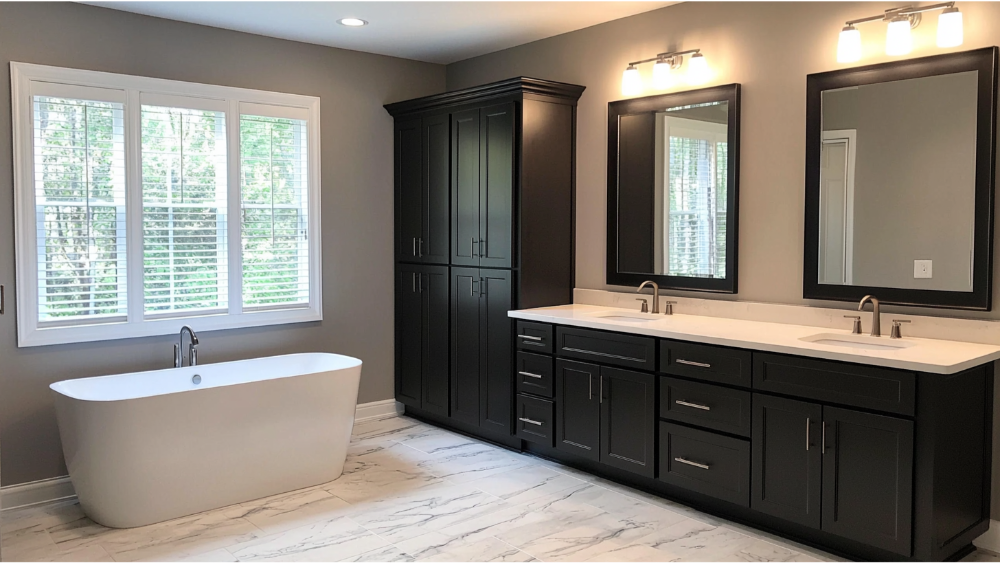
A nice bathroom remodel with a double vanity

Available Space

The size and layout of the bathroom play a significant role in determining the depth of the vanity cabinets. Bathrooms with limited space may require shallower vanities to ensure ease of movement and prevent overcrowding, while larger spaces can accommodate deeper cabinets for added storage. Optimizing the depth based on available space helps maintain the bathroom’s ambiance and enhances usability.

Intended Functionality

Whether the vanity is for a powder room or a primary bathroom influences the depth needed. Vanity cabinets in powder rooms often prioritize compactness due to minimal storage needs, while in main bathrooms, deeper units may be necessary to accommodate more toiletries and cleaning supplies. Striking a balance between functionality and aesthetics is key in bathroom design.

Storage Requirements

The amount and type of items you need to store greatly affect the desired vanity depth. For instance, deeper vanities can store bulkier cleaning supplies or towels, similar to the role of kitchen counters in providing surface space. Understanding your storage needs ensures that your vanity cabinets suit your personal or family’s lifestyle.

Aesthetic Preferences

The overall bathroom design and style also impact the ideal vanity depth. A sleeker, minimalist design may benefit from shallower vanities to foster an open bathroom’s ambiance, while traditional designs with rich detailing might incorporate deeper cabinets like kitchen cabinets. The choice of depth should complement the other elements in the space to create a cohesive look.

Compatibility with Plumbing

Plumbing placement can significantly influence the depth of vanity cabinets. Ensuring the cabinets align correctly with sink and pipe installations is essential for functionality and accessibility. This consideration is similar to kitchen counters where alignment with plumbing fixtures affects design decisions.

Types of Vanities by Depth

A close up of a bathroom vanity

Freestanding Vanities

Freestanding vanities are a popular choice, available in various depths to suit different bathroom layouts. Typically crafted from high-quality materials, these vanities provide great flexibility, as they can easily be repositioned or replaced. Shallow freestanding vanities work well in smaller bathrooms, while deeper options are ideal for larger bathrooms, offering abundant storage space.

Their standalone design makes them a versatile and stylish addition, capable of complementing a wide range of bathroom aesthetics. Personal preferences for finishes, such as natural wood or sleek lacquer, further enhance their appeal and customization.

Wall-Mounted Vanities

Wall-mounted vanities, also known as floating vanities, are an excellent choice for achieving a modern and minimalist look. These vanities are often designed in shallower depths, making them perfect for compact bathrooms where maximizing floor space is a priority.

Despite their smaller sizes, they often feature high-quality materials and efficient storage compartments. For larger bathrooms, deeper wall-mounted vanities can offer both striking aesthetics and ample storage. Their customizable height and sleek design make them ideal for various personal preferences and contemporary styles.

Double Sink Vanities

Double sink vanities are ideal for larger bathrooms, especially those shared by multiple users, and are commonly available in deeper depths of 21 to 24 inches. Constructed with high-quality materials for durability, these vanities prioritize storage and surface space to accommodate the needs of families or couples.

They allow users to store a wide range of items without creating a cluttered appearance, maintaining practical functionality. Personal preferences in countertop materials and cabinet styles also make them a customizable choice for luxurious bathroom designs. These vanities perform exceptionally well in blending aesthetics with utility.

Corner Vanities

Corner vanities are compact and space-efficient, typically crafted in shallower depths of 18 inches to fit snugly into tight spaces. High-quality materials such as stone countertops or durable MDF ensure they remain functional and attractive over time.

Perfect for smaller bathrooms or powder rooms, these vanities balance aesthetics with practical storage for essential items. For larger bathrooms looking to make use of underutilized corners, a deeper corner vanity can serve as a unique design element. Their appeal lies in their adaptability to personal preferences and creative layouts.

Custom Built-In Vanities

Custom built-in vanities are a great option for homeowners seeking a tailored solution for their bathroom space. Crafted from high-quality materials, these vanities can be designed to any depth, whether for smaller powder rooms or spacious master bathrooms.

They offer the ultimate flexibility to match personal preferences, including specific storage needs, countertop finishes, and sink styles. For larger bathrooms, deeper custom vanities provide expansive storage and a high-end, cohesive look. Their design flexibility ensures that they integrate seamlessly with the overall bathroom aesthetic while offering maximum practicality.

Common Mistakes to Avoid

A girl using her bathroom vanity

Overlooking Visual Appeal

Failing to consider the overall aesthetic of your bathroom can result in a mismatched or cluttered look. Your vanity should complement the style of the other elements in the space, such as tiles, lighting, and fixtures. Neglecting visual appeal not only diminishes the room’s harmony but also reduces its perceived value.

Ignoring Customizable Options

Selecting a generic vanity without exploring customizable options can lead to missed opportunities for both functionality and personalization. Customizable features, such as adjustable shelving, tailored depths, or unique finishes, can make your vanity a better fit for your needs and style. Overlooking these options might result in storage limitations or a design that feels disconnected from the rest of your bathroom.

Choosing the Wrong Materials

Using low-quality materials or ones unsuitable for humid bathroom environments can lead to premature wear and damage. High-quality materials like natural stone, solid wood, or durable MDF should be prioritized to ensure longevity. Skimping on materials can compromise visual appeal as well as overall functionality.

Ignoring Space Constraints

Selecting vanities without considering the available space can create obstacles or make a bathroom feel cramped. Deep vanities may be unsuitable for smaller spaces and could hinder movement or storage efficiency. It’s crucial to measure accurately and choose a depth that balances practicality with a spacious appearance.

Disregarding Lighting Considerations

Neglecting the impact of lighting can significantly reduce the functionality and aesthetics of the vanity area. Poor lighting can make it harder to use mirrors effectively and diminish the vanity’s visual appeal. Always ensure the lighting enhances both the vanity’s design features and its practicality.

Frequently Asked Standard Bathroom Vanity Depth Questions

A nice bathroom vanity

The most popular bathroom vanity size typically depends on the standard dimensions that balance functionality with versatility. A width of 36 inches is one of the most commonly preferred sizes, as it provides ample counter space and storage while fitting comfortably in most bathroom layouts.

Coupled with a standard depth of 21 inches, this size is ideal for medium-sized bathrooms, offering practicality without overwhelming the space. Its popularity also lies in its ability to adapt to various styles, from classic designs to modern finishes, making it a favorite choice for homeowners and designers alike.

How Wide Should a Vanity Be for Two Sinks?

A vanity intended for two sinks typically requires a minimum width of 60 inches to ensure sufficient space and functionality. This width allows enough room for two separate sinks, individual countertop areas, and adequate cabinet storage beneath. Some double sink vanities can range from 60 to 84 inches wide, depending on the bathroom’s overall size and design preferences.

Ensuring there is adequate spacing between the sinks not only enhances usability but also prevents overcrowding. Carefully considering the dimensions of the vanity in relation to the bathroom layout helps create a balanced and harmonious design.

How Much Space Should I Leave Between a Vanity and a Wall?

It is recommended to leave at least 18 to 24 inches of clearance between a vanity and a wall for optimal functionality and ease of movement. This spacing ensures there is enough room to comfortably access and use the vanity, as well as maneuver around the bathroom without feeling constrained.

For smaller bathrooms, reducing the clearance to 15 inches may still be functional, but it’s essential to maintain enough space to open cabinet doors and drawers without obstruction. Proper spacing contributes to a more practical and visually balanced bathroom layout.

Conclusion

Selecting the right bathroom vanity depth is essential for achieving a balance between functionality, style, and space optimization. By understanding your bathroom’s layout and specific needs, you can make informed decisions that enhance both practicality and aesthetics. Whether you opt for a standard-sized, corner, or custom-built vanity, taking the time to consider factors such as materials, lighting, and spacing ensures a design that is both durable and visually appealing. Avoiding common mistakes and exploring customizable options will help you create a vanity that fits seamlessly into your overall bathroom design, ultimately adding value and comfort to your home.

Can You Paint Kitchen Countertops? How Can I Paint My Countertops?

Опубликовано: January 21, 2025 в 11:55 pm

Автор:

Категории: Kitchen

Тэги: ,,

Revamping your kitchen countertops with a fresh coat of paint is an affordable and creative way to transform the heart of your home. This DIY project allows you to customize your countertops to match your style while avoiding the high cost of replacement. With the right tools and techniques, you can achieve a durable and professional-looking finish.

Reach out to America’s Advantage Remodeling for any help you might need!

Types of Countertops That Can Be Painted

A man painting his kitchen countertops

Laminate Countertops

Laminate countertops are among the easiest and most popular surfaces to revamp with countertop paint. Their smooth surface allows for excellent adhesion when paired with the right primer and paint. To paint laminate countertops, ensure the surface is thoroughly cleaned and lightly sanded to remove any glossy finish, which helps the paint stick better. With proper preparation and sealing, you can give laminate countertops a fresh, modern look that mimics more expensive materials, such as stone or wood. This is an affordable solution for homeowners seeking an updated style without the expense of replacing laminate entirely.

Wood Countertops

Painting wood countertops is another great way to refresh your kitchen design while preserving the warmth and character of the material. The natural grain of wood can shine through with the proper painting technique, providing a rustic or contemporary aesthetic, depending on your preference. Use a primer designed for wood surfaces before applying countertop paint to ensure durability and reduce the risk of peeling or chipping. Sanding is crucial for creating a smooth surface and enabling even coverage of the paint. A protective sealer, like polyurethane, will further fortify the surface against scratches and moisture.

Granite Countertops

While painting granite countertops may seem unconventional, it is possible to transform them with countertop paint designed specifically for tougher surfaces. Achieving a professional finish requires extra preparation, as granite is non-porous and very smooth. Start by thoroughly cleaning the surface and sanding it lightly to give the paint something to adhere to. Applying a high-adhesion primer is essential when working with granite countertops to ensure the painted finish lasts over time. Although granite is known for its natural beauty, painting it can be a cost-effective way to adapt your paint countertops to a new color scheme or design style.

Tile Countertops

Tile countertops can also be painted, allowing you to reinvent their look without the labor or expense of retiling. Use paint designed for both the tiles and grout to ensure a cohesive and long-lasting finish. Start by cleaning the tiles thoroughly, sanding them lightly, and applying a primer to create a suitable base for your countertop paint. You can opt for a sleek single-color finish or use stencils to create intricate designs and patterns on your tiles. A durable topcoat is necessary to protect the surface from wear and moisture, making it both functional and stylish.

Concrete Countertops

Concrete countertops provide a blank canvas for creativity, making them highly adaptable to paint transformations. Their porous nature ensures that countertop paint adheres well when paired with an appropriate primer. Before painting, ensure the surface is clean and free of debris, and consider filling any cracks for a seamless final look. You can achieve a variety of finishes, from a smooth matte surface to a high-gloss result, depending on the paint type and technique. By sealing the painted concrete countertops thoroughly, you’ll achieve lasting durability and resilience against daily kitchen use.

Solid Surface Countertops

Solid surface countertops, such as Corian, can be painted to give them a fresh new appearance without the need for replacement. These countertops are non-porous and require proper preparation to ensure the paint adheres effectively. Start by cleaning the surface thoroughly to remove grease or residue, then lightly sand it to create a texture for the primer to cling to. Use a high-quality primer and paint specifically designed for countertops to achieve a smooth and durable finish. A protective topcoat is essential to safeguard the painted surface against scratches, stains, and heat, extending the life of your newly revamped countertops.

Tools and Materials Needed

A painted kitchen countertop

Countertop Paint Kits

Countertop paint kits are specifically designed to simplify the painting process and include all the essential products, such as primer, paint, and topcoat. These kits are tailored to different types of countertop materials, ensuring a durable and cohesive finish. Opt for a kit that matches your specific countertop surface, whether it’s laminate, wood, or tile.

Soap and Water

Before painting, thoroughly clean your countertops using a mix of soap and water to remove grease, dirt, and obstructions that could affect adhesion. A clean surface ensures that the primer and paint bond properly to the countertop materials, preventing peeling or bubbling over time. Use a microfiber cloth or sponge for gentle but effective cleaning.

Sandpaper or Sanding Blocks

Sanding is crucial for creating a slightly rough surface that allows paint and primer to adhere better. For smooth surfaces, such as ceramic tile or granite, use medium to fine-grit sandpaper to scuff the surface lightly. Always wipe away dust with a damp cloth after sanding to maintain a clean working area and prepare for a smooth finish.

Primer

A high-quality primer helps to ensure that the paint properly adheres to different countertop materials like laminate, granite, or concrete. Select a primer appropriate for non-porous surfaces, such as ceramic tile or solid surface countertops, to guarantee a long-lasting finish. Apply the first coat of primer evenly with a roller or bristle brush and allow it to dry completely before painting. If needed, apply a second coat for even coverage and better adhesion.

Epoxy Coating or Topcoat

Epoxy coating or a clear topcoat provides a protective finish that extends the lifespan of your painted countertops. It helps seal the paint, making the surface resistant to scratches, moisture, and heat. Apply multiple layers if recommended, starting with a thin coat and allowing each coat to cure fully for maximum durability. A final smooth finish can be achieved by following the manufacturer’s guidelines carefully.

Painter’s Tape

Use painter’s tape to protect adjacent areas, such as walls, sinks, and appliances, from accidental paint strokes or drips. This ensures clean edges and a professional-looking finish without the need for extensive touch-ups.

Brushes and Rollers

High-quality brushes and foam rollers are essential for even application of paint and topcoat. A foam roller works well for large, flat surfaces, while angled brushes or a bristle brush are useful for painting edges and detailed areas. For the best results, use a thin coat for the first coat, and follow up with a second coat to achieve a streak-free, smooth finish on your newly painted countertops.

Design Ideas for Painted Countertops

A designed kitchen

Faux Marble Finish

Transform your existing countertops into elegant marble countertops using specialized countertop paint techniques. This design works particularly well for bathroom countertops, where a luxurious aesthetic is often desired. Begin by applying a base color, such as white or light gray, and use a fine artist’s brush to mimic natural marble veins with darker shades. Seal the finished design with a heat-resistant topcoat to ensure longevity and protect it from daily wear.

Bold and Vibrant Color Theme

For a modern or eclectic look, consider bold hues like navy blue, emerald green, or deep burgundy for your countertops. This idea works great when coordinated with neutral-colored cabinetry, allowing the countertops to take center stage. Ensure the paint used is heat resistant if the design is intended for kitchen use to safeguard against hot pots and dishes. By updating your existing countertops with striking colors, you can create a fresh focal point in the space.

Two-Tone Countertops

Achieve a contemporary style by incorporating a two-tone design into your painted countertops. For example, create a light base on the outer sections of your kitchen island and a darker central area for a visually appealing contrast. This style can work beautifully in both kitchens and bathrooms and can be easily tailored to any color scheme. Don’t forget to apply a heat-resistant finish, especially for high-use areas, to ensure your countertops remain durable and functional.

Concrete Look

Add an industrial-inspired touch by painting your countertops to mimic the appearance of polished concrete. This works wonderfully for both bathroom and kitchen countertops, offering a sleek, minimalistic style. Use gray tones with subtle speckling effects created with a sponge technique to achieve a realistic concrete texture. A topcoat with heat-resistant properties is essential for kitchen applications to protect the look from heat and daily wear.

Custom Patterns and Stenciling

For a truly unique countertop design, consider using stencils to apply intricate patterns or geometric shapes. This idea is ideal for existing countertops that need an artistic refresh, particularly in bathrooms or modern kitchens. Choose a combination of complementary colors and take your time with each section to ensure crisp, clean lines. Protect the final design with a durable, heat-resistant topcoat to maintain both style and function.

Frequently Asked Paint Kitchen Countertops Questions

A nice kitchen remodel

Is Painting Kitchen Countertops a Good Idea?

Painting kitchen countertops can be a cost-effective and versatile way to refresh the look of your kitchen without the expense of a full renovation. It allows homeowners to customize the design of their countertops with a wide range of colors, patterns, and finishes, from classic faux marble to bold contemporary hues.

It’s important to consider a few factors before deciding. Painted countertops require proper preparation and high-quality materials, including primers and topcoats, to ensure durability and protect against scratches, heat, and moisture. While painting countertops is a relatively simple DIY project, it may not be as long-lasting as replacing them with new materials. For those seeking a budget-friendly and creative solution, painting is a great option, providing you’re committed to regular maintenance and care to preserve the finish.

Does Painting a Countertop Last?

The longevity of a painted countertop depends largely on the preparation, materials used, and the level of care it receives. When high-quality primer, paint, and a durable topcoat are applied correctly, painted countertops can last several years with minimal wear and tear. Proper prep work, such as sanding and cleaning the surface thoroughly, helps create a strong base for the paint to adhere to, reducing the risk of peeling or chipping.

It’s essential to note that painted countertops are not as hardwearing as traditional materials like quartz or granite. Heavy use, exposure to sharp objects, and consistent heat can eventually cause damage. To prolong the life of a painted countertop, it’s recommended to use cutting boards, trivets, and placemats regularly. Periodic reapplication of the protective topcoat can help extend its lifespan and maintain its appearance. While not permanent, painted countertops are a budget-friendly and customizable option for refreshing a space when cared for properly.

What Kind of Paint Do You Use on Kitchen Countertops?

For painting kitchen countertops, it’s crucial to use a durable, heat-resistant, and moisture-resistant paint. Acrylic enamel paint is often recommended, as it provides a hard, glossy finish suitable for high-traffic surfaces. Epoxy paints are another excellent choice due to their exceptional durability and resistance to chipping and stains. Always pair the paint with a quality primer to ensure proper adhesion and a smooth finish. Lastly, seal the painted countertops with a clear, heat-resistant topcoat to protect against daily wear and maintain their appearance over time.

Conclusion

Painting kitchen countertops is an affordable and creative way to breathe new life into your space without undergoing a full renovation. With an array of techniques, colors, and finishes to choose from, this DIY project offers endless opportunities for customization to suit your personal style and home decor. While painted countertops may require more care and maintenance compared to traditional materials, the proper preparation and use of high-quality paints and finishes can ensure a durable and beautiful result. Whether you’re aiming for the elegance of faux marble, the vibrancy of bold colors, or the sleek modernity of a concrete look, a little effort and attention to detail can transform your countertops into stunning focal points.

Black Kitchen Faucets: Everything You Need to Know

Опубликовано: January 21, 2025 в 11:36 pm

Автор:

Категории: Kitchen

Тэги: ,

Black kitchen faucets have become a popular choice for modern and stylish home designs. Their sleek and versatile finish complements a wide range of kitchen aesthetics, from contemporary to industrial. Beyond their visual appeal, black faucets are also known for their durability and resistance to smudges and fingerprints.

Benefits of Black Kitchen Faucets

Stylish and Timeless Design

Black kitchen faucets offer a timeless design that blends seamlessly with various kitchen styles, adding a touch of elegance and sophistication. Their versatility ensures they pair well with both muted and vibrant color schemes. Whether your kitchen embraces minimalist vibes or industrial textures, a black faucet provides a striking centerpiece.

Enhanced Functionality With Spray Features

Many black faucets are equipped with advanced features like a pull-down sprayer, which makes rinsing dishes or cleaning the sink more efficient. Paired with a faucet spray wand precisely designed for targeted cleaning, these faucets combine form and function seamlessly. Such features elevate convenience and usability in any kitchen.

Easy Installation with Modern Technology

Modern black faucets often include innovations like a quick-connect sprayer hose, simplifying the installation process. This feature is particularly helpful for those who want to upgrade their kitchen without professional assistance. It streamlines setup while ensuring secure connections for long-term use.

Practicality and Cleanliness

The dark finish of black kitchen faucets makes them highly resistant to smudges, fingerprints, and water spots, keeping the kitchen looking pristine. Coupled with features like the delta pot filler faucet, these fixtures add practicality to cooking spaces by enabling easy, mess-free water filling for pots and large containers.

Durability and Longevity

Black faucets are manufactured with finishes designed to resist corrosion and wear, ensuring they stand the test of time. Their sturdy construction, combined with features like a reliable pull down sprayer, ensures they remain functional and stylish for years. Investing in one guarantees both aesthetic appeal and structural integrity in the long term.

A remodeled kitchen with a black kitchen facuet

Matte Black Kitchen Faucets

Matte black kitchen faucets are among the most sought-after styles due to their understated elegance and timeless appeal. Their smooth, non-reflective finish creates a modern look that complements both light and dark kitchen palettes. This finish, combined with essential kitchen faucet features like a faucet spray head, ensures practicality and functionality. Matte black designs are also known for being easy to clean and conceal smudges, maintaining a fresh appearance over time. These faucets strike the perfect balance between style and simplicity, making them a favorite in contemporary homes.

Exposed Spring Design Faucets

Exposed spring designs bring a bold, industrial flair to any kitchen setting, making them ideal for modern and rustic spaces alike. These faucets often feature a coiled spring around the neck, giving them a rugged yet polished look. The design is not just visually striking but also emphasizes flexibility, often paired with a pull-down faucet spray head for increased functionality. With benefits like dual shut off valves for added control, exposed spring faucets stand as a testament to innovation meeting style. They are perfect for busy kitchens where practicality and aesthetics are equally prioritized.

Faucets with Dual Shut-Off Valves

Faucets equipped with dual shut off valves are designed to offer enhanced control and convenience, quickly becoming a popular style. This feature allows users to regulate water flow more precisely, catering to various kitchen tasks with ease. Pairing this advanced function with a sleek matte black finish creates an eye-catching yet highly functional piece. These faucets are often equipped with ergonomic handles and modern kitchen faucet features, ensuring they fit seamlessly into any workflow. For homeowners who value both control and elegance, this style is a top choice.

Pull-Down Faucets with Premium Spray Heads

Pull-down faucets with premium faucet spray heads are designed with versatility and user comfort in mind. These faucets allow precise water stream control, which is particularly useful for cleaning large dishes or hard-to-reach areas. A matte black finish enhances their aesthetic appeal, helping them stand out in any kitchen design. The spray heads are often designed to switch between stream modes, further boosting functionality. Combining stylish finishes with advanced features, these faucets cater to homeowners seeking convenience and performance.

Pot Filler Faucets in Matte Black Finish

Pot filler faucets in a matte black finish are a stylish and practical addition to any cooking space. Installed near stovetops, these faucets enable hassle-free filling of large pots without needing to carry them from the sink. Equipped with key kitchen faucet features like dual shut off valves, they ensure controlled and efficient water flow. The matte black finish pairs beautifully with various kitchen styles while offering durability and smudge resistance. This convenient and elegant choice is perfect for avid cooks and entertainers alike.

Durability and Maintenence

Durability of Black Kitchen Faucets

Black kitchen faucets are constructed with high-quality materials and finishes specifically designed to withstand daily wear and tear. Certified spout features play an essential role in their durability, ensuring smooth water flow while resisting corrosion and mineral buildup over time. The robust manufacturing processes used for these faucets ensure they can handle continuous usage without losing their aesthetic appeal or structural integrity. Pull down kitchen faucets often incorporate advanced mechanisms that maintain functionality even after extended use, making them a trusted investment for any kitchen.

Maintenance Made Simple

Maintaining black kitchen faucets is straightforward due to their smudge-resistant finishes, which help keep them looking clean and polished with minimal effort. To further simplify upkeep, faucets equipped with certified spout features are less prone to leaks and clogs, enhancing their longevity. Cleaning is as easy as wiping with a damp cloth, especially when paired with prep sinks that support versatile kitchen tasks. Regularly inspecting the pull down kitchen faucet and its components ensures that all features, including the spray head and hose, operate optimally. With proper care, these faucets remain a stylish and functional centerpiece in the kitchen for years.

Complementary Design Elements

A close up of a modern black kitchen faucet

Decorative Cabinet Hardware

Matching cabinet hardware with the black kitchen faucet helps tie the overall design together seamlessly. Matte black knobs, handles, or pulls can echo the finish of the faucet, creating a cohesive aesthetic throughout the space. Alternatively, brushed gold or brass cabinet hardware can provide a striking contrast, adding warmth and elegance to the kitchen.

For modern homes, consider sleek and minimal hardware styles, while vintage-inspired shapes suit traditional or rustic spaces. Thoughtfully chosen hardware not only enhances functionality but also serves as an extension of the kitchen’s personality. High-quality materials, along with robust design features, ensure durability, keeping the design timeless and reliable.

Under-Cabinet Lighting

Under-cabinet lighting complements the beauty of black kitchen faucets by highlighting their texture and finish. LED strip lights or puck lights provide a warm or neutral glow, illuminating the space around the sink and counters for a more inviting atmosphere. Lighting fixtures with dimmable features allow you to adjust brightness to match the desired mood or task.

This design element is both practical and aesthetic, ensuring better visibility during food preparation and cleaning. Under-cabinet lighting pairs beautifully with contemporary and transitional kitchens, blending functionality with a visually appealing ambiance. Investing in energy-efficient lighting options also contributes to long-term cost savings while enhancing kitchen design. Pairing these lighting options with an elegant Oletto pull faucet or Delta faucets can further elevate the overall look.

Statement Backsplash

A well-chosen backsplash can elevate the look of a black kitchen faucet, serving as the perfect backdrop to showcase its elegance. Sleek subway tiles in white or gray create a timeless contrast, while bold patterns or textured tiles add a modern, artistic flair. Metallic or matte finishes in backsplashes, such as brushed steel or charcoal tones, can complement the industrial vibe of certain faucet styles with robust design features.

For a seamless appearance, consider extending the countertop material into the backsplash for a unified look. The backsplash is not only a design feature but also a functional barrier, protecting walls from water and stains during kitchen activities. With endless options available, it’s easy to find a backsplash that brings out the best in your black faucet or ADA-compliant pot filler, ensuring both style and practicality.

Countertop Materials

High-quality countertops can further enhance the visual appeal of a black kitchen faucet, balancing style and practicality. Light quartz or granite countertops create a striking contrast with the dark faucet finish, brightening the overall space. Darker materials such as black marble or soapstone can establish a dramatic, monochromatic effect for a luxurious feel.

Wood or butcher block counters, on the other hand, add warmth, perfectly complementing the boldness of the black finish with natural tones. Beyond aesthetics, durability and stain resistance are key factors in choosing the ideal countertop material for a heavily used kitchen. Countertops paired with faucets featuring a dual swing joint design or pre-attached water lines ensure both easy installation and functionality. This combination of clean, bold faucet designs and durable countertops offers a kitchen that’s both stylish and highly efficient.

Wall-Mounted Shelving

Wall-mounted shelving is an excellent addition to complement black kitchen faucets, adding both style and functionality to the kitchen. Open shelves offer a space-saving solution for storing and displaying items like dishware, glassware, or decorative pieces. Opt for shelves with matte black brackets to echo the faucet’s finish, creating a cohesive design.

For a warmer touch, wood shelves with natural or darker stains can beautifully balance the boldness of the black hardware. These shelves also provide an opportunity to personalize the kitchen with plants, cookbooks, or statement décor while keeping essential items within easy reach. Durable and easy to install, wall-mounted shelving blends seamlessly with faucets like the elegant Oletto pull or Delta faucets, enhancing any kitchen layout with style and practicality.

Frequently Asked Black Kitchen Faucets Questions

Black kitchen faucets

What Is the Disadvantage of a Black Faucet?

While black kitchen faucets are undeniably stylish and modern, they do come with a few potential disadvantages. One notable drawback is that fingerprints, water spots, and soap residue can be more visible on matte or polished black finishes compared to other materials. This means that maintenance may require frequent cleaning to maintain their pristine appearance.

Black faucets may be more prone to showing scratches or wear over time, especially if they are not made with durable, high-quality finishes. It’s essential to choose faucets with scratch-resistant coatings to minimize this issue. Another consideration is that black finishes may not seamlessly integrate with all kitchen styles, as they often cater to contemporary or industrial designs over more traditional aesthetics. Despite these downsides, with proper care and design alignment, black faucets can still be a timeless and functional choice for any kitchen sink.

Are Black Kitchen Faucets Hard to Keep Clean?

Black kitchen faucets are relatively easy to maintain with the right care. While they may show water spots, fingerprints, or soap residue more noticeably than some other finishes, regular cleaning with a mild, non-abrasive cleaner can keep them looking pristine. Many modern black faucets also feature finishes designed to resist stains and smudges, making upkeep simpler. By drying the faucet after use and avoiding harsh chemicals, you can preserve its sleek appearance for years.

Do Black Faucets Scratch Easily?

Black faucets can be more susceptible to scratching if they are not manufactured with high-quality, durable finishes. Lower-end options may lack scratch-resistant coatings, making them more prone to visible damage over time. However, many modern black faucets are designed with advanced finishes that resist scratches and maintain their appearance with regular use. To minimize the risk of scratches, it’s important to avoid abrasive cleaners or sponges during maintenance. Choosing a premium faucet with a durable finish can help ensure long-term resilience and style.

Conclusion

Black kitchen faucets offer a perfect blend of style, functionality, and versatility, making them a popular choice for modern homeowners. Whether paired with a statement backsplash, high-quality countertop materials, or complementary wall-mounted shelving, they can serve as a striking centerpiece in any kitchen design. While they may require a bit more attention to maintain their sleek appearance, the benefits of their bold aesthetic and practicality far outweigh the drawbacks. With durable finishes and contemporary designs, black faucets not only elevate the visual appeal of a kitchen but also provide lasting functionality. By carefully selecting the right elements to pair with a black kitchen faucet, you can create a space that is both beautiful and highly efficient.

The Advantages of Quartz Countertops

Опубликовано: January 3, 2025 в 6:24 pm

Автор:

Категории: Kitchen

Тэги: ,,

Quartz countertops have become a popular choice for homeowners due to their durability, elegance, and low maintenance requirements. Made from engineered stone, they combine natural quartz with resins and pigments to create a non-porous surface that resists stains and scratches. Their wide range of colors and patterns makes them a versatile option for any kitchen or bathroom design.

What Are Quarts Countertops?

While quartz countertops are often mistaken for natural stone, they are actually engineered surfaces that mimic the appearance of other natural stone countertops such as granite or marble. Composed of approximately 90% natural quartz combined with resins and pigments, durable quartz countertops offer exceptional strength and functionality.

Unlike porous natural stone options, quartz surfaces are stain-resistant due to their non-porous composition, making them an ideal choice for high-traffic areas like kitchens and bathrooms. This combination of beauty and practicality sets quartz countertops apart from other materials in both form and function.

Advantages of Quartz Countertops

Quartz countertops in the kitchen

Exceptional Durability

Quartz countertops are known for their remarkable durability, which makes them one of the most preferred countertop materials. They resist chipping, cracking, and scratching, ensuring a long-lasting surface for your kitchen or bathroom. Their engineered construction makes them harder than most natural stones like marble or granite. This level of strength means they can withstand the demands of daily use in high-traffic areas like kitchens and bathrooms.

Heat Resistant

One of the key quartz countertops pros is their impressive heat resistance. While it is always safer to use trivets or pads when placing hot cookware on any surface, quartz can handle moderate heat exposure without damage. This characteristic helps protect your countertop from warping or discoloration caused by everyday kitchen activities. However, it is advised to avoid direct, prolonged contact with heat to ensure the material’s longevity.

Non-Porous Surface

Unlike many natural countertop materials, quartz features a non-porous surface that prevents liquid absorption. This quality makes quartz countertops highly resistant to stains from substances like wine, coffee, and oil. The non-porous nature also inhibits the growth of bacteria, promoting a more hygienic environment, especially in kitchen countertops. With minimal maintenance, quartz stays polished and clean, even with heavy use.

Low Maintenance

Quartz countertops require little upkeep, making them a hassle-free choice for busy households. Unlike granite or marble surfaces, quartz doesn’t need sealing, polishing, or special cleaning products. A simple wipe with soap and water is enough to keep them looking pristine. This ease of care makes quartz an ideal option for homeowners seeking beauty without high maintenance.

Wide Range of Colors and Patterns

Quartz countertops come in a vast array of colors and patterns, giving homeowners unlimited design possibilities. They can mimic the look of natural stones like marble, offering an elegant aesthetic without the accompanying maintenance. From sleek modern tones to more classic or rustic designs, there’s a quartz option for every style. The variety also allows them to seamlessly complement any kitchen or bathroom décor.

Consistent Appearance

Unlike natural stone materials, which may have irregularities or color variations, quartz offers a smooth and uniform appearance. This consistency makes it easier to create a cohesive look across large surfaces. For homeowners who desire a polished and refined aesthetic for their kitchen countertops, quartz delivers exceptional results. It avoids the unpredictability of natural stone while still providing a luxurious look.

Stain Resistance

Thanks to its non-porous composition, quartz is naturally stain resistant, making it one of the best options among countertop materials. Spills are easy to clean and won’t penetrate the surface, keeping the countertop looking new for years. This quality is particularly useful in kitchens where spills from cooking oils, sauces, or beverages are common. Its stain resistance makes it a functional and visually appealing choice.

Eco-Friendly Option

Quartz countertops are also an environmentally friendly choice, as they are made using abundant natural quartz combined with recycled materials. Many manufacturers prioritize sustainable practices during production, which helps reduce their environmental impact.

For homeowners looking to make eco-conscious decisions without sacrificing quality or aesthetics, quartz provides a responsible yet stylish solution. Their durability also means fewer replacements over time, reducing waste.

Comparison of Quartz Countertops to Other Materials

Modern quartz countertops

Quartz vs. Granite

Granite is a natural stone celebrated for its distinctive, unique patterns, while quartz countertops provide a more uniform and consistent look. Although granite is extremely durable, it is a porous material that needs regular sealing to protect against stains and bacterial buildup. In contrast, quartz countertops are non-porous, made by combining quartz particles with resin, and do not require sealing.

However, quartz has its downsides, including being less resistant to direct heat. Placing a hot pan on a quartz surface can cause damage, which isn’t as much of a concern with granite. In terms of cost, basic granite options are often slightly cheaper than quartz, though high-end granite can be more expensive. When choosing between the two, think about quartz’s low-maintenance convenience and design flexibility versus granite’s natural, rugged beauty.

Quartz vs. Marble

Marble is prized for its timeless elegance and luxurious appeal, featuring unique veining that is nearly impossible to replicate. However, marble is softer than quartz, making it more prone to scratches, etching, and stains, particularly in high-traffic areas like kitchens.

Quartz countertops, while slightly more synthetic in appearance, excel in practicality due to their superior durability and resistance to liquid damage. Marble also requires consistent sealing and careful cleaning to maintain its beauty, which adds to the overall cost of ownership. If you’re weighing whether quartz countertops are worth it, the decision often comes down to choosing between aesthetic preference and functional durability.

Quartz vs. Laminate

Laminate is one of the most budget-friendly countertop materials available, often costing significantly less per square foot than quartz countertops. However, its lower durability, susceptibility to scratches, and lack of heat resistance make it less suitable for long-term use in busy kitchens. Quartz counters not only offer superior performance but also a more luxurious appearance, mimicking high-end natural stones like granite or marble.

While laminate may be ideal for low-budget renovations, quartz countertops are worth the investment for homeowners seeking a balance between durability and aesthetics. If long-term value and resale appeal are priorities, quartz outshines laminate in most aspects.

Quartz vs. Solid Surface (Corian)

Solid surface materials like Corian are touted for their seamless look and ability to integrate sinks directly into the countertop. However, they are generally softer and more prone to scratches and heat damage than quartz countertops. Quartz counters, on the other hand, provide greater hardness and long-lasting durability, making them a better choice for high-use areas.

Solid surface is often less expensive than quartz per square foot, but the difference may be negligible when factoring in quartz’s low maintenance and longevity. For anyone questioning whether quartz countertops are worth the additional upfront cost, its superior performance and lifespan often make it more appealing.

Quartz vs. Concrete

Concrete countertops are highly customizable and can be tailored to match unique design requirements, offering an industrial and modern look. However, their porous nature requires regular sealing and maintenance, and they are prone to cracking over time. While concrete countertops can be a great DIY project, their porous surface requires frequent upkeep. Quartz counters eliminate these issues with their non-porous surface and engineered durability.

Concrete is often similarly priced to quartz countertops per square foot when factoring in customization, but its higher maintenance demands can make it less practical for some households. When evaluating whether quartz countertops are worth it, their low upkeep and consistent reliability often give them an edge over concrete.

Frequently Asked Advantages of Quartz Countertops Questions

Quartz countertops

What is Special About Quartz Countertops?

Quartz countertops stand out due to their unique combination of beauty, durability, and low maintenance requirements. Unlike natural stone, quartz is an engineered material that combines natural quartz crystals with resin and pigments, creating a surface that is both stunning and highly resilient. This construction gives quartz countertops a non-porous quality, ensuring they are resistant to stains, bacteria, and moisture, which makes them perfect for kitchens and bathrooms.

Another remarkable feature of quartz countertops is their design versatility. Available in a wide array of colors, patterns, and finishes, quartz can mimic the appearance of natural stones like marble and granite or take on modern, bold designs that suit contemporary styles. The uniformity of quartz allows for consistent designs across the entire surface, eliminating imperfections or irregularities often found in natural stones. These characteristics make quartz countertops a truly exceptional addition to any home.

Why Do People Prefer Quartz Over Granite?

There are several reasons why homeowners often prefer quartz countertops over granite. One of the primary factors is maintenance. Quartz is a non-porous material, meaning it does not require regular sealing like granite does. This makes quartz significantly easier to clean and maintain, as it resists stains, bacteria, and moisture effectively. For individuals who prioritize hygiene and convenience, quartz’s low maintenance is a compelling advantage.

Another reason is its consistent appearance. While granite offers unique, natural patterns, these can sometimes include irregularities or color variations that don’t suit everyone’s taste. Quartz, being an engineered material, provides a uniform look that appeals to those seeking a sleek and cohesive design. Quartz countertops come in a wide range of colors and styles, allowing homeowners greater flexibility to match their decor preferences.

What Is a Quartz Countertop Worth?

The value of a quartz countertop goes beyond the initial price per square foot, as it is an investment in both the functionality and aesthetics of your home. On average, quartz countertops can cost between $50 to $150 per square foot, including installation, depending on the brand, design complexity, and additional features like edge profiles or cutouts. While the upfront cost may seem higher compared to materials like laminate or solid surface, the durability and low maintenance of quartz countertops can result in cost savings over the long term.

Quartz countertops’ worth also lies in their ability to add resale value to your home. Their premium appearance and performance appeal to potential buyers, often making the home more attractive on the real estate market. Additionally, the wide array of available colors and patterns ensures that quartz countertops fit seamlessly into various design styles, providing timeless elegance that doesn’t require frequent updates or replacements.

Conclusion

Quartz countertops

Quartz countertops offer an exceptional balance of durability, aesthetics, and low maintenance that makes them a standout choice for any home. Whether you’re comparing them to laminate, solid surface, concrete, or even granite, quartz consistently proves to be a worthwhile investment. Its non-porous nature, resistance to stains and bacteria, and range of design options make it both practical and beautiful, ensuring it meets the needs of modern households.

While the upfront cost may be higher than some alternative materials, the long-term value and appeal of quartz countertops are undeniable. For homeowners seeking a premium, reliable, and visually striking surface, quartz countertops remain one of the best options on the market.