Admin, Author At America's Advantage Remodeling - Page 7 Of 15

Посты автора admin

admin

admin

How Much Does a Bathroom Remodel Cost in 2025? A California Homeowner’s Guide

Опубликовано: June 7, 2025 в 1:05 am

Автор:

Категории: Bathroom

Тэги: ,,,,,,,,,,

Remodeling a bathroom is one of the most impactful ways to enhance your home’s comfort, functionality, and value. However, understanding the costs involved can be complex, especially with various factors influencing the final price tag. In California, where labor and material costs are higher than the national average, it’s essential to have a realistic budget in mind.

Let’s walk through together on what a bathroom remodel really costs in 2025, what factors impact your final price, and how to make smart choices that align with your goals and budget.

Average Bathroom Remodel Cost in 2025: What to Expect

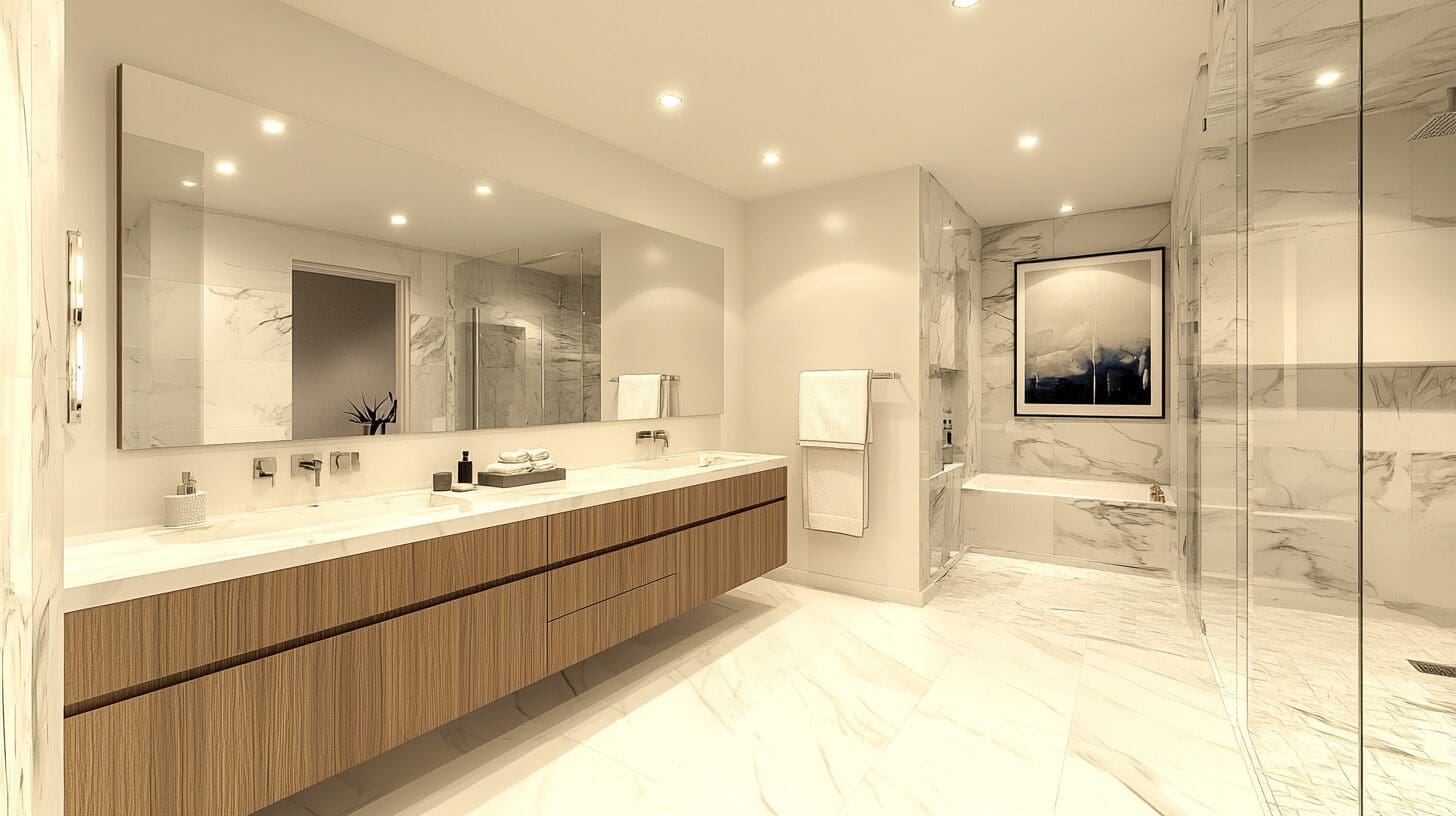
Spacious modern bathroom with walk-in shower, freestanding tub, and dual sink vanity, featuring natural wood accents and large window views.

As of 2025, the average bathroom remodel cost in the U.S. ranges from $6,600 to $17,500, with most homeowners spending around $12,000. In California, particularly in areas like Sacramento, costs are typically 15–30% higher due to elevated labor rates and stringent building codes. Here’s a breakdown of what homeowners can expect:

  • Small or guest bathroom remodel: $8,000–$12,000
  • Full midrange remodel: $18,000–$25,000
  • High-end master bathroom remodel: $30,000–$50,000+
  • Luxury primary bathroom renovation: $60,000–$75,000

These estimates include professional labor, high-quality materials, and necessary permits—elements integral to any successful bathroom remodeling project.

Bathroom Renovation Costs: What to Expect

Bathroom Size, Layout and Scope of Work

The bigger the bathroom the more materials, labor and time. A master bathroom with a dual vanity, luxury walk-in shower and lots of tile work will cost way more than a basic guest bath. Changing the bathroom layout—especially moving plumbing fixtures—can also increase the total cost due to the complexity of the project.

Material Selections and Design Decisions

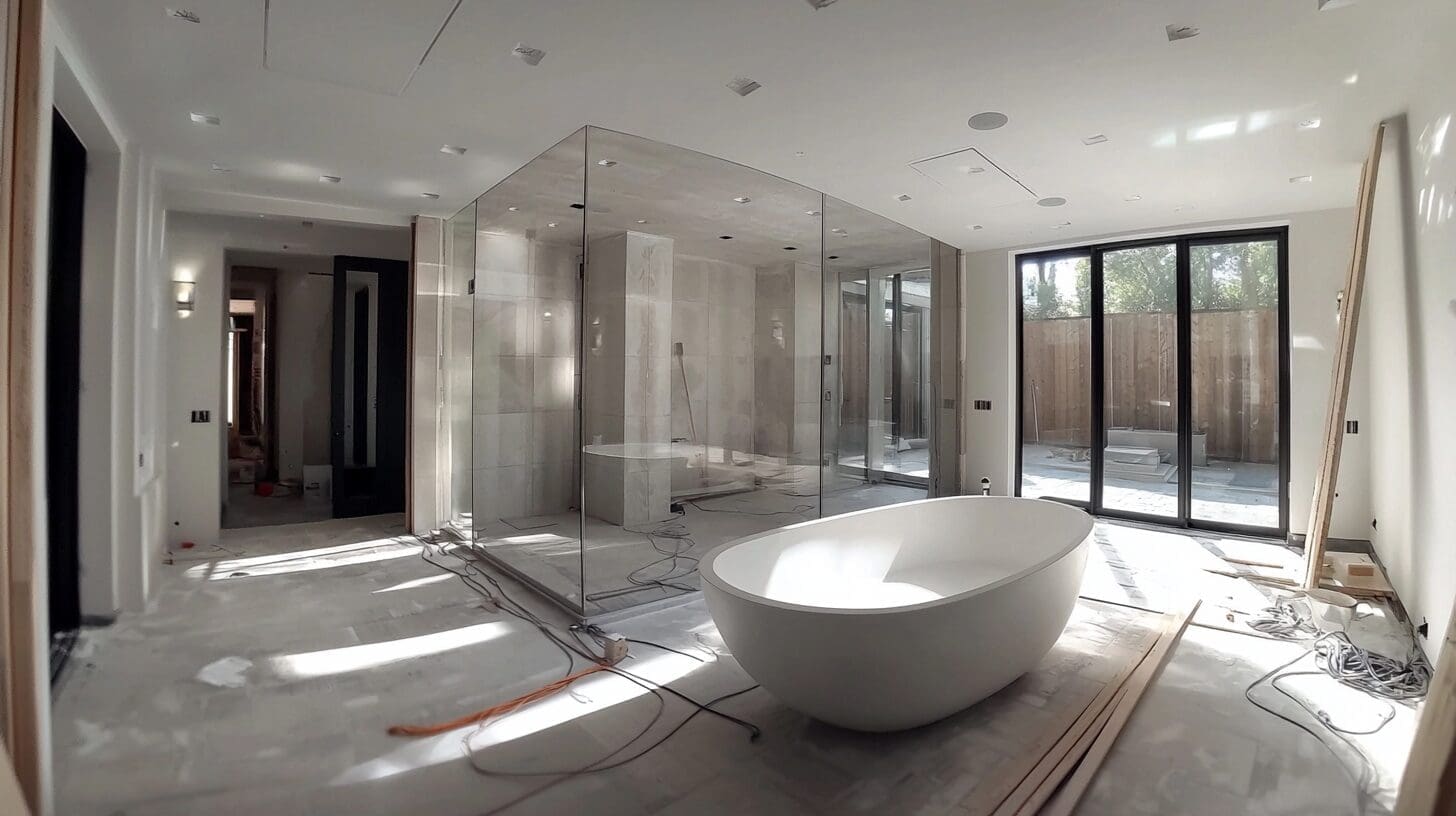
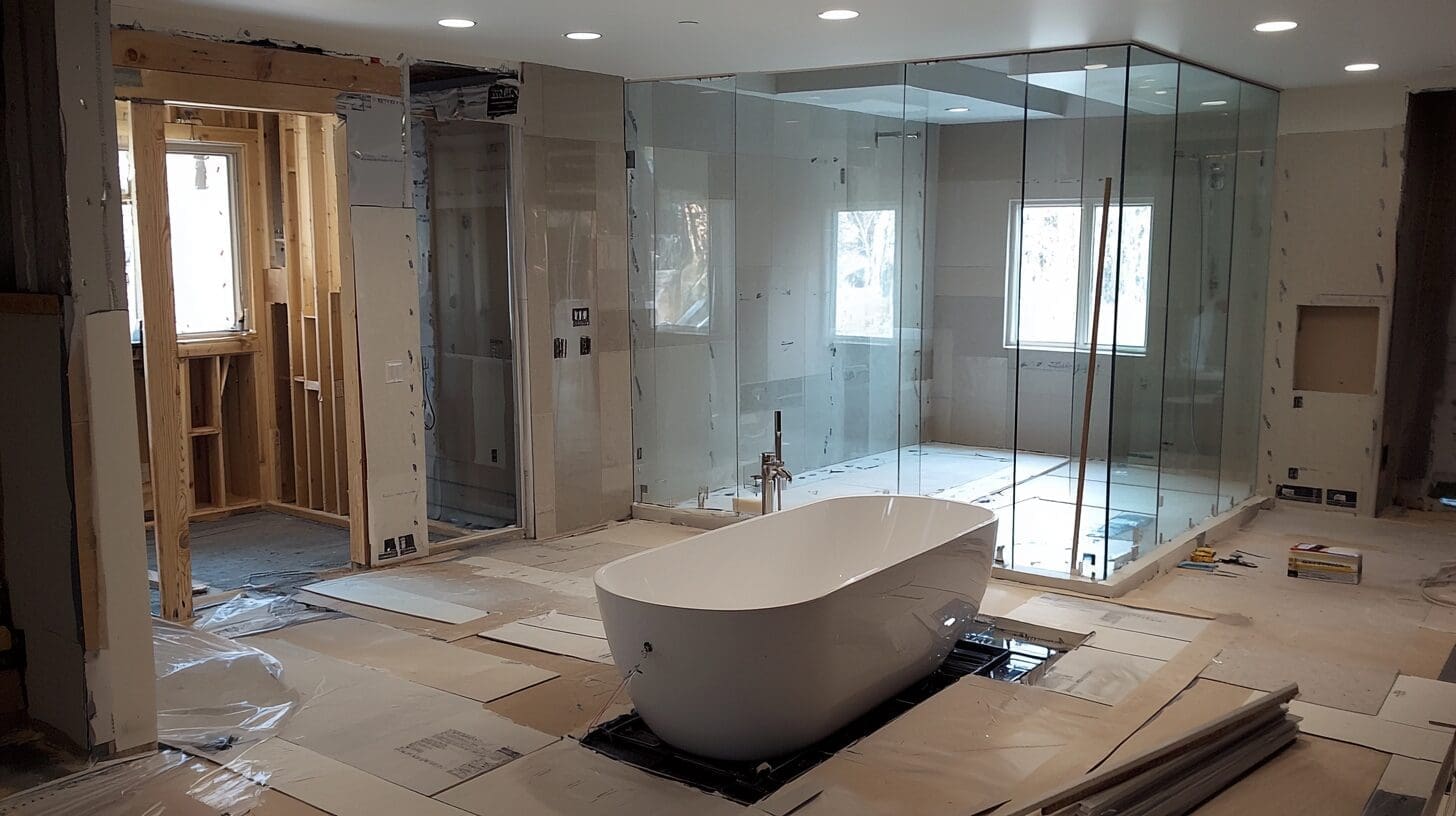
Bathroom under construction with freestanding bathtub, glass-enclosed shower, and floating vanity installation in progress.

High end materials like cultured marble countertops, custom tile, ceramic tile flooring or premium plumbing fixtures like designer faucets and high end shower heads will look great but add to the cost. Budget conscious homeowners may opt for stock vanities, pre-fabricated storage cabinets or midrange finishes to balance form and function within a remodel budget.

Labor Costs in California

In California labor accounts for 40-65% of the total bathroom cost. Rates are higher due to licensing requirements, insurance and labor shortages. But paying for experienced professionals ensures your bathroom project is done to code and with quality craftsmanship—an investment that protects your home long term.

Permits and Building Code Compliance

Most cities in California including Sacramento require permits for full remodels especially when electrical or plumbing is involved. Permit fees range from $300 to $1,000. A licensed contractor should manage this process and make sure your remodel meets all current codes and passes inspections.

Energy Efficiency and Sustainability Upgrades

Incorporating energy efficient and eco-friendly upgrades is becoming more popular—and for good reason. Installing low flow toilets, water saving shower heads and LED light fixtures can reduce utility bills and may qualify for state or city rebates. Choosing energy efficiency now can save you long term and the planet.

Bathroom Design: Function Meets Style

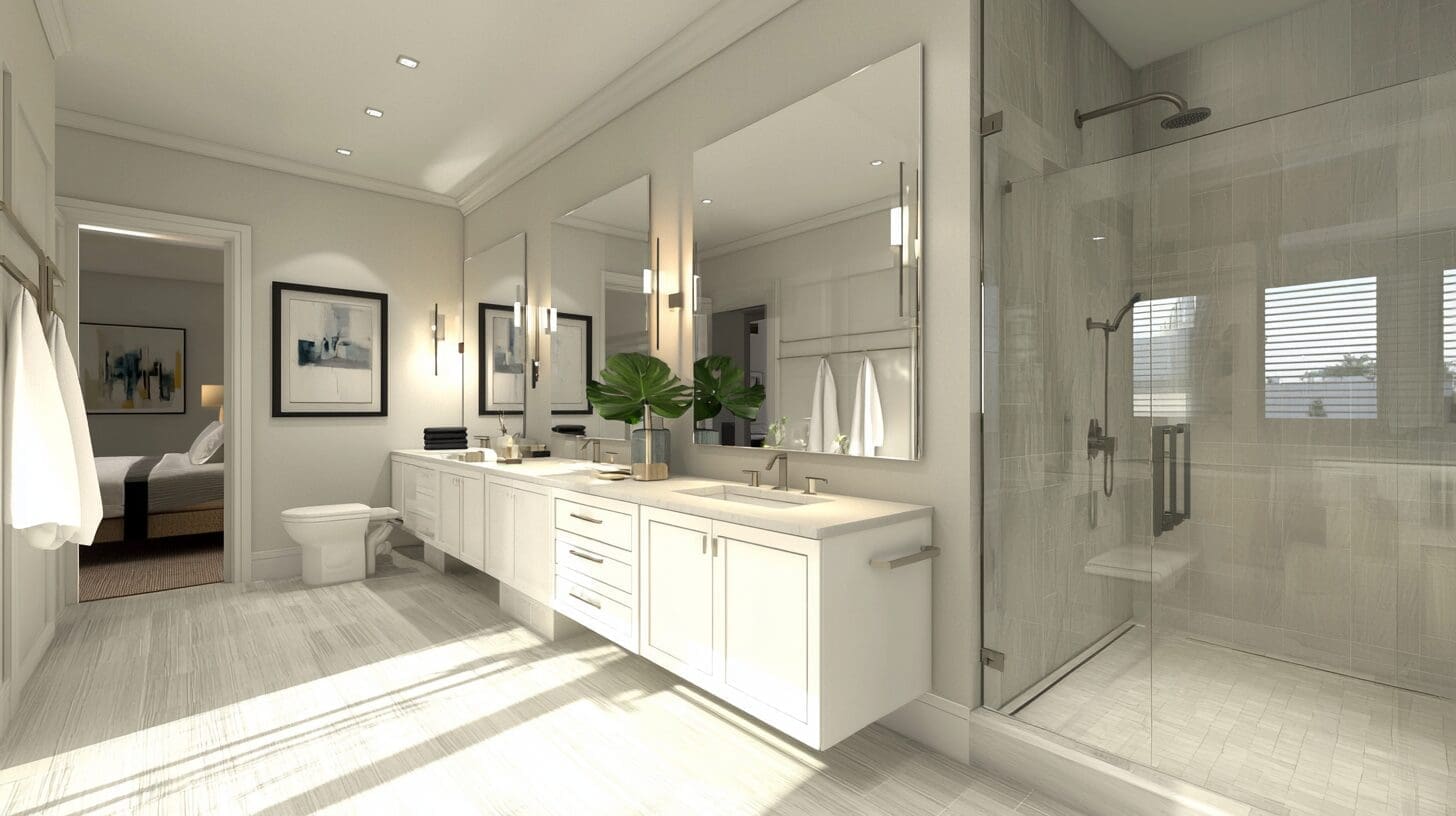
Minimalist bathroom with sleek design, featuring a walk-in shower, freestanding tub, and double vanity under soft recessed lighting.

Good bathroom design goes beyond looks. An efficient floor plan improves traffic flow, maximizes space and storage. Whether you’re doing a small guest bath or a luxurious master bathroom our design-build process ensures your bathroom layout is functional and beautiful.

Popular features in 2025 include wall mounted bathroom vanities, towel racks with built-in heating, dual sinks for busy households, grab bars for safety and creative storage solutions like recessed medicine cabinets and floating bathroom cabinets. Good design accounts for your lifestyle and long term usability.

Where Does the Money Go? Breakdown

Here’s a more detailed breakdown:

  • Labor: 40-65%
  • Plumbing fixtures & accessories (sinks, toilets, faucets): $1,500-$5,000
  • Cabinetry & Countertops (stock to custom): $1,200-$6,000+
  • Flooring (ceramic tile, luxury vinyl, heated floors): $800-$3,000
  • Electrical & Lighting (including construction): $1,000-$5,000
  • Shower/Tub Enclosures: $2,000-$10,000
  • Permits & Design Fees: $300-$2,000

Now you know where the money goes.

Bathroom Remodel Cost by Type

Guest Bathroom Remodel

Guest bathrooms are usually smaller and less complex, making them a great entry point for homeowners considering a bathroom project. A well-planned guest bath remodel can cost between $8,000 and $12,000 and still include upgrades like new towel bars, light fixtures, and a modern bathroom vanity.

Primary Bathroom Remodel

The primary bathroom is typically the most spacious and most used. Remodeling this space often includes dual sinks, luxury walk-in showers, and upgraded finishes. These spaces can range from $30,000 to $50,000 or more depending on the square foot size and material selections.

Partial Remodel Projects

A partial remodel can be a smart strategy to update your space without the full investment. Swapping out outdated plumbing fixtures, resurfacing the tub, or replacing worn flooring can give your old bathroom a new feel. Partial projects typically cost between $5,000 and $15,000 and allow you to tackle renovations in phases.

How to Maximize Value Without Blowing Your Budget

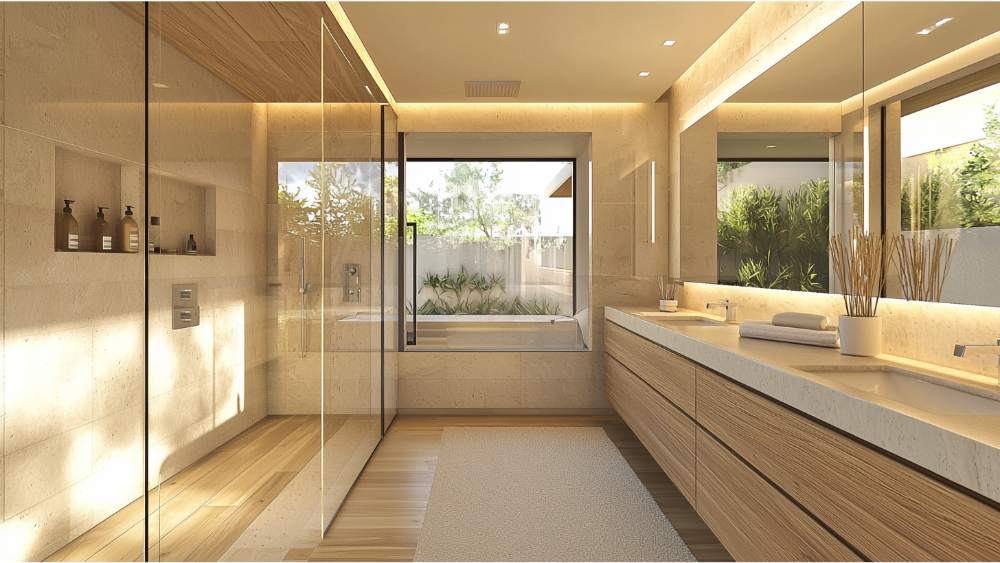
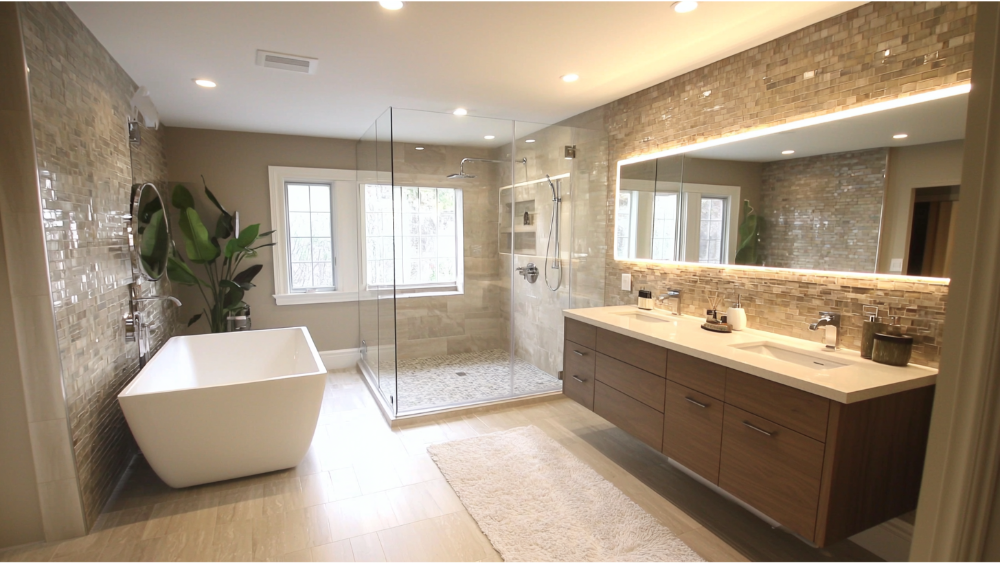
Contemporary bathroom with glass walk-in shower, freestanding bathtub, and wood vanity beneath a large backlit mirror.

If you’re concerned about the final cost, here are a few smart strategies to keep your remodel budget in check:

  • Preserve existing fixtures: If your medicine cabinet, towel racks, or vanity are in good shape, refinishing or updating them can cut down on material and labor costs.
  • Use high-impact upgrades selectively: Install heated floors or a high-end shower head in a master bathroom but opt for more basic features in a guest bath.
  • Shop strategically: Choosing midrange or stock vanities over custom cabinetry helps lower the final price tag without sacrificing appearance or durability.
  • Finance smartly: Use a home equity loan or personal loans to fund larger remodeling projects while keeping cash flow stable.

Is a Bathroom Renovation Worth the Investment?

Yes—renovating your bathroom adds value in both practical and financial terms. National data shows that midrange remodels return around 60% of their cost at resale, while upscale bathrooms see a return closer to 54%. That doesn’t include the day-to-day enjoyment you get from a comfortable, well-designed space.

In California, buyers expect modern bathrooms with water-efficient fixtures and clean, timeless finishes. Renovating your primary or guest bathroom can set your home apart in a competitive market.

Bathroom Remodeling Timeline: What to Expect

Most full bathroom remodels in California take between 6 and 10 weeks from start to finish.

Here’s a general overview:

  • Design & Planning: 2–3 weeks
  • Permitting: 1–2 weeks
  • Construction (demo, install, finishes): 4–6 weeks
  • Final walk-through & adjustments: 1 week

The project’s complexity, bathroom size, and whether you’re working with a design-build team like ours will all influence your timeline. Partnering with a single contractor streamlines scheduling and minimizes delays.

Full Bathroom Remodel: What You Need to Know

A full bathroom remodel is a complete overhaul of your space – from layout to finishes. Whether you’re remodeling your master bathroom or upgrading a busy family bath, a full remodel means you’re replacing everything: the flooring, plumbing fixtures, light fixtures, bathroom vanity, cabinets and even towel racks.

A full bathroom remodel includes demolition, rough plumbing and electrical updates, drywall repair, custom tiling, fixture installation and finishing touches. It may also involve moving the bathroom layout to improve flow or functionality.

Because a full remodel is so comprehensive, the complexity of the project will play a big role in the final cost. For example, keeping plumbing in place can save thousands, while moving a toilet or shower adds labor and specialized work. Homeowners should also factor in cabinetry upgrades, countertop material and any built-in storage cabinets or shelving.

If you’re remodeling a full bathroom in a home with older systems, this is also the perfect time to upgrade to low flow toilets and LED lighting. These choices add value to your home and reduce your environmental footprint.

For best results, work with a design-build contractor who knows how to manage the scope of a full bathroom remodel project within your budget.


Why Your Bathroom Floor Plan Matters More Than You Think

One of the most overlooked elements of bathroom design is the floor plan. Many homeowners focus on finishes – like cultured marble countertops or designer fixtures – without considering how the space actually works.

The floor plan defines how your bathroom works for your daily routine. Are there dual sinks for a shared master bathroom? Is there enough room to open the vanity drawers without bumping into the tub? Is the toilet tucked into a private area or awkwardly visible from the hallway? All of these details matter when designing a comfortable space.

If the existing floor plan is functional, keeping it intact can save you thousands. However, in some homes – especially older ones – the layout no longer fits modern lifestyles. Updating the floor plan may involve reworking plumbing, adjusting electrical lines and adding square footage. These changes add to your final cost but can make a big difference in the usability and feel of your bathroom.

Making smart changes to your floor plan – like adding a linen closet, expanding the shower or repositioning the vanity – can turn a basic bathroom into a spa. It’s also the perfect time to install aging-in-place features like grab bars and wider doorways for long-term living.

Before you start your bathroom project, take a close look at the floor plan. The right layout is the foundation for a beautiful, functional and lasting remodel.

Frequently Asked Questions

What is the average bathroom remodel cost in California?

For a standard full remodel, most Sacramento-area homeowners spend between $18,000 and $30,000, depending on finishes, layout changes, and square footage.

Can I remodel a bathroom for under $10,000?

It’s possible for a very small or cosmetic update, especially if you maintain the existing layout and reuse existing fixtures. A full remodel usually requires a higher investment.

What’s the difference between a partial remodel and a full renovation?

A partial remodel might involve just replacing the flooring, plumbing fixtures, or cabinetry, while a full renovation addresses every element of the space from top to bottom.

Is installing low flow toilets worth it?

Absolutely. Installing low flow toilets reduces water usage and monthly bills and helps California homeowners meet state water efficiency guidelines.

How can I finance my bathroom project?

Many homeowners use personal loans or a home equity loan to finance their remodel. Both offer flexibility, though equity loans may offer lower interest rates.

Why Homeowners in Sacramento Trust America’s Advantage Remodeling

We’re more than just contractors—we’re partners in your remodeling journey. With over 30 years of experience in California home remodeling, we specialize in transforming outdated bathrooms into modern, efficient, and beautiful spaces tailored to your needs and lifestyle.

Our deep knowledge of local building codes, permit processes, and California-specific design trends means we can deliver not only compliance—but creative, customized results that make your home stand out. Whether you’re renovating powder rooms, designing a luxury bathroom, or planning a high end remodel for your primary suite, we know how to bring your vision to life while controlling the overall cost.

We handle every part of the process—from bathroom design to final installation—ensuring every detail is executed with precision and care. Our team coordinates everything, including demolition, plumbing, electrical work, light construction, and final finishes, so you don’t have to manage multiple contractors or vendors. This streamlined approach helps reduce delays, control the project’s complexity, and keep your remodel on budget.

The larger your bathroom, the more important it becomes to have an experienced design-build contractor guiding the process. Larger spaces often require a reimagined floor plan, a new shower configuration, and custom upgrades that can cost considerably more—especially when choosing higher end models of fixtures, cabinetry, and tile.

Still, we know how to balance style and substance. Whether you’re dreaming of a luxury bathroom with dual vanities and radiant heated flooring, or simply refreshing a guest bath with a sleek new shower and energy-efficient lighting, we treat every remodel with the same level of care and craftsmanship. No matter the scope, we focus on smart design, long-term durability, and exceeding your expectations from start to finish.

At America’s Advantage Remodeling, we’re proud to be the trusted name Sacramento homeowners rely on. With a reputation built on integrity, quality, and exceptional service, we’re ready to help you transform your bathroom—and elevate your home.

Ready to Start Your Bathroom Remodel?

Your dream bathroom starts with the right team. At America’s Advantage Remodeling, we guide you through the entire remodeling process. From your first consultation to the final walkthrough, we’re committed to delivering a space you’ll love for years to come.

Contact us today to request your free in-home consultation and begin your next bathroom remodeling project with confidence.

Why Hardwood Floor In Kitchen With White Cabinets is a Perfect Match

Опубликовано: June 6, 2025 в 8:09 pm

Автор:

Категории: Flooring

Тэги: ,,

Why Many Homeowners Love Hardwood Floor in Kitchen with White Cabinets

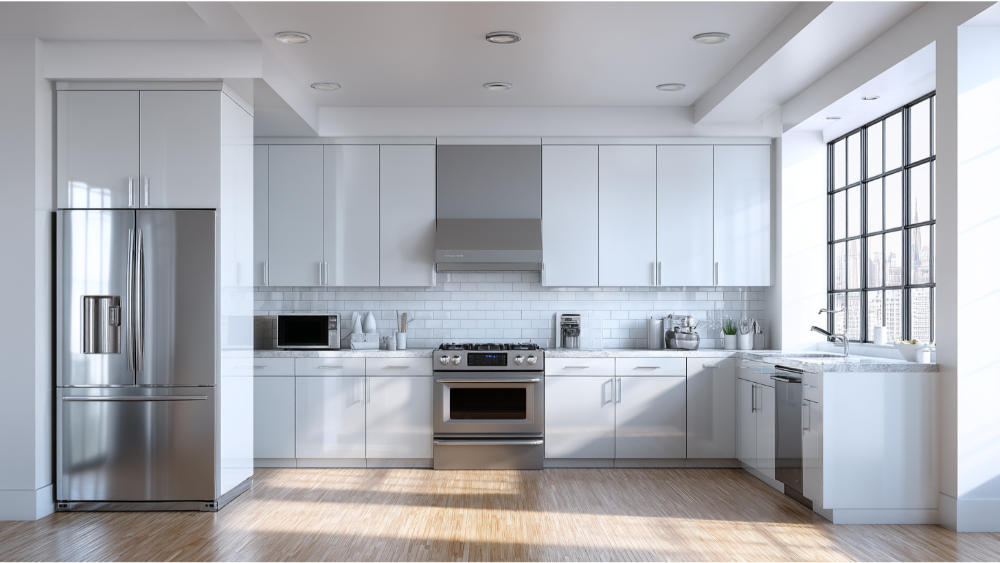
Some design combinations never go out of style, and a hardwood floor in kitchen with white cabinets is one of them. At America’s Advantage Remodeling, we’ve seen this pairing become a popular choice for traditional, modern, coastal, and rustic kitchens alike because the natural wood tones feel warm and welcoming.

Whether you’re starting a full kitchen renovation or adding finishing touches like neutral walls and stainless steel appliances, this timeless combination delivers a clean yet cozy aesthetic. It works beautifully in open-concept homes, enhances natural light, and adds the kind of cohesive style that makes buyers feel immediately at home.

Hardwood Flooring in the Kitchen: A Long Lasting Investment

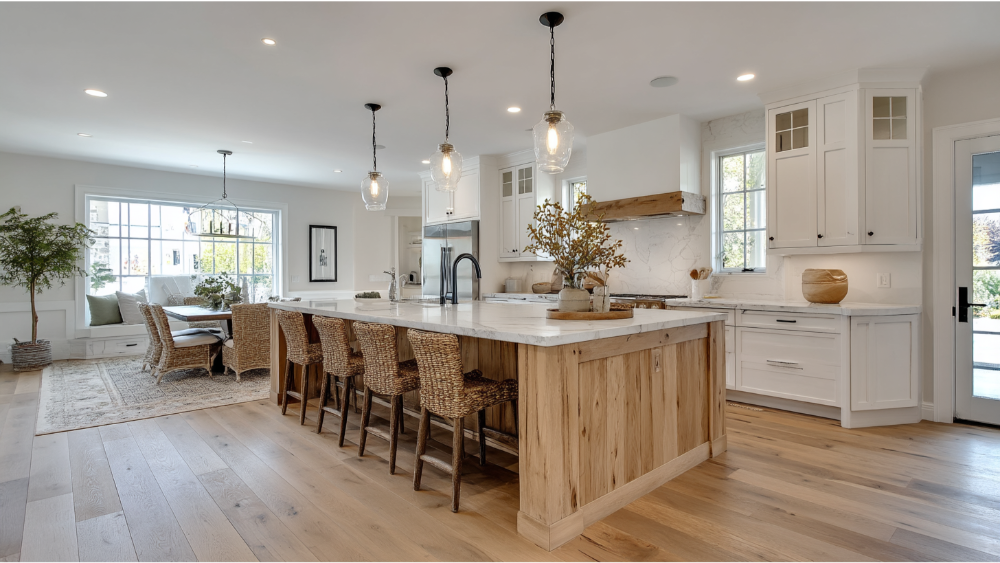
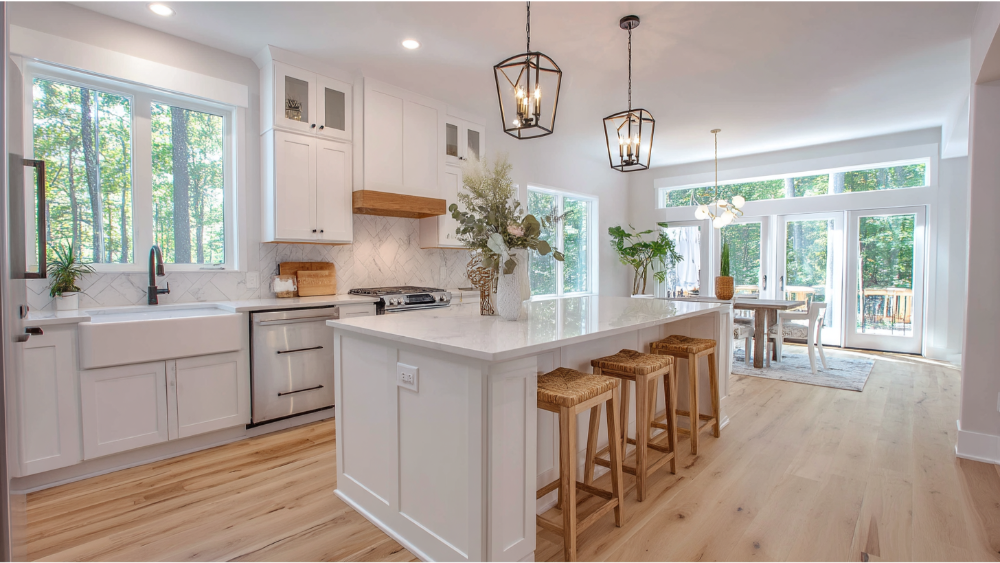
Bright open-concept kitchen with natural wood island, wicker barstools, and farmhouse-style dining area.

Hardwood floors aren’t just about looks, they’re also one of the most durable and long lasting options for kitchen flooring. That classic wood grain adds character to corners, and with modern finishes, hardwood is built to withstand the test of time, even in the busiest kitchens.

Durability and Maintenance Tips for Long Lasting Floors

Engineered hardwood is especially suited for kitchen areas because of its moisture resistance and structural stability. With proper sealing and high-quality hardware on cabinets, you can handle minor spills and dirt without worry. Sweep regularly, mop occasionally, and refinish every few years, and your floors will stay beautiful for decades. Think of it like caring for a piece of fine furniture: a little maintenance goes a long way.

Choosing the Right Hardwood Floor in Kitchen with White Cabinets

While white cabinets are versatile, the tone of the hardwood you choose will define the vibe of your space. Whether you lean light wood, dark wood, or go for gray-stained floors, tone and contrast matter.

Light Wood Floors: Airy, Bright, and Stylish

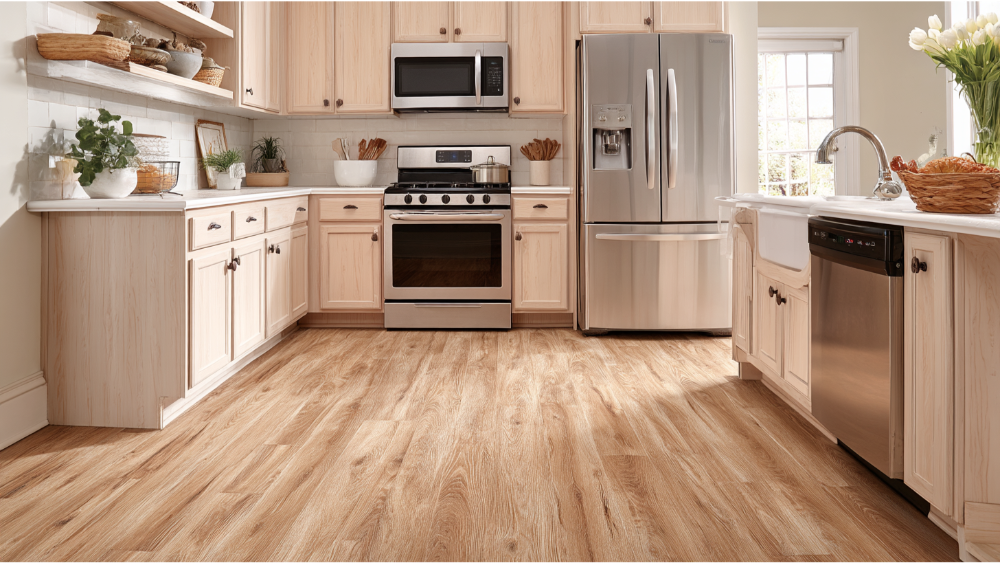
Light wood floors, such as white oak, maple, or ash, reflect light and make your kitchen feel bigger. They pair delightfully with white shaker cabinets and stainless steel appliances. Think calming coastal or Scandinavian vibes, where the floors serve as a perfect match to crisp, clean finishes. Add bold backsplashes or marble countertops, and you’ve got a naturally elegant canvas for creative kitchen ideas.

Medium Tones: Balanced, Rustic, and Neutral

Mid-tone hardwoods like hickory or birch bring warmth without overwhelming the space. They offer strong contrast, helping features such as bold backsplashes, stainless steel refrigerators, or gray islands pop. This tone resonates in modern rustic kitchens, where you might decorate with open shelves or wooden beams that tie in beautifully with the floor.

Dark Wood Floors: Dramatic, Elegant, and Cool

If bold contrast speaks to you, dark wood floors like walnut or espresso deliver that high-end, luxurious feel. These rich tones define the space, especially when paired with white cabinets, and work well with marble accents or deep-toned walls. But be prepared: they show dust and scratches more easily. If you pick dark floors, vacuum or walk around the kitchen with caution, and consider accenting with light rugs or runners to protect high-traffic zones.

Best Flooring Finishes for Kitchen with White Cabinets

Opt for matte or satin finishes, they’re stylish, slip-resistant, and hide scratches better than glossy alternatives. Textured finishes, such as hand-scraped or wire-brushed, add rustic appeal and disguise everyday wear. Environmentally conscious homeowners should look for low-VOC, water-based finishes for a clean, safe home environment.

Design Tips for Hardwood Floors in Kitchens

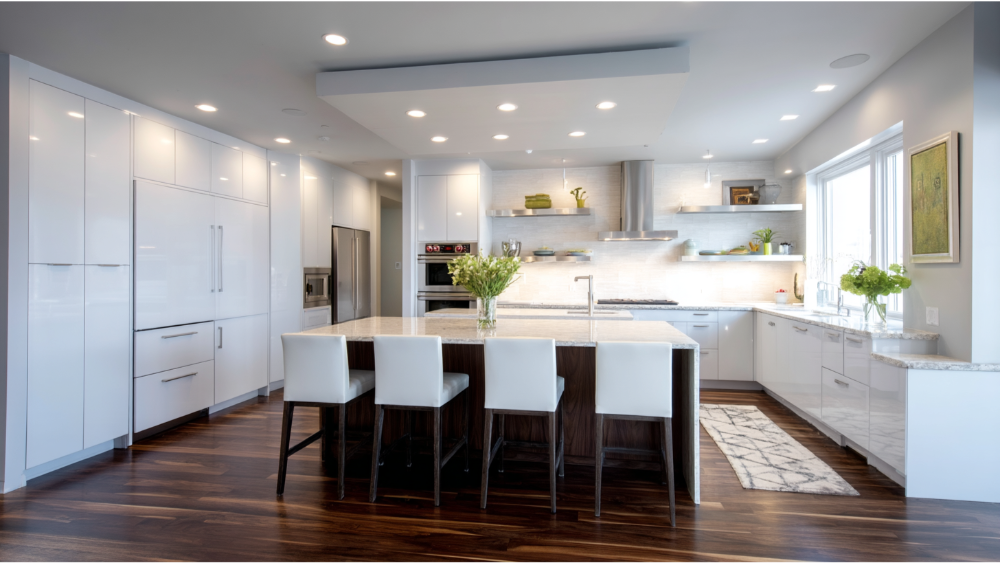
Contemporary kitchen with glossy white cabinets, dark wood flooring, and sleek minimalist design.

Hardwood and white cabinets is a great foundation, you can go so many ways with it.

Shaker Cabinets and Hardwood: A Perfect Pair

Shaker cabinets and hardwood is a classic combo because of the clean lines and understated beauty. This works in traditional to modern spaces especially when you reflect light off stainless steel appliances and marble or quartz countertops.

Wood Accents and Kitchen Islands That Match

Adding wood accents, like a natural stained island, corbels or range hood, ties the space together. These details mirror the floor and creates a flow from the cabinets to the walls to the room.

Rugs and Runners Over Light or Dark Floors

Runners not only protect your hardwood but also add texture and comfort, perfect when you’re on your feet cooking or walking through the kitchen. Patterned or neutral rugs soften the space and add warmth whether your floors are light wood or dark wood.

Patterned Hardwood Flooring Styles That Pop

For a custom look consider patterned layouts like herringbone or chevron. These designs add movement and sophistication and are especially gorgeous in galley kitchens or open concept spaces. They look great with gray island cabinets or bold colorful backsplashes.

Stainless Steel Appliances, Hardware and Walls

Keep your stainless steel appliances polished with regular hardware. Blues, grays or neutral walls work well with wood and white cabinetry, cool and calming.

What to Avoid with Hardwood Floor in Kitchen with White Cabinets

Even perfect combinations need thoughtful planning, sidewalks aren’t designed without pavement and curbs, right? Here are some pitfalls to avoid.

Don’t Go Too Dark in Small Kitchens

Dark wood can make smaller kitchens feel cramped. Go with light wood or mid-tone flooring to keep things feeling open and fresh.

Don’t Overmatch Tones

Floors, cabinets, and countertops that are too similar can feel flat and uninspired. Mix tones, white cabinets against medium wood floors is a perfect example of what works.

Plan for Smooth Transitions Between Rooms

Kitchens don’t exist in a vacuum. Ensure your hardwood transitions smoothly into adjacent rooms, especially if you continue the same floor. This consistency helps your home feel more spacious and connected.

Hardwood Floor vs. Vinyl Flooring in a Kitchen with White Cabinets

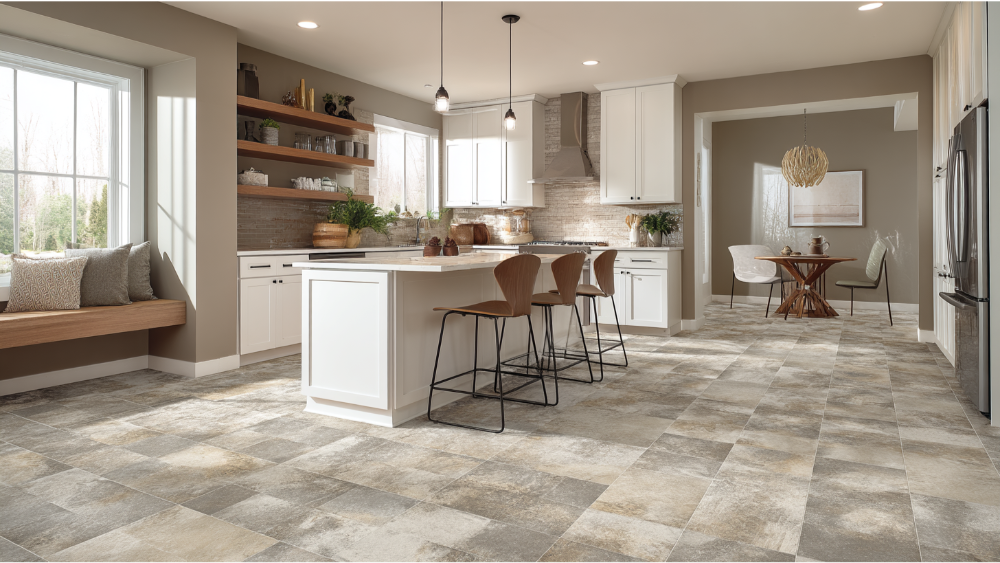
Bright kitchen with white shaker cabinets, light wood flooring, and a large island near a sunlit dining space.

While vinyl flooring, especially luxury vinyl plank (LVP), offers realism and budget-friendliness, it rarely compares to genuine hardwood when it comes to resale value and long lasting quality. Hardwood has a natural strength and beauty that vinyl just can’t replicate. But if budget is a key concern, vinyl is a decent stopgap until you can renovate with the real thing.

Buyer Insights: What’s Popular and Long Lasting in 2025

In 2025, many homeowners, and future buyers, are drawn to kitchens that feel clean, elegant, and easy to live in. White cabinets remain the #1 choice for their brightness and versatility, and hardwood floors, particularly in mid-tone finishes, are seen as a strong contrast feature that boosts perceived value. Homes with these elements tend to leave a strong first impression and sell faster.

Real Kitchen Makeovers with White Cabinets and Hardwood Flooring

Some of our most memorable kitchen renovation projects feature mid-tone or rustic hardwood floors set against crisp white cabinets and stainless steel or marble accents. One standout example: a modern farmhouse kitchen where we installed wide plank hickory floors beneath shaker cabinets and added an elongated island with wood accents. Browse our project gallery to explore more ideas, from bold backsplashes to warm, neutral paint colors that tie the look together.

Refinish or Replace Your Hardwood Floors?

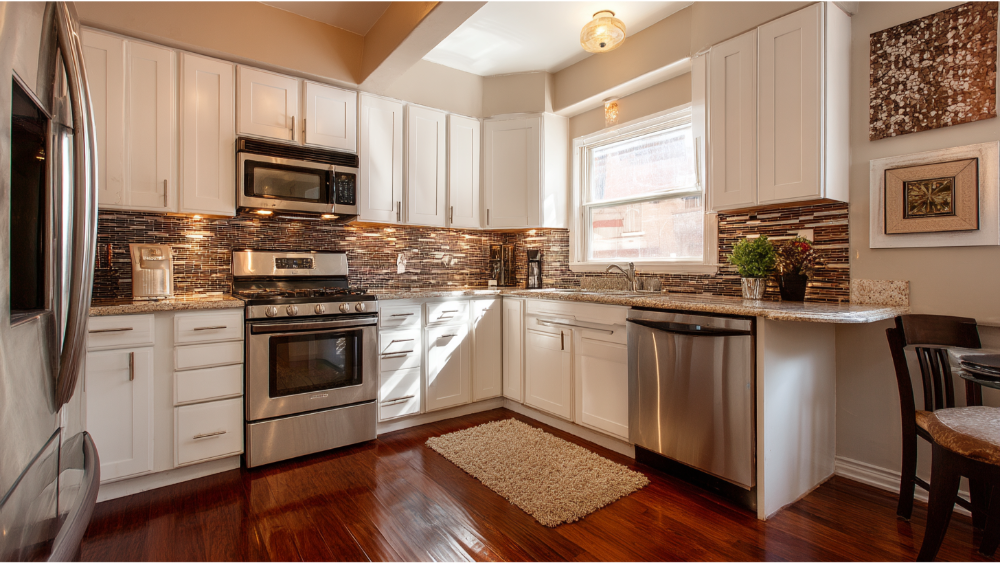
Compact kitchen with white cabinets, stainless steel appliances, and mosaic tile backsplash.

If your hardwood is in good shape structurally, a professional refinishing job can restore its glow and protect it for years. But if it’s showing deep scratches, structural issues, or old staining, replacement with engineered hardwood may be better. We help you decide based on your goals, whether that’s a cozy rustic finish, an elegant mid-tone palette, or a cool gray-stained modern look.

Frequently Asked Kitchens with White Cabinets and Hardwood Flooring Questions

What wood floor color looks best with white kitchen cabinets?

Mid-tone hardwoods like oak, hickory, or birch are the perfect match, they provide a warm, neutral backdrop that complements white shaker cabinets and popular backsplashes. These tones also add depth and natural charm to the kitchen, helping the space feel bigger and more inviting.

Will hardwood floors get damaged in a kitchen?

Hardwood is durable, but spills and dirt can cause wear if left unattended. With proper sealing, engineered floors add moisture resistance, and regular cleaning keeps them long lasting. In large kitchens, consider using area rugs to protect high-traffic zones while preserving the integrity of the wood.

Are white cabinets going out of style in 2025?

Not at all. White cabinets remain a neutral, versatile, and stylish choice that reflect light and work with any design style, from traditional to modern. They continue to be a top pick for kitchen renovation projects thanks to their ability to make any space feel bigger and brighter.

Tile, vinyl flooring, or wood flooring: what should I choose for a kitchen?

Tile is waterproof, vinyl is cost-effective and easy to clean, but hardwood offers the best long lasting value, elegance, and cohesive design throughout your home. Many homeowners choose wood because it adds warmth, texture, and a naturally inviting atmosphere.

Get Started with Your White Cabinet and Hardwood Floor Kitchen Remodel

Ready for a fresh, long lasting kitchen update that feels warm, elegant, and stylish?

At America’s Advantage Remodeling, we specialize in kitchen renovations that combine hardwood floors and white cabinetry for timeless appeal. Schedule your free in-home consultation today, let’s walk through your ideas and turn them into reality.

Explore our Kitchen Remodeling Services, browse our Flooring Options, or real client projects in our Gallery.

Have questions about stainless steel appliances, bold backsplashes, or marble accents? Contact us to get started.

How Much Does It Cost to Install New Shower Valve in 2025?

Опубликовано: June 3, 2025 в 4:41 am

Автор:

Категории: Bathroom

Тэги: ,,,

Installing a new shower is one of the most to replace is essential. In 2025, the cost to install a new shower depends on several key factors, including the shower system you choose, the complexity of your plumbing, and the type of shower valve required. Let’s dive into everything homeowners in California need to know about installation, valve replacement, shower faucet and morerewarding upgrades you can make to your bathroom. Whether you’re refreshing an outdated design or completely renovating your space, understanding the cost.

Average Cost to Install a New Shower

The average cost to install a new shower in 2025 is $8,201. Most homeowners will spend between $4,440 and $12,365, though high-end remodels with luxury features and complex plumbing upgrades can cost over $17,000. Here in Northern California, labor costs, permit requirements, and access to specialty materials can also push the actual cost higher than the national average.

A full shower remodel includes demolition, plumbing adjustments, waterproofing, tile installation or prefab enclosure setup, and new fixture installation.

Labor Costs and What They Include

Labor Costs for Shower Installation

Labor typically accounts for $400 to $2,000 of your total project cost. If you’re simply replacing a shower, and the layout remains the same, your labor costs may be on the lower end. More extensive work, like custom tile installation, expanding the shower wall, or relocating plumbing lines will increase those costs.

Plumbing Repairs and Existing Plumbing Adjustments

The condition of your existing plumbing plays a major role in installation difficulty. If the existing shower valve or drain lines are outdated or leaking, plumbing repairs may be required before new components can be installed. In homes with older shower valves or three handle shower valve setups, for example, updating to a single handle shower valve often requires wall modifications and a new body installation of the valve.

Typical plumbing repair costs for shower installation range from $600 to $1,600. This includes removing corroded piping, correcting misaligned water lines, and updating valves for better efficiency and pressure regulation.

Cost to Replace a Shower vs. Installing a New One

A common question we get from homeowners is whether it’s more cost-effective to replace a shower or install a completely new system. If you’re updating a prefabricated enclosure or refreshing tile with no major changes to layout or plumbing, the cost to replace your shower could be as low as $1,200.

However, if your existing layout isn’t functional, or you’re converting from a tub to a walk-in shower, you’ll need to factor in structural changes, waterproofing, and fixture upgrades. These kinds of remodels tend to land closer to the $8,000 to $12,000 range.

Understanding Shower Valves and Their Costs

Contemporary bathroom with glass shower, modern fixtures, and neutral tones.

One of the most overlooked, but critical, components of a shower remodel is the shower valve assembly. This internal mechanism controls your water supply, water temperature, and water flow. Choosing the right shower valve affects not only comfort, but long-term durability and safety.

Cost to Install New Shower Valve

The cost to install a new shower valve in 2025 ranges from $225 to $750. This includes removing the existing valve, installing a new unit, reconnecting the hot and cold water lines, and pressure testing the system. If your shower wall must be cut open to access the valve, additional drywall or tile repair may also be needed.

Upgrading from an older shower valve to a modern configuration improves temperature control, energy efficiency, and flow consistency.

Shower Valve Types: What You Need to Know

There are several different types, each offering unique functionality:

Pressure Balancing Shower Valve

This is one of the most common valve types used in residential applications. A pressure balancing valve automatically adjusts the hot and cold water to maintain consistent water temperature, even if someone flushes a toilet or uses another faucet. It’s a great choice for households with cool water pressure fluctuations.

Thermostatic Shower Valve

A thermostatic valve offers more precise temperature control than a pressure-balanced unit. You can set an exact temperature, and the valve adjusts cold and hot water flow to keep it constant. These valves are popular in luxury and family bathrooms where safety and comfort are key.

Diverter Valve vs. Transfer Valve

  • A diverter valve redirects water from one outlet (like the tub spout) to another (like the shower head or handheld shower head).
  • A transfer valve is more advanced, allowing multiple outlets to run simultaneously or independently, ideal for custom showers with body sprays, rain heads, and handhelds.

Mixing Valves

A mixing valve blends cold and hot water to a desired temperature. While all functional shower valves perform mixing to some extent, thermostatic valves and pressure balancing valves are both advanced types of mixing valves.

Shower Valve Replacement Costs

If you’re dealing with a dripping faucet, dripping or leaking water, or inconsistent water pressure, you may need a shower valve replacement. In older homes, valve components corrode or wear out, leading to water waste and poor performance.

Typical shower valve replacement costs range from $225 to $575. If the valve is located deep within the wall or if you’re upgrading from a three handle shower valve to a single handle setup, expect the replacement process to cost more due to added labor and drywall or tile repair.

Can I Do a DIY Shower Valve Replacement?

A common question is whether replacing the shower valve yourself is worth attempting. While technically possible for experienced DIYers, the process involves cutting into walls, shutting off the main water supply, removing the entire valve, and soldering or securing new connections.

If mistakes are made during this process, it could result in cold water flow issues, temperature imbalances, or persistent leaks. For this reason, we highly recommend hiring a professional plumber for all shower valve work, especially when dealing with older shower valves or when upgrading to modern thermostatic shower valves.

Choosing the Right Fixtures: Shower Heads, Trim & More

Shower Head Options

Modern shower remodels often feature upgraded shower heads and shower heads held by hand. The combination of a fixed head and a handheld sprayer adds function and luxury. Fixed heads range from $50 to $300, while handheld kits cost $100 to $600.

Shower Trim & Valve Body

Your shower trim includes the handles, faceplate, and other visible elements that coordinate with your design style. Behind the trim sits the valve body, which houses the functional mechanics of the valve. When upgrading your shower valve assembly, make sure your trim kit is compatible with the new valve type.

Bathtub Spout & Tub-to-Shower Conversions

If you’re replacing a bathtub spout during a tub-to-shower conversion, this is the perfect time to install a diverter shower valve. These valves help redirect water from the tub to the overhead, and they work seamlessly with new trim kits.

Factors That Impact the Actual Cost of Shower Installation

Every shower remodel is different, and your total investment depends on the following:

  • Valve Type & Compatibility: Thermostatic and transfer valves cost more but provide better functionality.
  • Fixture Upgrades: High-end shower heads, shower trim, and faucets increase your budget.
  • Labor Requirements: Older homes with outdated plumbing may need extensive updates.
  • Replacement Process Complexity: Changing valve types or moving locations increases the labor involved.
  • Plumbing Repairs: Dealing with clogged drains, damaged pipes, or low cold water pressure adds cost.

How to Know It’s Time to Replace a Shower

Walk-in shower with dark tile walls and built-in shampoo niche.

Your shower may be ready for a remodel if:

  • You see dripping or leaking water from the shower head or bathtub spout
  • You struggle with cold water flow or inconsistent temperature
  • You have to constantly adjust the handle to control hot water
  • You’re using an existing valve that’s outdated or corroded
  • There’s visible damage to the shower wall, fixtures, or tile
  • Your valve doesn’t support modern features or multiple outlets

Frequently Asked Shower Installation and Shower Valve Replacement Questions

What’s the average cost to replace a shower valve?

Shower valve replacement costs typically range from $225 to $575. The total cost to replace a shower valve will depend on the type of valve, installation access, and whether your plumbing needs modifications. If the valve is hidden behind a tile wall, the shower valve replacement cost may increase.

How long does it take to replace a shower valve?

A standard valve replacement takes about an hour to a few hours. More complex projects, like switching from a three handle shower valve to a single handle shower valve may take longer to replace a shower valve and require more labor due to plumbing system adjustments.

Can I install a new shower valve myself?

DIY shower valve replacement is possible, but not recommended unless you’re experienced with plumbing work. Errors during installation can lead to dripping or leaking water, damage to your plumbing system, and unsafe water temperature fluctuations.

Do I need to replace the valve when installing a new shower?

Often, yes. Especially if your existing shower valve is incompatible with new shower faucet systems or doesn’t support modern features like a fixed shower head, or diverter valve. When you replace a shower valve, you ensure proper function and a safe area.

What’s the most common shower valve type?

Pressure balancing valves are the most commonly installed option in residential bathrooms. They help maintain constant water temperature, even when water is used elsewhere in the house, and work well with standard shower faucet setups.


Diverter Shower Valve: What You Need to Know

What is this valve and how does it work?

A diverter shower valve redirects water between two or more outlets, commonly from the bathtub spout to a shower head or handheld shower head. This valve is essential in a combination shower/tub system and is often included in new shower faucet kits. Diverter valves can be installed as part of the trim or inside the shower valve assembly, depending on your shower system.

Do all showers need a diverter valve?

Not all setups require a shower valve. The need depends on your shower valve type and design. If you’re installing a separate shower without a tub or additional outlets, a diverter may not be necessary. But if you’re converting a tub to a combo unit, a diverter is a must for controlling the water flow direction.


Old Valve: Should You Replace or Repair?

When should I replace an old valve instead of repairing it?

If you’re dealing with an old valve that’s leaking, corroded, or doesn’t support modern fixtures, replacement is usually the better option. Older systems often don’t meet today’s standards for pressure regulation or constant water temperature control, and repairs may only provide a short-term fix.

Can I connect new shower faucets to an old valve?

In most cases, no. New shower faucet kits are designed to work with modern valve types, especially those offering pressure balancing or thermostatic control. Using an existing valve may result in poor compatibility, inconsistent water pressure, or limited temperature regulation. Updating your plumbing system and shower valve assembly ensures the shower faucet works together seamlessly.

Will replacing an old valve increase my total cost?

Replacing an old valve can increase the total cost. A new shower faucet installed on a modern valve will offer better flow, easier temperature control, and compatibility with features like fixed shower heads and handheld shower heads, which helps save money through water efficiency.

Final Thoughts: Ready to Replace or Upgrade Your Shower?

Upgrading your shower is more than a cosmetic change, it’s about safety, efficiency, and daily comfort. Whether you’re dealing with dripping water, upgrading your shower system, or replacing an old valve, America’s Advantage Remodeling delivers the expertise and craftsmanship to get the job done right.
From choosing the right shower valve to managing the replacement process and plumbing upgrades, our team handles every detail. Let us help you build a shower that looks beautiful, functions perfectly, and adds value to your home.

Schedule your free in-home consultation today and discover why so many California homeowners trust America’s Advantage Remodeling for their bathroom renovations and replacing shower faucet.

How Tall Is a Bathroom Vanity?

Опубликовано: May 30, 2025 в 2:32 am

Автор:

Категории: Bathroom

Тэги: ,,,

Why Bathroom Vanity Height Matters

So how tall is a bathroom vanity? When it comes to bathroom remodeling, vanity height might seem like a small detail, but it can make a big impact on comfort, usability, aesthetics and overall design. The right height creates an ergonomic experience for everyone who uses the bathroom sink daily, helping prevent back strain, improve posture and enhance traffic flow. This is even more important when you consider mobility challenges or a bathroom shared by family members of varying heights.

Whether you’re designing a shared family bathroom, a luxury master suite or a space for older adults with mobility issues, choosing the right and average or even counter height vanity is crucial. Not only does it affect comfort and style, but also the functionality of drawers, storage space, electrical outlets and overall layout. Let’s explore the industry standards, custom solutions and practical tips to help you make the best decision for your home.

Comfort Height Bathroom Vanities: The New Standard

A clean, spacious bathroom featuring a freestanding soaking tub, dual sinks with black cabinetry, large mirrors, and natural light from wide windows.

Why Comfort Height Might Be the Best Height for Your Bathroom

Comfort height bathroom vanities are 34-36 inches tall, matching standard kitchen cabinets. This added height(compared to traditional vanities) helps occupants maintain clean lines and better posture especially for taller users.

What Is Comfort Height?

Comfort height, also known as counter height, is the perfect balance between style and function. Positioned slightly higher than the standard bathroom vanity height of 30-32 inches, this height range meets the ergonomic needs of most adults and aligns well with modern double sink vanities or single sink vanities.

Why Homeowners Love Comfort Height Vanities

  • Reduces lower back strain during daily routines like brushing teeth and shaving
  • Looks modern and upscale and pairs well with minimalist design
  • Aligns with a vessel-style bathroom sink and stone countertop
  • Ideal for master bathrooms where most users are adults or taller individuals

At America’s Advantage Remodeling, we include extra storage options like deep drawers and legroom beneath comfort height vanities to accommodate bathroom essentials and make the experience work in spacious or tight bathroom space settings.

Traditional Vanity Heights vs. Comfort Height

A high-end bathroom with dual vanities, a soaking tub behind glass, rich wood cabinetry, and soft ambient lighting throughout.

Is a Standard Vanity Still the Best Vanity for Your Bathroom?

Traditional Standard Height (30-32 inches)

This standard height vanity is popular in many older or budget-friendly bathrooms. This standard height is comfortable for shorter users and young family members.

Pros:

  • Works for children or shorter family members
  • Widely available pre-built options with drawers and cabinets
  • Matches easily with sinks and plumbing appliances with minimal adjustment to existing plumbing

Cons:

  • Feels too low for most adults, especially taller users over 6 feet
  • Requires additional bending, especially problematic for those with mobility issues

This standard height vanity is great for bathrooms with small bathroom space or for homeowners looking for a lower vanity.

Available Space and Vanity Height

Maximizing Function in Square Footage

Your vanity’s height must work with the available space in your bathroom and align with the overall bathroom space and layout. In a smaller bathroom or powder room, a floating vanity at a custom height can improve both appearance and flow.

Things to consider:

  • A lower vanity in smaller bathrooms preserves open floor area and keeps the space from feeling cramped
  • Tall or comfort height models, also referred to as taller vanities, offer extra storage but may feel bulky in compact layouts
  • Mirrors and electrical outlets may need to be relocated when deviating from a standard vanity height

We conduct a full assessment to ensure your existing layout can support upgrades like double sink vanities or taller installations without affecting ventilation, electrical, or plumbing systems.

Sink and Countertop Impact on Height

A contemporary bathroom with a warm, wood-paneled interior, backlit mirror, dual sinks, and a clean, symmetrical layout.

Drop-In, Undermount and Vessel Sinks

The sink’s height and style affects the overall height of the vanity. With drop-in or undermount sinks the height is the same as the cabinet. With a bathroom sink that sits on the countertop (like a vessel sink) you add about 4-6 inches so you need to plan for a standard height vanity base that accounts for that.

Countertop Considerations

Quartz or granite adds an extra inch to your finished height. With a vessel sink or stone slab this can push the build-out past the comfortable height range. Always measure the countertop thickness and the sink’s dimensions to ensure you don’t end up with a vanity that’s too tall or awkwardly low.
Matching Vanity Height to Your Existing Layout

Matching to Plumbing, Mirrors and Outlets

When deciding on a new vanity height, consider the existing plumbing, mirror placement, lighting fixtures and outlets. Raising the height may require moving plumbing boxes and rerouting pipes. A drop-in sink for example may need a different drain position if the cabinet is higher.

America’s Advantage Remodeling ensures your vanity projects are planned with precision. We evaluate connections for a smooth installation that fits your bathroom layout and your needs from top to bottom.

Choosing the Right Height for You

A spacious bathroom with floor-to-ceiling windows, dual vanities, underlit floating cabinetry, and a serene view of an outdoor garden space.

Custom Solutions Based on Your Household

Choosing the best vanity height starts by identifying who uses the space most. A standard height vanity is good for children and casual-use spaces. For adults and taller users comfort height is better for daily use and grooming without bending.
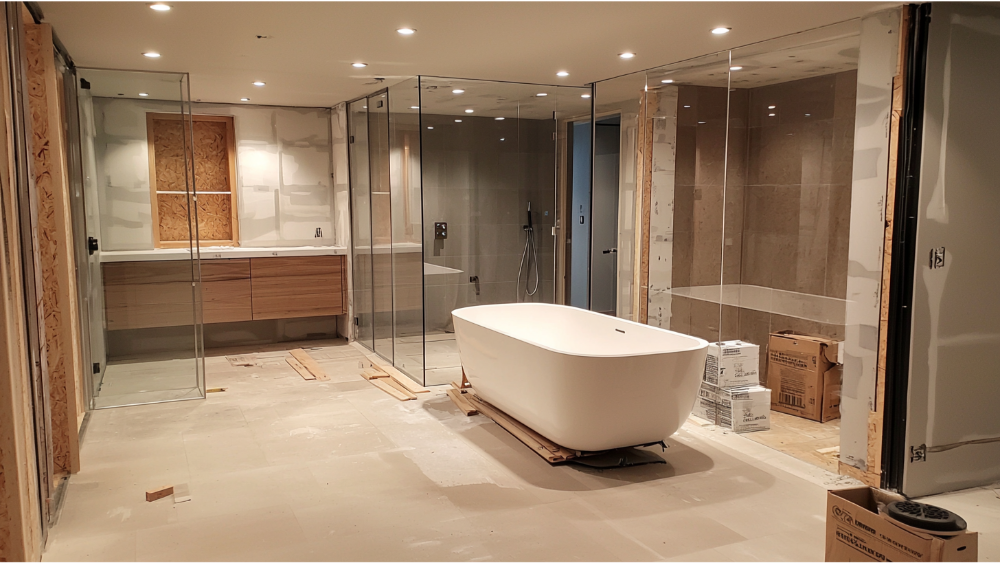
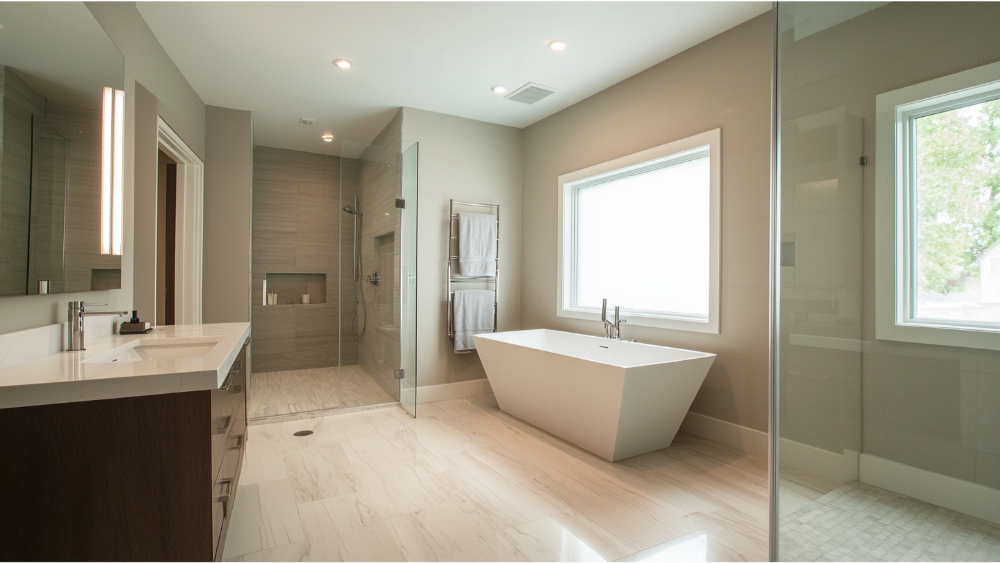
Vanities for Kids and Families

A lower vanity around 30 inches is perfect for younger children. As they grow you can switch to a comfort height vanity or use a step stool temporarily. This flexibility can save you money and maximize storage and drawer space.

ADA-Compliant and Accessible Options

For households with aging adults or individuals with mobility issues, ADA-compliant vanities at around 34 inches with knee clearance are a must. These vanities serve mobility needs and provide elegant, accessible design without sacrificing storage or style.

Floating Vanities: Flexibility and Modern Design

Floating vanities combine minimalist design with customizable heights. By mounting the vanity cabinet at any comfortable height you can keep clean lines, open up floor space for better traffic flow and add sleek drawer or open-shelf storage.

Avoid These Vanity Height Mistakes

  • Choosing a height based on looks alone, without trying it out in person
  • Not considering how the sink affects the side-by-side measurements
  • Forgetting the sink’s height and countertop thickness can change the outcome
  • Not accounting for moving plumbing or outlets
  • Not planning for 6 footers or other taller users in the home

Our full service includes mock-ups so you can try out the vanity height in real scale and confirm it fits your daily routines and physical needs.

How America’s Advantage Remodeling Can Help

We bring local expertise and full service to every bathroom remodeling project in the Sacramento area. From selecting the right vanity for your space to planning cabinets, drawers and countertops, we design, build and install with precision.

Our services include:

  • Personalized design-build consultations for user needs
  • ADA-compliant, comfort height or standard height vanity installations
  • Custom storage solutions, drawers, pantry-style cabinets, extra shelving
  • Seamless integration with existing plumbing and electrical
  • Floating vanity mounts for minimal impact and accessible access

Learn more about Bathroom Remodeling

FAQs About Vanity Height

What Is Comfort Height For A Bathroom Vanity?

Comfort height vanities typically measure between 34–36 inches. That extra height makes them easier on the back and more comfortable for most adults, especially those close to or over six feet tall. They’re ideal for a master bath and pair well with most sink styles.

Can I Match My Bathroom Vanity To My Kitchen Cabinets?

Yes, comfort height vanities are made to align with standard kitchen cabinet height for a cohesive, streamlined look across your home. This makes them a great fit when you want consistency between your kitchen and bathroom designs.

How Does Existing Layout Impact Vanity Installation?

Your vanity affects the placement of plumbing lines, mirrors, lighting, and outlets. We evaluate all these important factors as part of our comprehensive services to ensure your new setup fits the space without costly surprises.

Is There A One-Size-Fits-All Vanity Height?

No, there isn’t. The standard height vanity (30–32 inches) suits children or smaller guest baths, while taller vanities like comfort height (34–36 inches) work well for the average height adult and taller users. Your ideal height will depend on personal preferences and your household’s functional needs.

Can I Raise The Height Of An Existing Vanity?

Yes, though doing so often requires custom carpentry or replacing the cabinet entirely. Whether you’re modifying a current setup or starting fresh, we recommend going with a new vanity for better durability, looks, and comfort.

Conclusion: Find the Right Vanity for Your Home

Choosing the right vanity height means balancing comfort, function, and style. When you consider who uses the bathroom, the layout, sink style, and whether you’re outfitting a master bath or a guest space, you can avoid costly mistakes and build something that truly works.

Ready to build your dream bathroom?

Contact America’s Advantage Remodeling to schedule your free consultation. We’ll help you choose the best vanity with the right height, crafted for your space, your lifestyle, and your long-term needs.

Why Does My Bathroom Smell Like Sewage? Common Causes and Solutions

Опубликовано: May 3, 2025 в 11:00 am

Автор:

Категории: Bathroom

Тэги: ,,

Where is the Sewage Smell Coming From?

Walking into a bathroom and being hit with a strong, nasty smell can ruin your day. But if that smell smells like rotten eggs or raw sewage, it’s more than just gross – it’s a warning.

A sewer gas smell in your bathroom can mean hidden problems in your plumbing system that can affect your health, comfort and even your home’s safety. Sewer gases are a byproduct of the sewer system. They’re hydrogen sulfide, methane and ammonia – all of which can be harmful if not contained. Your plumbing fixtures, toilets, sinks and tubs are designed to block these gases with P-traps (those u-shaped pipes) and sealed connections.

Another important part is the vent pipe which allows sewer gases to safely vent through the roof.

When one of these systems fails – whether it’s a dry trap, sewer line issues or poor ventilation – gases can escape and you’ll get a strong sewer smell in the bathroom. That rotten egg smell is more than just a nuisance – it can mean harmful gases in your home and even a leak in your main sewer line.

So why does my bathroom smell like sewage? Let’s break down the most common causes of sewage odors, what you can try yourself and when to call a plumber.

Plumbing Issues Behind the Sewage Smell in the Bathroom

Dry P-Trap Allows Sewer Gases to Enter

One of the simplest reasons for that sewer gas smell is a dry P-trap. That u-shaped pipe under your bathroom sink, tub or shower holds water that acts as a barrier and prevents sewer gases from entering your home.

If the fixture hasn’t been used in a while – like a guest bathroom – the water can evaporate.Once dry, the trap no longer prevents bad odorsfrom rising back into your home and it’s hard to keep your bathroom smelling fresh. This is a common reason for that sudden bathroom smell like sewage you can’t quite figure out.

Solution: Run water in all bathroom drains, especially the less used fixtures, at least once a week to maintain the water seal. For bathrooms that are rarely used, consider installing a trap primer to automatically replenish the water supply and keep those odors away.

Broken Toilet Seal Causes Sewer Gas Leak

The wax ring that connects your bathroom toilet to the drainpipe is crucial in blocking out sewer gases. If that toilet seal is worn, damaged or misaligned, gases from the sewer system can enter your bathroom. This often results in strong toilet smells especially around the base of the fixture.

You may also notice water seeping from under the toilet bowl or a slight wobble when you sit down – signs of a compromised or broken seal.

Solution: If you think it’s a wax ring issue, shut off the water supply to the toilet tank and remove the toilet to replace the wax ring. This is a quick job for a plumber and will eliminate the odor if a faulty seal is the cause.

Clogged Drains and Shower Drain Clogs

A bath tub with aesthetic lighting

Clogged drains in the drain system are another common source of sewage smell. Hair, soap scum and toothpaste can form blockages in the bathroom sink or tub, creating a bacteria breeding ground. A clogged shower drain can trap stagnant water and organic matter that will release an unpleasant smell over time.

You may also hear gurgling or bubbling sounds when water goes down – a sign of air trapped behind a clog or worse, a problem in the main sewer line. If your bathroom smell is strongest when water drains slowly, this may be the culprit.

Solution: Try flushing the drain with hot water, baking soda and vinegar. A plumbing snake or manual auger can help break up stubborn blockages. Avoid harsh drain cleaners which can damage your pipes or worsen the clog. For deep or recurring clogs, call a plumber.

Sewer Pipe or Septic Tank Issues

If your bathroom still smells like sewage after clear drains and functioning fixtures, the problem may be deeper in your sewer pipe or septic tank. Sewer pipe cracks, tree root invasions or a full septic tank can force sewage gases back into your home.

These issues can cause multiple drains to act up at once – slow draining, bubbling toilets or that strong, lingering sewage smell in the bathroom. You may also notice the toilet paper isn’t flushing correctly or waste is backing up into lower level fixtures.

Solution: If you’re on a septic system, pump the tank every 3-5 years. For homes on municipal sewage, a camera inspection of your main sewer line can reveal any hidden damage or blockages. The sooner sewer line issues are addressed the easier (and less expensive) they are to fix.

Poor Ventilation Traps Odors in the Bathroom

Inadequate Ventilation Allows Sewer Gases to Build Up

A well-designed bathroom has an exhaust fan or vent pipe that keeps the air moving and removes foul odors and moisture. But if your bathroom lacks proper ventilation – or has a fan that’s broken or undersized – sewer gases and humidity can build up over time and make it hard to keep your bathroom smelling fresh.

Moist air and sewage gases trapped in an unventilated space can also cause mildew and condensation issues and make the smell in bathroom areas worse.

Solution: Install or repair your bathroom fan and make sure it’s venting air outside – not just into the attic. For bathrooms without windows, upgrade to a system with a humidity sensor so the air circulates reliably. At America’s Advantage Remodeling we include proper ventilation in every remodel we do.

Proper Ventilation Prevents Unpleasant Smells

Good air flow is one of the most overlooked elements of a fresh, smelling bathroom. It helps remove humidity, odors and even microscopic sewage gases that may be lingering after a flush or shower.

Solution: If you’re remodeling or designing a new bathroom, prioritize air flow along with your fixture choices. A good vent pipe setup combined with modern fans and sealed plumbing will protect your space from odor buildup and moisture damage.

When the Odor Isn’t Caused by Plumbing

A nice modern bathroom

Mold, Mildew or a Dead Animal?

Sometimes what smells like sewage isn’t plumbing related at all. A musty odor could be mold or mildew growing behind tile or drywall. A sudden, pungent rotten egg smell may be a dead rodent in your wall, crawl space or even ductwork.

These non-plumbing issues can still cause a bathroom smell like sewage so it’s important to look beyond the pipes if the problem persists.

Solution: For mold, clean affected surfaces with disinfectant and improve air flow. For suspected dead animals, call pest control or a crawl space cleaning service to locate and remove the source.

What to Try Before Calling a Professional

DIY Fixes for Sewage Smell in Bathroom

  • Run water in all traps to restore water seals
  • Flush drains with baking soda and vinegar
  • Use a plumbing snake to clear minor clogs
  • Avoid drain cleaners that can damage your drain system
  • Check for toilet seal issues and replace if the toilet is loose or leaking
  • Sanitize the toilet bowl, tank and toilet brush holder regularly
  • Don’t flush large wads of toilet paper which can cause clogs and backups

When to Call a Professional

If your bathroom still smells like sewage after trying all the DIY solutions it’s clear the issue goes deeper than surface level clogs or dry traps. Persistent sewer odors are often a sign of a hidden problem in your plumbing system and the longer they’re left untreated the greater the risk to your home’s safety and air quality.

A recurring bathroom smell like sewage could mean a cracked or deteriorating main sewer line which allows sewage gases to enter your home’s structure. These gases which may include hydrogen sulfide and methane are not only unpleasant they can be hazardous to your health if left unchecked.

Another possibility is a clogged vent pipe. Your vent pipe is crucial in maintaining air pressure in your drain system. When it becomes clogged – often by leaves, debris or even animal nests – it can disrupt water flow in your plumbing and cause toilet smells, slow draining or gurgling sounds. This blockage can also prevent gases from venting properly and force them back into your home instead.

A faulty or compromised toilet seal is also a common but often overlooked culprit. Over time even a small leak in the wax ring beneath the toilet bowl can cause big odor issues and water damage to your bathroom floor. And while replacing a wax ring may seem simple, improper installation can make the problem worse.

If you’ve flushed your shower drain, cleaned traps and checked for visible leaks but still have a lingering bad smell it’s time to call in a pro. A professional plumber can do a full inspection including camera scoping of the main sewer line, smoke testing for hidden leaks and pressure testing your sewer system for ventilation issues.

Calling a pro early can save you from costly repairs down the line. What may start as a bathroom smell can escalate into major plumbing repairs, mold growth or even structural issues if left unresolved.

How America’s Advantage Remodeling Helps Sacramento Homeowners

A nice bathroom

Drainage System Repairs & Plumbing Fixture Upgrades

We fix clogged drains, P-traps, and everything in between to eliminate bathroom smell problems at the source. Our licensed pros also upgrade outdated plumbing fixtures to modern, efficient systems that improve air quality and odor control.

Bathroom Remodels That Eliminate Odors for Good

If your bathroom’s layout, materials or ventilation just isn’t cutting it we offer full remodels that solve the problem for good. From fixing airflow to replacing leaky fixtures we’ll design a space that’s clean, modern and comfortable – with a bathroom smelling fresh long after we’re done.

Local, Honest Service You Can Count On

As a family owned business here in Sacramento we believe in treating our customers like neighbors. That means upfront pricing, high quality work and no high pressure sales – just solutions you can trust.

Explore Our Bathroom Remodeling Services →

Conclusion: Why Does My Bathroom Smell Like Sewage

Still wondering why does my bathroom smell like sewage? Your home is telling you there’s a leak, a clog or a ventilation problem. Don’t ignore it.

From bathroom smell to deeper plumbing issues America’s Advantage Remodeling helps homeowners eliminate the source and get a clean smelling bathroom again.

Schedule your bathroom inspection today – and say goodbye to that sewage smell for good.

Contact Our Team →

Kitchen Island with Stove: Is It Right for Your Remodel?

Опубликовано: May 2, 2025 в 10:00 am

Автор:

Категории: Kitchen

Тэги: ,

Why Homeowners Are Choosing Islands with Stoves in 2025

In today’s modern kitchens, functionality meets lifestyle—and one of the biggest statements you can make is centering your stove on the kitchen island. It’s more than just a cooking decision; it’s a design choice that reflects how people want to live, connect, and use their space.

At America’s Advantage Remodeling, we’re seeing more and more Northern California homeowners choose this layout for its seamless blend of beauty, practicality, and social flow. Homeowners love how the island creates a central hub that improves visibility, encourages conversation, and supports everyday routines.

Whether you’re an avid cook or love to entertain, a kitchen island with stove puts you at the heart of the action. You’re not isolated by the walls—you’re part of the moment, engaged with your guests or family while prepping meals. With open-concept living continuing to dominate kitchen design trends in 2025, it’s no wonder this feature is a sought-after centerpiece in full-scale kitchen remodels.

The layout complements spacious interiors, maximizes movement, and adds significant value in both aesthetics and resale appeal. As lifestyle and function take center stage in home upgrades, the kitchen island with stove is a smart, stylish investment for the modern homeowner.

A More Social Cooking Experience

One of the biggest benefits of having a stove on your island is the ability to cook while facing your family or guests. This simple change in layout completely transforms how you interact in the kitchen, turning meal prep into a shared experience. No more turning your back to the room or getting stuck in a corner while everyone else gathers behind you.

Instead, you’re front and center—engaged in conversation, watching the kids, or enjoying music while you cook. This setup invites connection, creates energy in the space, and brings everyone together in a more natural way. Whether you’re searing steaks or assembling tacos, you’re still part of the moment instead of being cut off from it.

The open view allows you to keep an eye on what’s happening across the kitchen and in the adjacent living areas. It’s ideal for parents who want to supervise homework while simmering dinner or keep an eye on younger kids. This layout is also a dream for entertainers—guests can sit on barstools across the countertop, sip wine, and chat with the chef without being in the way.

It feels warm, welcoming, and effortless, which is exactly what a well-designed kitchen should do. If creating memories while you cook is a priority in your home, this is one of the most impactful upgrades you can make.

Streamlined Workflow and Functionality

A social kitchen island layout

An island cooktop improves the kitchen’s traffic flow and overall efficiency by centralizing the most frequently used cooking zone. Instead of being pushed up against a wall, your cooking surface becomes the centerpiece of the space, accessible from multiple directions.

This layout encourages smoother transitions between prepping, cooking, and plating meals. It’s especially effective in kitchens where the classic “work triangle”—the path between your stove, sink, and refrigerator—needs a smarter, more compact layout. If your current setup forces you to backtrack or cross paths with others, a kitchen island with a built-in cooktop can dramatically improve usability.

It supports a natural cooking rhythm, helping you prep ingredients on one side and cook them on the other without disruption. With a well-placed island, you can move smoothly between tasks while keeping everything within arm’s reach. There’s less crowding around tight corners, and the open layout keeps the floor plan feeling more spacious and inviting.

This design is especially beneficial for families who cook together or homeowners who frequently entertain. It reduces bottlenecks, increases visibility, and gives everyone a clear path to pitch in or pass through without getting in the way. Efficiency doesn’t just mean faster cooking—it also means fewer steps, smarter storage, and a kitchen that flows with your lifestyle.

Design Aesthetics & Customization Options

From a design standpoint, an island with a stove can become a true showpiece in your home. It naturally draws attention to the center of the room, anchoring the space with purpose and style. This central focus allows you to make bold design decisions that reflect your personality and elevate the overall aesthetic of your kitchen.

Custom range hoods, dramatic pendant lighting, and sleek, built-in cooktops instantly become focal points that set the tone for your interior. Whether you go with brushed metal, matte black, or natural materials, these features can define the entire space. You can also use this layout to introduce eye-catching elements like waterfall countertops, open shelving, or a two-tone color scheme.

Whether you prefer rustic farmhouse charm or clean, modern minimalism, there’s plenty of room to personalize the layout to suit your taste. Some homeowners love a warm, wood-finished island with natural grain and detailed trim, while others opt for minimalist cabinets with flat panels and integrated hardware.

Popular finishes in 2025 include rich wood cabinetry, high-performance granite or quartz surfaces, and clean lines that create a polished, cohesive feel throughout the kitchen. Mixing materials—like combining wood with metal or stone—adds texture and visual interest without overwhelming the space. The design also extends to the functionality of your island, with thoughtful touches like under-cabinet lighting, smart appliance integration, and hidden power outlets.

Custom drawers, roll-out trays, and soft-close hardware give you the beauty you want with the convenience you need. Ultimately, this is where form meets function—your kitchen not only looks incredible, but it supports how you cook, live, and entertain every day.

Maximize Storage Space with a Kitchen Island Cooktop

A person optimizing their kitchen space with a kitchen island stove

Adding a stove to your island doesn’t mean sacrificing function. In fact, it opens the door to smarter kitchen design choices that enhance your cooking space. By integrating deep storage drawers, pull-outs, and specialized cabinet space, you can dramatically increase your kitchen’s organization.

We often design custom cabinetry beneath the cooktop to hold pots, pans, baking sheets, and frequently used utensils, so everything is within arm’s reach.

Add Additional Storage Space Without Sacrificing Style

Strategic cabinetry layout is key. We recommend balancing open prep space with additional storage space on both sides of the range.

One side might house cooking oils and spices, while the other side contains utensils, mixing bowls, or even wine bottles. Adding a pull-out spice rack, tray divider, or even a vertical cabinet for cutting boards helps reduce clutterand keeps the cooking surface tidy.

Smart Use of Storage Drawers Around the Stove

Designing with Storage Drawers in Mind

Storage drawers are essential for a high-functioning kitchen island with stove. Compared to traditional hinged doors, drawers allow you to see and access everything inside quickly—no more digging through deep cabinets. Consider placing deep drawers beneath the cooktop for pots and pans, and shallower drawers beside it for tools like spatulas and tongs.

If you’re working with a small kitchen, drawers can also help maximize space efficiency. Add a drawer specifically for cutting boards, baking trays, or even a built-in spice rack. The goal is to create an efficient workspace where prepping, cooking, and cleaning all flow in the same direction.

Choosing the Right Gas Stove for Your Kitchen Island

A gas stove on a kitchen island

If you enjoy hands-on cooking and fast heat, a gas stove might be the best option for your kitchen island. Gas ranges provide better temperature control, especially when simmering sauces or searing meats. Many homeowners still prefergas for its reliability and performance. Installing a gas range on an island, however, comes with requirements. You’ll need to reroute the gas line under the floor, and proper ventilation is critical.

Without a wall to support a traditional hood, many homeowners choose downdraft systems or ceiling-mounted vents. These features keep your kitchen appliances running efficiently while preventing smoke and odor buildup. Not sure if gas is right for you? Induction and electric options are also available, offering sleeker finishes and improved safety for families with small children.

The Cooking Surface: Options and Considerations

Choosing the Best Cooking Surface for Your Lifestyle

Your cooking surface plays a big role in how you cook—and how your kitchen looks. Do you prefer the open flame of a gas stove, the sleek lines of induction, or the simplicity of electric? We help homeowners find the perfect fit for their kitchen needs and style. Induction cooktops are growing in popularity for their clean lines, speed, and energy efficiency. They’re a smart choice for those who want a flush mount, seamless surface that blends beautifully with any countertop material, whether it’s quartz, granite, or butcher block wood.

Island Layout Considerations: Seating, Storage, and Flow

A modern kitchen island in a modern kitchen

How Many Stools Fit? Planning Seating Around the Cooktop

Many homeowners want their kitchen island to be a place where guests and family can sit, chat, or help assemble meals.

If you’re installing a cooktop, we typically recommend placing two stools at the opposite side of the cooking surface, maintaining safe clearance. A 12-inch overhang on the countertop helps provide legroom and comfort for those seated.

The Other Side of the Island: Smart Use of Space

Don’t forget about the other side of your island. While the front may be all about the cooking surface and countertop prep, the back side is where hidden functionality truly shines. This is prime real estate for cabinet space, storage drawers, or even kitchen appliances like a built-in dishwasher, beverage fridge, or microwave drawer.By using this side wisely, you can tuck away items that would otherwise take up space along the perimeter walls.

It’s also the perfect spot for incorporating specialty drawers—think utensil organizers, spice pull-outs, or tray dividers. For families who cook often, this design strategy supports workflow and reduces the need to cross the kitchen repeatedly. It allows multiple people to prepare meals at once without bumping into each other or competing for room. Plus, it adds tremendous convenience during cleanup, especially if your sink or oven is located nearby.

Designing both sides of the kitchen island with purpose ensures you’re maximizing every square inch of your layout.And with today’s modern cabinetry and hardware options, function doesn’t mean sacrificing style.You can match the drawers and cabinet doors to the rest of your kitchen design, creating a seamless and polished interior look.

Is a Kitchen Island with Stove Right for Your Space?

Room Size and Layout Requirements

A kitchen island with stove isn’t ideal for every layout. For comfort and safety, allow at least 42 to 48 inches of clearance around the island. Smaller kitchens may need to compromise on width or length to accommodate both seating and appliances.

That said, even a small kitchen can support a compact island design with a two-burner cooktop and custom cabinet inserts. Our design team specializes in creating functional solutions that fill even the tightest of footprints with purpose.

Planning Your Cooking Space and Flow

Think of your kitchen as a functional puzzle, where every piece needs to fit together with intention and purpose. It’s not just about where things look good—it’s about how well your space supports your daily routines. Every appliance, cabinet, and drawer needs to work in harmony to create a layout that flows naturally and efficiently.

You should be able to move from your sink to your range to your prep countertop without unnecessary steps or backtracking. Even the location of your island cooktop can influence how smoothly your meals come together. We guide homeowners through layouts that prioritize movement, prep zones, and support features that reduce clutter and increase efficiency.

This includes thoughtful additions like built-in cutting boards, roll-out trash bins, spice racks, and drawer dividers to streamline your cooking space. Our team also considers door swing, clearance between cabinets, and how kitchen appliances interact when opened simultaneously. We plan not only for the cooking process, but for cleanup, storage, and how the rest of the family uses the space. A well-designed kitchen island doesn’t just look great—it becomes a command center that improves how your entire room functions.

Cost of Installing a Kitchen Island with Stove in 2025

A modern kitchen stove on a modern kitchen island

Pricing for a kitchen island with stove depends on size, materials, and installation complexity:

  • Prefab island with cooktop: $800 to $2,500
  • Custom island: $3,000 to $6,000+
  • Cooktop installation: $500 to $1,000
  • Ventilation system: $600 to $1,700
  • Electrical upgrades: $150 to $350 per outlet
  • Gas line installation: $15 to $25 per linear foot

Our remodeling team offers full transparency and can help you design a layout that aligns with your budget and goals.

Don’t forget—we also offer flexible financing options to help bring your vision to life.

What’s Trending Right Now?

Current trends blend utility and elegance. We’re seeing more natural finishes, like wood cabinets with soft-grain textures, matte black kitchen appliances, and eco-friendly granite alternatives. Families love the flexibility of combining closed cabinet space with open shelving to display decor or house everyday items.

Client Inspiration from Northern California Homes

One recent remodel in Lincoln included a walnut island with an induction cooktop and storage drawers facing the prep area.

On the other side, we installed two stools and a microwave drawer to keep the countertops clutter-free. Another project in Rocklin used a wide island with a gas stove, double oven, and a dramatic range hood as the focal point of the interior. Both projects embraced clean lines, rich materials, and practical function.

Frequently Asked Kitchen Island with Stove Questions

Is it safe to put a stove on an island with kids in the home?

Yes, but you’ll want to include safety features like raised edges, back burners, and knob locks. Keeping the cooktop away from the seating area also helps.

What kind of hood do I need for an island stove?

Ceiling-mounted range hoods or downdraft systems are ideal. Downdrafts offer a lower-profile look, but overhead hoods are generally more powerful.

Can a small kitchen support a stove-top island?

Yes, with careful planning. Compact islands with narrow cooktops and smart cabinet configurations can work even in tighter spaces.

How big should the island be for a cooktop?

Aim for at least 7 feet in length and 36 inches in depth to allow space for the stove, storage drawers, and meal prep areas.

Can I still have seating on an island with a stove?

Absolutely. Many of our designs feature two stools on one side of the island with the cooktop on the other side for balance and safety.

Ready to Redesign Your Kitchen? Let’s Talk.

A kitchen island with stove can transform how your family cooks, connects, and lives.

From enhancing your cooking space to adding additional storage space, it’s an investment that pays off in both form and function.

At America’s Advantage Remodeling, we design spaces that are as beautiful as they are practical.

Whether you’re working with a large open floor plan or a small kitchen, our team will guide you every step of the way—from concept to completion.

Let us help you discover the perfect layout, maintain your design integrity, and create a kitchen you’ll love for years to come.

Contact us today to schedule your free consultation.

Two-Tone Kitchen Cabinets: The 2025 Trend That’s Here to Stay

Опубликовано: May 1, 2025 в 11:20 pm

Автор:

Категории: Kitchen

Тэги: ,,

What Are Two-Tone Kitchen Cabinets?

Two-tone kitchen cabinets are a design-forward approach where cabinetry is finished in two different colors or materials—often with lighter shades on the upper cabinets and a darker shade on the lower cabinetry or island.

This has evolved from a niche style to a mainstream must-have especially in modern renovations. While the traditional all-white kitchen with wood accents is still popular, today’s homeowners are opting for subtle variation and bold contrasts to make their kitchens more interesting. Whether you want a clean, minimalist space or a warm and cozy environment, two-tone cabinetry is perfect for almost any style.

Common Two-Tone Cabinet Layouts

Upper and Lower Color Separation

A classic combo uses lighter shades on upper cabinets—like white or soft taupes—and a darker shade below, like charcoal, deep blue or black cabinets. This adds contrast and balances the visual weight in the room.

Contrasting Kitchen Island

One of the most striking applications is a two-tone kitchen island that’s a different color than the surrounding cabinets. Whether it’s painted a bold accent color or finished in natural wood tones, the island becomes a focal point—especially when paired with bar stools in matching materials or finishes.

Mixed Materials Within the Same Run

Some kitchens use different colors side-by-side in one linear cabinet layout. For example, a wall of black cabinets with an adjacent run in a warm wood tone creates visual separation between prep areas and dining zones.

Why Homeowners Are Choosing Two-Tone Cabinets in 2025

A modern two tone kitchen cabinet design

This isn’t just about looks—it’s about functionality, personality and making smart design decisions that enhance everyday living. In 2025, homeowners are prioritizing spaces that are beautiful and functional. Two-tone cabinetry delivers on both.

Visual Impact and Functionality

Using two shades breaks up the monotony of one color across the entire room. It adds movement and rhythm to the design and draws the eye across the space and gives each zone its own identity.

Create Depth and Dimension

By combining different colors or materials you add layers to the design and make the room feel more dynamic. This is especially important in open floor plans where the kitchen must blend with adjacent living and dining spaces.

Practicality and Style

Lighter shades on top like white cabinetry or cream tones help reflect light and open up the space. Darker lower cabinetry like navy or black cabinets is more forgiving with spills, smudges and daily wear and offers a functional benefit without sacrificing style.

Be You

Your kitchen should be you. Whether you choose high contrast or more subtle variation, two-tone cabinets allow for personal expression in a room that’s often the heart of the home.

2025 Two-Tone Color Combinations

Brown and beige kitchen cabinet combination

Color is where it gets real. The top combos this year balance classic with modern.

White Cabinetry with Deep Blue or Navy Bases

High contrast, classic. Works in coastal, transitional and contemporary styles. White uppers keep it light, deep blue lower cabinets bring elegance and depth.

Greige and Wood Tones

Soft, warm gray-beige tones with natural finishes like white oak or walnut is timeless and organic. This combo feels cozy in kitchens with open shelving or minimal upper cabinetry.

Black Cabinets and White Kitchen Walls

Bold, dramatic. Black cabinets bring grounding to the space especially when paired with white countertops or backsplash material. Great for homeowners who want contrast without overwhelming the room.

Sage Green with White Oak

Natural, calming and fresh. This combo brings warmth and softness. Perfect for a nature-inspired kitchen with clean lines and details.

Subtle Variation vs. High Contrast

Not every two-tone kitchen needs extreme color difference. Sometimes using two shades from the same family—like a soft gray and a charcoal—can create a cohesive look that’s modern and refined.

Or high contrast with completely different colors—like deep green and bright white—adds boldness and visual drama. The key is choosing combinations that fit your lifestyle and the overall style of your home.

Finish

The finish—matte, satin or gloss—can change the entire feel of the kitchen. Matte is more subtle and forgiving of fingerprints, satin is soft sheen. Glossy reflects more light and is perfect for modern or contemporary kitchens.Mixing finishes across upper and lower cabinetry adds another layer of texture and interest.

Designing a Kitchen With Two Shades: Tips and Tricks

Two-tone cabinetry is flexible but success comes down to planning.

Coordinate With Fixed Elements

Counters, backsplash and flooring play a big role in tying the two colors together. Choose tones that work with both cabinetry shades for a cohesive look.

Consider the Room’s Natural Light

If your kitchen lacks natural light, use lighter shades on the upper cabinets to brighten the space. If you have plenty of sunlight, you can use darker colors more freely—even on the island or floor-to-ceiling pantry units.

Use the Island to Anchor the Space

A kitchen island in a contrasting color creates a visual break and helps define the cooking and entertaining zones. Consider using bold colors like navy, forest green or even a rich eggplant if your surrounding cabinetry is more neutral.

Bar Stools Can Tie the Palette Together

Bar stools are a simple design opportunity. Choose styles that match the island—black metal, natural wood or upholstered seating—and you’ll naturally bridge the two cabinetry tones.

Think in Terms of Storage and Zones

Two-tone cabinetry can help define functionality. For example, use one color for the prep and cooking zones and a second for pantry or coffee station cabinets. This not only adds contrast but helps organize the room visually and practically.

a two tone kitchen design with white and blue kitchen cabinets

Open shelving is on the rise especially when paired with two-tone cabinetry. When used instead of upper cabinets, open shelves offer a break from bulkier storage and allow you to display beautiful dishware or decorative accents.

Open Shelving with White Uppers

Use open shelving in a white kitchen to maintain the bright open feel. Floating white oak shelves are popular—they warm up a monochromatic kitchen and look great with darker base cabinets.

Adding Drama with Contrast and Texture

Want to add drama without overwhelming the space? Use natural textures like wood tones or rattan in shelving, lighting and bar stools. These layered details work with both cool and warm cabinetry shades.

Clean Lines and Minimal Hardware

In modern kitchens clean lines and minimal hardware make two-tone design more sophisticated. Handleless or integrated pulls can simplify the cabinetry and keep the focus on the color story.

Real-Life Examples: Two-Tone Designs by America’s Advantage Remodeling

From black and white kitchens to white oak and sage green kitchens our team has remodeled hundreds of Northern California homes using the two-tone technique.

Browse our kitchen remodeling gallery to see different colors, layouts and materials. Whether it’s a white kitchen with a navy island or a modern kitchen with matte black and walnut finishes, we have plenty of ideas to inspire your project.

Expanding on the Two-Tone Cabinetry Across the Entire Kitchen

One of the benefits of two-tone cabinetry is how it transforms the entire kitchen. Whether you have a small or large layout or an open-concept design the use of two different tones across the cabinetry can define zones, guide movement and enhance the architectural character of the space

In many homes cabinetry isn’t limited to the perimeter and island. You’ll find tall pantry cabinets, built-in storage towers or appliance garages—all opportunities to add contrast and continuity with color and finish. Adding a contrasting finish or shade to specific doors—like those covering tall pantry cabinets—can be an accent without overwhelming the space.

White Cabinets are Still King in Traditional and Transitional Designs

While darker tones and bold color combinations are becoming more popular white cabinets are still the top choice in modern and traditional kitchen designs. Their clean look, ability to reflect light and visual neutrality make them a safe and stylish choice for any remodel. When paired with darker bases or rich wood tones white cabinets add dimension to the space while maintaining the timeless feel. A perfect match.

In a traditional kitchen combining white cabinets with soft cream or beige walls or detailed crown molding can create a space that feels both elegant and approachable. Add in a contrasting island or glass-paneled upper doors for visual interest and display potential. A classic pairing.

Accent Walls and Focal Points: More Ways to Use Color Creatively

The contrast in a two-tone kitchen isn’t limited to the cabinets themselves. Homeowners in 2025 are pairing their cabinetry choices with other bold design elements—like a painted accent wall or decorative tile. These elements add contrast and become a visual focal point in the kitchen. Whether you’re showcasing a range hood, framing a window or highlighting a shelving area an accent wall adds to the rhythm of the room and ties together all the cabinetry colors.

Why Two-Tone Kitchens are a Versatile Favorite

two tone kitchen cabinets in brown and light gray

Perhaps the biggest benefit of two-tone kitchens is how versatile they are. You can go bold with contrast or stay subtle with tone-on-tone variations.

It also offers flexibility down the road. If you ever want to refresh your look you can paint or reface just the upper or lower cabinets—or even change the doors on a few key elements, making it a contemporary kitchen. The whole room will feel new again without redoing the entire kitchen

Should I Choose Two-Tone Cabinets for My Remodel?

Yes—if you want a fresh current design that still feels timeless. Two-tone cabinetry is perfect for those who want personality and contrast without sacrificing cohesion.

It’s Flexible, Smart and Memorable

Whether you love minimalist whites or crave high contrast two-tone styles can be customized to your taste. Use darker cabinetry where wear-and-tear is most common and lighter shades to keep the space feeling open and inviting.

Two-Tone Kitchen Cabinet FAQs

White uppers and darker lower cabinetry—especially deep blue, charcoal or black—remain the go-to pairing in 2025. It’s a classic yet modern look that fits many home styles.

Do I have to use drastically different colors?

Not at all. You can achieve a beautiful effect with subtle variation between two shades in the same family. This often creates a softer more cohesive look.

Can I reface my existing cabinets for a two-tone look?

Yes. Cabinet refacing is a cost-effective way to achieve a two-tone look without full replacement. You can choose new finishes or veneers for upper and lower cabinets separately.

Will this trend last or go out of style?

Two-tone kitchens are timeless—especially when done in timeless tones. Focus on quality materials, balanced contrast and a layout that works for your lifestyle.

Can I have open shelving with two-tone cabinets?

Yes. Open shelving can be a visual bridge between your two cabinet tones and looks especially beautiful in white oak or other natural wood finishes.

Let’s Design a Kitchen That’s You

At America’s Advantage Remodeling we bring years of kitchen design expertise to every project. From helping you choose the right two colors to balancing tones across cabinets, islands and shelving our team is here to guide you to a cohesive look that’s beautiful, functional and custom.

Contact us

Schedule a free consultation and get started today.

What are Jack and Jill Bathrooms?

Опубликовано: May 1, 2025 в 11:10 pm

Автор:

Категории: Bathroom

Тэги: ,

What Is a Jack and Jill Bathroom?

A Jack and Jill bathroom is a shared full bathroom situated between two separate rooms. It features two doors, giving each bedroom private access to the space. Typically, the layout includes a double vanity or two sinks, a shared bathtub or shower, and a private toilet area. The name comes from the nursery rhyme, symbolizing two people sharing a space equally. This setup provides convenience, especially for siblings, guests, or any shared living arrangement.

Jack and Jill offer functionality and privacy without the need for duplicate plumbing. By connecting two rooms with one accessible bathroom, you create an efficient, practical layout that works well for families or shared living spaces.

Why the Jack and Jill Bathroom Layout Works So Well

Efficient Layout Between Two Separate Rooms

The Jack and Jill layout is designed to maximize space. Rather than building two full bathrooms for adjacent bedrooms, this shared model serves both through one centralized bathroom space. It’s an ideal setup for homes with kids, guest suites, or roommates who need access to a private bathroom from their own room. With two doors and clear boundaries, it’s easy to maintain privacy while sharing functionality.

Cost-Effective and Space-Saving

Jack and Jill bathrooms offer a cost-effective alternative to installing multiple separate bathrooms. They use shared plumbing and reduce material costs, making them a smart choice for homeowners looking to save without sacrificing utility. For new construction or remodels, this setup can reduce expenses while still increasing the value of the home.

Practical for Multiple Users

These bathrooms are designed to support multiple users at once. With features like separate vanities, a private water closet, and a double vanity setup, everyone can get ready without waiting. This is especially helpful for families with children, where morning and bedtime routines need to run smoothly. The design is structured to provide convenience and reduce traffic in hallways and other shared spaces.

Designing a Jack and Jill Bathroom for Today’s Families

A jack and jill bathroom with a double vanity

Flexible Layout Options for Better Flow

Designing around two separate rooms requires flexibility. Common layouts include:

  • Symmetrical Layouts with two sinks or separate vanities on opposite sides of the bathroom.
  • L-shaped Layouts that split the vanity and wet area for better privacy.
  • Central Wet Zone layouts with two entrances and dedicated vanity areas on each side.

Choosing the right layout depends on your home’s existing structure and how many people will use the space daily.

Add Storage Space for Shared and Personal Items

Storage is essential in any shared bathroom. Jack and Jill bathrooms offer opportunities for creative storage solutions like under-sink cabinets, recessed shelves, and wall-mounted organizers. These areas keep toiletries organized and accessible. When multiple users are involved, clearly defined storage helps prevent clutter and gives private space for your own belongings.

Maintain Privacy While Sharing

Though a Jack and Jill bathroom connects two bedrooms, it still needs to feel like a private bathroom. Locks on both doors, a separate toilet room, and a separate shower help maintain privacy and reduce interruptions. Soundproofing between spaces can also help when users have different schedules or routines.

Design Elements That Enhance Function

Light Switch Placement and Electrical Layout

Installing light switches near each entry and in each zone allows individual control over lighting. This prevents accidental disturbances and improves ease of use. Motion-sensor lights and dimmer switches add function and efficiency.

Durable, Easy-Care Materials

Shared bathrooms see a lot of use, so choose materials that are durable and low maintenance. Quartz countertops, porcelain tile, and mildew-resistant paint are great options. These finishes stand up to moisture, wear, and frequent cleaning.

2025 Design Elements for Shared Spaces

Current design trends for Jill bathrooms include:

  • Floating Vanities for an open, modern look.
  • Bold Tile Patterns for personality and style.
  • Matte Black Fixtures for contrast and contemporary appeal.

These elements make the bathroom space functional and stylish—ideal for homes that want form and function in one design.

Add Personal Touches for Each User

A jack and jill bathroom with a personal touch to it

Even when sharing, users want a sense of ownership. Adding personalized towel hooks, designated toiletry baskets, or monogrammed storage bins helps each person keep their items in order. These touches keep the bathroom organized and easy to maintain, even with multiple users.

Is a Jack and Jill Bathroom Right for Your Home?

Jack and Jill bathrooms are ideal for homes with two separate bedrooms that need access to a private bathroom. Whether for kids, teens, or guests, this layout balances privacy and practicality. It may not be perfect for everyone—some families prefer en suites—but it remains a strong choice for those seeking a more efficient, cost-effective design. Having double sinks in your own bathroom may be a non negotiable for you and your family.

For homes with adjacent bedrooms and the need to save space, Jack and Jill bathrooms offer real value and flexibility.

Remodeling a Jack and Jill Bathroom with America’s Advantage

Converting Existing Spaces

Many homeowners convert existing hall baths or closets into Jack and Jill setups. Our team helps determine what’s possible based on structure and plumbing. We keep in mind the square footage of the space and work to create something which reflects your style. Adding a second door and rearranging the layout can transform a regular bathroom into a shared, accessible solution between two rooms.

Budget and Timeline

Remodeling a Jill bathroom typically ranges from $15,000 to $40,000. Timelines depend on the scope but usually run between 4–8 weeks. Whether installing a double vanity or restructuring to add a shower, we manage every step from design to final walkthrough.

Building Code and Local Compliance

Jack and Jill bathrooms must meet local codes for access, ventilation, and safety. Our Sacramento-based team ensures your remodel meets all local requirements while reflecting your family’s lifestyle.

Real-World Jill Bathroom Inspiration

A real jack and jill bathroom in a house in the mountains

Family-Friendly Bedrooms with Guest-Ready En Suites

Design your Jack and Jill bathroom to suit its users. For kids, include fun, colorful design touches and low sinks. For guests or older users, go for elegant tile, neutral tones, and upgraded finishes. You can customize a gorgeous Jill bath. Creating zones within the room allows multiple people to use the space comfortably.

Layout Ideas for Two Separate Rooms

From mirror-image vanities to shared shower zones with dual entrances, your design can meet the specific needs of your family. A Jack and Jill bathroom can be customized for any age group or living situation, such as having separate sinks, while preserving style and function. If you’re looking to design a bathroom for adjoining bedrooms, we specialize in that.

Frequently Asked Jack and Jill Bathroom Questions

What is a Jack and Jill bathroom?

A full bathroom shared between two rooms, with two doors and typically two sinks or a double vanity.

Is a Jill Bath cost effective?

Yes. They cut down on plumbing and material costs while providing functionality for multiple users.

Can I convert a regular bathroom into a Jack and Jill?

Yes. As long as the bathroom is accessible to two rooms or bedrooms, conversion is often possible.

How do you maintain privacy?

Install locks on both doors and design the layout with a separate toilet and shower area.

Are these bathrooms accessible for kids?

Absolutely. Many families design Jack and Jill bathrooms specifically with children in mind.

Start Your Jack and Jill Remodel with America’s Advantage

A well-designed Jack and Jill bathroom offers a blend of added privacy, functionality, and cost-effective construction. At America’s Advantage Remodeling, we help Sacramento-area homeowners transform existing spaces or build from scratch with quality craftsmanship and save money.

Ready to create a shared space that truly works? Contact us now and start building your ideal Jill bathroom today.

What Is The Best Flooring For A Small Bathroom?

Опубликовано: April 22, 2025 в 4:01 am

Автор:

Категории: Bathroom

Тэги: ,,

Choosing the right flooring for a small bathroom is crucial for both functionality and style. With limited space, the flooring needs to be durable, water-resistant, and visually appealing to make the room feel more open and inviting. There are many options available, ranging from classic tiles to modern vinyl, each offering unique benefits. Understanding the pros and cons of various materials can help you make the best decision for your bathroom.

Top 5 Flooring Options for Small Bathrooms

Modern bathroom with a freestanding tub, double sinks, and large glass windows.

1 | Ceramic and Porcelain Tiles

Ceramic and porcelain tiles are classic small bathroom flooring ideas because of their durability, water resistance, and versatile design options. They are available in a variety of sizes, colors, and patterns, allowing you to customize the entire bathroom floor to suit your style. These tiles are easy to clean and maintain, making them a reliable choice for high-moisture areas.

2 | Vinyl Plank Flooring

If you’re seeking an affordable and stylish option, vinyl plank flooring is an excellent choice for small bathrooms. It mimics the appearance of wood or stone, giving your bathroom an elegant look without the high cost or maintenance demands. Its water-resistant properties make it suitable for the entire bathroom floor, creating a cohesive and practical space.

3 | Natural Stone Tile

Natural stone tile adds a touch of luxury and sophistication to small bathroom flooring ideas. It is highly durable and offers unique textures and color variations, giving each bathroom a distinctive character. Proper sealing ensures that natural stone tile resists water and stays in great condition over time.

4 | Laminate Flooring

Laminate flooring featuring wood-look designs is both stylish and practical for small bathroom floors. It is water-resistant and provides a warm, cozy aesthetic that can enhance the overall ambiance of the space. This material is budget-friendly and easy to install, making it a popular choice for those looking to elevate their entire bathroom floor without significant investment.

5 | Engineered Wood Flooring

For those desiring the charm of wood flooring in a moisture-rich environment, engineered wood is a solid compromise. This flooring option is designed to handle humidity better than traditional wood while still providing the natural elegance of wood grain. Its water-resistant properties and timeless appeal make it perfect for small bathroom designs.

7 Key Factors to Consider

Two construction workers in hard hats installing black and gray floor tiles.

1 | Water Resistance

When selecting a bathroom floor, water resistance is a top priority. Materials like ceramic and porcelain tiles excel in moist environments, preventing water damage and minimizing the risk of mold. With their dense structure, these tiles are highly durable and ideal for long-term use in bathrooms. Ensuring proper installation of bathroom floor tiles is also crucial to maximize their water-resistant properties.

2 | Durability

The bathroom is a high-traffic area, so the flooring must withstand daily wear and tear. Ceramic tiles and porcelain tiles rank among the most durable options, as they are resistant to cracks and scratches. On the other hand, wood floors, though visually appealing, can show signs of damage over time if not properly maintained. Opting for robust bathroom floor options ensures your investment stands the test of time.

3 | Aesthetic Appeal

A bathroom’s flooring plays a key role in defining its overall aesthetic. Ceramic tiles and bathroom floor tiles come in a wide variety of colors, patterns, and finishes, making it easy to match them with your preferred design style. For a natural and warm feel, wood floors or wood-look laminate flooring can add a touch of elegance while balancing modern and rustic design themes. Selecting the right style ensures your small bathroom appears stylish and inviting.

4 | Space Optimization

For a small bathroom, the choice of flooring can have a significant effect on the perception of space. Lighter shades of ceramic tiles or porcelain tiles can make the room feel larger and more open. Large-format tiles or consistent patterns can reduce the appearance of grout lines, creating a seamless and less cluttered look. These design tricks can help maximize the visual space of your small bathroom.

5 | Maintenance

Ease of cleaning and maintenance should not be overlooked when choosing bathroom floor materials. Ceramic and porcelain tiles are low-maintenance and require little more than regular sweeping and mopping to keep them looking pristine. Laminate flooring mimicking wood floors can be an alternative for a low-maintenance option with a similar visual appeal. Choosing easy-to-clean materials saves time and effort in upkeep.

6 | Budget

Budget is a crucial factor when choosing flooring for a small bathroom. The cost of materials can vary significantly, with options like ceramic and porcelain tiles typically being more affordable compared to natural stone or high-quality wood floors. Additionally, factoring in installation costs, such as professional labor and underlayment, can help you plan effectively. By balancing your budget with the desired aesthetics and functionality, you can achieve a cost-effective yet stylish solution for your small bathroom.

7 | Safety

Safety should always be a priority, especially in wet and slippery environments like bathrooms. Opting for slip-resistant flooring materials, such as textured tiles or tiles with anti-slip coatings, can help reduce the risk of accidents. Incorporating rugs with non-slip backings or choosing flooring with better traction will enhance comfort and safety, particularly for households with children or elderly family members. Prioritizing safety ensures your bathroom is both functional and secure for all users.

5 Design Tips for Small Bathrooms

Contemporary bathroom with a large mirror, double sinks, and a walk-in shower.

1 | Use Light Colors and Reflective Surfaces

Lighter color schemes, such as whites, pastels, and neutral tones, can make a small bathroom feel more open and spacious. Incorporating reflective surfaces like mirrors and glossy luxury vinyl tiles can further enhance the sense of space by bouncing light around the room.

2 | Install Large-Format Flooring

Opt for large-format flooring materials, like luxury vinyl planks or tiles, for a seamless look that minimizes grout lines and creates a visually larger area. These materials are not only water-resistant but also incredibly versatile, making them ideal for stylish and practical small bathroom designs.

3 | Choose Multifunctional Storage

Utilize wall-mounted storage solutions and floating vanities to maximize floor space. Durably constructed linoleum floors pair well with minimalistic furniture and help maintain a clean, clutter-free aesthetic in compact bathrooms.

4 | Highlight Natural and Artificial Lighting

Maximize natural light by using sheer or frosted glass windows, and complement it with strategically placed artificial lighting. Pairing well-lit spaces with water-resistant flooring like luxury vinyl planks ensures the bathroom remains functional and chic.

5 | Add Decorative Yet Practical Elements

Incorporate small details like textured luxury vinyl tiles or patterned linoleum floors to add visual interest while staying practical. These elements make a statement without overcrowding the space, ensuring a cohesive and efficient design for your small bathroom.

Frequently Asked What is the Best Flooring for a Small Bathroom Questions

Modern bathroom flooring trends focus on combining style, durability, and functionality. Waterproof luxury vinyl planks and tiles are increasingly popular due to their realistic wood and stone designs, ease of installation, and affordability. Textured and patterned tiles, such as geometric or encaustic-inspired designs, add bold visual interest while maintaining practicality. Sustainable materials like bamboo or recycled content tiles are gaining traction as more homeowners prioritize eco-friendly options in their designs.

What Is the Lowest Maintenance Bathroom Floor?

Vinyl flooring is widely regarded as the lowest maintenance option for bathrooms. Its waterproof nature, durability, and ease of cleaning make it ideal for high-moisture environments. Vinyl planks or tiles resist stains and scratches, requiring only occasional sweeping and mopping to stay in top condition. Its versatility in design ensures it suits various aesthetic preferences while maintaining practicality.

What Is the Most Durable Flooring for Bathrooms?

Ceramic and porcelain tiles are considered the most durable flooring options for bathrooms. Their hardness and water resistance make them ideal for high-moisture environments, ensuring they withstand wear and tear over time. When installed and sealed properly, these tiles provide long-lasting protection against water damage, stains, and scratches. Their low-maintenance requirements and availability in numerous styles contribute to their enduring popularity for bathroom flooring.

Should Bathroom Floor Be Lighter or Darker Than Walls?

Choosing whether the bathroom floor should be lighter or darker than the walls depends on the desired aesthetic and the size of the space. Lighter floors can create an open, airy feel and make a small bathroom appear larger, especially when paired with light-colored walls. Darker floors can ground the space and add contrast, particularly in bathrooms with lighter walls, creating a balanced and visually appealing design.

Conclusion

Selecting the best flooring for a small bathroom involves balancing aesthetics, functionality, and durability. With options like luxury vinyl tiles, ceramic and porcelain tiles, and natural stone, homeowners can find choices that meet both practical needs and design aspirations. By incorporating thoughtful design tips such as using light colors, maximizing lighting, and opting for multifunctional storage, small bathrooms can be transformed into stylish, efficient spaces. Whether prioritizing waterproof materials or eco-friendly solutions, the right flooring can elevate a small bathroom’s functionality and visual appeal, ensuring it remains both beautiful and practical for years to come.

How To Remove Kitchen Countertop in 7 Steps

Опубликовано: March 19, 2025 в 11:32 pm

Автор:

Категории: Kitchen

Тэги: ,

Removing a kitchen countertop might seem like a daunting task, but with the right tools and preparation, it can be a straightforward process. Whether you’re upgrading your kitchen or replacing a damaged surface, carefully following each step will ensure a smooth and efficient removal.

Tools Needed for Removing a Kitchen Countertop

Screwdriver (Phillips and Flathead)

You will need screwdrivers to remove screws from brackets or fasteners securing the countertop to the cabinets. Both Phillips and flathead types may be required depending on the hardware used.

Pry Bar

A pry bar is essential for carefully separating the countertop from the cabinets or backsplash without causing damage. It provides leverage to lift the surface safely.

Utility Knife

Use a utility knife to cut through any sealant, caulk, or adhesive that may be holding the countertop in place. This ensures a clean separation and prevents unnecessary damages.

Power Drill

A power drill can assist in quickly removing screws or bolts, especially if they are tightly secured or numerous. It’s a time-saver compared to using screwdrivers manually.

Putty Knife

A putty knife helps in scraping away residual caulk or adhesive after the main countertop has been removed. This ensures a smooth surface for the next installation.

Tape Measure

A tape measure is useful for accurately measuring your countertop before removal, especially if you need to plan for a replacement or disposal.

Work Gloves

Protect your hands with sturdy gloves while handling sharp edges, tools, or heavy materials to avoid injuries.

Safety Goggles

Wearing safety goggles is crucial to protect your eyes from dust, debris, or splinters during the removal process.

Reciprocating Saw (Optional)

If the countertop is fixed with heavy adhesive, a reciprocating saw may be necessary to cut through stubborn areas or to cut the countertop into smaller, more manageable pieces for removal.

Bucket and Sponge

Use a bucket and sponge to clean any adhesive residues or dust after the countertop is removed to keep the workspace neat and ready.

Preparation Steps for Removing a Kitchen Countertop

A nice kitchen countertop

Clear the Workspace

Begin by removing all items from the countertop and surrounding areas. Clearing away appliances, decorations, and kitchenware ensures you have a safe and obstruction-free workspace to handle laminate countertops or other materials.

Turn Off Utilities

Disconnect any utilities connected to the countertop fixtures, such as water lines for sinks or gas lines for stovetops. For an undermount style sink, ensure the plumbing is completely detached to avoid leaks or damages during removal.

Inspect the Old Countertop

Carefully examine the old countertop to identify how it is secured to the cabinets or walls. Most countertops are fastened with screws, adhesives, or brackets that may require different tools or techniques to remove safely.

Protect Surrounding Surfaces

Use plastic sheeting or drop cloths to protect surrounding cabinets, floors, or walls from potential damage. This is especially important when dealing with laminate countertops, as adhesive residues or splinters could harm nearby surfaces.

Prepare Necessary Tools

Gather all required tools, such as a pry bar, utility knife, and safety gear, before beginning the removal. Having everything within reach will save time and keep the process organized as you tackle countertop fixtures and stubborn adhesives.

Measure the Countertop Area

Take accurate measurements of the countertop dimensions using a tape measure. Knowing these measurements is useful if you’re replacing the old countertop and planning for new installations to fit seamlessly.

Step-by-Step Guide to Removing a Kitchen Countertop

Two men removing the old kitchen countertop during a kitchen remodel

Disconnect Utilities

Start by shutting off all utilities connected to the countertop fixtures. Locate the emergency shut off valve to turn off the water supply to the kitchen sink, and disconnect any plumbing fixtures such as pipes or hoses. If your setup includes a garbage disposal, ensure it is unplugged and carefully disconnected from the sink. Taking these precautions will prevent leaks, damage, or accidents during the removal process.

Apply Caulk Softener

Inspect the edges where the countertop meets the backsplash, walls, or cabinets, and look for any sealant or caulk. Use a caulk softener to loosen any hardened sealant, making it easier to cut through with a utility knife. Allow the caulk softener to sit for the recommended time as per the product instructions. This step is crucial for a clean separation without damaging surrounding surfaces.

Remove Fixtures and Accessories

Take out any mounted accessories, such as faucets, soap dispensers, or the kitchen sink, before detaching the countertop. Use a screwdriver or power drill to remove screws and brackets securing the fixtures in place. Carefully lift the kitchen sink out, ensuring no remnants such as adhesive or caulk are pulling against it. If this is a DIY project, label any removed parts or screws for easy reassembly later.

Detach the Countertop from Cabinets

Examine underneath the countertop to locate screws, clips, or brackets holding it to the cabinets. Use a power drill or screwdriver to remove them, keeping the hardware in a safe place for potential reuse. If the countertop is still stuck due to adhesive, run a utility knife along the edges where it meets the cabinets and gently pry it up using a pry bar. Work slowly to avoid damaging the cabinets or breaking the countertop unintentionally.

Cut the Countertop if Necessary

If the countertop is large and cumbersome to handle, consider cutting it into smaller, more manageable sections. Use a reciprocating saw for this step, ensuring you have sufficient safety gear on and the workspace is clear. Carefully measure and cut the countertop sections, paying extra attention around complex areas like the kitchen sink opening. This is especially helpful for DIY project enthusiasts working solo or with limited lifting strength.

Lift and Remove the Countertop

With all attachments removed, carefully lift the countertop from the cabinets, starting from one end and working your way across. If it’s still resisting in spots, double-check for remaining screws, caulk, or adhesive that might still be holding it in place. Have an extra set of hands if the countertop is heavy, especially around wide surfaces or sink cutouts. Once removed, you can dispose of the countertop or set it aside if you’re repurposing it elsewhere.

Clean the Workspace

After the countertop is removed, use a putty knife and sponge to scrape away any remaining adhesive, caulk, or residue on the cabinet surfaces. Use a bucket of warm water and a sponge to wipe down the area, ensuring everything is clean and ready for a new countertop installation. This step ensures a smooth, neat surface essential for ensuring your next countertop fits perfectly and adheres securely to the cabinets.

Tips for a Better Countertop Removal Experience

Two men removing the old kitchen countertop for a kitchen remodel

Label Everything

When disconnecting supply lines or removing fixtures, label each part and its corresponding screws. This will make reassembly and installation of a new countertop more seamless.

Use Proper Lighting

Ensure your workspace is well-lit, especially when working underneath base cabinets or cutting through materials. A headlamp or portable work light can be invaluable.

Protect Your Back

Counter top removal can involve lifting heavy sections. Use proper lifting techniques or enlist help to avoid injuries, particularly around sinks or large base cabinets.

Check for Hidden Screws

Always double-check for any screws, clips, or brackets hidden underneath the counter top or within base cabinets before applying force to pry it free.

Turn Off Power as Needed

If electrical fixtures like cooktops or outlets are built into the counter top, shut off power at the breaker box to ensure a safe removal process.

Test Fit Before Installation

Before removing the old counter top, verify your new counter’s dimensions by placing it over the base cabinets. This ensures a perfect fit and avoids surprises during installation.

Frequently Asked How To Remove Kitchen Countertop Questions

A nice kitchen countertop

Is It Easy to Remove Kitchen Countertops?

To remove countertop can be an accessible DIY project with the right tools and preparation, though it may require effort depending on the materials and installation methods used. Countertops secured with adhesives or drop-in fixtures like sinks may need extra care and proper techniques to avoid damage. Following a step-by-step process ensures a smoother removal and minimizes challenges during the task.

How Much Does It Cost to Remove Countertops in the Kitchen?

The cost to remove kitchen countertops can vary widely based on factors such as the material, the size of the countertop, and whether you choose to hire professionals or do it yourself. On average, professional removal services may cost between $200 and $500, while a DIY removal typically costs less, depending on the tools you already own. However, high-end materials like granite or quartz, which can be heavier and require more care, might increase the expense. Always factor in additional costs for disposal or recycling of the old countertops if not included in the service.

Do Countertop Installers Remove Old Countertops?

Yes, most countertop installers offer removal services for old countertops as part of their installation package or for an additional fee. This service includes detaching the existing countertop and disposing of or recycling the materials based on customer preferences. It’s recommended to confirm this service with your installer beforehand to ensure a smooth transition to your new countertop.

Conclusion

Removing a kitchen countertop can be a manageable task when approached with careful planning and the right tools. By following the outlined steps and tips, you can ensure a safe and efficient process, whether you’re preparing for a new installation or simply disposing of an old countertop. Paying attention to details like labeling parts, working methodically, and enlisting help for heavier sections will help prevent mistakes or injuries. With patience and preparation, you’ll achieve a workspace ready for the next phase of your kitchen renovation project.