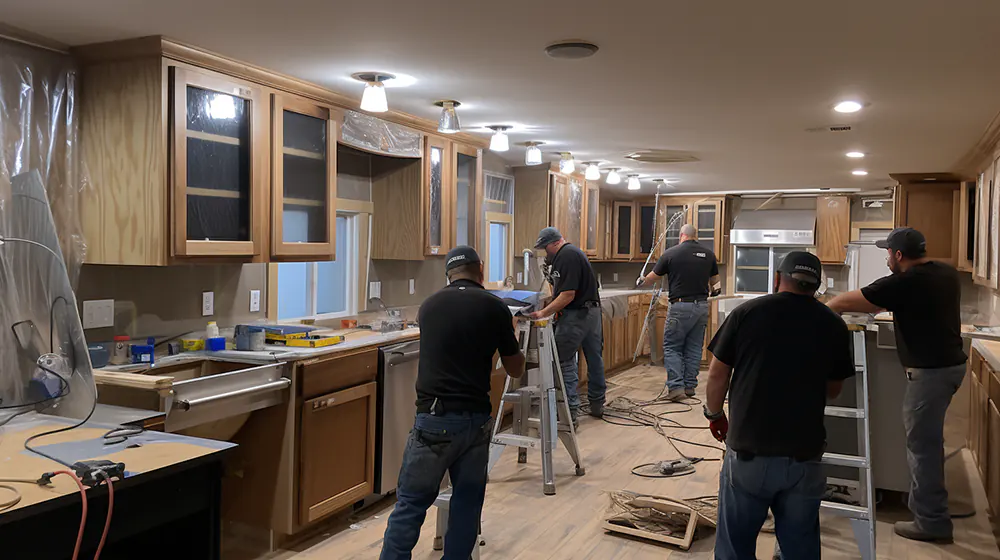
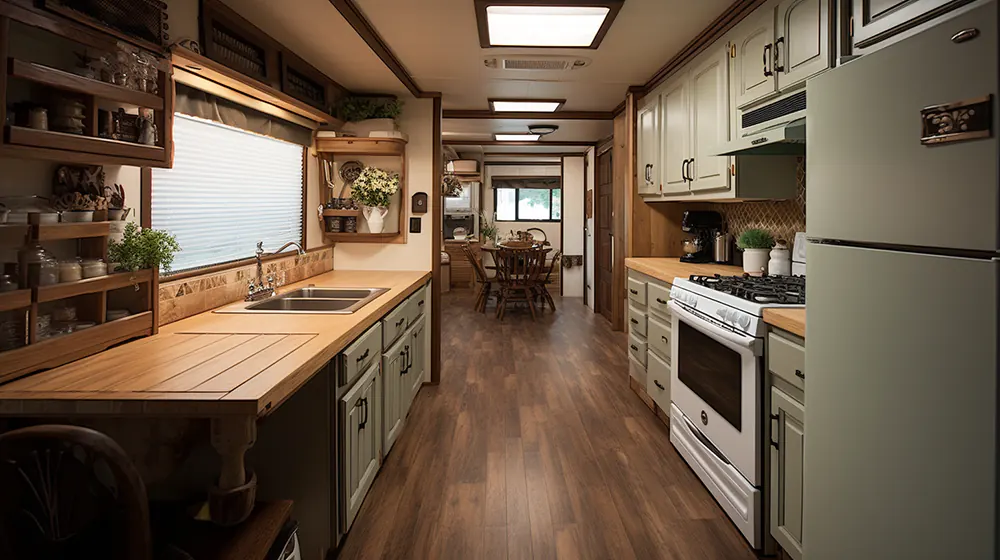
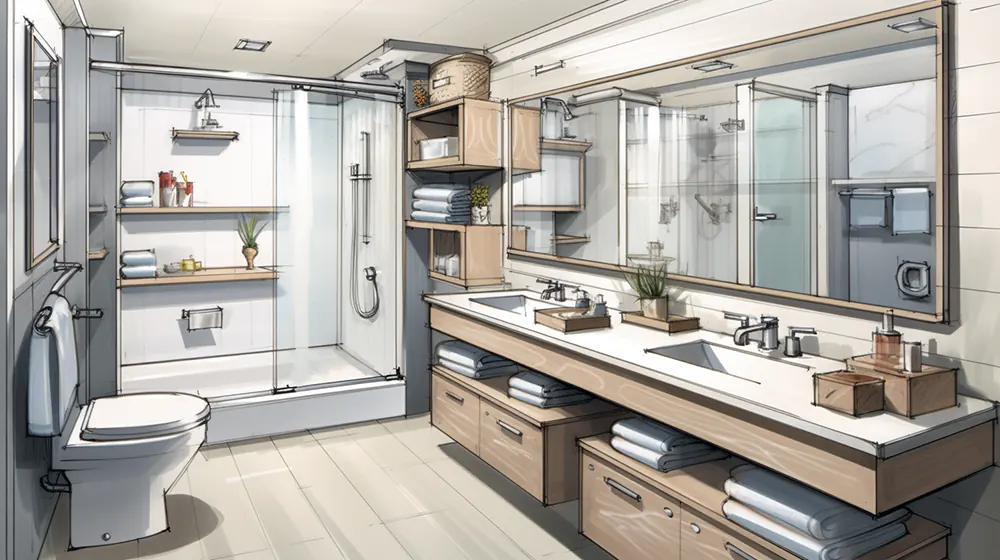
Admin, Author At America's Advantage Remodeling - Page 14 Of 16

Посты автора admin

admin

admin

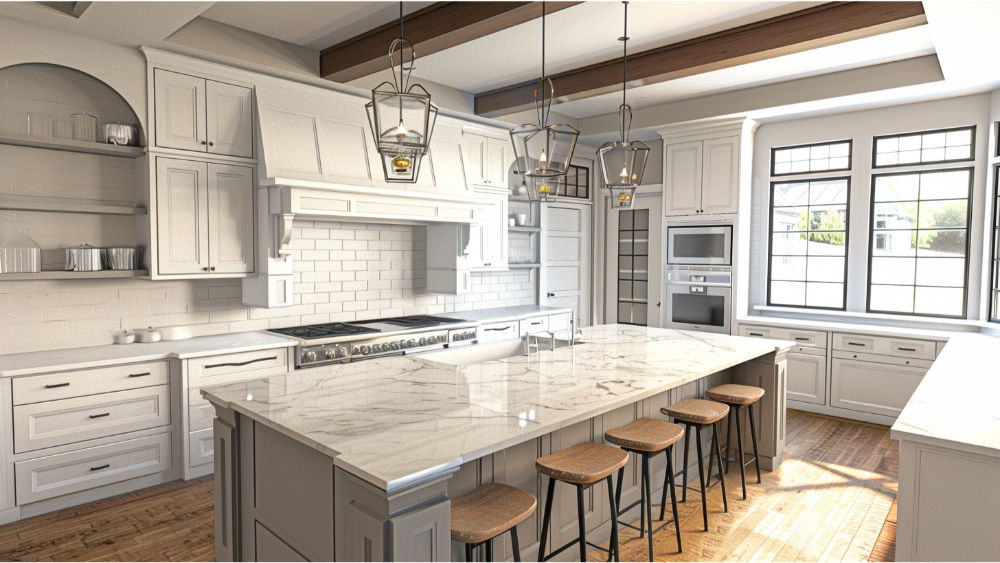
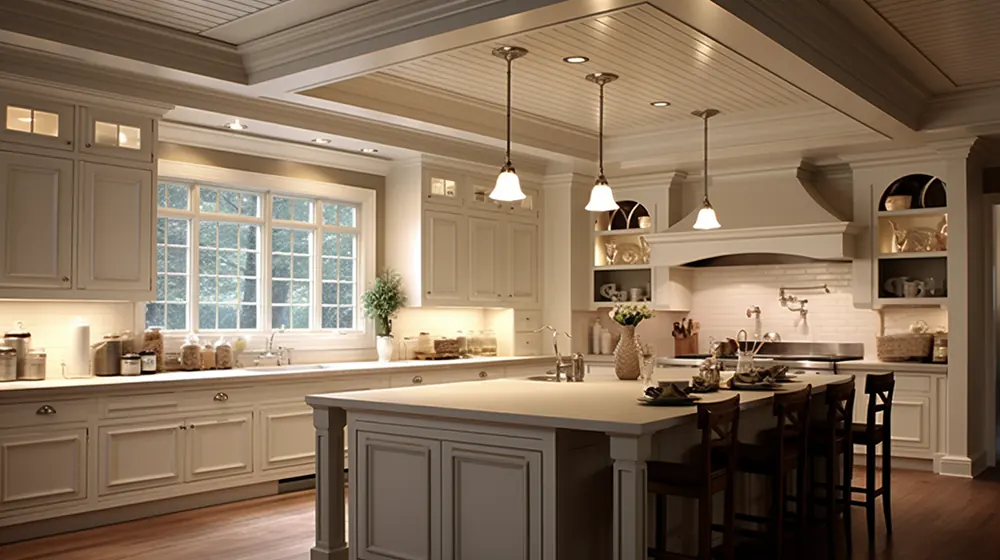
Elegant Open Concept Kitchen Island with Columns Design Ideas
Опубликовано: April 27, 2024 в 7:16 pm

Автор:

Категории: All,Kitchen

Тэги: ,,,,

Are you looking to elevate your open-concept kitchen with an island that features columns? Understanding how to integrate columns into your “open concept kitchen island with columns” design is crucial for combining style and structural integrity. This guide cuts straight to the chase, providing practical advice on selecting the right columns that fuse with the open concept of your kitchen while maintaining an airy vibe. We’ll uncover the strategies for optimal placement, material selection, and how to ensure your open concept kitchen island with columns becomes a harmonious centerpiece in your home.

Key Takeaways

  • Integrating columns into a kitchen island design can provide both structural support and decorative appeal, but must be chosen and placed strategically to maintain the open concept flow and complement the kitchen’s style.
  • A kitchen island’s utility can be maximized by incorporating storage, dining areas, and prep zones, and by using different materials and features like built-in appliances or banquette seating to serve multiple functions.
  • Lighting is crucial in enhancing the kitchen island’s functionality and aesthetics, with options like pendant lights, chandeliers, and under-cabinet lighting creating a layered illumination that complements the overall kitchen design.

Integrating Columns into Your Kitchen Island Design
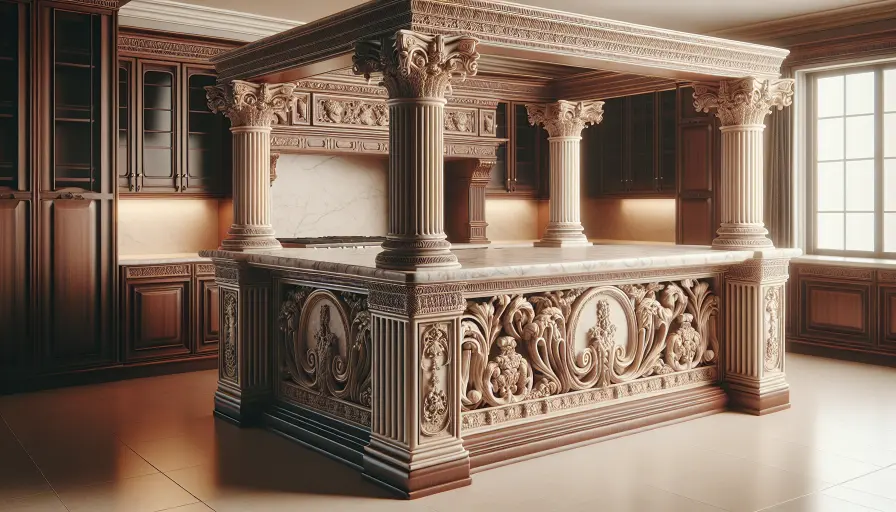
Incorporating columns into the design of your kitchen island is essentially making a bold architectural statement within your cooking space. These pillars can fulfill two critical functions by serving as both foundational supports for islands or countertops and infusing an ornamental flair into the overall layout. The key challenge is to guarantee that these columns offer both structural integrity and aesthetic value without hindering the seamless movement throughout the open-plan kitchen.

We’ll explore how to select appropriate columns, where best to position them, and which materials could add distinctive character to your kitchen island setup.

Choosing the Right Columns for Your Space

Choosing the right columns for your kitchen island involves striking a balance between form and function. These columns need to match the kitchen’s design, whether it embodies a classic or modern look. They should be versatile enough to accommodate different design tastes from contemporary to country styles, elevating the visual charm of your area.

There are an abundance of choices ranging from subtle under-counter reinforcements to imposing structures that connect the counter with the ceiling – all broadening your creative scope when designing this space. The essential factor is selecting a column style that aligns with your unique taste while integrating flawlessly into the existing décor of your kitchen.

Strategic Placement for Functionality and Flow

Ensuring columns are properly positioned is crucial for preserving the functionality and flow of your kitchen. They should complement the open concept design by improving, rather than interrupting, the space’s utility. By arranging seating strategically around these structural elements, you can enhance the kitchen’s practicality without compromising its expansive feel.

Strategically situating columns at corners or along edges—or even extending them from floor to ceiling—can seamlessly integrate them into an open-concept layout. It may also be advantageous to consider eliminating a column in the kitchen to unlock fresh design possibilities and amplify the sense of openness within that space.

Material Matters: From Wood to Marble

Selecting materials for the columns of your kitchen island can significantly influence the overall design look of your kitchen. If you opt for ‘Barely Twisted’ style custom wood columns, they not only provide support to marble countertops, but also contribute aesthetically to the space. Woods such as Maple or Cherry may be used in crafting these island supports and finished according to match with the theme of your kitchen’s design, offering a warm and organic touch particularly suited for kitchens with a rustic or traditional vibe through wood grain interior films.

For those seeking an opulent look without excessive expense, applying marble film onto column surfaces is an economical way to achieve this luxury when combined with marble countertops and backsplashes. On another note, using concrete for your kitchen island columns could introduce a unique rustic appeal that stands out against other elements within the space.

Maximizing Kitchen Island Utility in Open Concept Designs
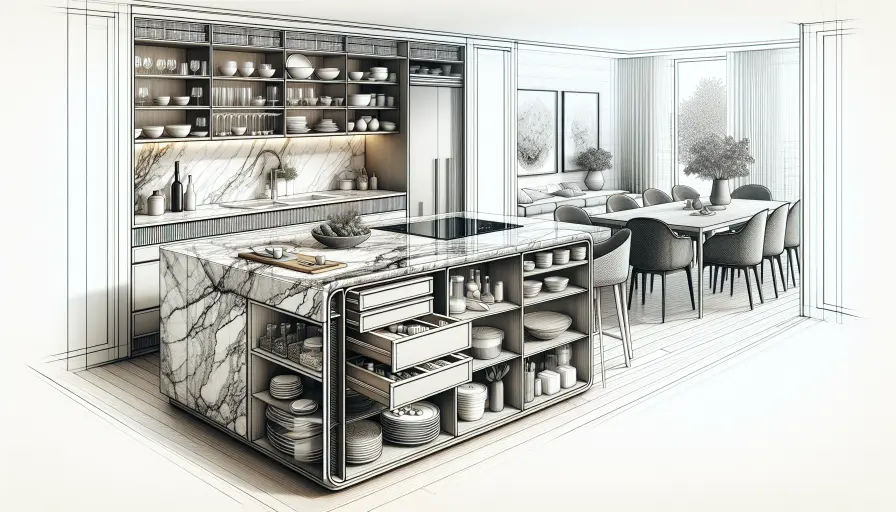
Kitchen islands serve multiple purposes beyond being a mere counter situated at the heart of your kitchen. They act as a central gathering place, an area for food preparation, a spot for dining, and provide additional storage opportunities. The key to selecting the perfect island for your kitchen lies in considering its size, form, features, design aesthetic, and construction materials so that it augments and elevates the overall ambiance of your current kitchen space.

In our discussion here we will explore how to fully exploit the functionality of your kitchen island by incorporating elements such as storage facilities into its design along with areas dedicated to dining and sections allocated specifically for preparing meals and hosting gatherings.

Storage Solutions That Add Visual Interest

Smartly incorporating storage solutions into your kitchen island design is a clever way to make the most of the available space and enhance its aesthetic. Consider these savvy ideas for stashing away essentials.

  • Opting for in-built drawers and cabinets can organize items you use often while keeping them out of view.
  • Installing adjustable shelves accommodates various item sizes, making it versatile.
  • Utilize open shelving for displaying decorative pieces like pottery or baskets.
  • Reserve specific shelves on which to showcase prized kitchenware.
  • Employ fashionable bins or baskets to maintain an orderly environment.

By integrating elements such as a paper towel holder built directly into the island or adding a bookshelf, you ensure valuable counter space remains uncluttered and cookbooks are within easy reach. To bring about visual unity throughout your cooking area, opt for glass-front cabinetry paired with matching countertops materials across both the kitchen island and surrounding spaces, crafting an uninterrupted flow in design.

Incorporating Dining Room Elements

A kitchen island with a strategic design can merge the functions of both a kitchen and dining room effectively. It becomes an all-in-one space that allows for meal preparation, eating, and social interactions. By integrating a table into the island’s design, there is a fluid transition between cooking and dining activities.

Equipping the versatile kitchen island with amenities like a wine cooler or beverage fridge turns it into an ideal spot for concocting and serving beverages, doubling as a bar area. Incorporating banquette seating within the island provides additional comfort by offering an inviting breakfast nook that elevates the overall charm of your kitchen space.

Prep and Entertaining Zones

Transform your kitchen island into more than just a quick bite spot with these enhancements:

  • Allocate specific zones on the island for chopping and mixing ingredients, enhancing the effectiveness of your cooking process.
  • Incorporate a retractable shelf suitable for a stand mixer or install an in-built spice rack to establish an exclusive area tailored for pastry-making activities.
  • To increase culinary capacity and simplify the preparation of various recipes simultaneously, consider embedding an induction cooktop within the space of your kitchen island.

The island can also become a central hub for engaging company – it’s essential to integrate elements that support both amusement and conversation. By incorporating facilities like wine storage or coolers directly into your kitchen island design, you effectively manage beverage presentation while bringing sophistication. This promotes congenial gatherings centered around the versatile feature that is your kitchen island.

The Art of Coordinating Kitchen Island with Cabinetry
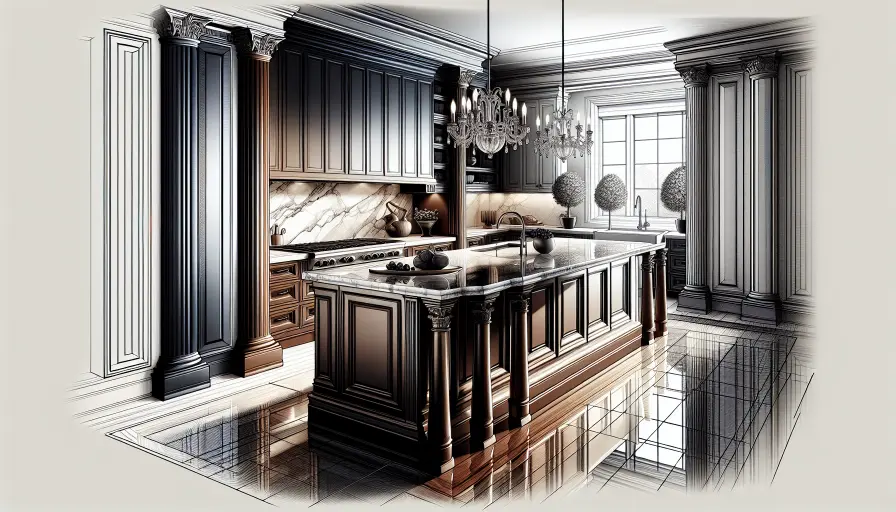
Every component in a finely crafted kitchen operates in concert, contributing to an overall sense of cohesion. This includes ensuring that the kitchen island is in sync with adjacent cabinets and columns. Our guide will assist you in establishing this equilibrium by advising on choices such as matching hardware, incorporating glass-front cabinetry, and choosing color palettes and finishes that complement each other within your kitchen space.

Cabinet Styles that Complement Column Designs

Your kitchen’s overall appearance is greatly influenced by the style of your cabinets. Incorporating columns along with Shaker-style cabinets, for example, and selecting aged brass hardware to match can contribute a refined element of cohesion and sophistication to your kitchen’s design.

It’s essential to select cabinet styles that complement the column architecture while also fitting seamlessly into your kitchen’s overarching theme.

Color Schemes and Finishes

Achieving a harmonious look in your kitchen hinges on the right selection of color palettes and finishes. To integrate columns seamlessly with the kitchen’s design, you might opt to paint them so they either complement or contrast sharply with the surrounding hues. Employing a soft gray shade for both kitchen islands and backsplashes can establish a subdued backdrop, enabling more pronounced colors applied to cabinets and columns to coalesce effortlessly.

In cases where striking visual impact is desired, vibrant tones can be used effectively. For example, pairing eye-catching blaze-orange cabinetry with an island bathed in warm gray alongside darker wood columns creates an ensemble that radiates both warmth and sophistication while maintaining aesthetic coherence throughout the space.

Lighting Strategies to Highlight Your Open Concept Kitchen Island
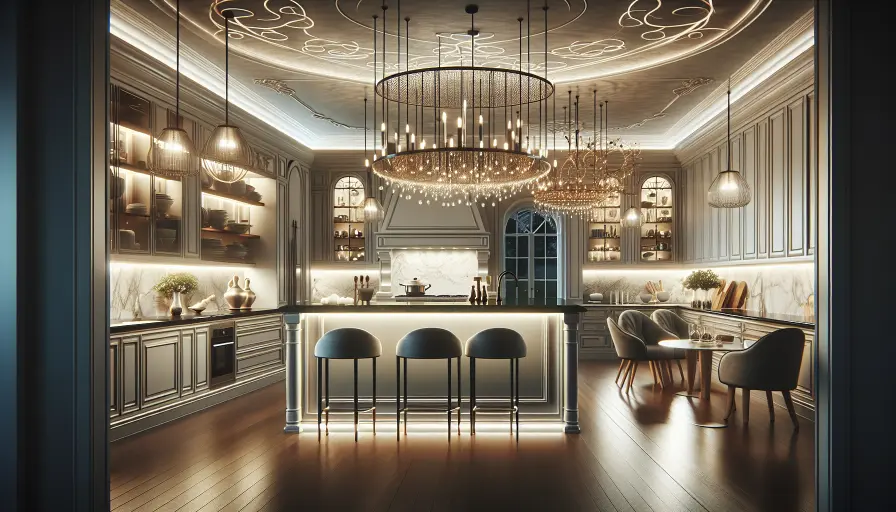
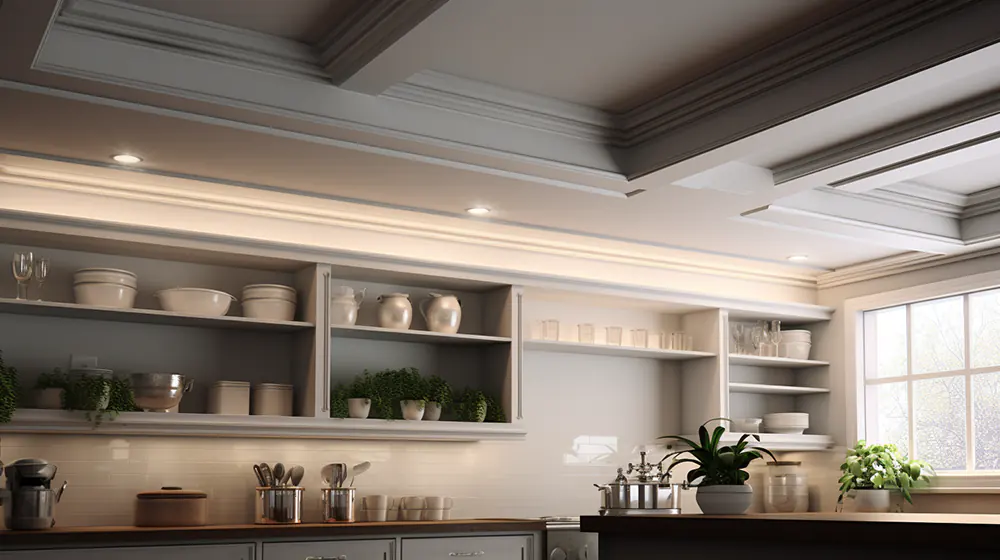
Illumination is the secret component that can significantly enhance the charm of your kitchen island. An elaborate lighting scheme for your kitchen typically involves amalgamating various forms of illumination to establish a space that is both brightly lit and visually appealing. Whether through pendant lights, chandeliers, or under-cabinet lighting, we’ll explore a variety of lighting strategies designed to highlight your island within an open concept kitchen and elevate the overall beauty of your culinary space.

Pendant Lights and Chandeliers

Hanging pendant lights or chandeliers above the kitchen island can act as primary sources of light, brightening up the entire surface while enhancing the design scheme of your kitchen. These fixtures not only fulfill a functional need for task lighting, but also contribute to creating a welcoming ambiance around the island.

In spaces where the kitchen islands are expansive and ceilings are lofty, selecting large-scale pendant lights or chandeliers can emphasize this central area in your kitchen with an impressive decorative impact.

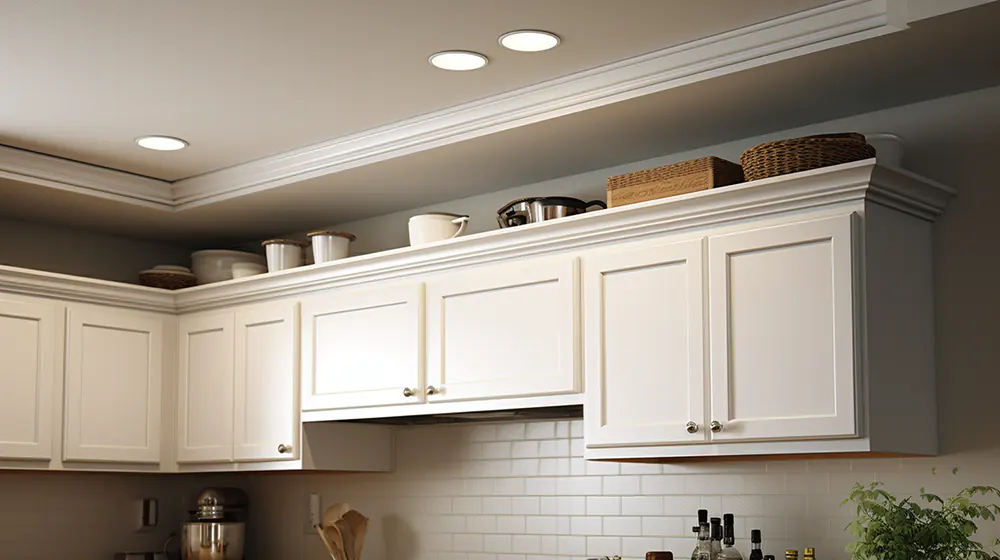
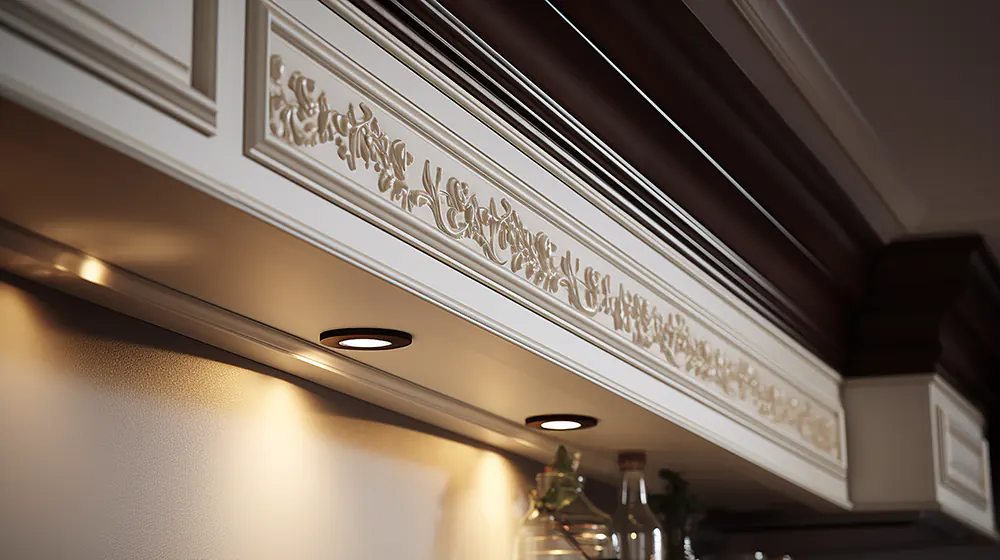
Under-Cabinet and Counter Lighting

Enhancing both the practicality and visual appeal of your kitchen can be achieved through carefully selected under-cabinet and counter lighting. The top choices for this purpose include:

  • LED lights, known for their energy efficiency and durability
  • Fluorescent lights, which deliver consistent bright light
  • Xenon lights that provide a cozy, natural glow

Each type offers distinct benefits, allowing you to tailor your choice according to what aligns with your requirements. Notably, this kind of subtle illumination brings out the magnificence in marble countertops and backsplashes while contributing layers to the overall design scheme.

By thoughtfully positioning these under-cabinet lights, one can amplify not just the attractiveness but also increase workability within the space by boosting visibility thus ensuring greater safety during food preparation activities.

Personalizing Your Island: Decorating and Painting Tips

Creating a kitchen that reflects your individual taste goes beyond just choosing the right appliances and cabinetry. It also involves infusing your personality into the space by adorning and painting your kitchen island in ways that add distinctive charm.

In this segment, we will offer guidance on decorating and painting applications to assist you in elevating your kitchen island into an exceptional centerpiece that captures the essence of who you are and what you love.

Selecting Decor that Reflects Your Style

Personalizing your kitchen island by choosing decorations that mirror your unique style is crucial. Adorning kitchen islands with potted herbs not only enhances the aesthetic but also serves a functional purpose in cooking. Incorporating vintage items can lend a distinctive, inventive flair to the area.

To craft an engaging focal point for your island within the space involves:

  • Combining various forms, textures, and elevations to create equilibrium
  • Selecting decorative elements that align with your individual taste
  • Ensuring consistency with the existing decor of your kitchen.

Painting Techniques for Columns and Islands

Selecting the right hue and applying a unique painting method can significantly alter the appearance of your kitchen’s island and columns. An example from an upscale Manhattan kitchen demonstrates this well. There, the island received a coat of olive paint, illustrating that opting for an unconventional color can enhance the overall design of the space.

It is essential to try out various shades and painting approaches that resonate with your personal taste while complementing your kitchen’s existing style. The goal is to find a perfect match that contributes to creating a cohesive look throughout your cooking area.

Planning and Execution: Navigating Your Kitchen Remodel

Undertaking a kitchen remodel is no small feat, yet with precise objectives, financial planning, and expert advice in hand, the journey can become significantly more manageable and ultimately satisfying.

The upcoming segment will provide essential tips for organizing and carrying out your kitchen renovation effectively, ensuring an outcome that is both functional and aesthetically pleasing.

Working with Professionals

Seeking advice from an expert in kitchen design can prevent expensive errors, thereby maintaining the budget and ensuring that the renovation is completed promptly.

To hire experts for a kitchen remodel at your house, you should:

  • Investigate their past experience
  • Look through feedback from previous clients
  • Check their professional qualifications
  • Obtain various estimates to contrast

Doing this will assist you in finding skilled individuals who are capable of delivering high-quality work while adhering to your financial plan.

Timeline and Budget Considerations

It is crucial to evaluate the typical costs associated with remodeling in your vicinity and establish a budget ceiling to prevent financial difficulties and guarantee that the project is finished. It’s vital to create an additional contingency fund, usually 15-20% of your overall budget, which will address unforeseen expenditures that arise throughout the renovation process.

Inspirational Real-Life Examples

Gleaning ideas from actual examples can ignite creativity and assist in picturing potential outcomes for your kitchen renovation. This section will showcase an assortment of real-world instances displaying kitchen islands with columns, revealing numerous stylistic adaptations along with comparative before-and-after transformations.

These case studies underscore the versatility of open concept kitchens featuring islands and columns, encouraging homeowners to consider how they might similarly revitalize their own kitchens.

Before and After Transformations

Photos taken before and after renovations can dramatically illustrate the potential of updating a kitchen space. A prime example is an ordinary carpenter’s table being reimagined into an elegant, stone-topped island in a chef’s apartment located in Mexico City. This transformation underscores the significant improvement that can be achieved with thoughtful upgrades such as sophisticated materials and freshly painted surfaces, particularly on something as central to the kitchen’s functionality as an island.

Diverse Style Interpretations

Kitchen islands can incorporate columns in a way that complements and enhances the kitchen’s design, seamlessly merging aesthetics with practicality. The columns can be creatively used within the island’s structure by including options such as:

  • Providing spaces for seating arrangements
  • Creating cozy family nooks
  • Incorporating additional shelves or storage compartments
  • Fitting lighting solutions or ornamental features

Such inventive uses of columns within kitchen islands enhance both their utility and charm.

The multitude of designs showcasing the combination of kitchen islands with columns is evidence to how boundless creativity can be when it comes to integrating these elements into your space. These implementations demonstrate an infinite array of possibilities offered by incorporating structural column features in various interpretations suited for any kitchen theme.

Summary

In the process of planning and executing a kitchen remodel, we’ve examined multiple dimensions of incorporating columns into your kitchen island design—aligning them with cabinetry for cohesion and enhancing functionality while tailoring decor and painting styles to infuse individuality. We’ve underscored the value of seeking professional advice during these projects. Drawing on real-world examples has shown us the transformative power that kitchen islands with columns hold, seamlessly blending practical use with visual appeal. Keep in mind as you progress through your own remodel journey: meticulous attention to detail is crucial. An effectively designed and implemented project will not only create a functional space within your kitchen, but also manifest an environment that resonates uniquely with your personal taste.

Frequently Asked Questions

What role do columns play in kitchen island designs?

Columns in kitchen island designs serve dual purposes – they act as structural supports for islands or countertops and add decorative elements to the design. They play a crucial role in both support and aesthetics.

How can I maximize the utility of my kitchen island?

In order to enhance the effectiveness of your kitchen island, it’s advisable to integrate elements such as storage options, features suitable for a dining room and areas designated for food preparation and socializing. This approach can significantly improve the efficiency of this central space within your kitchen.

How can I coordinate my kitchen island with cabinetry?

Ensure your kitchen island and cabinetry present a unified appearance by aligning the hardware, incorporating glass-front cabinets into the design, and selecting complementary colors and finishes.

Doing so will promote consistency throughout your kitchen’s aesthetic.

How can I personalize my kitchen island?

Enhance the charm of your kitchen by adorning your island with unique decor and employing various painting styles that mirror your personal taste, infusing personality into this central space.

How can I plan and execute my kitchen remodel effectively?

When undertaking a kitchen remodel, it’s essential to establish precise objectives and align them with your financial plan while seeking the advice of expert kitchen designers.

Doing so will guarantee that your kitchen renovation project is completed successfully.

Is Smart Home Remodeling Worth It for the Kitchen?

Опубликовано: April 26, 2024 в 8:34 pm

Автор:

Категории: Kitchen

Тэги: ,,,,,,

Smart homes are gaining popularity due to the advancement in technology and the increasing need for convenience and efficiency in our daily lives. With various devices and systems available, it is now possible to control and automate different aspects of a home such as lighting, temperature, security, entertainment, and more. This has led many homeowners to consider upgrading their homes into smart homes through remodeling.

But is smart home remodeling in a kitchen remodel worth it? In this article, we will discuss the benefits and considerations of smart home remodeling to help you make an informed decision.

Benefits of Smart Home Remodeling

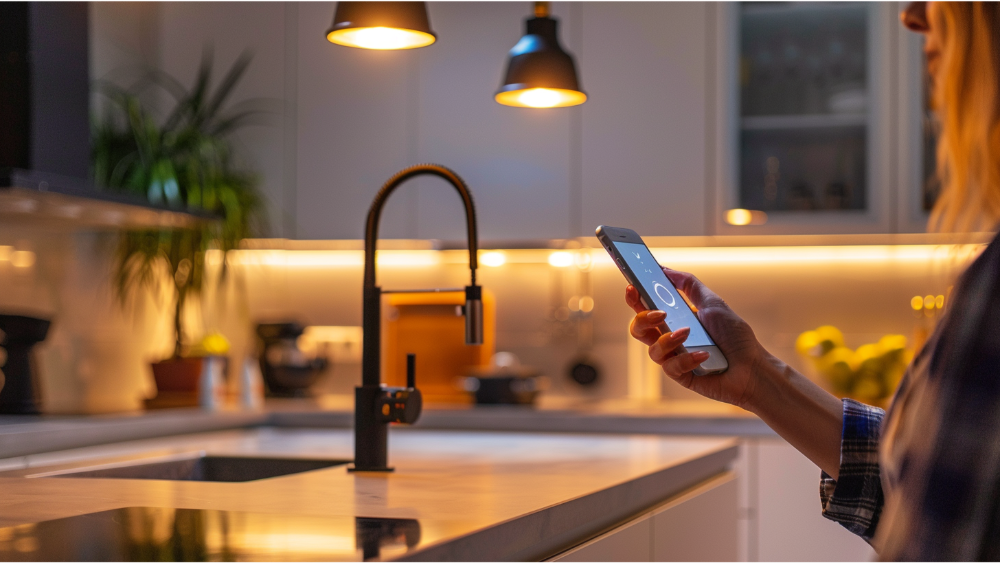
A smart device in the kitchen

Enhanced Comfort and Convenience

One of the primary benefits of smart home remodeling is the significant increase in comfort and convenience. With voice-activated devices and remote control through smartphones, you can easily adjust settings in your home to suit your needs without physically interacting with the devices. For example, think of smart blinds or light fixtures.

Improved Energy Efficiency

Smart thermostats such as Google Nest and smart lighting can help reduce your home’s energy consumption, leading to lower utility bills. These devices learn your habits and adjust the heating, cooling, and lighting accordingly to ensure optimal energy use. Smart technology paired with solar panel roof installation can greatly improve energy efficiency if you are in the market for a new roof.

Increased Security

Smart security camera in the kitchen

Smart security cameras provide real-time monitoring of your home, offering peace of mind whether you’re inside your home or away. You can receive alerts on your phone about any suspicious activity and even control the locks remotely.

Enhanced Entertainment Experience

Smart home remodeling can transform your living area into an entertainment hub with smart TVs, speakers, and streaming devices that can be controlled through one centralized smart home system, providing a seamless and enhanced viewing and listening experience.

Higher Home Value

Upgrading to a smart home can increase the value of your property. Many homebuyers are now looking for properties with smart home tech installed, making it a desirable feature that can boost your home’s marketability.

Better Management of Household Tasks

Smart appliances, such as refrigerators, washing machines, and ovens, can make household management easier by allowing you to control and monitor them remotely. This not only saves time but also contributes to a more organized home environment.

Considerations Before Remodeling

A man installing smart light bulbs in the kitchen

Cost of Installation and Maintenance

Before jumping into smart home remodeling, it’s essential to consider the upfront costs associated with purchasing and installing smart devices and systems. While the investment might seem substantial, it’s worth evaluating the long-term savings in energy bills and the potential increase in property value. Additionally, potential maintenance and updates for the devices should be factored into the budget to ensure their longevity and performance.

Compatibility and Integration

A crucial aspect of smart home remodeling is ensuring that all your smart devices and systems are compatible with each other. It’s important to choose devices that can easily integrate, allowing for seamless operation. Researching platforms that can consolidate control of all your devices into one interface, such as a smartphone app or a central hub, can significantly enhance user experience.

Privacy and Security Risks

While smart home devices offer enhanced security features, they also raise concerns about privacy and data security. It’s vital to understand the data collection and storage practices of the devices you are installing. Opting for devices from reputable manufacturers with strong security protocols can mitigate risks. Additionally, regular updates and strong passwords are essential to protect your smart home from cyber threats.

A lady learning how to use her smart kitchen devices

The Learning Curve

Adapting to a smart home setup may come with a learning curve, especially for those who are not tech-savvy. It’s important to consider the ease of use of the devices you choose and whether you and your household members will be comfortable adjusting to a more technologically advanced living environment.

Long-Term Flexibility

Technology evolves rapidly, and so do smart home device standards and protocols. When remodeling your home into a smart home, consider selecting devices and systems that offer long-term flexibility in terms of smart home upgrades and compatibility with future devices. This foresight can prevent the need for costly replacements down the line as new technologies emerge.

By carefully considering these factors, homeowners can make informed decisions about smart home remodeling that align with their needs, budget, and lifestyle, ensuring they reap the full benefits of their investment.

Smart Appliances In The Kitchen

Smart home devices in a kitchen

Smart home remodeling doesn’t just involve installing devices and systems, but also upgrading appliances to their smart counterparts. The kitchen remodel is a significant area where smart appliances can enhance efficiency and convenience.

Smart refrigerators with built-in cameras allow you to check the contents of your fridge from anywhere using an app on your phone. You can also create shopping lists and track expiration dates through the refrigerator’s touch screen. Smart ovens can be controlled remotely, allowing you to preheat or adjust cooking settings while on the go.

Smart dishwashers and washing machines can also make household chores more manageable, with features such as delayed start, remote monitoring, and alerts when a cycle is complete.

In conclusion, smart home remodeling offers numerous benefits that enhance comfort, convenience, energy efficiency, security, and entertainment. It’s essential to carefully consider factors such as cost, compatibility, privacy and security risks, learning curve, and long-term flexibility before embarking on a smart home renovation project.

Transform Your Kitchen Into A Smart Kitchen

A lady talking to a smart home device in the kitchen

America’s Advantage Remodeling stands at the forefront of transforming traditional homes into futuristic smart homes. With years of industry experience, our team specializes in seamlessly integrating state-of-the-art smart technology into your living spaces, tailoring solutions to fit your specific needs and lifestyle.

From energy-efficient smart lighting systems to advanced security configurations and smart appliances, America’s Advantage Remodeling can make your dream of living in a smart home a reality. We can even deal with your insurance company to ensure you get the largest settlement put toward your home repairs. Elevate the comfort, convenience, and security of your home by contacting us today by phone or through our website. Take the first step towards a smarter living experience by scheduling a free consultation with our experts. Discover how to make your home smarter with America’s Advantage Remodeling today!

Frequently Asked Smart Home Remodeling Questions

A smart speaker in the kitchen

What Exactly is a Smart Home?

A smart home refers to a residence equipped with devices that automate tasks traditionally performed by humans. These devices are interconnected through the internet, allowing them to communicate with one another and be managed remotely via smartphones, tablets, or a central system. This integration contributes to enhanced living comfort, greater energy efficiency, and heightened security. Examples include smart thermostats that adjust the temperature based on your habits, smart locks that can be controlled from anywhere, and smart lights that change intensity or color to match the time of day or your mood.

How Do Smart Homes Save Energy?

Smart homes contribute to energy savings through intelligent automation and efficient management of resources. Devices like smart thermostats and smart lighting adjust themselves based on real-time usage data and environmental conditions, ensuring that energy consumption is optimized. For instance, a smart thermostat can learn your schedule and temperature preferences, adjusting the heating or cooling to operate only when necessary. Similarly, smart lights can turn off automatically when a room is not in use, while smart plugs can cut power to devices in standby mode, further reducing unnecessary energy consumption.

Can Smart Devices Enhance Home Security?

Absolutely. Smart home technology plays a significant role in enhancing home security. Devices such as smart locks, security cameras, and motion sensors can be monitored and controlled remotely, providing real-time alerts and video footage of your home’s security status. For example, smart locks allow for keyless entry and can send notifications whenever the door is unlocked, while security cameras offer live streaming and recording capabilities that can be accessed from anywhere, increasing the safety and security of your home and giving you peace of mind.

What Are the Privacy Concerns with Smart Homes?

While smart homes offer convenience and efficiency, they also raise legitimate privacy concerns. These devices collect vast amounts of personal data, including daily routines, voice commands, and in some cases, video recordings. This data can be vulnerable to hacking or misuse if not properly secured. Therefore, it’s important to invest in smart devices from reputable brands with strong privacy policies, ensure your home network is secure, and regularly update your devices’ firmware to protect against vulnerabilities, thereby safeguarding your data.

How Can I Ensure My Smart Devices Remain Compatible Over Time?

To ensure long-term compatibility, invest in devices that adhere to established, widely supported communication standards such as Wi-Fi, Zigbee, or Z-Wave. Additionally, consider choosing products from companies that are known for updating their devices and are committed to interoperability. Many smart home devices also now offer cloud-based services that can receive updates and new features, extending the lifespan and relevance of the technology in your home without the need for constant hardware upgrades.

Why Should I Consider Upgrading to a Smart Home?

Upgrading to a smart home presents numerous benefits, from enhanced comfort and convenience to improved energy efficiency and security. Smart homes adapt to your lifestyle, learning from your habits and preferences to automate daily tasks like adjusting the thermostat, turning off lights, or monitoring security cameras. This not only makes your life easier but can also lead to substantial savings on energy bills over time. Furthermore, the ability to control and monitor your home remotely offers a new level of peace of mind, knowing that you can keep an eye on things no matter where you are. Coupled with the potential for increased property value, the advantages of upgrading to a smart home are compelling for today’s homeowners.

Conclusion

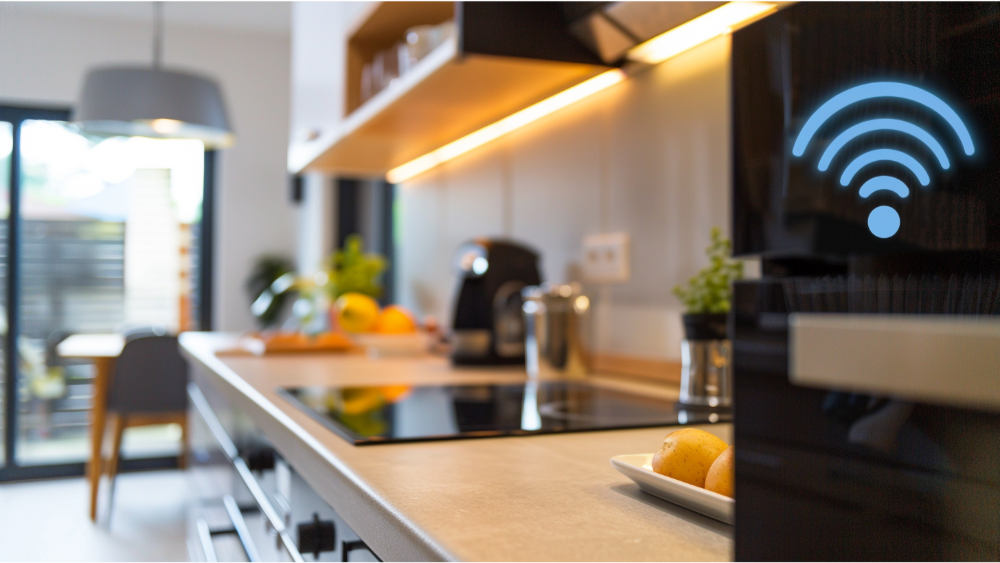
A wireless smart device in the kitchen

In conclusion, transitioning into a smart home is not just about keeping up with technology—it’s about enhancing the way you live. From savings on energy bills to improved security and convenience, the benefits are clear. Don’t miss the opportunity to transform your living experience.

Contact America’s Advantage Remodeling today to discover tailored smart home solutions that fit your lifestyle. Ready to make your home smarter and your life easier? Reach out to us through our website or give us a call to schedule your free consultation!

How to Finance a Kitchen Remodel

Опубликовано: April 20, 2024 в 10:28 pm

Автор:

Категории: Kitchen

Тэги: ,,,,

The cost of a kitchen remodel can be substantial, leaving many homeowners wondering how they can afford it. Fortunately, there are various financing options available that cater to different budgets and financial situations.

From tapping into home equity loans, and or exploring personal loans, to utilizing credit cards for smaller upgrades, we’ll guide you through the most effective ways to finance your dream kitchen remodel. Stay tuned as we dive deeper into each of the different kitchen remodel loans, helping you make an informed decision that suits your financial landscape.

Kitchen Remodeling in Sacramento

Figure Out Your Budget for Your Kitchen Remodel

A woman writing her budget in the kitchen

Determining your budget for a kitchen remodel is the first step that helps you understand precisely how much money you need to finance and guides your spending decisions effectively. By establishing a clear budget, you can assess your financial capacity and decide on the scale of your kitchen renovation.

This process not only prevents overspending but also allows you to allocate resources wisely among various aspects of the remodel, such as materials, labor, and unexpected expenses. Furthermore, with a budget in place, you can explore financing options more confidently, knowing exactly how much you need to borrow or withdraw from savings, ensuring that your kitchen remodel is both feasible and financially responsible.

How do I budget for a kitchen remodel?

A man figuring out his budget in the kitchen

Budgeting for a kitchen remodel appropriately requires a detailed and strategic approach to ensure that all aspects of the project are financially covered without causing any unneeded stress.

First Step

The first step is to itemize every component of the remodel, from cabinetry and appliances to labor costs and permits. Then, research the average costs or find accurate costs for these items and services in your area to establish a realistic estimate. It’s critical to add a contingency fund, ideally 10-20% of the overall budget, to address unforeseen costs or emergencies. It is highly recommended to plan out a kitchen remodel checklist so that you do not forget any specific details when looking at pricing.

Prioritize this and How to

Comparing your projected costs against your current financial resources will highlight the necessity for financing or saving strategies. Lastly, prioritize the renovation features based on your needs and desires, focusing expenditure on aspects that add the most value to your home and your enjoyment of the kitchen.

We recommend using a Google spreadsheet to organize the items and labor costs. You can also CONTACT America’s Advantage Remodeling to find a more accurate price for your kitchen remodel or any home improvement projects.

Different Financing Options for a Kitchen Remodel

Whether you’re planning a minor update or a complete overhaul, understanding the financial tools available can significantly influence your project’s scope and success. From traditional personal loans to more innovative financing methods, each option comes with its own set of benefits and considerations. We will walk you through the different loan options and loan funds to secure the finances needed for your remodeling project, including home equity loans, personal loans, credit cards, and other financial strategies.

1 | Personal Loans

A person getting a personal loan

Personal loans, also known as unsecured loans, stand out as a versatile financing option for your kitchen remodel. Unsecured personal loans don’t require collateral or pulling money from your savings account, making them accessible to a wide range of homeowners. You as the homeowner receive a lump sum of money that you will pay back in monthly payments.

Personal loan rates can vary widely based on your credit history, income, and debt-to-income ratio, so it’s important to talk to different lenders to secure the best rate. Most of the time these personal loans will come with an origination fee that can be quite costly. Origination fees are percentages that go directly to the lender and can be up to 8% of the principal amount.

How to Apply for a Personal Loan for Your Kitchen Remodel

  1. Evaluate Your Credit Score: Before applying, check your credit score to understand the interest rates you might qualify for. A higher credit score means lower interest rates. The minimum credit score requirement changes with each lender but having a good to excellent credit score is the best (690 – 850).
  2. Calculate How Much You Need: Based on your kitchen remodel budget, determine the loan amount. Remember to include a buffer for unforeseen expenses.
  3. Talk to Lenders: Look at various lenders including banks, credit unions, and online lenders to find the best rates and terms. Consider pre-qualification tools to compare offers without affecting your credit score.
  4. Gather Necessary Documentation: Prepare documents such as proof of income, identity verification, and employment information. Different lenders may require additional documents.
  5. Apply for the Loan: Submit your application either online or in person. Provide all the necessary documentation and information requested by the lender.
  6. Wait for Approval: Approval times can vary from a few minutes to several days depending on the lender. Once approved, read through the loan agreement carefully.
  7. Accept the Loan and Start Your Remodel: Upon accepting the terms, the funds will typically be deposited into your account within a few days. You can then begin funding your kitchen remodel.

Taking out a personal loan means committing to a fixed repayment schedule. Ensure the monthly payments fit comfortably in your budget to maintain financial health throughout your kitchen renovation project.

2 | Home Equity Loan

A home equity loan

Home equity loans, often termed as second mortgages, are a favored method for financing substantial home improvement projects like kitchen remodels. These loans allow homeowners to borrow against the equity they have built up in their homes. Essentially, the loan amount is based on the difference between the home’s current market value and the homeowner’s mortgage balance due. You typically see fixed interest rates come with home equity loans.

How to Apply for a Home Equity Loan for Your Kitchen Remodel

  1. Determine Your Available Equity: First, you need to calculate how much equity you have in your home. You can do this by subtracting the amount you owe on your mortgage from the current market value of your home. Most lenders require you to retain at least 15-20% equity in your home after borrowing.
  2. Check Your Credit Score: Your ability to get a home equity loan and a good interest rate will be influenced by your credit score. Make sure your credit rating is strong to access the most favorable terms.
  3. Assess Your Financial Situation: Lenders will evaluate your debt-to-income ratio (DTI) to determine your capability to repay the loan. It’s vital to ensure your financial health can accommodate the additional loan payment.
  4. Shop Around for the Best Rates: Different lenders offer varying interest rates and terms on home equity loans. Compare offers from multiple lenders, including banks, credit unions, and online platforms, to find the best deal.
  5. Prepare Your Documentation: Gather all necessary documents such as proof of income, tax returns, mortgage statements, home appraisal reports, and proof of homeowners insurance.
  6. Submit Your Loan Application: Apply with the lender of your choice, providing all the required documentation. The approval process can include a thorough review of your financial situation and an appraisal to confirm your home’s value.
  7. Close on Your Loan: Once approved, you’ll go through a closing process similar to that of your original mortgage. This process may involve paying closing costs. After closing, you’ll receive the funds as a lump sum, ready to be used for your kitchen renovation.

There are also a home equity line of credit that is similar but instead of receiving a lump sum of money at one time like a home equity loan, you can withdraw money until you reach a max amount from your loan proceeds.

Cash Out Refinance

Cash out refinance

Cash-out refinancing is another great option for homeowners looking to finance their kitchen remodel. This method involves refinancing your existing mortgage for a higher amount than you currently owe and then taking the difference in cash. This can be an attractive option for those who can secure a lower interest rate than their current mortgage, as it not only provides the funds for renovation but also can reduce overall mortgage costs.

How to Apply for a Cash-Out Refinance for Your Kitchen Remodel

  1. Assess Your Home’s Equity: First, determine how much equity you have in your home. You’ll need a significant amount of equity to qualify for a cash-out refinance—typically more than 20% after the refinance.
  2. Check Your Credit Score: Your credit score is a crucial factor in qualifying for a cash-out refinance and securing a favorable interest rate. Ensure your credit score is in good standing.
  3. Understand Your Loan-to-Value Ratio: Lenders will look at your loan-to-value (LTV) ratio to determine eligibility. This ratio compares the amount you want to borrow through refinancing to the current appraised value of your home.
  4. Compare Rates and Lenders: Interest rates can vary widely among different lenders. Shop around to find the best rate and terms for your cash-out refinance. Consider fees and closing costs in addition to the interest rate.
  5. Prepare Your Documentation: You will need to gather financial documents, including proof of income, bank statements, tax returns, and information on your current mortgage, among other documents that prove your financial stability.
  6. Apply: Once you’ve chosen a lender, complete the application process. This will typically involve a credit check and an appraisal to determine your home’s current market value.
  7. Close on the Refinance: After the lender approves your cash-out refinance, you’ll go through a closing process. This process will involve paying any closing costs, after which you’ll receive the difference between your old mortgage and new mortgage in cash, ready for use in your kitchen remodel.

Choosing a cash-out refinance can not only fund your kitchen upgrade but also potentially lower your interest rate and monthly mortgage payments, making it a strategic financial decision for some homeowners.

Credit Cards

Credit cards

Credit cards offer a flexible financing option for smaller home improvement projects, such as a minor kitchen remodel or minor home improvements. They are particularly useful for purchases that you can pay off quickly to avoid high interest rates. Many credit cards come with benefits like cash back, reward points, or 0% introductory APR periods, which can be advantageous if utilized correctly.

How to Apply for a Credit Card for Your Kitchen Remodel

  1. Assess Your Project Needs: Determine if your kitchen remodel falls within a range that you can responsibly finance with a credit card. This is best suited for projects that you can pay off before the end of any introductory APR period.
  2. Check Your Credit Score: Your credit score will significantly influence your eligibility for the best credit card offers, including those with rewards or 0% APR introductory periods. Ensure your score is in a good range to qualify for prime options.
  3. Research and Compare Credit Cards: Look for cards offering rewards on purchases or those with introductory 0% APR periods. Compare different cards based on their rewards, benefits, fees, and interest rates post any introductory period.
  4. Apply for the Credit Card: Once you’ve chosen a card that suits your needs, complete the application process. This will typically involve providing personal and financial information, and consent for a credit check.
  5. Plan Your Spending and Repayments: If approved, strategize your spending to maximize rewards and minimize interest payments. Plan to repay the balance before any introductory periods end to avoid high interest rates that can significantly add to your project’s cost.

Using credit cards can be a savvy way to finance smaller kitchen remodels, especially if you can take advantage of 0% APR periods or rewards.

Frequently Asked How to Finance a Kitchen Remodel Questions

A nice kitchen remodel

What is the best way to finance a kitchen?

For many homeowners, a Home Equity Loan or a Home Equity Line of Credit (HELOC) can be the most advantageous options. These methods allow you to borrow against the equity you’ve built up in your home, often at lower interest rates compared to personal loans or credit cards. They also offer potential tax deductions on interest payments. For substantial remodels that will significantly increase the value of your home, tapping into your home equity can be a great financial decision, provided you have a solid repayment plan in place.

Is $10,000 enough for a kitchen remodel?

$10,000 is sufficient for a kitchen remodel, focusing on cosmetic upgrades like painting, updating hardware, and replacing countertops or appliances. By prioritizing changes that have the most significant visual impact and choosing cost-effective materials, homeowners can achieve a refreshed and modern kitchen appearance within this budget with ease.

How do people afford kitchen renovations?

Many people can afford kitchen renovations by leveraging financial tools such as savings, home equity, personal loans, or financing programs offered by home improvement stores. Others may plan and save for years, setting aside a portion of their income specifically for home upgrades, or stage their renovations in phases to spread out the cost over time.

Conclusion

A lady in her kitchen

In conclusion, financing a kitchen remodel involves a comprehensive understanding of the various options available, from tapping into home equity for a significant renovation to using credit cards for smaller updates. Each kitchen remodel loan comes with its own set of benefits and considerations, such as interest rates, repayment terms, and potential impact on your financial future.

It’s crucial to assess your financial situation, project scope, and long-term goals to choose the financing option that best suits your needs. By carefully planning and selecting the right financing route, you can achieve the kitchen of your dreams without compromising your financial health.

America’s Advantage Remodeling is here to help you and make sure that you can afford the kitchen of your dreams!

6 Corner Cabinet Ideas For Your Kitchen

Опубликовано: April 13, 2024 в 3:51 pm

Автор:

Категории: Kitchen

Тэги: ,,,,,

Are you tired of the standard kitchen cabinets that are placed above your counters, offering little storage space and making your kitchen feel cluttered? If so, then it’s time to consider adding a corner cabinet to your kitchen.

Corner cabinets not only provide additional storage space but also make use of unused corner space in your kitchen, making it more functional and organized.

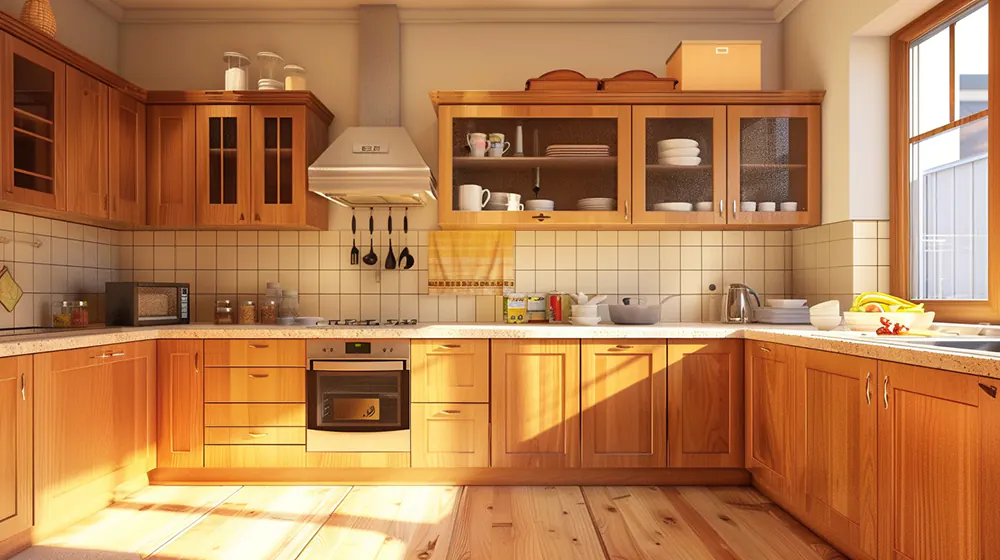
Kitchen remodeling done by America’s Advantage Remodeling

What Is a Corner Cabinet?

A corner cabinet is a type of cabinet specifically designed to fit into the corners of your kitchen. It can be either a free-standing unit or built-in as part of your kitchen design.

These cabinets come in various shapes and sizes, including L-shaped, diagonal, and curved designs, making them suitable for any kitchen layout. They also offer a variety of storage options, from open shelving to traditional doors and drawers.

Types of Corner Cabinets

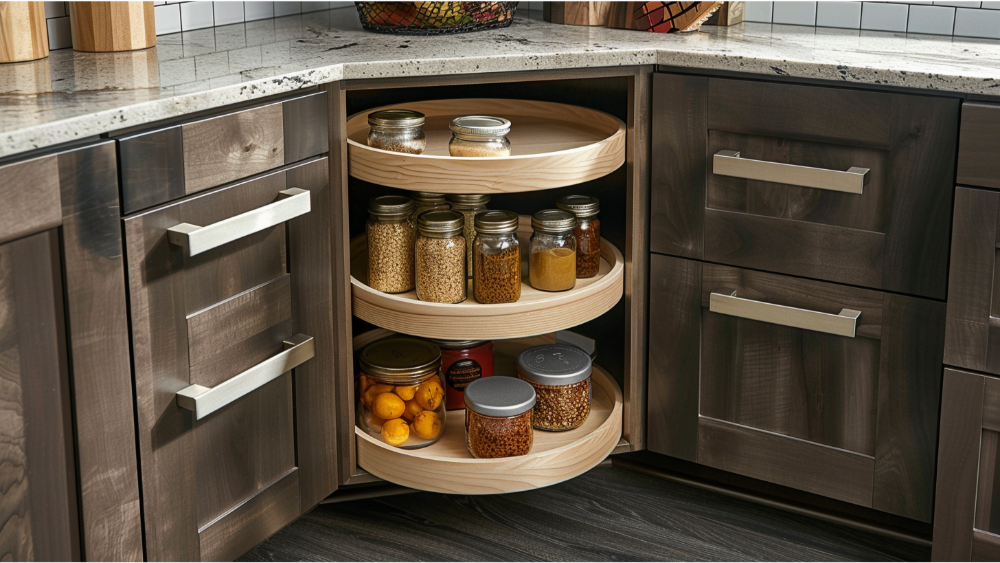
A corner cabinet that features a lazy susan

There are several types of cabinets to choose from, depending on your kitchen layout and personal style. Some popular options include:

  • Lazy Susan Cabinet: This type of cabinet features rotating corner shelves that allow for easy access to items in the back corners. There are many Lazy Susan ideas including those that fit inside the cabinet and are attached to the cabinet door.
  • Diagonal Cabinet: These cabinets have a unique shape that extends into the corner, providing extra storage space while still maintaining a sleek look.
  • Diagonal Drawer Cabinet: Similar to the diagonal cabinet, this option features pull-out drawers that maximize storage space in corner areas.
  • Angled Corner Cabinet: Similar to diagonal cabinets, these have a unique shape that extends into the corner, but with an angled front for a more contemporary look.
  • Pull-Out Corner Cabinet: These cabinets feature shelves or drawers that pull out from the corner, making it easy to access items without having to bend down or reach inside.
  • Curved Corner Cabinet: These cabinets have a rounded front that fits into the corner, providing both storage space and a unique design element.
  • Glass Front Cabinet: These cabinets add a touch of elegance to your kitchen by featuring glass doors, showcasing your dishes or decorative items.
  • Blind Corner Cabinet: These cabinets are a type of kitchen cabinet designed to maximize storage space in hard-to-reach corners. These cabinets are called “blind” because one side of the cabinet is inaccessible due to the corner angle.

Kitchen Corner Cabinet Ideas

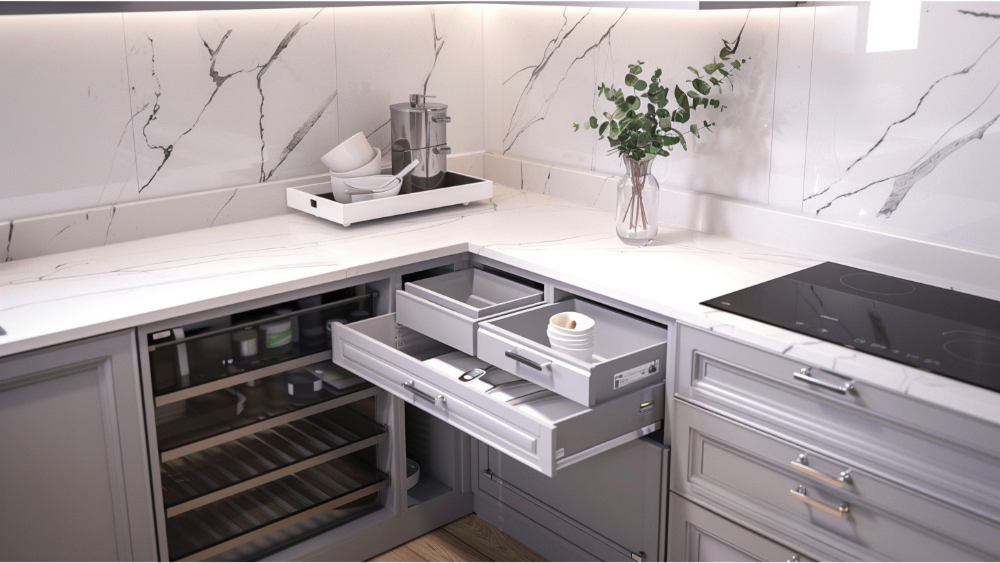
Cabinets on the corner of a kitchen

Aside from providing additional storage, a corner kitchen cabinet can also add a unique touch to your kitchen. Here are some corner kitchen cabinet ideas to inspire you:

Display Cabinet

A display cabinet uses glass to show off what you have inside your cabinets. You can enhance your kitchen with a stylish corner cabinet that beautifully showcases your collection of exquisite dishes, delicate glassware, and even your treasured cookbooks.

Appliance Garage

Maximize your valuable counter space by utilizing a convenient corner cabinet as an appliance garage. With a built-in electrical outlet, you can easily store and access your small kitchen appliances without clutter on display all over your kitchen countertop.

Wine Rack

Transform your corner cabinet into a captivating mini wine cellar. Create custom shelves and storage racks to perfectly accommodate and display your favorite bottles of wine, adding a touch of sophistication and elegance to your kitchen.

Corner Pantry

Make the most of your kitchen’s storage capacity by utilizing a versatile corner cabinet as a practical corner pantry. Store and organize your dry goods, canned items, and essential kitchen supplies, ensuring that everything is easily accessible and neatly arranged.

Blind Corner Cabinets

Some blind corner cabinet ideas can include pull-out drawers for maximum storage space and easy access to your pots, pans, and other large kitchen items.

With its innovative design, a blind corner cabinet optimizes every inch of your kitchen, utilizing those hard-to-reach corners efficiently giving you more corner space.

Swinging Pullouts

Swinging pullouts are an ingenious solution for corner cabinets, featuring hinged, pivoting pullout shelves that allow for easy access to the entire storage area.

These pullouts swing open like a door, bringing the contents within easy reach, which means no more awkward stretching or struggling to find items at the back of the cabinet.

Pros and Cons of Corner Cabinets

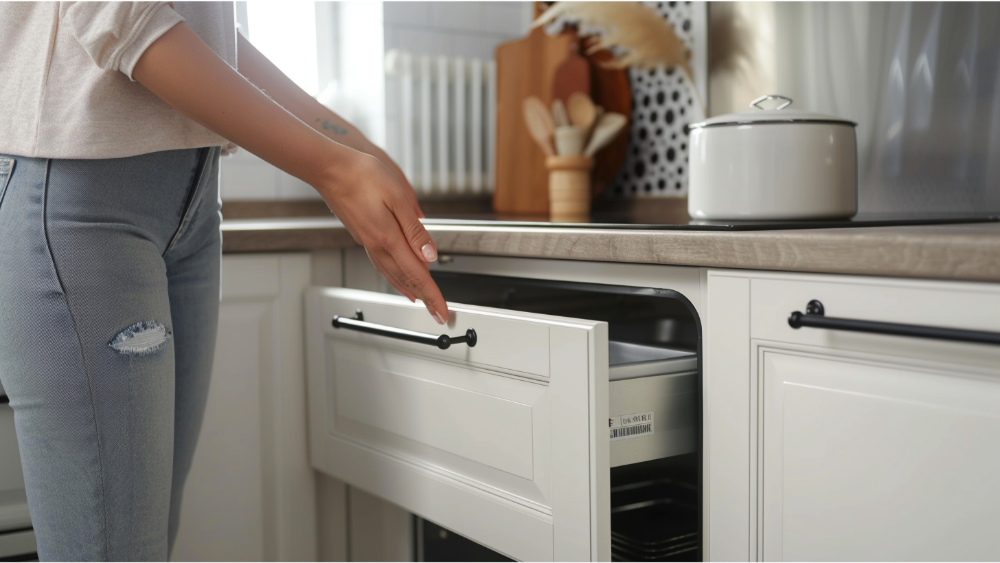
A woman opening up her cabinet

Before deciding to add a corner cabinet to your kitchen, it’s important to weigh the pros and cons:

Pros:

  • Maximizes storage space: Corner cabinets with floor-to-ceiling storage make use of otherwise wasted space in your kitchen.
  • Improves accessibility: With pull-out shelves or rotating trays, items in the back corners are easier to reach.
  • Adds visual interest: A unique corner cabinet can add character and style to your kitchen.
  • Versatile design options: These cabinets come in a multitude of designs that can be tailored to fit the aesthetic and functional needs of any kitchen.

Cons:

  • Can be more expensive: Depending on the type of corner cabinet you choose, it may be pricier than a standard cabinet.
  • Difficult to install: Some types of corner cabinets may require professional installation.
  • Limited functionality: Because of their shape, some items may not fit well in a corner cabinet, making it less practical for storage.
  • Potential for dead space: Even with innovative storage solutions, the irregular shape of corner cabinets can lead to inaccessible areas that are difficult to utilize effectively.

Things to Keep In Mind Before Installing Corner Cabinets

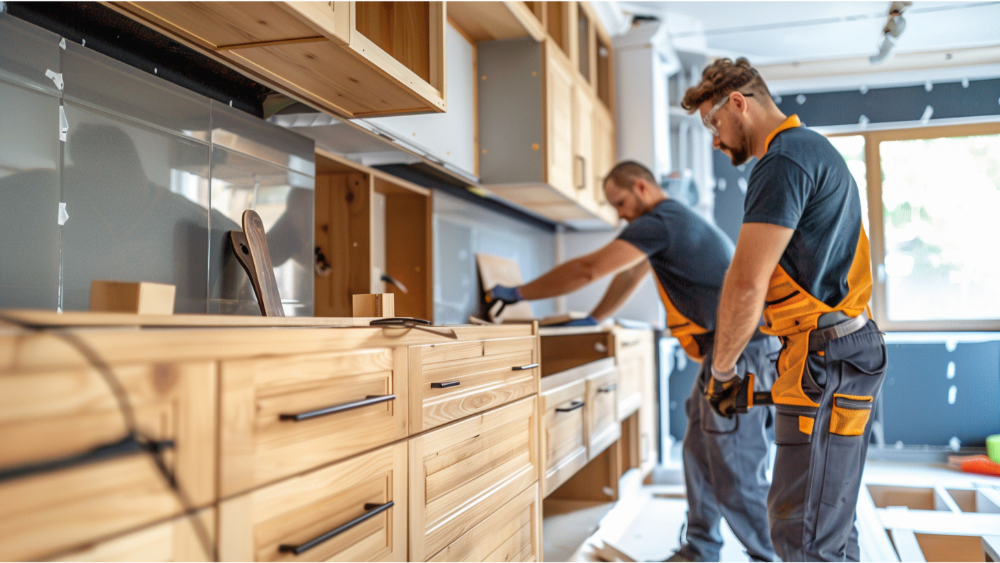
Two men installing cabinetry

Before installing a corner cabinet in your kitchen either with America’s Advantage Remodeling or by yourself, consider the following factors:

  • Kitchen layout: Make sure that the selected corner cabinet integrates smoothly into your kitchen design without blocking any other cabinets or appliances.
  • Functionality: Think about what you plan to store in the corner cabinet and choose one that best suits your needs.
  • Accessories: Consider adding pull-out shelves, rotating trays, or other accessories to improve accessibility and functionality.
  • Professional installation: Some types of corner cabinets may require professional installation, so consider budgeting for this cost.
  • Future-Proof Design: When selecting a corner cabinet, think about longevity and how the design will accommodate potential future changes in your kitchen’s design trends or your storage needs.
  • Material Compatibility: Ensure the materials and finish of your corner cabinet match or complement the rest of your kitchen cabinetry to maintain a cohesive look.
  • Lighting Considerations: Consider incorporating lighting within your corner cabinet. This not only adds visual interest but also makes finding items in the back corners easier.

Frequently Asked Questions

A kitchen remodeled by AARemodeling with cabinets

Do I need professional installation for a corner cabinet?

Some types of corner cabinets may require professional cabinet installation, so it’s important to research and budget accordingly.

Additionally, seeking recommendations from experts or consulting with a professional can help ensure a successful installation process.

What type of items can I store in a corner cabinet?

The type of items you can store in a corner cabinet will depend on the design and functionality of the specific cabinet. However, common uses for corner cabinets include storing dishes, small appliances, dry goods, and even wine bottles.

Can I install a corner cabinet in an existing kitchen?

Yes, absolutely! You can install a corner cabinet in your existing kitchen, as long as it fits seamlessly into your kitchen layout without obstructing any other cabinets or appliances. This ensures that you make the most of your kitchen space while adding functionality and style.

How do I determine the best type of corner cabinet for my kitchen?

Choosing the right corner cabinet for your kitchen involves considering several factors. First, take into account the size and shape of your kitchen. This will help you determine the dimensions and configuration of the corner cabinet that will fit perfectly into your space.

Next, think about what you plan to store in the cabinet. This will help you decide on the number of shelves, drawers, or other storage options that will suit your needs. Lastly, consider your personal style and aesthetic preferences.

Whether you prefer a sleek modern design or a more traditional look, there are various options available to match your kitchen’s overall theme.

Are corner cabinets more expensive than standard cabinets?

The price of corner cabinets can differ based on the type you select. Although some corner cabinets might be slightly pricier than standard ones, it’s crucial to keep in mind that their distinct design and functionality enhance the value of your kitchen.

The additional storage and optimized use of corner space can make them a worthwhile investment in maximizing your kitchen’s potential.

How do corner cabinets compare in durability to other types of cabinets?

Corner cabinets are engineered to fit into the typically underutilized corner spaces in kitchen designs. As with any cabinet, the durability primarily depends on the materials used, the construction quality, and the maintenance that they receive.

High-quality corner cabinets, particularly those made from solid wood and with robust hardware, can be just as durable and long-lasting as their standard counterparts. Regular cleaning and careful use apply to all types of kitchen cabinetry to maintain their condition and functionality over time.

Conclusion

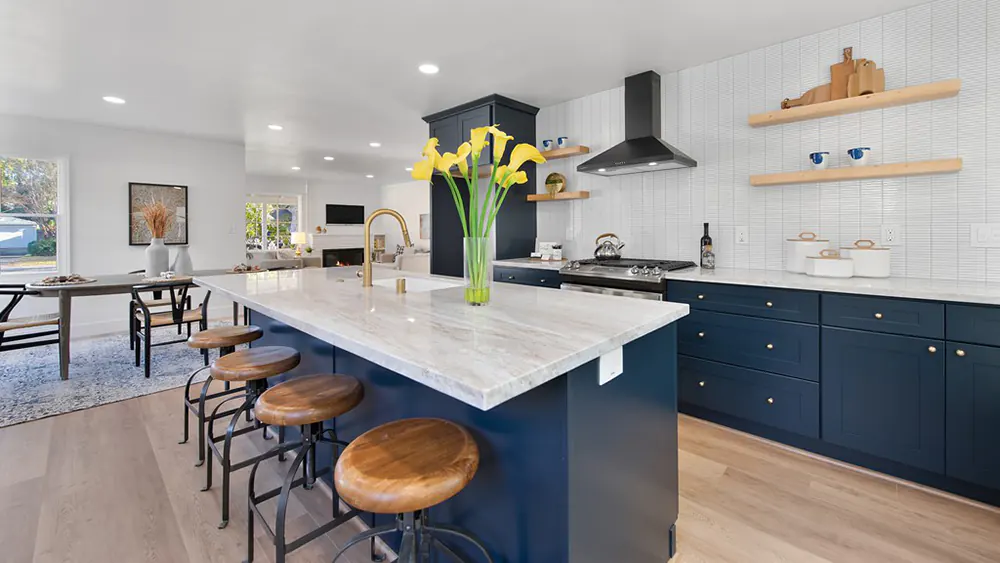
A nice kitchen with nice cabinets

Corner cabinets offer a practical and stylish solution to maximizing storage space and unused counter space in your kitchen. With various options available, such as rotating shelves or corner drawers, you can customize the design to match your kitchen’s layout and style. These cabinets are specifically designed to make use of the often wasted space in the corners of your kitchen, allowing you to store small appliances and organize your cookware, dishes, and other kitchen essentials conveniently.

Just be sure to carefully consider all factors before making your selection. Take into account the dimensions of your kitchen, the specific storage needs you have, and the overall aesthetic you want to achieve. Additionally, don’t forget about professional installation if needed, as it can ensure that the cabinet is securely mounted and functions properly.

So why not elevate your kitchen’s functionality and visual appeal with a well-placed and thoughtfully designed corner cabinet today? It’s a smart and practical investment that can transform your kitchen into a more organized and efficient space.

9 Steps to Creating an Aesthetic Bathroom In 2025

Опубликовано: April 5, 2024 в 9:31 pm

Автор:

Категории: Bathroom

Тэги: ,,,,,,,,,

The bathroom is often overlooked when it comes to interior design and remodels, but in recent years, it has become a space where people can escape and relax. A well-designed bathroom adds value to a home but also creates a luxurious experience for you and your guests.

In this guide, we will discuss the steps to creating an aesthetic bathroom that is both functional and visually appealing.

A bathroom remodel done by America’s Advantage Remodeling

What Does It Mean To Have An Aesthetic Bathroom?

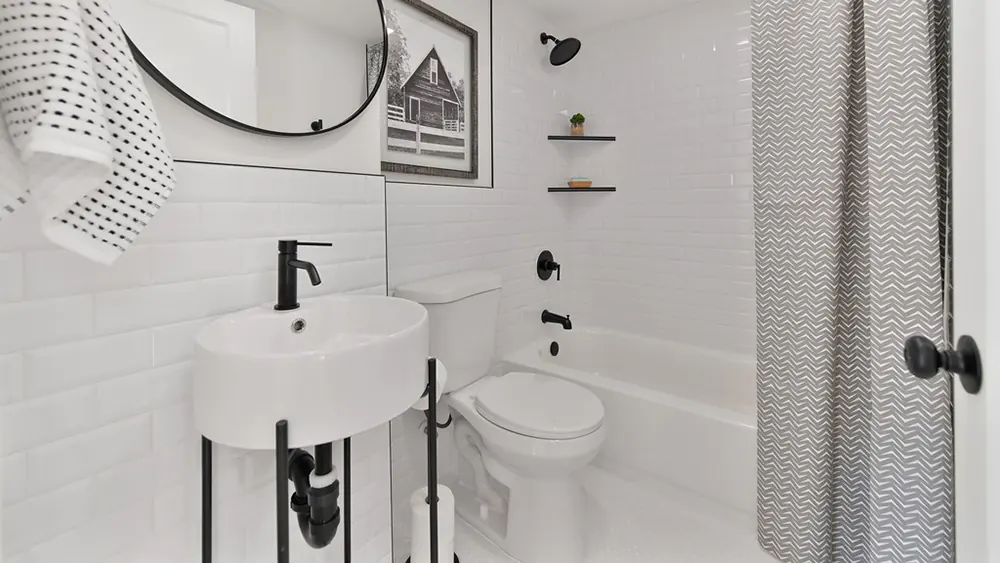
a white and black aesthetic bathroom

An aesthetic bathroom is a space that brings together elements of beauty, functionality, and comfort. Whether you are building from the ground up or remodeling your bathroom, it is not just about having a pretty design, but also incorporating practical features that make the space more enjoyable.

A bathroom is where you’re not only able to be yourself but also where you can take a break from the outside world. An aesthetic bathroom should reflect your style and provide a sense of relaxation.

Layout of Your Plan

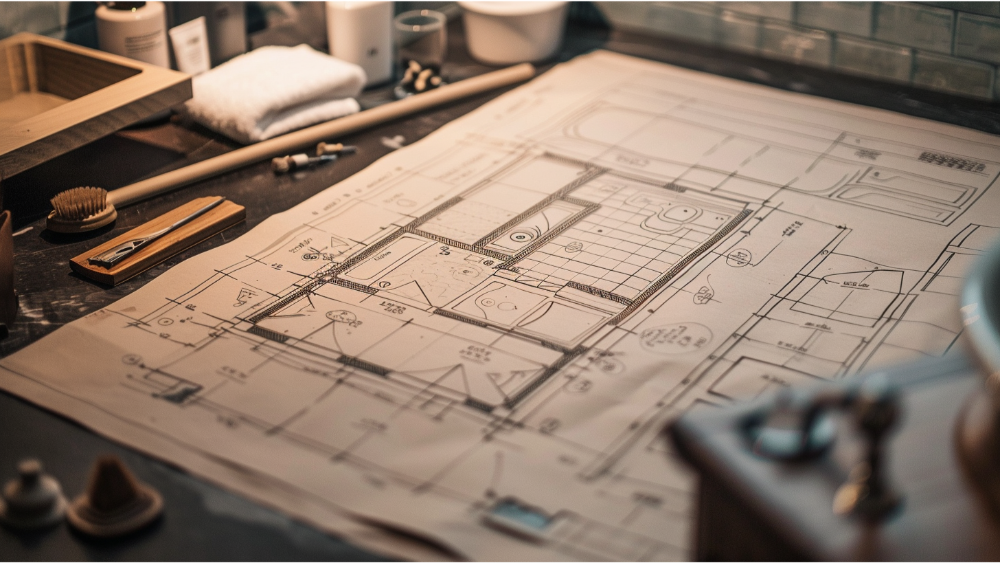
A blueprint for a bathroom

Step 1: Determine your budget

Before starting any home renovation project, it is important to establish a budget. This will help you prioritize what elements are most important in creating your aesthetic and budget-friendly bathroom, ensuring that you stay within your means. While simultaneously being cautious of any problems that can arise with electrical lines or even exposed piping.

Step 2: Choose a color scheme

The color scheme of your bathroom offers the tone for the entire space. Consider using light and neutral colors to create a clean and airy feel, or go for bold and dark colors for a dramatic effect. Whatever color scheme you choose, make sure it complements the overall theme and style of your home.

Step 3: Pick the right fixtures

Fixtures such as faucets, shower heads, a towel rack, and open shelving may seem like small details, but they can greatly impact the overall aesthetic of your bathroom. Look for fixtures that have a sleek sophisticated touch and modern design to elevate the look of your space.

Step 4: Tiles, tiles, tiles

A man doing a tile installation

Tiles are not only functional but also play a big role in the aesthetic of your bathroom. Consider using different natural textures, patterns, and shapes to add visual interest and depth to your space. You can also use tiles as a pop of color or to create an accent wall. Tiles, such as the iconic subway tile, are not just functional—they are pivotal in your bathroom’s aesthetics. Making sure you choose the right bathroom tile is essential for the overall look and feel of the bathroom.

Step 5: Invest in quality materials

Bathrooms are high-traffic areas, so it is important to choose durable and long-lasting materials. Invest in good-quality tiles, countertops, and cabinets that not only look great but also withstand daily wear and tear. Making sure to have good cleaning supplies also goes a long way toward maintaining the look of your own bathroom.

Step 6: Add storage space

Clutter can instantly make a bathroom look unappealing, especially a cluttered counter space. Consider adding storage solutions such as shelves, cabinets, drawer pulls, or baskets to keep your toiletries and linens organized and out of sight.

Step 7: Incorporate natural elements

Bringing in natural elements like some small plants, fresh flowers, wood accents, or stone can add a touch of warmth and relaxation to your bathroom. Not only do they look aesthetically pleasing, but they also have the added benefit of improving air quality and giving the bathroom its very own wow factor.

Step 8: Pay attention to lighting

Lighting is crucial in setting the mood and ambiance of any room, including the bathroom. Consider installing dimmer switches or adding different sources of lighting such as sconces, pendant lights, or even a statement chandelier to create a luxurious and inviting atmosphere. Don’t forget to add scented candles for an extra touch of relaxation and tranquility.

Step 9: Don’t forget the small details

The little details can make all the difference in creating an aesthetic bathroom. Adding accessories like hand towels, artwork, or a plush bath mat can add character and personality to your space. Just make sure not to overcrowd the room and keep it clutter-free.

Bathroom Ideas to Inspire You

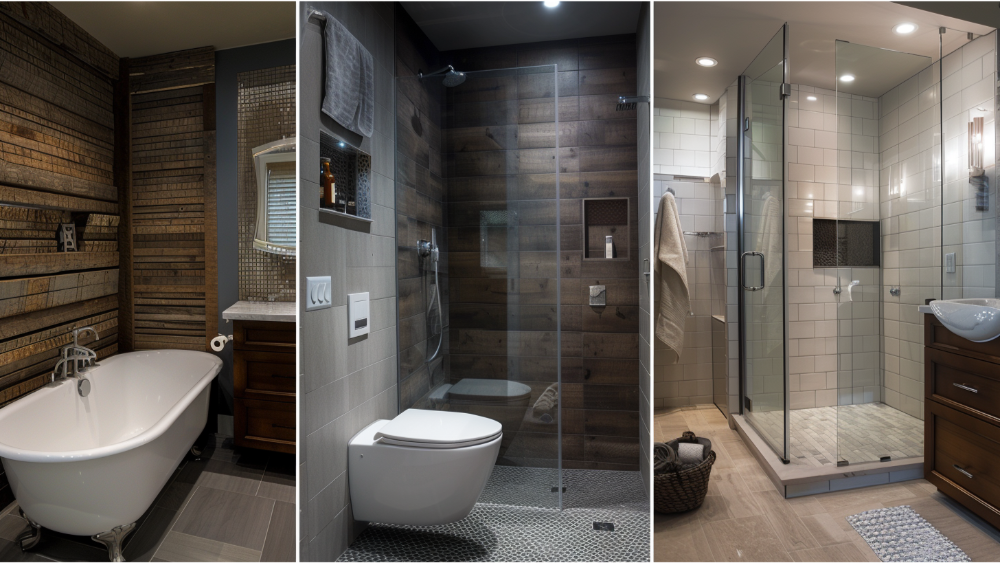
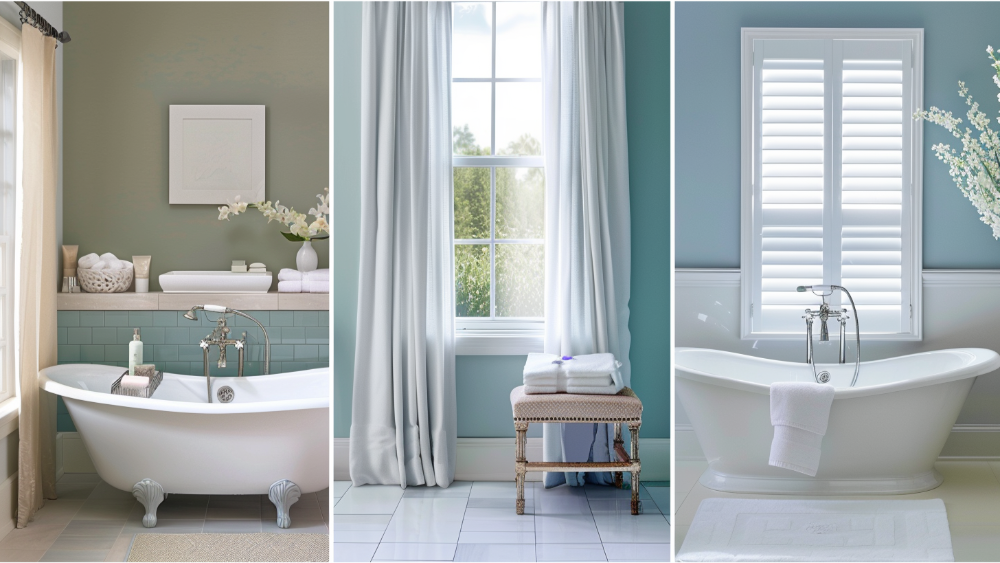
3 seperate bathroom ideas

If you’re still unsure about where to start, here are some popular bathroom ideas to inspire your design:

  • Spa-like retreat: Enhance the ambiance with soothing colors, earthy textures, and indulgent features like a rain shower, that can help provide a nice hot shower or deep soaking tub for a luxurious spa-like atmosphere at home.
  • Minimalistic chic: Achieve a sleek and contemporary bathroom by sticking to a simple color palette and maintaining a clutter-free space for a refined and elegant aesthetic. Adding towel hooks can help bring you bathroom storage while having modern furnishings to keep it clean and chic.
  • Vintage charm: Infuse character into your bathroom design with classic elements like clawfoot tubs, decorative tiles, and vintage mirrors to create a charming and personalized look. Gold accents and a round mirror are perfect bathroom features to add make a beautiful bathroom space while leaning into the vintage touch.
  • Nature-inspired oasis: Create a serene escape by incorporating natural elements such as pebble flooring, wooden accents, and greenery to evoke a calming and rejuvenating outdoor feel. A wooden bath mat and neutral tones add more to a soothing atmosphere that a natural aesthetic can bring.
  • Contemporary glam: Combine modern elements with opulent materials like marble or brass, along with bold lighting fixtures and sumptuous textures, to achieve a glamorous and sophisticated bathroom style. Consider adding an accent wall for an extra touch of style.

Color Schemes to Consider

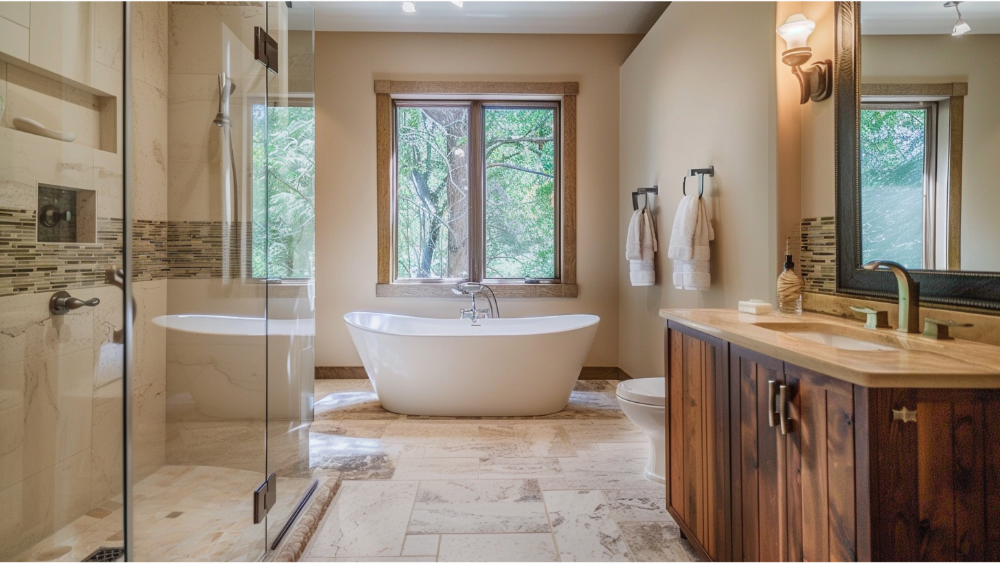
3 different color schemes
  • Black and white color scheme: A classic and timeless color combination that can create a sleek and sophisticated look with a touch of contrast.
  • All-white bathroom: A popular choice for a clean and fresh feel, white walls are perfect for small spaces or for those who prefer a minimalistic aesthetic.
  • Navy and gold: A rich and luxurious color combination that can add warmth and opulence to your bathroom design.
  • Pastel hues: Soft pastel colors like light pink, mint green, or baby blue can create a calming and whimsical atmosphere in your bathroom.
  • Earthy tones: Shades of brown, beige, and green can bring a sense of nature and tranquility to your space. Perfect for those looking for a more rustic or natural aesthetic.
  • Monochromatic: Using different shades of the same color family, such as various shades of blue or grey, can create a cohesive and calming atmosphere.

Remember, the color scheme you choose should complement the overall theme and style of your home while creating a cohesive and inviting space that reflects your taste.

America’s Advantage Remodeling

At America’s Advantage Remodeling, located in California, we understand the importance of creating an aesthetic and functional bathroom that caters to your unique style and needs.

With years of experience and a keen eye for design, our team of experts is dedicated to transforming your vision into reality. From choosing the perfect color scheme to selecting high-quality materials that stand the test of time, we take pride in our attention to detail and commitment to excellence.

Our personalized approach ensures that every aspect of your bathroom remodel is intentionally handled with care, making us the best choice for homeowners looking to achieve a luxurious and inviting bathroom space.

Trust America’s Advantage Remodeling to bring your aesthetic bathroom design dreams to life, seamlessly blending beauty, functionality, and comfort to create a space you’ll love for years to come.

Frequently Asked Aesthetic Bathroom Questions

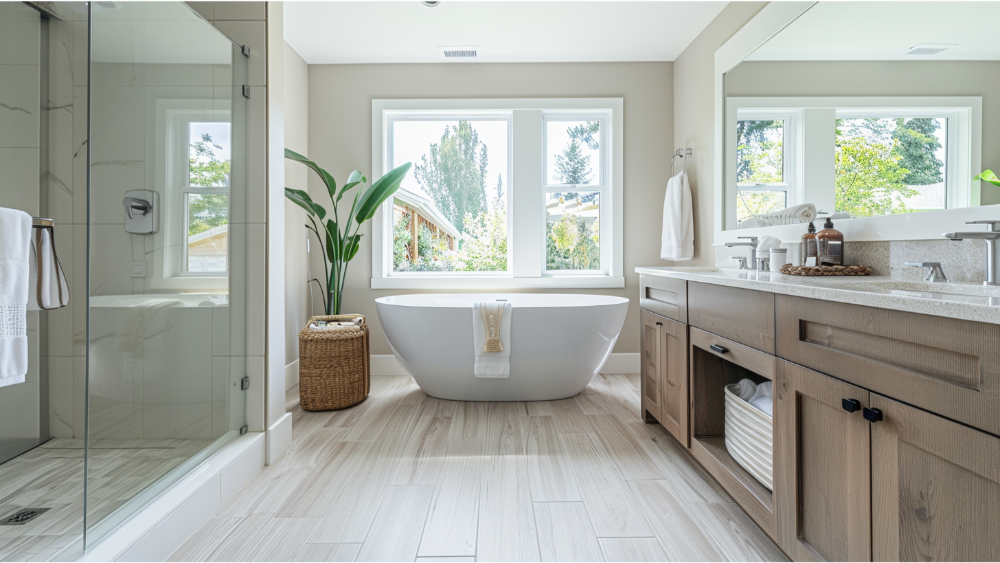
A nice bathroom

How can I make a bathroom look more spacious?

To make a small bathroom look more spacious, opt for light and neutral colors such as whites, pastels, or light grays to create a sense of openness.

Additionally, consider using large mirrors strategically placed to reflect natural or artificial light, making the space appear larger and brighter. Utilizing vertical storage solutions like tall shelves or wall-mounted cabinets can help maximize storage without taking up valuable floor space.

Finally, keeping the bathroom clutter-free and implementing clever organizational solutions can further enhance the perception of spaciousness in a smaller bathroom.

Can I mix different styles in my bathroom design?

Yes, it’s crucial to establish a coherent theme and color palette that seamlessly ties together all elements in your bathroom design. Avoid mixing too many styles, as this can result in a cluttered and chaotic appearance that detracts from the overall aesthetic appeal.

Consider incorporating natural elements like plants or wood accents to bring warmth and tranquility to the space. Additionally, focus on optimizing storage solutions to maintain a clean and organized environment.

How can I add storage in a small bathroom?

Maximize wall space by installing shelves or cabinets to store essentials efficiently. Utilize the area above the toilet with an over-the-toilet cabinet for extra storage. Additionally, consider investing in multi-functional furniture like a vanity with drawers to optimize space usage and enhance organization.

When organizing, group similar items together to keep things tidy and easily accessible. Don’t forget to declutter regularly to maintain a streamlined and functional living space.

Conclusion

A luxurious bathroom

Creating an aesthetic bathroom is about striking the ideal harmony between functionality and style. By following specific steps, such as selecting a color scheme, optimizing storage solutions, and adding greenery, you can enhance the ambiance.

Additionally, incorporating creative lighting options, choosing luxurious towels and accessories, and integrating smart technology can elevate the space. Remember, attention to detail, like coordinating hardware finishes and selecting cohesive decor elements, is crucial for a cohesive look. We recommend making a bathroom remodel checklist to ensure you do not forget any detail that you will want to incorporate.

Transform your bathroom into a serene oasis that reflects your personality and style while staying within budget by planning and prioritizing key upgrades.

The Kitchen Countertop Depth Standard to Pass Inspection

Опубликовано: March 25, 2024 в 12:58 am

Автор:

Категории: Kitchen

Тэги: ,,,,

The standard kitchen countertop depth is a crucial aspect of any kitchen design, as it directly affects the functionality and safety of the space. To pass inspection, certain standard measurements must be met when it comes to the depth of kitchen countertops.

In this article, we will discuss these standards and provide tips on how to ensure your kitchen passes inspection with flying colors. Get ready to impress the inspector with these foolproof strategies!

A kitchen remodel done by America’s Advantage Remodeling

Why is Countertop Depth Important?

A close up of a ktichen countertop

The kitchen countertop depth plays a crucial role in the overall efficiency and safety of your kitchen. A depth that is too shallow can limit your workspace, making it difficult to cook and prepare meals. On the other hand, a depth that is too much can cause strain on your back and arms while working.

Additionally, proper standard countertop depth is important for meeting building codes and safety standards. It ensures that there is sufficient space for kitchen appliances, such as stoves and refrigerators, but also for kitchen cabinets to be properly installed without any potential hazards.

The Standard Countertop Depth

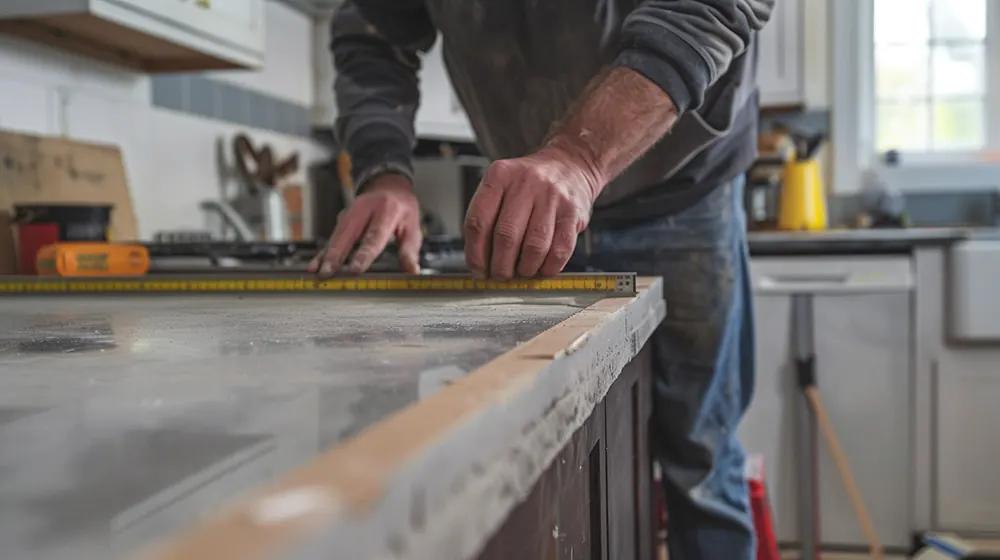
someone measuring the depths of  kitchen countertops

The standard depth for kitchen countertops is 25 inches (63.5 cm). This measurement includes the thickness of the countertop itself, which is typically around 1.5 inches (3.8 cm).

However, this measurement may vary depending on the type of countertop materials that are being used. For example, granite or quartz countertops may have a counter depth of around 24 inches (61 cm) due to their thicker composition of 2 inches (5.1 cm).

What Determines the Standards of Kitchen Countertops? 

A perfectly placed countertop

The countertop depth standard is determined by a combination of factors, including:

  • Ergonomic principles: The countertop depth is designed to optimize user comfort and efficiency during kitchen tasks. It takes into account factors such as the average height of individuals and their reach distance, ensuring that the countertop is at an ideal height and distance for comfortable use.
  • Base cabinet size: Standard base cabinets are typically 24 inches deep, and the countertop depth is measured to align with this size. This allows for a seamless fit between the countertop and cabinet, providing stability and support.
  • Safety regulations: The countertop depth standard also considers safety measures to minimize the risk of accidents and injuries in the kitchen. It takes into account factors such as the distance between the countertop and other elements, such as stoves or sinks, to prevent potential hazards and ensure safe operation.
  • Industry standards: The countertop depth standard is influenced by industry practices and guidelines. These standards are developed based on extensive research, feedback from professionals, and best practices in the kitchen design and construction industry. They aim to ensure consistency and compatibility across different kitchen setups.

These standards are put in place to ensure that kitchens are not only aesthetically pleasing but also functional and safe for daily use. By following these standards, homeowners and professionals can create kitchen spaces that are efficient, comfortable, and conducive to a seamless cooking experience.

Standard Countertop Dimensions

A kitchen with countertops with good dimensions

Although the standard depth countertop is one of the most important standards needed to pass inspection. There are also a few others you need to take into play when planning to install a kitchen countertop.

It’s essential to adhere to the following standards to ensure compliance and functionality:

  • Countertop Depth: For deeper countertops there should be about 25 inches deep from the front edge to the wall, accommodating for countertop edging and backsplashes.
  • Countertop Height: The typical height for kitchen countertops is 36 inches from the floor to the countertop surface, suitable for users of average height.
  • Countertop Overhang: A minimum overhang of 1 to 1.5 inches is standard to protect cabinet doors and drawers.
  • Sink Clearance: There should be at least three to four inches of room for the solid surface countertops on the sides of the sink.
  • Appliance Spacing: Allow a minimum of 15 inches of countertop space on either side of cooking appliances for not only safety but also for food preparation and accessible space.
  • Walkway Clearance: A kitchen layout should have a clear walkway of at least 42 inches across countertops for unobstructed movement.
  • Corner Clearance: Ensure at least a 12-inch clearance on the countertop next to corners to open cabinet doors and drawers comfortably.
  • Seating Overhang: If using an under-counter seating area, a 15 to 18-inch overhang is recommended to accommodate legroom.

Note: These standards are a general guide and may vary by location, design requirements, and the specific usage needs of the household. Always check with local codes and regulations for precise requirements. Feel free to reach out to us at America’s Advantage Remodeling for any advice or help you may need.

Tips for Meeting Kitchen Countertop Depth Standards

A kitchen countertop installation meting depth requirements

Here are some tips to keep in mind when designing or doing a complete kitchen renovation, to ensure it passes inspection:

  • Measure carefully: Before installing or even before that, purchasing countertops, be sure to measure the space accurately to ensure that it meets the standard depth requirement.
  • Consider materials: As mentioned earlier, the type of material used may affect the overall depth. For example, marble or granite countertops tend to be thicker than laminate or quartz countertops.
  • Check building codes: Building codes may vary depending on your location, so it’s important to check with your local authorities to ensure that you are meeting all requirements.
  • Leave space for appliances: Make sure there is enough space between the edge of the countertop and any appliances, such as stoves or dishwashers. This not only ensures safety but also allows for proper installation.
  • Consider ergonomics: While meeting the standard depth is important, it’s also crucial to consider your comfort and ease of use when designing your kitchen. Consider how you will be using the countertops and adjust the depth accordingly.

Average Cost of New Countertops

The cost of new kitchen countertops can vary greatly depending on factors such as material, size, and customization. On average, homeowners can expect to spend between $2,000 and $4,500 for a new countertop installation.

However, this cost may go up significantly if you opt for high-end materials or require extensive customization. It’s always advisable to get quotes from different contractors and compare prices to get the best deal.

America’s Advantage Remodeling

At America’s Advantage Remodeling, we understand the importance of meeting kitchen countertop depth standards for both functionality and safety. Our team of experts can help you design and install the perfect countertops for your space, ensuring that all necessary standards are met.

Don’t risk failing inspection due to incorrect countertop depth – contact us today to start your kitchen remodeling journey! Let us help you create the perfect, functional, and compliant kitchen of your dreams.

Frequently Asked Kitchen Countertop Depth Questions (FAQs)

Kitchen countertops

Can I install a countertop with a depth that is less than the standard measurement?

While it may be technically feasible to install a countertop with a depth that is less than the standard measurement, there are a few factors to consider. It is important to note that opting for a shallower depth can significantly limit your workspace, which can be inconvenient, especially if you frequently use your countertop for various tasks.

Additionally, a countertop with a reduced depth may not accommodate certain appliances or items, which can further restrict your functionality. Moreover, it is crucial to prioritize safety when it comes to countertop installations. A shallower countertop may pose safety hazards, such as items tipping over or falling off the edge. Therefore, it is generally recommended to stick to the standard depth of 25 inches to ensure optimal workspace, functionality, and safety.

Are there any exceptions to these standards?

Building codes and regulations may vary depending on your location, so it’s always best to check with local authorities for precise requirements.

Additionally, some exceptions may be made for individuals with specific accessibility needs. However, it’s important to note that these exceptions are typically granted on a case-by-case basis and require proper documentation and validation.

Are bathroom countertops the same as kitchen island countertops?

No, bathroom countertops typically have a standard counter depth of 21 inches deep, while kitchen island countertops usually follow a standard counter depth of 25 inches deep.

This is because bathroom countertops are typically smaller and don’t require as much workspace for food and appliances. It’s important to consider the specific usage needs when determining countertop thickness for different areas of your home.

Conclusion

To summarize, the typical measurement for kitchen countertops is 25 inches (63.5 cm), although this can differ based on the countertop material. Adhering to building codes and regulations concerning countertop dimensions is crucial to guarantee the safety and functionality of your kitchen.

Remember to measure accurately, consider materials, and prioritize ergonomics when planning your countertop installation. By following these standards and tips, you can create a beautiful and functional kitchen that meets all requirements. So go ahead and get started on designing your dream kitchen remodel or installation today! Happy renovating!

Kitchen Backsplash Ideas with White Cabinets

Опубликовано: March 9, 2024 в 1:29 am

Автор:

Категории: Kitchen

Тэги: ,,,,,,,,,

Introduction

When it comes to kitchen design, one of the key elements that can completely transform the space is the backsplash. Not only does it protect your walls from stains and splashes, but it also adds a touch of personality and style to your kitchen and your white cabinets.

However, choosing the right backsplash for your white cabinets can be a daunting task with so many options available in the market. In this guide, we will explore some creative and stunning backsplash ideas that perfectly complement white cabinetry.

What Is Backsplash Tile?

Backsplash tile is a type of material that is installed on the wall behind your kitchen countertop, stove, or sink. It acts as a protective layer against water, grease, and other cooking splatters that can damage your walls over time.

But more than just its functional purpose, backsplash tile adds an aesthetic element to your kitchen. With various shapes, colors, and patterns available, it can elevate the overall look of your space.

Kitchen Backsplash Ideas With White Cabinets

Your kitchen should be popping with style and be an environment you want to cook and spend time within. You’ve already made an excellent choice with the white cabinets you installed.

But now what are some backsplash ideas that would go well with my white cabinets?

We have created a list of backsplash ideas for your kitchen that will go specifically with your white cabinets. Let’s take a look at the kitchen backsplash ideas for white cabinets and style the look of your kitchen this list will be especially helpful when planning and or finishing a kitchen remodel.

Classic Subway Tiles

subway tiles with white cabinets

Subway tiles are a timeless choice that can never go out of style, especially a white subway tile backsplash. They have a classic and clean look that pairs well with white cabinets, creating a bright and airy feel in the kitchen.

You can choose from traditional white subway tiles or experiment with different colors and patterns to add a pop of color and personality. Additionally, you can also play around with the layout of the tiles, such as herringbone or diagonal patterns, to add visual interest.

Pros vs Cons

  • Pros: Versatile, timeless, and budget-friendly options with a wide range of colors and patterns to choose from.
  • Cons: Can be too common or basic for some people’s taste.

Marble Subway Tile Backsplash

marble tiles with white cabinets

Another elegant subway tile option is a marble subway tile backsplash that elevates the sophistication of any kitchen remodel. Marble tiles provide a unique texture and natural veining, adding a touch of luxury and timeless appeal next to white cabinets.

The intricate details of marble can also act as a focal point and are sure to impress anyone who walks into your kitchen. Despite being a classic choice, marble backsplash comes in various finishes and can be laid in different patterns to tailor to contemporary or traditional tastes alike.

Pros vs Cons

  • Pros: Marble subway tile can add a touch of luxury and elegance to your kitchen with unique veining patterns and finishes available.
  • Cons: Prone to staining and requires regular sealing to maintain its appearance.

Marble Mosaic Tiles

marble mosaic tiles with white cabinets

The natural veining and variations in a marble slab backsplash bring depth and texture to the space, creating a visually captivating atmosphere. The elegant combination with white cabinets ensures a cohesive look that exudes sophistication.

For added creativity, you have the option to choose a traditional hexagonal pattern or explore a mix of different sizes and shapes like a herringbone pattern, allowing for a truly unique and personalized design feel free to reach out for design services for help too.

Pros vs Cons

  • Pros: Adds a touch of luxury and sophistication with its natural patterns and variations.
  • Cons: Can be quite expensive and requires regular maintenance to prevent staining and etching.

Brick Backsplash

brick backsplash with white cabinets

Brick backsplashes add warmth and charm to any kitchen, especially when paired with white cabinets. They are perfect for creating a rustic or industrial look, and can also be painted in different colors to match your kitchen’s theme, or go for an all-white look with the white-washed brick backsplash. You can opt for real brick or choose from faux brick alternatives that are more affordable and easier to install.

Pros vs Cons

  • Pros: Has a rustic and cozy feel to the kitchen, and can be customized with different colors and finishes.
  • Cons: Can be challenging to clean and maintain, with dirt and grime getting stuck in between the bricks.

Glass Tiles

glass tiles with white cabinets

For a sleek and modern backsplash look, consider using glass tiles. They come in various colors, shapes, and sizes, making it easy to find the perfect match for your white cabinets. The reflective surface of glass tiles creates an illusion of more space, making them a great choice for small kitchens with white cabinetry.

Pros vs Cons

  • Pros: Adds a modern and stylish touch, easy to clean and maintain.
  • Cons: Can be prone to scratches and cracks, making it less durable than other materials.

Patterned Tiles

herringbone patterned tile backsplash with white cabinets

To add a bit of personality and character to your kitchen remodel and white cabinets, create an accent wall with patterned tiles for your backsplash. You can choose from geometric patterns, Moroccan-inspired designs, or even custom hand-painted tiles. When paired with white cabinets, these tiles become the focal point of the kitchen and add a unique touch.

Pros vs Cons

  • Pros: Adds personality and creates a unique look, with endless options to choose from.
  • Cons: Can be expensive depending on the design and can clash with other patterns in the kitchen if not chosen carefully.
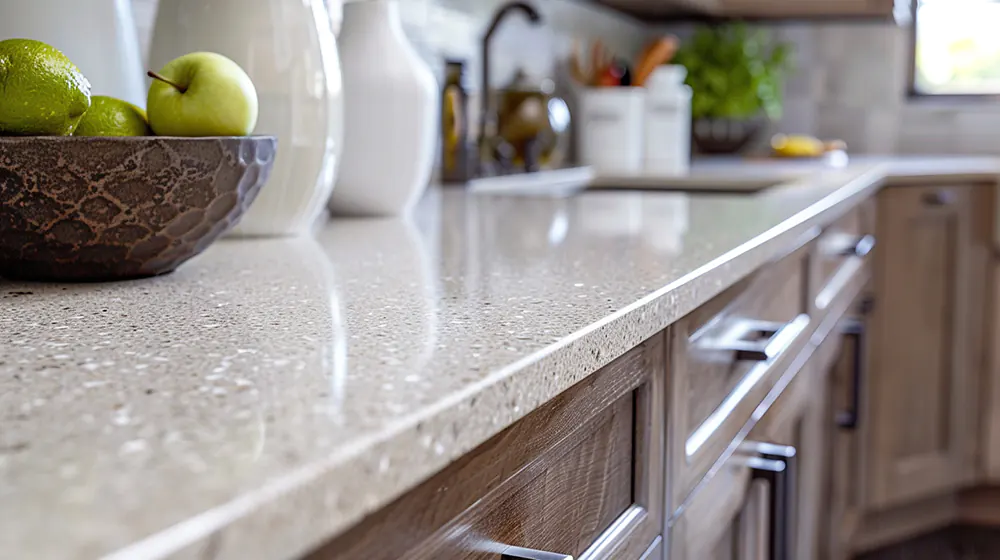
Chalkboard Backsplash

a chalkboard backsplash with white cabinets

For a functional and creative backsplash idea, consider using chalkboard paint for your kitchen walls. Not only does it provide a smooth surface for writing down recipes or grocery lists, but it also adds a fun and playful element to your kitchen that can pair with your white cabinets. You can also use it to showcase your creativity by drawing or writing inspirational quotes.

Pros vs Cons

  • Pros: Highly customizable, functional, and a budget-friendly option.
  • Cons: Requires regular cleaning to avoid chalk dust buildup, and may not be suitable for all kitchen styles

Colored Backsplash Tile

a blue and green colored backsplash with white cabinets

If you want to elevate your kitchen’s style, consider a green or blue backsplash that complements your white cabinets. Unlike your average granite countertops, a green backsplash adds a pop of color, personality, and vibrancy to your cooking space.

With various shades to choose from, you can opt for a bright and bold green or a muted tone, depending on your kitchen’s overall aesthetic. However, be careful in your selection as it can be overwhelming and may clash with other colors in the kitchen.

Pros vs Cons

  • Pros: Adds a bold and vibrant touch, with various shades to choose from
  • Cons: Can be overwhelming if not chosen carefully and may clash with other colors in the kitchen.

Porcelain Tiles

porcelain tiles with white cabinets

Porcelain tiles are a durable and practical choice for kitchens. They come in various shapes, sizes, and colors, making it easy to find the perfect one for your white cabinets. You can opt for a classic white porcelain tile or choose from bold and colorful options to add a unique touch to your kitchen.

Pros vs Cons

  • Pros: Durable, easy to maintain, and budget-friendly option.
  • Cons: Limited design options compared to other materials.

America’s Advantage Remodeling

Now that you’re looking to update your kitchen with a beautiful backsplash, America’s Advantage Remodeling is here to help with all your kitchen needs. Our team of experts can help you choose the perfect backsplash for your white kitchen cabinets and handle the installation process with precision and care.

Contact us today to get started on your kitchen transformation! Give your kitchen a fresh and beautiful upgrade with a stunning backsplash that complements your white cabinets.

Whether you prefer a classic, modern, or unique look, there’s a perfect backsplash out there for you. Use these ideas for backsplash with white cabinets to find the best option for your space and create a beautiful and functional kitchen that reflects your style.

Be sure to reach out to America’s Advantage Remodeling for anything and everything remodeling.

Why Choose White Cabinets?

white cabinets in an eloquent kitchen

White cabinets are a timeless and versatile choice for kitchen design. They create a clean and bright look, making the space feel more open and spacious. With their classic appeal, white cabinets never go out of style and can easily blend with various design styles.

In addition to their aesthetic benefits, white cabinets also offer practical advantages. They provide a neutral canvas that allows you to be creative with other elements in your kitchen, such as the backsplash. Whether you prefer a bold and colorful backsplash or a subtle and elegant one, white cabinets can complement any design choice.

White cabinetry has a way of making the kitchen feel fresh and inviting. They reflect natural light, making the space appear brighter and more welcoming. This can create a pleasant ambiance and enhance the overall atmosphere of your kitchen.

Before Choosing Your Backsplash You Should…

a modern kitchen with white cabinets

Before exploring various backsplash ideas, take into account the following factors:

  • Style and color of your cabinets: Consider the aesthetic of your cabinets as it will influence the overall look of your kitchen. Choose a style and color that complements the rest of your kitchen decor. Whether you prefer sleek and modern white kitchen cabinets or warm and traditional ones, find the perfect match for your desired kitchen ambiance.
  • Overall theme of your kitchen: Ensure that the backsplash aligns with the theme you have in mind, be it modern, rustic, or traditional. The backsplash should harmonize with the overall style of your kitchen, enhancing the cohesive look and feel of the space. Whether you opt for a sleek and minimalist backsplash for a modern kitchen or a decorative and patterned one for a traditional kitchen, let the theme guide your choice.
  • Existing design: Opt for a backsplash that not only enhances the visual appeal of your kitchen but also complements the existing design elements. A patterned tile backsplash may not be what you need, you may need a more muted color like a gray tile backsplash. Consider the countertops, flooring, and other fixtures in your kitchen. Choose a backsplash that harmonizes with the colors, textures, and materials already present. This will create a seamless and polished look throughout the space.
  • Size of your kitchen: If your kitchen is small, opt for a light-colored backsplash to create an illusion of space. Light colors reflect light and make the area appear more open and airy. Consider a subtle pattern or a glossy finish to add depth and dimension to the backsplash. For larger kitchens, you have more flexibility in terms of color and pattern choices.
  • Maintenance: Choose a material that is easy to clean and maintain, especially if you spend a lot of time in the kitchen. Additionally, consider selecting a material that is resistant to stains and scratches for added durability.
  • Budget: Setting a budget beforehand can help narrow down your choices and prevent overspending. This is an important step in financial planning and can contribute to better financial management overall. By having a clear budget in mind, you can make more informed decisions and prioritize your spending based on your financial goals and priorities.
  • Appliances: Consider the type and style of appliances you have for your kitchen. Do you have stainless steel appliances that may match a stainless steel backsplash? Or do you have white appliances that may require a backsplash with complementary accents and colors?

Frequently Asked Kitchen Backsplash Ideas Questions

Can I use wallpaper as a backsplash for white cabinets?

Yes, you can use removable wallpaper as a backsplash for white cabinets. It’s a great way to add a pop of color and pattern to your kitchen. However, to ensure durability and protection against splatters, it’s recommended to use a sealant or a glass cover over the wallpaper. This will help maintain its quality and make it easier to clean. So go ahead and get creative with your kitchen decor!

Should my backsplash match my countertops?

Your backsplash doesn’t necessarily need to match your countertops in terms of color or pattern. However, they must complement each other and create a cohesive look in your space.

One way to achieve this is by selecting a backsplash that incorporates some of the same colors or patterns as your countertops. This can help tie the two elements together and create a harmonious aesthetic in your kitchen or bathroom.

What grout color should I use for white cabinets?

To achieve a seamless and clean look, it is highly recommended to use a light-colored grout that closely matches the color of your backsplash tiles. This will create a cohesive aesthetic and enhance the overall appearance of your white cabinets.

Additionally, consider using a contrasting grout color for a bold and eye-catching effect. Experimenting with different grout colors can add depth and character to your kitchen design.

How do I choose the best backsplash material for my kitchen?

The key to choosing the best backsplash material for your kitchen is to consider your lifestyle, maintenance preferences, and aesthetic taste. Assess how much cooking and cleaning you do daily, as some materials may require more upkeep than others.

It’s also important to factor in the overall design of your kitchen – you’ll want a material that complements your appliances, countertops, and flooring. Don’t be afraid to bring home samples to see how they look with your kitchen’s lighting and color scheme before making a final decision.

a fancy kitchen backsplash with white cabinets

Conclusion

A white kitchen with white cabinets offers a versatile canvas for backsplash options. Whether you prefer sleek and modern glass tiles, vibrant and fun chalkboard backsplashes, or even intricate mosaic designs, the possibilities are truly endless.

When making your choice, consider not only the pros and cons of each material but also the color scheme and theme of your overall kitchen design. It’s important to select a backsplash that complements and enhances the aesthetic appeal of your space.

For all your remodeling needs, including expert advice, top-notch services, and quality craftsmanship, don’t hesitate to contact us here at America’s Advantage Remodeling. We have all the key details you need for a successful and stunning kitchen renovation. Let’s transform your dream kitchen into a reality!

Kitchen Soffit: What They Are, Ideas, and All You Need to Know

Опубликовано: January 29, 2024 в 8:39 pm

Автор:

Категории: Kitchen

Тэги: ,,,,,,,,

Introduction

If you’re an enthusiastic home decorator or just someone who enjoys kitchen remodeling, you’ve likely come across the term “kitchen soffits.” But what precisely are they, why are they significant, and how do they affect the overall appearance and ambiance of your kitchen?

In this article, we’ll dive into everything you need to know about kitchen soffits, exploring their design, functionality, and potential impact on your home.

What is a Kitchen Soffit?

A kitchen soffit is a box-like structure that is typically installed above the tall upper kitchen cabinets. It is designed to bridge the gap between the top of the tall cabinets and the ceiling. Soffits can be made from various materials such as drywall, wood, or even metal.

Types of Kitchen Soffits

Remodeled kitchen with brand new kitchen soffit
  • Standard Soffit: The most common type of cabinet soffit is a standard box-like structure that is installed above the tall cabinets. It can be made from various materials and can be customized based on individual preferences.
  • Drop Ceiling Soffit: This type of soffit is built lower than the actual kitchen ceiling, creating a layered effect. It can be used to add dimension to the kitchen or to hide exposed pipes and wires.
  • Recessed Soffit: A recessed soffit is built into the wall, creating a seamless transition between the cabinets and the ceiling. This type is often used in modern kitchens for a sleek and minimalist look. ‘

Best Kitchen Soffit Ideas

Kitchen soffit

Now that we know what kitchen soffits are and the types available, let’s explore some of the best kitchen soffit ideas to elevate your home decor.

  • Include lighting: Soffits are also an excellent way to add extra lighting to your kitchen. You can install LED lights inside the soffit, creating a warm and inviting ambiance.
  • Contrasting trim colors: If your kitchen has dark cabinets, consider using lighter-colored soffits to create a contrasting effect. This will not only make your space look more aesthetically pleasing but also add depth and dimension.
  • Incorporate storage: Soffits can also be used as additional storage space in the kitchen. You can install open shelves or cabinets inside the soffit to store items that are not frequently used or to display decorative pieces.
  • Add multiple rows of kitchen cabinets: If you have a large kitchen with tall ceilings, consider adding multiple rows of cabinets and using soffits to connect them. This will not only provide extra storage but also create a visually appealing look.
  • Incorporate Greenery: Make your kitchen soffit a place that celebrates life by incorporating greenery. Small indoor plants or herb gardens can thrive in this space, adding a burst of freshness and color. This not only enhances the overall aesthetic of the kitchen but also improves air quality.
  • Display Artwork: Transform your kitchen soffits into a mini-gallery where you can showcase artwork or family photos. This personal touch can make the kitchen feel more intimate and tailored to your style.
  • Use Textural Elements: Adding textural elements like shiplap, bead board, or tin tiles to your kitchen soffit can create visual interest and charm. These materials draw the eye up and can complement the overall design theme of your kitchen.

Maintenance and Cleaning

A clean kitchen soffit

Like any other part of the kitchen, soffits also require regular maintenance and cleaning. Here are some tips to keep your kitchen soffit in top shape:

  • Dust Regularly: Use a duster or a dry cloth to remove dust and dirt from the surface of the soffit.
  • Use Mild Cleaners: If your soffit is made from a material that can be cleaned, use mild cleaners and a damp cloth to wipe it down.
  • Avoid Harsh Chemicals: Harsh chemicals can cause damage to the finish of your soffit. Avoid using them when cleaning.
  • Inspect for Damage: Regularly check your kitchen soffit for any signs of damage or wear and tear. Repair or replace any damaged parts to maintain the structure’s integrity.

Pros vs Cons

When considering remodeling your kitchen cabinets or simply making upgrades, it’s crucial to weigh the pros and cons of every element, and kitchen soffits are no exception.

These features can be both beneficial and restrictive, depending on the specific needs and layout of your kitchen.

Below, we will dive into the advantages and disadvantages of installing soffits in your kitchen to help you make an informed decision.

Pros:

white kitchen soffits
  • Hide Wires and Pipes: One of the main reasons for installing kitchen soffits is to hide unsightly wires and pipes that are necessary for utilities such as lighting and plumbing lines. By concealing these elements, the kitchen looks more polished and aesthetically pleasing.
  • Utilize Space: Another reason for installing kitchen soffits is to utilize the space between the cabinets and ceiling. This area is often overlooked but can be utilized for storage purposes. Soffits can be built with an open shelf or cabinets to provide additional storage space in the kitchen.
  • Add Visual Interest: Kitchen soffits can also add visual interest to the overall design and make it a more modern kitchen. They can be customized with different materials and textures to complement the rest of the kitchen and can be painted the same or different colors as the rest of the kitchen. Soffits can also help create a sense of continuity between the upper cabinetry and the rest of the kitchen.

Cons:

wood and green kitchen soffits
  • Limited Headroom: When installing a kitchen soffit, consider that it can restrict headroom, potentially causing inconvenience for taller individuals as they move around the kitchen and existing cabinets.
  • Cost: The installation of a kitchen soffit may lead to significant expenses, particularly if it involves electrical or plumbing work, adding to the overall investment required.
  • Difficult to Remove: Removing a kitchen soffit in the future could present a challenging and time-consuming task, potentially resulting in damage to the existing structure or walls.

Installation Process

Installation of kitchen soffits

The installation process for kitchen soffits may vary depending on the type and materials used. It is recommended to hire a professional contractor or carpenter for this job, especially if it involves electrical or plumbing work. Here are some general steps that may be involved in the installation process:

Measurements: First, measure the area where the soffit will be installed to determine the precise size and shape needed for a perfect fit.

Build the Frame: Next, using wood or metal, construct a sturdy frame for the soffit based on the measurements taken earlier.

Add Support: If necessary, reinforce the structure by adding extra support beams to ensure that the soffit can bear weight without any issues.

Install Material: Once the frame is complete, it’s time to carefully install the chosen material (drywall, wood, etc.) onto the frame, ensuring a seamless and secure finish.

Finishing Touches: To complete the project, consider adding any additional features such as shelves or cabinets, and then paint or decorate the soffit to seamlessly blend with the rest of the kitchen decor.

Soffit Alternatives

Alternative to kitchen soffits

While kitchen soffits have their benefits, they are not always necessary or practical. Here are some alternatives to consider:

  • Extended Cabinets: Instead of installing a separate soffit, you can opt for extended upper cabinets that reach to the ceiling. This option provides additional storage space and eliminates the need for a soffit.
  • Crown Molding: This is another alternative to kitchen soffits. It adds a decorative touch to the top of cabinets and can also serve as a cover for any exposed wires or pipes.
  • Exposed Beams: For a more rustic or industrial look, exposed beams can be installed in place of kitchen soffits. This option adds character to the kitchen and creates a unique design element.

Frequently Asked Questions About Kitchen Soffits

Are kitchen soffits necessary?

No, they are not necessary, but they can serve a purpose in hiding wires and pipes, creating additional storage space, or improving the overall aesthetics of the space.

Can I remove the kitchen soffits?

Yes, it is possible to remove kitchen soffits if they are solely for aesthetic purposes, such as to create more open space or update the kitchen’s look with new cabinets.

However, if the soffits house essential utilities like electrical wiring, plumbing, or HVAC ducts. It is crucial to consult a professional contractor or structural engineer before proceeding with removal to ensure the safety and structural integrity of the space.

How much does it cost to install kitchen soffits?

The cost of installing kitchen soffits can vary significantly based on factors such as the materials used, the size of the project, and any additional customizations. For the most accurate estimate, it’s advisable to consult with a contractor who can provide a detailed breakdown of costs.

Conclusion

Kitchen soffits

Kitchen soffits can be a valuable addition to any kitchen, providing both functional and aesthetic benefits, including more storage space and seasonal decor.

However, it’s essential to carefully consider the pros and cons before deciding if they are right for your kitchen remodel. Additionally, proper installation is crucial for ensuring safety and structural integrity, as well as maximizing storage space.

With this guide, you now have a better understanding of kitchen soffits and their alternatives, allowing you to make an informed decision on whether to include them in your kitchen remodeling or upgrades, while also considering the potential for more storage space and seasonal decor.

So, make sure to do thorough research and consult with a professional Such as America’s Advantage Remodeling before making any important decisions. It’s always better to be well-informed and seek expert advice when needed.

Mobile Home Kitchen Remodel: What Does This Look Like?

Опубликовано: January 22, 2024 в 3:53 am

Автор:

Категории: Kitchen

Тэги: ,,,,,,,,,,,,,

Introduction

The kitchen space is the heart of any home, and that holds true for even mobile homes. Whether you’re a full-time resident or using your mobile home as a vacation retreat, a well-designed and functional kitchen can make all the difference.

If you’re looking to give your mobile home kitchen an upgrade, this guide will provide you with tips and ideas for remodeling within budget.

Planning Your Remodel

A remodeled kitchen in a mobile home

Before jumping into any renovation project, it’s essential to plan out your remodel thoroughly. This will not only help you stay within budget but also ensure that the result is exactly what you envisioned.
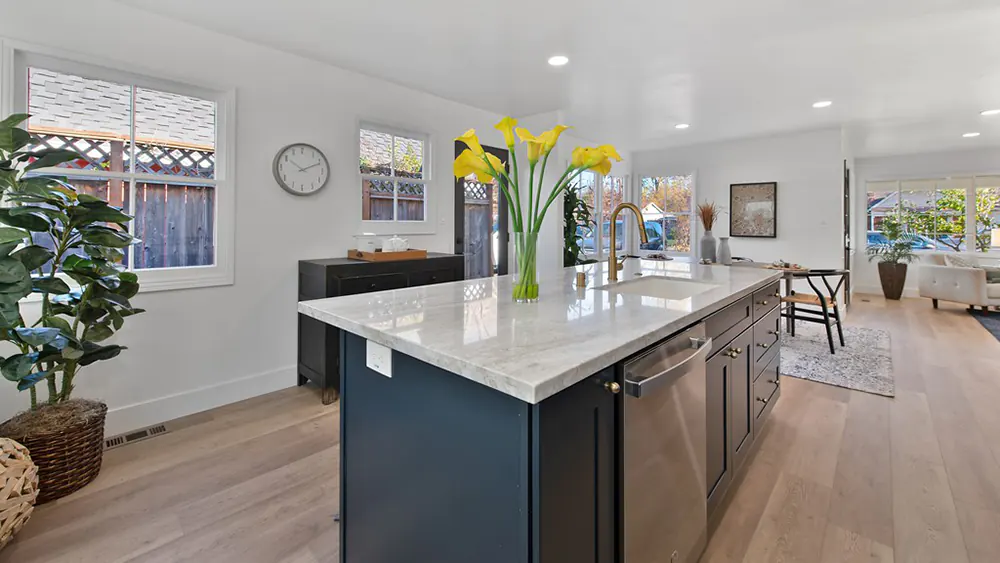
Here are a few things to consider when planning your mobile home kitchen remodel:

  • Budget: Determine how much you can afford to spend on your kitchen makeover. This will help you prioritize your expenses and make informed decisions.
  • Layout: The layout of your kitchen is crucial for functionality and flow. Take measurements of your space or whole house and consider different layouts to find the most suitable one for your kitchen, dining room, and/or family room.
  • Materials: Choose durable, easy-to-maintain materials that are also within your budget. Opt for lightweight materials as they are more suitable for mobile homes.
  • Style: Decide on a style that can surely inspire you and reflect your taste while complementing the rest of your home. Whether it’s modern style, farmhouse style, or traditional, make sure to stick to a cohesive theme.

Upgrades to Consider

A team of professionals upgrading a kitchen

Depending on your budget, you can choose to do a complete overhaul of your mobile home remodel or make small, impactful upgrades.

Here are a few upgrades to consider:

  • Cabinetry: Replacing old kitchen cabinets with new ones can bring an instant transformation to your kitchen. There are so many different types you can add to your kitchen remodel. Base cabinets are a great idea, or even open shelving cabinets work well! If replacing is not an option, consider repainting the existing ones and changing the hardware for a fresh look on the old cabinets, without the hassle of buying new cabinets.
  • Countertops and Kitchen Island: Kitchen countertops and kitchen islands are essential elements in a kitchen, complemented by the kitchen table. If you have the budget, consider upgrading to granite or quartz for a modern and durable look. These materials not only enhance the aesthetics of your kitchen but also provide long-lasting functionality.
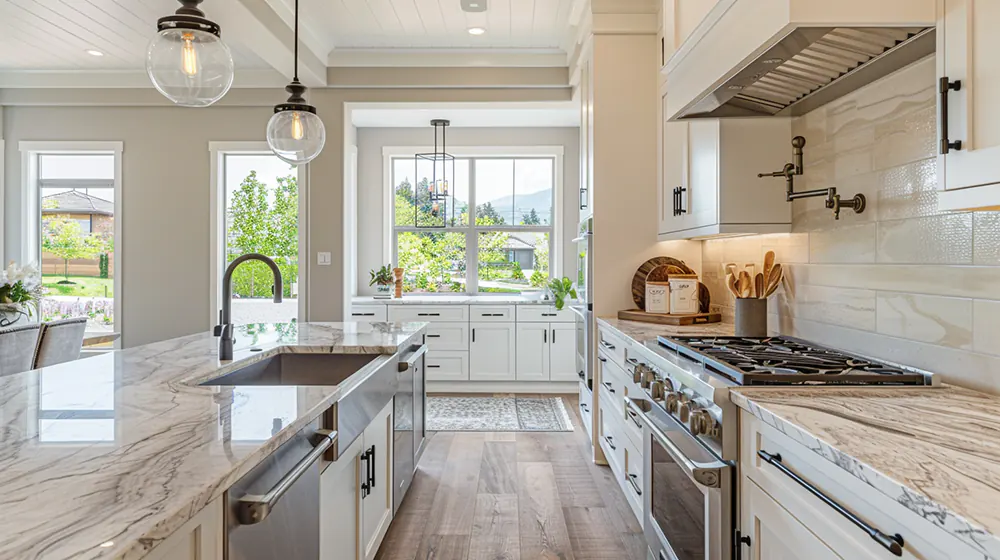
  • Flooring: Upgrading your kitchen flooring can make a significant impact on the overall appearance of your kitchen and improve your mobile home living experience. Vinyl or laminate flooring is a cost-effective option that is also easy to maintain and are great ideas for flooring in a mobile home kitchen remodel.
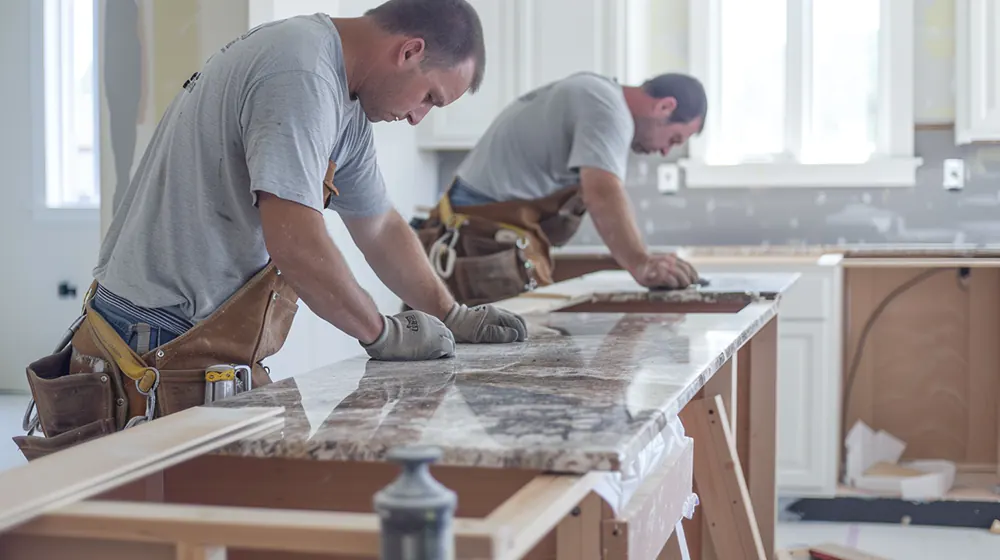
  • Lighting: In your own kitchen good lighting, including natural light, can make all the difference in a kitchen. Consider adding under-cabinet lighting for better visibility and ambiance.
  • Appliances: If your budget allows, consider upgrading to energy-efficient appliances, including a range hood, that not only improve functionality but also save on electricity costs.
  • Storage Space: Maximize your storage space by adding shelves, racks, or pull-out drawers to your cabinets, including a pantry cabinet. This will not only make organizing easier but also free up counter space.
  • Painting: A fresh coat of paint can do wonders for your kitchen mobile home walls, especially if you’re on a budget. Choose a paint color that complements your chosen style and adds personality to your kitchen walls.

Tips for a Successful Remodel

A couple working on their kitchen remodel
  • Stick to Your Budget: As tempting as it may be to splurge, stick to your budget and avoid unnecessary expenses.
  • DIY where Possible: Consider doing some of the work yourself to save on labor costs. However, leave complex tasks such as plumbing and electrical work to professionals.
  • Research and Compare Prices: Do your research and compare prices before making any purchases. You may find better deals or alternatives that fit your budget better.
  • Plan for Contingencies: Unexpected issues can arise during a double-wide mobile home remodel, so it’s always best to have a contingency fund for any additional expenses.
  • Don’t Rush: Take your time and plan out every detail of your remodel. Rushing can lead to mistakes and added costs in the long run.

DIY vs Hiring Professionals

When it comes to a mobile home kitchen remodel, you may be tempted to take on some of the work yourself to save money. While this can be a cost-effective approach, it’s essential to know your limitations and hire professionals for complex tasks such as electrical and plumbing work for a bathroom remodel. This will ensure that the remodel is done safely and up to code.

Pros vs Cons Of DIY

A DIY (do it your self) kitchen remodel project

Pros:

  • Cost-effective
  • Personal satisfaction and sense of accomplishment
  • Flexibility to work at your own pace

Cons:

  • Time-consuming
  • Requires specific skills and knowledge for certain tasks

Pros vs Cons For Hiring Professionals

A professional working on a mobile home remodel

Pros:

  • Efficient and timely completion of the project
  • Expertise in specific areas
  • Compliance with building codes and regulations

Cons:

  • Can be expensive, depending on the scope of work
  • Limited control over the project

Whether you opt for a DIY approach or hire professionals for your mobile home kitchen remodel largely depends on your budget, skills, and timeline of the project. DIY can be cost-effective and offer a sense of personal satisfaction, but it can be time-consuming and may require specific skills for certain tasks.

On the other hand, hiring professionals ensures timely and efficient completion of the project with adherence to building codes, but it can be more expensive. Carefully consider the pros and cons of each approach concerning your situation before making a decision.

America’s Advantage Remodeling

The America's Advantage team restoring a kitchen

If you’re considering a mobile home kitchen remodeling project or any remodeling task in general, why not let the experts take over the reins?

Here at America’s Advantage Remodeling, we are your solution for all your remodeling needs. Located in Roseville, California, we bring a wealth of experience, expertise, and commitment to quality that ensures your vision is transformed into reality.

From remodeling your kitchen to revamping your laundry room, master bath, and guest bath, we’ve got you covered.

Don’t spend another minute playing with DIY challenges – get in touch with us today, and let’s work together to create the home of your dreams. Your perfect mobile kitchen is just one call away with America’s Advantage Remodeling.

Frequently Asked Questions

Can I remodel my mobile home kitchen on a limited budget?

Yes, there are several cost-effective upgrades you can make to your mobile home kitchen to enhance its appeal and functionality. Some additional ideas include replacing outdated appliances, installing a backsplash, and upgrading countertops.

How long does a mobile home kitchen remodel take?

A mobile home kitchen remodel timeline varies depending on the scope of work. Generally, it can take anywhere from 2 to 6 weeks to complete. Factors such as the complexity of the project, availability of materials, and any unforeseen challenges can impact the duration. It is advisable to consult with a professional contractor to get a more accurate estimate based on your specific needs.

Can I make changes to the layout of my mobile home kitchen?

Yes, you have the flexibility to make changes to the layout of your mobile home kitchen, as long as the modifications adhere to the local building codes and regulations specific to your area.

It is always recommended to consult a professional with expertise in mobile home renovations to ensure that the changes are implemented safely and effectively. Their guidance will provide you with valuable insights and help you navigate any potential challenges that may arise during the process.

Conclusion

A freshly remodeled kitchen

A mobile home kitchen remodel is an exciting and worthwhile project that can greatly enhance the functionality and aesthetics of your home. With careful planning, a realistic budget, and consideration of DIY vs professional services, you can achieve your dream kitchen without breaking the bank.

Remember to stick to a cohesive theme, such as modern or farmhouse, and prioritize upgrades based on your needs and budget. From upgrading appliances to installing new countertops and cabinets, there are endless possibilities to transform your mobile home kitchen.

And if you need any assistance, America’s Advantage Remodeling is always here to help with our expertise and exceptional service!

Do You Need A Mobile Home Bathroom Remodel?

Опубликовано: January 14, 2024 в 2:05 am

Автор:

Категории: Bathroom

Тэги: ,,,,,,

Have you ever walked into your bathroom and felt unhappy with what you see? Have you considered remodeling but are unsure of where to begin? Have you wished for a better space, better lighting, and a more modern look? America’s Advantage Remodeling is here to help you transform your bathroom into a place of relaxation and comfort. Along with professional advice, we want to help you with picking out the right fixtures, creating the best layout, and giving it the best colors.

Let’s explore all the reasons why you need a bathroom remodel and how to get there.

10 Mobile Home Bathroom Remodel Ideas

A blueprint of a bathroom remodel

Here is a list of 10 ideas you can use to help you remodel your double-wide or single-wide mobile home bathroom from the tub, faucet, shower, and vanity:

  1. Add a Large Mirror: A large mirror can make a small bathroom appear more spacious. Moreover, it can reflect light, brightening up the room and making it look more inviting.
  2. Incorporate More Storage: Consider adding medicine cabinets, shower supply storage, or baskets to help organize your bathroom items. Floating shelves or over-the-toilet storage units can provide extra space without making the room feel cramped.
  3. Upgrade Light Fixtures: Replace old light fixtures with modern designs. Opt for LED lights that are energy-efficient and provide excellent illumination.
  4. Install a Walk-in Shower: If space allows, consider replacing your traditional shower or bathtub with a beautiful walk-in shower. It can make your bathroom look more modern and luxurious.
  5. Replace Your Toilet Seat: Remodeling can be as simple as replacing your current toilet seat with something that is more comfortable. If you want to go bigger, consider using a new water-efficient model like dual flush toilets that offer a full flush and half flush option. This helps conserve water and save you money on your bills.
  6. Choose a Neutral Color Palette: Opting for neutral colors like white, beige or grey can give your bathroom a clean and timeless look. You can add pops of color with towels, rugs, or other accessories.
  7. Install Vinyl Flooring: Vinyl flooring is a great choice for bathrooms as it is water-resistant and available in a variety of designs.
  8. Replace Faucets and Showerheads: Upgrading to modern, water-efficient faucets and showerheads can add a touch of luxury to your bathroom while saving water.
  9. Replace Your Old Tub: Replace your current mobile home bathtub with a new bathtub. Maybe consider a more modern design like a freestanding tub or an oval-shaped bathtub. You can also opt for a bathtub that can act like a standing shower.
  10. Install a New Vent Fan: A new vent fan will improve your bathroom in 2 ways. Firstly, it will help prevent mold and mildew growth by reducing moisture in the air. Secondly, it can also help get rid of any unpleasant bathroom odors quicker than an old vent fan. These are both wins and wins are great.

Signs that Show You Need a Bathroom Remodel

Signs for a needed bathroom remodel

America’s Advantage Remodeling knows a thing or two about mobile home bathroom remodels. With years of experience in the industry, our team has built an extensive knowledge base that lets us identify the telltale signs that your bathroom is in need of a remodel.

We understand the nuances of a manufactured home bathroom, plumbing and electrical systems, and can quickly assess when your bathroom fixtures start showing age, or if the layout is causing functionality issues. Here are some signs that show your master bathroom or guest bathroom may need a remodel sooner than you think.

Outdated Design

An old and outdated design

If your bathroom hasn’t been updated in a long time, it may look outdated and lack style. While it may seem unnecessary to invest in updates for a space that currently works and serves its purpose, an updated bathroom can improve the feel and overall aesthetics of your home. Should you decide to sell your mobile home, an outdated bathroom could hurt your potential resale value and maybe turn potential buyers away from your property. Check out our blog, How Much Does a Bathroom Remodel Increase Home Value for an in-depth dive into the ROI of a bathroom remodel.

Functional Issues

Functional issues in a bathroom

Over time, fixtures and features in your bathroom may start to show their age. Pipes that are old and corroded, water leakage, peeling tiles, or a layout that doesn’t suit your needs anymore – all of these factors demand for a mobile home bathroom remodel. Having peace of mind knowing that your bathroom works properly and there are no issues is essential, especially in an area that you are in at least once a day. For daily and practical use, if your bathroom is experiencing functional issues it is time to get a remodel done.

Insufficient Space

A bathroom with little space

If your bathroom feels cramped or doesn’t have enough storage to accommodate all your toiletries, towels, and other essentials, it’s an indication for a remodel to make life a little easier. A well-designed bathroom should cater to your specific needs and lifestyle, thereby creating a more organized and efficient space. It is nice having all of your towels, toiletries, and hygienic items in one room. Why do you need to walk into a different room to access some of these items?

Visible Damage

Visible damage in the bathroom

Visible damage is a clear sign that your bathroom requires a remodel. Signs of damage may include frequent mold and mildew growth, rusty fixtures, cracked tiles, or a constantly leaking faucet. Given that the bathroom is exposed to moisture on a regular basis, it is normal for wear and tear to occur over time. If these issues are not addressed promptly, these minor damages can escalate into major issues, leading to more expensive repairs.

Because of this, we recommend to remodel your mobile home bathroom in time to prevent further deterioration. The beauty of a remodel is that it enables you to upgrade to better quality, water-resistant materials, and modern fixtures, which will reduce the recurrence of similar problems.

Increased Energy Usage

An increase of energy use

Older bathroom fixtures and appliances often lack energy efficiency and can consume more water and electricity than necessary. For instance, an outdated water heater or an inefficient toilet can significantly increase your water consumption. Similarly, inadequate insulation or outdated lighting fixtures can result in higher electricity usage. Remodeling your bathroom gives you a chance to incorporate energy-efficient fixtures and appliances like LED lights, low-flow showerheads, and high-efficiency toilets.

Planning to Sell

A family looking to sell their mobile home

If you’re planning to put your mobile home on the market, a remodeled bathroom can increase its value significantly. With a bathroom remodel, you can recover roughly 50% – 60% from the renovation costs and add it to your property value. In real estate, a bathroom’s condition is often a key factor influencing a potential buyer’s decision. An outdated or damaged bathroom can turn buyers off, while a modern, fully functional, and aesthetically pleasing bathroom can make your property more appealing.

A bathroom remodel not only enhances the overall look of your mobile home but also signals that the property has been well-maintained. It could serve as a compelling selling point, potentially increasing the number of interested buyers and the final selling price

America’s Advantage Remodeling

Two guys working on remodeling a bathroom

At America’s Advantage Remodeling, we pride ourselves on delivering excellent remodeling services that will make you say “wow what an amazing job.” Whether this is your mobile home living space or bathroom, America’s Advantage Remodel is here to make living enjoyable. Having been in the industry for an extensive duration, we’ve amassed a wealth of experience and in-depth knowledge, earning the reputation as experts in our field, take a look at our reviews.

Our team of professionals is committed to transforming mobile homes into a place of comfort and style, tailoring each project to meet your unique preferences and lifestyle requirements from the ceiling panels to the floor. We leverage our expertise and the latest industry trends to deliver bathroom remodels that not only enhance your living space but also bring enduring value to your mobile home.

People Also Ask

How to remodel a mobile home bathroom on a budget?

There are plenty of ways to remodel a mobile home bathroom on a budget. Remodeling does not have to be a complete makeover all at once but small upgrades over time. Here are some ideas: replacing the toilet seat, a new mirror, new lights, new hardware, and baskets for better organization.

Can you put a walk-in shower in a mobile home?

Yes, you can put a walk-in shower in a mobile home. Many mobile homes are designed to be customizable and the market for shower systems has expanded to include mobile home-compatible options. Consult with a professional with any questions you may have and if you want to continue with a walk-in shower in your home. You can contact America’s Advantage Remodeling for this purpose by calling our number (916)-507-0469 at the bottom left or hitting the Contact Us button in the top right.

What is a realistic budget for a bathroom remodel?

On the lower end, a minor remodel with cost-effective materials could range from $2,000 to $5,000. For more extensive renovations involving higher-quality materials, new fixtures, and major layout changes, you could be looking at costs ranging from $8,000 to $15,000.

Conclusion

In conclusion, remodeling a mobile home bathroom can boost your property’s appeal and functionality. From installing a walk-in shower, replacing old fixtures, opting for a neutral color palette, to incorporating more storage – there are many ways to enhance the aesthetic and utility of your space. Whether you’re on a tight budget or looking for a more extensive transformation, America’s Advantage Remodeling is here to ensure your remodeling project is a success. With our professional team and wealth of experience, we’re committed to providing you with a bathroom remodel that not only meets your personal preferences but also adds lasting value to your mobile home.