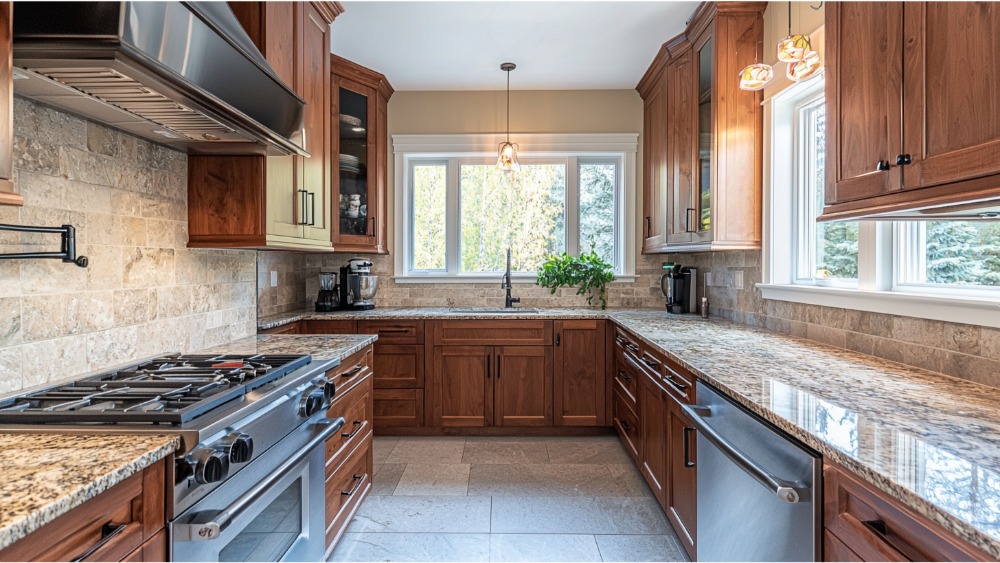
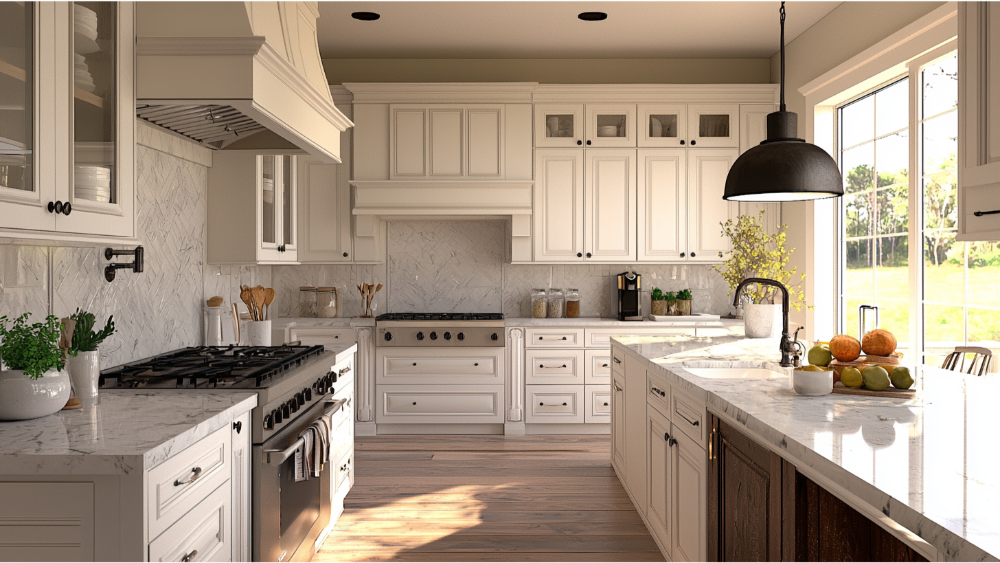
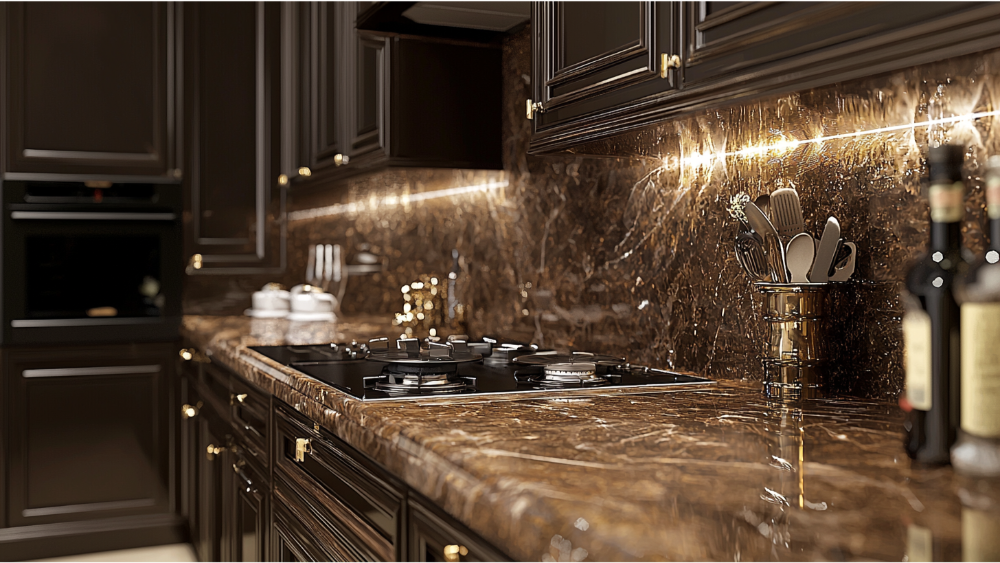
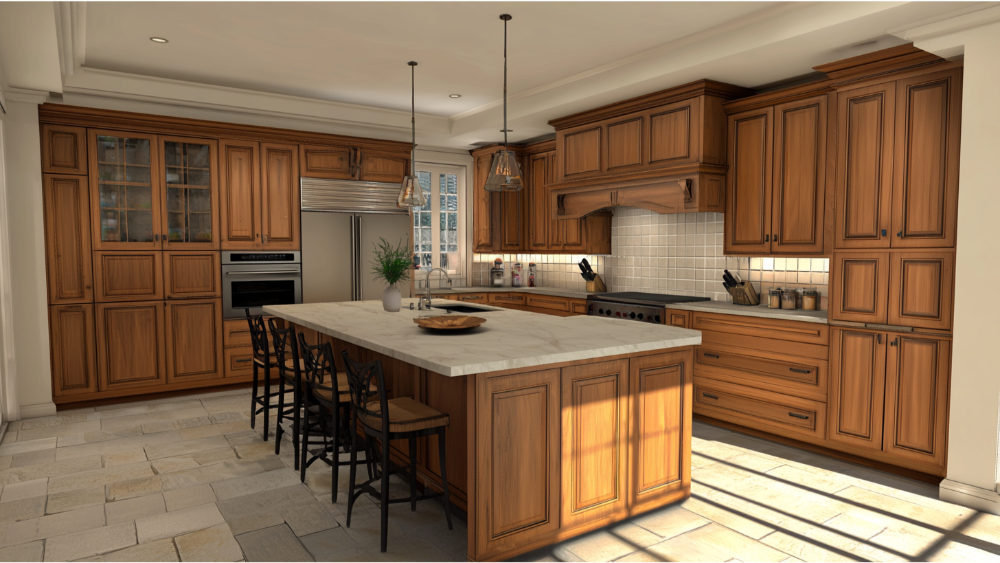
Admin, Author At America's Advantage Remodeling - Page 11 Of 16

Посты автора admin

admin

admin

Pocket Sacramento, CA: The Ultimate Guide to Living, History, Homes & Schools In 2025

Опубликовано: September 23, 2024 в 8:32 pm

Автор:

Категории: All

Pocket Sacramento, CA, is a neighborhood with a fascinating history and a serene vibe that has evolved into one of the most desirable suburban areas in Sacramento. Whether you’re a current resident, thinking of moving here, or interested in learning more about the history and lifestyle of the area, this guide will walk you through everything you need to know about Pocket Sacramento.

We’ll dive deep into the history of the neighborhood, its modern-day lifestyle, and the booming real estate market. Plus, if you’re considering remodeling your home—whether it’s the kitchen, bathroom, or the entire house—we’ll explore options to bring your living space up to modern standards. Pocket is a unique blend of charm, history, and the convenience of being just minutes from downtown Sacramento. Let’s explore why it’s such a great place to live.

Satellite view of the Pocket, Sacramento, California.

The History of Pocket Sacramento, CA

From Swampland to Farmland

Pocket Sacramento wasn’t always the peaceful residential neighborhood we know today. Before European settlers arrived, the area was home to the Maidu Native American Tribe, who lived off the land, fishing and hunting during the warmer months. But everything changed during the California Gold Rush in the mid-1800s. As fortune seekers flooded into the Sacramento Valley, settlers began transforming the swampy lands into usable farmland.

However, the real turning point for the area came when Portuguese immigrants from the Azores Islands settled here in the late 1800s. These settlers turned the land into productive farmland by building levees along the Sacramento River to prevent flooding. If you can imagine, what we now call Pocket was once fields of crops like sugar beets, barley, and wheat. Livestock farming was also common, with families raising hogs and chickens for their livelihoods.

These Portuguese immigrants formed a close-knit community. They built St. Mary’s Church, celebrated traditional Holy Ghost festas, and maintained a cultural heritage that is still reflected in the community today. You can feel this sense of tradition when you walk through Pocket Sacramento, and it’s part of what makes this neighborhood so special.

Modern Development: The Greenhaven 70 Project

While farming was the primary activity in Pocket Sacramento during the early 20th century, the mid-20th century brought about a huge shift. In 1958, developers purchased over 700 acres of land to create a planned suburban community. This project was called Greenhaven 70, and its vision was to provide families with a suburban oasis near downtown Sacramento.

By the 1960s, homes, schools, parks, and shopping centers began sprouting up. The development didn’t stop there. Throughout the 1970s and 1980s, the neighborhood grew significantly, with new homes, apartment complexes, and modern amenities popping up everywhere. Today, Pocket Sacramento is a thriving suburban area, beloved for its quiet streets, family-friendly vibe, and proximity to the river.

Living in Pocket Sacramento, CA

Pocket Sacramento strikes a beautiful balance between urban convenience and suburban tranquility. It’s the kind of place where you can enjoy the benefits of living near a major city while still having the peace and quiet of a suburban neighborhood.

The Pocket, Sacramento CA River

Scenic Riverfront Living

One of the most striking features of Pocket Sacramento is its proximity to the Sacramento River. Homes along the river offer stunning views, and the levee trails provide an ideal setting for jogging, biking, or simply taking a leisurely stroll. If you love the outdoors, you’ll enjoy the neighborhood’s abundant green spaces, including Garcia Bend Park and Frank Seymour Park. These parks are local favorites for boating, fishing, picnicking, and even hosting family events.

Amenities Close at Hand

Despite its peaceful setting, Pocket Sacramento has everything you need right at your fingertips. Shopping centers like Riverlake Village Shopping Center and Lake Crest Village Center offer all the essentials, including grocery stores, restaurants, and boutiques. Dining options include local favorites like Cacio, known for its Italian dishes, and Hop Junction, which serves a unique fusion of Indian and American flavors. You won’t have to travel far for a great meal or shopping spree.

Pocket Apartments in Sacramento, CA

Not everyone is looking to buy a home, and if you’re in that group, Pocket Sacramento has plenty of apartment options that offer the suburban feel with the convenience of renting. Renting an apartment in Pocket gives you access to all the neighborhood’s perks without the long-term commitment of homeownership.

  • The Crossings at Riverlake: If you’re looking for resort-style amenities, The Crossings at Riverlake is a great choice. This gated community offers spacious floor plans, a pool, a fitness center, and easy access to walking trails along the river.
  • The Landing at Riverlake: Known for its stunning views of the Sacramento River, The Landing offers modern living with all the conveniences you’d expect—think fitness centers, a pool, and well-maintained grounds.
  • Fountains at Point West: These upscale apartments feature high-end finishes and are close to all the shopping and dining you could ever need.

Renting an apartment in Pocket Sacramento is perfect for young professionals, small families, or retirees who want to enjoy the area’s suburban charm without the responsibilities of homeownership.

Homes for Sale in Pocket Sacramento, CA

If you’re looking to settle down in Pocket Sacramento, you’ll find a variety of housing options, from cozy starter homes to luxurious riverfront estates. The neighborhood is known for its mid-century homes, many of which were built in the 1960s and 70s, but newer developments from the 1990s and early 2000s also provide more modern housing options.

Real Estate Options

  • Single-family homes: The backbone of Pocket Sacramento’s housing market. These homes typically feature spacious yards, mature landscaping, and family-friendly layouts. Many of these homes have been well-maintained and feature mid-century charm.
  • Riverfront estates: For those looking for something more luxurious, Pocket Sacramento has several homes that offer river views, private docks, and custom-built designs. These homes are perfect for buyers seeking high-end living with the serenity of waterfront access.

Buying a Home in Pocket Sacramento

Buying a home in Pocket Sacramento can be competitive, as the neighborhood is highly sought after. Whether you’re a first-time homebuyer or looking for a forever home, it’s essential to work with a real estate agent who understands the local market. The variety of homes in the area means that there’s something for everyone, whether you’re looking for a smaller, more affordable option or a larger estate.

Selling Your Home in Pocket Sacramento

Selling your home in Pocket Sacramento can be just as competitive as buying, given the neighborhood’s desirability. With its quiet streets, scenic views, and proximity to downtown, homes in Pocket often attract a lot of attention from buyers, which can drive up demand and prices. To ensure you get the best value for your home, it’s important to work with a knowledgeable real estate agent who understands the local market dynamics and can market your home effectively to potential buyers. Homes in this area typically sell quickly, so having the right strategy in place can make all the difference.

If you’re looking to sell your house fast for cash in Sacramento, there are options available to expedite the process. Companies like Property Sales Group offer cash deals, allowing you to close quickly without the hassle of traditional real estate transactions. Whether you’re facing a time-sensitive sale or simply prefer a streamlined process, selling your house for cash can provide a quick and easy solution, giving you peace of mind and a fast transaction.

Remodeling in Pocket Sacramento, CA

Many of the homes in Pocket Sacramento are older, and while they have a lot of character, they can often benefit from a little updating. If you live in Pocket and are thinking about upgrading your home, remodeling is a fantastic way to breathe new life into your property.
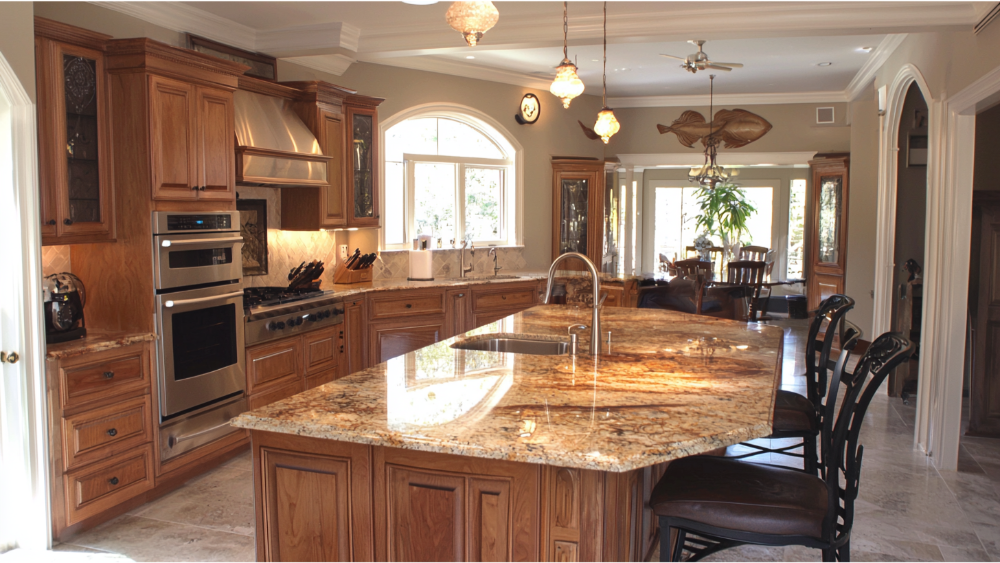
Kitchen Remodeling Pocket Sacramento

Kitchen Remodeling in Pocket Sacramento, CA

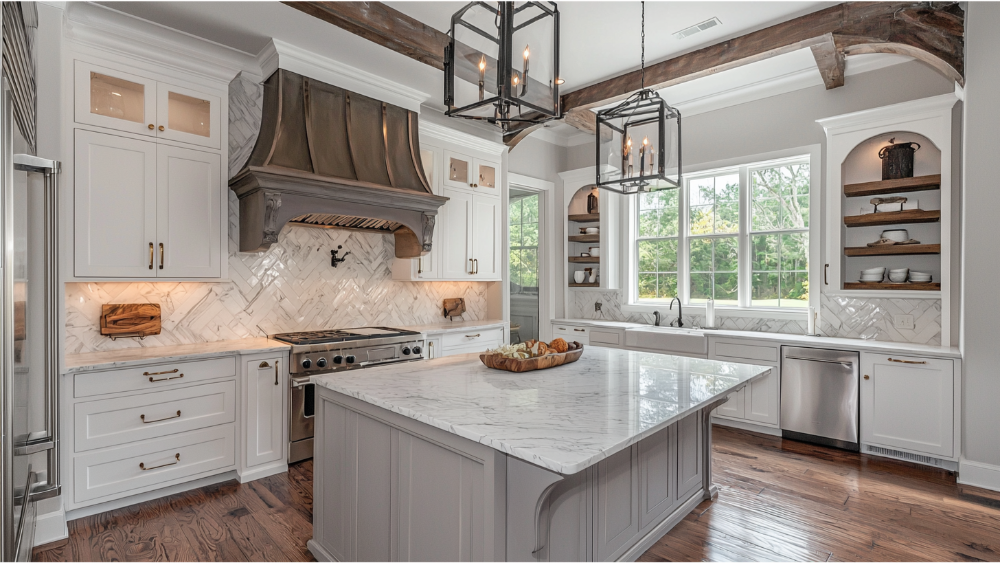
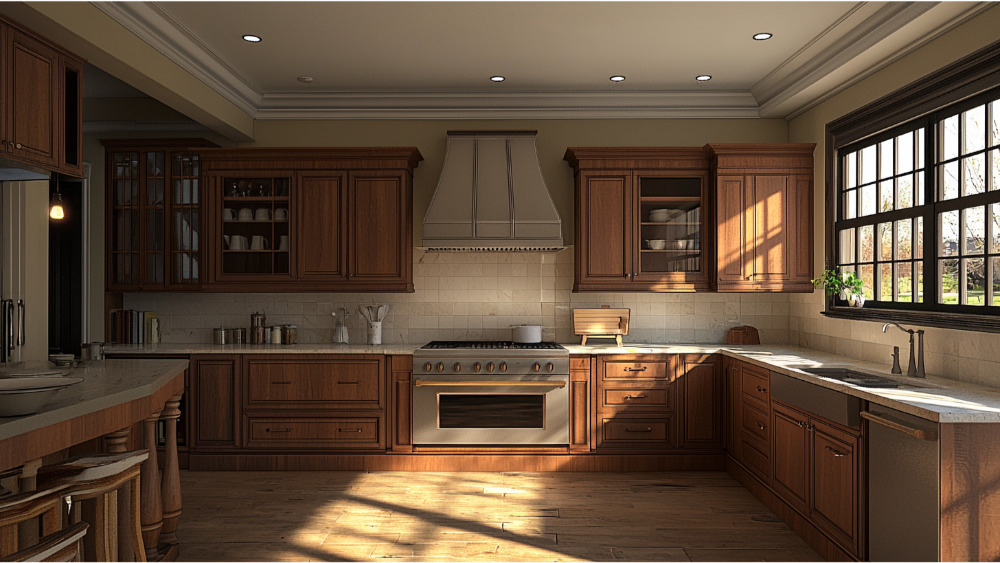
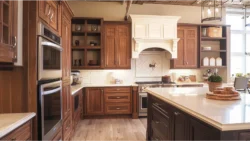
The kitchen is often the heart of the home, and for many homes in Pocket Sacramento, a kitchen remodel is one of the best ways to update your living space. Many kitchens in this area are still reflective of the 1960s and 70s designs, which may not suit modern needs.

Upgrading your kitchen can include new cabinetry, modern appliances, and an open-concept layout that makes the space more functional and inviting. If you’re looking for professional help, consider working with experts who specialize in kitchen remodeling in Pocket Sacramento, CA to ensure your remodel enhances both the aesthetic and value of your home.

Home Remodeling in Pocket Sacramento, CA

If you’re ready for a full home makeover, home remodeling in Sacramento, CA is an excellent option for homeowners in Pocket. Whether you’re looking to expand your living space, update outdated finishes, or even enhance your home’s energy efficiency, remodeling can completely transform your property.

Older homes in Pocket may need updates to meet modern building codes, enhance energy efficiency, or simply align with current design trends. A full remodel is a great way to modernize your home while maintaining its original charm.
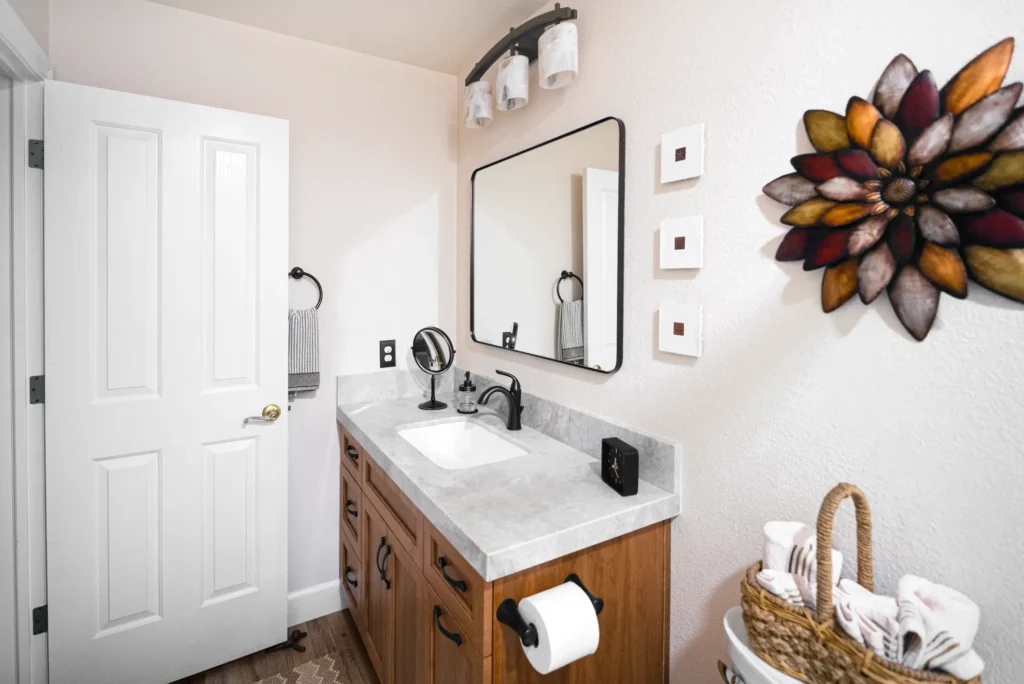
Bathroom remodel Pocket Sacramento

Bathroom Remodeling in Pocket Sacramento, CA

Bathrooms are another area where homeowners often seek to make improvements. Older homes in Pocket Sacramento may have small, outdated bathrooms that no longer meet the needs of modern families. A bathroom remodel in Sacramento, CA can involve updating fixtures, adding modern conveniences like walk-in showers or soaking tubs, and improving the overall layout to maximize space.

Schools and Education in Pocket Sacramento, CA

For families, one of the biggest draws to Pocket Sacramento is the quality of schools in the area. The neighborhood is served by the Sacramento City Unified School District, which includes highly regarded schools such as Matsuyama Elementary School, Caroline Wenzel Elementary School, and John F. Kennedy High School. Get more information on schools in the pocket, CA here.

In addition to strong academics, these schools offer a range of extracurricular activities, including sports, arts, and community service programs. For families with school-aged children, the educational opportunities in Pocket Sacramento are a major plus.

Frequently Asked Questions On The Pocket, Sacramento, CA

What Famous Person Lived in Pocket Sacramento?

Pocket Sacramento has been home to several notable residents over the years. One of the most well-known is Eddie Murphy, the legendary comedian and actor. He reportedly lived in the Pocket area for a period, drawn by its quiet, upscale atmosphere and proximity to downtown Sacramento. Although Eddie Murphy has had homes in multiple locations, his connection to Pocket Sacramento adds to the neighborhood’s allure as a desirable place for both celebrities and everyday residents.
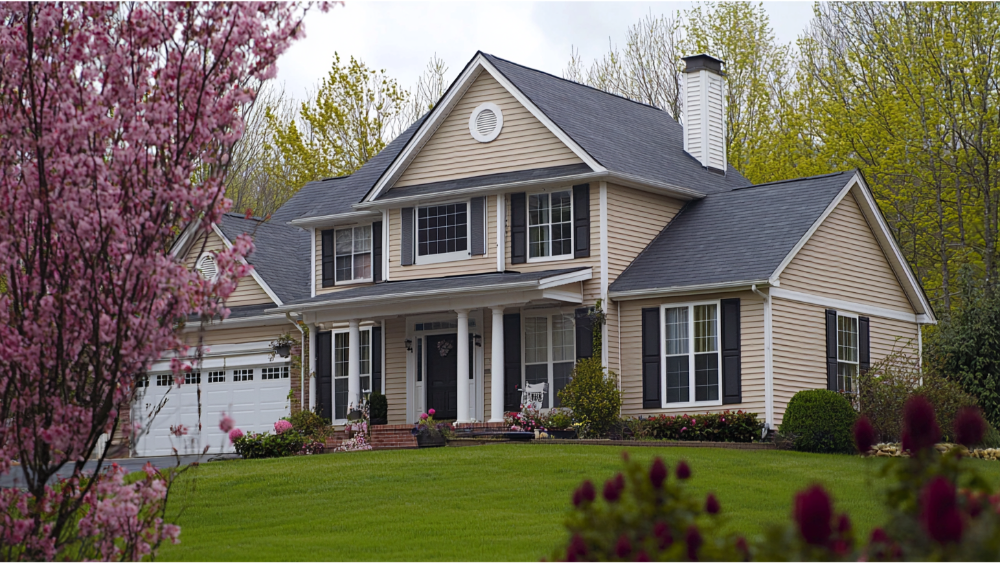
A house with nice siding in the Pocket, Sacramento

Is Pocket Sacramento a Good Place to Live?

Yes, Pocket Sacramento is an excellent place to live, especially for families, professionals, and retirees looking for a peaceful, suburban lifestyle. The neighborhood is known for its friendly atmosphere, tree-lined streets, and beautiful riverfront views. The community offers a variety of amenities, including parks, recreational trails, shopping centers, and top-rated schools. Plus, with its proximity to downtown Sacramento, residents enjoy both the tranquility of suburban life and the convenience of quick access to city amenities. The area’s reputation for safety and strong community ties makes it one of Sacramento’s most sought-after neighborhoods.

What is the Population of Pocket Sacramento?

As of the latest estimates, Pocket Sacramento has a population of around 45,700 residents according to the city of Sacramento. The neighborhood is a melting pot of cultures, with a diverse mix of families, professionals, and retirees. It also has a well-educated population, with a significant percentage of residents holding a bachelor’s degree or higher. This diverse and vibrant community continues to grow as more people discover the unique charm of living in Pocket Sacramento.

What’s the Nicest Part of Sacramento?

Choosing the “nicest” part of Sacramento depends on your preferences, but Pocket Sacramento certainly ranks as one of the most desirable areas. Its quiet, suburban atmosphere, combined with the scenic beauty of the Sacramento River, makes it a top choice for families and professionals alike. Other contenders for the title of “nicest part” include East Sacramento, known for its historic homes and tree-lined streets, and Land Park, which is adjacent to downtown and home to the Sacramento Zoo and William Land Park. Each of these neighborhoods offers its own unique appeal, but for those seeking a peaceful, family-friendly environment with easy access to nature, Pocket Sacramento stands out as one of the best.

Final Thoughts on The Pocket Sacramento, CA

Pocket Sacramento, CA, offers a unique combination of historical significance, scenic beauty, and suburban charm. Whether you’re drawn to the area for its peaceful riverfront setting, its tight-knit community, or the convenience of being close to downtown, Pocket Sacramento is an excellent place to call home.

For homeowners, remodeling projects such as kitchen, bathroom, or full home renovations can increase both the comfort and value of your property. If you’re considering a remodel, reach out to us and get a free remodeling estimate for the Pocket, Sacramento, CA
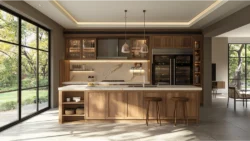
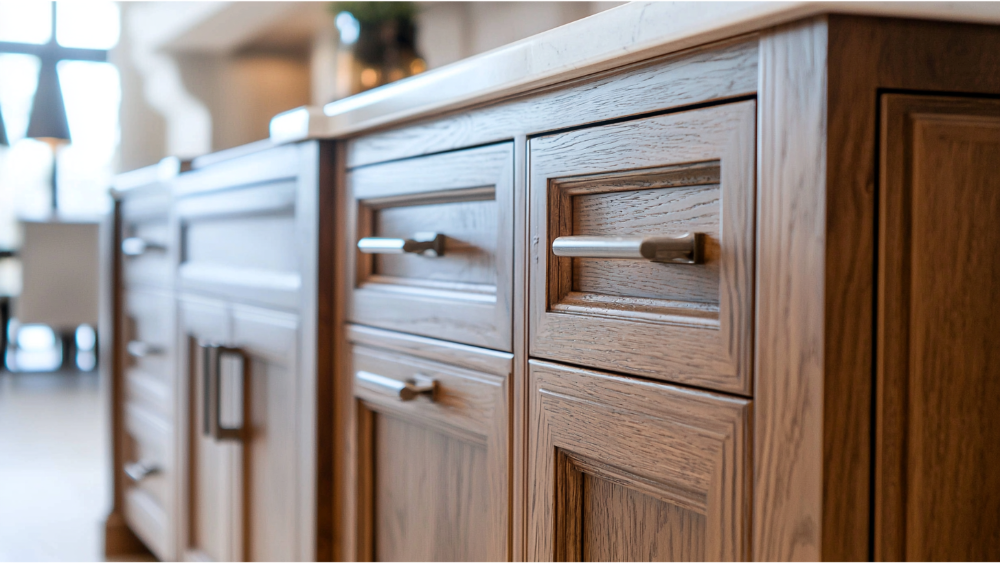
How Deep Are Kitchen Cabinets? A 2025 Guide

Опубликовано: September 21, 2024 в 9:19 pm

Автор:

Категории: Kitchen

Тэги: ,,

When designing or remodeling a kitchen, understanding the dimensions of kitchen cabinets is crucial for optimizing space and functionality. We will delve into the standard depths of kitchen cabinets, both base and wall-mounted, and explore how these dimensions can affect your kitchen layout.

By providing insights into typical cabinet measurements and customization options, we aim to assist you in making informed decisions that balance aesthetics with practicality in your kitchen design.

Standard Depths of Kitchen Cabinets

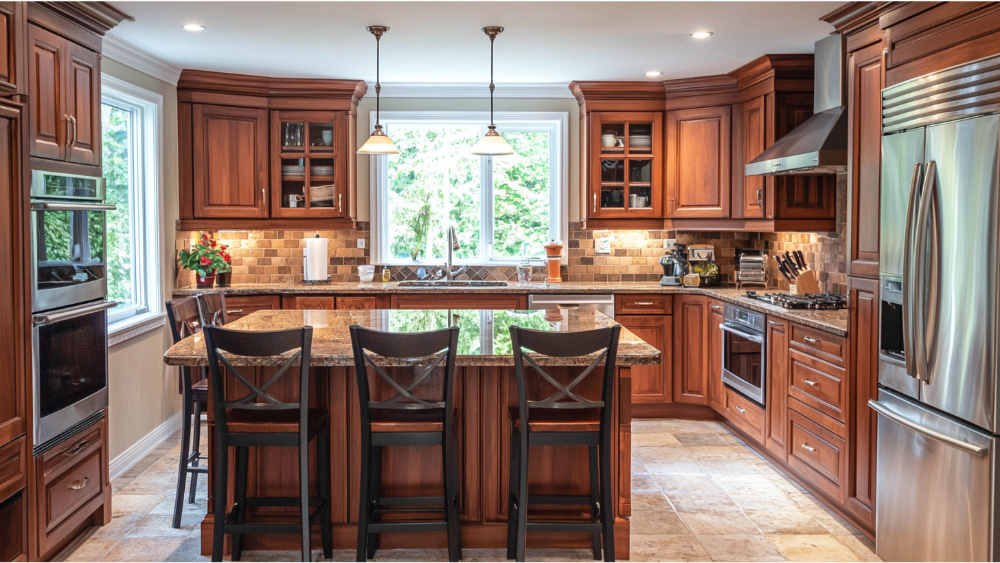
Kitchen cabinets

Base Cabinets

Base cabinets, which rest on the floor, typically have a standard kitchen cabinet depth of 24 inches. This dimension allows for ample storage space while ensuring that countertops have enough surface area for food preparation and appliances. The depth of these cabinets can sometimes be customized to accommodate unique kitchen layouts, but 24 inches remains the most common choice for functionality and aesthetics.

Upper Wall Cabinets

Upper wall cabinets are generally shallower than base cabinets, with a standard depth of 12 inches. This dimension is designed to provide adequate storage for dishes and small kitchen items while maintaining enough clearance above countertops to create an open and ergonomically friendly workspace. Adjusting the depth of these wall cabinets may be necessary for specific kitchen designs, but a 12-inch depth is typically ideal for reaching items with ease.

Tall Cabinets

Tall cabinets, also known as pantry cabinets or utility cabinets, typically have a standard kitchen cabinet depth of 12 to 24 inches. These cabinets extend from floor to ceiling and are versatile, offering extensive storage space for pantry items, brooms, or even built-in appliances. The depth of tall cabinets can vary based on individual storage needs and available kitchen space, allowing for customization to fit both form and function.

Custom and Variable Depth Options

Kitchen cabinets

Custom-Built Cabinets

Custom-built cabinets provide the flexibility to deviate from standard cabinet dimensions, allowing homeowners to tailor the depth to fit unique kitchen layouts or to meet specific storage requirements. By adjusting the depth beyond the standard measurements, one can maximize space utilization, ensuring that every inch of the kitchen is optimized for convenience and practicality.

For instance, deeper base cabinets can accommodate larger pots and pans, while custom shallow cabinets might be designed for smaller kitchens to maintain a spacious feel. This adaptability makes custom cabinets an excellent choice for those who have specific items to store or for kitchen designs that demand exact dimensions for harmony and efficiency. Through thoughtful customization, these cabinets can enhance both the functionality and aesthetic of any kitchen space.

Small Kitchen Solutions

In compact kitchens, shallower cabinets with depths ranging from 15 to 18 inches can be a game-changer, providing a sleek and efficient use of space. These cabinets, often used as upper cabinets or filler cabinets, help maintain an open and airy kitchen layout by reducing the optical heaviness that standard-depth cabinets might create in smaller areas.

With these shallower upper cabinets, homeowners can still enjoy ample storage for essential items like glassware, dishes, and pantry goods without sacrificing valuable surface and floor space. Likewise, filler cabinets of similar depth can be strategically placed to utilize awkward spaces or gaps, ensuring no corner goes to waste. This approach not only maximizes storage potential but also enhances the overall flow and functionality of smaller kitchens, allowing for a more enjoyable cooking and dining experience.

Extra Deep Cabinets

Opting for extra deep cabinets, such as those, can be highly advantageous for homeowners who need additional storage space for larger appliances and bulkier items. These cabinets are particularly beneficial in accommodating oversized pots, large kitchen appliances like stand mixers, or stockpots that might not fit comfortably within standard kitchen cabinet dimensions of 24 inches deep.

Double basin sinks can be effortlessly integrated into these deeper cabinets, providing a functional and stylish solution. The increased capacity allows for more organized storage, reducing clutter on countertops and making kitchen spaces appear tidier and more efficient.

In larger kitchens, 36-inch deep cabinets can be seamlessly incorporated into islands or other areas where they enhance functionality without encroaching on movement or workflow. By integrating these deep storage options thoughtfully homeowners can enjoy both a spacious feel and superb utility, striking an ideal balance in their kitchen design.

Depth Considerations for Functionality

Kitchen cabinets

Storage Needs

The depth of kitchen cabinets significantly influences storage capacity and the types of items that can be housed efficiently. Standard wall cabinets, with their typical 12-inch depth, are ideal for storing smaller kitchen items like glassware, plates, and pantry essentials, ensuring they are easy to reach and organize. In contrast, deeper base cabinets, usually around 24 inches deep, are better suited for larger kitchen tools such as pots, pans, and baking dishes that require more space and can be cumbersome if stored elsewhere.

Opting for even deeper cabinets, up to 36 inches, allows the accommodation of oversized appliances and bulkier items, which can help keep countertops clear and maintain the kitchen’s neat appearance. Therefore, choosing the appropriate kitchen cabinet dimensions is crucial for optimizing storage while ensuring that frequently used items are conveniently accessible.

Accessibility

When it comes to accessibility, deeper cabinets often pose a challenge, especially in terms of reaching items stored at the back. This is particularly prevalent in corner cabinets, which can create awkward spaces that are difficult to access and organize. To address this issue, incorporating pull-out shelves and organizers can be a practical solution. These features facilitate easy access by allowing users to slide the contents toward them, minimizing the need to reach far back into the depths of the cabinet.

Pull-out organizers transform hard-to-reach areas into functional spaces, ensuring that every item remains within easy reach. They can help maintain order by providing designated spots for various items, which not only improves access but also maximizes the overall storage capability of corner cabinets. By integrating these solutions, homeowners can enhance both the functionality and convenience of deeper cabinets, making their kitchen experience far more efficient and user-friendly.

Countertop Overhang Considerations

Countertop overhang is another crucial factor in kitchen design, impacting both aesthetics and functional space. Typically, countertops extend over the base cabinetry by about 1 to 1.5 inches, providing a finished look and protecting the cabinetry below. The overhang also ensures that there is ample room for preparing meals without obstructing access to drawers and doors. When designing custom cabinets, the desired countertop hang should be considered alongside the kitchen’s overall layout and flow, ensuring ease of movement and accessibility for daily tasks while harmonizing with the kitchen’s aesthetic appeal.

Frequently Asked How Deep Are Kitchen Cabinets Questions

Kitchen cabinets

What is the Standard Depth of a Kitchen Cabinet?

The standard depth of kitchen cabinets varies depending on their intended use. For kitchen wall cabinets, the typical depth is around 12 inches. This depth is ideal for storing smaller kitchen essentials like plates, glassware, and pantry items, providing easy access while maximizing space.

For a base cabinet, the standard depth is generally 24 inches. These cabinets are designed to accommodate larger items, such as pots, pans, and baking equipment, offering ample storage capacity while ensuring that the countertops above remain clear and organized. It’s also essential to consider standard base cabinet widths when planning the kitchen layout to optimize both functionality and accessibility.

Are All Kitchen Cabinets 24 Inches Deep?

No, not all kitchen cabinets are 24 inches deep. While 24 inches is the standard depth for base cabinets, allowing enough space for larger kitchen items and ensuring a convenient work surface on the countertop above, kitchen cabinets come in various depths to suit different purposes and layouts. Wall cabinets, for instance, are usually around 12 inches deep, making them perfect for storing smaller items such as dishes and glassware within easy reach.

Some specialty cabinets, like pantry units or extra deep base cabinets, can be up to 36 inches deep to accommodate bulkier items or oversized appliances. Custom cabinetry can also be tailored to specific dimensions, providing flexibility to meet unique space requirements and storage needs. Therefore, the depth of kitchen cabinets is varied and customizable, depending on the specific needs and design of the kitchen.

How Deep Are Custom Kitchen Cabinets?

Custom kitchen cabinets offer a great degree of flexibility in terms of depth, allowing homeowners to tailor their kitchen storage solutions to their unique needs and preferences. While standard cabinet depths serve as guidelines, custom cabinets can be designed to deviate from these norms, accommodating specific items or architectural features.

A homeowner might choose to create custom cabinets that are 30 inches deep to provide additional storage for larger appliances or cookware. Shallower custom cabinets around 15 inches deep could be utilized in narrow spaces where a conserving room is necessary. The ability to specify exact dimensions means that custom kitchen cabinets can blend seamlessly with the overall kitchen design, enhancing both functionality and aesthetics while addressing any unique constraints or requirements of the space.

Conclusion

The depth of kitchen cabinets plays a pivotal role in determining the functionality and efficiency of a kitchen space. Choosing the right cabinet depth is essential for organizing kitchen items conveniently and ensuring a seamless workflow. While standard depths of 12 inches for wall or upper kitchen cabinets and 24 inches for base cabinets provide a general guideline, there are numerous options, including custom cabinet designs, to accommodate specific storage needs and preferences. Considerations such as accessibility, the use of pull-out shelves, and appropriate countertop overhangs further enhance the practicality and aesthetic appeal of a kitchen. By carefully selecting kitchen cabinet dimensions and features, homeowners can transform their kitchen into a well-organized, user-friendly space tailored to their lifestyle.

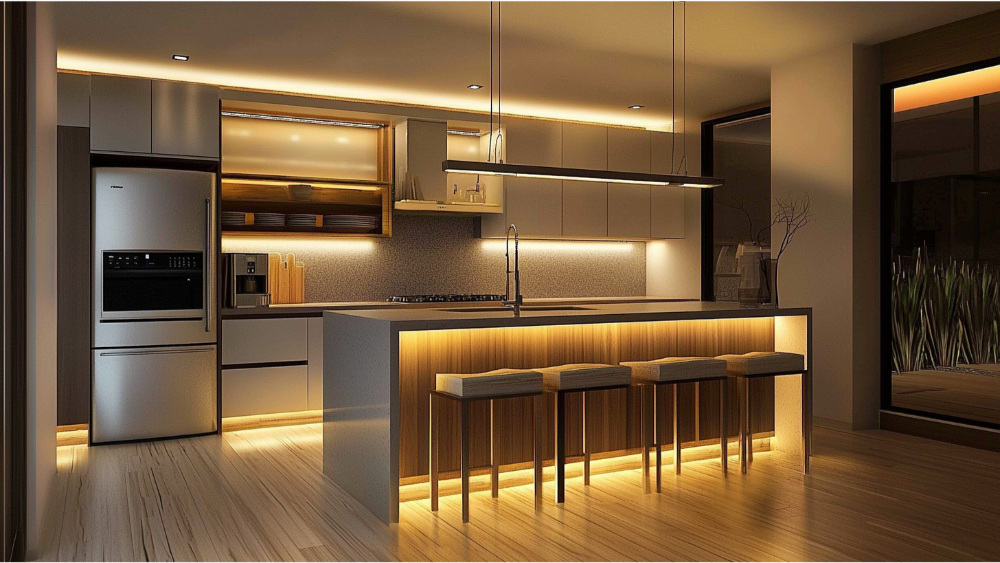
What Makes a Kitchen Look Expensive In 2025? 8 Ways You Can Make Your Kitchen Look Expensive

Опубликовано: September 19, 2024 в 10:25 pm

Автор:

Категории: Kitchen

Тэги: ,,

It’s not just about the price; it’s about choosing the right materials, finishes, and design to make the space look high-end. Whether you’re on a tight budget or willing to splurge there are many ways to turn an ordinary kitchen into a luxury oasis. In this guide, we’ll go through the must-haves that make a kitchen look expensive, from cabinetry and countertops to lighting and accessories.

Why Design is Important

First Impressions and Aesthetics

The overall design and layout of your kitchen are key to whether it looks expensive or not. From the moment you step into the kitchen, the aesthetics should shout luxury. Design choices like a balanced color palette, clever use of space, and high-end materials give that first “wow” factor. Luxury in design isn’t always about spending a lot of money; it’s about making the space feel elegant and thought-through.

A high-end kitchen should balance form and function. For example, practical design features like hidden storage or built-in appliances give a clean, streamlined look. These features not only improve the functionality of the kitchen but also the luxury feel. Beautiful aesthetics with practicality is the key to a high-end design.

Form and Function in a High-End Kitchen

It’s not enough for a kitchen to look good – it also has to work well. Clever use of space is a must-have in any high-end kitchen. For example, maximizing countertop space, choosing appliances that are easy to clean and maintain, and hidden storage solutions all contribute to a kitchen that feels as good as it looks.

1 | Cabinetry – The Foundation of a Luxury Kitchen

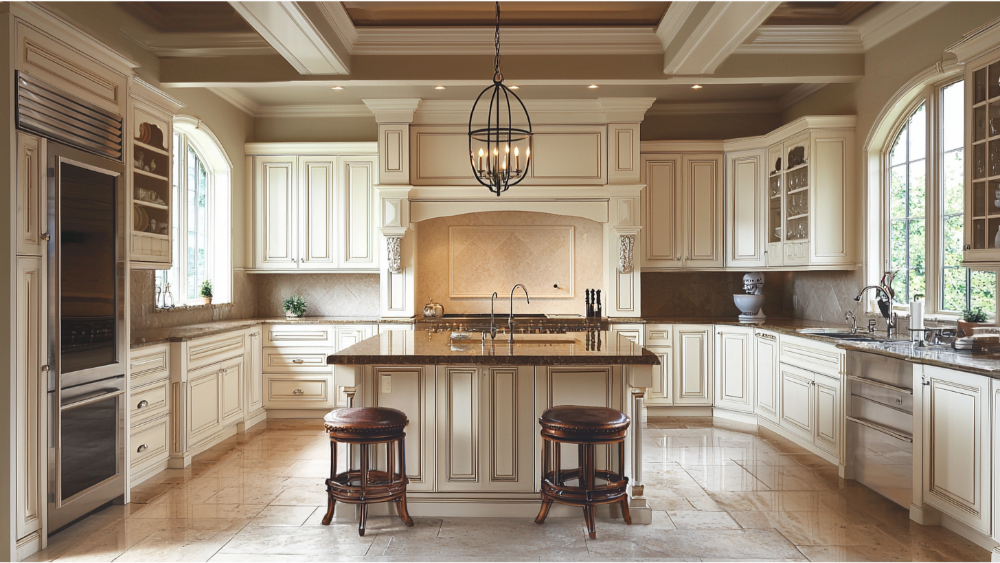
Kitchen cabinets

Cabinets are one of the biggest features in any kitchen and have a big impact on the overall look. Custom cabinetry is often associated with high-end kitchens because it gives a tailored, cohesive look. While custom cabinets can be expensive, there are budget-friendly alternatives like repainting or refacing existing cabinets to get a similar effect.

Custom vs Stock Cabinets

Custom cabinets allow you to design a unique look tailored to your needs and preferences. These cabinets can be designed to fit perfectly into your space giving a seamless high-end look. If custom cabinetry isn’t in your budget consider refacing or painting your existing cabinets to give them a fresh new look.

Color Options for High-End Look

The color of your cabinets has a big impact on the luxury of your kitchen. Classic neutrals like white, cream, or soft grey are timeless and never go out of style. Bold sophisticated colors like deep blue, forest green, or matte black can make a dramatic modern statement. Pair these colors with the right hardware and countertops and the space feels luxurious.

Hardware as a Design Statement

Changing your cabinet hardware is a small but big impact way to make your kitchen look more expensive. Brass, matte black, or polished chrome handles can dress up even the most basic of cabinets. Choose modern minimalist hardware to match sleek cabinet designs or go for ornate classic pieces to add a touch of vintage luxury.

2 | Countertops – The Centre of Luxury Kitchens

Kitchen countertops

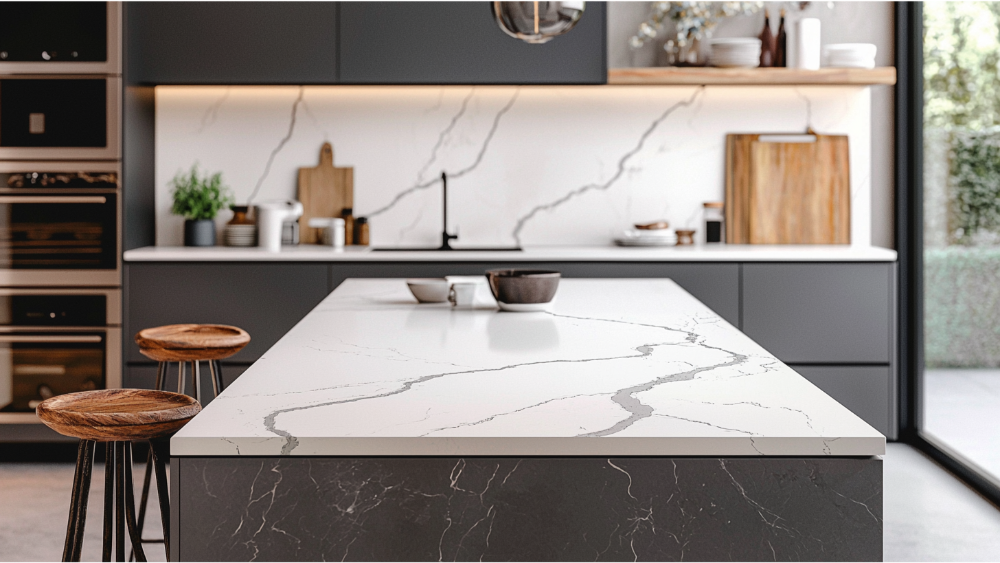
Counters are one of the first things people see in a kitchen so they are the focal point for creating a high-end look. Natural stones like marble and granite are often associated with luxury but other options can give you the same look without the price tag.

Material for a Luxe Finish

Marble, granite, and quartz are all popular choices for luxury counters. These materials look beautiful and are durable and long-lasting. But they can be expensive. Quartzite and engineered stone give you the same luxe look for a fraction of the price. Both are heat resistant and easy to maintain so perfect for everyday use.

Countertop Edge Finishes that Add the Wow

The edge finish of your counters can make a big impact on how luxurious the space feels. Ogee and bullnose edges give a more elaborate traditional look, and straight and square edges give a sleek modern look. These subtle design details add to the overall look of the kitchen.

3 | Lighting – The Secret to a Luxury Kitchen Vibe

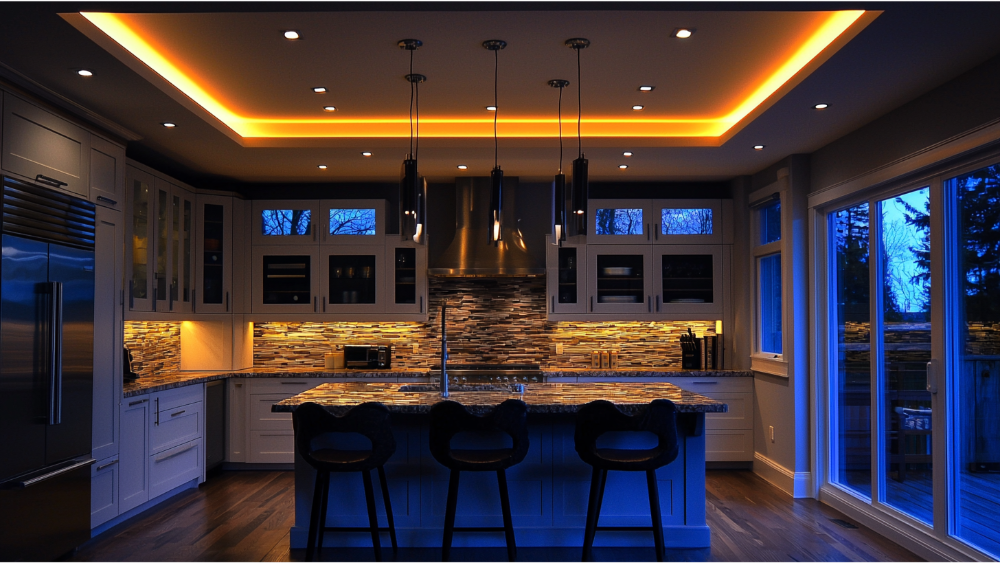
Kitchen lighting

Lighting is often the most overlooked part of kitchen design but it’s a big part of creating a luxurious feel. The right lighting can highlight the design elements of your kitchen and make it feel inviting and high-end.

Layering Lighting for an Expensive Look

A combination of ambient, task, and accent lighting creates a well-lit, functional, and beautiful kitchen. Task lighting like under cabinet lights illuminates the work areas while keeping it sleek. Ambient lighting like recessed lights or ceiling fixtures makes sure the kitchen is evenly lit and accent lighting like pendant lights adds the decorative touch.

Statement Fixtures

One of the simplest ways to add luxury to your kitchen is to install statement lighting fixtures. Pendant lights over islands or chandeliers can be focal points and add glamour to the space. The right fixtures not only provide the necessary lighting but also contribute to the overall design of the kitchen.

4 | Appliances and Fixtures – The Jewellery of the Kitchen

Kitchen appliances

Just like accessories can make an outfit, high-end appliances, and fixtures are the “jewelry” of the kitchen. Stainless steel, panel-ready appliances, and statement faucets can give your kitchen a high-end look without overwhelming the design.

High-End Appliances for a Luxury Kitchen

Stainless steel, panel-ready, and smart appliances are all signs of a luxury kitchen. Panel-ready appliances that can be hidden behind cabinet fronts give a seamless custom look. Smart appliances that integrate with your home’s technology add modern functionality to the space without overwhelming the design.

Statement Faucets and Sinks

Faucets and sinks are often overlooked but can make a big impact on the overall design. Brushed gold, matte black, or polished chrome faucets are a focal point in the kitchen and add luxury. Farmhouse sinks or under-mount sinks provide practical benefits and add to the sleek high-end look.

5 | Flooring – The Base of a Luxury Kitchen

Kitchen flooring

The type of flooring you choose can make a big impact on the overall look and feel of your kitchen. Natural materials like hardwood and stone are classic choices for luxury kitchens but there are budget-friendly alternatives that can mimic the look of more expensive materials.

Natural Materials

Hardwood and stone flooring add warmth and texture to the kitchen and look sophisticated. While these materials can be expensive there are budget-friendly alternatives like high-quality vinyl or ceramic tiles that look the same without the price. These materials are durable, easy to clean, and come in a wide range of styles and finishes.

Patterns and Layouts That Add Visual Appeal

The way your flooring is laid can also add to the luxury of your kitchen. Herringbone and chevron patterns add visual interest and sophistication, wide plank flooring can make a small kitchen feel bigger and more spacious.

6 | Backsplashes – A Small Detail with Big Impact

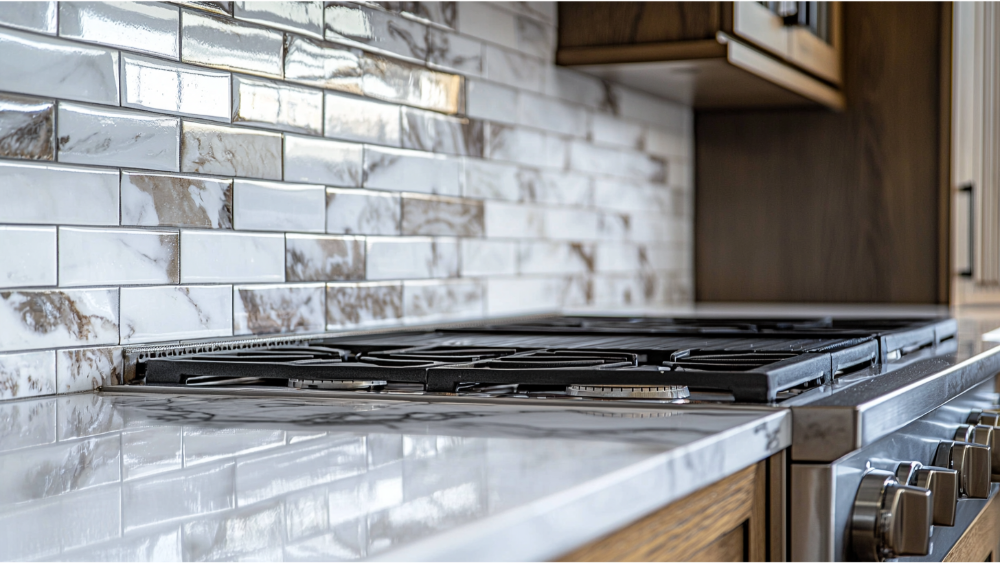
Kitchen backsplash

Backsplashes are a small part of the kitchen but can have a big impact.

Material for a Luxury Backsplash

Marble, glass, and subway tiles are all great choices for a luxury kitchen backsplash. A full-height backsplash that goes from countertop to ceiling can create a seamless high-end look especially when using marble or glass.

Textures and Patterns That Add to the Space

Adding texture with mosaic tiles or using large format tiles with fewer grout lines can create a clean look. The fewer grout lines the more luxurious the design will feel as it adds to the seamless-ness of the kitchen.

7 | Organising for Luxury – Declutter and Simplify

Simple kitchen

An organized, clutter-free kitchen looks more refined and expensive. Hidden storage solutions and minimalism add to the clean look.

Hidden Storage

Hidden storage like pull-out drawers, hidden trash bins, and built-in pantry systems keep clutter at bay while maintaining a clean modern look.

Minimalism and Simplicity

Keeping counters clear of appliances and gadgets allows the design elements of the kitchen to be seen. A minimalist approach with less visible objects and clean lines can make the space feel more open and luxurious.

8 | Finishing Touches

Kitchen remodel

Small details like wall art, décor, and custom window treatments can make a kitchen feel complete and expensive.

Wall Art and Décor

Adding carefully selected artwork or high-end décor can take your kitchen to the next level. Framed art or gallery walls with personal photos or artistic pieces can add personality and luxury to the space.

Custom Window Treatments

Drapes, blinds, and shutters are the final touches to the kitchen. The right window treatments not only control light and privacy but also add to the overall look of the room.

Crown Moulding and Trim for a finish

Crown molding and trim around cabinets and ceilings can finish off the space and make it look high-end. These small details complete the design and give the kitchen a custom look.

Conclusion

You don’t need a big budget to make a kitchen look expensive, it’s all about making smart design decisions that lift the space. From updating cabinetry and countertops to choosing the right lighting and finishing touches, every little bit counts.

What is the First Thing to Do When Remodeling a Kitchen?

Опубликовано: September 18, 2024 в 8:59 pm

Автор:

Категории: Kitchen

Тэги: ,

Remodeling a kitchen is a big deal and requires some thought and planning. We want to get to the fun stuff like choosing cabinets or picking out new appliances, but first, you need to plan. Proper planning will make the process smooth, keep you on budget, and end up with a kitchen that meets your functional and aesthetic needs.

Why Planning Matters

Planning is the first and most important phase of a kitchen remodel because it sets the tone for the whole project. Without a plan, you’ll make costly mistakes or experience delays. According to the experts, thorough planning can avoid problems like poor layout choices or structural surprises that will blow your timeline and budget.

Proper planning will also give you a space that’s not only beautiful but functional. If you rush the design phase you might end up with a kitchen that has no storage or poor workflow and daily tasks like cooking and cleaning will be harder.

How Planning Relates to Budget and Timeline

One of the biggest benefits of planning is how it relates to budget and timeline management. With a plan in place, you can set a realistic budget that accounts for everything from labor to materials. This way you can prioritize your spending on what’s most important to you, whether it’s high-end appliances or custom cabinetry.

Similarly, planning will help you set a timeline for the remodel. By breaking down each phase like demolition, plumbing, and cabinet installation you can ensure the project moves forward without unnecessary delays. Having a defined timeline will also allow you to coordinate the delivery of materials and the schedules of contractors, minimizing downtime.

What Homeowners Face Without Planning

When homeowners skip the planning phase or don’t spend enough time on it they often run into problems down the line. One of the most common is finding out the new layout doesn’t fit the space as expected and having to make costly changes. Another is running out of budget halfway through the project and having to compromise on finishes or materials. Planning will prevent these issues by allowing you to think through everything ahead of time.

What to Do First When Remodeling Your Kitchen

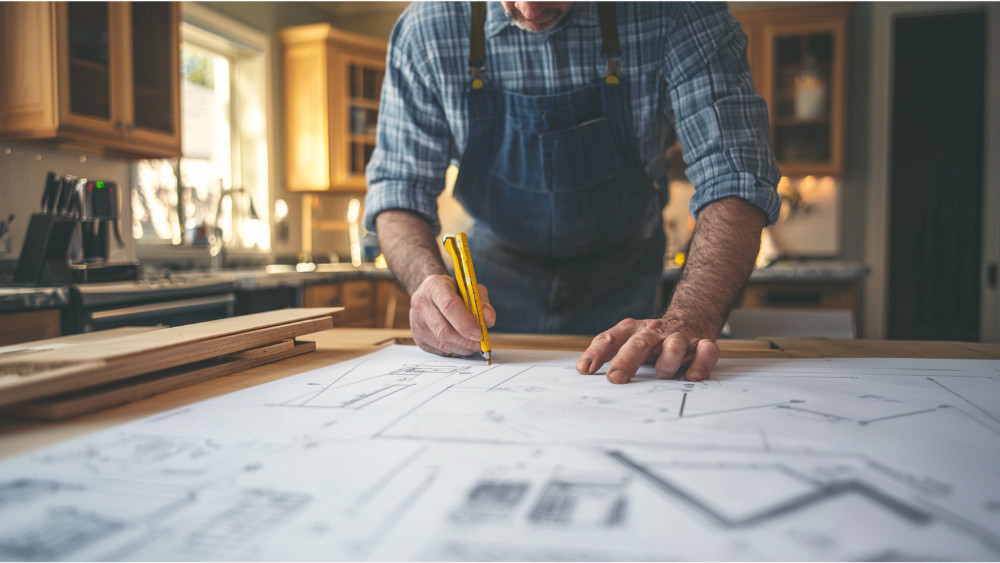
A man planning his kitchen remodel

Your Needs and Goals

The first step in planning your kitchen remodel is to assess your current space and determine your needs. What do you love about your current kitchen and what frustrates you? Is it the lack of storage, poor lighting, or outdated appliances? Make a list of must-haves and nice-to-haves to focus on what’s most important.

You should also think about your long-term goals. Are you going to sell the home in a few years or is this your forever kitchen? If resale is a priority your remodel should focus on features that appeal to buyers like modern appliances and durable countertops. If you’re remodeling for personal enjoyment you can focus on design elements that suit your style and needs.

Your Wishlist

Start by making a wishlist of what you want in your new kitchen. This could be a kitchen island, a farmhouse sink, or a double oven. By prioritizing your list you can focus on must-haves and stay within budget and add any nice to-haves if there’s room in the budget later.

Realistic Budget

Once you know what you want to achieve the next step is to set a realistic budget. Remodeling costs can vary greatly depending on the size of your kitchen, the materials you choose, and whether you’re hiring professionals or doing some of the work yourself.

You should get multiple quotes from contractors and suppliers to get the full scope of the project. Remember to include labor costs, material costs, and a contingency fund (10-20% of the total budget) for any unexpected issues that may arise during the remodel.

Contingency Fund

A contingency fund is important because remodeling projects often uncover hidden problems like water damage or outdated electrical systems. Without a buffer in your budget, these issues can derail the project and force you to compromise on the final design.

Layout and Design

A good layout is the foundation of a functional kitchen. When designing your kitchen consider the kitchen work triangle which is the placement of the sink, stove, and refrigerator to create an efficient workflow. Popular kitchen layouts are L-shaped, U-shaped, galley, and open-concept.

Design Tools and Professional Help

Many homeowners find it helpful to use kitchen design software or consult with a professional kitchen designer during this phase. These tools and experts can help you visualize different layouts and suggest space-saving solutions or design features you may not have thought of.

Who to Hire for Your Kitchen Remodel

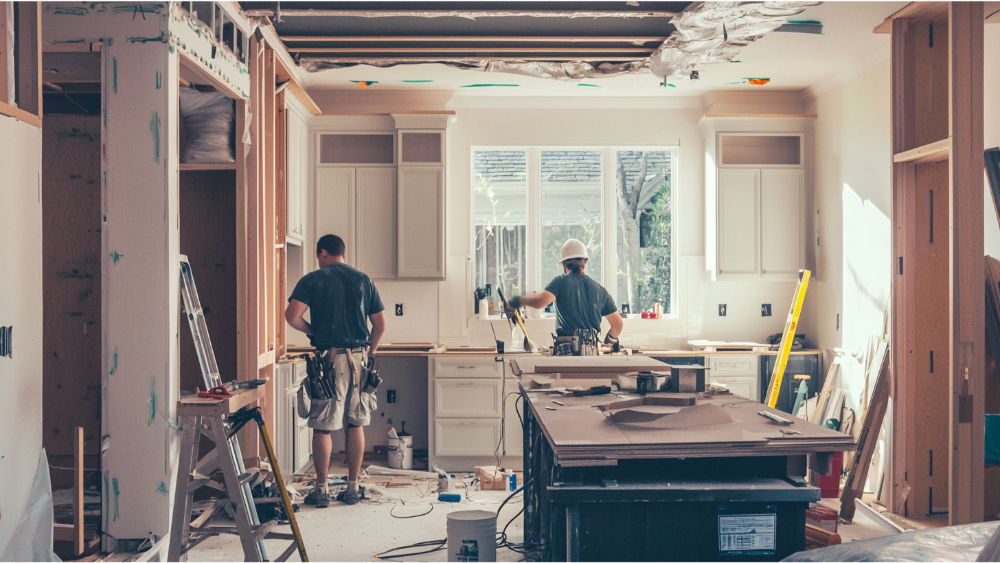
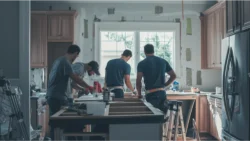
Two men remodeling a kitchen

General Contractor vs DIY

One of the biggest decisions you’ll have to make is whether to hire a general contractor or do some of the work yourself. A general contractor will manage the entire project including hiring subcontractors and making sure everything is done to code. But this convenience comes at a cost, contractors typically charge 15-20% of the total project budget.]

Hire America’s Advantage Remodeling Today!

If you have the skills and experience you can save money by doing some of the work yourself like demolition or painting. Just be aware that DIY projects can take much longer and often require a steep learning curve.

When to Hire a General Contractor

For tasks like electrical work, plumbing or structural changes hiring a general contractor is usually the way to go. They have the expertise and licenses to ensure the job is done safely and to code.

Research and Selecting a Contractor

Choosing the right contractor is key to a successful remodel. Start by asking friends or family for referrals and check online reviews. Once you have a few candidates on your list ask for quotes and meet with each contractor to go over your project.

Contract Terms

When hiring a contractor make sure to have a written contract. This should include the scope of work, payment schedule, timeline, and any warranties on labor or materials. A good contract protects both you and the contractor and makes sure everyone is on the same page.

Your Dream Kitchen

Materials and Finishes

Choosing materials and finishes is the fun part of the remodel but you have to balance aesthetics with durability. For example, quartz countertops are popular for their look and low maintenance while hardwood floors are warm but require more care than tile.

Aesthetics vs Durability

When choosing materials think about how they will hold up to daily use. Marble countertops look great but are prone to staining and scratching. If you want a low-maintenance option consider quartz or laminate.

Kitchen Storage

A well-designed kitchen maximizes storage with features like pull-out shelves, lazy susans, and deep drawers for pots and pans. Consider vertical storage solutions like tall cabinets or open shelving to make the most of every inch.

Cabinetry and Shelving for Storage

Custom cabinetry can be tailored to your needs with features like built-in spice racks, utensil drawers, and pull-out trash bins. Open shelving is another trendy option that adds visual interest and keeps frequently used items at your fingertips.

Timeline and Budget

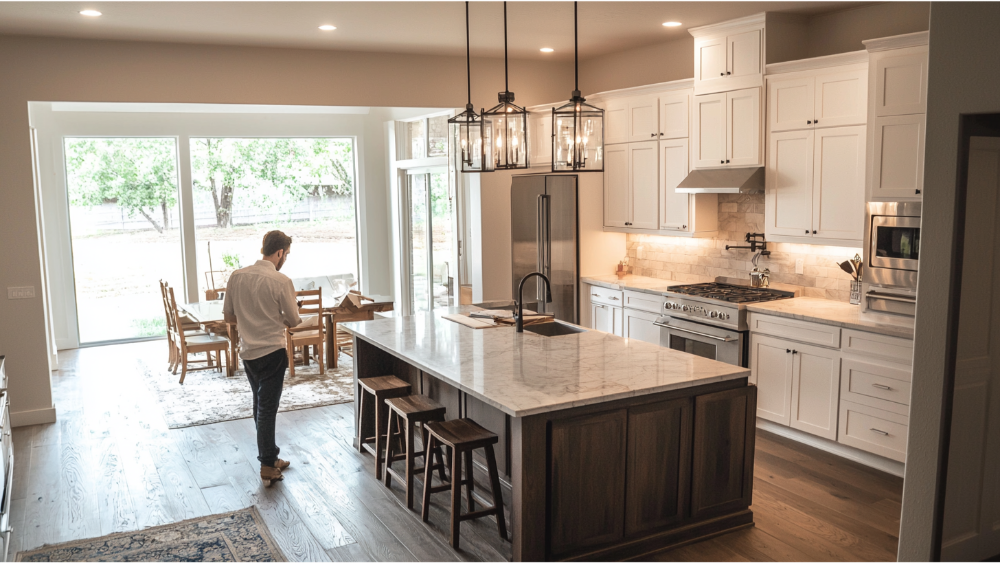
A man walking in his new kitchen

Create a Detailed Timeline for Your Remodel

A detailed timeline will keep the project on track and prevent delays. Break down the remodel into phases like demolition, electrical work, and cabinet installation, and assign a timeframe to each task. Make sure to share this timeline with your contractor so everyone is on the same page.

Budget Tracking

Tracking your budget throughout the remodel is key to not overspending. Use a spreadsheet or budgeting app to log every expense and compare to your original budget. If you encounter unexpected costs adjust your budget accordingly but don’t cut corners on important items like plumbing or electrical work.

What to Do When Unexpected Costs Happen

When unexpected costs come up like finding out the wiring is outdated or there is hidden water damage you need to dip into your contingency fund rather than compromise on materials or workmanship.

Remodeling Prep

Prepare Your Home for Construction

Remodeling a kitchen can be messy so make sure to prepare your home and family for the construction phase. Set up a temporary kitchen in another room with the essentials like a microwave, mini-fridge, and coffee maker.

Temporary Kitchen

Cook meals in advance and freeze them for easy reheating. This will save you from ordering takeout every night during the remodel.

Delays and Setbacks

Delays happen in kitchen remodels especially if materials are backordered or unexpected issues arise. Stay flexible and communicate with your contractor regularly to manage expectations and keep the project moving.

Be Flexible with Your Timeline

While it’s important to have a timeline understand that some delays are going to happen. Build some buffer time into your schedule to account for these setbacks without stressing about finishing on time.

Conclusion

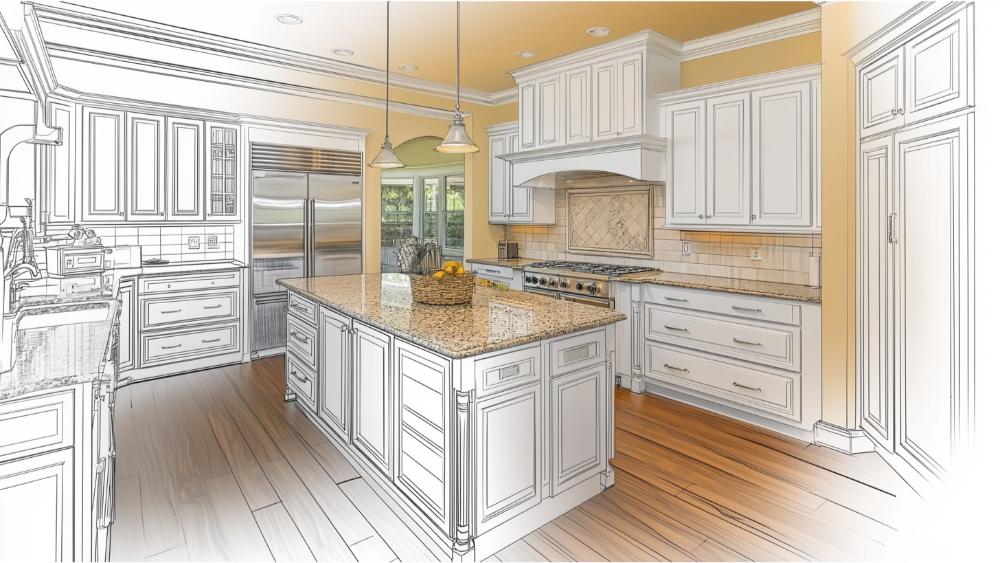
A kitchen remodel drawing

Final Inspections and Walkthroughs

Before your contractor wraps up the project do a final inspection to make sure everything is complete to your liking. This is your chance to address any issues like unfinished trim or minor repairs.

Punch List

A punch list is a document that outlines any remaining tasks or fixes that need to be done before the remodel is complete. Review this with your contractor and schedule a follow-up if needed.

Enjoy Your New Kitchen

After weeks or months of work, your new kitchen is finally done. Take some time to enjoy the space with family and friends and celebrate the completion of the remodel. With proper planning and the right contractor, you can turn your kitchen into a space that is functional and beautiful. So sit back, relax, and enjoy your new kitchen! There’s so much to consider when designing your dream kitchen from choosing the right materials and finishes to storage and timeline and budget.

,

How to Decorate Top of Kitchen Cabinets

Опубликовано: September 18, 2024 в 2:15 am

Автор:

Категории: Kitchen

Тэги: ,

Decorating the top of kitchen cabinets is an often-overlooked opportunity to infuse personality and style into your kitchen space. With the right decor, you can transform this unused area into an appealing focal point that complements your overall design theme. Whether you prefer minimalistic elegance or a more eclectic, vibrant look, the top of your cabinets can showcase unique pieces that reflect your taste.

You can create a visually engaging kitchen environment by incorporating elements such as greenery, art, or decorative kitchenware.

Creative Ways to Decorate the Top of Your Kitchen Cabinets

Add Greenery

Adding greenery is a versatile and refreshing way to decorate the top of tall cabinets in your kitchen. Utilizing plants with trailing vines or tall leafy greens can draw the eye upward, creating an illusion of a more spacious area.

Opt for easy-to-care-for plants, such as pothos or ferns, which thrive with moderate light and minimal upkeep. To create a visually pleasing arrangement, consider grouping plants in clusters or mixing them with decorative pots or vases that match your kitchen’s color scheme.

Display Artwork

Displaying artwork on the top of your kitchen cabinets can add sophistication and personal flair to the space. Select pieces that complement your kitchen’s color palette and overall decor theme. Consider using a mix of framed prints or canvas paintings to introduce texture and interest. For a cohesive look, arrange artwork in varying heights to create depth, and pair it with subtle lighting to highlight the pieces and enhance their visual impact.

Install Lighting

Installing lighting on top of your kitchen cabinets can significantly enhance visual interest and transform previously blank space into an illuminated showcase. Consider using LED strip lights or puck lights, as these options are subtle yet effective in highlighting decorative elements placed above.

Lighting draws attention to your selected decor and adds warmth and ambiance to the entire room. By strategically placing lights, you can create depth and draw focus to art pieces or greenery, making this area an integral part of your kitchen’s overall design.

Showcase Glassware

Decorated kitchen cabinets

Showcasing glassware on the top of your kitchen cabinets can elegantly utilize display space while adding a touch of sophistication to your kitchen. Choose a selection of decorative glassware, such as vintage vases, colorful bottles, or elegant decanters, that complement your kitchen’s design style.

The transparency of glassware can create an open and airy feel while varying heights and shapes help in crafting a dynamic visual display. By placing glassware on cabinet tops, you can turn this often-overlooked area into a striking feature that enhances the overall aesthetic of your kitchen.

Use Baskets for Storage

Using rustic baskets for storage is a practical yet stylish approach to decorating the tops of kitchen cabinetry. These baskets provide an ideal solution for keeping infrequently used items neatly contained while complementing a cozy, farmhouse aesthetic.

The woven texture adds visual interest and warmth, creating a charming contrast against sleek or painted cabinet finishes. By varying the sizes and shapes of the baskets, you can create an organized yet dynamic display, adding both functionality and rustic elegance to your kitchen’s decor.

Incorporate a Vintage Collection

Incorporating a vintage collection on the top of your kitchen cabinets can transform empty space into a nostalgic showcase. Choose antique items, such as vintage tins, classic cookbooks, or retro kitchen utensils, that adds character and charm.

By placing these collectibles above the cabinet doors, you create a focal point that draws the eye upward. Consider mixing different sizes and textures to enhance visual interest while seamlessly integrating with your kitchen’s existing decor.

Create a Seasonal Display

Creating a seasonal display on the top of your kitchen cabinets is an excellent way to utilize vertical space and refresh your kitchen’s look throughout the year. Begin by rotating decor objects that align with each season’s theme, such as spring blooms, autumn foliage, or winter ornaments.

Integrating seasonal colors and textures can invigorate the upper cabinets, ensuring they remain a dynamic part of your home decor. These occasional updates not only celebrate the changing seasons but also provide an opportunity to express your style and creativity visibly and engagingly.

Integrate Sculptural Pieces

Integrating sculptural pieces into your dream kitchen decor is an inventive way to enhance the aesthetic appeal of the space above your cabinets. These decor items, such as abstract figures, modern busts, or geometric shapes, can add a unique touch, amplifying the artistic elements of your kitchen design.

By strategically placing sculptures with varying heights and materials, you create a compelling visual narrative that draws attention upward. This not only adds depth to your kitchen but also complements your personal style, making the space feel curated and intentional.

Matching Decorations with Kitchen Styles

Decorated kitchen cabinets

Modern Minimalist

Decor Idea

For a modern minimalist kitchen, opt for sleek, monochromatic decorations such as simple black or white vases and geometric objects. The clean lines and restrained color palette will maintain the minimalist aesthetic while adding subtle elegance to the space.

Why It Matches

The clean lines and unobtrusive shapes complement a minimalist aesthetic, enhancing the simplicity and elegance of modern kitchens. This design approach not only creates a visually appealing space but also promotes functionality and ease of use.

Cozy Farmhouse

Decor Idea

Woven baskets and vintage tin signs add a charming touch to any space, blending functionality with nostalgic decor. They are perfect for enhancing your home’s aesthetic.

Why It Matches

These elements add warmth and rustic charm, aligning perfectly with the inviting and homely feel of farmhouse-style kitchens. Together, they create a cozy atmosphere that makes cooking and gathering with family a delightful experience.

Eclectic Boho

Decor Idea

A vibrant mix of colorful plant pots and eclectic art pieces creates a dynamic and inviting atmosphere. This combination adds personality and charm to any space.

Why It Matches

The diversity and vibrancy of these items reflect the bohemian style of eclectic decor, adding layers of texture and color to boho kitchen designs. They create a warm and inviting atmosphere that encourages creativity and self-expression.

Industrial Chic

Decorated kitchen cabinets

Decor Idea

Metallic sculptures paired with rustic wooden crates create a striking contrast in art and design. This combination adds a unique and intriguing element to any space.

Why It Matches

These elements provide a blend of raw textures and rugged material aesthetics, which align perfectly with the industrial chic style that often features exposed structures and neutral palettes. This approach not only enhances the visual appeal but also creates a warm and inviting atmosphere.

Traditional Elegance

Decor Idea

Classic porcelain figurines and ornate candle holders add a touch of elegance to any space. Their timeless beauty makes them perfect for decoration or as thoughtful gifts.

Why It Matches

These timeless pieces add a sense of refined luxury and sophistication, enhancing the formal and luxurious feel prevalent in traditional kitchen designs. Their classic craftsmanship and elegant details create a harmonious blend of beauty and functionality that complements the overall aesthetic.

Frequently Asked How to Decorate Top of Kitchen Cabinets Questions

Decorated kitchen cabinets

Should You Decorate the Top of Kitchen Cabinets?

Decorating the top of kitchen cabinets is a personal choice that depends on your style preference and the overall aesthetic you wish to achieve in your kitchen. Some individuals enjoy the opportunity to utilize this often-overlooked space to add personal touches, whether through decorative accents or practical storage solutions.

Decorating these high spaces can help create a cohesive design and draw the eye upward, enhancing the visual height of the room. On the other hand, leaving the tops of cabinets undecorated can aid in maintaining a clean, uncluttered look, which may appeal to those who prefer minimalist or streamlined designs. These individuals often would rather opt for a kitchen cabinet remodel to increase the overall aesthetics of their kitchen instead of adding to the aesthetics. Before deciding, consider how decoration would fit with your kitchen’s existing design elements and whether it aligns with your lifestyle and organization preferences.

What to Put on Top of Kitchen Cabinets to Keep Clean

Keeping the tops of kitchen cabinets clean can be a manageable task by utilizing the right decor items and storage solutions. Consider using decorative storage boxes or baskets with lids to keep items dust-free while maintaining a tidy appearance. These containers can hold seldom-used kitchen items, recipe collections, or seasonal decor.

Placing a layer of clear adhesive shelf liner on top of the cabinets can protect surfaces from dust and grease, making cleaning easier. Decorative trays can also help organize items, making it simple to remove them when it’s time to clean. By integrating these practical yet stylish solutions, you ensure the space remains both functional and aesthetically pleasing.

How Often Should You Clean on Top of Kitchen Cabinets?

Cleaning the tops of kitchen cabinets is typically recommended every three to six months. This frequency ensures that dust, grease, and any potential buildup are kept at a manageable level, maintaining both hygiene and appearance.

However, the exact timing can depend on factors such as how often you cook, your kitchen’s ventilation, and whether your decor items accumulate dust quickly. Regular inspection can help determine the best cleaning interval for your specific kitchen environment, ensuring that your space remains inviting and free from unwanted residue. Don’t forget that how you clean wood kitchen cabinets, laminate, venire and many others are dictated by the material your cabinets are made out of. will dictate how you clean them

Conclusion

Decorating the top of kitchen cabinets is a creative endeavor that allows you to inject your personal style into an often overlooked space. Whether you prefer the sleek lines of a modern minimalist approach, the rustic charm of a cozy farmhouse, or the vibrant textures of eclectic boho design, there are countless ways to make this space your own. Thoughtful decoration can enhance the overall aesthetic of your kitchen and dining room, drawing the eye upwards and adding dimension and interest. Ultimately, balancing practical considerations with decorative flair can transform your kitchen into a cohesive and inviting environment. Tailor your choices to fit seamlessly with your existing decor and lifestyle, creating a space that reflects your taste and functions well within your daily life.

Tips on How to Organize Kitchen Cabinets [Updated September 2025]

Опубликовано: September 17, 2024 в 2:45 am

Автор:

Категории: Kitchen

Тэги: ,

Organizing your kitchen cabinets in 2025 isn’t just about decluttering — it’s about maximizing storage, creating a smooth workflow, and making your kitchen both functional and stylish. Whether you’re working with a small kitchen or a large space, these cabinet organization ideas will help you save time, reduce stress, and keep everything within reach.

Categorizing Items in Each Cabinet

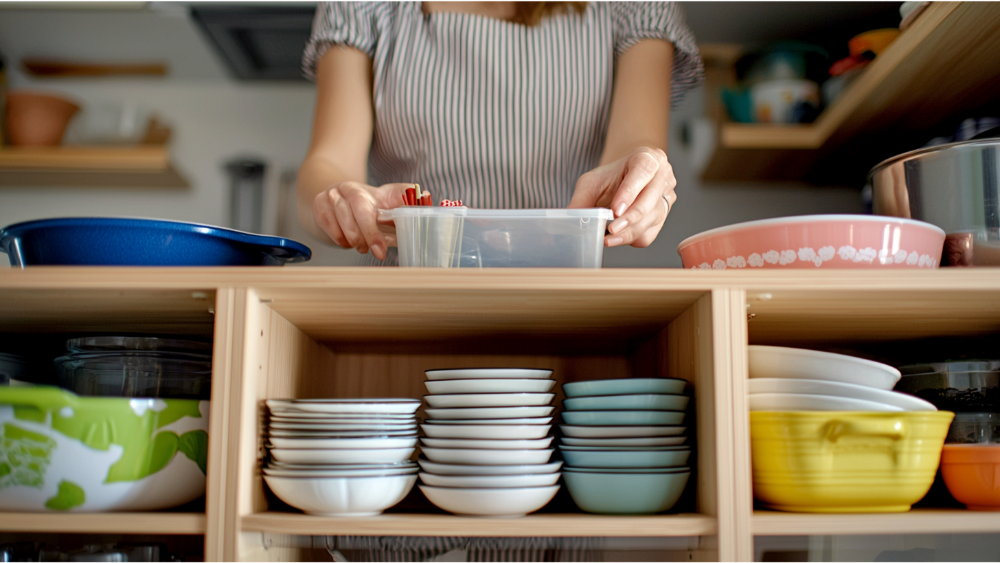
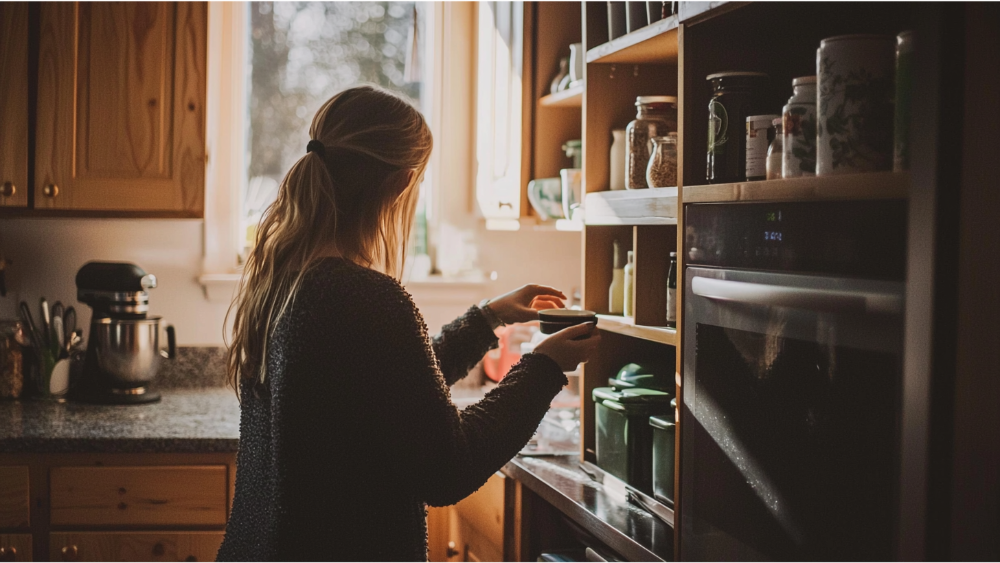
A women categorizing her kitchen cabinets

Pantry Staples

Pantry staples such as grains, pasta, and canned goods should be stored together in a designated cabinet space. Utilize storage space efficiently by using stackable food storage containers that allow you to see contents at a glance. Placing frequently used items in upper cabinets keeps them easily accessible while maintaining a neat and organized look.

Baking Supplies

Group baking essentials, including flour, sugar, and baking soda, into one area to make baking projects convenient and enjoyable. Consider placing them in clear food storage containers with labels for easy identification. Storing these items behind cabinet doors can keep kitchen surfaces clutter-free and visually appealing.

Spices and Seasonings

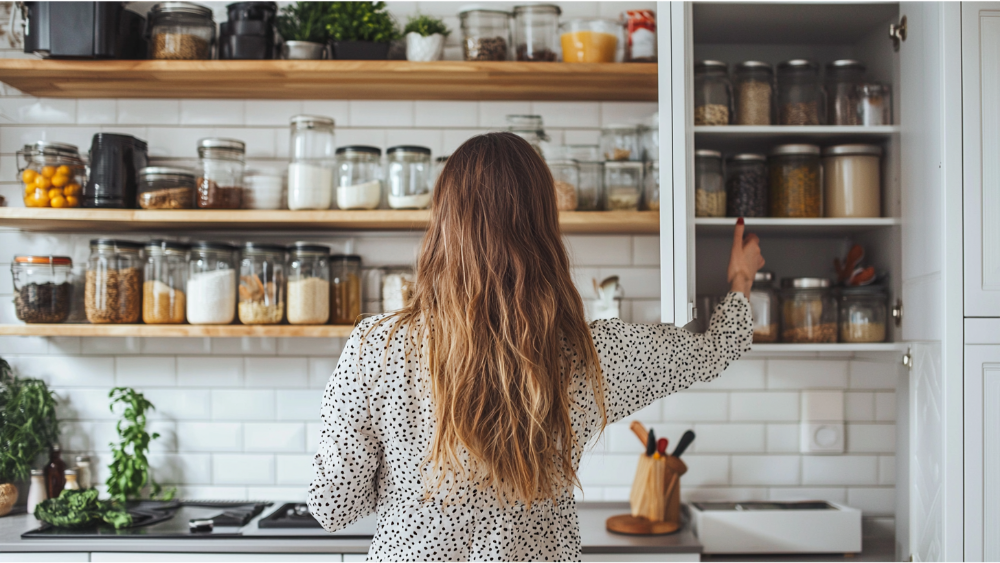
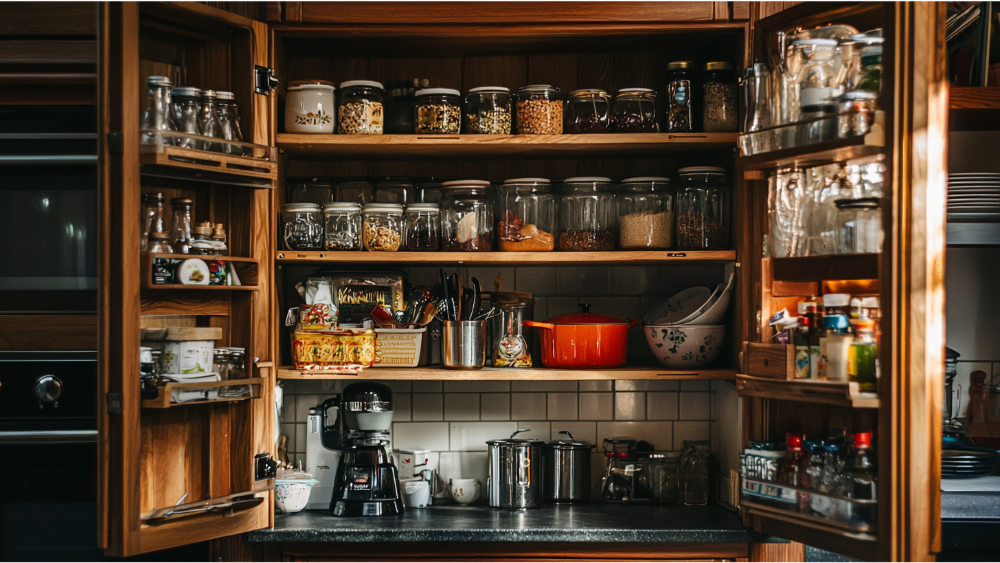
Organized spices and grains

Organize spices and seasonings in a dedicated cabinet space near the stove for quick access during cooking. Magnetic strips or tiered spice racks attached to cabinet doors can save storage space and keep everything visible at a glance. This method ensures that every spice is within reach when you need it.

Cookware and Utensils

Cookware, such as pots, pans, and baking sheets, can be grouped together in lower cabinets or deep drawers. Consider using adjustable dividers to keep items from shifting and maximize your storage space. Storing lids on the insides of cabinet doors can free up even more space, making it easier to find the right pot or pan.

Small Appliances

Store small appliances, like blenders and mixers, in a cabinet space that’s easy to access yet keeps counters clear when not in use. Upper cabinets are ideal if you have limited space elsewhere, but ensure they are sturdy enough to hold the weight. Keeping some of these must-have kitchen appliances behind cabinet doors contributes to a tidy kitchen environment.

Tips for Efficiently Utilizing Space and Organize Kitchen Cabinets

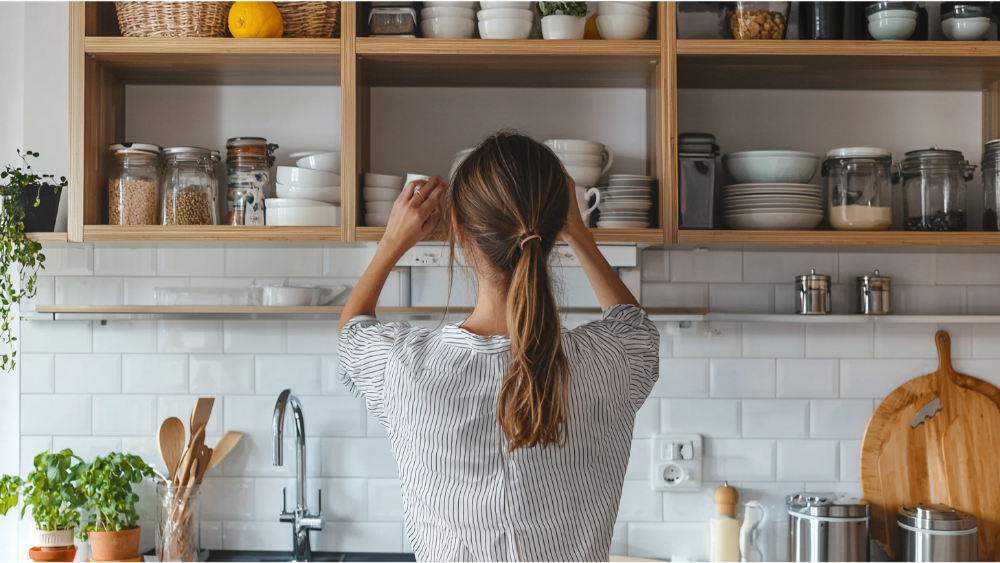
A lady organizing her kitchen cabinets

Maximize the Cabinet Door

Consider utilizing the inside of cabinet doors to add extra storage space. Adding adhesive hooks can provide a place to hang measuring spoons, oven mitts, or lightweight kitchen tools, keeping them within easy reach.

This approach not only increases storage options but also enhances overall kitchen organization by keeping items visible and accessible.

Double Your Space with Shelf Rises

Shelf risers are an excellent solution for doubling the available space within your cabinets. These handy tools allow you to stack items vertically, turning wasted air into usable storage. For instance, you can place a riser in your pantry to create separate levels for canned goods and dry ingredients, making them easier to access without having to dig through layers of products. Using shelf risers not only optimizes cabinet space but also enhances overall organization by keeping similar items grouped together, simplifying your kitchen routines.

Designate Spaces with Kitchen Drawers

Organizing kitchen cabinets

Designating specific spaces within kitchen drawers can significantly enhance organization and efficiency. Allocate different drawers for utensils, baking tools, and frequently used items to maintain a tidy and orderly space. Drawer organizers can be incredibly useful for separating items like cutlery, ensuring everything has its place and is easy to access. This approach minimizes clutter and streamlines your cooking processes, allowing you to find exactly what you need quickly and effortlessly.

Streamline Cleaning Supplies

Keep your cleaning supplies organized under the sink with bins or pull-out caddies. Group sprays, sponges, and scrubbers by type so they’re easy to grab. Vertical racks or stackable organizers are perfect for maximizing the tight space below the sink, keeping your kitchen both tidy and efficient.

Incorporate Creative Kitchen Cabinets and Drawers Organization Ideas

Incorporating creative kitchen cabinet organization ideas can greatly enhance the efficiency and aesthetics of your kitchen. Consider utilizing pull-out shelving or drawers for easy access to items stored in the back, eliminating the need to dig through cluttered spaces. Deep drawers are particularly useful for storing pots and pans, allowing you to stack them neatly without taking up too much vertical space.

Consider installing drawer dividers to keep utensils and gadgets organized, ensuring that everything has its place. Install lazy Susans in corner cabinets to make use of otherwise lost space, ensuring all items remain visible and within reach. Using clear containers and labels can reduce time spent searching for ingredients, making meal preparation more streamlined and enjoyable.

Maintaining Organization in Kitchen Cabinets and Drawers

Kitchen cabinets

Regular Decluttering

Set aside time each month to go through your kitchen cabinets and drawers, removing any items that are broken or not frequently used. Consider whether some items can be repurposed for storage or decor. Regular decluttering helps to prevent overcrowding, making it easier to maintain a tidy and manageable space.

Categorize and Label

Group similar items together, such as all baking utensils in one drawer and dining room serving pieces in another. Use clear containers and labels to keep everything identifiable at a glance. This system reduces the time spent searching for items and ensures that everything returns to its designated spot.

Use Drawer Organizers

Invest in drawer organizers to separate utensils, gadgets, and small kitchen tools. These dividers can also be useful in dining room drawers for organizing cutlery or napkin rings. Organizers maximize space and keep items from getting jumbled together, enhancing both functionality and aesthetics.

Rotate Seasonally

Similar to changing decorations with the seasons, periodically rotate your kitchen items. Move seasonal cooking tools to the front of cabinets when they are needed and store them away when they are not. This keeps your kitchen functional according to the current season’s needs and reduces unnecessary clutter.

Utilize Vertical Space

Just as you might with shelving in the dining room, maximize vertical space in your kitchen cabinets using stackable shelves or risers. This approach allows for more storage above and below existing items, ensuring that every inch of space is utilized efficiently without causing clutter.

Implement a First-In, First-Out System

Use the same strategy often applied in pantries, organizing items so that older products are used first. Keep newly purchased goods at the back and older ones at the front of cabinets. This reduces waste and keeps the flow of items orderly and consistent.

Establish a Weekly Maintenance Routine

Dedicate a short time each week to organizing and cleaning your kitchen cabinets and drawers, similar to the cleaning routine you might have for the dining room. Regular maintenance helps to quickly address any clutter build-up, ensuring your space remains organized and welcoming.

Frequently Asked How to Organize Kitchen Cabinets Questions

Kitchen cabinets

How Do I Decide Where to Put Things in My Kitchen?

Deciding where to place items in your kitchen is critical to maintaining an efficient and functional space. Start by assessing your cooking habits and which items you use most frequently. Keep everyday items like pots, pans, and utensils within easy reach, ideally near the stovetop or preparation areas. Consider storing lesser-used gadgets and appliances in higher cabinets or deeper storage spaces.

Group similar items together based on their use; for example, keep baking tools and supplies in one area, and designate another for dishware and cutlery. Take into account the flow of your kitchen work triangle—ensure that the refrigerator, sink, and stove are easily accessible and that necessary items are positioned in proximity to each for a smooth cooking process. Tailor the organization to fit your unique lifestyle and preferences, ensuring that the kitchen layout complements your daily routine.

Where Should I Put Glasses in the Kitchen

When it comes to storing glasses in your kitchen, accessibility and safety should be at the forefront of your organization’s strategy. Ideally, glasses should be placed in a cabinet that is within easy reach of both the dishwasher and dining area to streamline setting the table and unloading clean items. Consider assigning a cabinet near your kitchen sink or a hanging rack for easy access when grabbing a quick drink.

If space allows, organize glasses by type—such as everyday drinking glasses, wine glasses, and specialty glassware—to keep everything tidy and intuitive. For added security, especially if you have children in the household, position delicate glass items on shelves that are out of reach of small hands, but still within easy reach for adults or often-used areas. This ensures that you maintain a clutter-free and efficient kitchen environment where finding the right glass is always a stress-free task.

What Should I Not Store Above the Stove?

Storing items above the stove might seem convenient, but certain things should be avoided in this area due to safety and practicality concerns. It’s advisable not to store oils, spices, or other flammable materials above the stove, as the heat can cause these items to spoil or, in rare cases, lead to a fire hazard. Avoid placing heavier items like large pots or pans in overhead cabinets above the stove, as reaching for them could lead to accidents or injury.

Perishable food items should also be kept away from this spot since the heat can cause them to spoil faster. Electronics or appliances can suffer damage from the humidity and heat generated by stovetop cooking activities, so it’s best to keep these gadgets elsewhere. Maintaining a clear, organized space above the stove enhances kitchen safety and ensures that the area remains functional and efficient.

What is the best way to organize a small kitchen with limited cabinet space?

For small kitchens, focus on vertical storage and multi-use organizers. Use stackable bins, door racks, and shelf risers to double your storage. Pull-out drawers or baskets also make deep cabinets more accessible, preventing items from getting lost in the back.

Conclusion

Kitchen cabinets

In 2025, the best way to organize kitchen cabinets is by combining regular decluttering with modern storage solutions like pull-outs, risers, and labeled containers. A well-organized kitchen saves time, reduces stress, and makes cooking more enjoyable. By tailoring your system to your cooking habits and lifestyle, you’ll keep your kitchen functional, clutter-free, and welcoming year-round.

What’s the Most Expensive Part of a Kitchen Remodel In 2025?

Опубликовано: September 5, 2024 в 8:27 pm

Автор:

Категории: All

A kitchen remodel in 2025 is huge because it adds value to your home. But it’s also one of the most expensive things a homeowner can do. Knowing what the most expensive parts of a kitchen remodel are will help you budget and make the best informed decisions on where to spend your money.

Cabinets: The Biggest Cost in a Kitchen Remodel

Cabinets are usually the most expensive part of a kitchen remodel, 25-30% of the total cost. Cabinets are for storage and aesthetics, so they’re a big investment in any kitchen remodel.

Types of Cabinets and Their Cost

  • Stock Cabinets: Pre-manufactured, standard sizes, most economical, $2,000-$5,000. Stock cabinets are made of less expensive materials like particleboard or medium-density fiberboard (MDF) and have limited customization options.
  • Semi-Custom Cabinets: More design flexibility than stock cabinets, more finishes and sizes. $8,000-$15,000. Homeowners can choose from a wider variety of door styles, wood types and finishes, for a more personalized kitchen without the full custom cabinet cost.
  • Custom Cabinets: Built to order, tailored to your kitchen dimensions and style. Over $20,000. Custom cabinetry has the most design flexibility, material and finishes but comes with the highest cost due to labor and materials.

What Affects Cabinet Cost

  • Material: The material choice has a big impact. Solid wood cabinets are more expensive than MDF or particleboard. High end wood like cherry or maple can add even more to the cost.
  • Custom Features: Soft-close hinges, pull-out shelves, lazy Susans, built-in organizers make the kitchen more functional but add hundreds to thousands to the total cost.
  • Installation Complexity: Installation cost varies. Stock cabinets are easier and faster to install, custom cabinets require skilled labor to fit unique kitchen layouts which can add $2,000-$5,000 or more to the total cost.

Appliances: A Big Cost

Appliances are another big expense in a kitchen remodel, 12-14% of the total budget. The cost of appliances can vary greatly depending on the type, brand and model.

Types of Appliances and Their Cost

  • Basic Appliance Packages: Refrigerator, stove, microwave, dishwasher. $2,000-$5,000. These are standard models that provide basic functionality without luxury features.
  • High-End Appliances: Energy efficient appliances from luxury brands like Sub-Zero, Viking or Wolf. $15,000 or more. These appliances have advanced features, better build quality and longer warranties.
  • Smart Appliances: Remote control, energy monitoring, automated cooking settings. $1,000-$3,000 per appliance. Smart refrigerators with touchscreens and internet connectivity can be $4,000 or more.

What Affects Appliance Cost

  • Built-In and Integrated Appliances: Built-in appliances like wall ovens or integrated refrigerators cost more due to the design and installation requirements. Add $1,500-$5,000 for these options.
  • Brand and Technology: High end brands and appliances with the latest technology (like smart ovens) cost more due to premium materials, advanced features and energy efficiency.

Countertops: A Visual and Functional Investment

Countertops are a big investment, 10% of the total cost. The cost varies by material.

Countertop Options

  • Granite: Popular for its durability and classic look. $40-$200 per sq ft. An average kitchen will spend $3,000-$4,500 for granite.
  • Quartz: Durable, low maintenance and variety. $50-$150 per sq ft. Total cost for an average kitchen $5,000-$7,000.
  • Other: Laminate, tile, butcher block. $20-$60 per sq ft. High end materials like marble or concrete. $100-$250 per sq ft.

What Affects Countertop Cost

  • Material and Finishes: Material and finishes (polished, honed, etc.) can affect cost. Exotic stones like marble and custom concrete finishes are more expensive.
  • Edge Profiles and Backsplashes: Edge profiles (bullnose or beveled) and custom backsplashes add to the cost.

Flooring: A Big But Potentially Costly Expense

Flooring is 7-9% of the total kitchen remodel budget. Cost varies by material and size of the kitchen.

Flooring Options

  • Tile: Ceramic and porcelain tile. $5-$15 per sq ft. Natural stone tile (travertine, slate) $20+ per sq ft.
  • Hardwood: Hardwood flooring for its classic look and durability. $8-$15 per sq ft. Exotic hardwoods (Brazilian cherry, tigerwood) $20+ per sq ft.
  • Vinyl and Laminate: Budget friendly. $2-$8 per sq ft. Durable and water resistant. Popular for kitchens.

What Affects Flooring Cost

  • Installation Complexity: Tile installation, especially with patterns or large kitchens, increases labor cost. Hardwood installation can be more expensive if subflooring or refinishing is required.
  • Material Quality: Type and quality of the flooring material (high end hardwoods, luxury vinyl planks) affects cost.

Labor and Installation: A Big Expense

Labor is 18-25% of the total kitchen remodel budget. That’s contractors, carpenters, plumbers, electricians and other professionals.

Types of Labor and Their Cost

  • General Contractors: 10-20% of total project cost. They coordinate everything, subcontractors, permits, inspections. Peace of mind but adds to the cost.
  • Specialized Trades: Electricians and plumbers for tasks like moving outlets, installing new lighting, relocating plumbing. Electricians $50-$100 per hour. Plumbers $45-$200 per hour.

What Affects Labor Cost

  • Project Complexity: Structural changes, new plumbing or electrical wiring is more labor intensive and more expensive.
  • Location: Labor cost varies by location and demand.

Surprise Costs in a Kitchen Remodel

Here are some other things that can add to your kitchen remodel cost:

Backsplash

Tile backsplash $600-$1,300 for material and installation. Cost varies by material (glass, metal, ceramic tile).

Lighting

New lighting fixtures (recessed, pendants, under cabinet) $500-$2,000 depending on number of fixtures and complexity of installation.

Plumbing and Electrical Work

New plumbing or electrical work varies widely in cost. Moving a plumbing line $800-$1,500. Installing new outlets $200 per outlet.

Structural Changes

Structural changes (knocking down walls, adding windows) $1,000-$10,000 depending on complexity and scope of project.

How to Save on a Kitchen Remodel

Kitchen remodeling in Sacramento can be expensive but there are ways to save without sacrificing quality:

Refinish Instead of Replace

Refinishing existing cabinets or countertops gives you a new look for a fraction of the cost of new materials. This means painting cabinets, replacing hardware or re-laminating countertops.

Mid-Range Materials

Choose mid-range materials that balance quality and cost. Quartz countertops are durable and high end looking at a lower price than granite or marble.

DIY for Simple Tasks

Do tasks like painting, demo or installing hardware yourself to save on labor cost.

Shop for Deals

Look for sales, discounts or discontinued items to save on appliances, fixtures and materials.

Conclusion

The most expensive parts of a kitchen remodel in 2025 is cabinets, appliances and countertops but flooring, labor and other elements can add up fast. By understanding these costs and making smart choices you can have a beautiful and functional kitchen that fits your budget. Investing in quality materials and skilled labor will make your kitchen more durable and valuable in the long run.

30 Must-Have Kitchen Appliances and Other Items for the Ultimate Kitchen

Опубликовано: September 1, 2024 в 3:04 am

Автор:

Категории: Kitchen

Тэги: ,

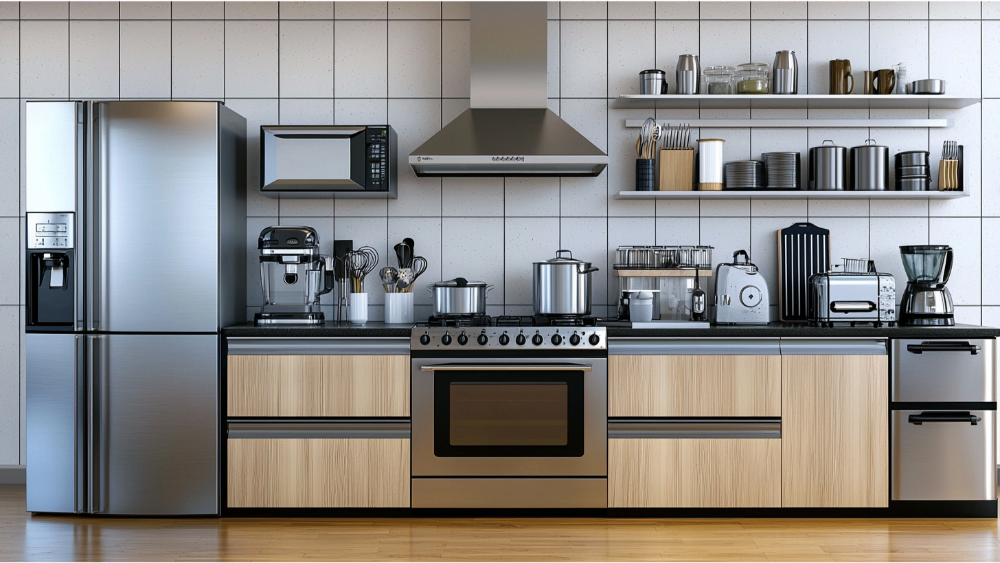
Creating a functional and efficient kitchen requires the right set of appliances. These must-have kitchen appliances not only simplify cooking and food preparation but also enhance the overall culinary experience. From the essential refrigerator and stove to more specialized tools like food processors and espresso machines, each appliance plays a crucial role in providing convenience and efficiency in daily meal preparation, making every task easier and more enjoyable. These appliances will elevate your kitchen experience especially after a kitchen remodel.

15 Must-Have Kitchen Appliances

Refrigerator

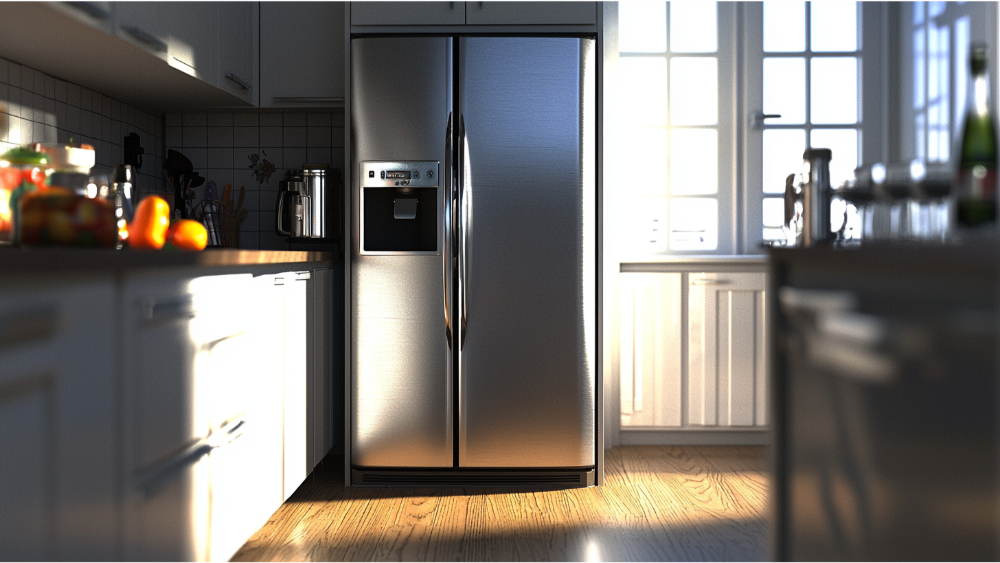
Refrigerator

The refrigerator is the cornerstone of any kitchen, providing essential food storage. It keeps perishable items such as dairy, meats, and fruits fresh, extending their shelf life and preventing spoilage. With varying sizes and styles available, a good refrigerator also allows for efficient organization, making food prep and grocery shopping easier while maximizing counter space.

Stove

A reliable stove is critical for cooking a wide range of dishes, from simmering soups to searing meats. Whether gas or electric, a quality stove, especially when using a Dutch oven, offers precise temperature control, which is essential for achieving perfect cooking results. Its importance in preparing meals quickly and efficiently cannot be overstated.

Microwave Oven

The microwave oven has revolutionized meal preparation, allowing for quick heating and defrosting. It’s particularly useful for busy households, providing a convenient way to reheat leftovers or prepare meals in a fraction of the time compared to conventional cooking methods. Its versatility makes it an indispensable appliance in the modern kitchen.

Blender

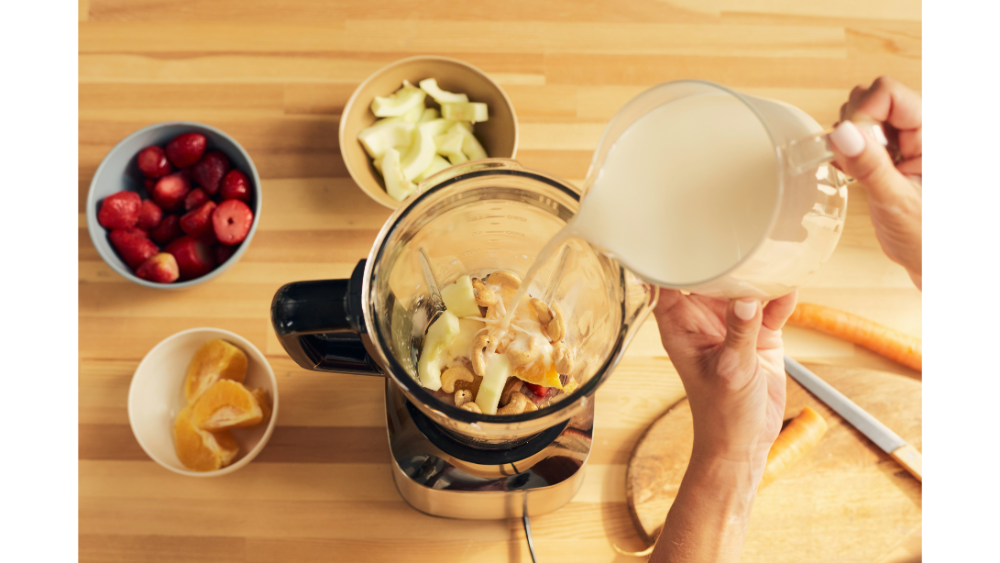
A blender

A blender is vital for creating smoothies, soups, sauces, and even homemade nut butters. With the ability to combine ingredients smoothly, it can also serve as a time-saving tool for meal prep. A good-quality, dishwasher-safe blender can make healthy eating more accessible and enjoyable, encouraging the consumption of fruits and vegetables.

Food Processor

Food processors are excellent for chopping, slicing, shredding, and kneading dough, making them a powerhouse for any home cook. They significantly reduce the time and effort required for food preparation tasks, allowing for more creativity in the kitchen. Their multifunctionality makes them incredibly valuable for simplifying complex recipes.

Toaster

A toaster is a simple yet essential appliance for preparing breakfast or snacks quickly. It ensures even toasting for bread, bagels, and pastries, transforming them into delicious, crispy treats. The convenience of a toaster makes it a daily staple in many households.

Coffee Maker

Coffee maker

For coffee enthusiasts, a quality coffee maker is indispensable. It allows for brewing fresh coffee quickly, providing a boost of energy and enjoyment at the start of each day. With various brewing options available, including coffee beans, it caters to individual preferences, from classic drip coffee to gourmet espresso.

Slow Cooker

The slow cooker simplifies meal prep by allowing foods to cook gradually over several hours. It’s perfect for busy individuals or families, enabling delicious stews, soups, and casseroles to be ready upon returning home. The convenience of setting it and forgetting it makes dinner time stress-free.

Ice Cream Maker

The ice cream maker combines multiple functions, such as churning and freezing, into one appliance. It offers the versatility of preparing delicious frozen treats quickly while ensuring creamy and flavorful results. This innovation has made dessert preparation effortless, making it a popular choice for modern kitchens.

Air Fryer

An air fryer

An air fryer provides an alternative to traditional frying methods, using hot air to cook food that achieves a crispy texture with less oil. This healthier cooking method has gained popularity among health-conscious individuals. The air fryer allows you to enjoy your favorite fried foods without the guilt.

Rice Cooker

A rice cooker takes the guesswork out of cooking rice, providing perfect results every time. It can also be used for steaming vegetables and cooking grains like quinoa, making it a versatile addition to your kitchen. Its ease of use allows you to prepare sides effortlessly while focusing on the main course.

Dishwasher

Dishwasher

A dishwasher saves significant time and effort on post-meal cleanup. By efficiently washing and sanitizing dishes, pots, and pans, it helps maintain kitchen hygiene and free up valuable time for more enjoyable activities. This appliance is invaluable for busy families or anyone who loves entertaining.

Utensils

High-quality utensils are essential for any kitchen, allowing for efficient food preparation. Some kitchen essentials include, the bread knife, with its serrated edge, makes slicing through crusty loaves a breeze, while a high-quality chef’s knife offers versatility for chopping, dicing, and mincing. Investing in these tools can significantly enhance your cooking experience and make meal prep a joy.

Stand Mixer

Mixer

A stand mixer is essential for those who bake frequently, simplifying tasks like kneading dough and whipping cream. Its powerful motor and versatility make it capable of handling dense mixtures with ease. With the right attachments, it can also serve as a food processor, peeler, or pasta maker, further enriching your culinary skills.

Juicer

A juicer allows you to extract fresh juice from fruits and vegetables, promoting a healthy lifestyle. It provides a way to easily intake nutrients and adds a refreshing touch to meals. The ability to create custom juice blends at home can encourage healthier eating habits and experimentation with various flavors. An immersion blender can also enhance your kitchen experience by allowing you to make smoothies and soups effortlessly.

Cleaning and Maintenance of Kitchen Appliances

Maintaining high-quality kitchen essentials is crucial for ensuring their longevity and optimal performance. Regular cleaning and proper care not only enhance functionality but also contribute to a safer cooking environment. Understanding the specific maintenance requirements for each appliance will help preserve their quality and reliability over time.

Dishwashing Detergent

Selecting the right dishwashing detergent is essential for achieving sparkling clean dishes while being gentle on your kitchen appliances. Opt for detergents that are effective in cutting through grease and food residues, but also consider eco-friendly options to reduce environmental impact. Regularly checking and maintaining the dishwasher’s detergent compartment can ensure optimal performance and prevent clogging.

Cleaning Cloths

A woman cleaning

Using high-quality cleaning cloths is essential for maintaining the cleanliness of kitchen appliances. Microfiber cloths are particularly effective, as they can trap dust, grease, and grime without scratching surfaces. Regularly replacing and washing these cloths will help ensure a hygienic cooking environment while prolonging the life of your appliances.

Oven Cleaner

An oven cleaner is specifically designed to tackle the tough, baked-on messes that accumulate over time in your oven. It effectively breaks down grease and food residues, making the cleaning process easier and more efficient. By regularly using an oven cleaner, you can maintain a hygienic cooking space and ensure your oven operates at its best.

Descaler

A descaler is essential for maintaining appliances like kettles and coffee makers, as it removes mineral buildup caused by hard water. Regular use of a descaler not only improves the efficiency of these appliances but also prolongs their lifespan. By keeping your appliances free from limescale, you ensure optimal performance and better-tasting beverages.

All-Purpose Cleaner

A bottle of cleaner

An all-purpose cleaner is a versatile solution for tackling various surfaces and stains in the kitchen. It effectively cuts through grease, grime, and spills, making it an essential tool for maintaining a clean and hygienic cooking space. Regular use of a quality all-purpose cleaner helps to uphold a welcoming atmosphere and ensures that all kitchen essentials remain in top condition.

Sponges and Scrubbers

Sponges and scrubbers are indispensable tools for maintaining cleanliness in the kitchen. They come in various materials and designs, ensuring you can effectively handle everything from delicate surfaces to tough grime. Regularly replacing worn-out sponges and thoroughly cleaning scrubbers will help prevent the spread of bacteria and maintain a hygienic cooking environment.

Must-Have Kitchen Gadgets

In the modern kitchen, gadgets play a vital role in enhancing efficiency and creativity during food preparation. These innovative tools not only save time but also simplify tasks, allowing home cooks to explore new recipes and techniques with ease.

Thermometer

Thermometer

A digital kitchen thermometer ensures your meats and baked goods are cooked to the perfect temperature. Whether grilling steaks or baking bread, having an accurate reading prevents over or undercooking, resulting in delicious meals every time.

Mandoline Slicer

This handy gadget allows for quick and precise slicing of fruits and vegetables. With adjustable thickness settings, a mandoline slicer makes food prep easier, giving you beautifully uniform slices for salads, chips, or garnishes.

Garlic Press

A garlic press simplifies the process of chopping garlic, enhancing your dishes without the hassle of sticky fingers or lingering odours. This tool provides quickly minced garlic, which can elevate the flavor of any recipe.

Peeler

Peeler

A high-quality vegetable peeler is essential for effortlessly removing skins from fruits and vegetables. Look for one with a comfortable grip and sharp blade to make quick work of prepping ingredients like potatoes, carrots, and apples.

Salad Spinner

This gadget efficiently washes and dries lettuce and other greens, ensuring they’re crisp and ready to serve. With a simple pull or spin mechanism, a salad spinner helps remove excess water, improving the texture of your salads.

Silicone Baking Mats

Silicone baking mats provide a non-stick surface for baking, making clean-up a breeze. Reusable and environmentally friendly, they eliminate the need for parchment paper, keeping your baking trays in excellent condition.

Spiralizer

A spiralizer transforms vegetables into vibrant, noodle-shaped spirals, making it a fun and healthy alternative for pasta dishes. It’s an excellent tool for those looking to incorporate more veggies into their meals while adding a creative twist.

Instant-read Timer

A reliable instant-read timer is critical for managing cooking times, especially when juggling multiple dishes. With clear displays and easy-to-use buttons, these timers ensure that no dish is overcooked or neglected.

Egg Separator

An egg separator simplifies the process of separating yolks from whites, ensuring perfect results for baking and cooking. This small tool is especially useful for recipes that call for egg whites to be whipped or yolks to be used separately.

Frequently Asked Must-Have Kitchen Appliances Questions

A nice kitchen

Which Kitchen Appliance is Most Useful?

The most useful kitchen appliance often depends on individual cooking habits and preferences, but many would argue that the multifunctional stand mixer reigns supreme.

This versatile tool not only simplifies the baking process by efficiently mixing dough and batter but can also serve multiple purposes with the right attachments. From kneading bread to shredding vegetables, a stand mixer can enhance the efficiency and variety of your cooking experiences, making it a staple for any home chef.

Another contender for the title of the most useful appliance is the food processor. Its ability to chop, slice, dice, and puree ingredients dramatically reduces meal prep time, allowing for quicker transitions from preparation to cooking.

Whether you’re making sauces, dips, or preparing ingredients for a stir-fry, a food processor streamlines the process and can inspire creativity in the kitchen. Ultimately, the usefulness of a kitchen appliance is shaped by how well it aligns with your cooking style, fostering enjoyment and efficiency in preparing meals.

What Are Some Kitchen Utensils?

Spatula

A spatula is an essential kitchen utensil used for flipping, spreading, and serving food. Its flat, flexible design makes it perfect for navigating around delicate foods like pancakes and fish without damaging them.

Tongs

Tongs are indispensable for grasping and lifting hot foods safely, making them ideal for flipping grilled meats or tossing salads. Their design allows for a firm grip while keeping your hands at a safe distance from heat.

Whisk

A whisk is a versatile tool for incorporating air into mixtures and achieving a smooth consistency in batters, dressings, and sauces. Its wire loops make it effective for blending ingredients quickly, whether you’re whipping cream or beating eggs.

Peeler

A peeler is a handy utensil for removing the skin from fruits and vegetables with minimal waste. Its sharp blade ensures a quick and efficient peeling process, making it easier to prepare ingredients for cooking or snacking.

What Color Appliances Are in Style?

In recent years, kitchen appliance color trends have shifted towards a blend of modern sophistication and timeless elegance. Sleek stainless steel continues to dominate as a popular choice, offering a clean and polished look that seamlessly integrates into various kitchen designs.

This versatile finish pairs well with both contemporary and traditional decor, making it a safe yet stylish option. An increase in popularity for matte black appliances has emerged, providing a bold contrast against lighter kitchen themes and creating a striking visual impact.

Beyond the classic metallic hues, vibrant colors are also making their way into kitchens as bold statements of personal style. Shades like navy blue, emerald green, and rich burgundy are being embraced for their ability to add depth and character to the space.

These eye-catching colors can highlight individual appliances, creating a focal point in the kitchen. As homeowners seek to express their unique tastes, colored kitchen appliances offer a fantastic opportunity to blend functionality with artistic flair, ultimately transforming the culinary space into a true reflection of personal style.

Conclusion

A nice kitchen

Maintaining a clean and efficient kitchen is crucial for any home chef, and the right appliances and utensils play a significant role in achieving that goal. By investing in essential tools such as an oven cleaner, descaler, all-purpose cleaner, sponges, and versatile kitchen appliances, you can enhance both your cooking experience and the longevity of your kitchen essentials. Emphasizing the importance of style and personal preference, choosing the right color for your appliances can also contribute to creating a welcoming and aesthetically pleasing environment. Ultimately, a well-equipped kitchen, paired with good maintenance practices, not only fosters culinary creativity but also transforms cooking into an enjoyable and rewarding experience.

Kitchen Remodel Cost Los Angeles, CA. January 2025

Опубликовано: August 28, 2024 в 11:33 pm

Автор:

Категории: All

A kitchen remodel is one of the biggest projects a homeowner will ever do. In a market like Los Angeles where values are always going up, a well planned kitchen remodel not only makes your home more enjoyable to live in but adds big value to your home. As of January 2025 the Los Angeles market has its challenges and opportunities that homeowners should consider when remodeling a kitchen.

Cost Breakdown

What Affects Kitchen Remodel Cost?

Kitchen remodel cost can vary greatly depending on size of kitchen, scope of project, material quality and labor cost. For example a minor kitchen update might be replacing countertops and cabinets for $20,000 to $30,000. A major kitchen overhaul with structural changes, high end appliances and custom cabinetry can be over $100,000.

Key Cost Factors

  • Size of the Kitchen: Bigger kitchens require more material and labor so cost goes up.
  • Layout Changes: Changing the kitchen layout, moving plumbing or electrical lines can add a lot to the cost.
  • Material Selection: Material choice, from countertops to flooring, is a big factor in the budget.
  • Labor Cost: Skilled labor, especially in a city like Los Angeles, can be expensive especially if you’re hiring top rated contractors.
  • Appliances and Fixtures: High end appliances and custom fixtures can add to cost but also provide better functionality and durability.

Budget Breakdown for Your Kitchen Remodel

When planning a kitchen remodel, understanding how your budget is allocated is crucial for managing costs effectively. Here’s a breakdown of where your money is likely to be spent during a kitchen renovation:

Cabinetry and Hardware: 30%

Investing in custom or semi-custom cabinetry can significantly enhance both the look and functionality of your kitchen. High-quality cabinets are often the most substantial expense, accounting for about 30% of your total budget.

Installation Costs: 17%

Professional installation ensures that your remodel is executed to the highest standards. This cost covers skilled labor for tasks like cabinetry, countertops, and flooring, making up roughly 17% of your budget.

Appliances and Ventilation: 14%

Appliances are a key component of any kitchen remodel. Allocating around 14% of your budget to high-quality, energy-efficient appliances ensures better performance and longevity, while proper ventilation improves air quality and safety.

Countertops: 10%

The choice of countertops, whether granite, quartz, or marble, not only influences your kitchen’s aesthetics but also impacts durability and maintenance. Expect to spend about 10% of your budget on this essential feature.

Flooring: 7%

Durable and stylish flooring is a must for high-traffic kitchen areas. This aspect typically accounts for 7% of your total remodel costs, offering both functionality and a cohesive design look.

Lighting: 5%

Good lighting is essential for both function and ambiance in the kitchen. Allocate around 5% of your budget to ensure your space is well-lit, enhancing the overall user experience and kitchen safety.

Walls and Ceilings: 5%

This category includes costs for painting, drywall, and any necessary structural changes. These elements are vital for creating a polished and cohesive look, taking up about 5% of your budget.

Design Fees: 4%

If you’re working with a professional designer, expect to spend approximately 4% of your budget on their services. A skilled designer can help you make the most of your space, ensuring both aesthetic appeal and functional efficiency.

Doors and Windows: 4%

Updating doors and windows can enhance energy efficiency and contribute to your kitchen’s overall style. This category typically represents 4% of your total remodel costs.

Plumbing: 4%

Upgrading or moving plumbing is often necessary during a kitchen remodel, particularly if you’re changing the layout. Plumbing expenses generally account for about 4% of your budget.

How the Market Affects Remodeling

The Los Angeles market has been on the upswing with median home price around $956,844 according to Zillow as of mid 2025. With rising property values a kitchen remodel is a smart investment. Homeowners looking to sell can increase their home’s value with a modern and functional kitchen.

But with rising material and labor cost homeowners need to be strategic with their remodel to get the best ROI. Focus on elements that offer both aesthetic and functionality as these are what buyers are looking at.

Current kitchen trends reflect the broader lifestyle and design trends. In Los Angeles homeowners are looking for open concept kitchens that flow into living and dining areas to accommodate the growing demand for flexible spaces. Here are some of the trends:

Sustainability

Eco-friendly materials and energy-efficient appliances are becoming essential for many homeowners. The use of recycled materials, energy-efficient lighting, and sustainable countertops like bamboo or recycled glass is increasingly popular in modern kitchen remodels.

Smart Kitchens

The integration of technology in kitchens is on the rise, with smart appliances, touchless faucets, and app-controlled lighting and climate systems becoming standard features in high-end remodels.

Minimalist Aesthetics

Minimalism is a growing trend in interior design, characterized by clean lines, neutral color palettes, and clutter-free spaces, which are highly sought after in contemporary kitchen designs.

Luxury Materials

High-end materials such as quartz countertops, custom cabinetry, and European appliances are particularly in demand, especially in affluent neighborhoods where homeowners seek to enhance both style and functionality.

Personalization

Homeowners are increasingly looking to personalize their kitchens to reflect their unique styles and needs. This trend includes incorporating unique tile backsplashes, custom-built islands, and specialized storage solutions.

Does The Cost Of A Kitchen Remodel Vary By City?

While the cost of a kitchen remodel doesn’t change much from one LA neighborhood to another, there can be some variation based on local market and home values. Here’s a breakdown of kitchen remodel cost by city in the LA area:

Glendale, CA

In Glendale kitchen remodel cost is between $35,000 to $120,000. The higher end is driven by luxury materials and the need to maintain or increase the value of the home in a competitive market where the median home price is around $2.6 million.

Pasadena, CA

Pasadena has a mix of old and new and that’s reflected in the kitchen remodel cost. Homeowners here can expect to spend between $32,000 to $115,000 depending on the scope of the remodel and materials chosen.

Santa Monica, CA
Santa Monica with its beachfront properties and high end homes sees kitchen remodel cost from $40,000 to $130,000. The premium cost is due to the high demand for quality finishes and the need to match the overall luxury of the area.

Woodland Hills, CA
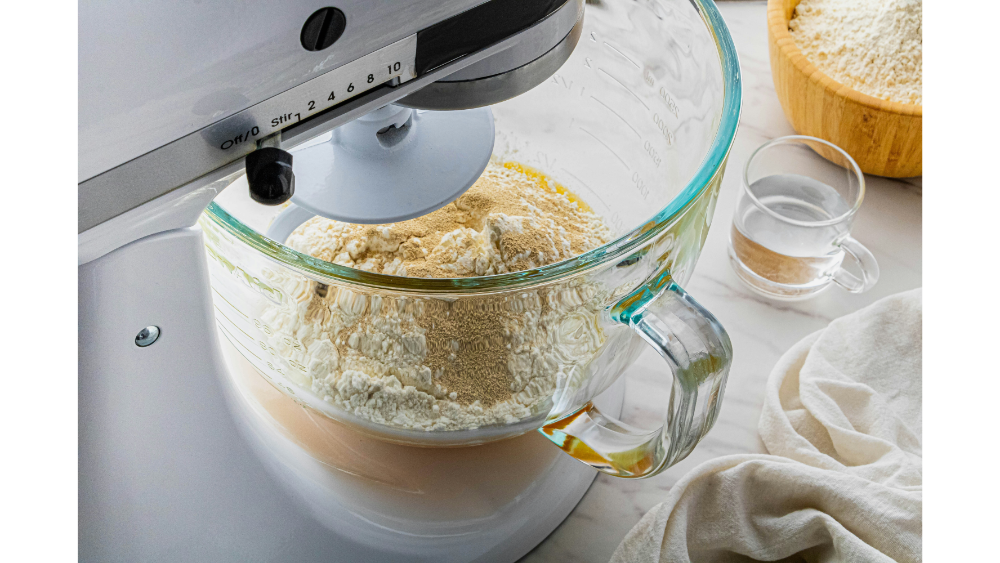
In Woodland Hills a kitchen remodel can cost between $28,000 to $110,000. The lower cost compared to other parts of LA makes it a good option for homeowners who want to get the most bang for their buck without breaking the bank.

Palmdale, CA

Palmdale with a more affordable market sees kitchen remodel cost from $15,000 to $80,000. This is the area for budget conscious homeowners who want to upgrade their space.

Materials and Appliances: What to Choose

Counters: Beauty vs Durability

Choosing the right counters is one of the most important decisions in a kitchen remodel. Homeowners can choose from many options, each with its pros and cons:

  • Granite: A popular choice for its durability and natural beauty. Granite counters cost between $40 to $100 per square foot depending on the quality.
  • Quartz: Engineered quartz looks like natural stone with added durability. It’s non-porous so it’s resistant to stains and bacteria. Costs range from $50 to $150 per square foot.
  • Marble: Marble provides a luxurious look but requires more maintenance. It’s prone to staining and scratching so it may not be the best for busy kitchens. Prices range from $60 to $150 per square foot.
  • Butcher Block: For a warm, rustic feel, butcher block is a good choice. It’s more affordable, $30 to $70 per square foot but requires regular maintenance to prevent damage.

Cabinets: Custom vs Semi-Custom

Cabinets are one of the biggest investments in a kitchen remodel. Homeowners have to decide between custom, semi-custom and stock cabinets:

  • Custom Cabinets: Built to your exact specs and offer the most design flexibility. Most expensive option, costs from $500 to $1,200 per linear foot.
  • Semi-Custom Cabinets: Some customization options, size and finish changes and costs between $150 to $650 per linear foot.
  • Stock Cabinets: The most budget friendly option, stock cabinets come in standard sizes and finishes and cost between $70 to $300 per linear foot.

Appliances: Invest Smart

Investing in good quality appliances is important for functionality and resale value. While it’s tempting to go for the latest and greatest, you have to consider your needs and how much you’re willing to spend:

  • Refrigerators: High end models can cost over $10,000 but a good quality mid range refrigerator costs between $1,500 to $4,000.
  • Ovens and Ranges: Professional grade ranges like Viking or Wolf can cost between $5,000 to $10,000. But there are great options in the $1,500 to $3,500 range.
  • Dishwashers: A top of the line dishwasher can cost around $1,500 to $2,500 but reliable models are available for $800 to $1,200.

Kitchen Remodeling Tips

Plan for the Future

When planning a kitchen remodel you have to think long term. Think about how your needs will change in the next 10 to 20 years and design a kitchen that will continue to meet your needs. For example if you plan to age in place, consider lower countertops, pull-out shelves and easy to reach storage.

Stick to Your Budget

It’s easy to get carried away with a kitchen remodel especially when you see all the beautiful options. But you have to establish a budget early on and stick to it. Prioritize your spending on the most important parts of your remodel, cabinetry and appliances and be willing to compromise on the less important ones.

Hire the Right People

A successful kitchen remodel depends on the people you hire. Take the time to research contractors, read reviews and ask for references. A contractor with experience in the LA market will know the ins and outs of the area. Also consider hiring a kitchen designer to help you navigate the project and make sure your new kitchen is functional and beautiful.

Resale Value

Even if you’re not planning to sell your home in the near future it’s smart to think about how your kitchen remodel will impact resale value. Focus on timeless designs and high quality materials that will appeal to a wide range of buyers. Features like energy efficient appliances, plenty of storage and an open layout are always in demand and will increase your home’s marketability.

LA Economy

Interest Rates and What It Means

As of January 2025 interest rates are rising and borrowing is getting more expensive for homeowners. Some are putting off major renovations and others are taking advantage of the current market to lock in rates before they go up more. For those moving forward with a kitchen remodel it’s important to consider these economic conditions and plan your budget accordingly.

Inflation and Material Costs

Inflation has also contributed to the rising cost of materials, from lumber to steel. Homeowners should prepare for price increases and consider sourcing materials early in the planning process to avoid delays or budget overruns. Working with a contractor who knows the current market can help you navigate these challenges.

The Housing Market

The housing market in California and especially in LA is strong with high demand and low inventory driving up prices. But economic uncertainty including the possibility of a recession has made some homeowners more hesitant to take on big projects. Despite that a well done kitchen remodel can still be a good investment especially in high demand areas like LA.

Why America’s Advantage Remodeling?

Since 2001 America’s Advantage Remodeling has been helping homeowners throughout California turn their kitchens into beautiful functional spaces. Our team of experts knows the ins and outs of remodeling in the LA market and are committed to delivering top quality results that exceed our clients expectations.

Quality

At America’s Advantage Remodeling we believe in using only the best materials and craftsmanship so your kitchen remodel will last. We work with our clients to understand their needs and preferences and provide personalized solutions that fit their style and budget.

Customer Focus

We take pride in our customer service. From the initial consultation to the final walk through we will make your remodeling experience as smooth and stress free as possible. Our team is always available to answer your questions and address your concerns so you’re completely happy with the finished product.

Value of a Trusted Partner

Choosing the right contractor for your kitchen remodel is one of the biggest decisions you’ll make. With America’s Advantage Remodeling you can be sure your project is in good hands. We will deliver outstanding results that not only make your home better but also increase its value.

End

A kitchen remodel is a big investment but in a market like LA it’s an investment that can pay off in both living space and home value. By understanding the costs, trends and factors that go into a successful remodel you can make informed decisions that will benefit you for years to come.

Whether you’re looking to update a little or overhaul the whole thing America’s Advantage Remodeling is here to help you every step of the way. Contact us today to schedule a consultation and get started on your dream kitchen.

How to Add Texture to Your Kitchen in 6 Simple Ways

Опубликовано: August 25, 2024 в 2:22 am

Автор:

Категории: Kitchen

Тэги: ,,,

Adding texture to your kitchen can transform the space into a warm and inviting area that reflects your personal style. Texture as simple as kitchen island decor brings depth and character, creating visual interest and enhancing the overall aesthetic. Whether through the use of diverse materials like wood, stone, or textiles, or by incorporating unique decorative elements, there are countless ways to elevate your kitchen design.

In this guide, we will explore creative methods to introduce texture, ensuring your kitchen is not only functional but also a beautiful representation of your taste.

Key Materials for Adding Texture

To effectively incorporate texture into your kitchen, consider the following materials:

1 | Countertops

Countertop

When selecting countertops, there are various options to consider, each offering unique benefits and aesthetics. Concrete provides a modern, industrial look with endless customization possibilities, while recycled glass offers an eco-friendly choice that dazzles with colorful flecks. Granite and quartz are popular for their polished finishes and durability, making them ideal for busy kitchens.

Countertops play a crucial role in establishing texture and style in your kitchen. Natural stones like granite and quartz offer a polished finish with natural variations that enhance visual depth, while butcher block countertops provide a warm, organic feel that invites interaction.

To choose natural materials like stone not only elevates the aesthetic but also ensures durability and timeless charm. For a more rustic look, consider using reclaimed wood, which adds texture and brings a story to your kitchen. The choice of countertop can significantly influence the overall ambiance, making it essential to select a material that complements your design vision.

2 | Textured Tiles

Kitchen tile backsplash

Textured tiles can dramatically elevate the aesthetic of your kitchen, offering both visual and tactile interest. Available in various materials, including ceramic, porcelain, and glass, these tiles can feature intricate patterns, grooves, or raised designs that capture light in captivating ways.

Incorporating kitchen texture as a backsplash or flooring choice not only enhances the overall design but also adds functional benefits, such as improved grip underfoot. Texture adds depth whether you opt for a subtle texture or a bold statement piece, these tiles provide a versatile solution to enrich your kitchen’s atmosphere.

3 | Lighting Fixtures

Lighting in a kitchen

Lighting fixtures are essential for adding texture and ambiance to your kitchen space. They come in various styles, from rustic pendant lights to sleek modern chandeliers, each contributing to the overall design.

Textured metals or glass shades can create interesting shadows and reflections, enhancing the visual appeal. Strategically placed lighting can highlight textured surfaces, such as countertops and tiles, bringing depth and warmth to your kitchen’s atmosphere.

4 | Wood Accents

Wood accents in a kitchen

Natural wood accents are a fantastic way to introduce warmth and a natural touch to your kitchen design. Whether through exposed beams, wooden shelves, or decorative stools, these elements can create a seamless flow between the kitchen and adjacent living spaces.

Choose wood materials to enhance this effect. Using different wood finishes—such as distressed, polished, or reclaimed—adds layers of texture and character, making the space feel both inviting and stylish. Natural wood accents can complement other materials, like stone and metal, to create a balanced and harmonious aesthetic.

5 | Textiles

Table cloth

Textiles play a vital role in softening the hard surfaces often found in kitchen designs, adding comfort and warmth to the space. Items such as table linens, curtains, and cushions can introduce color, pattern, and texture, creating a balanced visual atmosphere.

Add visual interest by integrating natural fabrics like cotton, linen, or jute can enhance the organic feel of the kitchen, while printed or patterned textiles can serve as focal points that draw the eye. By selecting the right textiles, you can easily and affordably transform your kitchen into a cozy and stylish gathering place.

6 | Metal Elements

Stainless steel appliances

Metal elements can infuse a contemporary edge while adding texture and shine to your kitchen design. Incorporating materials such as brass, copper, or even stainless steel not only enhances visual contrast but also creates a sense of sophistication.

Consider using metal in hardware, fixtures, or even decorative accents to draw attention and complement other textures in the space. The reflective nature of metals can help to brighten the kitchen while contributing to an overall modern aesthetic.

Remodeling for Texture Enhancement

A team remodeling a kitchen

Remodeling your kitchen is an excellent opportunity to add texture, whether you choose a full remodel or simpler updates. By thoughtfully selecting materials and elements during the remodel, you can achieve a dynamic visual appeal that enriches your culinary space. America’s Advantage Remodeling stands out as the premier choice for such endeavors, offering unparalleled expertise and a commitment to quality. Their skilled team understands the nuances of design and construction, ensuring that every detail contributes to a textured and inviting kitchen. Here are some reasons why they are the best choice for your remodeling project:

Expertise and Experience

America’s Advantage Remodeling boasts 20 years of experience in kitchen design and renovation. ensuring that they can navigate the complexities of various projects with ease. Their team of skilled professionals brings a wealth of knowledge, allowing them to offer tailored solutions that perfectly align with your vision and elevate the texture of your space.

Personalized Design Solutions

At America’s Advantage Remodeling, personalized design solutions are crafted to meet the unique preferences and needs of each client. By closely collaborating with homeowners, they ensure that every aspect of the kitchen reflects individual style while enhancing functionality and texture, resulting in a space that truly feels like home.

Quality Materials

Utilizing quality materials is essential in enhancing both the aesthetic appeal and durability of your kitchen. America’s Advantage Remodeling carefully sources premium materials that not only add texture but also ensure longevity, making your kitchen a beautiful and functional space for years to come.

Attention to Detail

Attention to detail is a hallmark of America’s Advantage Remodeling, where every aspect of the kitchen is meticulously considered. From precise measurements and impeccable finishes to the thoughtful selection of textures, their commitment to detail ensures that the final result is not only visually stunning but also harmonious and functional.

Customer Satisfaction

Customer satisfaction is a top priority for America’s Advantage Remodeling, as they strive to exceed expectations at every stage of the remodeling process. Their dedication to clear communication and responsiveness ensures that clients feel valued and involved, resulting in a finished kitchen that truly embodies their dreams and needs.

Texturizing With a Kitchen Remodel

A kitchen with wallpaper

When embarking on a kitchen remodel, it’s essential to consider how texture can transform the space and create a more inviting atmosphere. A thoughtfully designed kitchen not only boosts functionality but also enhances the overall aesthetic through the strategic use of various materials and finishes. By incorporating diverse textures, you can elevate your kitchen into a warm and stylish environment that reflects your personal style.

Textured Wallpaper

Textured wallpaper can dramatically change the visual landscape of your kitchen. It adds depth and interest to walls, breaking the monotony of flat surfaces. In interior design, incorporating wallpaper with tactile elements can create focal points and serve as a backdrop for other design features, adding warmth and personality to the space.

Layered Lighting Fixtures

Choosing layered lighting fixtures, such as pendant lamps and sconces, can introduce various textures through different materials. Mixing glass, metal, and wood allows for dynamic shadow play and highlights, enriching the overall aesthetic. This is vital in interior design as it not only improves function but also accentuates textured surfaces throughout the kitchen.

Textured Backsplash Materials

Incorporating materials like subway tiles, natural stone, or mosaic designs for the backsplash can significantly enhance the texture of your kitchen. These elements provide visual contrast and can seamlessly blend various design styles, making them a critical aspect of interior design. A well-selected backsplash can be a striking feature that ties the whole kitchen together.

Wooden Cabinetry with Distressed Finishes

Opting for wooden cabinetry with a distressed or reclaimed finish provides depth and character. This approach can create a rustic charm and add a tactile element that stark, modern finishes may lack. In the realm of interior design, such cabinetry serves as a conversation starter and reinforces the kitchen’s functionality and style.

Woven Textiles and Rugs

Incorporating woven textiles, such as jute rugs or textured table linens, softens hard surfaces and adds a layer of comfort. These elements are essential in interior design, as they provide warmth and a sense of coziness, making the kitchen feel inviting. Textiles serve as an easy way to introduce color and patterns that enhance the overall texture of the space.

Frequently Asked How to Add Texture to Your Kitchen Questions

A beautiful kitchen remodel

Should Kitchen Walls Be Textured?

Texturing kitchen walls can significantly enhance the overall look and feel of the space, offering an opportunity to infuse personality and depth into the design. Textured walls can hide imperfections, create visual interest, and complement other design elements in the kitchen. Consideration should be given to the choice of texture; options like plaster, textured paint, or brick wall wallpaper can all contribute to a unique atmosphere.

Additionally, textured walls can assist in breaking up flat surfaces, particularly in kitchens with an abundance of cabinetry and appliances. Whether to texture kitchen walls depends on your aesthetic goals and how it harmonizes with the rest of the interior design elements in the space.

Can You Texture Kitchen Cabinets?

Yes, you can texture kitchen cabinets, and doing so can significantly enhance the overall design and character of your kitchen. Texturing options for cabinets include techniques such as distressing, glazing, or adding patterned finishes. Distressing involves sanding down surfaces to create a weathered look, while glazing adds a translucent top coat that emphasizes the wood grain and imperfections.

Using textured paint or overlay materials can introduce interesting tactile elements. These finishes not only contribute depth and style but also allow homeowners to personalize their kitchens, making the space uniquely their own while seamlessly integrating with the overall design theme.

How Can I Add Softness to My Kitchen?

To add softness to your kitchen, consider incorporating elements such as plush textiles, gentle color palettes, and rounded furnishings. Softening the space can be achieved with the addition of cushioned dining chairs or bar stools, along with soft, flowing curtains that allow natural light to filter through while enhancing the room’s warmth. Accents like decorative pillows or a cozy throw can further contribute to a welcoming ambiance, making the kitchen feel more inviting and comfortable for family and guests.

Conclusion

A beautiful kitchen remodel

Incorporating texture into your kitchen remodel is not just about aesthetics; it’s about creating a space that embodies warmth, personality, and functionality. By thoughtfully selecting materials, finishes, and design elements, you can transform your kitchen into a captivating environment that truly reflects your style and enhances your culinary experience. Whether through textured wallpapers, layered lighting, or cozy textiles, each choice contributes to an inviting atmosphere that makes your kitchen the heart of your home. Ultimately, a well-designed kitchen, rich in texture, serves as an ideal backdrop for both everyday meals and memorable gatherings, proving that style and practicality can beautifully coexist.