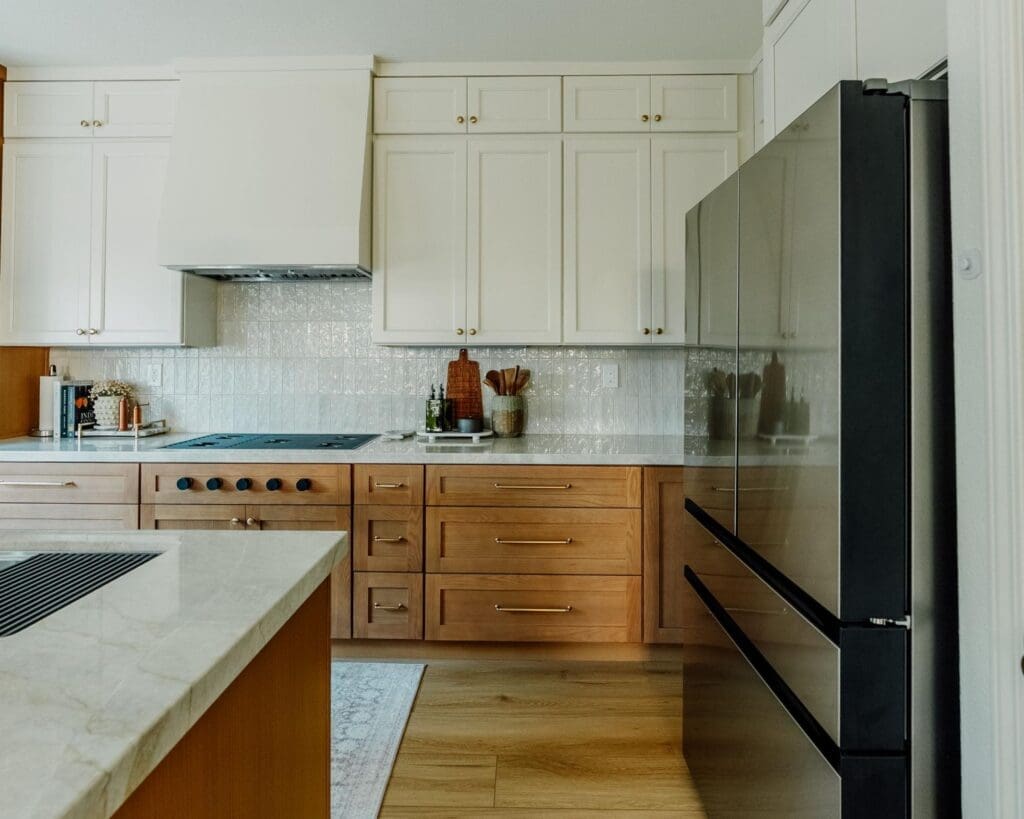
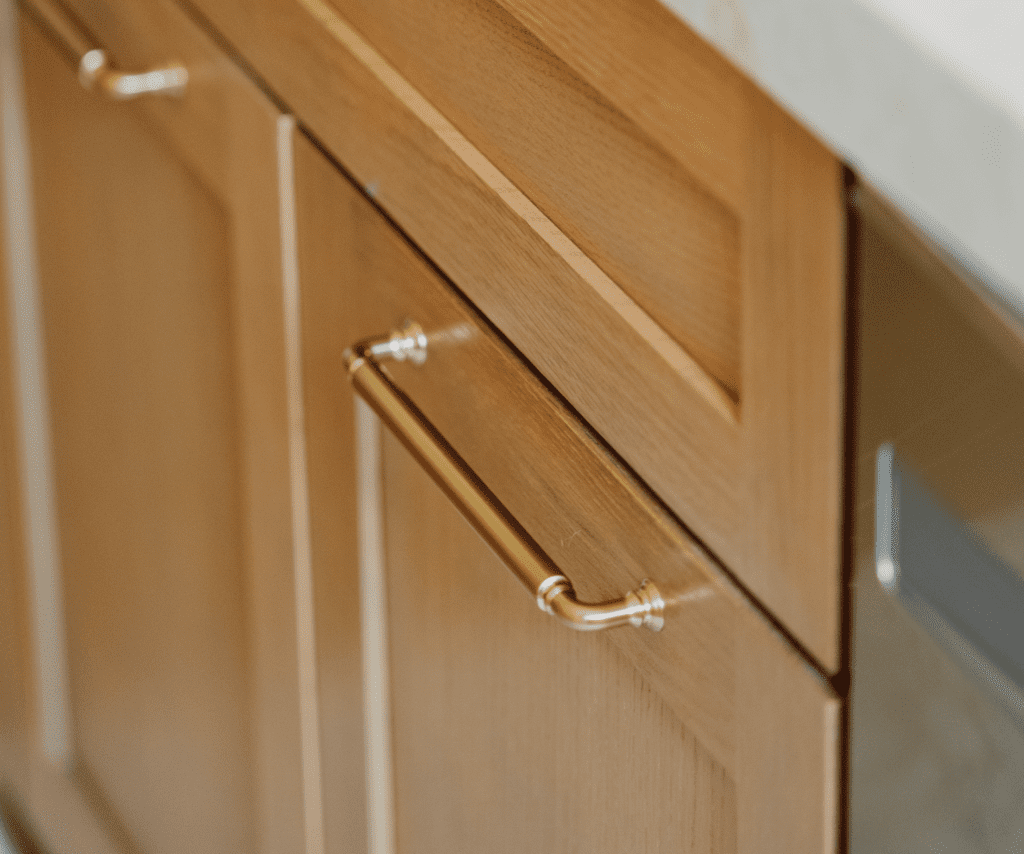
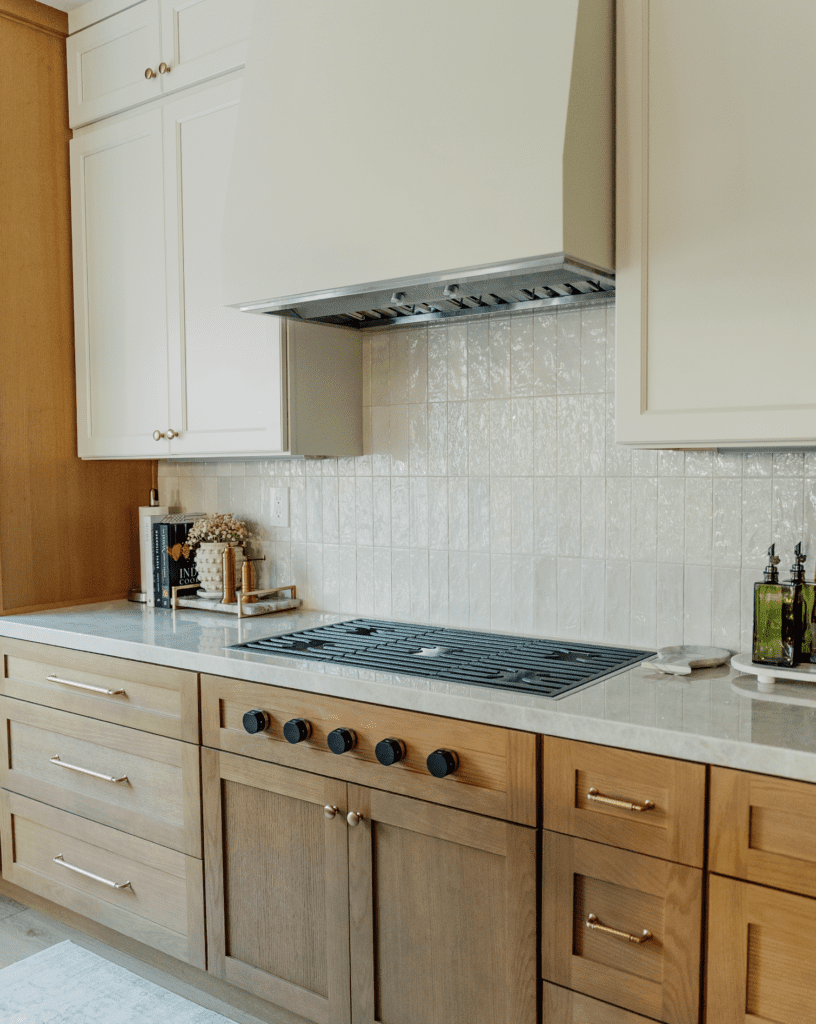
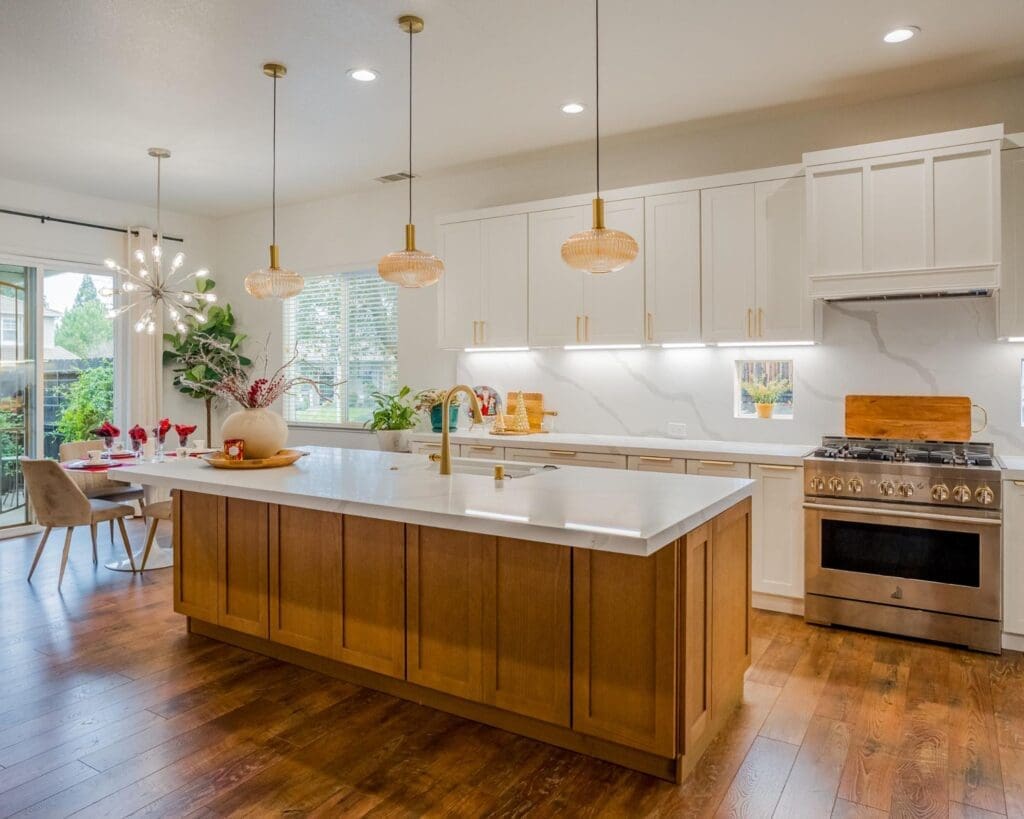
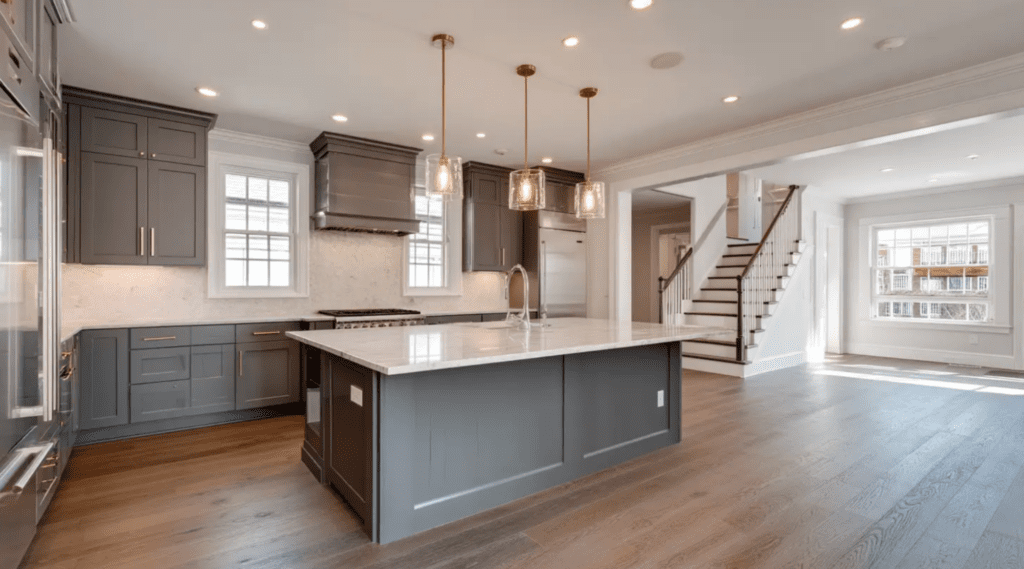
Kitchen Archives - Page 4 Of 15 - America's Advantage Remodeling

Kitchen

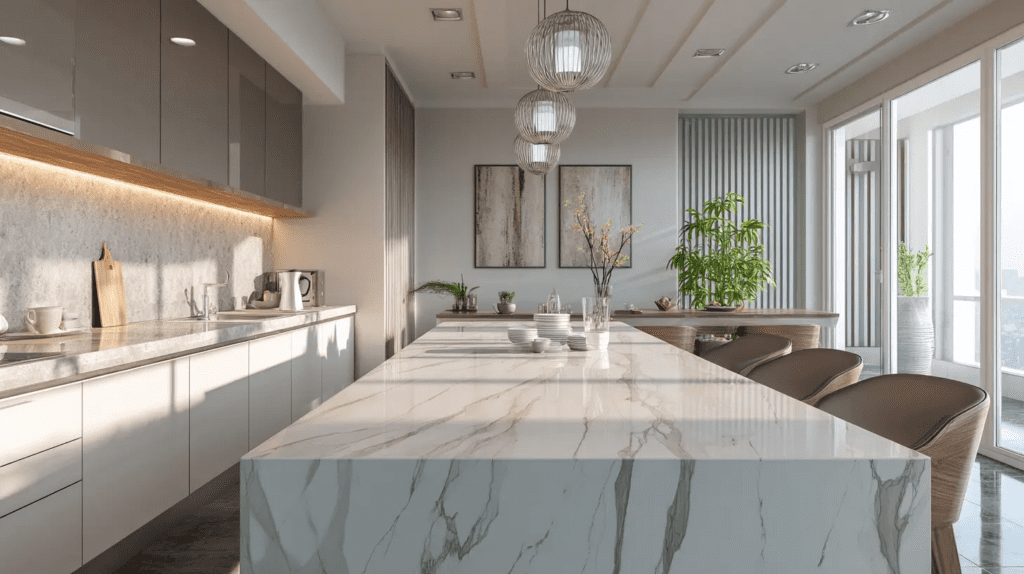
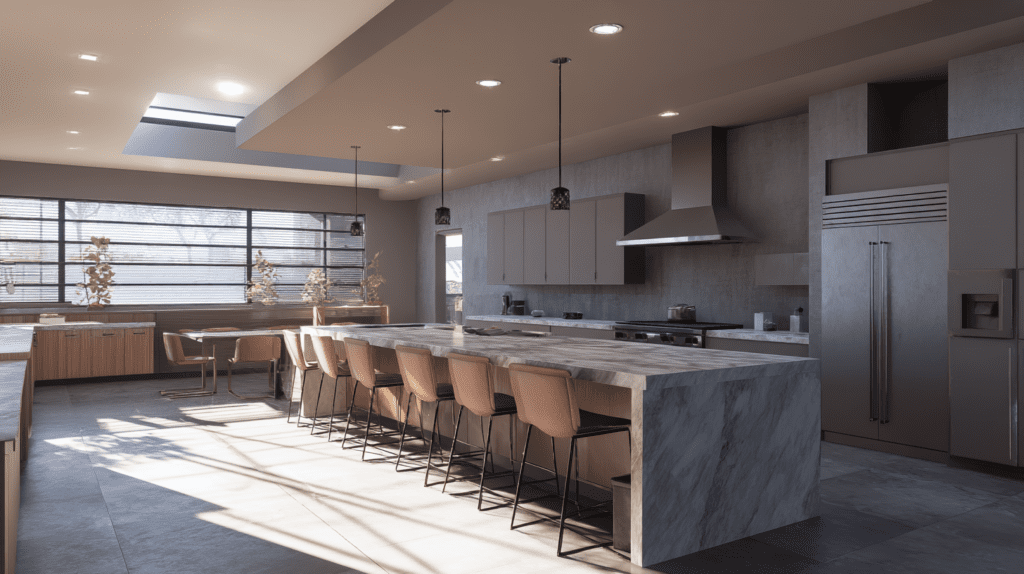
Kitchen Countertop Edge Profiles Explained

Опубликовано: February 20, 2026 в 4:41 pm

Автор:

Категории: Kitchen

Тэги:

A Complete Guide for Homeowners

When homeowners plan a kitchen remodel, attention usually goes to cabinets, layout, appliances, and countertop material. The countertop edge often feels like a minor detail, but it plays a much larger role than most people expect. This guide to kitchen countertop edge profiles explained is designed to help you understand how the edge affects appearance, safety, durability, and overall design. The right edge style can elevate a sleek modern kitchen, complement traditional kitchens, or balance form and function in high traffic areas alongside other architectural features like kitchen soffits. Choosing the right edge is not just about looks, it is about how your kitchen works every day.

What Are Countertop Edge Profiles?

A countertop edge profile refers to the shape that is fabricated along the outer edge of a countertop slab. This includes the top edge, the front face, and sometimes the underside, depending on the design. Countertop edge profiles are cut, shaped, and polished during fabrication, making them a permanent design choice.

The Functional Role of an Edge Profile

From a functional standpoint, the edge affects safety, durability, and maintenance. Sharp corners can chip more easily and pose a safety concern, especially in high traffic areas. Rounded edges and slightly softened corners help reduce damage and minimize injury. The edge profile also influences how crumbs and moisture collect. Some complex edges can trap dust and debris, while simpler edges are easier to wipe clean.

The Design Impact

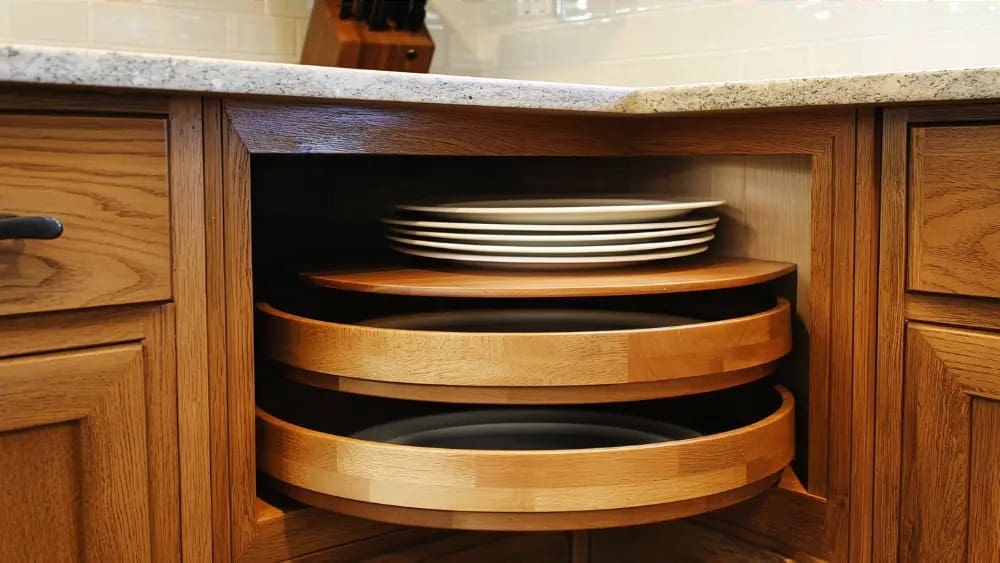
Visually, the countertop edge frames the stone slabs and defines how bold or subtle the countertop appears. Edge profiles affect how thick the slab looks, how light reflects off the surface, and how the countertop pairs with cabinet style. Interior designers often use edge style as a finishing detail that turns countertops into focal points rather than background elements, just as thoughtful corner cabinet ideas can turn awkward spaces into highly functional storage.

Why Edge Profiles Matter in Kitchen Remodeling

Influences the Kitchen’s Aesthetic

Edge profiles affect how modern, traditional, or transitional a space feels. A straight edge or square edge reinforces clean lines in modern kitchens. Ornate edges, such as an ogee edge or decorative ogee edge, pair beautifully with ornate cabinetry and classic design elements. Even subtle changes, like choosing slightly rounded corners instead of sharp corners, can shift the entire tone of a kitchen.

Impacts Safety and Maintenance

In homes with children or busy households, rounded edges like a bullnose edge or half bullnose are often the best countertop edge for safety. Fully rounded edges reduce injuries and handle wear better over time. Simpler edges also reduce maintenance, since intricate profiles can trap dust or moisture along the outer edge.

Affects Budget and Fabrication Time

Countertop edge profiles affect pricing because fabrication is often charged by the linear foot. Simpler edges typically cost less, while complex edges and custom edge profiles increase labor time. Mitered edge designs and intricate profiles require precision and additional material, which impacts cost. Understanding edge options early helps align design goals with budget, especially when you are estimating overall granite countertop costs in 2025.

Popular Types of Countertop Edge Profiles (With Pros and Cons)

There are many countertop edge styles available, but some remain the most popular countertop edge styles for kitchens because they balance appearance and practicality.

Eased Edge

The eased edge is one of the most common choices in modern designs and transitional kitchens. It features a straight top with slightly softened corners, creating a clean look without sharp corners. This edge style works well with quartz, granite, and other solid stone materials, making it a versatile choice regardless of your preferred kitchen countertop material.

The eased edge is popular because it complements contemporary and transitional designs, provides durability, and keeps maintenance simple. It is often considered the right edge for homeowners who want a timeless look that will not feel dated.

Straight Edge and Square Edge

The straight edge, sometimes called a square edge, features crisp lines and a clean 90 degree angle. This edge style emphasizes geometry and works well in contemporary kitchens and sleek modern kitchen layouts. While visually striking, straight edges have sharper corners, which may not be ideal for all households.

Straight edge designs are often chosen to highlight showcasing dramatic veining in natural stone or quartz, where careful planning of seams in stone countertops keeps the look clean and uninterrupted. They pair well with flat panel cabinets and minimalist hardware.

Beveled Edge

A beveled edge includes an angled cut along the top edge, typically at a 45 degree angle. Bevel edge features add subtle geometric detail without overwhelming the design. This edge profile can make countertops appear thinner while adding visual interest.

Beveled edges work well in transitional kitchens and can bridge the gap between traditional and modern designs. However, the angled cut can trap dust if not cleaned regularly.

Bullnose Edge (Full and Half)

The bullnose edge is known for its softness and safety. A half bullnose rounds only the top edge, while a full bullnose is completely rounded on both the top and bottom. These rounded edges are ideal for families and high traffic areas.

A half bullnose offers a balance between softness and structure, while a full bullnose provides a fully rounded, classic look. Both options reduce chipping and are forgiving with daily use.

Ogee Edge

The ogee edge is a decorative profile with an S shaped curve. Ogee edge features include elegance, depth, and a sense of luxury. An ornate ogee or decorative ogee edge pairs well with traditional kitchens, french farmhouse kitchen designs, and ornate cabinetry.

Double ogee variations add even more detail, making the countertop a focal point. These ornate edges are considered premium options and are best suited for homeowners seeking a dramatic visual impact.

Dupont Edge

The dupont edge is another decorative profile with a stepped design that adds architectural interest. It works well with thicker slabs and solid stone countertops. This edge style enhances traditional kitchens and high end spaces that favor intricate profiles.

Mitered Edge

A mitered edge creates the appearance of a thicker slab by joining two pieces of stone at a precise angle. Mitered edge designs are popular in modern kitchens where homeowners want bold, substantial countertops without using extremely thick material.

Mitered edges are often used with waterfall countertops and large islands, which can significantly influence the overall cost of a waterfall kitchen island. They require expert fabrication and are considered custom edge solutions.

Pencil Edge

The pencil edge features a small, softly rounded detail along the top edge. It offers a subtle alternative to sharper profiles and works well in both modern kitchens and transitional kitchens. The pencil edge provides slightly rounded corners without the fullness of a bullnose.

Waterfall Edge

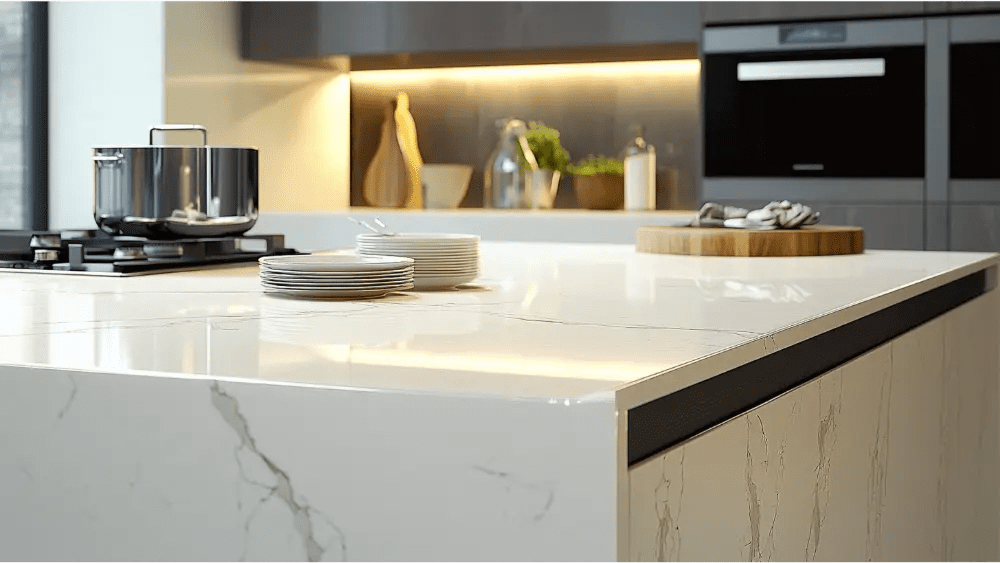
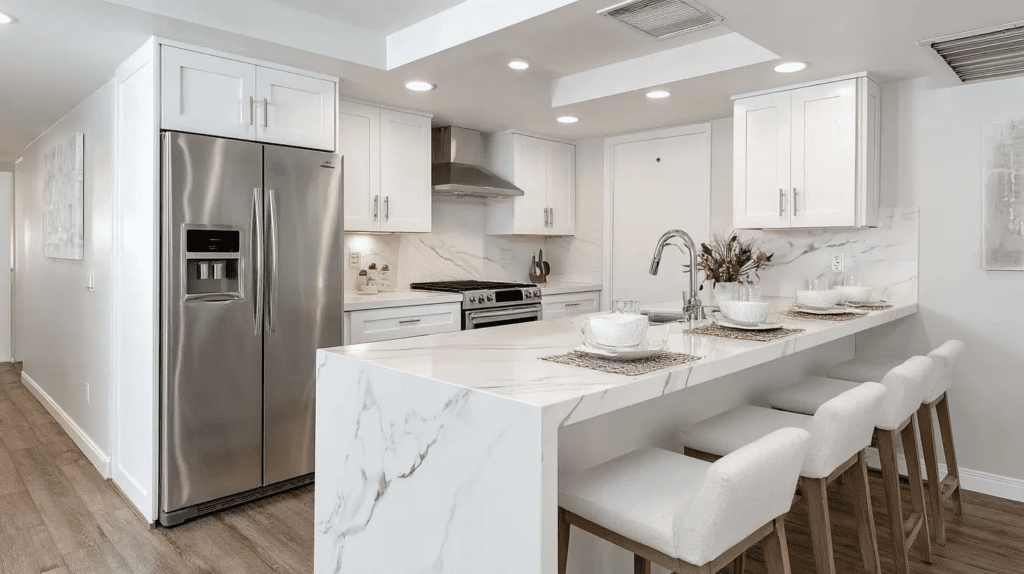
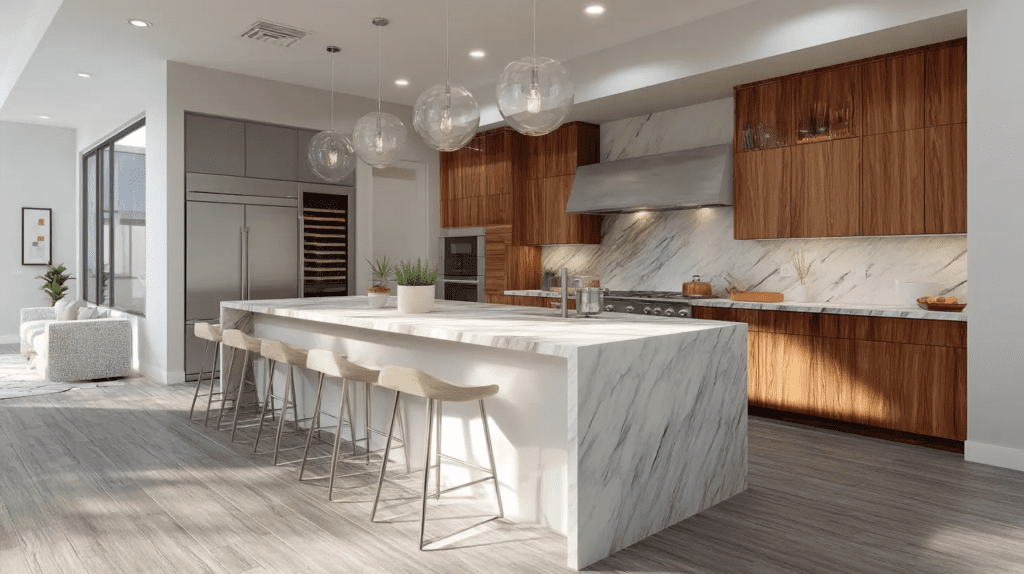
A waterfall edge extends the countertop material down the sides of an island or cabinet, creating a continuous vertical surface. Waterfall edge designs are common in contemporary kitchens and open concept layouts, especially when paired with well-planned kitchen island dimensions. Waterfall countertops emphasize the stone slabs and are often used for showcasing dramatic veining.

Choosing the Right Edge for Your Countertop

Match the Edge to Your Kitchen Style

Choosing the right edge starts with understanding your kitchen style. Sleek modern kitchen designs often benefit from straight edge, square edge, or eased edge profiles. Traditional kitchens and french farmhouse kitchen designs pair better with ogee edge, dupont edge, or other ornate edges.

Transitional kitchens offer more flexibility, allowing for mixing edge profiles between islands and perimeter countertops.

Consider Lifestyle and Usage

Homes with children, pets, or frequent entertaining should prioritize safety and durability. Rounded corners, softly rounded edges, and simpler edges perform better in high traffic areas. Sharp corners may look striking but require more caution.

Think About the Countertop Material

Different countertop material choices influence which edge options are available. Natural stone, such as granite and marble, supports a wide range of complex edges. Quartz and engineered stone also offer flexibility but may have limitations depending on thickness. Laminate often restricts custom edge profiles, but it is also one of the most forgiving surfaces if you are considering painting kitchen countertops as a budget-friendly update.

Budget and Fabrication Considerations

Edge profiles affect cost based on complexity and linear foot pricing. Simpler edges are more budget friendly, while custom edge and complex edges increase fabrication time. Thicker slabs, mitered edges, and waterfall edge designs all increase material use and labor, and they must still work within the standard kitchen countertop depth required for comfort and code compliance.

2025 and 2026 Countertop Edge Profile Trends

Modern kitchens continue to favor cleaner lines and simpler edges. Eased edge and straight edge profiles dominate contemporary kitchens due to their versatility and timeless appeal, especially when combined with the right kitchen counter height for everyday use. At the same time, interior designers are embracing ornate ogee and intricate profiles in luxury spaces as statement details.

Mixing edge profiles is also gaining popularity. For example, a waterfall edge or mitered edge on an island combined with a simpler edge on perimeter countertops creates contrast and visual interest.

FAQs: Kitchen Countertop Edges

What is the most popular countertop edge in 2026?

The eased edge remains one of the most popular countertop edge styles due to its balance of safety, durability, and clean design.

Are ornate edges worth the cost?

Ornate edges like double ogee and dupont edge styles are worth considering if visual impact is a priority. They work best in kitchens where countertops are meant to stand out.

Can edge profiles affect resale value?

Yes, edge profiles affect how a kitchen is perceived. Timeless edge styles tend to appeal to a wider audience, while highly decorative edges appeal to more specific tastes.

Is a mitered edge durable?

A properly fabricated mitered edge is very durable, especially when using natural stone or quartz. It requires skilled workmanship to ensure longevity.

Final Thoughts: Design Details That Make a Difference

Countertop edges may seem like a minor detail, but they influence safety, style, and durability more than most homeowners realize. Edge profiles affect how countertops function, how they look, and how they age over time. By understanding countertop edge profiles explained in detail, homeowners can confidently select the best countertop edge for their kitchen remodel.

Choosing the right edge means balancing design goals, lifestyle needs, and budget. Whether you prefer the simplicity of an eased edge, the elegance of an ogee edge, or the drama of waterfall countertops, the edge you select completes the kitchen and turns stone into a finished, functional surface.

Kitchen Cabinet Refacing vs Replacement Cost

Опубликовано: February 16, 2026 в 4:41 pm

Автор:

Категории: Kitchen

Тэги:

What’s More Cost-Effective in 2026?

When homeowners start planning a kitchen upgrade, one of the most common and important decisions they face is kitchen cabinet refacing vs replacement cost. Cabinets play a major role in both kitchen functionality and overall kitchen’s appearance, and the path you choose can significantly affect your total project cost. Some homeowners want a full remodel with brand new cabinets, while others are looking for a cost effective solution that refreshes the space without overspending. Understanding cabinet refacing, cabinet replacement, and how each option impacts budget, timeline, and long-term value is essential before moving forward.

This guide breaks down cabinet refacing vs replacement in detail, explaining costs, benefits, and ideal use cases so you can choose the option that best fits your goals, your existing layout, and your budget.

Understanding the Basics: What’s the Difference?

Understanding Cabinet Refacing

Understanding cabinet refacing starts with knowing what stays and what changes. Cabinet refacing is a kitchen upgrade that focuses on updating the visible surfaces of your cabinets while keeping the existing cabinet boxes intact. Instead of tearing everything out, refacing cabinets involves replacing cabinet doors, drawer fronts, and applying a new surface finish, such as wood veneer or laminate, to the existing cabinet boxes. Hardware is often updated as well, including hinges, pulls, and internal hardware.

In most refacing kitchen cabinets projects, the existing cabinet boxes must be structurally sound and in good shape. If the boxes intact condition is confirmed, refacing cabinets can deliver a dramatic kitchen makeover without the disruption of a full remodel. Many homeowners are surprised that refacing cabinets involves replacing doors and drawer fronts while preserving the core structure of the cabinets.

What Is Cabinet Replacement?

Cabinet replacement is a more extensive approach. With cabinet replacement, the existing cabinet boxes are removed entirely and replaced with new cabinets. This may involve stock, semi custom, or custom built cabinets depending on budget and design goals. Full cabinet replacement allows for changes to the kitchen layout, additional storage features, and modern storage solutions such as pull out shelves, spice racks, floating shelves, and custom drawer boxes.

Replacing cabinets is often part of a complete cabinet replacement or even a full remodel. It provides the opportunity to install custom cabinet boxes, integrate crown molding, and redesign the kitchen functionality from the ground up. However, full replacement also brings higher labor costs, longer installation process timelines, and higher average prices.

2026 Cabinet Refacing Costs: What to Expect

Average Prices and Cost Ranges

In 2026, cabinet refacing cost remains one of the most budget friendly ways to update kitchen cabinets. For an average sized kitchen, the refacing cost typically ranges from $4,000 to $9,500, depending on materials, door style, and the number of cabinets. Homes with more cabinets or higher end finishes will be closer to the upper end of that range.

Refacing cost is often calculated per linear foot, but homeowners should focus on the total project cost rather than just unit pricing. Compared to replacing cabinets, refacing offers significant cost savings and is widely considered a cost effective way to refresh old cabinets.

What Impacts the Refacing Cost?

Several factors influence the final cabinet refacing project price:
The number of kitchen cabinets and the size of the kitchen.
The condition of the existing cabinet boxes and whether they are structurally sound.
Material selection, such as laminate versus wood veneer or solid wood.
Door style choices, including shaker, slab, or custom designs.
Upgrades like soft close hinges, new drawer boxes, and internal hardware.
Labor costs based on the installation process and regional pricing.

Because refacing kitchen cabinets works with the existing cabinet structure, homeowners often save money compared to full replacement while still achieving a high-end look, and some may even consider refinishing existing cabinets instead of replacing them as another budget-conscious option.

Cabinet Replacement Costs in 2026

Average Costs by Cabinet Type

Cabinet replacement comes with a wider cost range. For new cabinets, average prices vary based on cabinet type:
Stock cabinets typically range from $100 to $300 per linear foot.
Semi custom cabinets range from $300 to $600 per linear foot.
Custom built cabinets can range from $500 to over $1,200 per linear foot.

For a full cabinet replacement in an average sized kitchen, homeowners can expect a total project cost between $15,000 and $35,000. A complete cabinet replacement with custom designs, natural wood finishes, and advanced storage features can exceed $50,000.

When Full Replacement Makes Sense

Full replacement is often the right choice when existing cabinet boxes are damaged, warped, or no longer in good shape. Crooked doors, water damage, or failing drawer boxes may indicate that refacing is not viable. Replacing your cabinets is also ideal when homeowners want to change the kitchen layout, add modern storage solutions, or invest in long-term durability, especially when you’re evaluating the cost to replace cabinets and countertops together as part of a larger remodel.

Choosing cabinet replacement allows for complete control over cabinet doors and drawer configuration, internal hardware, and kitchen functionality, but it comes at a higher cost difference compared to refacing.

Cost Comparison: Refacing vs Replacement

Side-by-Side Cost Comparison

When evaluating kitchen cabinet refacing vs replacement cost, the differences are clear:
Cabinet refacing typically costs $4,000 to $9,500.
Full cabinet replacement often costs $15,000 to $35,000 or more.
Refacing projects are usually completed in days, not weeks.
Replacement projects require demolition, installation, and finishing.

This cost comparison highlights why refacing vs replacement is such a common discussion among homeowners with a tight budget.

Cost Effective vs Long-Term Investment

Refacing cabinets is a cost effective solution when existing cabinet boxes intact condition is confirmed. It delivers strong visual impact and improves the kitchen’s appearance without the price of new cabinets. Full replacement, while more expensive, offers long-term value through improved storage features, custom cabinet boxes, and layout changes.

Which Option Is Right for You?

When to Choose Cabinet Refacing

Homeowners often choose cabinet refacing when:
The existing cabinet boxes are in good shape.
The existing layout works well for daily use.
They want to save money while upgrading their kitchen.
They prefer partial upgrades instead of a full remodel.
They want a budget friendly and affordable option.

Refacing cabinets is ideal for homeowners who want new doors, updated drawer fronts, and a refreshed look without replacing everything. Choosing cabinet refacing can transform old cabinets into a modern kitchen upgrade that also incorporates the latest kitchen cabinet trends for 2025.

When to Choose Cabinet Replacement

You may want to choose cabinet replacement when:
The cabinets are not structurally sound.
You want to change the kitchen layout.
You need more advanced storage solutions.
You are planning a full remodel or major kitchen remodel.
You want custom built cabinets with unique custom designs.

Replacing cabinets allows for complete freedom in design and functionality, but it requires a larger investment and longer installation process.

Long-Term Value, ROI, and Ongoing Maintenance

Refacing and Home Value

Kitchen cabinet refacing improves resale appeal by modernizing the kitchen’s appearance. While it may not deliver the same ROI as full replacement, it is a cost effective way to increase perceived value. Refacing projects typically return a strong percentage of the refacing cost, especially when paired with updated appliances or countertops.

Ongoing maintenance for refaced cabinets is similar to new cabinets, especially when solid wood or wood veneer materials are used.

Replacement and Long-Term Durability

Full replacement offers long-term durability and flexibility. New cabinets with modern internal hardware, soft close hinges, and upgraded drawer boxes improve daily use and reduce maintenance concerns, especially when paired with kitchen remodel must haves for 2025 like advanced storage and lighting. For homeowners planning to stay long-term, replacing cabinets can be a smart investment in kitchen functionality.

America’s Advantage Remodeling Approach to Cabinets

Helping Homeowners Make the Right Choice

Every cabinet refacing project and cabinet replacement project begins with an honest assessment. The condition of the existing cabinet boxes, the homeowner’s goals, and the budget all play a role. Not every kitchen needs complete cabinet replacement, and not every kitchen is a candidate for refacing.

Our approach focuses on providing a cost effective way to achieve the desired result, whether that means refacing cabinets or installing new cabinets, backed by over two decades of remodeling experience at America’s Advantage Remodeling and a full suite of home remodeling services in Sacramento, CA.

High-End Results Without Overspending

Refacing kitchen cabinets can deliver results that rival new cabinets when done correctly. By upgrading cabinet doors, drawer fronts, and finishes, including thoughtfully chosen kitchen cabinet hardware ideas or even painting kitchen cabinets the right way, homeowners achieve a polished look that feels like a full remodel, without the cost difference.

Real-Life Example: Refacing vs Full Replacement

A Practical Cost Difference Scenario

In a typical refacing project for an average sized kitchen, homeowners replaced just the cabinet doors, updated drawer fronts, and applied wood veneer to the existing cabinet boxes. The cabinets remained boxes intact, and the total project cost stayed under $8,000. A complete cabinet replacement quote for the same kitchen exceeded $22,000, similar to projects featured in our kitchen and home remodeling gallery.

The homeowner chose cabinet refacing to save money while still achieving a modern kitchen makeover. The existing cabinet doors were removed, new doors installed, and the kitchen was updated in less than a week.

Frequently Asked Questions

Is cabinet refacing worth it?

Yes, when the existing cabinet boxes are structurally sound, cabinet refacing is a cost effective solution that delivers excellent visual results.

How long does a refacing project last?

A quality refacing project can last 15 to 20 years with proper care and ongoing maintenance.

Can I reface old cabinets?

Old cabinets can be refaced if the boxes are intact and in good shape. Severely damaged cabinets may require replacing cabinets instead.

Does replacing cabinets improve kitchen functionality?

Yes, replacing cabinets allows for new storage solutions, better kitchen functionality, and improved layout options, especially when working with a dedicated kitchen cabinet store near Sacramento that can customize designs to your space.

How do I decide between refacing vs replacement?

Consider your budget, the condition of the existing cabinet, and whether you want to change the kitchen layout. A professional evaluation can help determine the most cost effective way forward.

Final Thoughts: Making the Smart Choice

Deciding between kitchen cabinet refacing vs replacement cost comes down to understanding your priorities. Refacing cabinets offers a budget friendly, affordable option that delivers strong visual impact and cost savings. Full replacement provides flexibility, customization, and long-term durability at a higher price point.

Both approaches have value. The key is choosing the option that aligns with your goals, your existing layout, and your budget so your kitchen upgrade delivers lasting satisfaction.

Frameless vs. Framed Kitchen Cabinets

Опубликовано: February 13, 2026 в 3:32 pm

Автор:

Категории: Kitchen

Тэги:

A Complete Remodeler’s Guide

Choosing between frameless vs framed kitchen cabinets is a crucial decision when remodeling your kitchen. The cabinet style you select not only defines your kitchen’s appearance, but also affects functionality, cabinet construction, and long-term satisfaction. Whether you’re leaning toward a modern, minimalist look or a warm, traditional aesthetic, understanding the difference between framed and frameless cabinets is key to getting it right. In this guide, we break down everything you need to know, from how each cabinet type is built to how they influence storage, cost, and style, so you can make an informed decision for your remodeling project.

What Are Framed Cabinets?

Key Characteristics

Framed cabinets are the most common style used in American homes. These cabinets feature a solid wood face frame attached to the front of the cabinet box, which provides additional strength and stability. The face frame surrounds the cabinet interior and supports the hinges for the cabinet doors. This type of cabinet construction allows for various door styles, including inset doors, partial overlay, and full overlay doors.

The inclusion of a solid wood frame enhances the overall sturdiness, making framed cabinetry a reliable option for long-term durability and a traditional aesthetic.

Pros of Framed Cabinets

  • Classic look: Perfect for kitchens with a traditional design or transitional style.
  • Durability and stability: The face frame acts as a built-in brace, keeping the cabinet from racking over time.
  • Installation flexibility: Framed construction is more forgiving in older homes where walls might not be perfectly square.
  • Door style options: Supports a wide range of cabinet doors, including inset, overlay, and custom drawer openings.

Cons of Framed Cabinets

  • Less interior space: The face frame can limit access to the cabinet interior, resulting in slightly less usable storage.
  • More fillers needed: Designing with framed cabinetry sometimes requires more fillers to align with appliances or walls.
  • Not as sleek: If you’re going for a modern design, framed cabinets may not offer the seamless appearance you want.

What Is Frameless Cabinetry?

Key Characteristics

Frameless cabinets, often called European-style or full-access cabinets, are designed without a face frame. The cabinet doors attach directly to the cabinet box, creating a smooth and sleek exterior. This frameless construction relies on thicker cabinet sides for stability. The result is a minimalist, modern look that appeals to homeowners wanting a clean, continuous surface across the kitchen.

Frameless cabinetry supports full overlay doors, where the door covers the entire front of the cabinet, offering a more refined, uniform finish.

Pros of Frameless Cabinets

  • Maximized access: Without a face frame, the cabinet interior is more accessible, offering full access to wider drawers and shelves.
  • More storage: Frameless cabinets provide up to 10–15% more usable interior space, which is ideal for small or highly efficient kitchens.
  • Sleek modern appeal: With full overlay styling and clean lines, frameless kitchen cabinets create a contemporary feel.
  • Perfect for modern styles: They align well with slab-style cabinet doors, glossy finishes, and modern hardware.

Cons of Frameless Cabinets

  • Precision is critical: Frameless cabinet construction requires exact measurements and expert installation to ensure proper alignment.
  • Durability depends on build: The lack of a face frame means the cabinet box must be high quality to prevent issues like sagging or warping.
  • Higher cost: Typically, frameless cabinets use thicker materials and require precise labor, which can increase costs.

Frameless vs. Framed Cabinets: A Side-by-Side Comparison

At a Glance

FeatureFrameless CabinetsFramed Cabinets
StyleModern, sleek lookClassic, traditional style
Storage spaceMore usable interior spaceSlightly less cabinet interior
ConstructionNo face frameIncludes solid wood face frame
Door optionsFull overlay onlyInset, partial overlay, or full overlay
DurabilityRelies on thick cabinet side panelsReinforced by solid wood frame
InstallationRequires high precisionMore adaptable in uneven spaces
Design fitBest for modern designIdeal for traditional aesthetic

Choosing Based on Style and Aesthetics

Best Cabinet Type for a Modern Kitchen

If your remodel leans toward modern design, frameless cabinets are the clear choice. Their seamless appearance, sleek lines, and ability to use full overlay doors make them ideal for flat-panel cabinet doors, glossy finishes, and minimalistic layouts. Frameless cabinetry supports the vision of an open, clutter-free kitchen that emphasizes geometry and function.

Best Cabinet Type for a Classic or Transitional Kitchen

For a more timeless or versatile kitchen design, framed cabinets are the better fit. They accommodate various door styles such as inset doors, raised panels, and partial overlay doors. The presence of a face frame also allows for detailed moldings, decorative trim, and custom pull outs that elevate your kitchen’s charm.

Functionality & Storage Considerations

Interior Space & Accessibility

In terms of storage space, frameless cabinets offer more room due to the lack of a face frame. You’ll get wider door and drawer openings, easier access to items, and more storage in the same footprint. For homeowners maximizing space in smaller kitchens, this is a game-changer.

Framed cabinetry, while slightly more restrictive, still provides excellent functionality. Thoughtful cabinet design can help minimize any limitations and make the most of available storage.

Door and Drawer Hardware

Frameless construction relies heavily on concealed hinges and precision-mounted hardware. These doors and drawers must be aligned perfectly to maintain smooth operation. In contrast, framed cabinets offer more tolerance for adjustment and traditional hardware configurations.

Durability and Longevity

Materials & Construction Quality

With framed cabinets, the face frame reinforces the cabinet box, improving durability and preventing racking. They’re especially reliable for long-term use in busy kitchens. Frameless cabinets, on the other hand, depend on thicker side panels for stability and strength. While both types are durable when built correctly, lower-quality frameless cabinet construction may show wear faster.

Long-Term Maintenance

Framed cabinetry allows for easier door adjustments over time. Frameless cabinets, due to their full overlay alignment, may require occasional tweaks to maintain visual uniformity. In either case, proper cabinet installation ensures long-term satisfaction.

Cost Breakdown

Material and Manufacturing Costs

Frameless cabinets tend to cost more due to the need for thicker materials and high-precision construction. They also usually come equipped with premium hinges and full-extension drawers. However, for homeowners who prioritize more storage and modern appeal, the investment pays off.

Framed cabinets, depending on the materials and design complexity, can be more cost-effective. They’re widely available in custom, semi-custom, and stock options, allowing flexibility for different budgets without compromising quality.

Installation Labor

Framed construction is easier to install, especially in older homes where walls may not be perfectly square. Frameless cabinet construction, by contrast, demands exact precision during installation, requiring experienced professionals to avoid alignment issues.

What’s Right for Your Home? A Remodeler’s Take

Questions to Ask Before Choosing

Ask yourself:

  • Is your kitchen more traditional or modern in design?
  • Do you need more storage and full access to wide drawers and shelves?
  • Are you working within a set budget or flexible on costs?
  • Do you prefer inset, overlay, or full overlay cabinet doors?

These answers will help determine whether frameless or framed cabinetry makes the most sense for your remodel.

Why It Pays to Work With a Design-Build Team

Choosing between framed vs frameless cabinets comes down to more than just looks. At America’s Advantage Remodeling, we help homeowners understand the real-world impact of these choices on workflow, storage, aesthetics, and installation. Whether you need frameless kitchen cabinets framed for a hybrid look or want to embrace full frameless cabinet construction, we’ll guide you through every detail.

Real-World Remodel Examples

Framed Cabinet Remodel – Roseville, CA
This homeowner chose custom framed cabinets with inset doors and crown molding for a clean, elegant finish. The traditional design and matte black hardware added sophistication while maintaining a welcoming feel.

Frameless Cabinet Remodel – Rocklin, CA
For a modern kitchen update, we installed sleek frameless cabinets with slab-style full overlay doors. The increased storage space and crisp lines made this kitchen both functional and stylish.

FAQs – Frameless vs. Framed Cabinets

Are frameless cabinets less durable than framed?

Not when built properly. High-quality frameless cabinetry with thick cabinet sides can be just as strong as framed cabinetry, though proper installation is critical.

Can you reface frameless cabinets?

Yes, but options may be more limited due to the need for full overlay doors that cover the entire cabinet face.

Do framed cabinets cost less than frameless?

Typically yes, especially when using semi-custom or stock lines. Frameless cabinets may cost more due to materials and labor.

Which option offers more storage?

Frameless cabinets provide more usable interior space, making them ideal for smaller kitchens or homeowners needing easier access to contents.

Can you combine framed and frameless cabinets in one kitchen?

Yes. Some homeowners choose framed cabinets for wall units and frameless cabinets for base storage. This framed and frameless cabinetry mix can offer the best of both worlds.

Final Thoughts – Which Cabinet Style is Best for Your Remodel?

Whether you’re remodeling for function, style, or resale value, choosing between frameless vs framed kitchen cabinets should be based on your priorities and how you use your space. Frameless cabinets offer modern lines and greater storage space, while framed cabinets offer versatility, durability, and timeless appeal. Both styles can be customized to match your unique vision.

At America’s Advantage Remodeling, we help homeowners throughout Northern California navigate all aspects of their kitchen projects. From choosing between framed and frameless cabinetry to executing flawless installations, our team is here to bring your kitchen dream to life with precision and care.

Slab vs. Shaker Kitchen Cabinets

Опубликовано: February 9, 2026 в 3:32 pm

Автор:

Категории: Kitchen

Тэги:

Which Style Is Right for Your Remodel?

Choosing the right cabinet door style is one of the most important design decisions when remodeling a kitchen. The right cabinet style will shape the entire look and feel of your space, from the overall layout to the finer design elements. For homeowners considering a remodel in 2025, slab and shaker cabinets remain the top contenders.

This guide compares slab vs shaker kitchen cabinets to help you decide which fits your home, lifestyle, and budget. We’ll break down the key differences in design, materials, cost, cleaning, and current trends, so you can confidently choose between slab and shaker cabinets for your next project.

What Are Shaker Cabinets?

Defining the Shaker Style

Shaker cabinets are known for their five piece door construction. Each door has a recessed center panel surrounded by square edges that create a frame. This framed design adds subtle depth while maintaining a clean, symmetrical look. Shaker style cabinets originated from the Shaker movement, which prioritized simplicity, craftsmanship, and function.

Shaker cabinets feature subtle detail and solid construction. They blend traditional and contemporary styles, which is why they continue to appear in transitional kitchens and homes across many eras and regions.

Best Kitchen Styles for Shaker Cabinets

Shaker doors fit into a wide variety of kitchen designs. This style suits:

  • Farmhouse kitchens
  • Traditional and transitional kitchens
  • Craftsman or cottage-style homes
  • Coastal or rustic aesthetics

Shaker and slab cabinets are both flexible, but shaker cabinets offer timeless appeal in settings that lean classic or rustic. Shaker cabinets also work beautifully with painted finishes such as white, gray, or navy blue.

Shaker Cabinet Pros and Cons

Pros:

  • Broad appeal across styles and home values
  • Durable with solid wood and plywood construction
  • Adds subtle character without overpowering the space
  • Works with nearly all hardware types

Cons:

  • Recessed panels can collect dust and grease
  • More cleaning and upkeep required
  • Higher cost due to more intricate construction

What Are Slab Cabinets?

Defining the Slab (Flat Panel) Look

Slab cabinets, often called flat panel cabinets, have a completely flat surface with no frames, grooves, or panels. The design is sleek and modern, with a smooth surface that delivers clean lines from one cabinet to the next. Slab cabinet doors are perfect for contemporary kitchens and modern spaces where simplicity and openness are key.

Slab cabinet doors create a minimalist design with a flat center panel that offers a uniform, clean appearance. This flat panel style is also referred to as flat panel doors or flat panel cabinets.

Materials Used for Slab Cabinets

Most slab cabinets are constructed using:

  • Medium density fiberboard (MDF)
  • Laminate
  • Thermofoil
  • Veneer over plywood
  • Solid wood

MDF is common in budget-friendly slab cabinet doors, while high gloss finishes and real wood veneer create premium options. Solid wood slab cabinet doors are more expensive but offer unmatched durability and quality. Matte finishes are also growing in popularity for a soft, modern appearance.

Slab Cabinet Pros and Cons

Pros:

  • Flat smooth surface is easy to clean
  • Ideal for contemporary designs and minimalist aesthetic
  • Lower cost in most cases
  • Enhances the feel of space in smaller kitchens

Cons:

  • Can feel plain or cold in traditional homes
  • Budget materials may warp over time
  • Less forgiving with fingerprints on high gloss surfaces

Design Comparison: Shaker vs. Slab

Visual Aesthetic

Slab and shaker cabinets differ significantly in look. Shaker doors have panel framed depth, while slab doors have a completely flat surface. Shaker style cabinets work well in transitional kitchens, while slab doors complement modern kitchen layouts.

The choice between flat panels and recessed panels depends on personal taste. Shaker cabinets bring timeless charm, while slab cabinets create a modern look with uninterrupted lines.

Hardware and Pairing Styles

Shaker cabinets pair well with traditional hardware: matte black knobs, oil-rubbed bronze pulls, or brushed brass. Slab cabinets typically favor sleek modern hardware: edge pulls, linear handles, or push-to-open systems.

Hardware becomes a design element in both shaker and slab cabinets, further defining the kitchen’s tone.

Color Trends in 2025

In 2025, color continues to play a major role in cabinet trends:

  • Shaker Cabinets: White, warm gray, sage green, and navy blue
  • Slab Cabinets: High gloss black, matte white, walnut veneer, and minimalist natural tones

The rise of mixed materials also allows homeowners to combine both styles, like shaker lowers with slab uppers for design contrast.

Durability, Maintenance, and Cleaning

Cleaning Effort

Slab cabinet doors are easier to clean thanks to their flat surface and lack of grooves. A damp cloth quickly wipes away fingerprints and spills. Shaker cabinets, on the other hand, require more cleaning. Their recessed center panel and framed design can collect dust and debris, especially in busy kitchens.

Wear and Tear Over Time

Both shaker and slab cabinets offer durability if built with high quality materials. Solid wood, quality plywood, and durable laminates hold up well. Budget-friendly slab doors made of MDF or thermofoil may wear faster, but good craftsmanship can still extend their lifespan.

Shaker doors hide wear better due to their depth and detail, while slab cabinets can show scratches more easily on their flat smooth surfaces.

Cost Comparison: Which Is More Budget-Friendly?

Shaker Cabinet Pricing

Shaker style cabinets often cost more due to their five piece construction. The labor involved in assembling the panel framed door contributes to the higher price point. When made from solid wood, shaker cabinets fall on the higher end of the pricing spectrum but offer lasting value.

Slab Cabinet Pricing

Slab cabinets are generally more affordable, especially those made from laminate or MDF. Their simple construction allows manufacturers to produce slab cabinet doors efficiently, reducing costs. However, high-end slab cabinets with high gloss finishes, custom veneer, or solid wood can rival the price of premium shaker cabinets.

Hidden Cost Factors

Factors like finish, hardware, and the installation process can increase total costs for both shaker and slab cabinets. Working with a professional remodeling team ensures the right cabinet style is chosen with your budget in mind.

Which Style Fits Your Home and Lifestyle Best?

Match to Home Architecture

  • Shaker Cabinets: Best for craftsman, colonial, traditional, and farmhouse-style homes
  • Slab Cabinets: Fit contemporary styles, mid-century modern homes, and urban loft spaces

Shaker and slab cabinets both have broad appeal, but matching your cabinet doors to your home’s architectural elements enhances design harmony.

Family Considerations

If you have kids or cook frequently, slab cabinets offer easy maintenance with a smooth surface that resists grease and buildup. Shaker doors provide timeless appeal and warmth, ideal for family homes where design and function both matter.

Design Flexibility and Trends in 2025

Mixing Styles in the Same Kitchen

In 2025, many homeowners are blending shaker and slab cabinets for a layered, custom look. Some popular combinations include:

  • Shaker cabinets on lowers with slab cabinet doors above
  • Flat panels on the island with shaker wall cabinets
  • Using slab and shaker cabinets in different zones for visual separation

This approach allows personal taste to shine while keeping the design cohesive.

Trending Hybrid Profiles

New cabinet door styles now include slim shaker designs with narrow frames and slab doors with subtle detail. These hybrids offer the best of both worlds, modern lines with a touch of traditional framing.

Homeowners are also embracing mixed textures: matte finishes paired with high gloss, or natural wood slab doors combined with painted shaker cabinets.

How America’s Advantage Remodeling Helps You Choose

Our experienced designers understand the subtle differences between cabinet styles and how they function in real homes. Whether you’re leaning toward flat panel cabinets or want to customize shaker cabinets for your space, we’re here to help.

We’ll guide you through every step, from selecting the right materials to designing cabinet layouts that maximize storage and style. With access to premium materials and expert installation, we bring your vision to life with quality craftsmanship and attention to detail.

Frequently Asked Questions (FAQs)

Are shaker cabinets outdated in 2025?

No. Shaker cabinets continue to lead cabinet style trends due to their versatility, clean lines, and ability to work across traditional and contemporary styles.

Do slab cabinets cost less than shaker?

In most cases, yes. Slab cabinets made from MDF or laminate cost less, but premium slab cabinet doors with veneer or high gloss finishes can be just as expensive as shaker styles.

Can I mix slab and shaker cabinets in one kitchen?

Absolutely. Mixing shaker and slab cabinets is a popular design choice that adds visual interest while creating balance between traditional and modern appearance.

Which is better for small kitchens?

Slab cabinet doors are typically better for small kitchens due to their flat surface and minimalist aesthetic, which creates a sense of openness and space.

How do I choose the right cabinet style for my home?

Think about your home’s architecture, your lifestyle, and your personal taste. If you prefer clean lines and easy upkeep, go with slab cabinets. If you want character and classic design, choose shaker cabinets. When in doubt, consult a remodeling expert who understands design elements and high quality materials.

Final Thoughts: Choosing Between Slab and Shaker Cabinets

Both shaker and slab cabinets offer unique advantages. Shaker cabinets bring timeless charm and broad appeal, while slab cabinets create a sleek modern feel with simple construction and a flat smooth look. The best cabinet style for your kitchen depends on your design preferences, how you use your kitchen, and what kind of visual impact you want to make.

Whether you choose slab cabinet doors for their ease and elegance or stick with the recessed center panel of shaker style cabinets for their traditional feel, the most important thing is choosing quality materials and a layout that fits your lifestyle.

If you’re ready to upgrade your kitchen with cabinets that blend design, function, and durability, now is the time to act. Partner with a team that brings decades of remodeling experience to your project, and helps you make the best investment for your home.
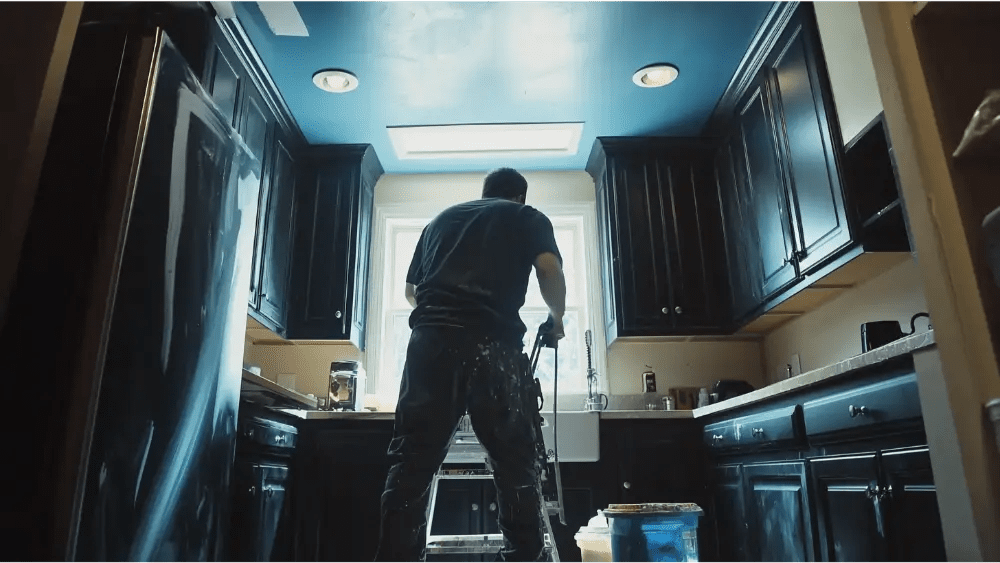
What’s The Typical Sequence of a Kitchen Remodel?

Опубликовано: February 6, 2026 в 3:32 pm

Автор:

Категории: Kitchen

Тэги:

What to Expect Step-by-Step

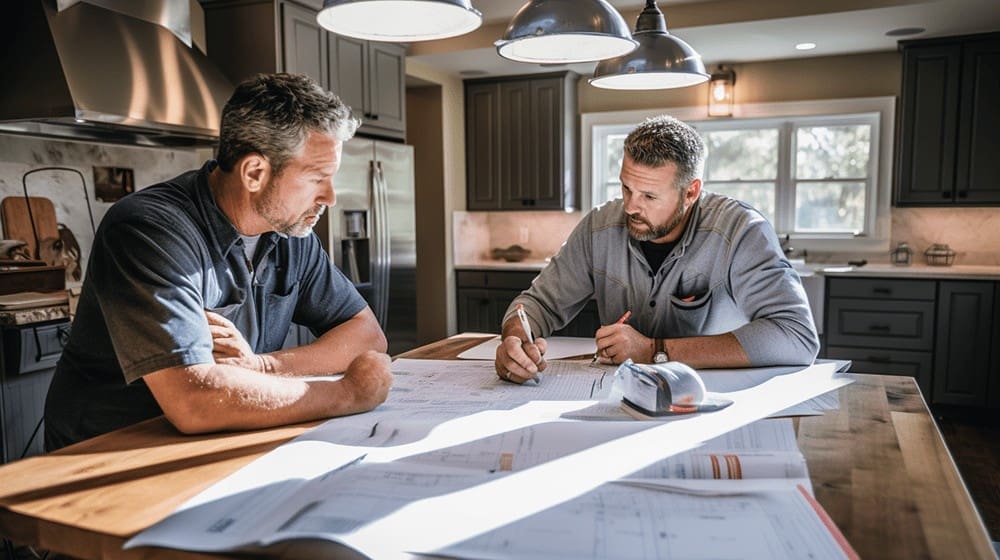
A kitchen remodel is one of the most valuable upgrades a homeowner can make. Whether you’re looking to improve your daily lifestyle or increase your home’s resale value, a successful kitchen renovation begins with one key principle: follow a structured plan. At America’s Advantage Remodeling, we’ve guided hundreds of homeowners through the kitchen remodeling process with a proven system that keeps every phase on track.

If you’re asking, what’s the typical sequence of a kitchen remodel, this guide lays out every step from the first demolition to the final touches. With the right strategy, a renovation project can transform your outdated kitchen into the new space you’ve always wanted, without unnecessary delays or costly mistakes.

Why Understanding the Kitchen Remodel Sequence Matters

Knowing the kitchen remodel sequence helps ensure your project stays on time, on budget, and stress free. Jumping ahead in the process can result in rework, permit violations, and delivery delays for key materials. Homeowners who understand how construction phases flow can better communicate with their general contractor, prepare for disruptions, and avoid decision fatigue during major kitchen remodels.

When you follow the right kitchen remodel timeline, every part of the renovation, from custom cabinets to installing countertops, happens in a logical, coordinated order. This level of careful planning sets the stage for a smooth experience and a better final result.

Step-by-Step Breakdown of a Kitchen Remodel

1 | Planning and Budgeting

The first step in any kitchen remodel is setting clear goals. Are you looking to modernize your kitchen layout, increase storage, or improve energy efficiency? Maybe you’re ready for a major overhaul with brand-new appliances and new flooring. No matter the vision, careful planning ensures the entire project aligns with your goals, lifestyle, and timeline.

This is the time to set a budget. Factor in labor, materials, permits, and a contingency fund for the unexpected. A general contractor will help you balance your wish list with your financial limits and keep the renovation process realistic from day one.

2 | Kitchen Design and Layout Development

Once you’ve defined your goals, the next phase focuses on kitchen design. This includes creating a detailed layout that optimizes the flow and function of your new kitchen. Think about how the refrigerator, sink, and cooktop align. Are you keeping the same kitchen layout, or making structural changes to open up space?

Your contractor will help with selections like cabinets, flooring, countertops, lighting, and plumbing fixtures. These choices not only impact your kitchen’s style, but also the lead times needed to order materials. A well-documented, detailed design helps avoid costly errors later in the construction phases.

3 | Ordering Materials and Permits

Before demolition can begin, materials need to be ordered and permits pulled. Cabinets, tile, and countertops often have long lead times, sometimes four to eight weeks, especially if you’re selecting custom finishes. Delaying your order could stall your entire project.

At this point, your contractor will submit permit applications for plumbing, electrical, and structural changes. Meeting permit requirements ensures your kitchen remodel complies with local building codes and passes inspections throughout the process.

4 | Site Prep and Demolition

With the design finalized and materials on the way, the next phase begins with site prep. Your contractor will protect floors, cover adjacent rooms, and help you set up a temporary kitchen. Then demolition starts, removing old cabinets, flooring, appliances, and sometimes walls.

Professional demolition clears the way for new wiring, plumbing work, and framing. It also gives your crew a clean, safe environment to begin the next stage of construction.

5 | Structural Work and Rough-Ins

At this point, your kitchen remodel transitions from teardown to rebuild. If your design includes structural changes like removing soffits or reworking walls, framing happens now. Then contractors complete rough-ins for electrical, plumbing, and gas lines. This includes:

  • Running new plumbing lines for the sink and dishwasher
  • Installing electrical outlets, lighting circuits, and appliance wiring
  • Adjusting HVAC vents and ductwork if necessary

Once the rough-in stage is complete, inspections are scheduled to ensure all work meets code before closing up the walls.

6 | Drywall, Insulation, and Subfloor Prep

After inspections are approved, your contractor will install insulation (especially in exterior walls), then hang and finish the drywall. At the same time, they’ll inspect the subfloor for damage and prep it for new flooring.

Drywall creates the backdrop for the kitchen’s visual transformation, while subfloor prep ensures a smooth surface for tile, vinyl, or hardwood installation.

7 | Painting and Flooring

Now your kitchen begins to look like a room again. Painters prime and apply your selected wall and ceiling colors. Then flooring is installed. The decision to install new flooring before or after cabinets depends on your materials and layout.

Whether you choose tile, engineered hardwood, or luxury vinyl plank, professional flooring installation ensures durability and a level surface for the rest of the build.

8 | Cabinet Installation and Countertop Prep

Cabinet installation is one of the most exciting milestones in a kitchen remodel. Once your new cabinets are in place, you can begin visualizing how the space will function day-to-day. After this, your contractor will template for countertops. This step ensures exact dimensions for cutting and fabricating the slab.

Installing countertops typically takes one to two weeks after templating. During this time, final plumbing fixtures are also selected and coordinated.

9 | Installing Appliances, Fixtures, and Lighting

At this stage, your kitchen becomes fully functional. Contractors complete appliance installation, including the refrigerator, oven, dishwasher, and microwave. Plumbing fixtures like sinks, faucets, and disposals are installed and tested. Electricians handle final lighting and switch placement.

If you’re upgrading to smart technology, this is when your new appliances are connected and synced.

10 | Finishing Touches and Cleanup

Once the major components are installed, it’s time for the final touches. The backsplash goes up, trim and moldings are added, cabinet hardware is attached, and minor paint touchups are completed.

A final professional cleaning ensures your new space is move-in ready. This stage is all about creating polish and function before the big reveal.

11 | Final Walkthrough and Project Wrap-Up

Before your contractor closes out the renovation, you’ll walk through the kitchen together to complete a punch list. Any small issues or adjustments, like a sticking drawer or crooked outlet, are handled before handoff. You’ll also receive warranty information, appliance manuals, and care tips for new countertops and flooring.

This last step ensures everything meets your expectations and confirms that your project stays aligned with your original vision.

Timeline Overview: How Long Will It All Take?

The full kitchen renovation timeline varies depending on size, materials, and scope, but here’s a general guide:

  • Planning and design: 2 to 4 weeks
  • Ordering and permits: 2 to 6 weeks (often overlaps with design)
  • Construction: 6 to 10 weeks

A complete kitchen remodel typically takes between 8 and 16 weeks. Delays can happen due to permit issues, backordered materials, or unexpected plumbing or electrical work. With expert construction management and careful coordination, most kitchen remodeling projects stay within schedule and budget.

Working with a Professional Kitchen Remodeling Company

Hiring a licensed general contractor makes a major kitchen remodel far less stressful. DIY projects often cost more in the long run due to mistakes, rework, and scheduling errors. An experienced remodeling company handles every phase, from permit requirements to appliance installation, so your renovation process is smooth and predictable.

At America’s Advantage Remodeling, our construction management team oversees the entire project, communicates clearly at each stage, and ensures your kitchen renovation is completed to the highest standards.

FAQs About Kitchen Remodeling Sequence

How long does each stage of a kitchen remodel typically take?

Each stage varies depending on the size and complexity of the project. Demolition may take 2–3 days, while cabinet installation and installing countertops can take 1–2 weeks. The total kitchen remodel timeline usually falls between 8 and 16 weeks.

Should I order materials before demolition begins?

Yes. To avoid delays, it’s important to order materials like cabinets, tile, and new appliances as early as possible. Long lead times are common for custom finishes.

What happens if I change my mind mid-project?

It depends on the phase. Changes during design are easy to adjust. Changes during construction can impact costs and timelines. Good planning minimizes the need for mid-project changes.

Can I live in my home during the remodel?

Yes, many homeowners live at home during a remodel. A temporary kitchen can help with day-to-day needs. Your contractor should work to keep the site clean and safe throughout the renovation.

Do I need permits for my kitchen remodel?

Most kitchen remodeling projects that involve plumbing, electrical, or structural work require permits. A licensed general contractor will handle all permit requirements on your behalf.

Kitchen Remodel Success Starts with the Right Process

The key to a successful kitchen remodel is following the right process from start to finish. With careful planning, experienced professionals, and a clearly defined kitchen remodel sequence, your dream kitchen is within reach.

We help you create a new kitchen that works for your life today and adds value for years to come. From the first step of design to the final walkthrough, our team is here to guide you through every detail.

What’s The Difference Between a Full Remodel and a Partial Remodel?

Опубликовано: February 2, 2026 в 3:32 pm

Автор:

Категории: Kitchen

Тэги:

What’s the Right Choice for Your Home?

When many homeowners begin planning a renovation, one of the most important questions they ask is, what’s the difference between a full remodel and a partial remodel? The answer can directly impact your budget, the time it takes to complete the work, and how much value the renovation adds to your home. If you’re deciding how to update your space, understanding the key differences between these two remodeling approaches will help you choose the path that best fits your needs, lifestyle, and long term goals.
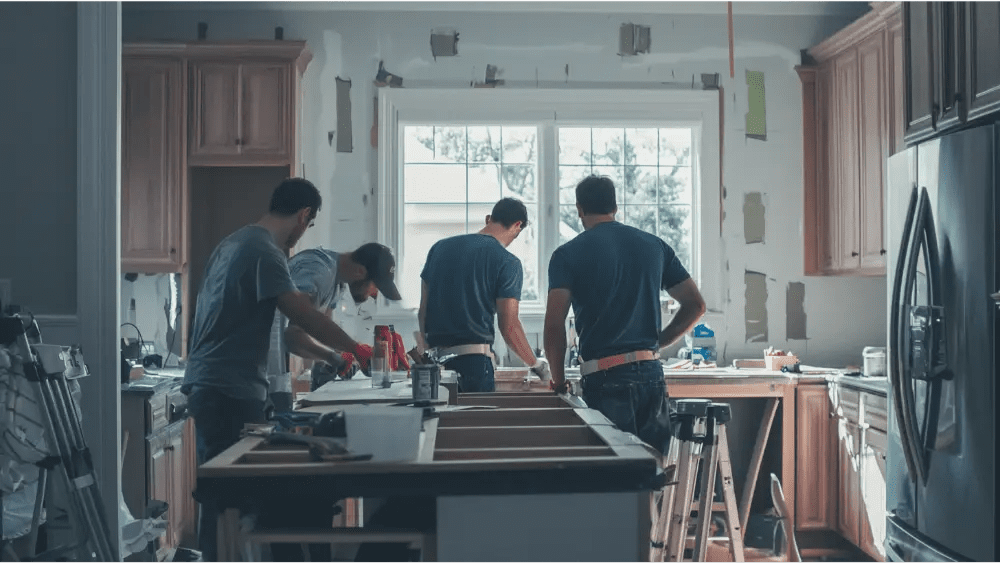
Whether you’re considering a full kitchen remodel, a partial bathroom remodel, or a few high-impact upgrades in key spaces, the right decision starts with clear information. This guide breaks it down so you can move forward with a renovation plan that makes sense for your home.
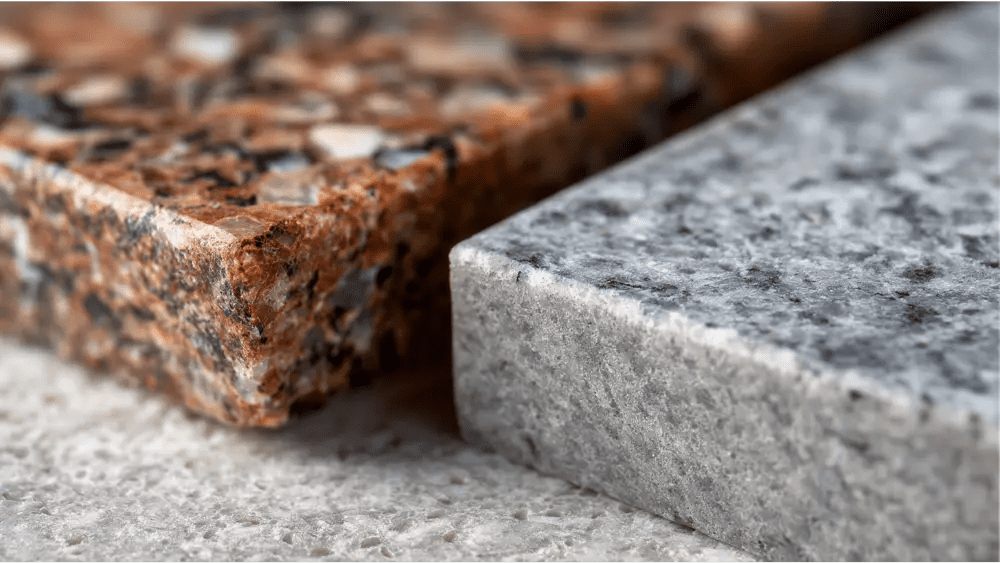
What Is a Full Remodel?

A full remodel is a comprehensive transformation of a room or multiple areas in your home. It usually involves structural changes, layout redesigns, and complete replacement of materials, fixtures, and finishes. Full remodels are common in older homes where the layout no longer supports modern living, or where systemic issues, like outdated systems, poor insulation, or hidden issues behind walls, need to be addressed.
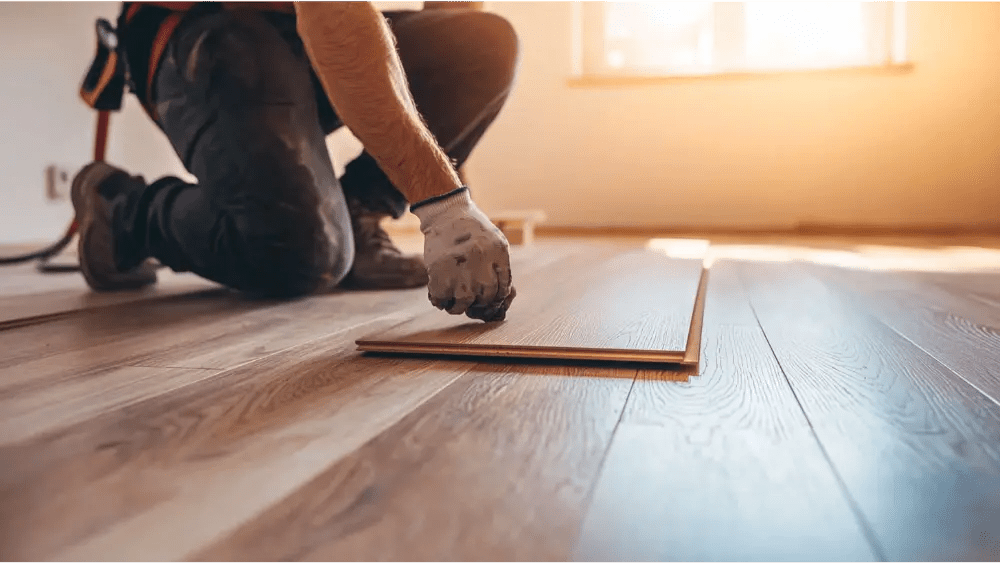
A full remodel changes how the space works, feels, and looks. It often involves removing or repositioning walls, updating plumbing, rewiring electrical systems, installing modern systems, and improving energy efficiency. These projects often require permits and professional planning to ensure everything is built to code.
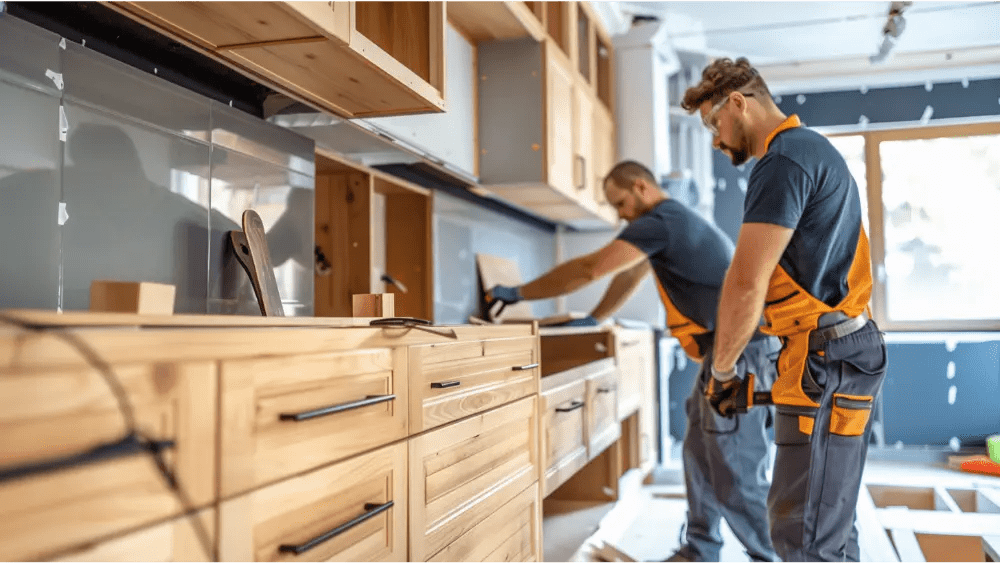
This approach is ideal for homeowners who are looking for a whole home transformation or want to create a clear vision for their lifestyle and future needs. A full kitchen remodel or full bathroom remodel is especially effective when current layouts are inefficient or the fixtures are outdated.

Common Full Remodel Projects

  • Full kitchen remodel with new layout, cabinets, and upgraded appliances
  • Full bathroom remodel with walk-in shower, custom vanity, and luxury tile
  • Whole home remodel with expanded living space and updated flooring
  • Opening up walls to connect kitchen, dining, and living rooms
  • Redesigning multiple areas of the home to add square footage

These larger remodel projects take more time and planning, but they often yield higher home value, increased personal enjoyment, and improved daily life.

What Is a Partial Remodel?

A partial remodel focuses on updating specific areas of the home without changing the structure or layout. This type of renovation is often cosmetic, such as updating surfaces, replacing fixtures, or modernizing finishes. Partial renovations are typically faster, more cost-effective, and less disruptive than full remodels.

In a partial kitchen remodel, for example, homeowners might keep the original cabinet layout but replace the doors, swap countertops, and upgrade appliances. In a partial bathroom remodel, you might replace the vanity and lighting but keep the shower and tile intact.

Types of Partial Remodels Homeowners Love

  • Partial kitchen remodel: new countertops, backsplash, light fixtures, and appliance updates
  • Partial bathroom remodel: upgraded vanity, new faucet, and modern mirror
  • Refinishing or replacing flooring in high-traffic rooms
  • Swapping outdated fixtures for energy-efficient ones
  • Repainting and updating cabinets while keeping the existing structure

Partial remodeling allows homeowners to make impactful upgrades without committing to a complete renovation. It’s also ideal when working with a limited budget or when the current state of the home doesn’t require a major overhaul.

Key Differences Between Full and Partial Remodels

Understanding the key differences between a full remodel and a partial renovation helps you determine what’s right for your situation. These two renovation paths offer very different scopes of work, budgets, and timelines.

Full Remodel vs. Partial Remodel: Side-by-Side Comparison

FeatureFull RemodelPartial Remodel
ScopeFull renovation of layout and structureCosmetic updates within existing layout
Layout changesYes, often includes structural changesNo, keeps existing layout
Permit requiredFrequently requiredSometimes, depending on scope
CostHigher due to labor and materialsLower, fewer trades involved
TimelineWeeks to monthsDays to weeks
DisruptionSignificant impact on daily lifeMinimal disruption
Value impactHigh potential for added home valueModerate, but can increase market value
Best forEntire home, outdated layouts, lifestyle changesTargeted updates, specific areas, limited budget

How to Decide Which Remodel is Right for You

Deciding between a full or partial remodel depends on your goals, budget, and how you use your space. Many homeowners begin by evaluating whether they need to improve functionality, solve problems with layout, or simply want a visual refresh.

Ask yourself:

  • Does the current layout work for your lifestyle?
  • Do you need more space or better flow between rooms?
  • Are there outdated systems or just aesthetic updates needed?
  • What is your total budget, and are you prepared for a longer timeline?
  • Are you focused on long term value or personal enjoyment?

If your home feels cramped, outdated, or inefficient, and you’re planning to stay long term, a larger remodel might be the best investment. If you’re content with the structure and simply want to modernize the appearance, a partial remodel could deliver exactly what you need.

Think Long-Term: ROI and Resale Value

Even small updates in key areas like kitchens and bathrooms can raise your home value, especially when done with quality materials. But a full remodel that resolves layout issues and improves square footage may deliver more long term value when it comes time to sell.

Projects like a full kitchen remodel or a full bathroom remodel often have strong ROI because they combine style with functionality. Buyers look for updated spaces, energy efficiency, and open layouts. That said, a strategic partial renovation can still add value if you upgrade light fixtures, improve finishes, and enhance overall appeal.

Real-World Remodeling Scenarios

Here are a few examples that show how choosing the right type of renovation makes a big impact:

Scenario 1: A family in Citrus Heights wanted to open up their kitchen and dining space. The existing layout was tight and made entertaining difficult. We completed a full kitchen remodel with wall removal, new cabinets, upgraded plumbing, and an island that redefined how they used the space.

Scenario 2: A homeowner in Roseville needed to update a dated primary bathroom, but the layout still worked well. We completed a partial bathroom remodel that included a floating vanity, frameless mirror, and updated fixtures, modernizing the look without major demolition.

Scenario 3: A couple in Elk Grove preparing to list their entire house for sale had a tight timeline and a strict budget. A partial kitchen remodel with new counters, painted cabinets, and sleek light fixtures helped increase their market value and attract buyers.

Why Choose America’s Advantage Remodeling

When it comes to planning and executing your remodel, experience and communication matter. At America’s Advantage Remodeling, we specialize in both full remodel and partial remodel services. Our team handles every aspect of your project, from initial design consultation through the final walkthrough.

We understand the needs of Northern California homeowners and deliver high-quality results that align with your lifestyle, your home’s condition, and your renovation goals. Whether you’re tackling a bathroom remodeling project, planning a partial renovation, or need help envisioning a whole home remodel, we bring the craftsmanship and care you deserve.

FAQs: Full Remodels vs. Partial Remodels

How much does a full remodel cost?

The cost of a full remodel varies widely based on scope, materials, and square footage. In 2025, full home renovations typically range from $150,000 to over $400,000. Kitchens and bathrooms can start around $40,000 for a full update.

Is a partial remodel more budget-friendly?

Yes. A partial remodel can cost significantly less and still provide a strong return. It’s ideal for those who want meaningful improvements on a fixed budget.

Will I need to move out during a full remodel?

Depending on the extent of the renovation, you may not be able to use parts of your home during construction. Many homeowners choose to stay elsewhere during major phases of a full remodel.

Do I need permits for a partial remodel?

Sometimes. A partial remodel that includes plumbing or electrical work may still require permits. Cosmetic-only updates usually do not. We manage all necessary paperwork for you.

How long will my remodel take?

A partial renovation can take anywhere from a few days to a few weeks. A full remodel may span multiple months, especially if you’re renovating multiple areas or the entire home.

Final Thoughts

Choosing between a full remodel and a partial remodel comes down to your needs, your goals, and your home’s current state. A comprehensive renovation offers full creative control, long term value, and a completely new living space. A partial remodel focuses on high-impact updates, streamlined timelines, and efficient use of your budget.

Both approaches have benefits. If you’re ready to explore your options, the team at America’s Advantage Remodeling is here to help you plan, design, and create a space you’ll love.

Contact us today for a free consultation, and let’s bring your vision to life.

What Materials Should I Choose for Kitchen Cabinets?

Опубликовано: January 26, 2026 в 1:26 am

Автор:

Категории: Kitchen

Тэги:

What Materials Should I Choose for Kitchen Cabinets?

Choosing the right cabinet materials is one of the most important decisions in any kitchen remodel. The kitchen is the heart of the home, and your kitchen cabinets are central to its function, flow, and overall style. When selecting kitchen cabinet materials, you are not just choosing a look, you are choosing how your cabinets will perform under daily use, how well they resist moisture and heat, how long they will last, and how they impact your home’s value.

Understanding the range of available materials will help you make a smart, long-term investment in your kitchen renovation. This guide breaks down the most popular kitchen cabinet materials in 2026, comparing cost, durability, moisture resistance, and aesthetic appeal so you can choose the right material for your space and lifestyle.

Why Cabinet Material Choice Matters More Than You Think

Kitchen cabinets are used daily and exposed to constant wear. From steam and spills to heavy dishes and high heat, cabinets must be built from durable materials that can stand up to everyday challenges. The best cabinet material is one that offers a balance between performance, cost, and style. That choice also affects:

  • Moisture resistance and reduced risk of swelling or warping
  • Longevity, especially in humid or high-traffic environments
  • Ability to hold hardware in drawer boxes and hinges in cabinet doors
  • Refinishing potential if styles change or damage occurs
  • Aesthetic appeal and how well materials age over time

Selecting the right cabinet materials also impacts how easy it is to clean and maintain your kitchen. Low maintenance and moisture resistant finishes are critical in homes with small children or frequent cooking. This is why professional kitchen remodelers always begin by discussing lifestyle and long-term expectations when recommending materials.

Overview of Popular Kitchen Cabinet Materials (2026 Update)

Solid Wood Cabinets

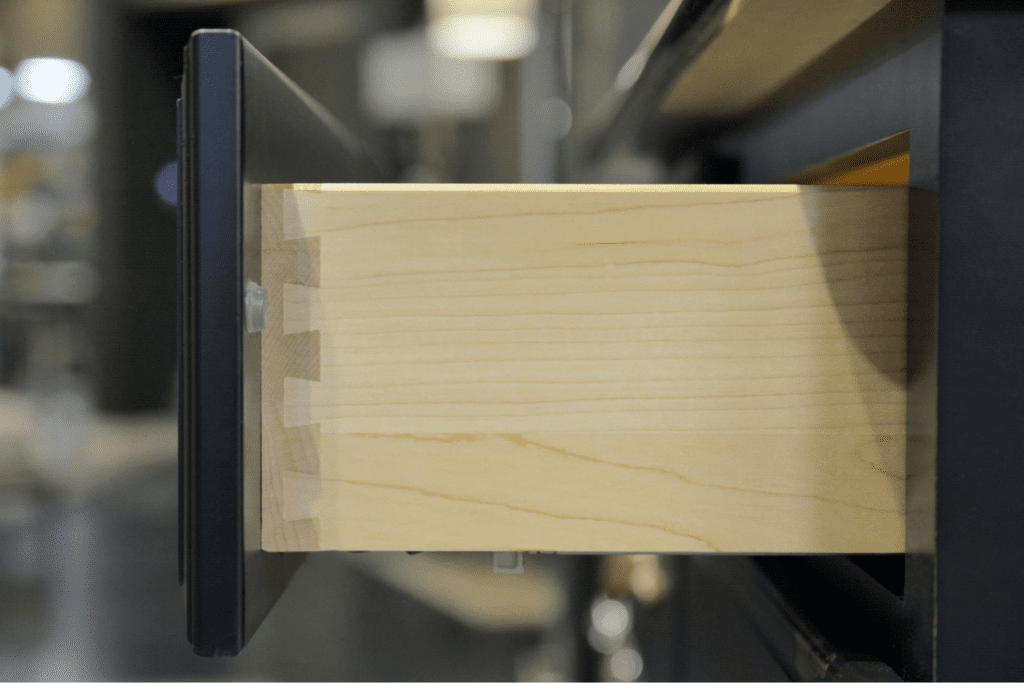
Solid wood cabinets remain a classic and high-value choice. These cabinets are made from real wood species such as maple, cherry, oak, birch, or walnut. Known for their natural beauty and timeless elegance, solid wood versatile options can be stained or painted to suit a wide range of kitchen designs.

Pros:

  • Offers rich, natural grain and attractive appearance
  • Can be sanded, restained, or refinished for years to come
  • Excellent strength and durability
  • Adds real wood charm and resale value
  • Compatible with both traditional and modern styles

Cons:

  • Priced higher than other materials
  • Sensitive to temperature and humidity changes if not sealed properly

Best for: Homeowners seeking wood cabinets with timeless beauty and long-term performance.

Solid wood cabinets are especially popular for their strong aesthetic impact. When properly sealed and maintained, these cabinets can last for decades without needing replacement, making them one of the most durable materials in home cabinetry.

Plywood Cabinets

Plywood is one of the best materials used for cabinet boxes. It consists of thin wood layers bonded together with adhesives and alternating grain direction, offering increased durability and dimensional stability. Plywood is considered a higher quality material compared to particle board or low-grade MDF.

Pros:

  • Moisture resistant and less prone to warping
  • Holds screws and hardware securely
  • Supports heavy countertops and drawer loads
  • Available in different grades depending on budget

Cons:

  • Slightly more expensive than medium density fiberboard
  • Raw edges need banding or finishing for a polished look

Best for: Homeowners needing strong, moisture resistant cabinet boxes that offer excellent long-term value.

When used correctly, plywood cabinet boxes paired with solid wood or MDF cabinet doors create one of the most reliable cabinet structures available.

Medium Density Fiberboard (MDF)

Medium density fiberboard is an engineered wood product made from wood fibers mixed with resin and compressed under heat. Medium density fiberboard MDF offers a smooth surface and uniform appearance that makes it ideal for painted finish designs.

Pros:

  • Offers a flawless, smooth finish for paint applications
  • Doesn’t crack from expansion like solid wood
  • More affordable than plywood or solid wood
  • Less variation than natural wood

Cons:

  • Prone to moisture damage if unsealed
  • Heavier than plywood
  • Less screw-holding strength

Best for: Painted cabinet doors, especially in modern or transitional kitchens.

Medium density fiberboard MDF is a top choice when homeowners want a uniform surface with crisp paint lines and a sleek, smooth finish. While it is not moisture resistant on its own, professional sealing and installation help reduce potential swelling.

Particle Board

Particle board is made by compressing wood chips and resin into sheets. It is the most budget friendly option among kitchen cabinet materials but is also the least durable.

Pros:

  • Low cost, making it an affordable option for large cabinet runs
  • Lightweight and easy to handle during installation

Cons:

  • Prone to moisture damage and swelling
  • Limited lifespan under frequent use
  • Poor screw-holding strength compared to plywood
  • Cannot be refinished

Best for: Entry-level or rental kitchens where budget is a priority and long-term durability is not critical.

While particle board can be used in hidden cabinet areas or as shelving, it is rarely recommended for main cabinet boxes or high-traffic spaces.

Thermofoil and Laminate Cabinets

Both thermofoil cabinets and laminate cabinets are engineered wood options covered with a decorative layer. Thermofoil is a vinyl layer heat-wrapped around a door with an MDF core, while laminate cabinets are made with high pressure laminate (HPL) applied to an engineered wood base.

Thermofoil Cabinets – Pros:

  • Smooth surface with a clean, seamless look
  • Available in high gloss thermofoil and matte finishes
  • Low maintenance and easy to clean

Thermofoil Cabinets – Cons:

  • Prone to peeling and bubbling near high heat
  • Cannot be refinished or repaired once damaged

Laminate Cabinets – Pros:

  • Highly resistant to moisture, stains, and harsh chemicals
  • Great for modern designs and contemporary kitchens
  • Available in many colors and wood grain finishes

Laminate Cabinets – Cons:

  • Edge banding may loosen over time
  • Thin layer may not feel as solid as real wood

Best for: Contemporary or minimalist kitchens with a focus on low maintenance and uniform appearance.

High pressure laminate provides an affordable way to achieve a premium look while resisting everyday wear. Laminate cabinets are becoming more popular for busy families, especially when paired with plywood cabinet boxes.

Wood Veneer Cabinets

Wood veneer cabinets are created by placing a thin layer of real wood over an engineered wood core, usually plywood or MDF. This method delivers the look of solid wood cabinets without the cost.

Pros:

  • Offers the natural beauty and wood grain of real wood
  • More affordable than full solid wood cabinets
  • Environmentally friendly due to efficient wood usage

Cons:

  • Requires sealing and regular care to prevent damage
  • Veneer can peel or chip if not maintained

Best for: Kitchens where natural wood appearance is desired without the expense of solid wood.

Wood veneer cabinets are especially effective when homeowners want real wood charm with lower material cost. They also work well for eco-conscious kitchen renovations that prioritize recycled materials and sustainable practices.

How to Choose the Right Cabinet Material for Your Kitchen

Step 1 – Consider Your Budget

Your budget will play a big role in determining which cabinet materials make sense for your project. Solid wood and plywood are considered higher quality materials, while MDF and particle board offer cost savings with trade-offs in moisture resistance and strength.

For most kitchen remodel projects, a balanced approach using plywood cabinet boxes and MDF or wood veneer cabinet doors offers the best of both worlds.

Step 2 – Evaluate Lifestyle and Usage

How you use your kitchen matters. Homes with small children, high-traffic cooking areas, or limited ventilation should prioritize moisture resistant and durable materials. Low maintenance cabinets are ideal in busy homes where time is tight.

Step 3 – Match the Style of Your Home

Painted finishes work best on medium density fiberboard MDF. If you prefer stained wood or a natural grain, opt for wood veneer or solid wood cabinets. For a modern or sleek look, laminate cabinets or thermofoil cabinets provide a uniform surface with minimal upkeep.

Step 4 – Think About Longevity and Maintenance Requirements

Do you want the ability to repaint or refinish later? Solid wood allows for that flexibility. Thermofoil and laminate do not. The right material is one that fits your long-term plans and lifestyle.

Step 5 – Get Professional Guidance

Working with an experienced kitchen remodeling team helps you avoid costly mistakes. Professional advice ensures that your cabinet materials are suited to your home’s environment, your cooking habits, and your design preferences.

Frequently Asked Questions

What’s the most durable material for kitchen cabinets?

Plywood cabinet boxes with solid wood or MDF cabinet doors are widely considered the best cabinet material combination for durability and longevity.

Are MDF cabinets a bad choice?

No. Medium density fiberboard cabinets are excellent for painted finishes and offer a smooth surface and uniform appearance. Just be sure to seal them properly.

Are solid wood cabinets worth the cost?

For homeowners looking for lasting quality and resale value, solid wood cabinets are often worth the investment. Their natural beauty and strength make them a premium choice.

What cabinet material is most affordable but still reliable?

Wood veneer cabinets over plywood cores or laminate cabinets offer good value without sacrificing too much on performance.

Can I mix cabinet materials in one kitchen?

Yes, and it’s often recommended. Using plywood cabinet boxes with MDF or wood veneer doors helps manage cost while ensuring strength and style.

Final Thoughts

Selecting the right cabinet materials is one of the most critical parts of any kitchen remodel. Whether you’re drawn to the natural beauty of solid wood cabinets, the clean finish of medium density fiberboard MDF, or the budget friendly appeal of laminate cabinets, your choice will affect how your kitchen looks and functions for years to come.

The best cabinet material is the one that aligns with your needs, your style, and your home’s conditions. If you want expert advice and high quality craftsmanship, work with a professional remodeling team who can guide you through every option and help you design your dream kitchen from the ground up.

Let your cabinets do more than store, let them elevate your entire kitchen.

What Is the First Step I Should Take Before Starting a Kitchen Remodel?

Опубликовано: January 23, 2026 в 1:26 am

Автор:

Категории: Kitchen

Тэги:

What Is the First Step I Should Take Before Starting a Kitchen Remodel?

If you are asking yourself what is the first step I should take before starting a kitchen remodel, you are already on the right path. Many homeowners rush into a remodel excited about finishes, appliances, and colors, only to realize later that poor planning leads to delays, overspending, and costly mistakes. A successful kitchen renovation always begins with thoughtful planning and a solid plan that guides every decision from start to finish. Before you start tearing anything out of your current kitchen, you need clarity on your goals, your budget, and how the space should function for your lifestyle. This first step sets the tone for the entire remodeling process and helps ensure your investment results in a new kitchen you truly love.

Step One: Define Your Kitchen Goals and Lifestyle Needs

The first step in any kitchen remodeling project is defining exactly what you want to achieve. Many homeowners think the remodel starts with picking cabinets or countertops, but in reality it starts with understanding how you use the room. Your kitchen layout should support how you cook, entertain, and live every day. Take time to evaluate your current kitchen and identify what does not work. Maybe the space feels cramped, storage is limited, or the sink is poorly placed for food prep.

Consider how many people use the kitchen at once, whether you cook daily or occasionally, and if the room needs to serve multiple purposes. Are you aiming for a dream kitchen that becomes the heart of your home, or are you preparing for resale with a more practical total remodel? Writing down your must haves helps clarify priorities and keeps your project focused. This kind of thoughtful planning is essential for avoiding frustration later in the renovation process.

Step Two: Establish a Realistic Budget Early

Once your goals are clear, the next essential step is setting a realistic budget. Budgeting is one of the most critical parts of any remodel, especially for a major kitchen remodel where costs can add up quickly. Your budget should account for materials, labor, permits, design services, and a contingency for unexpected issues behind walls or under flooring. Many homeowners underestimate average costs and end up making compromises later that affect the final result.

A well defined budget helps guide decisions on cabinets, countertops, appliances, and custom features. It also helps your professional contractor recommend options that fit your financial comfort level. Whether you are planning a modest kitchen renovation or a complete transformation, understanding your cost range early prevents stress and keeps the project on track.

Step Three: Gather Ideas and Visual Inspiration

With goals and budget in mind, it is time to gather ideas that reflect your style and vision. This stage helps translate abstract goals into a clear kitchen design direction. Look at finishes, colors, tile patterns, backsplash options, and new countertops that appeal to you. Pay attention to flooring materials, paint colors, and fixtures that complement each other.

This is also when you should think about layout optimization. A well designed kitchen layout improves workflow and makes cooking more enjoyable. Consider how the sink, refrigerator, and cooking area relate to one another. Inspiration does not mean copying a design exactly, but creating a reference point that helps professionals understand what you want to create in your new kitchen.

Step Four: Prioritize Functionality and Features

After gathering inspiration, it is important to prioritize functionality over trends. A kitchen remodel should improve how the space works first, then enhance how it looks. Decide which features are essential and which are optional. Storage solutions, custom cabinets, durable countertops, and efficient appliances often provide more long term value than purely decorative upgrades.

Think about how cabinetry is configured, how much counter space you need, and whether new appliances will improve efficiency. Prioritizing features helps prevent overspending and keeps the remodel aligned with your original goals. This approach also helps avoid costly mistakes that occur when decisions are made impulsively during construction.

Step Five: Evaluate the Existing Kitchen Layout and Structure

Before any installation begins, it is critical to understand the existing structure of your kitchen. This includes evaluating walls, plumbing, electrical systems, and flooring conditions. Moving a sink or refrigerator can significantly affect cost because plumbing and electrical work may be required. Knowing these limitations early helps shape a realistic plan.

Assess whether walls can be removed to open up the room or if structural elements must remain. Understanding the space you are working with ensures the design process stays grounded in what is possible. This step is especially important for a major kitchen remodel or total remodel where changes are extensive.

Step Six: Consult a Professional Contractor Early

One of the smartest decisions you can make is involving a professional contractor early in the planning stage. Experienced professionals provide expert advice that helps refine your plan, identify potential challenges, and create accurate timelines. Many homeowners assume they can handle planning alone, but a contractor’s insight often saves time and money.

A professional contractor understands construction phases, specialized work requirements, and local building codes. They help coordinate the remodeling process from demolition through final touches. Early consultation also helps prevent delays and ensures that cabinet installation, flooring installation, and appliance installation happen in the correct sequence.

Setting Up a Temporary Kitchen

During construction, your kitchen may be unusable for a period of time. Setting up a temporary kitchen with a mini fridge, microwave, and small appliances helps maintain daily routines. Preparing for this disruption is an essential step that many homeowners overlook.

What Not to Do First in a Kitchen Remodel

Knowing what not to do is just as important as knowing what to do. One common mistake is buying appliances before finalizing the kitchen layout. Without precise measurements, a refrigerator or range may not fit once cabinets and new doors are installed. Another mistake is starting demolition without a complete plan. When homeowners start tearing out walls or cabinets prematurely, it often leads to confusion and rework.

Skipping professional guidance or attempting too much diy work can also create issues. While diy projects can save money in some cases, kitchens involve plumbing, electrical, and structural work that require professionals. Avoid rushing decisions and focus on preparation to ensure a smooth renovation.

The Role of Design Professionals and Kitchen Designers

Design professionals and kitchen designers play a vital role in turning your ideas into a cohesive plan. They help balance aesthetics with function and ensure the design phase supports your lifestyle needs. A design professional considers layout, cabinetry, lighting, and material selection to create a cohesive new kitchen.

Working with kitchen designers can also streamline the design process and reduce revisions later. Their expertise helps align your vision with practical solutions, ensuring the finished project feels intentional and complete.

Understanding the Construction Phases

A kitchen remodel involves several construction phases that must be carefully coordinated. These phases often include demolition, structural changes, plumbing and electrical updates, drywall installation, flooring installation, cabinet installation, countertop installation, and appliance installation. Understanding this sequence helps homeowners prepare mentally and logistically.

Materials, Installation, and Specialized Work

Choosing the right materials impacts both durability and cost. Flooring options, tile selections, countertops, cabinets, and fixtures should be selected with longevity in mind. Specialized work such as plumbing rerouting, electrical upgrades, and custom cabinetry requires skilled professionals to ensure safety and quality.

Installation quality is just as important as material choice. Proper installation ensures cabinets align correctly, countertops are level, and appliances function as intended. Cutting corners during this phase often leads to repairs and additional cost later.

Managing Costs and Avoiding Costly Mistakes

Managing cost throughout the remodel requires ongoing communication and adherence to the plan. Changes made mid project often increase expenses and extend timelines. Many homeowners fall into the trap of making frequent adjustments once construction begins, which can disrupt the entire process.

Sticking to your original goals and budget helps keep the project under control. Regular check ins with your contractor ensure progress stays aligned with expectations. A clear punch list at the end of the project helps address minor issues before completion.

Final Touches That Bring the Kitchen Together

As the project nears completion, final touches make a significant difference in the overall look and feel of the space. Paint, backsplash tile, fixtures, and new doors complete the design and add personality. These details should complement the overall kitchen design rather than overpower it.

Final touches also include ensuring everything functions properly, from plumbing fixtures to appliances. Taking time during this phase ensures the kitchen renovation feels polished and complete.

Why Thoughtful Planning Leads to a Better Outcome

Thoughtful planning is the foundation of every successful kitchen remodel. When you take the time to define goals, set a realistic budget, and work with professionals, the entire process becomes more manageable. Many homeowners who skip this first step find themselves overwhelmed by decisions and unexpected costs.

A solid plan guides every stage of the renovation and helps create a new kitchen that reflects your needs and style. Whether you are completing a minor update or a major transformation, planning first is always an excellent choice.

Frequently Asked Questions (FAQs)

What is the first step I should take before starting a kitchen remodel?

The first step is to engage in thoughtful planning by defining your kitchen goals and lifestyle needs. Understanding how you use the space and what improvements you want helps create a solid plan that guides the entire remodeling process.

How important is setting a budget before starting a kitchen remodel?

Setting a realistic budget early is crucial. It helps you make informed decisions about materials, labor, and design features, and prevents costly surprises during the renovation. Including a contingency fund for unexpected expenses is also recommended.

Should I hire professionals for my kitchen remodel or attempt a DIY approach?

While some minor tasks can be DIY, it is highly advisable to hire professionals for specialized work such as plumbing, electrical, and structural changes. Professionals ensure the work meets safety standards, building codes, and is completed efficiently.

How can I manage daily life during the kitchen remodeling process?

Creating a temporary kitchen setup in another part of your home with essentials like a mini fridge and microwave can help maintain daily routines. Planning meals ahead and being prepared for some disruption will make the process smoother.

When should I involve a professional contractor or kitchen designer in my remodel?

It’s best to consult a professional contractor or kitchen designer early in the planning phase. Their expertise in layout optimization, construction phases, and design can save time and money, and help avoid costly mistakes throughout the project.

Bringing It All Together

So what is the first step I should take before starting a kitchen remodel? The answer is clear. Begin with thoughtful planning and goal setting before any physical work begins. This first step influences every decision that follows, from layout and materials to budget and timeline. By preparing properly, working with professionals, and following essential steps, you can avoid costly mistakes and enjoy a smoother remodeling process.

A kitchen remodel is a significant investment, but with the right approach, it can transform your home and daily life. When planning is done right, the result is not just a renovated room, but a functional, beautiful new kitchen built to last.

What Countertop Materials Should I Consider for My Kitchen?

Опубликовано: January 19, 2026 в 1:26 am

Автор:

Категории: Kitchen

Тэги:

What Countertop Materials Should I Consider for My Kitchen?

Choosing the right kitchen countertops is one of the most important decisions you will make during a kitchen remodel. Homeowners often ask, what countertop materials should I consider for my kitchen, especially when balancing durability, style, maintenance, and cost. Your countertops quickly become a focal point of the space, supporting daily food prep, hosting hot pots and hot pans, and contributing to the overall look of your dream kitchen. With so many kitchen countertop materials available in 2025, understanding the differences between countertop options is essential. This guide walks through the most popular and practical countertop materials, explains how they perform in real homes, and helps you select a great countertop material that fits your lifestyle and long term goals.

Why Choosing the Right Kitchen Countertops Matters

Kitchen counters are not just decorative surfaces. They must be extremely durable, heat resistant, stain resistant, and easy to maintain. The right countertops can increase home value, support everyday cooking habits, and reduce maintenance requirements over time. Poor material choices can lead to visible seams, easily scratched surfaces, or high maintenance routines that homeowners regret later. Because countertops are measured and priced per square foot, mistakes can also be costly. Selecting the best countertops means considering how your family uses the kitchen, your preferred kitchen styles, and how much regular maintenance you are willing to handle.

7 Best Kitchen Countertop Materials to Consider in 2025

Quartz Countertops and Engineered Stone

Quartz countertops remain one of the most popular countertop materials on the market. Made from engineered stone using quartz pieces and binding resins, quartz offers a non porous surface that is bacteria resistant and naturally resistant to most stains. Because quartz countertops are manufactured, they provide consistent color, subtle veining, and design flexibility for modern kitchens.

Quartz is highly durable and scratch resistant, making it a low maintenance option for busy households. Unlike natural stone countertops, quartz does not require sealing. Cleaning is simple with mild soap and water, and harsh chemicals are not recommended. While quartz is not completely heat resistant, using hot pads under hot pots is advised to protect the surface.

Per square foot, quartz countertops typically fall into a mid to high price range, but many homeowners consider them cost effective due to their long lifespan and minimal regular maintenance.

Granite Countertops and Natural Stone

Granite countertops are a classic choice and remain one of the best countertops for homeowners who value natural beauty. As a type of natural stone, granite offers unique patterns, depth, and character that cannot be replicated. No two granite slabs are the same, which appeals to homeowners who want custom countertops with a one of a kind look.

Granite is extremely durable, highly durable, and offers excellent heat resistance. Hot pans can usually be placed directly on granite without damage, making it ideal for serious cooking and food prep. Granite countertops are also scratch resistant, but they do require sealing. Properly sealed granite helps prevent moisture absorption and protects against most stains.

Granite does require regular maintenance compared to engineered stone, but many homeowners feel the timeless elegance and boost to home value make it worthwhile. Granite per square foot pricing varies widely depending on color and availability.

Marble Countertops and Timeless Elegance

Marble countertops are known for their timeless elegance and soft, natural beauty. Marble is a natural stone that has been used for centuries and continues to be popular in luxury kitchen styles. Its subtle veining and light reflective qualities make it a stunning focal point.

However, marble countertops are considered high maintenance compared to other countertop materials. Marble is porous and can be easily scratched. It can stain if spills are not cleaned quickly, even when properly sealed. Marble is also sensitive to acidic foods, which can etch the surface during food prep.

Because of these factors, marble countertops are best suited for homeowners who prioritize appearance over durability or who use marble in lower traffic areas such as islands or baking stations. Per square foot costs are typically higher than granite, reflecting its premium status.

Butcher Block Countertops and Wood Surfaces

Butcher block countertops add warmth and rustic charm to kitchens. Made from wood, these countertops offer a rustic aesthetic that works well in farmhouse, traditional, and transitional kitchen styles. Butcher block is often considered budget friendly compared to stone surfaces.

Wood countertops are softer than stone and can be easily scratched, but many homeowners appreciate that scratches can be sanded out. Regular oiling is required to protect the surface, especially in wet areas near sinks. Butcher block countertops should always be used with a cutting board to prevent damage and bacteria buildup.

While butcher block is not naturally resistant to heat, using hot pads is necessary to avoid burns or warping. For homeowners who enjoy a hands on approach and love natural materials, butcher block can be a great countertop material that adds character and warmth.

Laminate Countertops and Cost Effective Solutions

Laminate countertops have improved significantly in recent years and remain a cost effective option for many homeowners. These countertops are manufactured with layers of plastic bonded to particleboard, offering a wide range of colors and patterns that mimic other countertop materials.

Laminate countertops are budget friendly and easy to clean with mild soap. They are stain resistant but not heat resistant, so hot pans and hot pots can cause damage. Laminate is also more prone to visible seams and can be easily scratched compared to stone or engineered stone.

While laminate may not increase home value as much as other countertop materials, it can be a practical solution for homeowners seeking new countertops on a tight budget.

Tile Countertops and Porcelain Options

Tile countertops, including ceramic and porcelain tile countertops, provide flexibility in design and color. These kitchen countertop options are heat resistant and stain resistant, making them suitable for cooking spaces.

One drawback of tile countertops is grout lines. Grout lines can collect dirt and require regular cleaning and sealing. Over time, grout may discolor, which increases maintenance requirements. Tile surfaces can also feel uneven during food prep.

Despite these challenges, tile countertops remain a viable option for homeowners who enjoy creative patterns and want durable surfaces at a moderate square foot cost.

Solid Surface Countertops and Other Countertop Materials

Solid surface countertops are manufactured materials designed to offer a seamless look. A solid surface countertop is non porous, bacteria resistant, and easy to repair if scratched. These countertops provide a smooth appearance with minimal visible seams.

Solid surface is considered a low maintenance option and is often used in modern kitchens. However, it is not as heat resistant as granite or quartz, so hot pads should always be used. Solid surface countertops are moderately priced per square foot and are popular for homeowners who want a clean, uniform appearance.

Other countertop materials include stainless steel and soapstone countertops. Stainless steel is heat resistant, non porous, and commonly used in professional kitchens. Soapstone countertops are a type of natural stone known for their natural beauty, softness, and ability to darken over time.

How to Choose the Right Countertop for Your Kitchen

Lifestyle and Daily Use

Your lifestyle should be the top priority when choosing kitchen countertop materials. If you cook frequently and use hot pots, granite countertops or stainless steel may be ideal. For families with kids, stain resistant and scratch resistant surfaces like quartz countertops are often the best choice.

Maintenance Requirements

Consider how much regular maintenance you are willing to perform. Natural stone countertops often require sealing and careful cleaning. Engineered stone and solid surface options typically offer lower maintenance and easier care with mild soap.

Design and Kitchen Styles

Countertops should complement cabinets, flooring, and backsplashes. Wood and butcher block add warmth and suit rustic charm. Marble and quartzite align with classic and luxury kitchen styles. Quartz and solid surface work well in modern kitchens.

Budget and Cost Per Square Foot

Countertop materials vary significantly in cost per square foot. Laminate and butcher block are generally more budget friendly. Granite, quartz, and marble range higher but often provide better durability and long term value.

Countertop Trends for 2025

In 2025, homeowners are gravitating toward durable surfaces that balance style and function. Quartz countertops continue to dominate due to their low maintenance appeal. Natural stone remains popular for its authenticity and natural beauty. Decorative edges such as a beveled edge and other decorative edges are being used to elevate custom countertops. Mixed materials, such as combining wood islands with stone perimeter countertops, are also trending.

Common Countertop Mistakes to Avoid

Many homeowners choose countertops based solely on appearance without considering heat resistance or daily use. Others underestimate maintenance requirements or fail to plan for sealing needs. Choosing the wrong countertop materials can result in high maintenance surfaces or damage from hot pans and wet areas. Professional installation is critical to avoid visible seams and structural issues.

FAQs About Kitchen Countertop Materials

What are the best countertops for durability?

Quartz countertops and granite countertops are considered extremely durable and suitable for heavy use.

Which countertop materials are the lowest maintenance?

Quartz, solid surface, and stainless steel are among the lowest maintenance options.

Are natural stone countertops worth it?

Natural stone countertops like granite and marble add home value and natural beauty, but they do require sealing and regular maintenance.

Can I mix different countertop materials in one kitchen?

Yes, combining different countertop materials can enhance functionality and design, such as using butcher block for food prep and stone for durability.

How much do kitchen countertops cost per square foot?

Costs vary widely, but laminate is typically the most cost effective, while marble and quartzite are higher per square foot investments.

Final Thoughts on Choosing Kitchen Countertops

Selecting the right kitchen countertops is about finding balance. You want a durable surface that fits your cooking habits, enhances your kitchen styles, and supports your long term goals. Whether you choose engineered stone, natural stone, wood, or other countertop materials, thoughtful planning will help you achieve a dream kitchen that performs as beautifully as it looks. New countertops are an investment, and choosing wisely ensures years of enjoyment, functionality, and lasting value.

What Cabinet Styles Are Available?

Опубликовано: January 16, 2026 в 1:26 am

Автор:

Категории: Kitchen

Тэги:

A Complete Guide For Homeowners Planning A Remodel

Choosing what cabinet styles are available can feel overwhelming when planning a kitchen remodel. Kitchen cabinets are one of the biggest visual and functional elements in your space. The right choice affects not only how your kitchen looks but also how well it works every day. This kitchen cabinet style guide explains what kitchen cabinets are available, how cabinet door style and framing affect the look, and how to decide what is right for your custom kitchen cabinets.

Cabinets do more than store items, they define the character of your kitchen. Whether you want a classic design, contemporary kitchens with clean lines, or a warm traditional look, understanding cabinet types, cabinet doors, and cabinet face frame options helps ensure your dream kitchen becomes reality.

Why Cabinet Style Matters In A Kitchen Remodel

When homeowners ask what cabinet styles are available they are really asking how the kitchen will feel, how it will function, and how it will age over time. Kitchen cabinets impact the kitchen’s layout flow, storage capacity, ease of use, and visual appeal. Choosing the right kitchen cabinets is more than picking a pretty door style, it is about selecting cabinets that work with your lifestyle and your home’s style.

Selecting high quality cabinet types makes a difference not just in appearance but in durability and long term satisfaction. A kitchen with well designed cabinets will remain functional and beautiful for decades. If cabinet doors and drawers are poorly made or the cabinet face frame is flimsy, homeowners can end up frustrated and spending more on repairs or replacements.

Understanding what cabinet styles are available includes the differences between framed cabinets and frameless cabinets, what recessed panels or raised center panel features mean, and how different door styles like flat panel or slab doors affect the overall look of your kitchen cabinets.

Most Popular Kitchen Cabinet Styles Available Today

Shaker Cabinets Timeless And Versatile

Shaker cabinets are one of the most requested cabinet styles. Shaker style cabinets are defined by simple recessed panels and clean lines that fit with a wide range of kitchen styles from traditional framed cabinets to contemporary kitchens. Shaker cabinets feature a rectangular recessed center panel that gives depth and character without overwhelming the space.

Shaker style cabinets are often made of solid wood or wood veneer and provide a timeless appeal that works well with many color palettes. These cabinets are popular in kitchens where homeowners want a classic design with modern sensibilities. The recessed panels make Shaker cabinets easy to pair with many hardware choices, from minimalist pulls to decorative knobs.

Most homeowners choose Shaker cabinets because they balance simplicity and style, and they perform well in both formal and casual kitchens. Shaker cabinets are a go to for those seeking a custom kitchen look without unnecessary complexity.

Flat Panel Cabinets Sleek And Modern

Flat panel cabinets, often called slab doors, are the hallmark of contemporary kitchens. Flat panel cabinets have no raised center panel or ornate detail, just a flat surface that creates a minimalist aesthetic. Because they offer such a clean look, flat panel cabinets are widely used when homeowners want modern kitchen cabinetry with a streamlined feel.

Flat panel door styles are popular in European style kitchens where frameless cabinets with full overlay cabinet doors create a continuous visual surface. The lack of visual clutter makes flat front cabinets especially appealing in smaller kitchens where maintaining an airy feel is important. Flat panel cabinets are often paired with modern hardware or handleless mechanisms to enhance the minimalist aesthetic.

These cabinet types work exceptionally well in kitchen designs that emphasize open space, integrated appliances, and light reflective surfaces. Wood veneer options like natural wood finishes or white oak bring warmth to flat panel cabinets while keeping them modern.

Inset Cabinets Premium And Classic

Inset cabinets are defined by cabinet doors that fit inside the cabinet frame so the door sits flush with the face frame. Inset kitchen cabinets evoke a classic, custom built appearance that feels intentional and refined. Because inset cabinets require exacting craftsmanship, they are often found in high quality kitchen remodels or custom kitchen installations.

Inset cabinets can have either recessed panels or flat surfaces, but what sets them apart is how the doors relate to the cabinet frame. Traditional framed cabinets with inset doors emphasize solid structure and long lasting durability. The result is kitchen cabinets that feel solid, stable, and meticulously constructed.

Many homeowners choosing inset cabinets are seeking both function and style, and they appreciate the timeless appeal these cabinets bring to their space. Inset cabinets are an investment, and the reward is a kitchen that feels tailored to the home.

Raised Panel Cabinets Traditional Elegance

Raised panel cabinets are a popular kitchen cabinet style for those who love classic design. Raised panel cabinets have a center panel that is elevated or sculpted, creating a decorative look that pairs beautifully with detailed molding and traditional accents.

Raised panel cabinets are often found in traditional framed cabinets and are chosen for their ornate look and craftsmanship. These cabinets add visual interest through their dimensional center panel and detailed edges, making them a favorite in kitchens where a more formal style is desired.

Many homeowners select raised panel cabinets when they want kitchen cabinets that speak to enduring design rather than fleeting trends. These panels complement warm wood finishes and richer color palettes, bringing a sense of luxury to the space.

Beadboard And Textured Options For Visual Interest

Beadboard cabinets have vertical grooves in the panels that create a cozy, cottage style appeal. While not as common as Shaker or flat panel, beadboard is a creative way to add texture and personality. These cabinets are particularly popular in farmhouse inspired kitchens or in spaces where a relaxed, yet purposeful look is desired.

Along with beadboard, textured panels like fluted or reeded styles are trending. These textured cabinet doors add visual interest without complicating the overall design. Textured cabinets are so popular because they combine simplicity with depth, making them a favorite in transitional style kitchens.

Homeowners looking for visual interest without heavy detail often choose textured cabinet styles as an accent on islands or feature walls.

Glass Front Cabinets Light And Display Ready

Glass front cabinets and glass front kitchen cabinets are ideal for adding brightness and an airy feel to the kitchen. These cabinets replace solid doors with glass inserts so you can display favorite dishes, glassware, or curated décor.

Glass front cabinets are often paired with interior lighting to enhance their display quality. They work well above counters or as part of a built in hutch area. Because glass fronts reduce the visual weight of cabinetry, they are particularly effective in smaller kitchens where you want to maintain an open feel.

Although display cabinets can show what is inside, thoughtful organization and style will keep the space looking cohesive.

Trending Cabinet Features And Finishes Through 2025

Two Toned Cabinets For Personalized Style

Two toned cabinets are exactly what they sound like cabinets that use two different finishes within the same kitchen. Popular combinations include lighter colors on upper cabinets with darker tones on lower cabinet sections or islands. Two toned cabinets create contrast while allowing homeowners to express personality and style.

This approach works with many cabinet types including Shaker cabinets, flat panel cabinets, and raised panel cabinets. Two toned cabinets are a creative way to keep color palettes dynamic without feeling overwhelming.

Wood Grain And Natural Wood Finishes

Natural wood and wood grain finishes are making a comeback in kitchen design. Homeowners are moving away from stark white cabinets and embracing warmer tones like white oak or other natural wood veneers. These finishes bring texture and warmth to the room while highlighting the natural beauty of solid wood cabinets.

Wood grain cabinets are versatile they work with both traditional and contemporary kitchens and their organic feel adds depth to the design.

Color And Hardware Trends

Warm neutrals and moody colors like earthy greens or deep charcoal are increasingly popular for cabinet styles. These tones pair beautifully with brushed metal or matte black hardware. Color can dramatically change how cabinet doors appear from decorative to understated.

Choosing the right color for your kitchen cabinets is part of defining the overall vibe of the space.

Modern Storage And Functionality

Modern kitchen cabinets are not just about style features they must be functional. Homeowners increasingly want cabinets with smart storage solutions like pull out trays, vertical dividers, soft close drawers, and built in organizers.

These functional features make day to day kitchen use more enjoyable, and they are especially attractive in busy homes where organization matters.

How To Choose The Right Cabinet Style For Your Home

Match Cabinet Style To Home Architecture

Different kitchen styles call for different cabinet approaches. Traditional framed cabinets with raised panel doors often suit older or historic houses. Flat panel cabinets with full overlay doors are well suited to contemporary kitchens with minimalist aesthetic priorities. Shaker cabinets offer versatility for many home architectural styles including transitional and modern farmhouse.

Choosing a kitchen cabinet style that complements your home prevents visual dissonance and keeps your remodel feeling intentional.

Think Functionality And Daily Use

Your cabinet choice should reflect how you use your kitchen. If you cook frequently or have a large household, prioritize functional features like high quality drawer fronts, deep storage, and easy access. Shaker cabinets and inset cabinets are popular choices because they offer a balance of style and practical use.

Consider Resale And Timelessness

Some cabinet door styles like Shaker cabinets and classic raised panel cabinets have enduring appeal. While trendy options like bold colors or heavily textured panels can be exciting, timeless style choices often provide better long term satisfaction and resale appeal.

Work With A Professional To Refine Your Vision

Choosing between framed cabinets or frameless cabinets, recessed panels or slab doors, can be difficult without experience. Homeowners often find that working with a professional helps refine their vision. Experienced designers can help align your taste with what cabinet styles are available that will work best for your home.

Frequently Asked Questions About Cabinet Styles

What Is The Difference Between Framed Cabinets And Frameless Cabinets

Framed cabinets have a visible face frame that adds structure and definition. Frameless cabinets have no face frame so the cabinet doors cover nearly the full cabinet box. Frameless cabinets are common in European style kitchens and often paired with full overlay cabinet doors for a sleek look.

Are Flat Panel Cabinets More Affordable Than Shaker Style Cabinets

Flat panel cabinets are often simpler to manufacture which can reduce cost, but material choice and finishes also impact price. Shaker cabinets may cost more depending on the material, but both can be made in a range of budgets.

Can I Mix Different Cabinet Styles In The Same Kitchen

Yes you can mix cabinet styles. Many homeowners combine Shaker cabinets with glass front cabinets or add textured panels on an island. When done thoughtfully, mixing styles adds character without visual chaos.

What Cabinet Style Works Best In Small Kitchens

In small kitchens, flat panel cabinets and glass front kitchen cabinets help keep the space feeling open. Light colors and clean lines enhance the perception of space.

What Materials Are Most Durable For Kitchen Cabinets

Solid wood and wood veneer cabinets offer excellent durability. High quality materials resist wear and handle daily use well.

Final Thoughts On What Cabinet Styles Are Available

Understanding what cabinet styles are available empowers you to make confident design decisions for your kitchen. Whether you prefer classic Shaker cabinets, sleek flat panel cabinets, traditional raised panel cabinets, or custom kitchen cabinets with unique finishes, there is a style that fits your needs.

Your kitchen should reflect your taste, support how you live, and provide enduring beauty. Take your time, explore your options, and choose cabinets that help you love your kitchen for years to come. Your dream kitchen is closer than you think when you know what cabinet styles are available and what works best for your home.