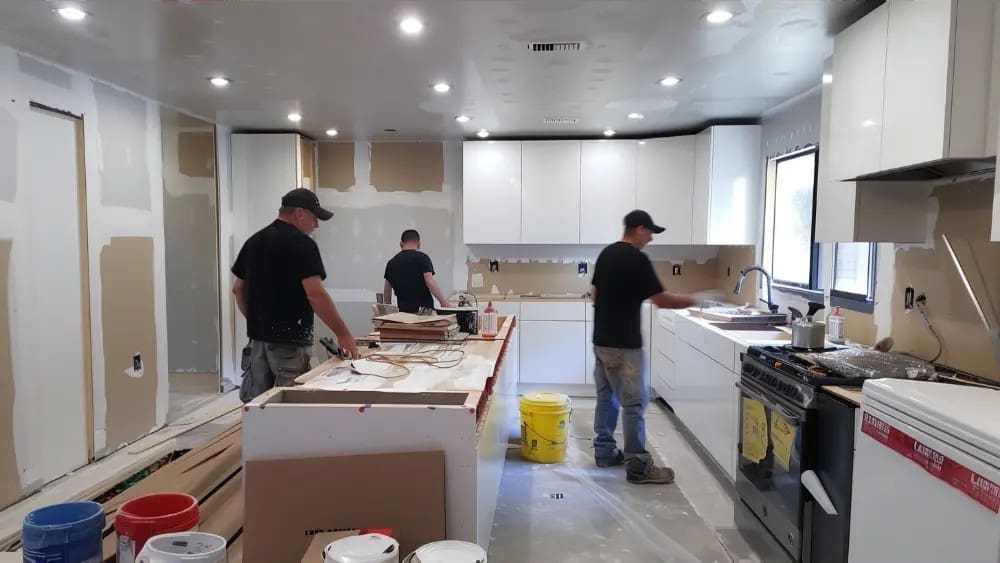
In 25 years of remodeling kitchens across the Sacramento area, I’ve been called in to fix the results of just about every mistake a kitchen project can make — budgets that doubled, layouts that fought the cook every day, contractors who vanished halfway through. The good news is that almost all of these mistakes are avoidable with the right planning and the right team. I’m Eugene Chernioglo, and I want to walk you through the most common kitchen remodel mistakes I see, so your project lands in the “done right” column.
Mistake 1: Rushing the Planning Stage

The single biggest cause of remodel problems is starting demolition before the plan is fully baked. Every decision you make after the walls are open — a cabinet change, a different counter, moving the sink — costs more and slows everything down. The fix is simple but disciplined: finalize your layout, choose your materials, confirm your budget, and pull any permits before a single cabinet comes out. The more you decide up front, the smoother the build.
Mistake 2: Underestimating the Budget and Timeline

Homeowners often budget for the visible items — cabinets, counters, appliances — and forget the things behind the walls. In older Sacramento homes especially, opening up a kitchen can reveal outdated wiring, galvanized plumbing, or surprises that need to be addressed. Build a realistic budget with a contingency, and work with a contractor who gives you a detailed, itemized estimate so there are no vague line items hiding future costs.
Mistake 3: Choosing the Cheapest Contractor

The lowest bid is rarely the best value, and it’s often the most expensive choice in the end. A suspiciously low quote usually means corners will be cut, or change orders will pile up once the work starts. What you actually want is the most accountable contractor — one with strong reviews, a clear written scope, and a team that shows up every day. Reading reviews and asking the right questions up front protects you far better than chasing the cheapest price.
Mistake 4: Neglecting Storage and Counter Space
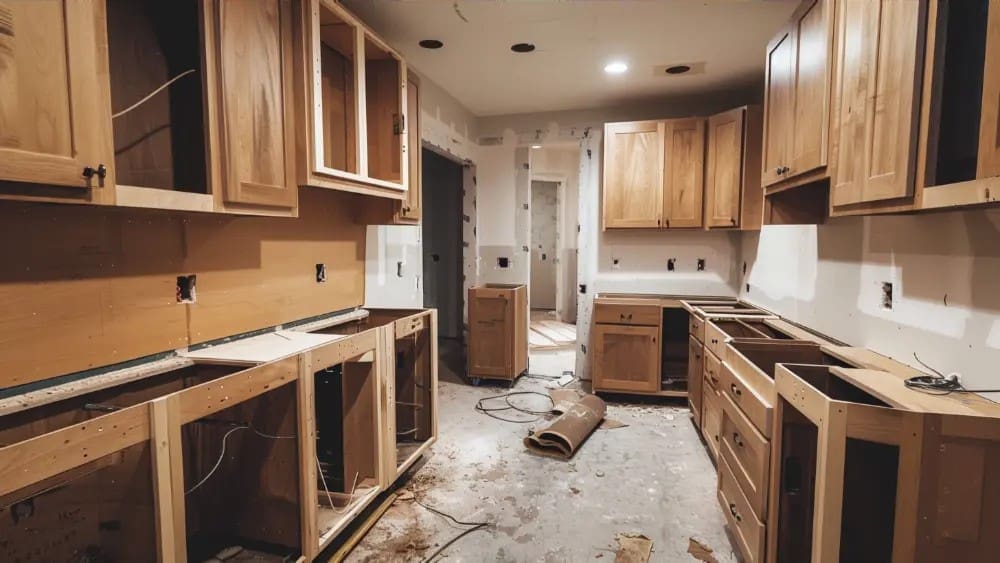
A beautiful kitchen that doesn’t function is a daily frustration. Two of the most common regrets are too little counter space for real cooking and storage that doesn’t match how the household actually uses the kitchen. Plan your storage around your habits — deep drawers for pots, pull-outs for pantry items, a dedicated spot for the things you use every day — and protect enough continuous counter space for prep. This is where a designer who asks how you cook earns their value.
Mistake 5: Getting the Order of Work Wrong

A kitchen remodel has a correct sequence: design, demolition, rough-in (plumbing, electrical, framing), drywall and paint, flooring, cabinets and countertops, then fixtures and appliances. Doing things out of order — like laying flooring that then has to be cut around cabinets it wasn’t planned for — causes rework and wasted money. An experienced in-house team sequences the trades so each step sets up the next, which is hard to coordinate when you’re juggling separate subcontractors yourself.
How to Avoid All of These

Notice the thread running through every one of these mistakes: they trace back to planning and to the team you choose. Plan thoroughly, budget realistically, and hire for accountability rather than the lowest price, and you sidestep nearly all of them. That’s exactly how my team at America’s Advantage Remodeling has approached Sacramento-area kitchens since 2001 — detailed planning, an itemized quote with no surprises, and one in-house team handling the whole project from demolition to the final walkthrough. If you want a remodel that avoids these pitfalls from the start, reach out for a free in-home consultation.
Frequently Asked Questions
Q: What are common kitchen renovation mistakes?
A: The most common kitchen renovation mistakes are poor planning of the layout and work triangle, underestimating the budget and timeline, choosing the cheapest contractor over the most accountable one, neglecting storage and counter space, and making finish decisions too late. Most of these trace back to rushing the planning stage. A well-planned remodel with the right team avoids nearly all of them.
Q: What is the correct order of a kitchen renovation?
A: The correct order of a kitchen renovation is: design and planning first, then demolition, followed by rough-in work (plumbing, electrical, and any framing), then drywall and paint, then flooring, then cabinets and countertops, and finally fixtures, appliances, and finishing touches. Doing things out of order — like installing flooring before cabinets when it isn’t planned for — causes rework and wasted money. An experienced remodeler sequences the trades so each step builds on the last.
Q: What should be done first when remodeling a kitchen?
A: The first step in remodeling a kitchen is thorough planning and design — finalizing the layout, selecting materials, confirming the budget, and pulling any required permits before any demolition begins. Skipping or rushing this stage is the single biggest cause of remodel problems, from budget overruns to mid-project change orders. The more decisions made up front, the smoother the actual construction goes.
Q: What is the biggest expense in a kitchen remodel?
A: Cabinets are typically the biggest single expense in a kitchen remodel, often accounting for the largest share of the budget, followed by countertops, appliances, and labor. Because cabinets drive so much of the cost, decisions about custom versus stock and door style have a large budget impact. Knowing this helps homeowners allocate their budget where it matters most.
Q: What should you not tell a contractor?
A: You shouldn’t hide your actual budget or your must-haves from a contractor, but you also shouldn’t feel pressured to sign on the spot or accept vague, non-itemized quotes. A trustworthy remodeler gives you a detailed, line-item estimate and a clear scope before you commit. The bigger risk is not what you tell the contractor, but choosing one who won’t put everything in writing.
Q: What to know before remodeling a kitchen?
A: Before remodeling a kitchen, know your realistic budget and timeline, understand that older homes often hide surprises behind the walls, plan your layout and storage around how you actually cook, finalize material choices early, and choose a contractor based on accountability and reviews rather than the lowest bid. Going in with these expectations prevents the most common sources of stress. A detailed plan and the right team make the difference between a smooth remodel and a painful one.
CONTACT US
Our Services
Areas We Serve
Certificate