Kitchen electrical is one of those things homeowners don’t think about until a remodel forces the question — and then it turns out to be one of the most code-regulated parts of the whole project, for good reason. Outlets near water, heavy appliance loads, and daily use make the kitchen a place where the electrical code is strict. As a licensed Sacramento contractor (CSLB #1036517) who has wired and rewired kitchens for 25 years, I want to give you a plain-English overview of how kitchen outlet and electrical code works, so you understand what your remodel needs. I’m Eugene Chernioglo. One important note up front: electrical code has national rules but also local amendments, so always confirm specifics with your local Sacramento building department and have a licensed electrician do the actual work.
Why Kitchen Electrical Code Is So Strict
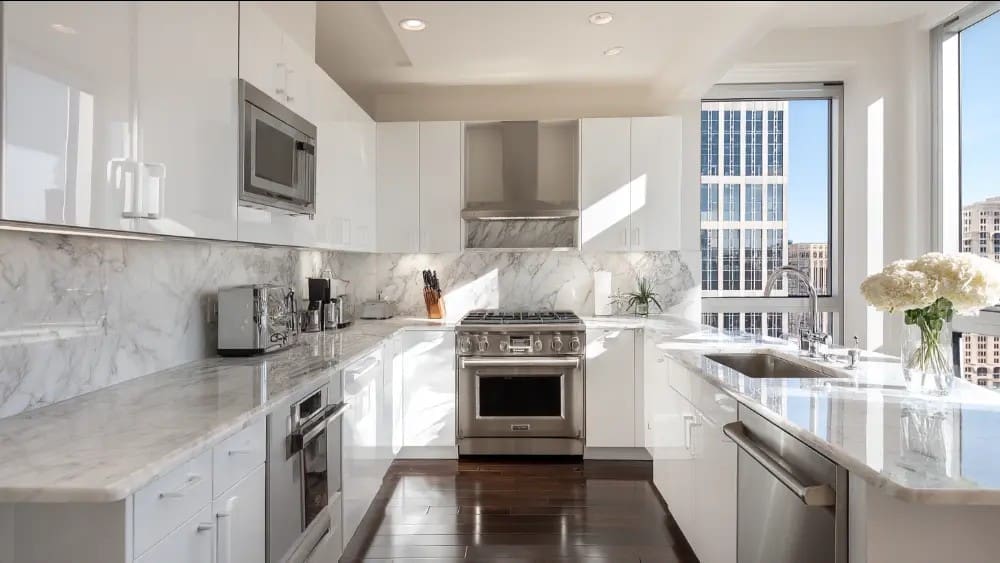
The kitchen combines two things the electrical code takes very seriously: water and high power draw. Countertop appliances like microwaves, toasters, and kettles pull a lot of current, and outlets sit just feet from the sink. The code exists to prevent shocks and overloaded circuits, which is why kitchen requirements are more demanding than most other rooms in the house. Understanding the basics helps you plan a safe, functional kitchen and have an informed conversation with your contractor and electrician.
GFCI Protection: Required on Countertop Outlets
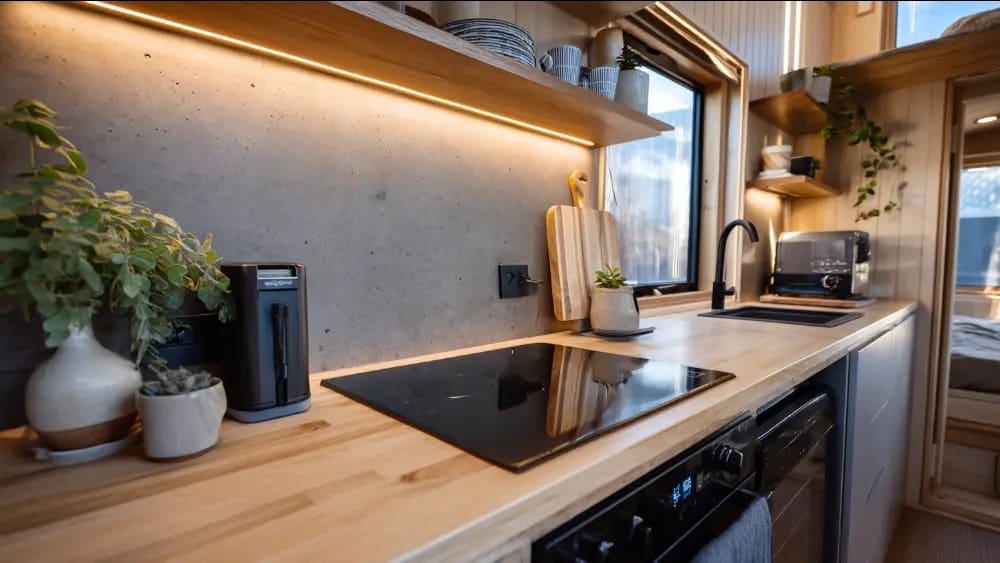
Every countertop outlet in a kitchen must be GFCI-protected. A GFCI (ground-fault circuit interrupter) cuts power in a fraction of a second if it detects current leaking where it shouldn’t — the kind of fault that happens near water. This is a core safety requirement under the National Electrical Code, and it applies to all receptacles serving the countertop. During a remodel, a licensed electrician makes sure every countertop outlet has this protection.
Outlet Spacing: The 24-Inch Rule
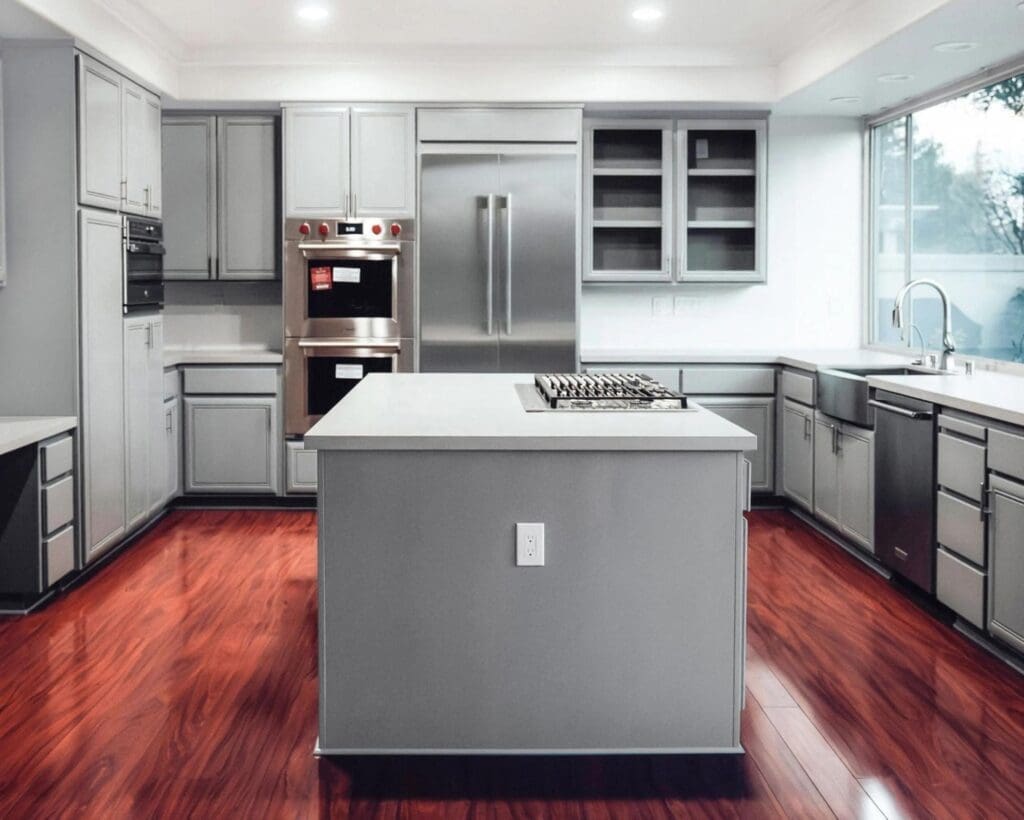
Kitchen countertop outlets follow a spacing rule designed so you’re never far from a place to plug in:
- No point along the countertop should be more than 24 inches from an outlet — which works out to an outlet at least every 4 feet.
- Any countertop section 12 inches or wider needs at least one outlet.
- Islands and peninsulas have their own receptacle requirements based on their size.
These rules exist so appliances can be used safely without stretching cords across the kitchen. They also shape where your backsplash outlets land, which is worth coordinating with your backsplash design.
Dedicated Circuits: At Least Two 20-Amp Lines
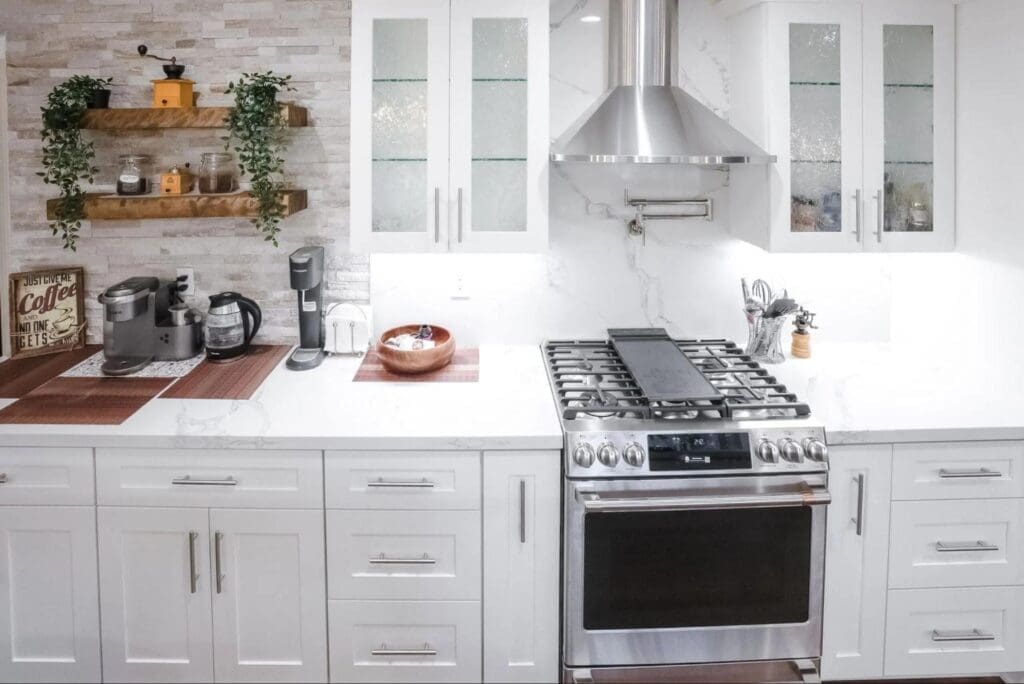
Kitchen countertop receptacles must be served by at least two dedicated 20-amp small-appliance circuits. Twenty amps (versus the 15 amps common elsewhere in the house) provides the capacity that power-hungry kitchen appliances need, and having at least two circuits means you can run, say, a microwave and a toaster without tripping a breaker. These small-appliance circuits generally shouldn’t also power lighting or other rooms. A licensed electrician sizes and separates the circuits based on your kitchen’s layout and appliances.
Outlet Height and Placement

There isn’t a single universal code height for countertop outlets — they’re typically installed about 15 to 20 inches above the finished counter, which usually puts them just above the backsplash in an accessible, unobtrusive spot. The exact height gets coordinated with your backsplash height and any under-cabinet lighting or features. When my team plans a kitchen, we map outlet locations and heights alongside the cabinet and backsplash design so everything lines up cleanly and meets code.
Why This Is Licensed Work

Kitchen electrical isn’t a place to cut corners or DIY your way through code. The combination of GFCI requirements, spacing rules, dedicated circuits, and local code amendments means this is work for a licensed professional, and in most cases it requires a permit and inspection. As a licensed contractor, my team at America’s Advantage Remodeling handles kitchen electrical as part of our in-house remodels — we coordinate the electrical with the cabinets, counters, and backsplash, pull the permits, and make sure everything passes inspection. If you’re planning a kitchen remodel and want it done safely and to code, reach out for a free in-home consultation. And for the specific code requirements that apply to your address, always confirm with the Sacramento building department and a licensed electrician.
Frequently Asked Questions
Pulled from live Google PAA, filtered through the 3-test conversion filter, written answer-first for AI Overview and featured snippet citation. Answers are written to be code-accurate while directing readers to confirm local requirements with a licensed electrician — important for this YMYL-adjacent topic.
Q: What type of outlet is required in a kitchen?
A: Kitchen countertop outlets are required to be GFCI-protected and, in most modern installations, served by 20-amp circuits to handle kitchen appliances. The National Electrical Code requires GFCI protection for all countertop receptacles because of the proximity to water. Local codes can add requirements, so the safest approach is to confirm with your local building department and have a licensed electrician do the work.
Q: Where should electrical outlets be placed in a kitchen?
A: Kitchen countertop outlets should be placed so that no point along the counter is more than 24 inches from an outlet, which generally means an outlet at least every 4 feet, and any counter section 12 inches or wider needs at least one outlet. Outlets are typically mounted about 15 to 20 inches above the countertop, or just above the backsplash. These spacing rules come from the National Electrical Code and exist so appliances can be used safely without long cords.
Q: How many outlets can be on one kitchen circuit?
A: Kitchen countertop receptacles must be served by at least two 20-amp small-appliance circuits, and these circuits generally should not also power lighting or outlets in other rooms. The code focuses on having enough dedicated circuit capacity rather than a strict outlet count, because kitchen appliances draw heavily. A licensed electrician sizes the circuits to your kitchen’s layout and appliance load.
Q: Are kitchen outlets 15 or 20 amp?
A: Kitchen countertop outlets are generally required to be on 20-amp circuits, because kitchen small appliances like toasters, microwaves, and kettles draw significant power. The receptacles themselves are typically 20-amp-rated to match. Using 15-amp circuits for countertop outlets does not meet modern code for the small-appliance circuits, which is one reason kitchen electrical should be handled by a licensed professional.
Q: What is the height for kitchen counter outlets?
A: Kitchen countertop outlets are typically installed about 15 to 20 inches above the finished countertop, which usually places them a few inches above the backsplash. There is no single universal height in the code for countertop outlets, so the standard is driven by the backsplash height and a comfortable, accessible position. Your remodeler coordinates outlet height with the backsplash and any under-cabinet features.
Q: Do kitchen outlets need to be GFCI?
A: Yes, all kitchen countertop outlets are required to be GFCI-protected under the National Electrical Code, because GFCI devices cut power instantly if they detect a fault, protecting against shock near water. This applies to receptacles serving the countertop. Confirming GFCI protection on every countertop outlet is a basic safety and code requirement that a licensed electrician will handle as part of a remodel.
CONTACT US
Our Services
Areas We Serve
Certificate