Admin, Author At America's Advantage Remodeling - Page 9 Of 15

Посты автора admin

admin

admin

Should You Install Tile After or Before Kitchen Cabinets? Professional Advice

Опубликовано: January 2, 2025 в 7:47 pm

Автор:

Категории: Kitchen

Тэги: ,,

When renovating a kitchen, one important decision involves the timing of installing tile in relation to the cabinets. This choice can impact the overall look and functionality of the space, as well as the installation process. Understanding the pros and cons of each approach can help ensure the best outcome for your kitchen project.

Installing Tile Before Kitchen Cabinets

Pros:

Uniform Look

Installing the tile floor underneath the cabinets results in a seamless, uniform appearance throughout the kitchen, with no noticeable gaps or transitions. This method creates a polished, professional look that enhances the finished floor. It also ensures that the flooring remains consistent no matter how your layout or cabinet arrangement changes over time. A uniform floor can also help increase the resale value of your home by giving it a more cohesive aesthetic.

Flexibility for Renovations

With the tile underneath the cabinets, future renovations are easier. You can replace floor cabinets without worrying about matching or patching the ceramic tile. This added flexibility can save time and money in the long run, as you won’t need to redo the floor during a cabinet update. It also allows for easier adjustments if you ever decide to rearrange the layout of your kitchen.

Watertight Seal

Placing the tile floor first offers better protection against spills and water damage. The tile installation creates a barrier that prevents water from seeping into the subfloor. This is especially important in kitchens, where water and spills are common. A properly sealed floor reduces the risk of mold growth and structural damage, making it a more durable and long-lasting solution.

Cons:

Higher Costs

Installing the ceramic tile under the cabinets requires more materials and labor, as the tile floor will cover areas that are not visible. This increases the upfront cost of the project. While this investment adds flexibility and durability, it may not be necessary if you’re certain the cabinets will remain in place long-term. Homeowners working within a tight budget might find the additional expense difficult to justify.

Time-Intensive

Laying tile underneath the floor cabinets before you install cabinets takes more time, which could delay the overall renovation timeline. This extra step requires careful planning and coordination to ensure the cabinets fit perfectly afterward. For those on a tight schedule, this approach may not be ideal, as it can significantly extend the duration of the project.

Installing Tile After Kitchen Cabinets

A man installing tile flooring in his kitchen

Pros:

Cost-Effective

Tiling only the exposed areas of the kitchen floor reduces material and labor costs, making this method a more budget-friendly option. By focusing on visible areas, you save on purchasing unnecessary tiles and can allocate your budget to other aspects of the renovation. This approach is ideal for those working within tight financial constraints.

Reduced Risk of Damage

Installing the ceramic tile after the floor cabinets minimizes the chance of damaging the tile floor during the cabinet installation process. This is especially helpful on busy renovation sites. Heavy cabinetry or movement of tools during installation can chip or crack tiles, so avoiding tiling beneath cabinets adds an extra layer of protection. It also reduces the likelihood of needing to replace damaged tiles later.

Efficient Installation

Since there’s less area to cover, the tile installation process is faster when you avoid tiling beneath the cabinets. This saves valuable time for contractors and homeowners alike, allowing renovations to be completed more quickly. It also means less disruption in your home, which is particularly beneficial if you’re living in the space during the renovation.

Cons:

Uneven Transitions

This method might create slight height differences between the tile floor and the floor cabinets, resulting in less visual consistency on the finished floor. These transitions can sometimes be noticeable in areas like exposed cabinet edges or kickboards. Over time, this unevenness might also affect how certain appliances or furniture sit on the floor.

Limited Renovation Options

If you remove or replace the floor cabinets in the future, untiled areas may be exposed, requiring patchwork or additional tile installation to match the rest of the floor. Matching older tiles with new ones can be challenging if the original design or material is no longer available. This limitation might lead to extra costs and delays during future renovations.

Final Recommendation

Installing the tile floor before the kitchen cabinets is the better choice for most projects. While it requires more materials and upfront costs, the benefits include a clean, uniform finished floor and easier future renovations. The tile underneath the cabinets ensures that the ceramic tile installation is watertight and visually seamless. For a long-term solution that prioritizes durability and aesthetics, tiling before installing cabinets is the ideal approach.

Factors to Consider for Tiling BEFORE Kitchen Cabinets

Material Type

When installing porcelain tile under the base cabinets, ensure it is durable enough to withstand the weight of the cabinetry. Porcelain tile is a long-lasting and resilient choice that can handle heavy loads without cracking. It’s also important to select a consistent style and color since the tile will cover the entire floor, even under unseen areas. Consider whether a concrete slab or cement board underlayment is required to provide additional structural support. Proper preparation ensures a level surface for tile install, extending the longevity of the entire floor.

Installation Process

Laying tile before installing new cabinets requires precise measurements to ensure cabinetry fits perfectly over the tiled surface. The tile install should account for adjustments due to expansion and contraction, which are especially critical when working with materials like porcelain tile. Using a proper backer board or cement board can help stabilize the tiles and prevent issues like cracking over time. During installation, pay attention to creating a seamless, watertight surface to protect the subfloor from spills. It’s a longer process, but one that guarantees a flawless finish.

Future Renovations

Tiling the entire floor before placing base cabinets provides flexibility for future remodeling. If you decide to replace or move cabinets later, the consistent flooring won’t require patchwork or matching outdated porcelain tiles. This is particularly important if the existing tile design or size is discontinued in the future. Renovating over a complete tile surface ensures a smooth process without additional expenses. For long-term convenience, investing in a full-floor tile install is worthwhile.

Factors to Consider for Tiling AFTER Kitchen Cabinets

A man installing tile on his kitchen floor

Budget Constraints

If you’re managing a tight renovation budget, tiling only the visible areas of the kitchen floor is more economical. This approach reduces the cost of materials, as you won’t need to purchase tiles for areas hidden under base cabinets. Homeowners can also save on labor costs, as the tile install area is smaller and requires less time to complete. Choosing this method allows you to allocate funds to other upgrades, such as higher-end new cabinets or countertops. It’s a practical way to achieve a functional kitchen without exceeding your financial limits.

Risk of Damage

Avoiding tiling under the base cabinets reduces the chance of damaging porcelain tiles during their installation. Heavy tools, movement of cabinets, and other equipment can easily chip or crack tiles, leading to additional repairs or replacements. By focusing on tiled areas that are not under cabinets, you lower the risk of costly mishaps during renovations. Consider using protective coverings for tiled areas as further reinforcement if other work is ongoing in the kitchen. An efficient approach here can keep the entire floor in pristine condition.

Appearance and Consistency

Tiling after cabinets can lead to minor differences in the floor’s height or alignment. Situations such as uneven transitions between the tile and surrounding surfaces may detract from the seamless look of the room. If you opt for this method, careful planning is needed to avoid noticeable gaps or edges around base cabinets and kickboards. Additionally, limited tiling may make the floor appear less cohesive if future modifications expose untiled areas. Ensure the porcelain tile design complements the visible layout for a polished appearance in the finished kitchen.

Frequently Asked Should You Install Tile After or Before Kitchen Cabinets Questions

A beautiful tile kitchen floor

Is it Better to Install Tile Before Cabinets?

Installing tile before cabinets is generally the preferred method for most kitchen renovation projects. This approach ensures a seamless and uniform flooring appearance, as the tile will extend throughout the entire space, including under the cabinets. Such a layout not only enhances the overall aesthetic but also prevents the need for future patchwork if you decide to update or relocate cabinets later on. Furthermore, tiling before cabinet installation creates a watertight barrier, reducing the risk of damage to the subfloor from spills or leaks.

While tiling before cabinets may require more materials and labor, leading to higher upfront costs, it also adds value by providing flexibility for future renovations. This method eliminates the challenges of matching old tiles when replacements are needed and ensures that appliances and furniture sit evenly on the new floor. If you’re planning to find cabinets for your remodel, this approach ensures a polished and long-lasting look. For long-term durability, functionality, and a polished finish, installing tile before cabinets is a wise investment for any kitchen remodeling project.

Should You Install Backsplash Before or After Cabinets?

The decision to install backsplash before or after cabinets largely depends on factors such as whether you’re planning to replace the cabinets, your personal preference, and the overall design timeline. Installing the backsplash before cabinets allows for a more cohesive and seamless look, as the backsplash can extend entirely up to the wall without interruptions. This method works best if you’re starting from scratch or completely replacing the cabinets during a remodel. It also helps create a clean, continuous aesthetic that complements the entire kitchen design.

On the other hand, some homeowners prefer to install the backsplash after the cabinets are in place. This approach gives you greater precision in aligning the backsplash with the cabinetry layout and reduces the likelihood of unnecessary material waste. If you’re keeping your existing cabinets and only updating the backsplash, this order simplifies the process and allows for customization around the current layout. Ultimately, the right choice depends on your project scope and personal preference, ensuring the end result aligns with your vision for the space.

Do You Tile Under the Dishwasher?

Whether or not to tile under the dishwasher depends on your kitchen layout and renovation goals. Tiling under the dishwasher provides a consistent flooring height and ensures that the appliance can be easily slid in and out for installation, maintenance, or replacement. This approach is particularly beneficial when combined with tiling under the toe kick and base cabs, as it creates a uniform and level surface for all kitchen components.

However, if you’re working with a tight budget or want to minimize the use of tiles, you can choose to stop tiling at the base cabinet line, just in front of the dishwasher. Keep in mind that this could lead to issues with adjusting the appliance’s height or removing it in the future, especially if the untiled section is lower than the surrounding floor. For a clean and functional design, ensure that the tiled edge near the dishwasher is properly aligned with the toe kick for a polished finish.

Conclusion

Deciding whether to tile before or after installing kitchen cabinets involves careful consideration of your renovation goals, budget, and desired aesthetic. While tiling before cabinets provides a seamless and durable finish that accommodates future changes, tiling after cabinets can reduce costs and installation time. Each method has its own advantages, from achieving a polished, cohesive look to preventing unnecessary material usage. The right approach depends on your specific needs and long-term plans for the space. By understanding the pros and cons of each option and planning accordingly, you can create a functional and visually appealing kitchen that aligns with your vision and priorities.

Welcome to EastSacImprovement.org – Remodeling Contractor You Can Trust in Sacramento!

Опубликовано: December 30, 2024 в 7:56 pm

Автор:

Категории: All

If you’re visiting EastSacImprovement.org, welcome! We’re excited to introduce you to America’s Advantage Remodeling (AAR), a trusted name in home, bathroom & kitchen remodeling services in East Sacramento and the surrounding areas.

At AAR, we specialize in transforming houses into dream homes with expert craftsmanship and a commitment to preserving the unique charm of East Sacramento neighborhoods. Whether you’re planning a kitchen upgrade, a bathroom renovation, or a full home transformation, we’re here to make it happen.

About America’s Advantage Remodeling

With over 23 years of experience, AAR has become a leader in the remodeling industry. As a family-owned and operated business, we pride ourselves on delivering personalized service, exceptional quality, and results that exceed expectations.

We’ve earned recognition for our dedication to excellence, including:

  • Angie’s List Super Service Award
  • 5-star ratings on Google and HomeAdvisor
  • Accreditation by the Better Business Bureau (BBB)
  • Membership in the National Association of the Remodeling Industry (NARI)

Our team brings a wealth of expertise and a passion for creating beautiful, functional spaces that stand the test of time.

Our Remodeling Services

Kitchen Remodeling

Remodel your kitchen with modern designs, custom cabinetry, durable countertops, and innovative layouts tailored to your style and needs.

Bathroom Renovations

Transform your bathroom into a luxurious retreat with stunning designs, updated fixtures, and smart use of space.

Whole-Home Makeovers

Whether you’re reimagining a single room or your entire home, we’ll work with you to create a space that fits your lifestyle.

Flooring Solutions

From hardwood to luxury vinyl, our flooring options enhance the beauty and value of your home.

Siding & Windows

Boost your home’s curb appeal and energy efficiency with our siding and window solutions.

Why Choose AAR?

At AAR, we’re more than just a remodeling company—we’re a team dedicated to helping homeowners achieve their vision. Here’s why homeowners in East Sacramento trust us:

  • Local Expertise: We understand the unique character of East Sacramento homes and work to enhance their charm.
  • Exceptional Craftsmanship: Our experienced team ensures every detail of your project is handled with care and precision.
  • Sustainable Options: We offer energy-efficient upgrades that reduce your environmental impact and save on utility costs.

Start Your Home Transformation Today

Are you ready to turn your home improvement dreams into reality? Whether you’re considering a kitchen renovation, a bathroom upgrade, or a complete home remodel, America’s Advantage Remodeling is here to help.

Request a Free Consultation

Visit our website to learn more about our services, browse our portfolio, or request a free consultation.

Connect With Us

👉 Visit AARemodels.com

Let us bring your remodeling vision to life with expert craftsmanship and unmatched customer care.

What is the Best Heat Resistant Countertop For Your Kitchen?

Опубликовано: December 17, 2024 в 1:22 am

Автор:

Категории: Kitchen

Тэги: ,,,

When it comes to kitchen surfaces, durability and functionality are key factors to consider. A heat-resistant countertop is an excellent choice for those who need a surface that can withstand high temperatures without damage. Not only are these countertops practical, but they also come in a variety of styles and materials to suit any design preference.

Best Materials for Heat Resistant Countertops

Granite

Granite is one of the best natural stone options for heat resistance, making it ideal for busy kitchen countertops. It can handle hot pots and pans placed directly on its surface without sustaining damage. This material is incredibly durable and resists extreme heat, scratching, and chipping. Granite countertops come in a variety of colors and patterns, allowing homeowners to match it with their interior design. Proper sealing ensures its longevity and keeps it stain-resistant.

Quartzite

A heat resistant kitchen countertop

Quartzite is a natural stone known for its impressive heat resistance and elegance. Unlike quartz countertops, which is engineered, quartzite countertops can tolerate extreme heat, making it a practical choice for handling hot pots and dishes. With its resilience and unique veining, it combines both functionality and aesthetic appeal. Though it requires sealing to prevent stains, its durability makes it a reliable choice for long-term countertop use. Its natural look often mimics marble but offers superior heat resistance.

Soapstone

Soapstone is a solid, natural stone prized for its high heat resilient properties and smooth, matte finish. This material allows you to place hot pots and pans directly on the surface without worrying about damage or using a heat resistant mat. Its ability to resist extreme heat makes it a go-to choice for people wanting both durability and style in their countertop materials. Furthermore, soapstone is low-maintenance, requiring only periodic oiling to maintain its surface. Its timeless look blends well with both rustic and modern kitchen designs.

Stainless Steel

Stainless steel countertops are renowned for their ability to tolerate extreme heat, which is why they’re commonly used in professional kitchens. Hot pots, pans, and other heated cookware can be placed on them without the risk of burning or discoloration. Besides being heat resistant, stainless steel surfaces are hygienic and easy to clean, ideal for food preparation. They pair well with modern or industrial-style kitchens, offering both functionality and an edgy aesthetic. However, they may be prone to scratching, so extra care is needed to maintain their appearance.

Concrete

Concrete countertops are a modern and highly customizable choice for kitchens that require heat resistance and durability. This material can bear extreme heat, allowing users to put hot pots and pans on the surface without fear of damage. With the flexibility to be molded into various shapes and colors, concrete caters to creative design ideas. Proper sealing is essential, however, to prevent stains and maintain its look over time. Its rugged, industrial appeal makes it a favorite for contemporary kitchens.

Price Considerations for Heat-Resistant Countertop Materials

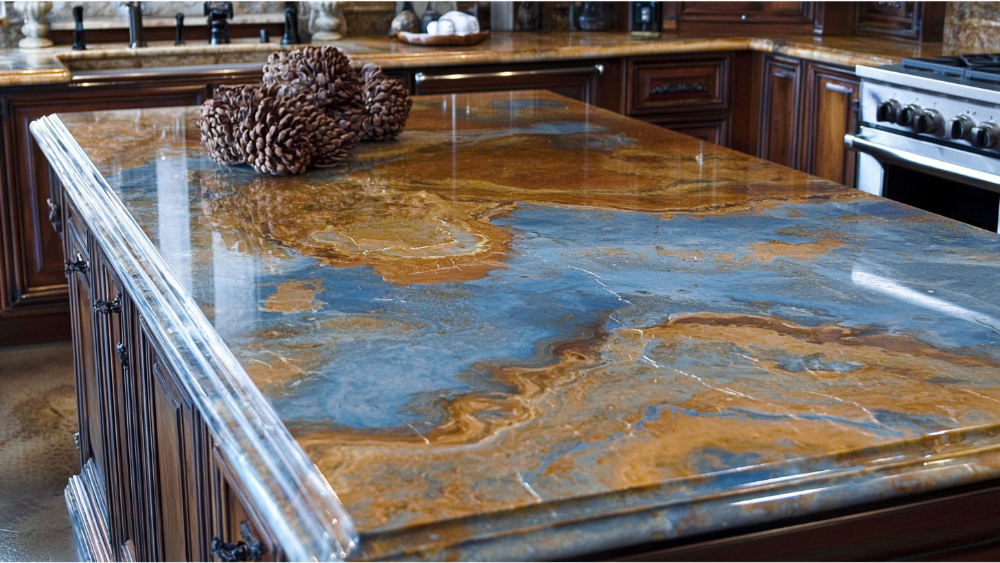
A nice granite kitchen countertop

Granite: $40 – $100

Granite countertops are often considered a premium choice due to their natural beauty and durability. The cost generally ranges from $40 to $100 per square foot, depending on the quality, thickness, and complexity of the installation. Additional expenses can arise from custom edges or unique finishes, which can further increase the overall price. While granite’s initial cost may be higher compared to other materials, its long lifespan and low maintenance justify the investment for many homeowners. However, it’s important to budget for periodic sealing, which is a necessary step to maintain its longevity and aesthetic over the years.

Quartzite: $70 – $200

Quartzite tends to be one of the more expensive natural stones, costing between $70 and $200 per square foot, including installation. This wide price range depends on the stone’s rarity, source, and the degree of detailing required for custom cuts and finishes. Because quartzite often mimics marble in appearance, it’s favored for its luxurious look, which contributes to its higher cost. Though it demands regular sealing for stain prevention, its durability and heat resistance can offset maintenance expenses in the long term. For homeowners prioritizing elegance and practicality, quartzite remains a worthy but premium investment.

Soapstone $70 – $120

Soapstone is a moderately priced material, with costs typically ranging from $70 to $120 per square foot, including installation. This variation depends on the grade, thickness, and complexity of the project, such as custom cutouts or unique edge profiles. Although soapstone requires periodic oiling to maintain its dark, smooth appearance, the low-maintenance requirements compared to other materials often appeal to budget-conscious homeowners. Its inherent heat and stain resistance also reduce the likelihood of unforeseen repair costs over time. For those seeking a combination of affordability and timeless appeal, soapstone is an excellent choice.

Stainless Steel: $60 – $120

Stainless steel countertops, while less conventional for home kitchens, offer a unique price range of $60 to $120 per square foot, depending on factors like gauge thickness and customization. Fabrication costs can add significantly to the price, as these countertops are often custom-made to fit specific layouts. While stainless steel generally doesn’t require sealing or other regular maintenance, scratches and dents may necessitate professional repairs, adding to long-term expenses. However, its durability and heat resistance make it a cost-effective option for homeowners who value functionality and a sleek, industrial look. Its initial cost is offset by the longevity and minimal upkeep it provides.

Concrete: $65 – $135

Concrete countertops typically range fromHeat-resistant, with variations depending on the level of customization, finish, and installation expertise. Highly detailed designs, custom colors, or embedded materials can push the price toward the higher end of this range. Maintenance costs, such as resealing to prevent stains or cracking, should also be factored into the overall budget. Despite these additional expenses, concrete’s durability and flexibility in design make it a popular choice for creative homeowners. For those willing to invest in proper care and sealing, concrete countertops deliver both visual appeal and practicality at a fairly competitive price.

Maintenance Tips for Heat Resistant Countertops

A soapstone kitchen countertop

Use Hot Pads or Heat Pads

Even though heat resistant countertops can withstand high temperatures, it’s a good practice to use hot pads or heat pads under hot pots, pans, and baking dishes. This helps preserve the surface’s finish, especially for materials like quartzite or granite that rely on proper sealing for long-term durability. Over time, frequent exposure to extreme heat can potentially weaken the sealant or alter the countertop’s appearance. By incorporating this habit into daily use, you can extend the lifespan of your countertop.

Implement Regular Sealing

For materials like granite, quartzite, or concrete, sealing is crucial to maintain their ability to withstand temperatures and resist staining. Periodically reapplying sealant ensures that your countertops remain protected against moisture and heat damage. Make sure to clean the surface thoroughly and allow it to dry before applying a new layer of sealant. A well-sealed countertop not only looks great but also retains its durability over the years.

Use a Baking Mat for Extended Baking Sessions

When working with hot cookware after baking, placing your items on a baking mat can add an extra layer of protection for your countertops. This is especially useful during extended baking or cooking sessions where heat exposure might accumulate. Baking mats distribute heat more evenly, reducing the strain on the countertop’s surface. This precautionary step aligns with proper care, helping to keep your countertops in pristine condition over time.

Avoid Abrasive Cleaning Supplies

Heat-resistant countertops are durable, but using abrasive cleaners or brushes can harm their surfaces. Instead, stick to non-abrasive cleaning products and soft cloths to wipe away stains or spills effectively. This approach is gentler on the material and ensures that its sealant or finish remains intact. Regular cleaning with appropriate products will prevent buildup and protect heat-resistant surfaces for years to come.

Protect Against Thermal Shock

Although these countertops withstand temperatures well, sudden and extreme changes can cause stress on certain materials, like concrete or natural stone. For example, avoid placing a hot pot directly from the stove onto a chilly countertop, or vice versa. Using heat pads or hot pads can help buffer these rapid temperature changes, preventing possible cracks or other damage. Being mindful of thermal shock helps preserve the integrity of your countertop in the long run.

Frequently Asked Heat Resistant Countertop Questions

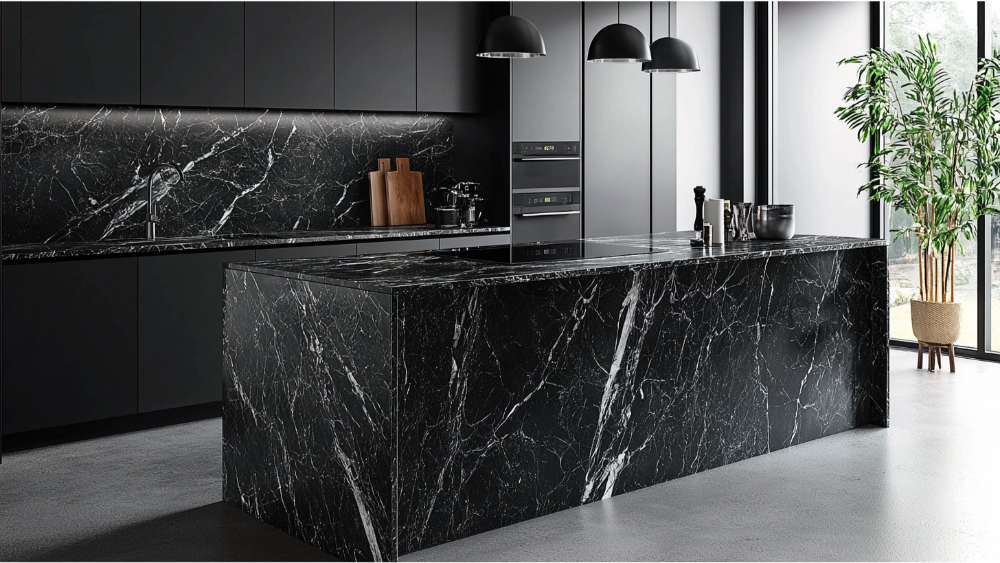
A nice kitchen countertop

Which Countertop Is Most Heat Resistant?

When it comes to heat resistance, granite and quartzite are often regarded as the top-performing materials. Granite, being a natural stone, can withstand high temperatures without damage, making it one of the most heat-resistant countertop options available. Similarly, quartzite is highly heat resistant and can endure extreme heat without suffering discoloration or cracks. These properties make them ideal for kitchens where hot cookware is frequently used.

On the other hand, while soapstone and stainless steel also offer excellent heat resistance, they are slightly less robust compared to granite or quartzite in handling consistent exposure to high heat. Soapstone can develop minor surface imperfections over time, and stainless steel is prone to heat marks with excessive use. Concrete countertops, though durable, require proper sealing to avoid heat-related stress.

What Countertops to Avoid?

When choosing countertops, it’s important to steer clear of materials that may be prone to damage or require excessive maintenance in high-heat environments. One such material is laminate. While cost-effective and available in various designs, laminate countertops are not heat resistant and can easily scorch or warp if exposed to hot cookware. This drawback makes them unsuitable for kitchens where high temperatures are common.

Similarly, wood countertops, such as butcher block, may not be the best choice for areas with frequent heat exposure. Although they offer a warm, rustic aesthetic, wood is highly sensitive to heat and can scorch, darken, or crack under intense temperatures. Maintenance can also be labor-intensive, as wooden countertops require regular sealing and sanding to maintain their appearance and functionality.

Lastly, low-quality quartz countertops should be avoided when heat resistance is a top priority. Unlike natural stones, engineered quartz can suffer thermal damage, such as discoloration or cracks, from excessive heat due to the resin used in its composition. For households where hot pots and pans are often placed directly on the surface, engineered quartz may not provide the durability needed for long-term use in a high-heat kitchen setting.

How to Protect Countertops From Heat

Protecting countertops from heat is essential for maintaining their longevity and appearance, regardless of the material. Using heat-resistant pads, trivets, or insulated mats is one of the simplest and most effective ways to shield countertops from hot cookware or appliances. Avoid placing hot pots, pans, or baking sheets directly on the surface, especially on materials like laminate, wood, or engineered quartz, which are more prone to thermal damage.

Regular maintenance, such as sealing natural stone countertops like granite, quartzite, or concrete, can also help prevent heat-related issues by creating an additional barrier against potential damage. Additionally, educating household members about proper handling of hot items and investing in quality kitchen accessories can go a long way in preserving the integrity and beauty of countertops for years to come.

Conclusion

A clean kitchen countertop

Choosing the right countertop material for your kitchen involves balancing factors such as heat resistance, cost, maintenance, and aesthetic appeal. Natural stones like granite and quartzite stand out for their unparalleled heat resistance, while options like stainless steel and soapstone offer durability with a modern or rustic touch. On the other hand, materials like laminate, wood, and some engineered quartz may lack the resilience needed in high-heat environments.

By understanding the strengths and limitations of each material, as well as employing simple practices to protect your countertops from heat, you can ensure a functional and long-lasting kitchen space that meets both your practical and design needs.

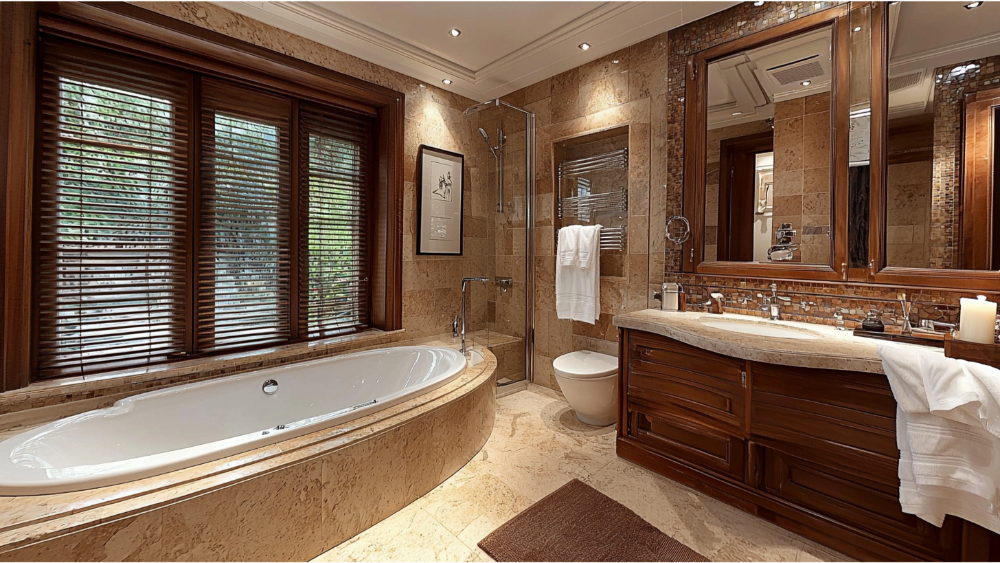
15 Bathroom Vanity Ideas You Can Mix and Match

Опубликовано: November 23, 2024 в 8:04 pm

Автор:

Категории: Bathroom

Тэги: ,

When it comes to redesigning your bathroom, the vanity plays a pivotal role in setting the tone and functionality of the space. With a diverse range of styles available, from sleek modern designs to classic rustic finishes, selecting the right vanity can transform your bathroom into a personal sanctuary. Consider factors like storage necessities, aesthetic preferences, and available space to find the perfect match for your home’s interior.

Take these different vanity ideas to your bathroom. You can mix and match or keep it simple. America’s Advantage Remodeling is here to bring your vision to life.

Types of Bathroom Vanities

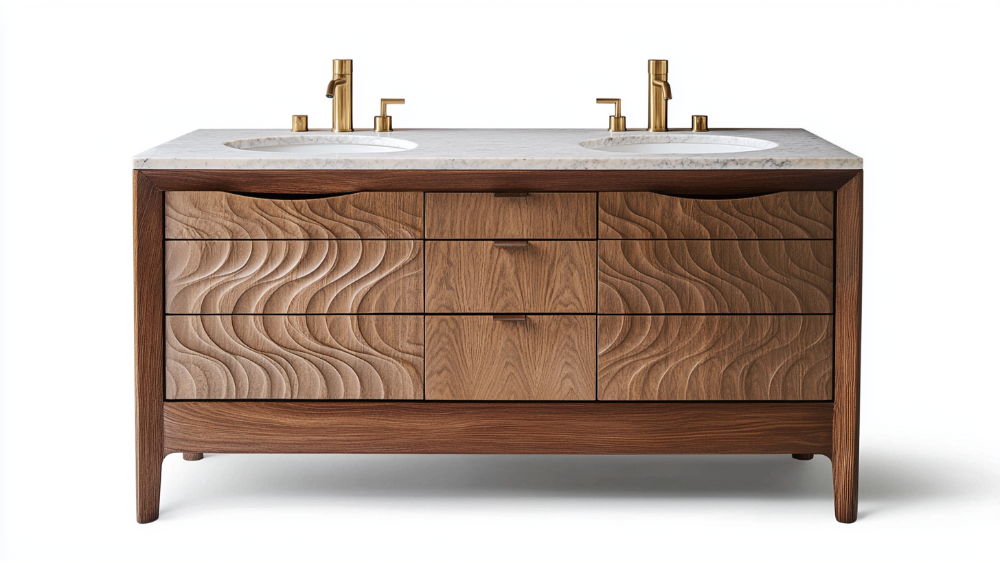
Wood Bathroom Vanity

Wood bathroom vanities bring warmth and a natural touch to any bathroom design. Featuring materials like oak, cherry, or walnut, they offer durability and can be customized to match various interior styles. These vanities often come with intricate designs and finishes, ranging from distressed to polished appearances. Ideal for those seeking a rustic or traditional look, wood vanities can be an inviting centerpiece in both modern and classic bathroom settings.

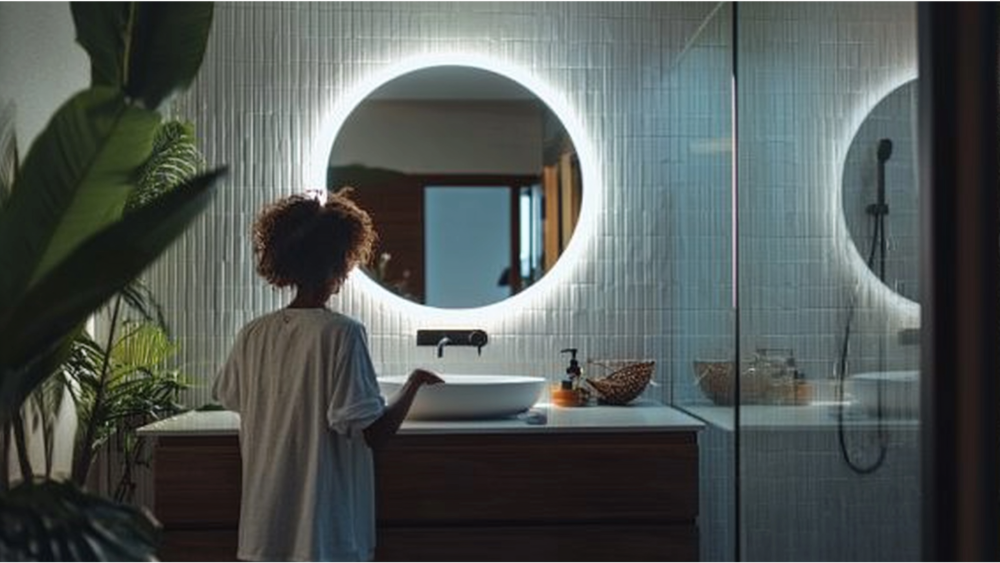
Floating Vanity

For a sleek, contemporary aesthetic, the floating vanity is a popular choice. This design is wall-mounted, allowing the floor beneath to remain visible, which can create a sense of increased space in smaller bathrooms. Floating vanities often incorporate open shelving or minimalistic drawers, providing storage while enhancing the room’s airiness. They work well in modern and minimalist bathroom designs, offering a clean, uncluttered appearance.

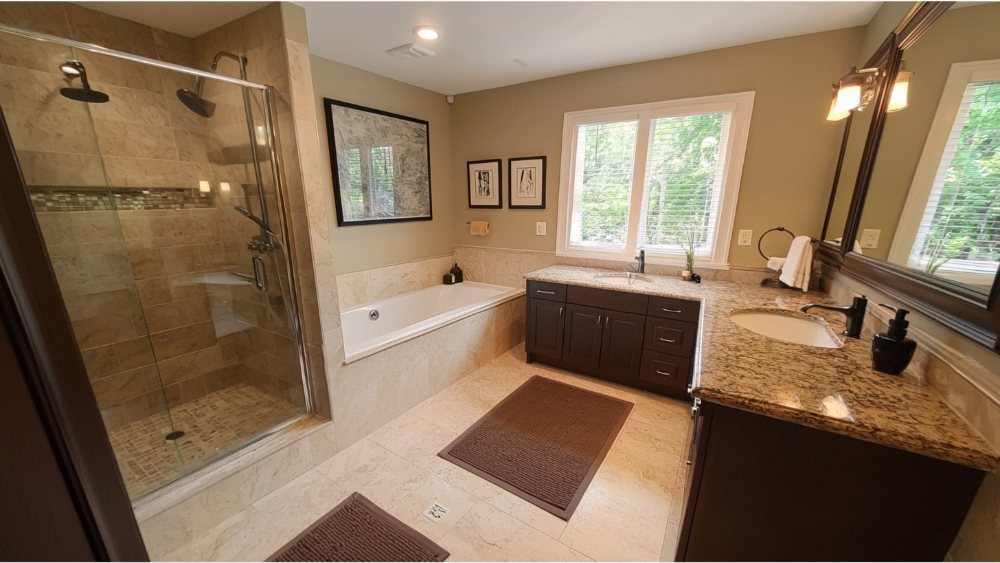
Double Vanities

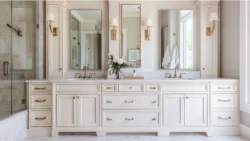
A double vanity in the bathroom

Perfect for shared spaces like a primary bathroom, double vanities offer dual sinks and ample countertop space. This design is great for families or couples who require simultaneous access to the sink, providing convenience and efficiency. With various styles and finishes available, double vanities can be customized to complement any bathroom decor. They not only add functionality but also contribute to the symmetry and balance within the room.

Modern Vanity

A modern vanity embodies simplicity and elegance, often featuring smooth surfaces, straight lines, and minimal ornamentation. The use of materials such as glass, metal, and high-gloss finishes enhances the contemporary feel. Modern vanities often include innovative storage solutions, such as push-open drawers and integrated sinks. This type of vanity is suitable for those who prefer a clean, sophisticated look that complements a wide array of modern bathroom designs.

Single Vanity

Single vanities are an excellent choice for smaller bathrooms or guest spaces where limited space is a constraint. They typically come with one sink and a moderate amount of counter space, offering just enough room for essentials. Despite their compact size, single vanities are available in a variety of styles and materials, allowing them to fit seamlessly into any design scheme. Their practicality and versatility make them a popular choice among homeowners.

Primary Bathroom Vanity

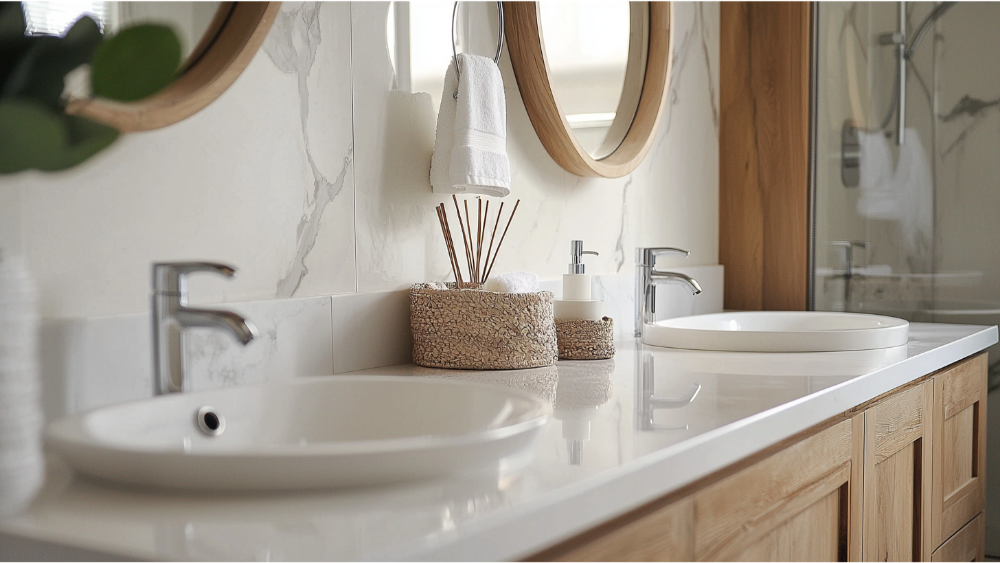
A bathroom vanity

In a primary bathroom, the vanity serves as a focal point, combining aesthetics with ample storage and counter space. Often larger to accommodate an array of personal items, it can be customized with features like double sinks, elegant countertops, and integrated lighting. A primary bathroom vanity should blend seamlessly with the room’s overall design, reflecting the homeowner’s personal style while ensuring functionality. This type of vanity elevates the luxury and comfort of the main bathroom.

Glass Vanity

Perfect for achieving a modern and airy feel, glass vanities bring a sleek, sophisticated look to bathrooms. These vanities are often paired with metal or wood elements, creating a blend of materials that enhance their overall design. Glass vanities reflect light beautifully, making smaller bathrooms appear larger and more open. While they’re elegant and contemporary, they do require more maintenance to keep them clean and streak-free.

Material Options for Vanities

A unique bathroom vanity

Wood Tones

Wood tones are classic choices for a vanity, offering a warm and inviting feel to your neutral bathroom design. Whether you prefer light oak or rich walnut, the natural grain and texture of wood can complement various styles. Wood tones provide versatility in pairing with different elements such as tiles and fixtures, creating a harmonious look. To enhance durability and longevity, ensure the wood is sealed to withstand moisture typical in bathroom environments.

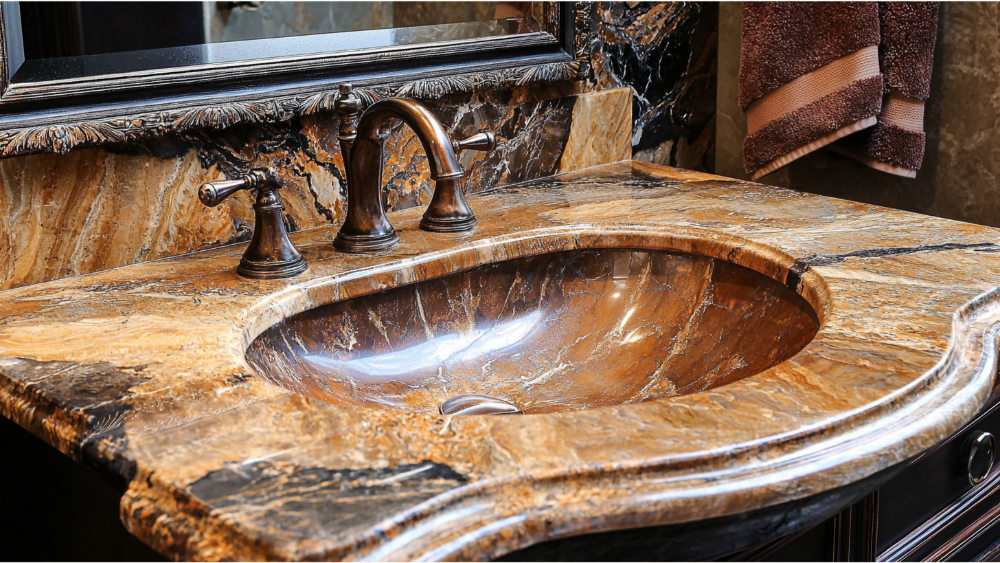
Gray Marble

Gray marble exudes elegance and sophistication, fitting perfectly in a modern, neutral bathroom. Its unique veining and pattern make every piece one-of-a-kind, adding a touch of luxury without overwhelming the space. Incorporating gray marble can seamlessly blend with other elements such as a black sink or white vanity, providing balance in the overall interior design. While luxurious, gray marble requires regular maintenance to keep its polished and refined appearance.

White Vanity

A white vanity is a timeless choice, ideal for making small spaces feel larger and more open. The crisp, clean lines of a white vanity can provide a blank canvas for other design elements, such as colorful tiles or bold fixtures. By reflecting light, a white vanity enhances the brightness of any bathroom, contributing to a fresh and airy atmosphere. This material option aligns with minimalist design principles, creating a harmonious flow in your bathroom’s interior design.

Glass and Metal

Combining glass with metal is an innovative choice, offering a contemporary and stylish look for modern bathrooms. Glass surfaces can provide transparency that maximizes space, perfect for small bathrooms aiming to retain an open feel. Metal accents, whether in chrome or brushed nickel, add a sleek contrast that enriches the textural appeal of the overall design. This combination is well-suited for those seeking a distinctive aesthetic that stands out while maintaining functionality.

Composite Materials

Composite materials offer flexibility and durability, mirroring the look of more expensive materials like stone or wood at a fraction of the cost. These engineered materials can easily adapt to design constraints, making them an excellent option for small spaces or unique interior styles. Composite vanities can withstand moisture and heat, offering a reliable choice for bathroom settings. Paired with elements like a gray marble countertop or black sink, they provide an attractive look without compromising on quality or aesthetics.

Vanity Styles and Designs

A simple bathroom vanity

Minimalist Powder Room Vanity

Ideal for a compact powder room, this vanity style focuses on simplicity and functionality. It typically features a sleek, white finish that enhances brightness and creates an open feel in small spaces. Despite its streamlined design, it includes clever storage solutions to maximize any storage space solutions, accommodating essentials without cluttering the room. The minimalist aesthetic complements a white bathroom, offering a clean, timeless appeal.

Floating Vanity with Extra Storage

A floating vanity is perfect for a small space, providing the illusion of more room with its elevated design. Its structure allows for extra storage underneath, ideal for keeping bathroom items out of sight. The style often includes drawers or shelves that efficiently maximize storage without sacrificing aesthetics. This vanity can be installed in a white bathroom setup, maintaining a modern and airy atmosphere.

Rustic Farmhouse Vanity

Bringing a touch of countryside charm, the rustic farmhouse vanity style combines natural wood textures with vintage accents. Often crafted with reclaimed wood and distressed finishes, it evokes warmth and character, making it a focal point in any bathroom. This vanity style typically includes open shelving or barn-style doors for storage, perfectly blending function with a cozy, lived-in aesthetic. Its charm is enhanced when paired with other rustic elements like a stone countertop or wrought-iron fixtures.

Industrial Loft Vanity

The industrial loft vanity is defined by its rugged, utilitarian look, incorporating materials such as metal pipes, concrete, and reclaimed wood. This style thrives on contrasts, showcasing a mix of rough and refined details that create an edgy, avant-garde atmosphere. Storage is often incorporated through open shelves or cabinets with a minimalist design, allowing the materials to stand out. Perfect for urban or contemporary spaces, the industrial loft vanity exudes a bold statement and practicality.

Frequently Asked Bathroom Vanity Ideas Questions

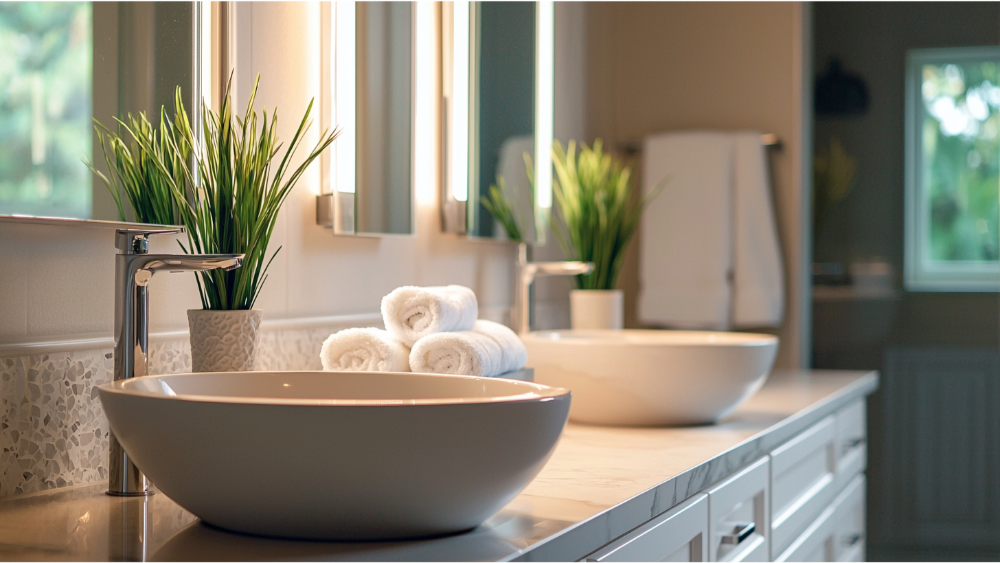
A double bathroom vanity

In recent years, the trend for bathroom vanities has been leaning towards personalization and functionality, with a focus on blending style with practicality. Homeowners are increasingly choosing vanities that serve as both a design statement and a space-saving solution. Sleek, minimalist designs continue to reign, emphasizing clean lines and subtle elegance. The use of modern materials such as composite and glass, paired with metallic accents, provides a contemporary look that’s both stylish and easy to maintain.

Customization is also gaining popularity, allowing for unique designs that reflect individual tastes and meet specific space requirements. Eco-friendly materials and sustainable practices in creating vanities are becoming more desirable as consumers become more conscious of environmental impact. Floating vanities, mixed-material features, and smart storage solutions are among the top trends, catering to a diverse array of bathroom styles and preferences.

Is it Cheaper to Buy or Build a Vanity?

When determining whether it’s more cost-effective to buy or build a bathroom vanity, several factors must be considered. Buying a pre-made vanity typically involves less time and effort, allowing you to choose from a wide range of styles and finishes readily available in the market. This option can sometimes be more budget-friendly, especially when considering the material and labor costs saved from not building one yourself. Purchasing may limit customization options, potentially leading to compromises on size or design specifics.

On the other hand, building a vanity allows for complete personalization, ensuring it fits your space and meets your design preferences precisely. This custom approach may initially seem more expensive due to material costs and potential contractor fees, but it can also be adjusted to fit tighter budgets by using economical materials or performing some of the work yourself. The choice between buying or building depends on your specific needs, budget, and willingness to invest time in the project.

What is the Most Timeless Bathroom Vanity Color?

When selecting a bathroom vanity color that transcends trends, neutral tones such as white, gray, and black remain the most enduring choices. White vanities offer a classic, clean appearance that can make a space feel brighter and more open, fitting seamlessly into any design scheme.

Gray provides a versatile, sophisticated backdrop that pairs well with a variety of materials and finishes, while black adds a touch of elegance and boldness, creating a striking contrast that can anchor a room’s style. These colors have stood the test of time due to their adaptability and ability to harmonize with evolving interior trends, ensuring that your bathroom retains its appeal across different eras.

Conclusion

A simple bathroom vanity

Incorporating the right bathroom vanity into your space requires thoughtful consideration of both style and functionality. Whether opting for a minimalist design, a rustic farmhouse look, or an industrial loft vibe, the variety in vanity styles ensures there is something for every taste and need. Embracing trends like personalization, eco-friendly materials, and smart storage solutions can elevate the overall design and efficiency of your bathroom. Remember to weigh the advantages of purchasing versus building a vanity, as each approach offers unique benefits in terms of cost and customization. Selecting a timeless color palette will ensure your vanity remains a beloved element in your home across changing trends. With careful planning, your vanity can become a functional centerpiece that enhances both the aesthetics and practicality of your bathroom.

How Much Does It Cost to Renovate a Kitchen? Is $10,000 Enought?

Опубликовано: November 18, 2024 в 8:38 pm

Автор:

Категории: Kitchen

Тэги: ,,,

Renovating a kitchen can be a transformative project that enhances both the functionality and aesthetic appeal of one of the most important spaces in your home. The cost of a kitchen renovation can vary widely depending on factors such as the size of the space, the materials chosen, and the extent of the revamp. Understanding these variables can help you plan effectively and set realistic expectations for your budget.

Price Ranges for Kitchen Renovations

Minor Remodels ($10,000 – $25,000)

A team renovating a kitchen

A minor kitchen renovation typically involves cosmetic updates and minor improvements, offering a great entry point for understanding kitchen remodeling costs. This could include new paint, updating light fixtures, or replacing cabinet hardware for a fresh look. Although no structural changes are made, minor modifications can significantly enhance the kitchen’s aesthetic appeal, making it an attractive option for homeowners on a budget. It’s a cost-effective way to modernize the space without delving into more expensive structural changes. Generally, the plumbing or electrical systems remain untouched, keeping expenses lower. With kitchen remodeling costs at this level, it’s crucial to prioritize which updates will provide the most value for your investment.

Average Remodels ($25,000 – $50,000)

An average kitchen renovation usually involves more substantial enhancements, making it a popular choice for those considering a mid-range kitchen remodel. This might include installing new appliances, replacing countertops, and upgrading cabinets. Changes might also extend to the plumbing or electrical systems, possibly updating outdated wiring or improving water flow efficiency. This level of renovation strikes a balance between the average cost and value, drastically improving the kitchen’s functionality and modern appeal. It’s ideal for homeowners looking to upgrade their space without a complete overhaul. Understanding kitchen remodel costs at this level helps homeowners make informed decisions and prioritize features that elevate both style and usability.

Major Remodels ($50,000 – $100,000+)

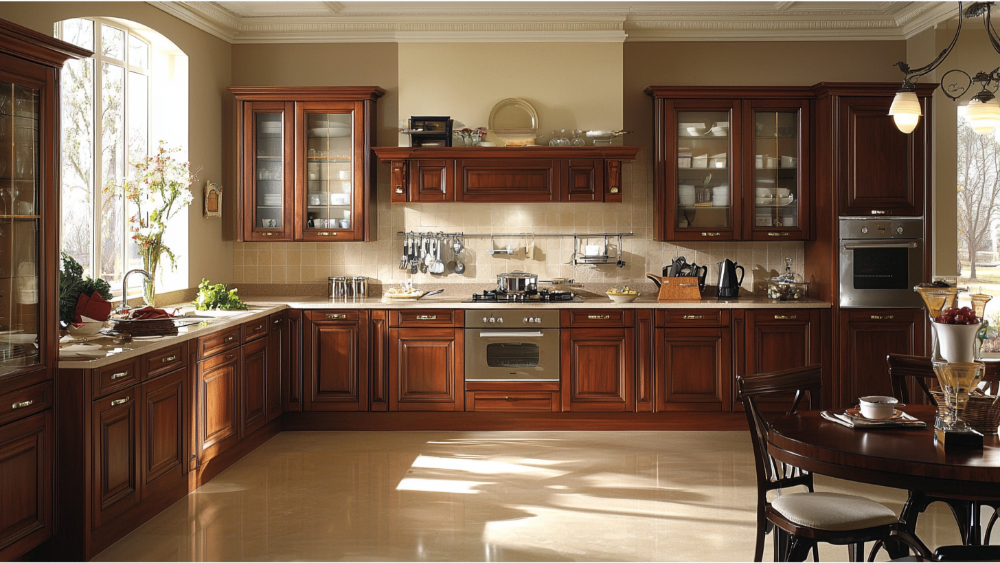
A renovated kitchen

A major renovation often involves fundamental changes to the layout and functionality of the kitchen, reflecting a significant investment in kitchen remodeling costs. This can include substantial structural modifications, such as knocking down walls for an open floor plan or relocating plumbing or electrical systems for improved utility. New, high-end appliances, custom cabinetry, and premium materials like quartz countertops are common in this price range.

These comprehensive renovations transform the kitchen into a luxurious and highly functional space, offering a high return on investment. However, due to the more extensive scope of work, homeowners should prepare for higher costs and a longer timeline. In this category, understanding the kitchen remodeling cost is essential to ensure that the project aligns with budget expectations and desired outcomes.

Cost Breakdown for Key Aspects of a Kitchen Remodel

A renovated kitchen

Cabinetry

Cabinets are one of the primary components in any kitchen remodel. For a basic kitchen remodel, stock cabinets offer an affordable option with prices ranging from $60 to $200 per linear foot. Custom cabinets, while more expensive at $500 to $1,200 per linear foot, offer the flexibility to fit specific dimensions and personal designs, providing a unique look tailored to your kitchen. Labor costs for cabinet installation typically range from $70 to $150 per hour, depending on the complexity of the installation. This makes choosing between stock, semi-custom, and custom cabinets a significant decision based on budget constraints and desired aesthetic.

Countertops

Countertop prices vary significantly based on material choice. Laminate countertops stand as a budget-friendly option, costing between $10 and $40 per square foot, including installation. For homeowners seeking more durable and attractive materials, granite or quartz countertops range from $50 to $200 per square foot. Labor costs for countertop installation, which cover measuring, cutting, and fitting, typically add $30 to $100 per hour to the overall expense. The choice of countertop material greatly influences both the look and functionality of the kitchen.

Flooring

Kitchen flooring options vary widely in terms of both style and cost. Vinyl and laminate flooring are economical choices, costing between $2 and $7 per square foot, while hardwood or tile flooring can range from $5 to $20 per square foot including installation. Labor costs, which cover the removal of old flooring and installation of new materials, typically range from $3 to $10 per square foot. Choosing the right flooring material not only impacts the cost but also enhances the kitchen’s durability and ease of maintenance.

Appliances

A renovated kitchen

Appliances are crucial to improving both the efficiency and aesthetics of a kitchen. Basic kitchen remodel plans often incorporate mid-range appliances, with costs ranging from $2,000 to $5,000 for a complete suite. High-end appliances can significantly raise the budget, costing upwards of $10,000. Labor costs for installing appliances, particularly those requiring special setup like a built-in oven or refrigerator, generally range from $100 to $300 per appliance. Selecting energy-efficient models can also lead to long-term savings on utility bills.

Lighting

Proper lighting can transform the ambiance of a kitchen, from task-centric areas to cozy dining nooks. Basic lighting options such as track lighting or recessed lights cost between $100 and $300 per fixture, including labor costs for professional installation. For more intricate lighting designs like pendant lighting or chandeliers, expect to pay $250 to $1,500 or more per fixture. Labor costs for electrical work, which might include adding new circuits or moving electrical boxes, usually range from $50 to $100 per hour. Effective lighting not only improves visibility but enhances the overall design.

Plumbing

Modifications to plumbing, especially during a major remodel, can drive up the average kitchen remodel cost significantly. If relocating sinks, dishwashers, or refrigerators with water lines, materials and labor costs together can range from $1,500 to $5,000. For basic kitchen remodels that involve minor plumbing, such as updating faucets or adding a water filtration system, costs might stay under $500. Labor prices for plumbing work generally range from $45 to $150 per hour, reflecting the expertise needed for water system adjustments. Efficient plumbing solutions can enhance water usage and kitchen utility.

Labor Costs

A team renovating a kitchen

Labor costs form a substantial portion of any kitchen renovation budget. In a basic kitchen remodeling project, labor can constitute 30% to 40% of total expenses. General contractor rates often range from $50 to $100 per hour. Total labor expenses fluctuate based on the complexity of the project and the number of specialists required, such as electricians, plumbers, and carpenters. Efficient project planning and clear communication with contractors can help manage labor costs while ensuring high-quality craftsmanship.

Backsplash

The backsplash is an essential part of kitchen design, offering both functionality and a visual focal point. The cost of backsplash materials varies, with ceramic tile being an economical choice, priced between $1 and $15 per square foot. More upscale options like natural stone or glass tiles can range from $10 to $50 per square foot. Installation labor costs typically range from $40 to $100 per hour, depending on the complexity of the design and material choice. A well-chosen backsplash not only protects walls from spills and splatters but also adds character and style to the kitchen.

Painting

Painting forms an important element for kitchen remodeling, refreshing the space with new color schemes and finishes. The cost of paint and materials can range from $300 to $800, depending on the size of the kitchen and the type of paint selected. Hiring professional painters involves labor costs that generally range from $2 to $6 per square foot, ensuring a smooth and durable finish. Painting can transform the kitchen aesthetically, complementing other new elements and enhancing the overall ambiance of the space.

Frequently Asked How Much Does It Cost to Renovate a Kitchen Questions

A team renovating a kitchen

What is the Most Expensive Part of a Kitchen Remodel?

The most expensive part of a kitchen remodel often depends on the specific scope of the project, but cabinets typically account for the largest portion of the budget. Custom or semi-custom cabinets can consume up to 40% of the total renovation cost due to their significant material and installation expenses. Other costly elements may include high-end countertops and appliances, which also add substantially to the overall budget. It’s essential to balance these choices with the desired design outcome and functionality, as prioritizing certain features over others can dramatically affect the total expenditure.

How Much Should I Budget for a Kitchen Renovation?

Budgeting for a kitchen renovation involves considering various factors, such as the size of the kitchen, the desired quality of materials, and the scope of changes. On average, a kitchen remodel can cost anywhere between $10,000 and $50,000, with larger, custom-designed kitchens potentially exceeding this range. Establishing a clear budget from the outset is crucial to managing costs effectively.

Homeowners are encouraged to allocate financial resources for cabinets, which can consume a significant portion of the budget, as well as for high-quality appliances and countertops that enhance both functionality and aesthetics. It’s also important to set aside at least 20% of the total budget as a contingency fund, which can cover unforeseen expenses or upgrades that may arise during the renovation process.

How Long Does It Take to Renovate a Kitchen?

The duration of a kitchen renovation can vary significantly based on the project’s complexity and scale. A straightforward remodel, focusing on cosmetic updates like painting, new lighting, or replacing cabinet hardware, might take a few weeks to complete. However, a full-scale renovation involving structural changes, new cabinetry, flooring, and appliance installations can extend from several weeks to several months.

Factors influencing the timeline include the availability of materials, the scheduling of contractors and tradespeople, and the responsiveness to unforeseen issues such as plumbing or electrical complications. Effective planning and communication between the homeowner and contractors are essential to ensuring a smooth and timely renovation process. It’s advisable for homeowners to prepare for possible delays, setting realistic expectations and maintaining flexibility throughout the remodeling journey.

Conclusion

A team renovating a kitchen

Renovating a kitchen is a significant investment that requires careful planning and budgeting to balance cost, style, and functionality. As explored, costs can vary greatly depending on the scope of work, from simple cosmetic updates to extensive remodels that involve major alterations. Being informed about potential expenses related to cabinetry, countertops, plumbing, and labor can aid in anticipating and managing the financial aspects of a kitchen renovation. Additionally, clear communication and efficient project management with contractors are crucial to achieving a successful outcome. Ultimately, a well-executed kitchen remodel not only adds value to a home but also enhances the everyday living experience by creating a functional and aesthetically pleasing environment.

Kitchen Cabinet Soffit: What Are They and What Do I Do With Them?

Опубликовано: November 12, 2024 в 4:54 pm

Автор:

Категории: Kitchen

Тэги: ,,

Kitchen cabinet soffits, often considered an architectural challenge, can present unique opportunities for enhancing both the functionality and aesthetic of a kitchen. These spaces between the top of cabinets and the ceiling can sometimes lead to design dilemmas for homeowners. However, with creativity and strategic planning, soffits can be transformed into stylish features or utilized for additional storage.

What is a Kitchen Cabinet Soffit?

A kitchen cabinet soffit is a space located above the wall-mounted cabinets and below the ceiling. Often, this area is enclosed with drywall or paneling to create a more cohesive look with the rest of the kitchen. Traditionally, soffits were constructed to hide plumbing, wiring, or ductwork, providing a practical solution for concealing these essential but unsightly components.

Today, they remain a ubiquitous element in kitchen design, offering a blank canvas that can be adapted to suit a variety of styles and functions. Whether left open for display, creatively decorated, or used to house lighting, soffits have the potential to enhance the overall ambiance and utility of a kitchen space.

Reasons for Having a Soffit Above Cabinets

kitchen cabinet soffit

Concealing Structural Elements

Kitchen soffits play an important role in hiding essential structural elements such as plumbing, wiring, and ductwork. Without soffits, these components might become visible and disrupt the tidy appearance of a kitchen. Existing cabinets often leave little room to disguise these elements, making soffits an ideal solution. By covering unsightly features, soffits allow for a seamless transition between kitchen cabinets and the ceiling.

Enhanced Aesthetic Appeal

Incorporating soffits into your kitchen design provides an opportunity to enhance visual appeal by adding unique finishing touches. One popular approach is to use crown molding on the soffits to create a continuous flow from the upper cabinets to the ceiling. This technique helps to anchor the existing cabinets visually, making the room feel more cohesive and polished. The use of creative design elements within kitchen soffits can ultimately elevate the overall ambiance of the space.

Additional Storage Potential

While traditional soffits are often enclosed, they can instead be utilized as additional storage space. Open soffits above kitchen cabinets offer a place to display decorative items or store infrequently used kitchenware. Adapting the soffit to include cabinets or shelves can optimize storage, making the most of vertical space. Utilizing this area effectively can help to maintain an organized kitchen while simultaneously integrating functionality with design.
Design Ideas for Kitchen Cabinet Soffits

Kitchen cabinet soffit

Hidden Storage Shelves

Turn the empty space above your really tall cabinets into discreet, hidden storage. During a kitchen renovation, consider designing soffits with built-in shelves that blend seamlessly with the overall cabinetry. These shelves can store infrequently used items, creating a clutter-free kitchen environment. By employing this creative idea, homeowners can optimize their use of space while maintaining an elegant kitchen design.

Illuminated Display

Incorporate rope lights into your kitchen cabinet soffit to transform it into an eye-catching feature. Running the rope lights along the length of the soffit can provide a soft glow that enhances ambient lighting, contributing to kitchen renovation efforts. The illuminated space can then be used to display decorative pieces or plants, adding a personal touch. This creative idea not only highlights the design but also embraces the functionality by adding lighting.

Artful Molding Accents

Utilize the empty space in your kitchen soffits to add captivating crown molding accents. Including ornate or minimalist molding during your kitchen renovation can lend a refined finish to the space, drawing eyes upwards and adding height perception. Such creative ideas help to unify the ceiling and cabinets, making the kitchen feel more cohesive. This approach can especially benefit kitchens with high ceilings, adding character to the upper areas.

Chalkboard Panels

This creative idea provides a unique space for jotting down grocery lists, recipes, or family messages, making use of previously empty spaces. It adds a personal touch to the kitchen while remaining functional and fun, inviting interaction from family members or guests.

Decorative Tile Inlay

Transform the kitchen soffit into an artistic focal point by incorporating decorative tile inlay. Use tiles in various colors and patterns to create a mosaic or a geometric design, adding both texture and visual interest to the kitchen. This creative design idea not only enhances the aesthetic appeal but also reflects personal style, contributing to a more customized and stylish kitchen environment.

Natural Greenery

Enhance your kitchen’s ambiance by incorporating natural greenery into the taller cabinet’s soffit area. Install planters or small shelves specifically designed to hold embellishing plants or herbs above the cabinets. This creative idea brings a touch of nature indoors, improving air quality and bringing visual vibrancy and natural beauty to the kitchen. Opting for low-maintenance plants such as succulents can make this addition both beautiful and practical.

Pros of Soffits in the Kitchen

Kitchen cabinet soffit

Concealment of Structural Elements

Kitchen soffits are adept at hiding necessary yet unsightly elements like plumbing, ductwork, and wires. This ensures a clean and uncluttered look by preventing these items from being visible.

Aesthetic Enhancement

Incorporating soffits into kitchen design can enhance the overall aesthetic. With options such as crown molding and decorative elements, soffits create a seamless transition between cabinets and ceilings, adding a polished finish.

Utilization of Vertical Space

Soffits can be transformed into additional storage, providing options for open storage or closed cabinets. This can be especially useful in maximizing vertical space in smaller kitchens where more cabinets may not be feasible.

Cons of Kitchen Soffits

Kitchen cabinet soffit

Restriction of Vertical Space

One significant downside is that soffits can limit the use of vertical space, particularly if not used for storage. They can also create a feeling of confinement, particularly in kitchens with lower ceilings.

Kitchen Soffit Removal Challenges

Removing soffits to install new cabinets can be a demanding process. It often involves addressing hidden elements previously concealed, which can make kitchen soffit removal an intricate and costly task.

Potential for Dated Look

While there are many design possibilities, the traditional use of soffits can make a kitchen look dated. This is particularly true in modern designs that favor sleek, open spaces and require creative updates to remain relevant.

Frequently Asked Kitchen Cabinet Soffit Questions

Kitchen cabinet soffit

Why is There a Soffit Above My Kitchen Cabinets?

Kitchen cabinet soffits serve several practical purposes, primarily focused on enhancing functionality and improving aesthetics. Initially, soffits were introduced to mask unsightly structural components such as pipes, ducts, wiring, and other utilities that are essential but need to be hidden from view. By concealing these elements, soffits provide a tidy and organized appearance to the kitchen space.
They play a significant role in integrating the design of the room by offering a seamless transition between the cabinets and the ceiling. This can prevent an unfinished look that might arise from abrupt cabinetwork stopping short of the ceiling. Soffits can be designed to include extra storage space, providing practicality in kitchens where vertical space utilization is crucial. Consequently, soffits are a strategic design choice that balances aesthetics with essential architectural functions, making them a common feature in many kitchens.

Are Soffits Necessary in a Kitchen?

Determining whether soffits are necessary in a kitchen depends on several factors, including the kitchen’s design, architectural requirements, and storage needs. Soffits have been utilized to conceal essential structural elements like ductwork and plumbing that couldn’t feasibly be incorporated elsewhere. As such, they can be an integral component for maintaining a clean aesthetic when these elements are present.
However, in more modern kitchen designs that prioritize open and expansive spaces, soffits can seem restrictive and outdated. Without the constraints of structural elements that need concealing, eliminating soffits can provide more vertical space, offering a sleeker appearance and increased storage options through taller cabinets. The necessity of soffits should be weighed against the architectural requirements of the space and the overall design vision for the kitchen.

Can I Remove the Soffit Above Cabinets?

Removing the soffit above kitchen cabinets is a decision that hinges on several considerations. One must assess whether the soffit is concealing crucial elements such as ductwork, plumbing, or electrical wiring. If these are present, their relocation or modification will be necessary, which can add complexity and cost to the renovation project. It’s also important to consider the structural role the soffit might be playing; in some cases, it could be integral to the integrity of the building’s framework.

The removal process itself can be disruptive and may require professional expertise to ensure safety and compliance with building codes. On the design end, removing a soffit can open up the space, allowing for taller cabinets and a modern, streamlined appearance. Individuals contemplating this change should weigh the aesthetic benefits against the potential challenges and costs involved, ideally in consultation with a qualified contractor or designer.

Conclusion

Kitchen cabinet soffit

Kitchen cabinet soffits offer a blend of functionality and aesthetic appeal, serving to conceal structural elements while providing design continuity. They present a dichotomy of pros and cons that homeowners must carefully consider. Soffits can effectively hide necessary utilities and add a cohesive look to the kitchen, while also offering additional storage options. On the flip side, they can limit vertical space and potentially date the design of the space.
For those considering kitchen remodeling, understanding the specific role of soffits in the architecture can help in deciding whether to retain or remove them. Balancing practical needs with modern design trends is key to making an informed decision that enhances both the functionality and visual appeal of the kitchen.

9 Correct Steps To Paint Kitchen Cabinets In 2025

Опубликовано: October 29, 2024 в 9:37 pm

Автор:

Категории: Kitchen

Тэги: ,,,

Painting kitchen cabinets can be a cost-effective way to breathe new life into your kitchen without the need for a full renovation. With the right preparation and technique, you can achieve a professional-looking finish. This guide will walk you through each step of the process to ensure your cabinets turn out beautifully.

Materials Needed and Why

Materials used to paint kitchen cabinets

Sandpaper (120-grit and 220-grit)

Sanding is a crucial step in preparing your cabinets for painting, as it helps to smooth out imperfections and creates a surface that the paint can easily adhere to. Start with 120-grit sandpaper to remove any existing finish and follow up with 220-grit sandpaper to achieve a finer, smooth texture ready for priming.

Screwdriver

Use a screwdriver to remove all cabinet doors and hardware, making it easier to paint each surface evenly and thoroughly.

Painter’s Tape

Use painter’s tape to protect areas around the cabinets that you don’t want to paint, such as walls, countertops, and hinges. Carefully apply the tape to create clean, sharp lines, ensuring a professional-looking finish once the paint is applied.

Drop Cloths or Plastic Sheeting

Place drop cloths or plastic sheeting on the floor and over any surfaces you want to protect from paint splatters. This will help to keep your work area clean and minimize any potential cleanup after the painting process.

Cleaning Supplies

A man standing in front of his freshly painted cabinets

Thoroughly clean the cabinets using a mild detergent or a dedicated grease remover to eliminate any dirt, grease, or residue that could affect paint adhesion. Ensuring a clean surface is essential to achieving a smooth, long-lasting finish.

Paint Brushes

Select high-quality paint brushes that are suitable for the type of paint you’re using, ensuring they will provide smooth and even coverage. Opt for angled brushes for detailing around edges and flat brushes for larger surfaces to achieve a flawless finish.

Roller and Tray

Rollers provide efficient coverage for larger cabinet surfaces, reducing streaks and ensuring a smooth, even coat of paint. Use a tray to load the roller evenly with paint, minimizing drips and achieving a consistent application.

Primer

Primer is essential for ensuring the longevity and durability of your paint job, as it helps the paint adhere better to the cabinet surfaces and provides a uniform base for the topcoat. Choose a primer that is compatible with the type of paint you intend to use, whether it be oil-based or water-based, to achieve the best results.

Paint

Choose a high-quality paint that is specifically designed for cabinetry to ensure a durable, long-lasting finish. Whether you select a latex or oil-based paint, ensure it complements your primer and provides the color and finish you desire for your kitchen cabinets.

Wood Filler

Wood filler is used to patch up any holes, dents, or scratches on your cabinets before painting, providing a smooth and even surface. Be sure to choose a filler that can be sanded and is compatible with your chosen paint for seamless and durable repair.

Caulking Gun and Caulk

A caulking gun and caulk are essential for sealing gaps and seams around your cabinets, preventing moisture from seeping in and ensuring a smooth finish. Apply caulk along edges and joints before painting to enhance durability and aesthetics, using a caulking gun for precise application.

Dust Mask and Safety Glasses

Wear a dust mask and safety glasses while sanding and painting to protect yourself from inhaling dust particles and harmful fumes. Safety gear is crucial to maintain your health and well-being throughout the painting process.

Stirrers and Paint Can Opener

Stirrers are necessary to thoroughly mix your paint, ensuring even color and consistency before application. A paint can opener makes it easy to access the paint without damaging the lid, allowing for a mess-free opening and closing throughout your project.

Tack Cloth

A tack cloth is a sticky, woven fabric used for removing fine dust and lint from surfaces after sanding. This ensures the cabinets are perfectly clean and ready for priming and painting, preventing imperfections in the final coat.

Adhesion Promoter (optional)

An adhesion promoter enhances the bond between the cabinet surface and the primer, especially useful for slick or glossy surfaces. While optional, it can significantly improve paint adherence and durability, ensuring a longer-lasting finish.

Paint Sprayer (optional)

A paint sprayer can offer a smooth, professional finish with minimal brush marks and significantly speeds up the painting process. It is especially useful for covering large surfaces and intricate cabinet details efficiently, though it requires proper masking and ventilation.

Step-by-Step Guide to Painting Kitchen Cabinets

A man painting his kitchen cabinets black

Step 1: Remove Cabinet Doors and Hardware

Start by carefully removing the cabinet doors from the existing cabinets using a screwdriver, taking care to keep track of all screws and hardware for reassembly. Labeling each door and its corresponding hardware can simplify reinstallation while ensuring each part is returned to its original position. This step allows for easier access to all surfaces of the existing cabinets, ensuring an even and thorough paint job.

Step 2: Clean Cabinet Surfaces

Thoroughly clean all the cabinet doors and cabinet frames using cleaning supplies to remove grease, dirt, and residue. A clean surface will ensure better paint adhesion and a smoother finish. Allow surfaces to dry completely before moving to the next step.

Step 3: Sand the Surfaces

Using 120-grit sandpaper, sand all the cabinet doors and frames to remove the original finish. Follow up with 220-grit sandpaper for a smoother finish. This preparation step is crucial to ensure that the primer and paint adhere properly. Don’t forget to wear a dust mask and safety glasses for protection.

Step 4: Apply Wood Filler

A man painting his kitchen cabinets gray

Inspect your cabinets for any holes, scratches, or dents. Use a wood filler to patch these imperfections and sand smooth when dry. Ensuring any blemishes are addressed will provide an even surface for painting cabinets.

Step 5: Tape Off Surrounding Areas

Protect walls, countertops, and any other areas you don’t wish to be painted by applying painter’s tape. Place drop cloths or plastic sheeting on the floor and surrounding surfaces to protect them from paint splatters.

Step 6: Prime the Cabinets

Apply a coat of primer to all the cabinet doors and frames, using the appropriate brush or roller depending on the size of the surface. Be sure to follow the primer’s drying time instructions. Using a primer compatible with your chosen latex paint is essential for a long-lasting, professional-looking finish.

Step 7: Paint the Cabinets

Apply the first coat of paint to the cabinet doors and frames using high-quality paint from your local paint store, ensuring even coverage while following the drying time guidelines. If you have the option, using a spray paint technique can provide a smoother finish, especially for detailed cabinet boxes, minimizing visible brush strokes. Allow the first coat to dry fully before applying a second coat for a rich, even color that stands out. Remember to paint cabinets in a well-ventilated area to ensure safety and optimal drying conditions.

Step 8: Reassemble the Cabinets

Carefully reattach the cabinet doors and hardware once the painted cabinets are completely dry, ensuring a precise fit and alignment. By allowing adequate drying time, you secure a durable finish that will withstand daily kitchen use. This final step brings a professionally polished look to your beautifully revamped kitchen.

Step 9: Final Touches

After reassembling, inspect the cabinets for any touch-ups that might be necessary, such as tiny paint corrections or additional caulking. Clean up any lingering dust or debris, and replace or polish the hardware if needed to enhance the overall look. Finally, consider adding soft-close hinges or liners for an added touch of luxury and functionality to your newly painted cabinets.

Common Mistakes to Avoid

When painting kitchen cabinets, it’s crucial to avoid common pitfalls that can compromise the quality of your finished project. Here are some key mistakes to watch out for:

Painting Without Sanding

Skipping the sanding step might seem like a timesaver, but it can lead to poor paint adhesion and an uneven finish. Sanding removes the old finish and creates a smooth, roughened surface that the primer and paint can adhere to effectively. Ensure that you sand all surfaces thoroughly to achieve the best results.

Skipping the Primer

Neglecting to use primer is another common mistake that can affect the durability and appearance of your cabinets. Primer acts as a bonding agent between the surface and the paint, helping it adhere better while creating an even base for color application. Without it, the paint may peel or chip over time. Always apply a quality primer suitable for your cabinet material before painting.

Not Allowing Enough Time to Dry Between Coats

Patience is key when painting cabinets, particularly when it comes to drying times between coats. Allow each coat of paint to dry completely before applying the next, adhering to the manufacturer’s recommended drying times. This ensures a smooth, durable finish that will withstand daily wear and tear.

Frequently Asked Paint Kitchen Cabinets Questions

Kitchen cabinets painted red

What Do Professional Painters Use to Paint Kitchen Cabinets?

Professional painters often rely on a specific set of tools and products to ensure a high-quality finish on kitchen cabinets. They typically use high-quality, durable latex or acrylic paints that resist chipping and are easy to clean. For detailed surfaces, professionals may utilize a spray gun for an ultra-smooth, factory-like finish, which minimizes brush strokes and provides a consistent coating.

Prior to applying paint, they use a top-notch primer chosen to suit the cabinet material, ensuring proper adhesion and a flawless surface for color application. Additionally, professional painters employ a range of brushes and rollers, depending on the details and scale of the work, along with masking tapes and drop cloths to protect surrounding areas from unwanted drips and splatters. Finally, they always prioritize safety by ensuring the work area is well-ventilated and wearing appropriate protective gear.

Should I Use a Brush or Roller to Paint Kitchen Cabinets?

Choosing between a brush and a roller for painting kitchen cabinets depends on the specific finish you desire and the efficiency you’re aiming for. Brushes are ideal for details and edges, allowing precise control in corners and around intricate moldings. They can effectively cover areas that are not accessible with a roller, especially when working with different surfaces or shapes.

On the other hand, rollers are excellent for larger, flat surfaces and can help achieve smooth, even coats with minimal effort. Using a roller reduces visible brush strokes and can significantly speed up the painting process. For the best results, many professionals recommend using a combination of both: a brush for corners and detailed work, and a small foam roller for larger, flat areas. This method allows you to take advantage of the detailed touch of a brush while achieving a smooth, uniform finish with a roller.

Do I Have to Sand Kitchen Cabinets Before Painting?

Yes, sanding kitchen cabinets before painting is a crucial step that should not be overlooked. Sanding helps to remove the existing finish, creating a smooth, roughened surface that is essential for the primer and paint to adhere effectively. This process ensures that the paint bonds properly with the cabinet material, reducing the likelihood of peeling or chipping over time.

While it may seem like an extra effort, proper sanding contributes significantly to achieving a durable and professional-looking finish. It’s particularly important if the cabinets have a glossy surface, as this requires sanding to allow the new paint to stick. Always use fine-grit sandpaper and work systematically to ensure all surfaces are adequately prepared before proceeding with primer and paint application.

Conclusion

Nice kitchen cabinets

Painting your kitchen cabinets can be a rewarding project that transforms the entire look and feel of your space without the expense of a complete remodel. By following a systematic process and avoiding common pitfalls, you can achieve a high-quality, professional finish. Proper preparation, including sanding and priming, ensures durability and enhances the overall aesthetic, while careful selection of paints and tools makes the task more manageable. Remember, patience and attention to detail are key. With dedication and some elbow grease, the result will reflect your efforts, bringing a refreshed and rejuvenated atmosphere to your kitchen.

Thinking About Grey Kitchen Cabinets? Here are 11 Ideas For Your Kitchen

Опубликовано: October 19, 2024 в 6:17 pm

Автор:

Категории: Kitchen

Тэги: ,

1 | Bold Two-Tone Design

Modern grey kitchen cabinets can create a stunning contrast when paired with a bold two-tone design. Combining the neutral, calming appeal of grey with vibrant or deep hues can elevate your kitchen’s aesthetic to a contemporary and sophisticated level. This design choice allows for versatility, as modern grey kitchen cabinets can be paired with a multitude of colors, such as navy blue or rich emerald green, to highlight specific sections or features within the space.

Such a dynamic combination not only adds depth and interest to the kitchen but also offers flexibility in accessorizing with accents like hardware and backsplash. Ultimately, incorporating modern grey kitchen cabinets in a bold two-tone design brings a sleek, stylish edge that complements both traditional and modern décor elements.

2 | Matte Finish Cabinets

Grey kitchen cabinets

Matte finish grey cabinets combine elegance and practicality, offering a refined look without the distractions of reflective surfaces. This subtle finish pairs beautifully with many color walls, allowing you to experiment with different hues and create a perfect blend of sophisticated tones and playful accents.

The matte texture enhances the soft, subdued quality of grey, while providing a durable and easy-to-maintain surface ideal for busy kitchens. When matched with vibrant or neutral walls, these cabinets can create a warm, inviting environment that balances modern aesthetics with functional design.

3 | Accent with Metallic Hardware

Accenting grey cabinets with metallic hardware is an excellent strategy for infusing your kitchen with a bold touch of elegance. Using metallic elements like brushed gold or sleek chrome can add a sophisticated gleam that complements the soft, understated tones of gray.

This style choice not only enhances the modern appeal of your kitchen but also adds a layer of texture and interest to the overall design. By integrating metallic hardware, you create a striking contrast that highlights the sleek lines of the cabinets, resulting in a stylish and contemporary look.

4 | Integrate Glass-Front Cabinets

Grey kitchen cabinets

Integrating glass-front cabinets with grey cabinetry offers a versatile design option that beautifully balances openness and style. The transparency of glass-fronted units introduces an airy, light quality to the space, making kitchens feel more expansive and inviting.

This feature allows you to showcase attractive dishes or decorative items, adding a personalized touch while complementing the understated elegance of grey cabinets. The combination of grey and glass effortlessly blends practicality with aesthetic appeal, providing a modern yet timeless look that adapts to various decor styles.

5 | Add a Pop of Color with a Backsplash

Adding a vibrant backsplash to your grey kitchen cabinets is an excellent way to infuse your space with personality and charm. Consider a brightly painted tile backsplash that catches the eye and contrasts beautifully with the subdued elegance of grey cabinets.

This pop of color can transform the kitchen, offering a focal point that draws attention and creates visual interest. Painted tile backsplashes are available in a myriad of designs and hues, allowing you to tailor the look to complement your style and enhance the sophisticated tone of your cabinetry.

6 | Incorporate Open Shelving

Grey kitchen cabinets

Incorporating open shelving with grey cabinets creates a distinctive design that merges functionality with modern aesthetics. Open shelves offer easy access to frequently used items while providing an opportunity to display your favorite kitchenware, plants, or cookbooks.

This feature ensures that the kitchen feels airy and spacious, maintaining a sense of openness that complements the soft, neutral tones of grey cabinetry. By integrating open shelving, you add a touch of warmth and personalization that enhances the overall appeal of your kitchen while staying true to contemporary design principles.

7 | Wood Accents for Warmth

Pairing grey kitchen cabinets with wood accents is an effective way to introduce warmth and texture into your space. The natural grains and rich tones of wood create a welcoming contrast to the cool, neutral hues of grey cabinetry, resulting in a balanced and inviting atmosphere.
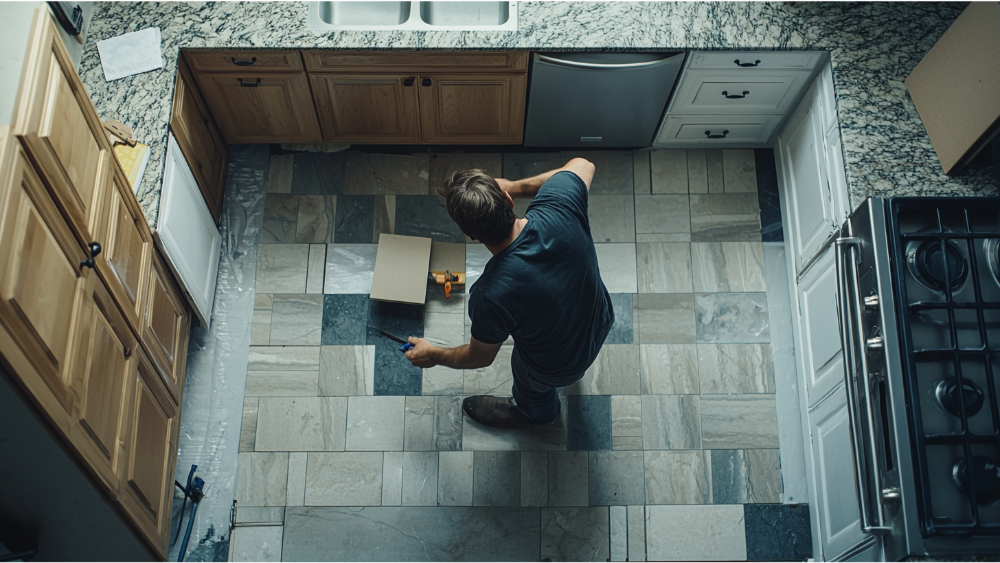
Whether through wooden countertops, shelving, or floors, these accents add depth and organic charm that enhance the kitchen’s overall aesthetic. The combination of grey and wood allows for a harmonious blend that fits seamlessly within both modern and rustic designs, creating a timeless and cozy kitchen environment.

8 | Use Textured Finishes for Depth

Grey kitchen cabinets

Incorporating textured finishes in your grey kitchen cabinets can elevate the aesthetic appeal by adding a layer of depth and interest. Textured finishes like distressed wood effects or linear graining provide a tactile dimension that enhances the visual richness of your kitchen cabinetry.

These textured elements not only draw attention but also give a subtle nod to craftsmanship, making the space feel more bespoke and tailored. By playing with different textures, you introduce a sensory experience that complements the calm, understated elegance of grey.

9 | Choose Contrasting Countertops

Pairing grey kitchen cabinets with contrasting countertops is another fantastic idea to enhance the visual dynamics of your kitchen. Opt for materials like white marble, black granite, or even vibrant quartz to create a stunning juxtaposition that highlights the cabinets’ sleek design while providing a durable and functional workspace.
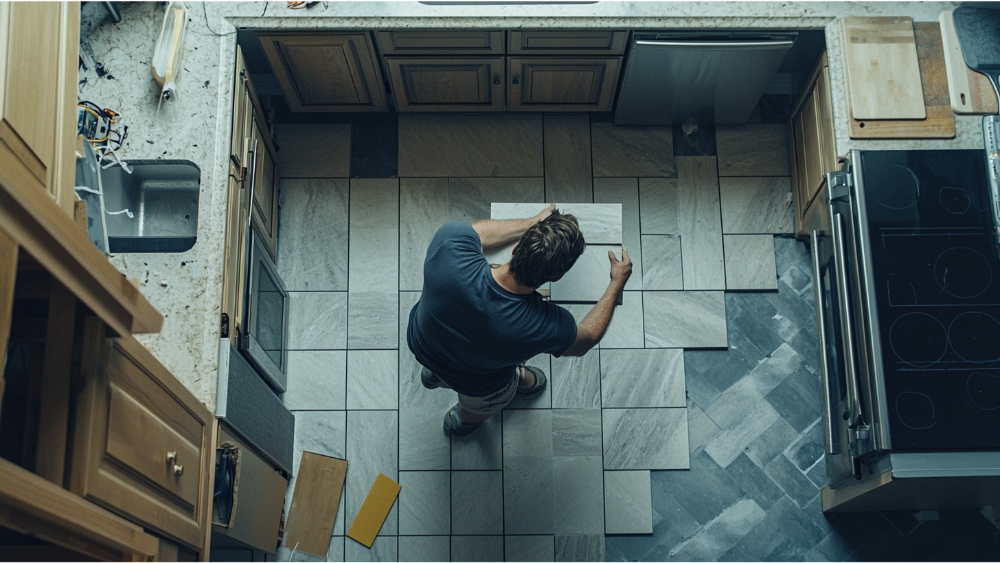
This contrast adds depth and interest to the kitchen layout, resulting in a cohesive look that merges elegance with practicality. By choosing distinct countertop materials, you emphasize the cabinets’ versatility and create a timeless balance of modern and classic elements.

10 | Incorporate Built-In Appliances

Grey kitchen cabinets

Incorporating built-in appliances with grey kitchen cabinets can help streamline the kitchen’s design, emphasizing a sleek and polished appearance. By aligning appliances such as ovens, microwaves, or coffee machines within the cabinetry, you maintain a seamless flow that contributes to a clutter-free and organized environment.
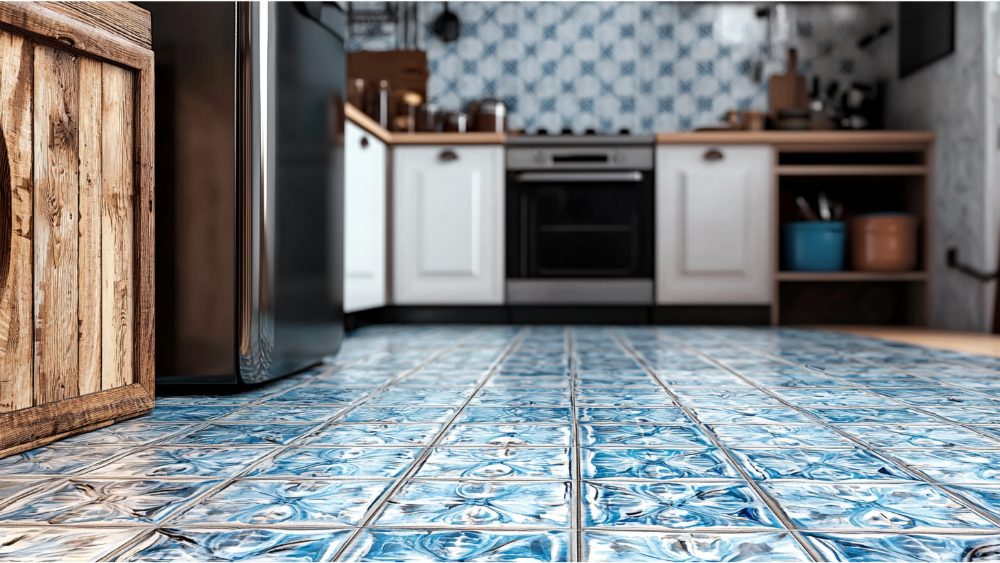
This integration leverages the subtle sophistication of grey, allowing it to act as a cohesive backdrop that highlights the functional elegance of your kitchen. Built-in appliances not only save space but also contribute to a modern and minimalistic kitchen aesthetic, seamlessly blending functionality with style.

11 | Incorporate Under-cabinet Lighting

Adding under-cabinet lighting to your grey kitchen cabinets is a brilliant way to enhance both functionality and ambiance. This strategic lighting option illuminates the countertop workspace, making it easier to perform tasks like chopping, reading recipes, or cooking.

Under-cabinet lights create a warm and inviting glow that emphasizes the elegant tones of grey cabinetry, adding depth and sophistication to the space. Available in various styles and colors, these lights can be customized to suit your kitchen’s design, offering an additional layer of visual appeal that complements the modern and sleek appearance of grey cabinets.

Frequently Asked Grey Kitchen Cabinets Questions

Grey kitchen cabinets

Are Grey Kitchen Cabinets Still in Style?

Absolutely, grey kitchen cabinets continue to be in style and are favored for their versatility and timeless appeal. Grey acts as a neutral palette that can be adapted to various design styles, from modern to traditional, making it a popular choice among homeowners and designers alike.

This enduring trend is largely due to grey’s ability to seamlessly blend with different colors and materials, allowing for creative and personalized kitchen designs. Whether utilized in a minimalist setting or combined with bold accents, grey cabinets provide a foundation that can be easily refreshed and updated, ensuring they remain stylish and relevant in ever-evolving design landscapes.

What Color Countertop with Grey Cabinets?

Selecting the right color countertop to pair with grey kitchen cabinets can significantly influence the overall aesthetic and feel of your kitchen. White countertops, such as those made from marble or quartz, offer a crisp and clean look that contrasts beautifully with grey, creating a bright and airy atmosphere.

Black or dark-colored countertops, on the other hand, provide a dramatic contrast that enhances a modern and sophisticated look. If you want a more subtle blend, opt for shades of beige or soft neutrals which offer a warm and harmonious balance.

Natural stone countertops with varied patterns can add depth and interest, complementing the understated elegance of grey while adding an organic touch. Each choice brings unique characteristics to the space, allowing homeowners to align their kitchen design with their personal style.

What Color Flooring Looks Best with Grey Cabinets?

Choosing the right flooring color to complement grey kitchen cabinets can enhance the overall design and ambiance of your space. Light-colored flooring, like ash or birch wood, creates a bright and open feel, contrasting subtly with grey cabinets while maintaining a serene and cohesive look. For a bold yet elegant effect, consider dark hardwoods or slate tiles, which add richness and depth.

Neutral-toned flooring options, such as beige tiles, offer warmth and a seamless blend with grey cabinetry, supporting an understated and classic appearance. Incorporating patterns or textures, like herringbone wood or textured tiles, can introduce an additional layer of interest, ensuring that the kitchen becomes a harmonious and inviting environment. Each flooring choice brings unique characteristics that can be tailored to suit both modern and traditional kitchen designs.

Conclusion

Incorporating grey into your kitchen design offers a versatile and timeless solution that suits a wide range of styles and preferences. Whether paired with warm wood accents, bold contrasting countertops, or textured finishes, grey cabinets provide a sophisticated backdrop that enhances the aesthetic appeal of any kitchen.

Their ability to harmonize with various colors and materials makes them a perennial favorite among homeowners and designers, ensuring their relevance in both contemporary and classic settings. By thoughtfully selecting complementary elements such as countertops and flooring, grey kitchen cabinets can help you craft a personalized and stylish space that is both functional and welcoming.

7 Master Bathroom Remodel Ideas

Опубликовано: October 14, 2024 в 3:04 am

Автор:

Категории: Bathroom

Тэги: ,,

Transforming your master bathroom into a luxurious retreat is a rewarding home improvement project that can enhance functionality and style. Whether you’re looking to create a spa-like oasis or simply update existing fixtures, a well-planned remodel can make your space feel more inviting and efficient. In this blog, we’ve compiled seven innovative ideas that can inspire your bathroom renovation and turn it into the personal sanctuary you’ve always wanted.

1 | Free Standing Tubs

Free standing tub

Enhance Aesthetic Appeal

A free standing tub serves as a striking focal point in master bathrooms, offering an unparalleled aesthetic appeal that evokes elegance and sophistication. Their sculptural design can complement various styles, from contemporary to classic, making them a versatile choice for any decor. The open space around a freestanding tub enhances the perception of spaciousness, giving master bathrooms a more luxurious and expansive feel.

Bathing Experience

Soaking in a freestanding tub transforms the bathing experience into an indulgent and relaxing ritual. With its deep basin and ergonomic design, the tub allows you to submerge completely, providing full-body immersion that eases tension and reduces stress. The ample space and stylish form invite you to linger longer, creating a spa-like atmosphere in the comfort of your home.

2 | Walk-In Showers

Walk-in shower

Space

A walk-in shower maximizes bathroom space by eliminating the need for a bulky tub, providing a more open and accessible layout. The smooth, continuous shower floor enhances accessibility and safety, making it ideal for people of all ages and mobility levels. A spacious shower floor allows for creative tile designs, adding a touch of personalization and elegance to your bathroom.

Customization

Customization options, such as multiple shower heads, not only elevate the functionality of a walk-in shower but also enhance the overall showering experience. With options like rainfall shower heads or adjustable handheld units, you can tailor your shower to suit your mood and preferences, turning a routine activity into an invigorating spa-like escapade.

Unique tile designs offer an additional layer of personalization, allowing you to express your style and create a distinctive aesthetic in your bathroom. These tiles can serve as artistic accents that catch the eye, turning the walk-in shower into a centerpiece that combines practicality with visual appeal.

If space allows, completely converting a small bathroom into a walk-in shower can maximize functionality and create a modern, open design. By removing the traditional tub and utilizing the area for a spacious shower, you not only enhance accessibility but also add a contemporary flair.

3 | Double Vanities

Double vanity

Increase Efficiency and Convenience

A double vanity significantly increases efficiency and convenience, especially for couples sharing a bathroom. With two sinks and ample counter space, both individuals can carry out their morning routines simultaneously without interruption. This setup reduces wait times and promotes a harmonious shared environment, ultimately enhancing daily comfort and ease in the bathroom.

Provide Ample Storage Space

Double vanities offer ample storage space with additional drawers and cabinets, making it easy to keep your bathroom organized and clutter-free. The extra storage allows each individual to have their own designated space for toiletries, towels, and other essentials, promoting tidiness and efficiency. With everything neatly stored away, the bathroom maintains a clean and streamlined appearance, enhancing its overall aesthetic appeal.

Elevate the Overall Look

A double bathroom vanity offers a wide range of countertop and sink options that can enhance the overall look and feel of your master bathroom. Whether you prefer the sleek appearance of granite, the modern vibe of concrete, a warm wood vanity, or the timeless beauty of marble countertops, the choice of material can set the tone for the entire space. Pairing these countertops with vessel, undermount, or integrated sinks allows for numerous combinations, ensuring your vanity not only meets functional needs but also becomes a stylish centerpiece.

4 | Heated Flooring

Heated flooring

Add Comfort

Heated flooring adds an unparalleled level of comfort to your primary bathroom by keeping the floors consistently warm, especially during the chilly months. This feature allows you to enjoy the luxurious sensation of stepping onto a toasty surface right out of bed or after a soothing shower. By maintaining a pleasant temperature underfoot, heated floors enhance the overall coziness of the space, turning your bathroom into a truly inviting retreat year-round.

Improve Energy Efficiency

Heated flooring systems improve energy efficiency by evenly distributing heat from the ground up, resulting in a more consistent and comfortable ambient temperature with lower thermostat settings. Unlike traditional heating systems, which can lead to heat loss through ductwork and uneven room temperatures, radiant floor heating minimizes wasted energy and reduces overall heating costs. This efficient method of warming your space can therefore contribute to lower energy consumption and increased cost savings during colder months.

Enhance Luxury

Heated flooring enhances the luxury of your master bathroom by adding a touch of opulence and indulgence that rivals high-end spas. The seamless warmth underfoot not only elevates comfort but also contributes significantly to the spa-like ambiance, making your bathroom a haven of relaxation and tranquility. This combination of comfort and elegance transforms the bathroom into a high-end retreat where you can unwind and rejuvenate.

5 | Custom Lighting

Custom lighting

Illuminate the Space Effectively

Custom lighting effectively illuminates the space by providing tailored solutions that meet the specific needs of your bathroom. With adjustable lighting fixtures, you can create layered lighting effects that enhance both functionality and ambiance. This not only ensures optimal visibility in key areas but also highlights architectural features and design elements, amplifying the bathroom’s visual appeal.

Create Ambiance

Custom lighting creates ambiance by offering adjustable options that cater to different moods and occasions. With dimmable lights and color-changing features, you can easily transition from a bright and energizing atmosphere to a soft, relaxing glow. This versatility allows you to personalize your bathroom’s lighting to complement your routine and enhance the overall experience.

Serve as a Design Element

Custom lighting can serve as a striking design element by integrating chandeliers or pendant lights, adding a bold statement to your bathroom’s decor. These elegant fixtures not only illuminate the space but also act as eye-catching focal points that express your unique style and enhance the room’s architectural features. By selecting lights that complement your overall theme, you can create a cohesive and sophisticated aesthetic that elevates the bathroom’s visual impact.

6 | Walk-In Closet

Walk-in closet

Maximize Storage Capacity

Walk-in closets offer an opportunity to maximize storage capacity, with ample room for clothing, shoes, accessories, and more. Customizable shelving and hanging solutions allow you to tailor the space to your specific needs, ensuring everything has its designated place and creating a clutter-free environment.

Improve Organization

The spacious layout of a walk-in closet improves organization by enabling a clear categorization of items. With designated zones for different types of apparel and accessories, it becomes easier to locate and access specific pieces, streamlining your daily routine and enhancing your overall wardrobe management.

Enhance Privacy and Ease

A walk-in closet enhances privacy and ease by creating a dedicated space for dressing and trying on outfits away from the main living areas. This separation allows for personal comfort and convenience, making it a private retreat where you can effortlessly prepare for your day in style, just like a powder room.

7 | Luxurious Materials

Luxury materials

Elevate with Luxurious Materials

Luxurious materials such as marble, granite, or quartz surfaces can significantly elevate the bathroom, transforming it into an elegant and sophisticated space. These high-end materials not only exude timeless beauty but also provide durable and long-lasting surfaces that stand up to daily use. The natural patterns and rich textures of marble and granite add depth and character, while quartz offers a sleek, modern alternative with its low-maintenance appeal.

Random Appliances

Incorporating luxurious materials with random appliances can dramatically elevate the aesthetic appeal of your bathroom. For instance, oil rubbed bronze faucets can stand out magnificently when paired with a backdrop of opulent marble or quartz surfaces. The rich, dark finish of the faucets against the elegant stone creates a striking contrast that not only enhances the beauty of the fixtures but also ties together the overall look with a sophisticated, cohesive design.

Frequently Asked Master Bathroom Remodel Ideas Questions

Master bathroom remodel ideas

How Much Should You Spend on a Master Bathroom Remodel?

Determining how much to spend on a master bathroom remodel can significantly depend on your goals and available budget. On average, homeowners might invest between $10,000 to $30,000, with mid-range renovations likely costing around $20,000. However, if you’re aiming for a high-end remodel with luxury materials and custom features, expenses can escalate to $50,000 or more.

It’s essential to allocate your budget based on priorities such as high-quality fixtures, durable materials, and energy-efficient upgrades, while also factoring in labor costs and potential unforeseen expenses. Consulting with design and construction professionals can provide valuable insights and help in creating a realistic budget that aligns with your vision. Balancing your desired outcomes with financial limits ensures a remodel that enhances both the value and enjoyment of your space.

What Adds Value to a Master Bathroom?

Adding value to a master bathroom involves strategic upgrades that enhance both functionality and aesthetics. High-quality fixtures, such as rain showers and dual flush toilets, elevate the bathroom’s efficiency while providing a luxurious experience. Incorporating energy-efficient upgrades, like LED lighting and water-saving fixtures, can reduce utility costs and appeal to environmentally conscious buyers.

Incorporating stylish yet durable materials, such as porcelain tiles and quartz countertops, ensures long-lasting beauty and wear resistance. Custom cabinetry and smart storage solutions further amplify the bathroom’s practicality by maximizing space and organization. Lastly, incorporating technology, like smart mirrors or integrated sound systems, can transform the bathroom into a modern oasis, appealing to tech-savvy individuals looking for a contemporary home environment. These enhancements not only boost property value but also enrich the daily experience for homeowners.

What is the Most Expensive Part of a Bathroom Remodel?

The most expensive part of a bathroom remodel typically involves the design and installation of high-quality fixtures and finishes. Items such as premium bathtubs, custom vanities, high-end faucets, or even a guest bath can significantly drive up the cost. Plumbing and electrical work also contribute to expenses, especially if relocations or upgrades are necessary to accommodate new features.

In many cases, labor costs constitute a substantial part of the budget, as hiring skilled craftsmen ensures precision in implementing intricate designs and installing luxury materials. Opting for exclusive tiles, such as natural stone or designer ceramics, and choosing luxurious flooring materials can add noticeable expense. Prioritizing these elements allows homeowners to create a stunning and functional bathroom space, marrying aesthetic appeal with practical enhancements.

Conclusion

Remodeling a master bathroom is a significant investment that can enhance both the functionality and value of your home. By prioritizing high-quality materials, innovative design solutions, and energy-efficient improvements, homeowners can create a luxurious and modern space that meets their lifestyle needs. Thoughtful planning and consultation with professionals can guide you in making informed choices that balance budget considerations with desired outcomes. Ultimately, a well-designed master bathroom remodel not only enriches daily living but also serves as an enticing feature for potential buyers, reflecting refined taste and a commitment to quality.

How Long Does a Bathroom Remodel Take?

Опубликовано: October 6, 2024 в 2:52 am

Автор:

Категории: Bathroom

Тэги: ,,,

Remodeling a bathroom can be an exciting but daunting project, especially if you have only one bathroom, and one of the most common questions homeowners ask is, “How long will this take?” Here we will explore the various stages of a bathroom remodel, from planning and design to construction and finishing touches. We will discuss factors that can influence the timeline, such as the size of the bathroom, the complexity of the design, and the availability of materials.

Factors Affecting the Timeline

Size of the Bathroom

The size of the bathroom can significantly impact the timeline of a bathroom remodel project. In a smaller bathroom, there’s typically less square footage to work on, meaning tasks like laying tiles or installing fixtures may be completed more quickly compared to a larger space. However, even in a smaller space, the same attention to detail is required, which can sometimes offset the savings in time. For larger bathrooms, the remodeling project might take longer as more materials and more extensive labor are needed to cover the additional area.

Scope of Remodel

Bathroom remodel blueprint

When it comes to bathroom remodeling, the scope of the project can vary greatly between cosmetic updates and gut jobs. Cosmetic updates typically involve more superficial changes, such as repainting walls, replacing fixtures, or updating accessories like mirrors and towel racks. These updates are generally less time-consuming and less costly, as they focus on enhancing the bathroom’s aesthetics without altering its basic structure.

On the other hand, a gut job involves a complete overhaul, often down to the studs. This type of remodeling might include electrical and plumbing work, installing new flooring, and significantly altering the layout. Naturally, gut jobs demand more time, resources, and budgets due to their comprehensive and complex nature. Whether opting for cosmetic updates or a full gut job, it’s important to clearly define the goals of your remodel to ensure a realistic timeline and budget.

Materials and Customization

The availability of materials can dramatically affect the timeline of a bathroom renovation. Custom tiles and countertops often require longer lead times, which can delay the bathroom remodeling project if not ordered well in advance. For a new bathroom design, selecting readily available materials can help streamline the process and avoid unexpected interruptions. However, if opting for personalized touches like custom finishes, it’s crucial to coordinate with suppliers early to ensure they arrive on schedule. The success of a bathroom remodeling project heavily depends on timely material delivery to keep the workflow steady and efficient.

Structural Changes

Moving walls or relocating plumbing can significantly extend the project timeline due to the intricate nature of these tasks. Altering the bathroom’s layout typically requires comprehensive plumbing and electrical work, which can take substantial time and effort to complete. Additionally, structural changes often necessitate permits and inspections from local authorities, further prolonging the duration of the entire project. These complexities highlight the importance of careful planning and consideration when deciding to undertake full gut renovation or major modifications during a bathroom remodel.

Typical Bathroom Remodel Phases

A team remodeling a bathroom

Design and Planning (1-3 weeks)

The design and planning phase is critical for setting the foundation of a successful bathroom remodel. This stage typically involves collaboration with designers and contractors to establish a comprehensive construction schedule. Key considerations include bathroom renovations that accommodate functional needs, aesthetic preferences, and budget constraints. During this time, any necessary permits are also addressed, ensuring that the project can proceed smoothly and within the estimated timeline.

Demolition (1-2 days)

Demolition is a crucial step in the construction process of bathroom remodels, particularly for those opting for a gut renovation. This phase involves stripping away old fixtures, tiles, and sometimes even drywall to prepare for the new design. The process must be handled carefully to prevent damage to any existing plumbing or electrical systems that will be reused. Efficient demolition sets the stage for a smooth transition to later phases, ensuring that the remodel can progress without unnecessary delays. It’s essential for contractors to have a clear understanding of the end goals to avoid any missteps during this initial teardown.

Rough-In Work (2-5 days)

Following demolition, the rough-in work begins, spanning from two to five days, and involves fundamental plumbing, electrical, and any necessary structural changes. This phase is critical as it lays the groundwork for the bathroom’s functionality. Plumbing tasks may include relocating pipes for sinks, showers, or toilets, while electrical work ensures proper wiring for new lighting and outlets. Any structural changes, such as shifting walls, are also addressed during this time. Due to the complexity of this stage, skilled professionals are often required to ensure all systems are configured correctly and meet building codes.

Installations (1-2 weeks)

Once the rough-in work is complete, the project transitions to the installation phase, lasting one to two weeks. This stage involves the detailed work of installing tiles, fixtures, cabinets, and other components. The placement of tiles requires precision to ensure a seamless look, while the installation of fixtures like tubs, sinks, and toilets brings the design to life. Cabinets and countertops are fitted to their designated spaces, completing the transformation. The intricate nature of this phase demands a steady pace to ensure quality and precision, making it pivotal in the remodeling process.

Finishing Touches (1-3 days)

The final stage of the bathroom remodel involves adding the finishing touches, typically taking one to three days. This phase focuses on the aesthetics and functionality of the space, ensuring everything aligns with the initial vision. Tasks may include painting walls, installing mirrors, adding hardware like towel bars and hooks, and performing a thorough clean-up of the area. Attention to detail is vital during this phase, as it helps to highlight the craftsmanship of the remodel and ensures a polished, complete look. Once finished, the remodeled bathroom is ready to be enjoyed.

How to Speed Up the Process

A team remodeling a bathroom

To ensure a smoother and quicker bathroom remodel, consider the following strategies:

Pre-order Materials

Pre-ordering material is a strategic approach that can significantly expedite the bathroom remodel process by aligning with the project schedule. By securing materials during the pre-construction phase, potential delays caused by out-of-stock items or long lead times can be minimized or avoided altogether. This proactive strategy ensures that all components are on hand when needed, allowing the construction to proceed smoothly without halt. Incorporating this practice into the planning phase helps maintain the timeline and keeps the project on track for a timely completion.

Work with a General Contractor

Working with a general contractor can greatly streamline the bathroom remodeling process, particularly when it comes to navigating city permits. These experienced professionals are well-versed in local regulations and can efficiently handle the paperwork and inspections required for structural changes. By ensuring that all necessary permits are secured, a general contractor mitigates the risk of compliance issues that could delay the project. Their expertise not only helps in maintaining the timeline but also ensures that the renovation adheres to all city codes and standards.

Avoid Changes

Making changes during the construction phase can lead to costly delays and unnecessary complications in a bathroom remodel. It is crucial to finalize all design decisions and material selections before construction begins to prevent disruptions in the project’s timeline. Changing plans mid-project can result in reordering materials, rescheduling labor, and adjusting the budget, all of which can detrimentally impact the overall progress. To maintain efficiency and avoid setbacks, thorough planning and clear communication with contractors from the outset are essential.

Frequently Asked How Long Does a Bathroom Remodel Take Questions

A remodeled bathroom

How Long Should a Small Bathroom Remodel Take?

Remodeling a small bathroom typically requires a shorter timeframe than larger projects, yet it still demands careful planning and execution. On average, a small bathroom remodel might take between two to four weeks to complete. This duration can vary based on factors such as the complexity of the design, the availability of materials, and the efficiency of the contractor.

Smaller spaces often require less demolition and fewer installations, which can expedite the process. However, attention to detail remains paramount, as limited space can magnify imperfections. Ensuring that all elements are ordered and on-site ahead of the project start date can prevent potential delays, enabling the remodel to proceed smoothly and efficiently.

A large bathroom remodel generally requires a more extended timeframe due to the increased scale and complexity of the project. On average, expect the process to take anywhere from four to eight weeks. This longer duration can be attributed to more extensive demolition, additional plumbing and electrical work, and the installation of a greater number of fixtures and finishes.

Large bathrooms often involve intricate designs and custom features, which demand precise execution. Careful scheduling, consistent communication with contractors, and the availability of all necessary materials from the start can help minimize delays, ensuring the project progresses steadily toward completion.

Can You Remodel a Bathroom in 3 Days?

Remodeling a bathroom in just three days is a challenging feat, primarily due to the complexity and sequence of tasks involved. While minor updates, such as repainting walls, replacing hardware, or installing new fixtures, might be achievable in this tight timeframe, a complete overhaul including demolition, plumbing, and electrical work is highly unlikely.

A full remodel typically requires careful planning, precision, and adherence to safety and building codes, which cannot be rushed without compromising quality. To attempt a three-day remodel, it’s essential to have a detailed plan, experienced professionals, and pre-ordered materials ready. However, for extensive renovations, it’s prudent to allocate more time to ensure a thorough and successful transformation.

Are 1 Day Bathroom Remodels Worth It?

Opting for a 1-day bathroom remodel can be appealing for those looking to quickly refresh their space with minimal downtime. These fast remodels typically focus on aesthetic updates, such as refinishing surfaces, installing new fixtures, and upgrading hardware, rather than structural changes, plumbing, or electrical work. While speed and convenience are significant advantages, the scope of what can be achieved is limited.

A one-day remodel is ideal for cosmetic improvements but may not address deeper issues like underlying water damage or outdated wiring. Therefore, it’s essential to weigh the need for immediate visual updates against the potential necessity of more comprehensive renovations in the future. If long-term quality and structural integrity are priorities, investing more time and resources into a thorough remodel may be a more favorable choice.

Conclusion

A remodeled bathroom

The timeframe for a bathroom remodel varies depending on the scope and complexity of the project. By planning meticulously, pre-ordering materials, and working closely with experienced contractors, homeowners can effectively minimize delays and ensure a smooth renovation process. Although rapid remodels, such as those completed in one to three days, offer convenience, they often come with limitations in terms of depth and quality. Ultimately, whether aiming for a quick cosmetic update or a comprehensive transformation, balancing time constraints with the desired outcome is essential for a successful and satisfactory bathroom remodel. By prioritizing both efficiency and quality, homeowners can achieve a space that meets their needs and adds lasting value to their homes.