Admin, Author At America's Advantage Remodeling - Page 10 Of 15

Посты автора admin

admin

admin

9 Correct Steps To Paint Kitchen Cabinets In 2025

Опубликовано: October 29, 2024 в 9:37 pm

Автор:

Категории: Kitchen

Тэги: ,,,

Painting kitchen cabinets can be a cost-effective way to breathe new life into your kitchen without the need for a full renovation. With the right preparation and technique, you can achieve a professional-looking finish. This guide will walk you through each step of the process to ensure your cabinets turn out beautifully.

Materials Needed and Why

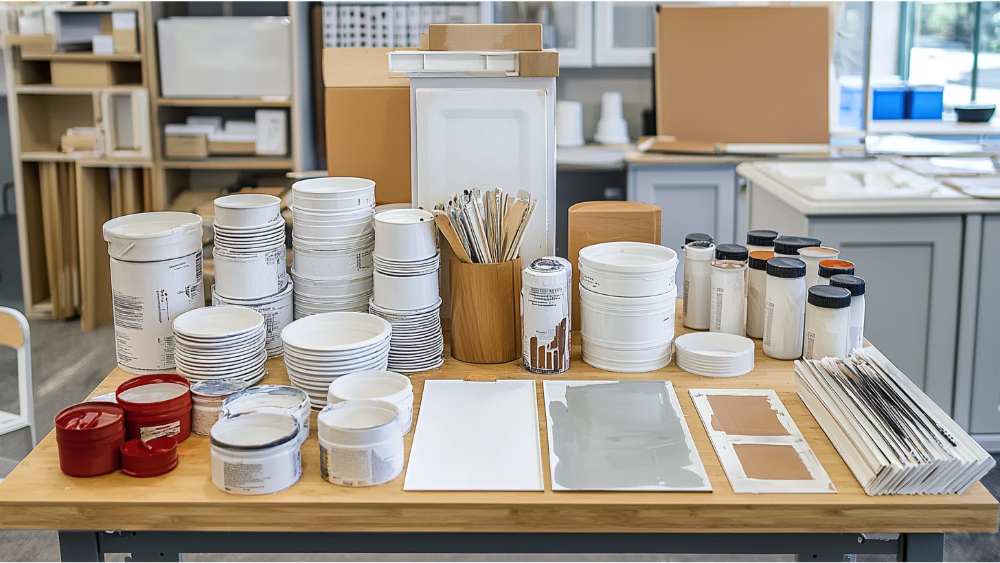
Materials used to paint kitchen cabinets

Sandpaper (120-grit and 220-grit)

Sanding is a crucial step in preparing your cabinets for painting, as it helps to smooth out imperfections and creates a surface that the paint can easily adhere to. Start with 120-grit sandpaper to remove any existing finish and follow up with 220-grit sandpaper to achieve a finer, smooth texture ready for priming.

Screwdriver

Use a screwdriver to remove all cabinet doors and hardware, making it easier to paint each surface evenly and thoroughly.

Painter’s Tape

Use painter’s tape to protect areas around the cabinets that you don’t want to paint, such as walls, countertops, and hinges. Carefully apply the tape to create clean, sharp lines, ensuring a professional-looking finish once the paint is applied.

Drop Cloths or Plastic Sheeting

Place drop cloths or plastic sheeting on the floor and over any surfaces you want to protect from paint splatters. This will help to keep your work area clean and minimize any potential cleanup after the painting process.

Cleaning Supplies

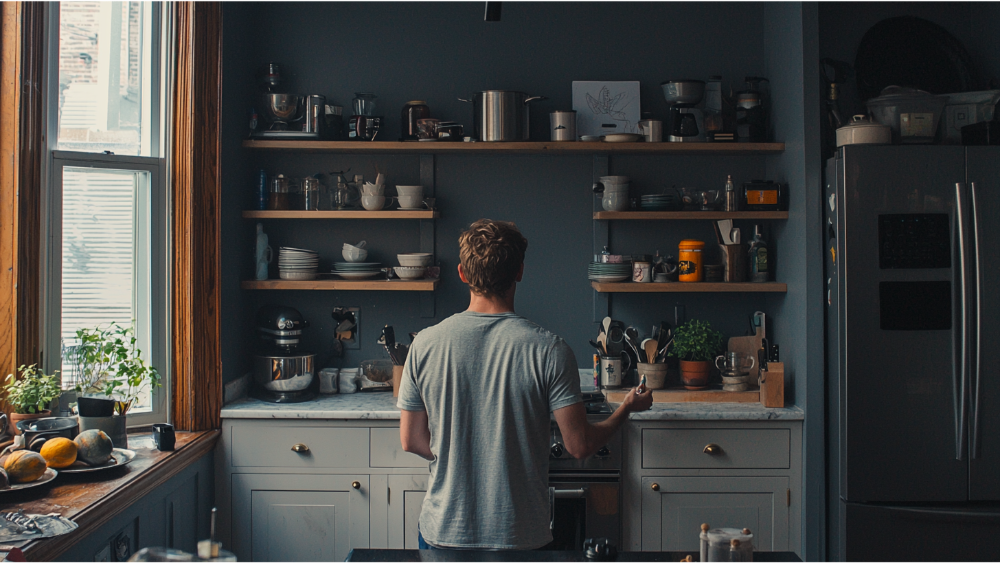
A man standing in front of his freshly painted cabinets

Thoroughly clean the cabinets using a mild detergent or a dedicated grease remover to eliminate any dirt, grease, or residue that could affect paint adhesion. Ensuring a clean surface is essential to achieving a smooth, long-lasting finish.

Paint Brushes

Select high-quality paint brushes that are suitable for the type of paint you’re using, ensuring they will provide smooth and even coverage. Opt for angled brushes for detailing around edges and flat brushes for larger surfaces to achieve a flawless finish.

Roller and Tray

Rollers provide efficient coverage for larger cabinet surfaces, reducing streaks and ensuring a smooth, even coat of paint. Use a tray to load the roller evenly with paint, minimizing drips and achieving a consistent application.

Primer

Primer is essential for ensuring the longevity and durability of your paint job, as it helps the paint adhere better to the cabinet surfaces and provides a uniform base for the topcoat. Choose a primer that is compatible with the type of paint you intend to use, whether it be oil-based or water-based, to achieve the best results.

Paint

Choose a high-quality paint that is specifically designed for cabinetry to ensure a durable, long-lasting finish. Whether you select a latex or oil-based paint, ensure it complements your primer and provides the color and finish you desire for your kitchen cabinets.

Wood Filler

Wood filler is used to patch up any holes, dents, or scratches on your cabinets before painting, providing a smooth and even surface. Be sure to choose a filler that can be sanded and is compatible with your chosen paint for seamless and durable repair.

Caulking Gun and Caulk

A caulking gun and caulk are essential for sealing gaps and seams around your cabinets, preventing moisture from seeping in and ensuring a smooth finish. Apply caulk along edges and joints before painting to enhance durability and aesthetics, using a caulking gun for precise application.

Dust Mask and Safety Glasses

Wear a dust mask and safety glasses while sanding and painting to protect yourself from inhaling dust particles and harmful fumes. Safety gear is crucial to maintain your health and well-being throughout the painting process.

Stirrers and Paint Can Opener

Stirrers are necessary to thoroughly mix your paint, ensuring even color and consistency before application. A paint can opener makes it easy to access the paint without damaging the lid, allowing for a mess-free opening and closing throughout your project.

Tack Cloth

A tack cloth is a sticky, woven fabric used for removing fine dust and lint from surfaces after sanding. This ensures the cabinets are perfectly clean and ready for priming and painting, preventing imperfections in the final coat.

Adhesion Promoter (optional)

An adhesion promoter enhances the bond between the cabinet surface and the primer, especially useful for slick or glossy surfaces. While optional, it can significantly improve paint adherence and durability, ensuring a longer-lasting finish.

Paint Sprayer (optional)

A paint sprayer can offer a smooth, professional finish with minimal brush marks and significantly speeds up the painting process. It is especially useful for covering large surfaces and intricate cabinet details efficiently, though it requires proper masking and ventilation.

Step-by-Step Guide to Painting Kitchen Cabinets

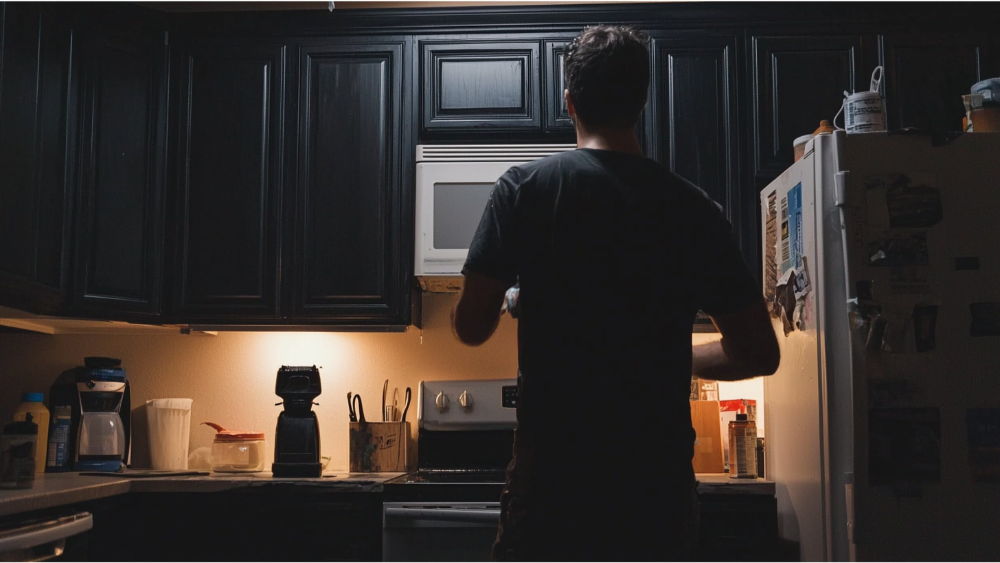
A man painting his kitchen cabinets black

Step 1: Remove Cabinet Doors and Hardware

Start by carefully removing the cabinet doors from the existing cabinets using a screwdriver, taking care to keep track of all screws and hardware for reassembly. Labeling each door and its corresponding hardware can simplify reinstallation while ensuring each part is returned to its original position. This step allows for easier access to all surfaces of the existing cabinets, ensuring an even and thorough paint job.

Step 2: Clean Cabinet Surfaces

Thoroughly clean all the cabinet doors and cabinet frames using cleaning supplies to remove grease, dirt, and residue. A clean surface will ensure better paint adhesion and a smoother finish. Allow surfaces to dry completely before moving to the next step.

Step 3: Sand the Surfaces

Using 120-grit sandpaper, sand all the cabinet doors and frames to remove the original finish. Follow up with 220-grit sandpaper for a smoother finish. This preparation step is crucial to ensure that the primer and paint adhere properly. Don’t forget to wear a dust mask and safety glasses for protection.

Step 4: Apply Wood Filler

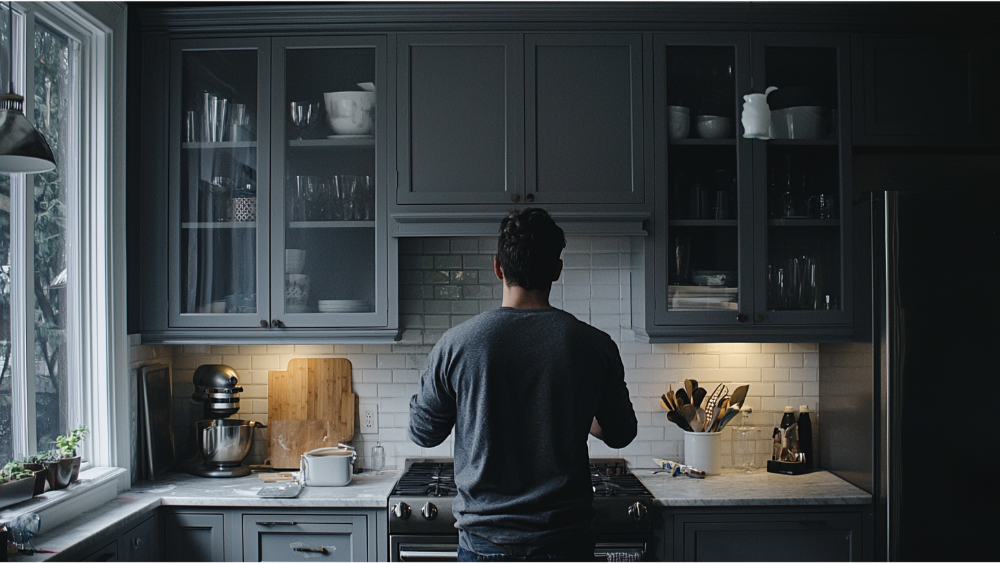
A man painting his kitchen cabinets gray

Inspect your cabinets for any holes, scratches, or dents. Use a wood filler to patch these imperfections and sand smooth when dry. Ensuring any blemishes are addressed will provide an even surface for painting cabinets.

Step 5: Tape Off Surrounding Areas

Protect walls, countertops, and any other areas you don’t wish to be painted by applying painter’s tape. Place drop cloths or plastic sheeting on the floor and surrounding surfaces to protect them from paint splatters.

Step 6: Prime the Cabinets

Apply a coat of primer to all the cabinet doors and frames, using the appropriate brush or roller depending on the size of the surface. Be sure to follow the primer’s drying time instructions. Using a primer compatible with your chosen latex paint is essential for a long-lasting, professional-looking finish.

Step 7: Paint the Cabinets

Apply the first coat of paint to the cabinet doors and frames using high-quality paint from your local paint store, ensuring even coverage while following the drying time guidelines. If you have the option, using a spray paint technique can provide a smoother finish, especially for detailed cabinet boxes, minimizing visible brush strokes. Allow the first coat to dry fully before applying a second coat for a rich, even color that stands out. Remember to paint cabinets in a well-ventilated area to ensure safety and optimal drying conditions.

Step 8: Reassemble the Cabinets

Carefully reattach the cabinet doors and hardware once the painted cabinets are completely dry, ensuring a precise fit and alignment. By allowing adequate drying time, you secure a durable finish that will withstand daily kitchen use. This final step brings a professionally polished look to your beautifully revamped kitchen.

Step 9: Final Touches

After reassembling, inspect the cabinets for any touch-ups that might be necessary, such as tiny paint corrections or additional caulking. Clean up any lingering dust or debris, and replace or polish the hardware if needed to enhance the overall look. Finally, consider adding soft-close hinges or liners for an added touch of luxury and functionality to your newly painted cabinets.

Common Mistakes to Avoid

When painting kitchen cabinets, it’s crucial to avoid common pitfalls that can compromise the quality of your finished project. Here are some key mistakes to watch out for:

Painting Without Sanding

Skipping the sanding step might seem like a timesaver, but it can lead to poor paint adhesion and an uneven finish. Sanding removes the old finish and creates a smooth, roughened surface that the primer and paint can adhere to effectively. Ensure that you sand all surfaces thoroughly to achieve the best results.

Skipping the Primer

Neglecting to use primer is another common mistake that can affect the durability and appearance of your cabinets. Primer acts as a bonding agent between the surface and the paint, helping it adhere better while creating an even base for color application. Without it, the paint may peel or chip over time. Always apply a quality primer suitable for your cabinet material before painting.

Not Allowing Enough Time to Dry Between Coats

Patience is key when painting cabinets, particularly when it comes to drying times between coats. Allow each coat of paint to dry completely before applying the next, adhering to the manufacturer’s recommended drying times. This ensures a smooth, durable finish that will withstand daily wear and tear.

Frequently Asked Paint Kitchen Cabinets Questions

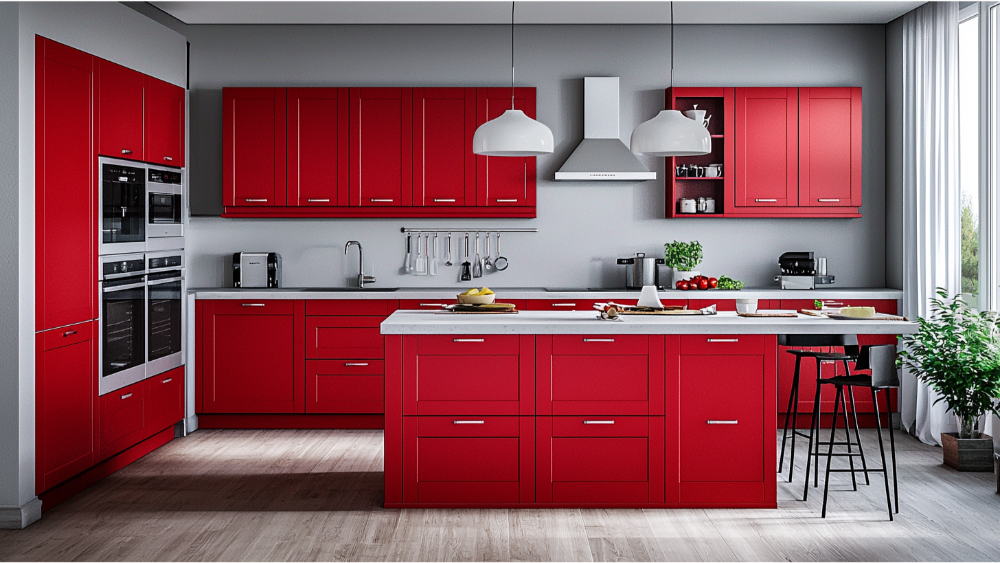
Kitchen cabinets painted red

What Do Professional Painters Use to Paint Kitchen Cabinets?

Professional painters often rely on a specific set of tools and products to ensure a high-quality finish on kitchen cabinets. They typically use high-quality, durable latex or acrylic paints that resist chipping and are easy to clean. For detailed surfaces, professionals may utilize a spray gun for an ultra-smooth, factory-like finish, which minimizes brush strokes and provides a consistent coating.

Prior to applying paint, they use a top-notch primer chosen to suit the cabinet material, ensuring proper adhesion and a flawless surface for color application. Additionally, professional painters employ a range of brushes and rollers, depending on the details and scale of the work, along with masking tapes and drop cloths to protect surrounding areas from unwanted drips and splatters. Finally, they always prioritize safety by ensuring the work area is well-ventilated and wearing appropriate protective gear.

Should I Use a Brush or Roller to Paint Kitchen Cabinets?

Choosing between a brush and a roller for painting kitchen cabinets depends on the specific finish you desire and the efficiency you’re aiming for. Brushes are ideal for details and edges, allowing precise control in corners and around intricate moldings. They can effectively cover areas that are not accessible with a roller, especially when working with different surfaces or shapes.

On the other hand, rollers are excellent for larger, flat surfaces and can help achieve smooth, even coats with minimal effort. Using a roller reduces visible brush strokes and can significantly speed up the painting process. For the best results, many professionals recommend using a combination of both: a brush for corners and detailed work, and a small foam roller for larger, flat areas. This method allows you to take advantage of the detailed touch of a brush while achieving a smooth, uniform finish with a roller.

Do I Have to Sand Kitchen Cabinets Before Painting?

Yes, sanding kitchen cabinets before painting is a crucial step that should not be overlooked. Sanding helps to remove the existing finish, creating a smooth, roughened surface that is essential for the primer and paint to adhere effectively. This process ensures that the paint bonds properly with the cabinet material, reducing the likelihood of peeling or chipping over time.

While it may seem like an extra effort, proper sanding contributes significantly to achieving a durable and professional-looking finish. It’s particularly important if the cabinets have a glossy surface, as this requires sanding to allow the new paint to stick. Always use fine-grit sandpaper and work systematically to ensure all surfaces are adequately prepared before proceeding with primer and paint application.

Conclusion

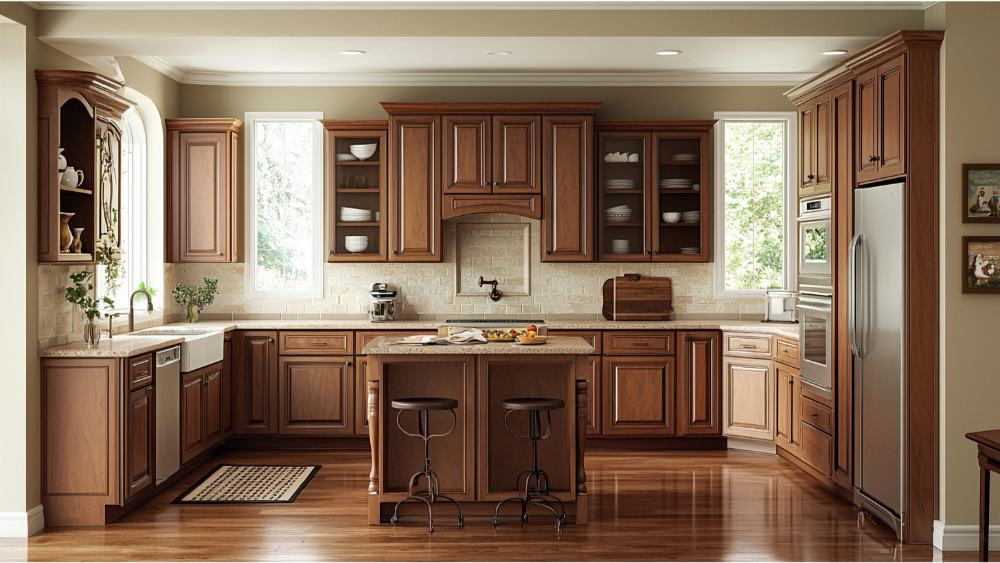
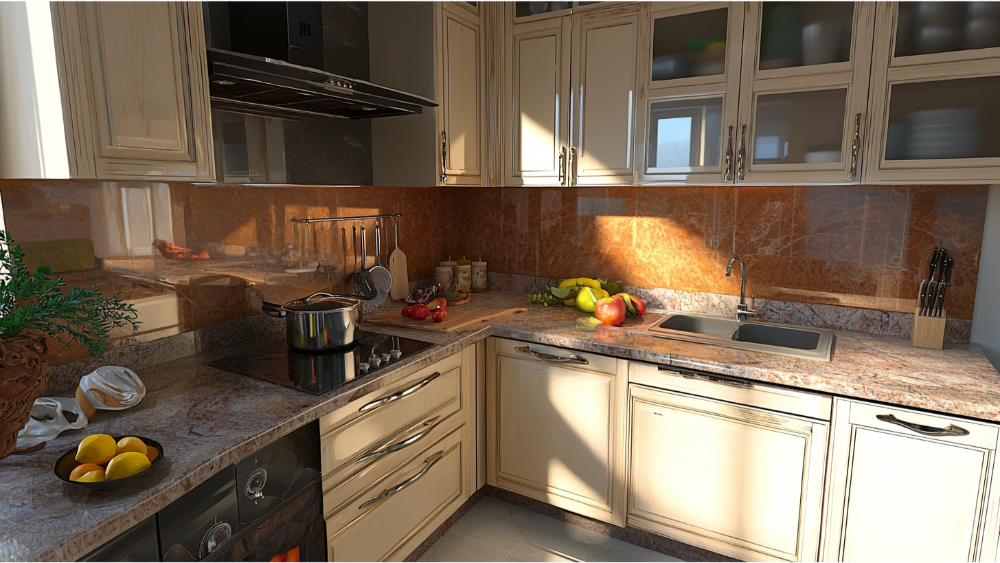
Nice kitchen cabinets

Painting your kitchen cabinets can be a rewarding project that transforms the entire look and feel of your space without the expense of a complete remodel. By following a systematic process and avoiding common pitfalls, you can achieve a high-quality, professional finish. Proper preparation, including sanding and priming, ensures durability and enhances the overall aesthetic, while careful selection of paints and tools makes the task more manageable. Remember, patience and attention to detail are key. With dedication and some elbow grease, the result will reflect your efforts, bringing a refreshed and rejuvenated atmosphere to your kitchen.

Thinking About Grey Kitchen Cabinets? Here are 11 Ideas For Your Kitchen

Опубликовано: October 19, 2024 в 6:17 pm

Автор:

Категории: Kitchen

Тэги: ,

1 | Bold Two-Tone Design

Modern grey kitchen cabinets can create a stunning contrast when paired with a bold two-tone design. Combining the neutral, calming appeal of grey with vibrant or deep hues can elevate your kitchen’s aesthetic to a contemporary and sophisticated level. This design choice allows for versatility, as modern grey kitchen cabinets can be paired with a multitude of colors, such as navy blue or rich emerald green, to highlight specific sections or features within the space.

Such a dynamic combination not only adds depth and interest to the kitchen but also offers flexibility in accessorizing with accents like hardware and backsplash. Ultimately, incorporating modern grey kitchen cabinets in a bold two-tone design brings a sleek, stylish edge that complements both traditional and modern décor elements.

2 | Matte Finish Cabinets

Grey kitchen cabinets

Matte finish grey cabinets combine elegance and practicality, offering a refined look without the distractions of reflective surfaces. This subtle finish pairs beautifully with many color walls, allowing you to experiment with different hues and create a perfect blend of sophisticated tones and playful accents.

The matte texture enhances the soft, subdued quality of grey, while providing a durable and easy-to-maintain surface ideal for busy kitchens. When matched with vibrant or neutral walls, these cabinets can create a warm, inviting environment that balances modern aesthetics with functional design.

3 | Accent with Metallic Hardware

Accenting grey cabinets with metallic hardware is an excellent strategy for infusing your kitchen with a bold touch of elegance. Using metallic elements like brushed gold or sleek chrome can add a sophisticated gleam that complements the soft, understated tones of gray.

This style choice not only enhances the modern appeal of your kitchen but also adds a layer of texture and interest to the overall design. By integrating metallic hardware, you create a striking contrast that highlights the sleek lines of the cabinets, resulting in a stylish and contemporary look.

4 | Integrate Glass-Front Cabinets

Grey kitchen cabinets

Integrating glass-front cabinets with grey cabinetry offers a versatile design option that beautifully balances openness and style. The transparency of glass-fronted units introduces an airy, light quality to the space, making kitchens feel more expansive and inviting.

This feature allows you to showcase attractive dishes or decorative items, adding a personalized touch while complementing the understated elegance of grey cabinets. The combination of grey and glass effortlessly blends practicality with aesthetic appeal, providing a modern yet timeless look that adapts to various decor styles.

5 | Add a Pop of Color with a Backsplash

Adding a vibrant backsplash to your grey kitchen cabinets is an excellent way to infuse your space with personality and charm. Consider a brightly painted tile backsplash that catches the eye and contrasts beautifully with the subdued elegance of grey cabinets.

This pop of color can transform the kitchen, offering a focal point that draws attention and creates visual interest. Painted tile backsplashes are available in a myriad of designs and hues, allowing you to tailor the look to complement your style and enhance the sophisticated tone of your cabinetry.

6 | Incorporate Open Shelving

Grey kitchen cabinets

Incorporating open shelving with grey cabinets creates a distinctive design that merges functionality with modern aesthetics. Open shelves offer easy access to frequently used items while providing an opportunity to display your favorite kitchenware, plants, or cookbooks.

This feature ensures that the kitchen feels airy and spacious, maintaining a sense of openness that complements the soft, neutral tones of grey cabinetry. By integrating open shelving, you add a touch of warmth and personalization that enhances the overall appeal of your kitchen while staying true to contemporary design principles.

7 | Wood Accents for Warmth

Pairing grey kitchen cabinets with wood accents is an effective way to introduce warmth and texture into your space. The natural grains and rich tones of wood create a welcoming contrast to the cool, neutral hues of grey cabinetry, resulting in a balanced and inviting atmosphere.

Whether through wooden countertops, shelving, or floors, these accents add depth and organic charm that enhance the kitchen’s overall aesthetic. The combination of grey and wood allows for a harmonious blend that fits seamlessly within both modern and rustic designs, creating a timeless and cozy kitchen environment.

8 | Use Textured Finishes for Depth

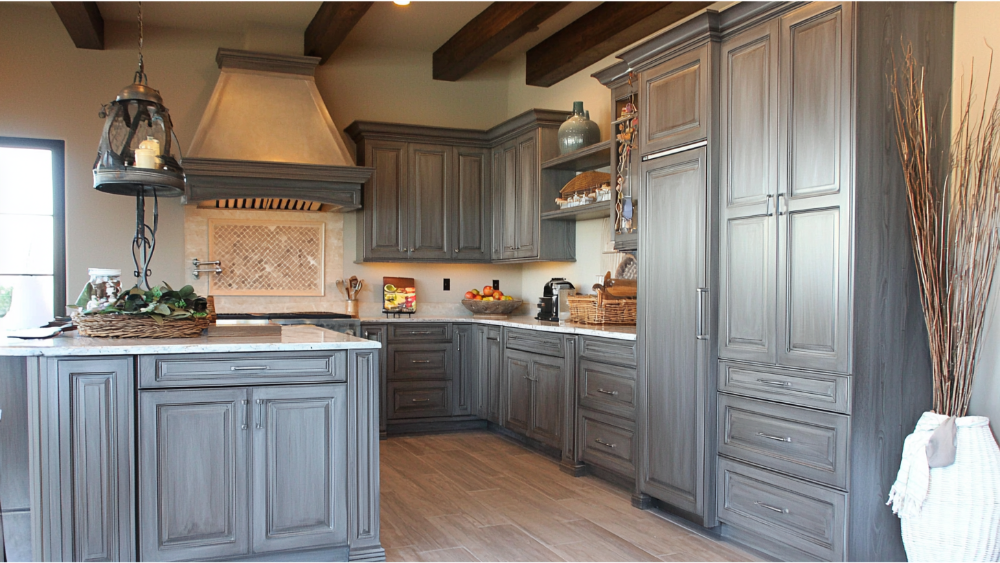
Grey kitchen cabinets

Incorporating textured finishes in your grey kitchen cabinets can elevate the aesthetic appeal by adding a layer of depth and interest. Textured finishes like distressed wood effects or linear graining provide a tactile dimension that enhances the visual richness of your kitchen cabinetry.

These textured elements not only draw attention but also give a subtle nod to craftsmanship, making the space feel more bespoke and tailored. By playing with different textures, you introduce a sensory experience that complements the calm, understated elegance of grey.

9 | Choose Contrasting Countertops

Pairing grey kitchen cabinets with contrasting countertops is another fantastic idea to enhance the visual dynamics of your kitchen. Opt for materials like white marble, black granite, or even vibrant quartz to create a stunning juxtaposition that highlights the cabinets’ sleek design while providing a durable and functional workspace.

This contrast adds depth and interest to the kitchen layout, resulting in a cohesive look that merges elegance with practicality. By choosing distinct countertop materials, you emphasize the cabinets’ versatility and create a timeless balance of modern and classic elements.

10 | Incorporate Built-In Appliances

Grey kitchen cabinets

Incorporating built-in appliances with grey kitchen cabinets can help streamline the kitchen’s design, emphasizing a sleek and polished appearance. By aligning appliances such as ovens, microwaves, or coffee machines within the cabinetry, you maintain a seamless flow that contributes to a clutter-free and organized environment.

This integration leverages the subtle sophistication of grey, allowing it to act as a cohesive backdrop that highlights the functional elegance of your kitchen. Built-in appliances not only save space but also contribute to a modern and minimalistic kitchen aesthetic, seamlessly blending functionality with style.

11 | Incorporate Under-cabinet Lighting

Adding under-cabinet lighting to your grey kitchen cabinets is a brilliant way to enhance both functionality and ambiance. This strategic lighting option illuminates the countertop workspace, making it easier to perform tasks like chopping, reading recipes, or cooking.

Under-cabinet lights create a warm and inviting glow that emphasizes the elegant tones of grey cabinetry, adding depth and sophistication to the space. Available in various styles and colors, these lights can be customized to suit your kitchen’s design, offering an additional layer of visual appeal that complements the modern and sleek appearance of grey cabinets.

Frequently Asked Grey Kitchen Cabinets Questions

Grey kitchen cabinets

Are Grey Kitchen Cabinets Still in Style?

Absolutely, grey kitchen cabinets continue to be in style and are favored for their versatility and timeless appeal. Grey acts as a neutral palette that can be adapted to various design styles, from modern to traditional, making it a popular choice among homeowners and designers alike.

This enduring trend is largely due to grey’s ability to seamlessly blend with different colors and materials, allowing for creative and personalized kitchen designs. Whether utilized in a minimalist setting or combined with bold accents, grey cabinets provide a foundation that can be easily refreshed and updated, ensuring they remain stylish and relevant in ever-evolving design landscapes.

What Color Countertop with Grey Cabinets?

Selecting the right color countertop to pair with grey kitchen cabinets can significantly influence the overall aesthetic and feel of your kitchen. White countertops, such as those made from marble or quartz, offer a crisp and clean look that contrasts beautifully with grey, creating a bright and airy atmosphere.

Black or dark-colored countertops, on the other hand, provide a dramatic contrast that enhances a modern and sophisticated look. If you want a more subtle blend, opt for shades of beige or soft neutrals which offer a warm and harmonious balance.

Natural stone countertops with varied patterns can add depth and interest, complementing the understated elegance of grey while adding an organic touch. Each choice brings unique characteristics to the space, allowing homeowners to align their kitchen design with their personal style.

What Color Flooring Looks Best with Grey Cabinets?

Choosing the right flooring color to complement grey kitchen cabinets can enhance the overall design and ambiance of your space. Light-colored flooring, like ash or birch wood, creates a bright and open feel, contrasting subtly with grey cabinets while maintaining a serene and cohesive look. For a bold yet elegant effect, consider dark hardwoods or slate tiles, which add richness and depth.

Neutral-toned flooring options, such as beige tiles, offer warmth and a seamless blend with grey cabinetry, supporting an understated and classic appearance. Incorporating patterns or textures, like herringbone wood or textured tiles, can introduce an additional layer of interest, ensuring that the kitchen becomes a harmonious and inviting environment. Each flooring choice brings unique characteristics that can be tailored to suit both modern and traditional kitchen designs.

Conclusion

Incorporating grey into your kitchen design offers a versatile and timeless solution that suits a wide range of styles and preferences. Whether paired with warm wood accents, bold contrasting countertops, or textured finishes, grey cabinets provide a sophisticated backdrop that enhances the aesthetic appeal of any kitchen.

Their ability to harmonize with various colors and materials makes them a perennial favorite among homeowners and designers, ensuring their relevance in both contemporary and classic settings. By thoughtfully selecting complementary elements such as countertops and flooring, grey kitchen cabinets can help you craft a personalized and stylish space that is both functional and welcoming.

7 Master Bathroom Remodel Ideas

Опубликовано: October 14, 2024 в 3:04 am

Автор:

Категории: Bathroom

Тэги: ,,

Transforming your master bathroom into a luxurious retreat is a rewarding home improvement project that can enhance functionality and style. Whether you’re looking to create a spa-like oasis or simply update existing fixtures, a well-planned remodel can make your space feel more inviting and efficient. In this blog, we’ve compiled seven innovative ideas that can inspire your bathroom renovation and turn it into the personal sanctuary you’ve always wanted.

1 | Free Standing Tubs

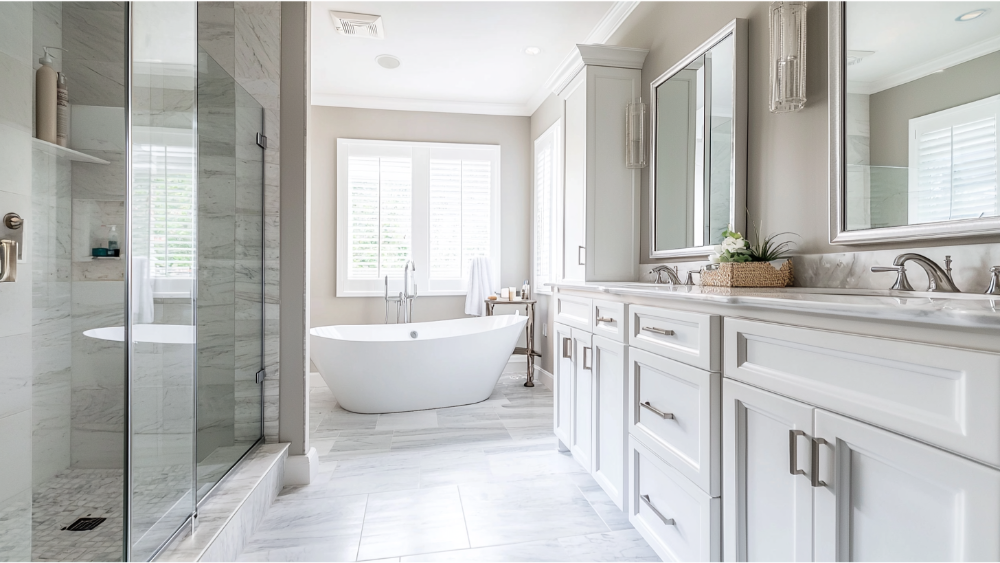
Free standing tub

Enhance Aesthetic Appeal

A free standing tub serves as a striking focal point in master bathrooms, offering an unparalleled aesthetic appeal that evokes elegance and sophistication. Their sculptural design can complement various styles, from contemporary to classic, making them a versatile choice for any decor. The open space around a freestanding tub enhances the perception of spaciousness, giving master bathrooms a more luxurious and expansive feel.

Bathing Experience

Soaking in a freestanding tub transforms the bathing experience into an indulgent and relaxing ritual. With its deep basin and ergonomic design, the tub allows you to submerge completely, providing full-body immersion that eases tension and reduces stress. The ample space and stylish form invite you to linger longer, creating a spa-like atmosphere in the comfort of your home.

2 | Walk-In Showers

Walk-in shower

Space

A walk-in shower maximizes bathroom space by eliminating the need for a bulky tub, providing a more open and accessible layout. The smooth, continuous shower floor enhances accessibility and safety, making it ideal for people of all ages and mobility levels. A spacious shower floor allows for creative tile designs, adding a touch of personalization and elegance to your bathroom.

Customization

Customization options, such as multiple shower heads, not only elevate the functionality of a walk-in shower but also enhance the overall showering experience. With options like rainfall shower heads or adjustable handheld units, you can tailor your shower to suit your mood and preferences, turning a routine activity into an invigorating spa-like escapade.

Unique tile designs offer an additional layer of personalization, allowing you to express your style and create a distinctive aesthetic in your bathroom. These tiles can serve as artistic accents that catch the eye, turning the walk-in shower into a centerpiece that combines practicality with visual appeal.

If space allows, completely converting a small bathroom into a walk-in shower can maximize functionality and create a modern, open design. By removing the traditional tub and utilizing the area for a spacious shower, you not only enhance accessibility but also add a contemporary flair.

3 | Double Vanities

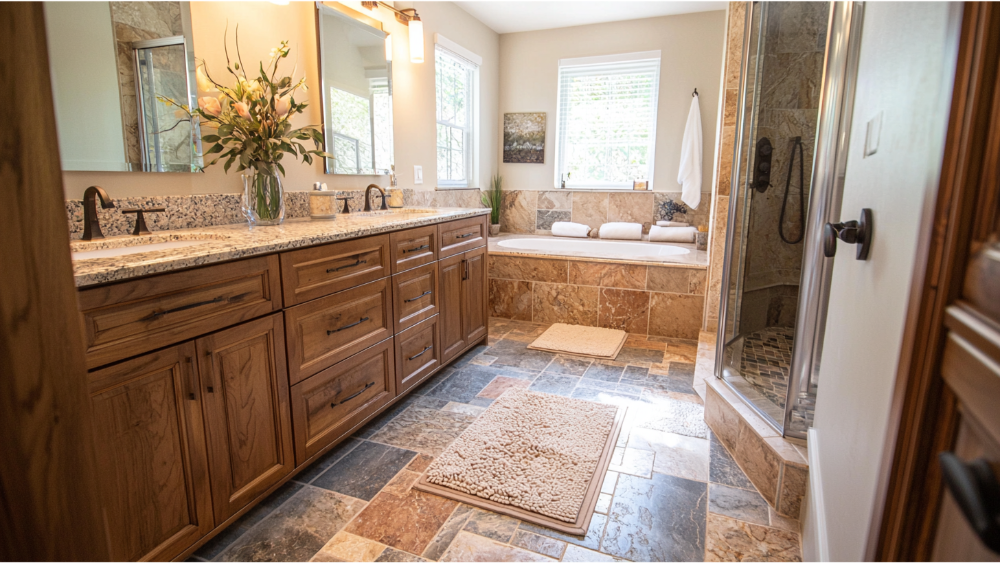
Double vanity

Increase Efficiency and Convenience

A double vanity significantly increases efficiency and convenience, especially for couples sharing a bathroom. With two sinks and ample counter space, both individuals can carry out their morning routines simultaneously without interruption. This setup reduces wait times and promotes a harmonious shared environment, ultimately enhancing daily comfort and ease in the bathroom.

Provide Ample Storage Space

Double vanities offer ample storage space with additional drawers and cabinets, making it easy to keep your bathroom organized and clutter-free. The extra storage allows each individual to have their own designated space for toiletries, towels, and other essentials, promoting tidiness and efficiency. With everything neatly stored away, the bathroom maintains a clean and streamlined appearance, enhancing its overall aesthetic appeal.

Elevate the Overall Look

A double bathroom vanity offers a wide range of countertop and sink options that can enhance the overall look and feel of your master bathroom. Whether you prefer the sleek appearance of granite, the modern vibe of concrete, a warm wood vanity, or the timeless beauty of marble countertops, the choice of material can set the tone for the entire space. Pairing these countertops with vessel, undermount, or integrated sinks allows for numerous combinations, ensuring your vanity not only meets functional needs but also becomes a stylish centerpiece.

4 | Heated Flooring

Heated flooring

Add Comfort

Heated flooring adds an unparalleled level of comfort to your primary bathroom by keeping the floors consistently warm, especially during the chilly months. This feature allows you to enjoy the luxurious sensation of stepping onto a toasty surface right out of bed or after a soothing shower. By maintaining a pleasant temperature underfoot, heated floors enhance the overall coziness of the space, turning your bathroom into a truly inviting retreat year-round.

Improve Energy Efficiency

Heated flooring systems improve energy efficiency by evenly distributing heat from the ground up, resulting in a more consistent and comfortable ambient temperature with lower thermostat settings. Unlike traditional heating systems, which can lead to heat loss through ductwork and uneven room temperatures, radiant floor heating minimizes wasted energy and reduces overall heating costs. This efficient method of warming your space can therefore contribute to lower energy consumption and increased cost savings during colder months.

Enhance Luxury

Heated flooring enhances the luxury of your master bathroom by adding a touch of opulence and indulgence that rivals high-end spas. The seamless warmth underfoot not only elevates comfort but also contributes significantly to the spa-like ambiance, making your bathroom a haven of relaxation and tranquility. This combination of comfort and elegance transforms the bathroom into a high-end retreat where you can unwind and rejuvenate.

5 | Custom Lighting

Custom lighting

Illuminate the Space Effectively

Custom lighting effectively illuminates the space by providing tailored solutions that meet the specific needs of your bathroom. With adjustable lighting fixtures, you can create layered lighting effects that enhance both functionality and ambiance. This not only ensures optimal visibility in key areas but also highlights architectural features and design elements, amplifying the bathroom’s visual appeal.

Create Ambiance

Custom lighting creates ambiance by offering adjustable options that cater to different moods and occasions. With dimmable lights and color-changing features, you can easily transition from a bright and energizing atmosphere to a soft, relaxing glow. This versatility allows you to personalize your bathroom’s lighting to complement your routine and enhance the overall experience.

Serve as a Design Element

Custom lighting can serve as a striking design element by integrating chandeliers or pendant lights, adding a bold statement to your bathroom’s decor. These elegant fixtures not only illuminate the space but also act as eye-catching focal points that express your unique style and enhance the room’s architectural features. By selecting lights that complement your overall theme, you can create a cohesive and sophisticated aesthetic that elevates the bathroom’s visual impact.

6 | Walk-In Closet

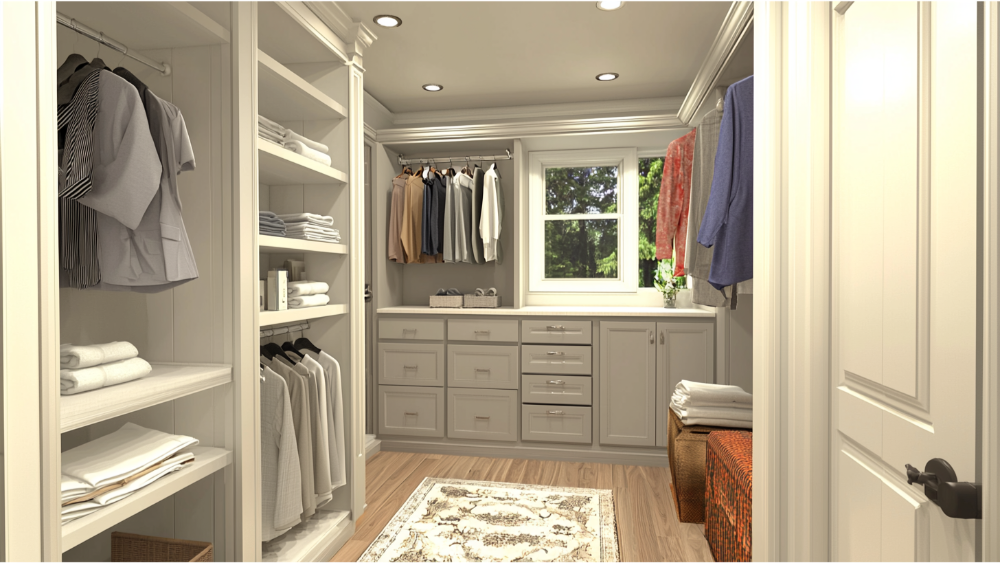
Walk-in closet

Maximize Storage Capacity

Walk-in closets offer an opportunity to maximize storage capacity, with ample room for clothing, shoes, accessories, and more. Customizable shelving and hanging solutions allow you to tailor the space to your specific needs, ensuring everything has its designated place and creating a clutter-free environment.

Improve Organization

The spacious layout of a walk-in closet improves organization by enabling a clear categorization of items. With designated zones for different types of apparel and accessories, it becomes easier to locate and access specific pieces, streamlining your daily routine and enhancing your overall wardrobe management.

Enhance Privacy and Ease

A walk-in closet enhances privacy and ease by creating a dedicated space for dressing and trying on outfits away from the main living areas. This separation allows for personal comfort and convenience, making it a private retreat where you can effortlessly prepare for your day in style, just like a powder room.

7 | Luxurious Materials

Luxury materials

Elevate with Luxurious Materials

Luxurious materials such as marble, granite, or quartz surfaces can significantly elevate the bathroom, transforming it into an elegant and sophisticated space. These high-end materials not only exude timeless beauty but also provide durable and long-lasting surfaces that stand up to daily use. The natural patterns and rich textures of marble and granite add depth and character, while quartz offers a sleek, modern alternative with its low-maintenance appeal.

Random Appliances

Incorporating luxurious materials with random appliances can dramatically elevate the aesthetic appeal of your bathroom. For instance, oil rubbed bronze faucets can stand out magnificently when paired with a backdrop of opulent marble or quartz surfaces. The rich, dark finish of the faucets against the elegant stone creates a striking contrast that not only enhances the beauty of the fixtures but also ties together the overall look with a sophisticated, cohesive design.

Frequently Asked Master Bathroom Remodel Ideas Questions

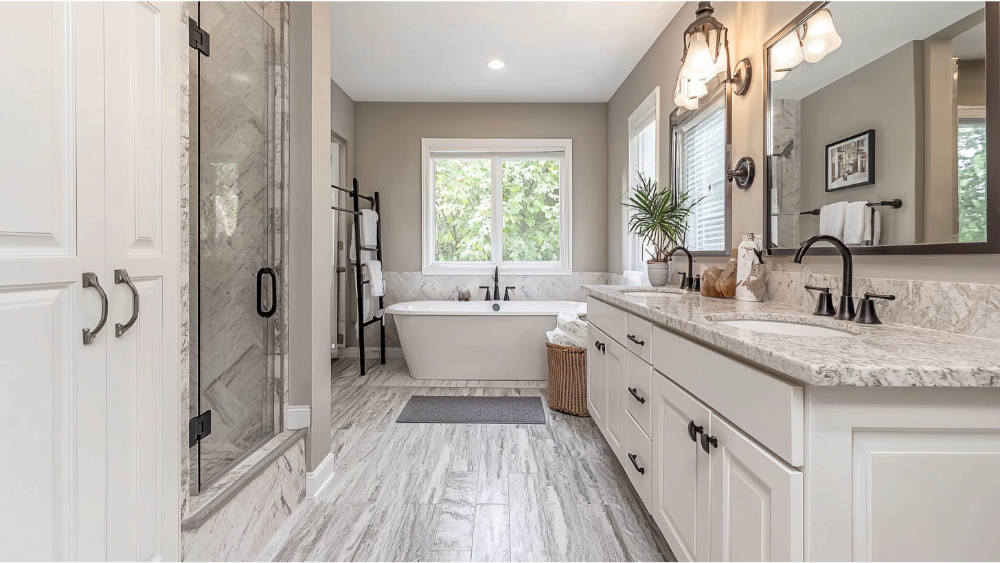
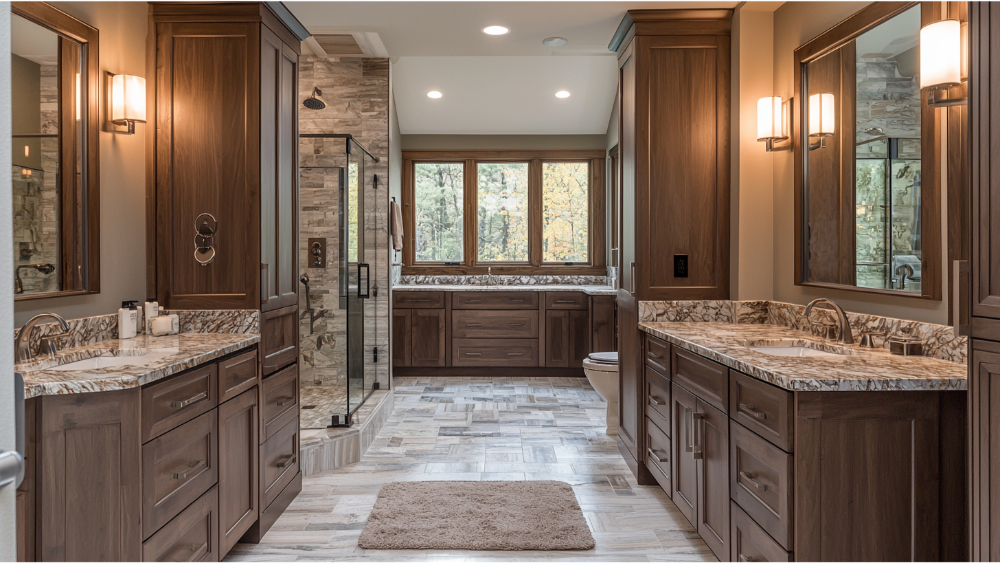
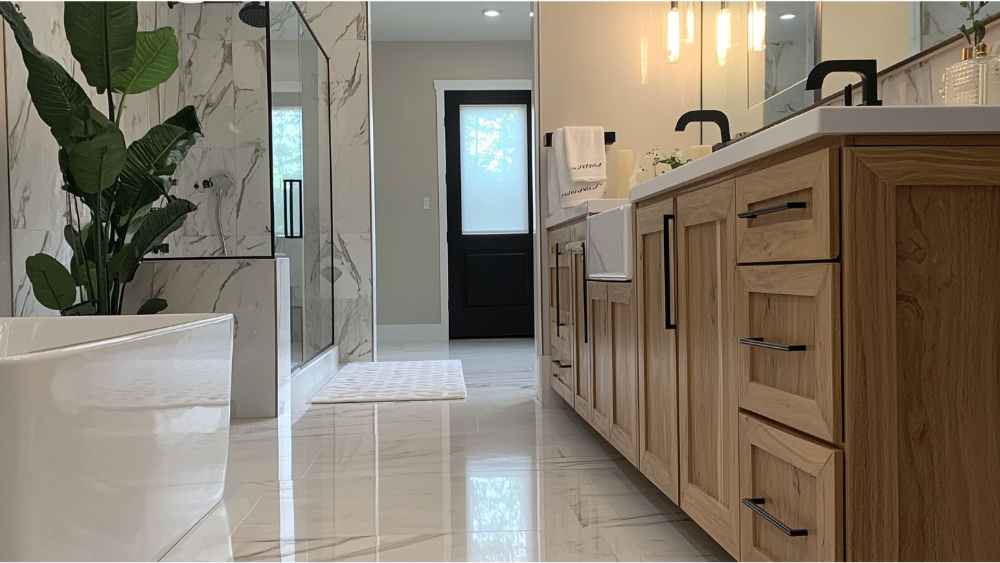
Master bathroom remodel ideas

How Much Should You Spend on a Master Bathroom Remodel?

Determining how much to spend on a master bathroom remodel can significantly depend on your goals and available budget. On average, homeowners might invest between $10,000 to $30,000, with mid-range renovations likely costing around $20,000. However, if you’re aiming for a high-end remodel with luxury materials and custom features, expenses can escalate to $50,000 or more.

It’s essential to allocate your budget based on priorities such as high-quality fixtures, durable materials, and energy-efficient upgrades, while also factoring in labor costs and potential unforeseen expenses. Consulting with design and construction professionals can provide valuable insights and help in creating a realistic budget that aligns with your vision. Balancing your desired outcomes with financial limits ensures a remodel that enhances both the value and enjoyment of your space.

What Adds Value to a Master Bathroom?

Adding value to a master bathroom involves strategic upgrades that enhance both functionality and aesthetics. High-quality fixtures, such as rain showers and dual flush toilets, elevate the bathroom’s efficiency while providing a luxurious experience. Incorporating energy-efficient upgrades, like LED lighting and water-saving fixtures, can reduce utility costs and appeal to environmentally conscious buyers.

Incorporating stylish yet durable materials, such as porcelain tiles and quartz countertops, ensures long-lasting beauty and wear resistance. Custom cabinetry and smart storage solutions further amplify the bathroom’s practicality by maximizing space and organization. Lastly, incorporating technology, like smart mirrors or integrated sound systems, can transform the bathroom into a modern oasis, appealing to tech-savvy individuals looking for a contemporary home environment. These enhancements not only boost property value but also enrich the daily experience for homeowners.

What is the Most Expensive Part of a Bathroom Remodel?

The most expensive part of a bathroom remodel typically involves the design and installation of high-quality fixtures and finishes. Items such as premium bathtubs, custom vanities, high-end faucets, or even a guest bath can significantly drive up the cost. Plumbing and electrical work also contribute to expenses, especially if relocations or upgrades are necessary to accommodate new features.

In many cases, labor costs constitute a substantial part of the budget, as hiring skilled craftsmen ensures precision in implementing intricate designs and installing luxury materials. Opting for exclusive tiles, such as natural stone or designer ceramics, and choosing luxurious flooring materials can add noticeable expense. Prioritizing these elements allows homeowners to create a stunning and functional bathroom space, marrying aesthetic appeal with practical enhancements.

Conclusion

Remodeling a master bathroom is a significant investment that can enhance both the functionality and value of your home. By prioritizing high-quality materials, innovative design solutions, and energy-efficient improvements, homeowners can create a luxurious and modern space that meets their lifestyle needs. Thoughtful planning and consultation with professionals can guide you in making informed choices that balance budget considerations with desired outcomes. Ultimately, a well-designed master bathroom remodel not only enriches daily living but also serves as an enticing feature for potential buyers, reflecting refined taste and a commitment to quality.

How Long Does a Bathroom Remodel Take?

Опубликовано: October 6, 2024 в 2:52 am

Автор:

Категории: Bathroom

Тэги: ,,,

Remodeling a bathroom can be an exciting but daunting project, especially if you have only one bathroom, and one of the most common questions homeowners ask is, “How long will this take?” Here we will explore the various stages of a bathroom remodel, from planning and design to construction and finishing touches. We will discuss factors that can influence the timeline, such as the size of the bathroom, the complexity of the design, and the availability of materials.

Factors Affecting the Timeline

Size of the Bathroom

The size of the bathroom can significantly impact the timeline of a bathroom remodel project. In a smaller bathroom, there’s typically less square footage to work on, meaning tasks like laying tiles or installing fixtures may be completed more quickly compared to a larger space. However, even in a smaller space, the same attention to detail is required, which can sometimes offset the savings in time. For larger bathrooms, the remodeling project might take longer as more materials and more extensive labor are needed to cover the additional area.

Scope of Remodel

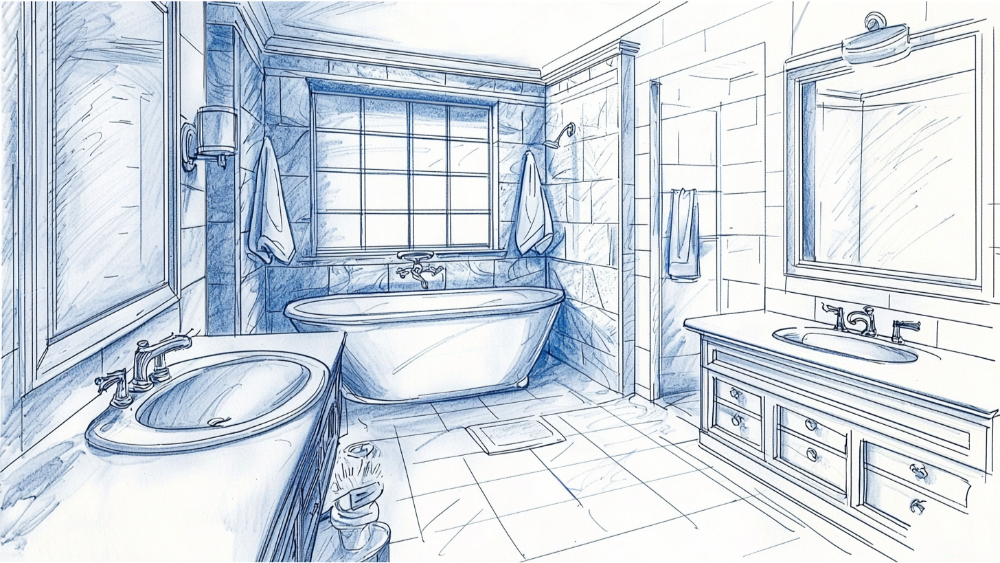
Bathroom remodel blueprint

When it comes to bathroom remodeling, the scope of the project can vary greatly between cosmetic updates and gut jobs. Cosmetic updates typically involve more superficial changes, such as repainting walls, replacing fixtures, or updating accessories like mirrors and towel racks. These updates are generally less time-consuming and less costly, as they focus on enhancing the bathroom’s aesthetics without altering its basic structure.

On the other hand, a gut job involves a complete overhaul, often down to the studs. This type of remodeling might include electrical and plumbing work, installing new flooring, and significantly altering the layout. Naturally, gut jobs demand more time, resources, and budgets due to their comprehensive and complex nature. Whether opting for cosmetic updates or a full gut job, it’s important to clearly define the goals of your remodel to ensure a realistic timeline and budget.

Materials and Customization

The availability of materials can dramatically affect the timeline of a bathroom renovation. Custom tiles and countertops often require longer lead times, which can delay the bathroom remodeling project if not ordered well in advance. For a new bathroom design, selecting readily available materials can help streamline the process and avoid unexpected interruptions. However, if opting for personalized touches like custom finishes, it’s crucial to coordinate with suppliers early to ensure they arrive on schedule. The success of a bathroom remodeling project heavily depends on timely material delivery to keep the workflow steady and efficient.

Structural Changes

Moving walls or relocating plumbing can significantly extend the project timeline due to the intricate nature of these tasks. Altering the bathroom’s layout typically requires comprehensive plumbing and electrical work, which can take substantial time and effort to complete. Additionally, structural changes often necessitate permits and inspections from local authorities, further prolonging the duration of the entire project. These complexities highlight the importance of careful planning and consideration when deciding to undertake full gut renovation or major modifications during a bathroom remodel.

Typical Bathroom Remodel Phases

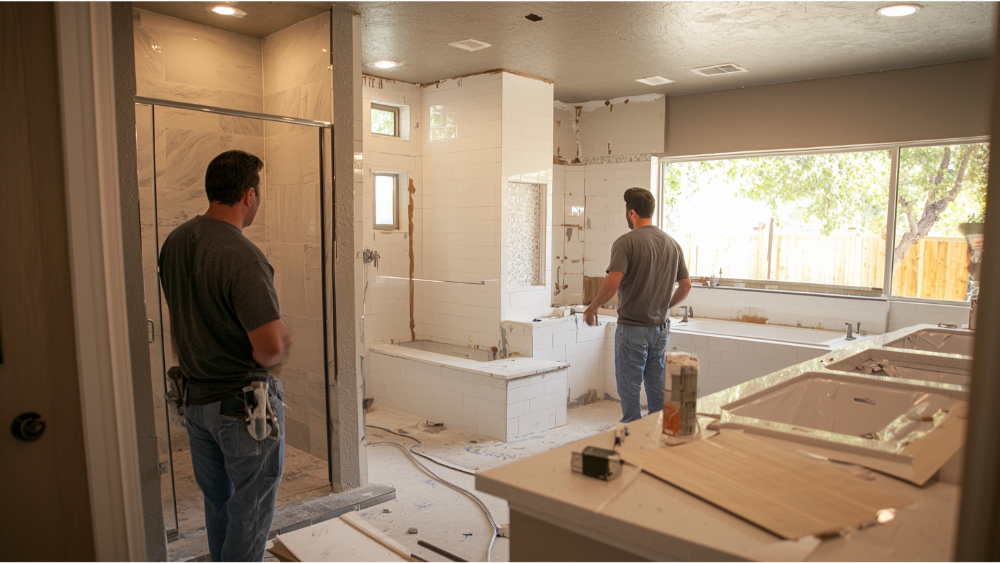
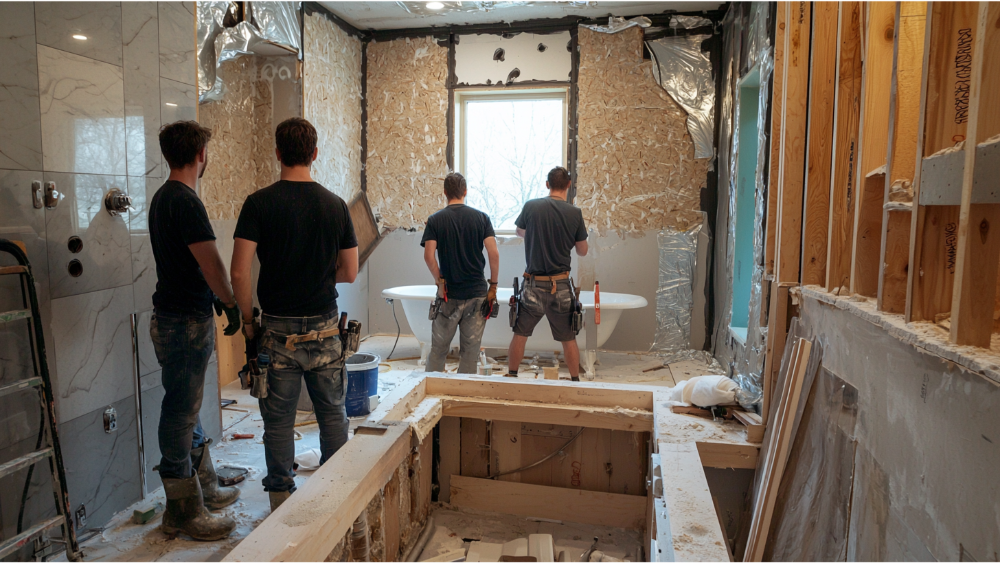
A team remodeling a bathroom

Design and Planning (1-3 weeks)

The design and planning phase is critical for setting the foundation of a successful bathroom remodel. This stage typically involves collaboration with designers and contractors to establish a comprehensive construction schedule. Key considerations include bathroom renovations that accommodate functional needs, aesthetic preferences, and budget constraints. During this time, any necessary permits are also addressed, ensuring that the project can proceed smoothly and within the estimated timeline.

Demolition (1-2 days)

Demolition is a crucial step in the construction process of bathroom remodels, particularly for those opting for a gut renovation. This phase involves stripping away old fixtures, tiles, and sometimes even drywall to prepare for the new design. The process must be handled carefully to prevent damage to any existing plumbing or electrical systems that will be reused. Efficient demolition sets the stage for a smooth transition to later phases, ensuring that the remodel can progress without unnecessary delays. It’s essential for contractors to have a clear understanding of the end goals to avoid any missteps during this initial teardown.

Rough-In Work (2-5 days)

Following demolition, the rough-in work begins, spanning from two to five days, and involves fundamental plumbing, electrical, and any necessary structural changes. This phase is critical as it lays the groundwork for the bathroom’s functionality. Plumbing tasks may include relocating pipes for sinks, showers, or toilets, while electrical work ensures proper wiring for new lighting and outlets. Any structural changes, such as shifting walls, are also addressed during this time. Due to the complexity of this stage, skilled professionals are often required to ensure all systems are configured correctly and meet building codes.

Installations (1-2 weeks)

Once the rough-in work is complete, the project transitions to the installation phase, lasting one to two weeks. This stage involves the detailed work of installing tiles, fixtures, cabinets, and other components. The placement of tiles requires precision to ensure a seamless look, while the installation of fixtures like tubs, sinks, and toilets brings the design to life. Cabinets and countertops are fitted to their designated spaces, completing the transformation. The intricate nature of this phase demands a steady pace to ensure quality and precision, making it pivotal in the remodeling process.

Finishing Touches (1-3 days)

The final stage of the bathroom remodel involves adding the finishing touches, typically taking one to three days. This phase focuses on the aesthetics and functionality of the space, ensuring everything aligns with the initial vision. Tasks may include painting walls, installing mirrors, adding hardware like towel bars and hooks, and performing a thorough clean-up of the area. Attention to detail is vital during this phase, as it helps to highlight the craftsmanship of the remodel and ensures a polished, complete look. Once finished, the remodeled bathroom is ready to be enjoyed.

How to Speed Up the Process

A team remodeling a bathroom

To ensure a smoother and quicker bathroom remodel, consider the following strategies:

Pre-order Materials

Pre-ordering material is a strategic approach that can significantly expedite the bathroom remodel process by aligning with the project schedule. By securing materials during the pre-construction phase, potential delays caused by out-of-stock items or long lead times can be minimized or avoided altogether. This proactive strategy ensures that all components are on hand when needed, allowing the construction to proceed smoothly without halt. Incorporating this practice into the planning phase helps maintain the timeline and keeps the project on track for a timely completion.

Work with a General Contractor

Working with a general contractor can greatly streamline the bathroom remodeling process, particularly when it comes to navigating city permits. These experienced professionals are well-versed in local regulations and can efficiently handle the paperwork and inspections required for structural changes. By ensuring that all necessary permits are secured, a general contractor mitigates the risk of compliance issues that could delay the project. Their expertise not only helps in maintaining the timeline but also ensures that the renovation adheres to all city codes and standards.

Avoid Changes

Making changes during the construction phase can lead to costly delays and unnecessary complications in a bathroom remodel. It is crucial to finalize all design decisions and material selections before construction begins to prevent disruptions in the project’s timeline. Changing plans mid-project can result in reordering materials, rescheduling labor, and adjusting the budget, all of which can detrimentally impact the overall progress. To maintain efficiency and avoid setbacks, thorough planning and clear communication with contractors from the outset are essential.

Frequently Asked How Long Does a Bathroom Remodel Take Questions

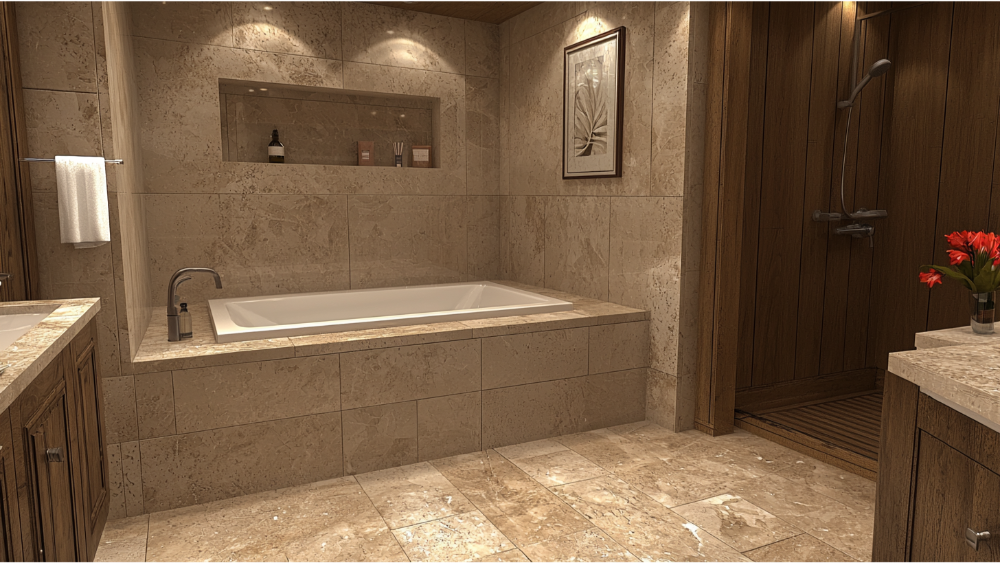
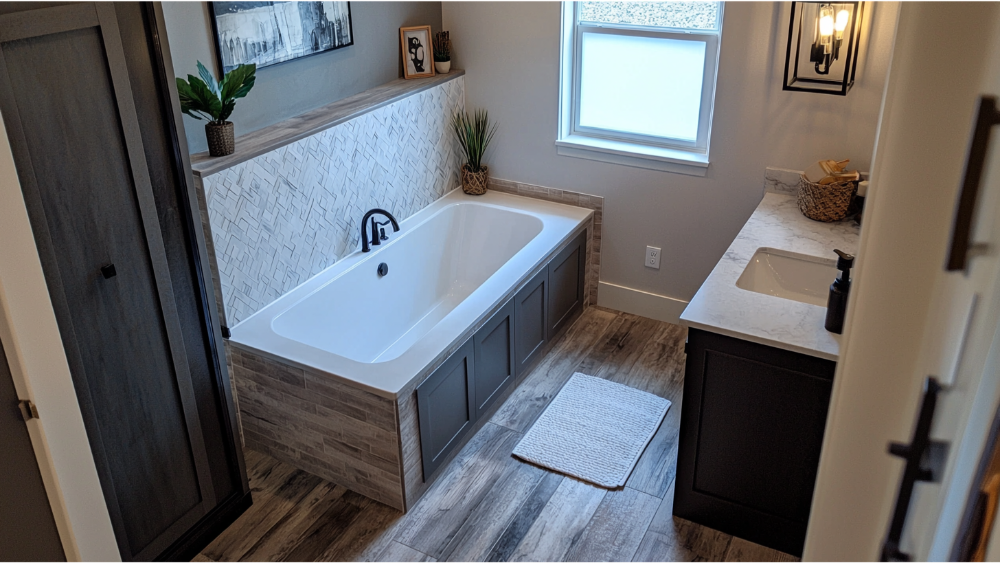
A remodeled bathroom

How Long Should a Small Bathroom Remodel Take?

Remodeling a small bathroom typically requires a shorter timeframe than larger projects, yet it still demands careful planning and execution. On average, a small bathroom remodel might take between two to four weeks to complete. This duration can vary based on factors such as the complexity of the design, the availability of materials, and the efficiency of the contractor.

Smaller spaces often require less demolition and fewer installations, which can expedite the process. However, attention to detail remains paramount, as limited space can magnify imperfections. Ensuring that all elements are ordered and on-site ahead of the project start date can prevent potential delays, enabling the remodel to proceed smoothly and efficiently.

A large bathroom remodel generally requires a more extended timeframe due to the increased scale and complexity of the project. On average, expect the process to take anywhere from four to eight weeks. This longer duration can be attributed to more extensive demolition, additional plumbing and electrical work, and the installation of a greater number of fixtures and finishes.

Large bathrooms often involve intricate designs and custom features, which demand precise execution. Careful scheduling, consistent communication with contractors, and the availability of all necessary materials from the start can help minimize delays, ensuring the project progresses steadily toward completion.

Can You Remodel a Bathroom in 3 Days?

Remodeling a bathroom in just three days is a challenging feat, primarily due to the complexity and sequence of tasks involved. While minor updates, such as repainting walls, replacing hardware, or installing new fixtures, might be achievable in this tight timeframe, a complete overhaul including demolition, plumbing, and electrical work is highly unlikely.

A full remodel typically requires careful planning, precision, and adherence to safety and building codes, which cannot be rushed without compromising quality. To attempt a three-day remodel, it’s essential to have a detailed plan, experienced professionals, and pre-ordered materials ready. However, for extensive renovations, it’s prudent to allocate more time to ensure a thorough and successful transformation.

Are 1 Day Bathroom Remodels Worth It?

Opting for a 1-day bathroom remodel can be appealing for those looking to quickly refresh their space with minimal downtime. These fast remodels typically focus on aesthetic updates, such as refinishing surfaces, installing new fixtures, and upgrading hardware, rather than structural changes, plumbing, or electrical work. While speed and convenience are significant advantages, the scope of what can be achieved is limited.

A one-day remodel is ideal for cosmetic improvements but may not address deeper issues like underlying water damage or outdated wiring. Therefore, it’s essential to weigh the need for immediate visual updates against the potential necessity of more comprehensive renovations in the future. If long-term quality and structural integrity are priorities, investing more time and resources into a thorough remodel may be a more favorable choice.

Conclusion

A remodeled bathroom

The timeframe for a bathroom remodel varies depending on the scope and complexity of the project. By planning meticulously, pre-ordering materials, and working closely with experienced contractors, homeowners can effectively minimize delays and ensure a smooth renovation process. Although rapid remodels, such as those completed in one to three days, offer convenience, they often come with limitations in terms of depth and quality. Ultimately, whether aiming for a quick cosmetic update or a comprehensive transformation, balancing time constraints with the desired outcome is essential for a successful and satisfactory bathroom remodel. By prioritizing both efficiency and quality, homeowners can achieve a space that meets their needs and adds lasting value to their homes.

Kitchens That Never Go Out Of Style. 2025 Edition

Опубликовано: October 3, 2024 в 5:08 pm

Автор:

Категории: Kitchen

Тэги: ,,

Designing a kitchen is a significant investment, so choosing a style that will remain attractive and functional for years to come is crucial. While trends come and go, certain kitchen designs are timeless. But what exactly makes a kitchen style withstand the test of time? In this blog, we will explore kitchen design elements and styles that never go out of style, ensuring your space stays beautiful and relevant for decades.

Opting for a timeless kitchen style offers longevity in both design and functionality. While trendy designs may feel fresh and exciting at the moment, they often look outdated within a few years. Timeless kitchens, however, provide a solid foundation that adapts to evolving trends without the need for constant updates.

Key Features of a Timeless Kitchen

Simplicity in Design

One of the hallmarks of a timeless kitchen is simplicity. Clean lines, minimalistic cabinetry, and a lack of overly ornate details ensure that the kitchen remains visually appealing through changing trends. Simplicity in design also makes a kitchen more adaptable, allowing homeowners to introduce new elements without clashing with the existing style.

Focus on Functionality

Timeless kitchens prioritize functionality over decoration. Well-organized layouts, smart storage solutions, and easy-to-maintain materials contribute to a kitchen that remains practical as well as stylish. By focusing on how the kitchen will be used, you create a space that serves its purpose effectively while maintaining its aesthetic appeal.

Quality Materials

Using high-quality materials is essential for creating a timeless kitchen. Natural materials like stone, wood, and quartz are not only durable but also visually pleasing. They age gracefully and develop character over time, ensuring that your kitchen remains beautiful for decades.

Shaker Kitchens – The Classic That Never Fades

A shaker styled kitchen

Early American Influence

The Shaker style originated in the 18th century as part of the Shaker religious community’s commitment to simplicity, utility, and honesty. This philosophy translated into their furniture and kitchen designs, which were built to be both practical and aesthetically pleasing. Today, Shaker kitchens are admired for their clean, straightforward lines and enduring appeal.

Craftsmanship and Simplicity

At the core of Shaker kitchens is craftsmanship and simplicity. The hallmark of a Shaker kitchen is its functional design, featuring recessed panel doors, square edges, and minimal decorative elements. This focus on craftsmanship ensures that Shaker kitchens continue to be a favorite in both traditional and modern homes.

Key Features of Shaker Kitchens

Recessed Panel Doors

One of the defining features of Shaker kitchens is the use of recessed panel doors. This simple yet elegant design has been popular for centuries because it complements a wide variety of kitchen styles. Whether paired with modern or rustic elements, recessed panel doors maintain a timeless quality that works across different aesthetics.

Versatile Aesthetics

Shaker kitchens are known for their versatility. They can be styled with modern hardware for a contemporary feel or paired with natural wood finishes for a more rustic, traditional look. This adaptability ensures that Shaker kitchens stay relevant through design shifts.

Neutral Color Palette

Shaker kitchens often feature neutral tones, such as white, gray, or natural wood, which contribute to their timeless appeal. These colors provide a calm, understated backdrop that can be easily updated with new hardware or paint, making it simple to refresh the space without overhauling the entire kitchen.

Customizing Shaker Kitchens for Modern Homes

Mixing Materials

One way to update the classic Shaker kitchen is by mixing materials. For example, pairing Shaker cabinets with a stone countertop or metallic hardware adds a modern touch without compromising the kitchen’s timeless quality. This combination of materials creates a balanced look that blends traditional and contemporary elements.

Contrasting Colors

Modern Shaker kitchens often incorporate two-tone cabinetry, where upper and lower cabinets are painted in contrasting colors. This adds visual interest while keeping the core Shaker elements intact, allowing for a more personalized yet timeless kitchen design.

The White Kitchen – A Timeless Favorite

A white styled kitchen

Bright and Airy Aesthetics

White kitchens are synonymous with brightness, cleanliness, and timelessness. The color white naturally reflects light, making spaces feel larger and more open. This quality ensures that white kitchens remain popular, especially in homes where maximizing light and space is a priority.

Flexibility for Updates

A white kitchen provides a neutral backdrop that makes it easy to change other design elements, such as backsplashes, countertops, or hardware. This flexibility allows homeowners to refresh the look of their kitchen without having to commit to major renovations, ensuring the space remains current and stylish.

Key Design Elements of a Timeless White Kitchen

All-White Cabinetry

All-white cabinetry is a hallmark of timeless kitchen design. White cabinets can pair well with almost any type of countertop, backsplash, or hardware, making it easy to customize and update the kitchen’s overall look as trends change. The neutral color also creates a cohesive, serene environment that never feels out of date.

Natural Light Enhancement

White kitchens make the most of natural light, creating a bright, inviting atmosphere. Reflecting natural light enhances the sense of space and adds warmth to the room, making it a favorite in both small and large kitchens. This characteristic is one of the reasons white kitchens have remained timeless for decades.

Subtle Accents

Adding subtle accents, such as brass or wood, can prevent a white kitchen from feeling too sterile. These accents add warmth, texture, and personality to the kitchen without overwhelming the space, allowing the white to remain the primary feature.

Avoiding Common Pitfalls in White Kitchens

Maintenance Tips

While white kitchens are beautiful, they can be prone to showing dirt and stains more easily than darker designs. Choosing high-quality materials and finishes, such as stain-resistant countertops or easy-to-clean backsplashes, can help reduce the maintenance required to keep the kitchen looking pristine. Regular cleaning and attention to detail will ensure that the kitchen remains timeless.

Adding Texture and Depth

To avoid a flat or clinical look, consider adding texture through materials like subway tiles, marble countertops, or wood accents. These elements provide depth and interest while keeping the overall design timeless. Incorporating a variety of textures helps to balance the crispness of an all-white kitchen, ensuring it feels inviting and warm.

Natural Materials – The Foundation of Timeless Kitchens

A natural styled kitchen

Wood

Wood has always been a favorite in kitchen design because of its warmth and natural beauty. Whether used in cabinetry, flooring, or countertops, wood brings a timeless quality to kitchens that transcend trends. Over time, the wood develops a patina, giving it character and depth. From rustic oak to sleek walnut, wood’s versatility allows it to complement both traditional and modern designs. Regular maintenance, such as refinishing or resealing, can keep wood looking fresh and prolong its lifespan, ensuring it remains a key feature in timeless kitchens.

Stone

Natural stone, such as marble, granite, or quartz, is another hallmark of a timeless kitchen. These materials are durable, resistant to heat and scratches, and offer unique patterns and textures that can’t be replicated with artificial materials. Their durability ensures that they age gracefully, maintaining their luxurious appearance for decades. Stone countertops and backsplashes not only add a sense of sophistication but are also incredibly practical, making them a favorite for homeowners seeking a lasting kitchen style.

Incorporating Natural Elements into Kitchen Design

Wooden Cabinets and Flooring

Incorporating wood into your cabinetry and flooring adds a touch of nature to your kitchen, creating a warm and inviting atmosphere. Wooden cabinets, whether in their natural finish or painted, offer timeless beauty and durability. When using wood flooring, opt for solid hardwood or engineered wood that can withstand the demands of a busy kitchen while providing a classic, elegant look.

Stone Countertops and Backsplashes

Stone countertops, such as marble, quartz, or granite, are a durable and aesthetically pleasing choice for a timeless kitchen. These materials offer a sense of luxury and can withstand daily wear and tear. For a cohesive design, consider using stone for your backsplash as well. Natural stone backsplashes can add texture and interest while providing a durable, easy-to-clean surface.

Combining Natural Materials with Modern Design

Contrasting Finishes

For a modern twist on timeless materials, pair natural elements like wood and stone with sleek finishes such as stainless steel or matte black hardware. This combination creates a balance between old and new, ensuring that your kitchen stays stylish without sacrificing its timeless appeal.

Natural Lighting

Maximizing natural light in your kitchen enhances the beauty of natural materials. Large windows, skylights, or even glass doors allow sunlight to flood the space, highlighting the textures and colors of wood and stone. Natural light creates a warm and inviting environment, ensuring that your kitchen feels both timeless and modern.

Neutral Color Palettes – A Timeless Trend

A neutral styled kitchen

Versatility

Neutral tones, such as soft grays, beiges, and whites, are the foundation of a timeless kitchen. These colors create a calm, soothing environment that can adapt to various design trends. The versatility of neutral colors allows homeowners to refresh their kitchens by simply changing accessories or accent pieces without needing a full renovation.

Neutral kitchens provide the perfect backdrop for evolving styles. By starting with a neutral palette, you can easily update your kitchen with new hardware, lighting, or decor as trends shift. This flexibility ensures that your kitchen remains stylish and up-to-date without requiring frequent major changes.

Designing with Neutral Colors

Layering Neutrals

Layering different shades of neutral tones adds depth and interest to your kitchen. For example, pairing light gray cabinetry with a darker gray countertop creates a subtle contrast that keeps the space from feeling too flat. Layering neutrals allows for a sophisticated, timeless look that feels both calming and cohesive.

Mixing Textures

To add dimension to a neutral kitchen, incorporate different textures such as matte and glossy finishes or natural materials like wood and stone. This combination prevents the kitchen from feeling monotonous and adds visual interest without overpowering the space.

Best Practices for Timeless Neutral Kitchens

Creating Contrast

A neutral kitchen doesn’t have to be dull. Adding contrast through elements like dark countertops, brass hardware, or a bold backsplash can elevate the design. This contrast enhances the timeless appeal of the kitchen while adding a modern edge.

Accent Pieces

Incorporating timeless accent pieces, such as wooden beams, brass fixtures, or vintage lighting, can add character to a neutral kitchen. These small details provide personality and warmth, ensuring that your kitchen feels welcoming while maintaining its timeless style.

Conclusion

A white kitchen

Creating a kitchen that never goes out of style involves thoughtful design choices and quality materials. By focusing on timeless elements such as Shaker cabinets, natural materials, neutral color palettes, and classic flooring options, you can ensure that your kitchen remains beautiful and functional for decades. Combining these elements with modern touches and personalized accents ensures that your kitchen stays relevant while standing the test of time. Prioritize quality, functionality, and simplicity, and you’ll have a kitchen that is truly timeless.

Whats Better: Cool, Natural, or Warm Light Under Kitchen Cabinets?

Опубликовано: September 30, 2024 в 3:13 pm

Автор:

Категории: Kitchen

Тэги: ,

Choosing the right lighting for your kitchen can transform the space dramatically, especially when it comes to illuminating the area beneath your cabinets. This blog explores the various lighting options available, focusing on cool, natural, and warm light tones. We will dive into how each lighting type can impact the ambiance and functionality of your kitchen, discuss the benefits and drawbacks of each option, and offer practical tips on making the best decision based on your personal style and kitchen design.

Why Under-Cabinet Lighting Matters

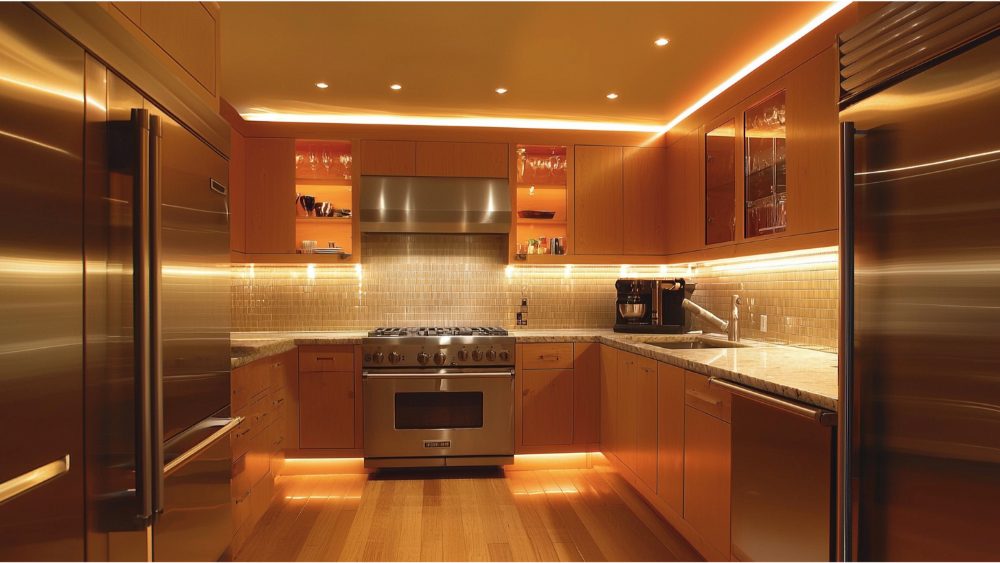
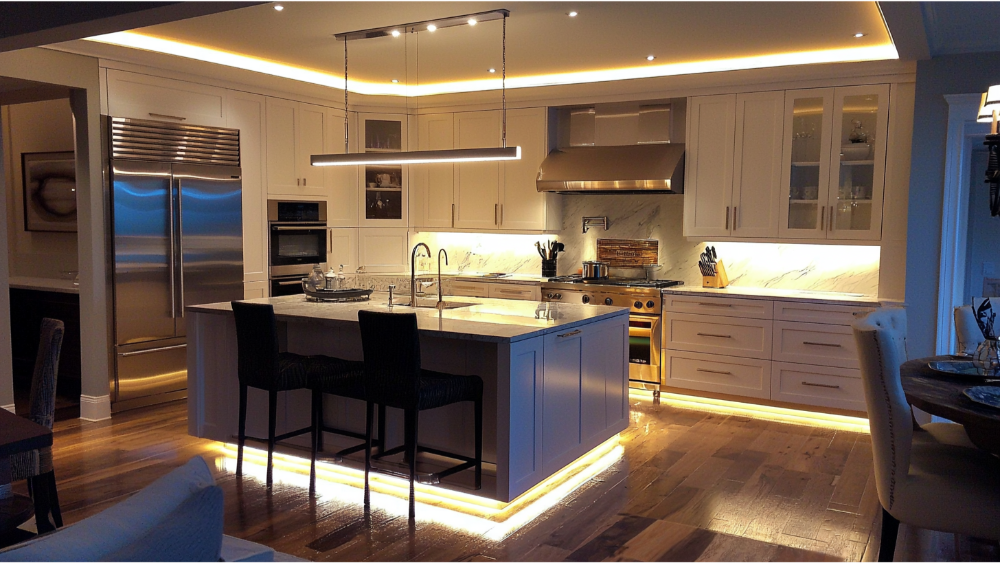
Under kitchen cabinet lighting

Enhanced Functionality

Proper under-cabinet lighting significantly improves the task lighting in your kitchen. With LED lights strategically placed beneath cabinets, you can illuminate countertops precisely where you prepare meals, cut ingredients, or follow recipes, making your kitchen tasks safer and easier.

Aesthetic Appeal

Cabinet lights can add a visual layer to your kitchen’s overall design. Warm lighting under cabinets can create a cozy atmosphere during evening hours, accentuating your kitchen’s style and complementing its color scheme, leading to an inviting ambiance.

Energy Efficiency

Implementing energy-efficient light fixtures like LED lights under your cabinets can reduce energy consumption. These fixtures offer longevity and durability, ensuring your kitchen remains well-lit without significantly impacting your electricity bill, thereby supporting sustainable living.

Breakdown of Lighting Types

Cool Light

Appearance

Cool light typically features a bluish-white hue that can make a space feel modern and sleek. Often compared to daylight, this type of lighting can enhance the visibility of your kitchen’s details.

Best For

Cool lighting is ideal for kitchens where clarity and precision are required. It is perfect for task-oriented areas where accuracy is essential, such as where you might be slicing vegetables or reading recipes.

Pros

LED lighting is often the key to achieving cool light in kitchens, as it is energy-efficient and long-lasting. By utilizing LED options, homeowners can enjoy bright, effective lighting while reducing energy costs.

In addition to energy savings, LED lighting enhances the visual clarity of food and cooking surfaces. This improved visibility aids in precise tasks, making it easier to prepare meals and navigate the kitchen safely.

LED lighting contributes to a modern aesthetic, offering a contemporary look that complements modern kitchen designs. This stylish illumination not only serves a functional purpose but also elevates the overall ambiance of the space.

Cons

The bluish tone can sometimes feel harsh and might not suit every kitchen ambiance. This aspect of the lighting can detract from the overall aesthetic and comfort of the space.

Additionally, this light can make the area feel less cozy, which isn’t ideal for evening dinners or warm family gatherings. A more inviting atmosphere is often desired for such occasions, and the bluish hue may not provide that warmth.

Warm Light

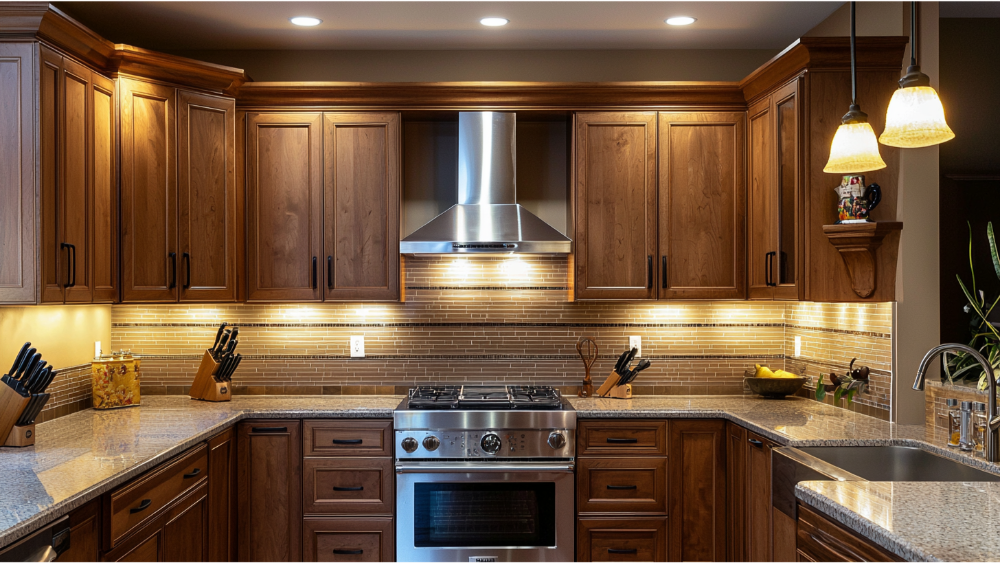
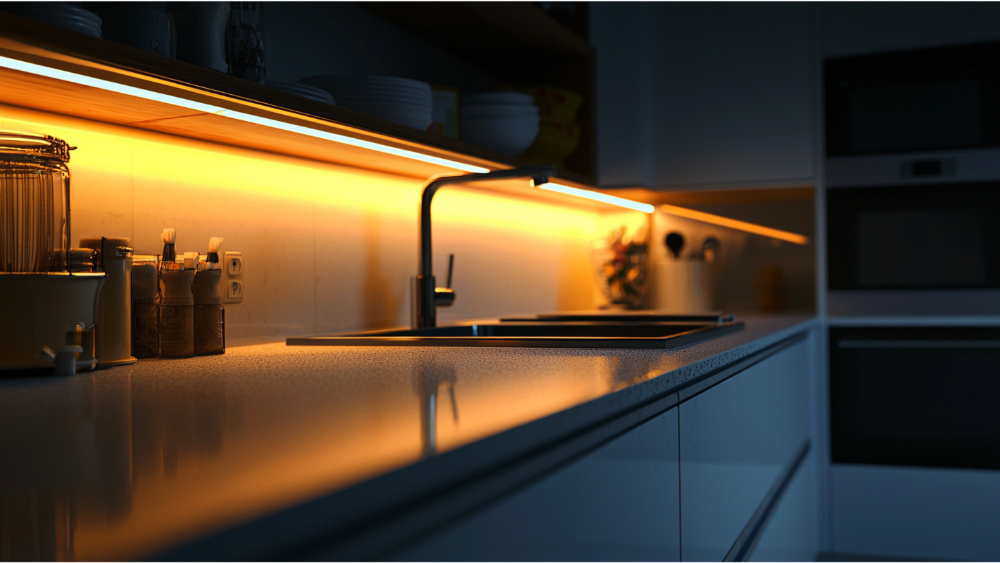
Under kitchen cabinet lighting

Appearance

Warm light emits a soft, yellowish glow that brings a sense of coziness and comfort to a space. It closely mimics the hue created by traditional incandescent bulbs, creating a welcoming and intimate environment.

Best For

Warm lighting is best for creating a cozy and inviting atmosphere, making it ideal for dining areas and kitchens where a relaxed, intimate setting is desired. This type of light is perfect for evening meals or family gatherings, enhancing the warmth and comfort of the space. The softer hue can help to blend seamlessly with traditional or rustic kitchen designs, contributing to a harmonious and welcoming environment. Some may prefer warm lights over cool or natural lights for these reasons.

Pros

Warm light enhances the coziness of a kitchen, creating an inviting atmosphere that is perfect for hosting and entertaining. It complements traditional and rustic kitchen designs, accentuating wood tones and natural elements. Warm light is less harsh on the eyes, contributing to a more relaxing and comforting environment suitable for leisurely meals and family gatherings.

Cons

Reduced visibility can be an issue, as certain lighting may not provide the same level of clarity for intricate tasks compared to cool lighting. The perception of colors can be affected, sometimes altering the appearance of the true colors of food and kitchen surfaces.

Natural Light

Appearance

Natural light mimics the balanced white light of daylight, offering a neutral and balanced hue that closely resembles the natural sunlight that streams through windows. This type of lighting is gentle on the eyes and provides true-to-life color rendering, ensuring that the colors in your kitchen appear as they would in natural daylight.

Best For

Natural light is best for kitchens where a true color representation is essential, such as in spaces where food preparation and presentation are important. This type of lighting is ideal for those looking to achieve an open and airy feel, as it brings the vibrant ambiance of natural daylight indoors. Kitchens with ample natural light can benefit from the balanced brightness it provides, helping create a refreshing and revitalizing atmosphere.

Pros

Versatility is key, as it provides a middle ground that is neither too harsh nor too cozy. This balance allows for a comfortable environment suitable for various activities.

True colors are another advantage, as they offer accurate color representation that enhances both food presentation and kitchen style. This feature ensures that the aesthetics of your culinary creations are highlighted beautifully.

Cons

Inconsistent availability of natural light can pose challenges, as it varies significantly based on the time of day and weather conditions. To address this issue, many find it necessary to supplement natural light with artificial solutions, such as LED light bars, to ensure a more consistent lighting environment.

Choosing the Right Light for Your Kitchen

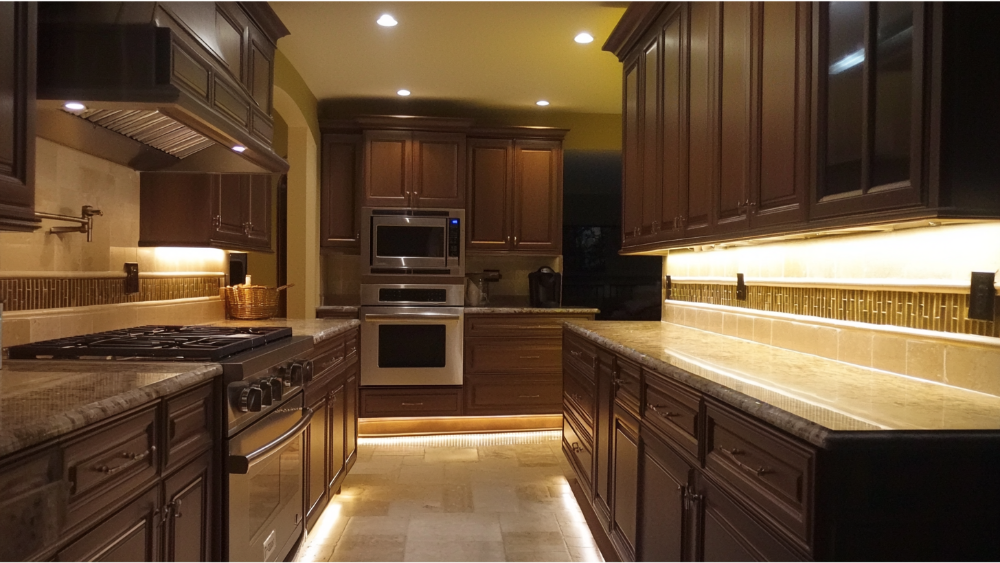
Under kitchen cabinet lighting

Cool Light

Cool light is best suited for modern and contemporary kitchen styles. This lighting pairs well with sleek cabinet designs featuring flat-panel or high-gloss finishes. Recessed lighting and under cabinet lights with LED strips enhance the clean lines and minimalist vibe of such kitchens. Countertop materials like stainless steel or polished quartz complement the bluish hue, adding to the sophisticated feel of the space.

Warm Light

Warm lights complement traditional and farmhouse kitchen styles, where comfort and coziness are paramount. This lighting option works well with shaker-style cabinets or those with a distressed wood finish. Use under cabinet lights to accentuate the warm tones of granite or butcher block countertops. The soft glow of warm light enriches the inviting atmosphere, making it perfect for spaces that emphasize gathering and relaxation.

Natural Light

Natural light is ideal for transitional kitchen styles that blend elements of both modern and traditional aesthetics. Open shelving and light-colored cabinets work well to reflect and enhance the natural light, creating an airy and spacious feel. Countertop materials such as light marble or granite pair excellently, offering a balanced and neutral canvas. Recessed lighting and a strategically placed cabinet light can supplement this when natural light fluctuates, ensuring evenly lit spaces throughout the day.

Task Lighting Vs Ambient Lighting

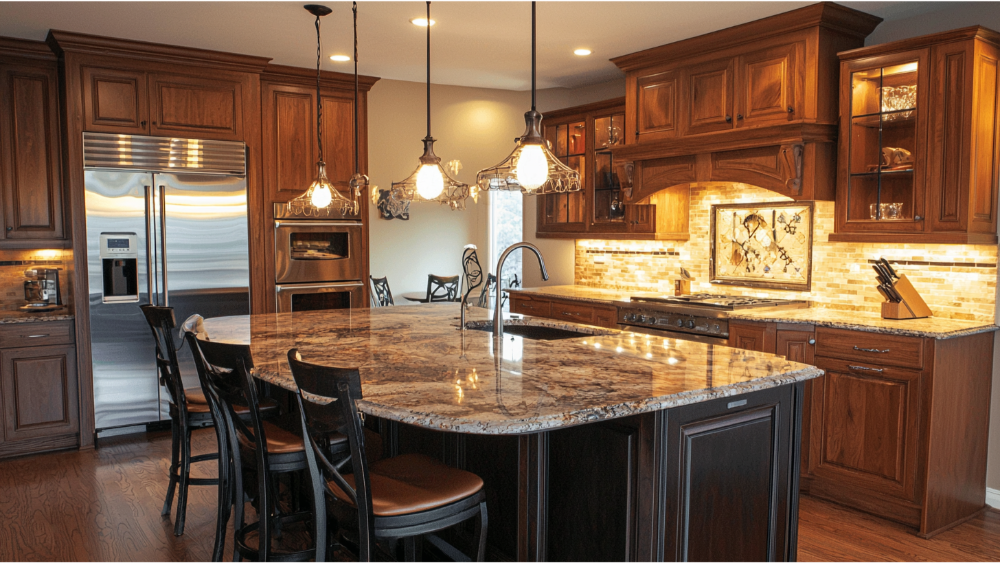
Under kitchen cabinet lighting

Task Lighting

When considering task lighting, the focus is on providing bright, concentrated illumination for specific work areas within the kitchen, such as preparation zones and countertops. Cabinet lighting options, particularly an LED light bar, are excellent for task-specific areas as they supply direct light without casting shadows.

Halogen lights, with their intense output and warm glow, can also be positioned strategically to highlight key working surfaces, enhancing visibility for detailed tasks like chopping or reading recipes.

Ambient Lighting

Ambient lighting serves the purpose of creating an overall illumination that provides a general sense of brightness throughout the kitchen. This type of lighting is crucial for setting the tone and mood of the space, making it feel open and welcoming. Ambient lighting often relies on broader, more diffuse light sources, like flood lights, to cover large areas.

Accent lighting, such as decorative fixtures or under-cabinet lights with dimmable options, can also contribute to the ambient ambiance while emphasizing architectural features or specific design elements of the kitchen. This combination of lighting types ensures both functionality and an inviting atmosphere are achieved within the kitchen environment.

Frequently Asked Cool Natural Or Warm Light Under Kitchen Cabinets Questions

Under kitchen cabinet lighting

Should Under Cabinet Lights Be Warm or Cool?

The choice between warm or cool under cabinet lights largely depends on the overall mood and style of your kitchen, as well as the primary function of the lighting. Warm under-cabinet lights are ideal for creating a cozy and inviting atmosphere, perfectly suited for traditional or farmhouse-style kitchens. This type of lighting enhances earth tones and wood finishes, making it a great choice for spaces where warm hues dominate.

Cool under cabinet lights are perfect for modern or contemporary kitchens, where a sleek and clean aesthetic is desired. The bluish tints complement stainless steel appliances and glossy surfaces, offering both a sophisticated look and clearer visibility for intricate tasks. Ultimately, the decision should align with the style and functionality you wish to achieve in your culinary space.

Are LED Lights Better Than Halogen for Under Cabinets?

When it comes to selecting the best lighting for under cabinets, many homeowners find themselves choosing between LED and halogen options. LED lights are often preferred for several reasons, including their energy efficiency and long lifespan. They consume significantly less power compared to halogen bulbs and have a much longer operational life, often lasting up to 25,000 hours or more. This makes LEDs an eco-friendly and cost-effective choice over time.

On the other hand, halogen lights deliver a warm, bright output that some may find more visually appealing for certain kitchen styles. However, they tend to use more energy and generate a considerable amount of heat, which may not be ideal for all spaces. Frequent replacement is usually required due to their shorter lifespan.

Thus, if energy consumption and longevity are primary concerns, LED lights tend to be a superior option for under-cabinet installations. However, for those who favor the traditional warmth and intensity of light, halogen might still hold appeal despite its downsides. Ultimately, the best choice depends on individual preferences and the specific needs of your kitchen environment.

Do LED Under Cabinet Lights Get Hot?

LED under cabinet lights are known for their energy efficiency and minimal heat output compared to traditional lighting options like halogen bulbs. While all lights generate some level of heat during operation, LEDs remain relatively cool, making them a safer and more environmentally friendly option for kitchen settings.

The design of LED lighting systems includes heat sinks that effectively dissipate any heat produced, ensuring that the surfaces around them remain cool to the touch. This feature not only enhances safety by reducing the risk of burns or heat damage to cabinetry and other kitchen components but also contributes to the longevity of the bulbs themselves, further making LEDs a preferable choice for modern home lighting solutions.

Conclusion

Under kitchen cabinet lighting

Selecting the right kitchen lighting involves balancing both style and functionality to meet the unique needs of your space. Understanding the differences between warm, cool, and natural light can help achieve the desired atmosphere, whether it’s a cozy, inviting environment or a sleek, contemporary look. Task lighting plays a critical role in illuminating work areas, while ambient lighting ensures the kitchen feels open and welcoming.

The choice between LED and halogen options depends largely on priorities such as energy efficiency, lifespan, and heat output, with LEDs generally offering more advantages. By carefully considering these factors, homeowners can create a well-lit kitchen that not only enhances the visual appeal but also improves everyday functionality.

Pocket Sacramento, CA: The Ultimate Guide to Living, History, Homes & Schools In 2025

Опубликовано: September 23, 2024 в 8:32 pm

Автор:

Категории: All

Pocket Sacramento, CA, is a neighborhood with a fascinating history and a serene vibe that has evolved into one of the most desirable suburban areas in Sacramento. Whether you’re a current resident, thinking of moving here, or interested in learning more about the history and lifestyle of the area, this guide will walk you through everything you need to know about Pocket Sacramento.

We’ll dive deep into the history of the neighborhood, its modern-day lifestyle, and the booming real estate market. Plus, if you’re considering remodeling your home—whether it’s the kitchen, bathroom, or the entire house—we’ll explore options to bring your living space up to modern standards. Pocket is a unique blend of charm, history, and the convenience of being just minutes from downtown Sacramento. Let’s explore why it’s such a great place to live.

Satellite view of the Pocket, Sacramento, California.

The History of Pocket Sacramento, CA

From Swampland to Farmland

Pocket Sacramento wasn’t always the peaceful residential neighborhood we know today. Before European settlers arrived, the area was home to the Maidu Native American Tribe, who lived off the land, fishing and hunting during the warmer months. But everything changed during the California Gold Rush in the mid-1800s. As fortune seekers flooded into the Sacramento Valley, settlers began transforming the swampy lands into usable farmland.

However, the real turning point for the area came when Portuguese immigrants from the Azores Islands settled here in the late 1800s. These settlers turned the land into productive farmland by building levees along the Sacramento River to prevent flooding. If you can imagine, what we now call Pocket was once fields of crops like sugar beets, barley, and wheat. Livestock farming was also common, with families raising hogs and chickens for their livelihoods.

These Portuguese immigrants formed a close-knit community. They built St. Mary’s Church, celebrated traditional Holy Ghost festas, and maintained a cultural heritage that is still reflected in the community today. You can feel this sense of tradition when you walk through Pocket Sacramento, and it’s part of what makes this neighborhood so special.

Modern Development: The Greenhaven 70 Project

While farming was the primary activity in Pocket Sacramento during the early 20th century, the mid-20th century brought about a huge shift. In 1958, developers purchased over 700 acres of land to create a planned suburban community. This project was called Greenhaven 70, and its vision was to provide families with a suburban oasis near downtown Sacramento.

By the 1960s, homes, schools, parks, and shopping centers began sprouting up. The development didn’t stop there. Throughout the 1970s and 1980s, the neighborhood grew significantly, with new homes, apartment complexes, and modern amenities popping up everywhere. Today, Pocket Sacramento is a thriving suburban area, beloved for its quiet streets, family-friendly vibe, and proximity to the river.

Living in Pocket Sacramento, CA

Pocket Sacramento strikes a beautiful balance between urban convenience and suburban tranquility. It’s the kind of place where you can enjoy the benefits of living near a major city while still having the peace and quiet of a suburban neighborhood.

The Pocket, Sacramento CA River

Scenic Riverfront Living

One of the most striking features of Pocket Sacramento is its proximity to the Sacramento River. Homes along the river offer stunning views, and the levee trails provide an ideal setting for jogging, biking, or simply taking a leisurely stroll. If you love the outdoors, you’ll enjoy the neighborhood’s abundant green spaces, including Garcia Bend Park and Frank Seymour Park. These parks are local favorites for boating, fishing, picnicking, and even hosting family events.

Amenities Close at Hand

Despite its peaceful setting, Pocket Sacramento has everything you need right at your fingertips. Shopping centers like Riverlake Village Shopping Center and Lake Crest Village Center offer all the essentials, including grocery stores, restaurants, and boutiques. Dining options include local favorites like Cacio, known for its Italian dishes, and Hop Junction, which serves a unique fusion of Indian and American flavors. You won’t have to travel far for a great meal or shopping spree.

Pocket Apartments in Sacramento, CA

Not everyone is looking to buy a home, and if you’re in that group, Pocket Sacramento has plenty of apartment options that offer the suburban feel with the convenience of renting. Renting an apartment in Pocket gives you access to all the neighborhood’s perks without the long-term commitment of homeownership.

  • The Crossings at Riverlake: If you’re looking for resort-style amenities, The Crossings at Riverlake is a great choice. This gated community offers spacious floor plans, a pool, a fitness center, and easy access to walking trails along the river.
  • The Landing at Riverlake: Known for its stunning views of the Sacramento River, The Landing offers modern living with all the conveniences you’d expect—think fitness centers, a pool, and well-maintained grounds.
  • Fountains at Point West: These upscale apartments feature high-end finishes and are close to all the shopping and dining you could ever need.

Renting an apartment in Pocket Sacramento is perfect for young professionals, small families, or retirees who want to enjoy the area’s suburban charm without the responsibilities of homeownership.

Homes for Sale in Pocket Sacramento, CA

If you’re looking to settle down in Pocket Sacramento, you’ll find a variety of housing options, from cozy starter homes to luxurious riverfront estates. The neighborhood is known for its mid-century homes, many of which were built in the 1960s and 70s, but newer developments from the 1990s and early 2000s also provide more modern housing options.

Real Estate Options

  • Single-family homes: The backbone of Pocket Sacramento’s housing market. These homes typically feature spacious yards, mature landscaping, and family-friendly layouts. Many of these homes have been well-maintained and feature mid-century charm.
  • Riverfront estates: For those looking for something more luxurious, Pocket Sacramento has several homes that offer river views, private docks, and custom-built designs. These homes are perfect for buyers seeking high-end living with the serenity of waterfront access.

Buying a Home in Pocket Sacramento

Buying a home in Pocket Sacramento can be competitive, as the neighborhood is highly sought after. Whether you’re a first-time homebuyer or looking for a forever home, it’s essential to work with a real estate agent who understands the local market. The variety of homes in the area means that there’s something for everyone, whether you’re looking for a smaller, more affordable option or a larger estate.

Selling Your Home in Pocket Sacramento

Selling your home in Pocket Sacramento can be just as competitive as buying, given the neighborhood’s desirability. With its quiet streets, scenic views, and proximity to downtown, homes in Pocket often attract a lot of attention from buyers, which can drive up demand and prices. To ensure you get the best value for your home, it’s important to work with a knowledgeable real estate agent who understands the local market dynamics and can market your home effectively to potential buyers. Homes in this area typically sell quickly, so having the right strategy in place can make all the difference.

If you’re looking to sell your house fast for cash in Sacramento, there are options available to expedite the process. Companies like Property Sales Group offer cash deals, allowing you to close quickly without the hassle of traditional real estate transactions. Whether you’re facing a time-sensitive sale or simply prefer a streamlined process, selling your house for cash can provide a quick and easy solution, giving you peace of mind and a fast transaction.

Remodeling in Pocket Sacramento, CA

Many of the homes in Pocket Sacramento are older, and while they have a lot of character, they can often benefit from a little updating. If you live in Pocket and are thinking about upgrading your home, remodeling is a fantastic way to breathe new life into your property.

Kitchen Remodeling Pocket Sacramento

Kitchen Remodeling in Pocket Sacramento, CA

The kitchen is often the heart of the home, and for many homes in Pocket Sacramento, a kitchen remodel is one of the best ways to update your living space. Many kitchens in this area are still reflective of the 1960s and 70s designs, which may not suit modern needs.
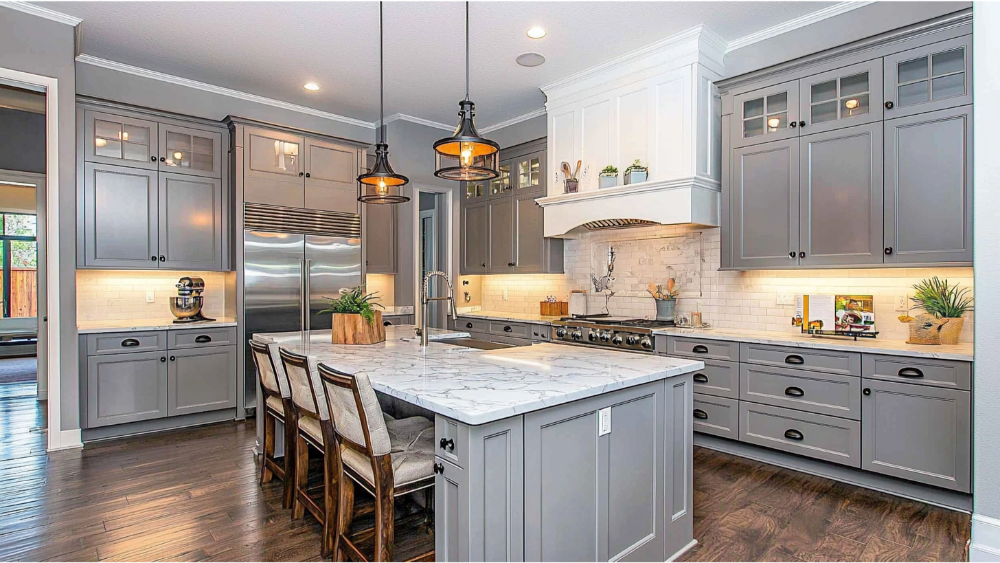
Upgrading your kitchen can include new cabinetry, modern appliances, and an open-concept layout that makes the space more functional and inviting. If you’re looking for professional help, consider working with experts who specialize in kitchen remodeling in Pocket Sacramento, CA to ensure your remodel enhances both the aesthetic and value of your home.

Home Remodeling in Pocket Sacramento, CA

If you’re ready for a full home makeover, home remodeling in Sacramento, CA is an excellent option for homeowners in Pocket. Whether you’re looking to expand your living space, update outdated finishes, or even enhance your home’s energy efficiency, remodeling can completely transform your property.

Older homes in Pocket may need updates to meet modern building codes, enhance energy efficiency, or simply align with current design trends. A full remodel is a great way to modernize your home while maintaining its original charm.

Bathroom remodel Pocket Sacramento

Bathroom Remodeling in Pocket Sacramento, CA

Bathrooms are another area where homeowners often seek to make improvements. Older homes in Pocket Sacramento may have small, outdated bathrooms that no longer meet the needs of modern families. A bathroom remodel in Sacramento, CA can involve updating fixtures, adding modern conveniences like walk-in showers or soaking tubs, and improving the overall layout to maximize space.

Schools and Education in Pocket Sacramento, CA

For families, one of the biggest draws to Pocket Sacramento is the quality of schools in the area. The neighborhood is served by the Sacramento City Unified School District, which includes highly regarded schools such as Matsuyama Elementary School, Caroline Wenzel Elementary School, and John F. Kennedy High School. Get more information on schools in the pocket, CA here.

In addition to strong academics, these schools offer a range of extracurricular activities, including sports, arts, and community service programs. For families with school-aged children, the educational opportunities in Pocket Sacramento are a major plus.

Frequently Asked Questions On The Pocket, Sacramento, CA

What Famous Person Lived in Pocket Sacramento?

Pocket Sacramento has been home to several notable residents over the years. One of the most well-known is Eddie Murphy, the legendary comedian and actor. He reportedly lived in the Pocket area for a period, drawn by its quiet, upscale atmosphere and proximity to downtown Sacramento. Although Eddie Murphy has had homes in multiple locations, his connection to Pocket Sacramento adds to the neighborhood’s allure as a desirable place for both celebrities and everyday residents.

A house with nice siding in the Pocket, Sacramento

Is Pocket Sacramento a Good Place to Live?

Yes, Pocket Sacramento is an excellent place to live, especially for families, professionals, and retirees looking for a peaceful, suburban lifestyle. The neighborhood is known for its friendly atmosphere, tree-lined streets, and beautiful riverfront views. The community offers a variety of amenities, including parks, recreational trails, shopping centers, and top-rated schools. Plus, with its proximity to downtown Sacramento, residents enjoy both the tranquility of suburban life and the convenience of quick access to city amenities. The area’s reputation for safety and strong community ties makes it one of Sacramento’s most sought-after neighborhoods.

What is the Population of Pocket Sacramento?

As of the latest estimates, Pocket Sacramento has a population of around 45,700 residents according to the city of Sacramento. The neighborhood is a melting pot of cultures, with a diverse mix of families, professionals, and retirees. It also has a well-educated population, with a significant percentage of residents holding a bachelor’s degree or higher. This diverse and vibrant community continues to grow as more people discover the unique charm of living in Pocket Sacramento.

What’s the Nicest Part of Sacramento?

Choosing the “nicest” part of Sacramento depends on your preferences, but Pocket Sacramento certainly ranks as one of the most desirable areas. Its quiet, suburban atmosphere, combined with the scenic beauty of the Sacramento River, makes it a top choice for families and professionals alike. Other contenders for the title of “nicest part” include East Sacramento, known for its historic homes and tree-lined streets, and Land Park, which is adjacent to downtown and home to the Sacramento Zoo and William Land Park. Each of these neighborhoods offers its own unique appeal, but for those seeking a peaceful, family-friendly environment with easy access to nature, Pocket Sacramento stands out as one of the best.

Final Thoughts on The Pocket Sacramento, CA

Pocket Sacramento, CA, offers a unique combination of historical significance, scenic beauty, and suburban charm. Whether you’re drawn to the area for its peaceful riverfront setting, its tight-knit community, or the convenience of being close to downtown, Pocket Sacramento is an excellent place to call home.

For homeowners, remodeling projects such as kitchen, bathroom, or full home renovations can increase both the comfort and value of your property. If you’re considering a remodel, reach out to us and get a free remodeling estimate for the Pocket, Sacramento, CA

How Deep Are Kitchen Cabinets? A 2025 Guide

Опубликовано: September 21, 2024 в 9:19 pm

Автор:

Категории: Kitchen

Тэги: ,,

When designing or remodeling a kitchen, understanding the dimensions of kitchen cabinets is crucial for optimizing space and functionality. We will delve into the standard depths of kitchen cabinets, both base and wall-mounted, and explore how these dimensions can affect your kitchen layout.

By providing insights into typical cabinet measurements and customization options, we aim to assist you in making informed decisions that balance aesthetics with practicality in your kitchen design.

Standard Depths of Kitchen Cabinets

Kitchen cabinets

Base Cabinets

Base cabinets, which rest on the floor, typically have a standard kitchen cabinet depth of 24 inches. This dimension allows for ample storage space while ensuring that countertops have enough surface area for food preparation and appliances. The depth of these cabinets can sometimes be customized to accommodate unique kitchen layouts, but 24 inches remains the most common choice for functionality and aesthetics.

Upper Wall Cabinets

Upper wall cabinets are generally shallower than base cabinets, with a standard depth of 12 inches. This dimension is designed to provide adequate storage for dishes and small kitchen items while maintaining enough clearance above countertops to create an open and ergonomically friendly workspace. Adjusting the depth of these wall cabinets may be necessary for specific kitchen designs, but a 12-inch depth is typically ideal for reaching items with ease.

Tall Cabinets

Tall cabinets, also known as pantry cabinets or utility cabinets, typically have a standard kitchen cabinet depth of 12 to 24 inches. These cabinets extend from floor to ceiling and are versatile, offering extensive storage space for pantry items, brooms, or even built-in appliances. The depth of tall cabinets can vary based on individual storage needs and available kitchen space, allowing for customization to fit both form and function.

Custom and Variable Depth Options

Kitchen cabinets

Custom-Built Cabinets

Custom-built cabinets provide the flexibility to deviate from standard cabinet dimensions, allowing homeowners to tailor the depth to fit unique kitchen layouts or to meet specific storage requirements. By adjusting the depth beyond the standard measurements, one can maximize space utilization, ensuring that every inch of the kitchen is optimized for convenience and practicality.

For instance, deeper base cabinets can accommodate larger pots and pans, while custom shallow cabinets might be designed for smaller kitchens to maintain a spacious feel. This adaptability makes custom cabinets an excellent choice for those who have specific items to store or for kitchen designs that demand exact dimensions for harmony and efficiency. Through thoughtful customization, these cabinets can enhance both the functionality and aesthetic of any kitchen space.

Small Kitchen Solutions

In compact kitchens, shallower cabinets with depths ranging from 15 to 18 inches can be a game-changer, providing a sleek and efficient use of space. These cabinets, often used as upper cabinets or filler cabinets, help maintain an open and airy kitchen layout by reducing the optical heaviness that standard-depth cabinets might create in smaller areas.

With these shallower upper cabinets, homeowners can still enjoy ample storage for essential items like glassware, dishes, and pantry goods without sacrificing valuable surface and floor space. Likewise, filler cabinets of similar depth can be strategically placed to utilize awkward spaces or gaps, ensuring no corner goes to waste. This approach not only maximizes storage potential but also enhances the overall flow and functionality of smaller kitchens, allowing for a more enjoyable cooking and dining experience.

Extra Deep Cabinets

Opting for extra deep cabinets, such as those, can be highly advantageous for homeowners who need additional storage space for larger appliances and bulkier items. These cabinets are particularly beneficial in accommodating oversized pots, large kitchen appliances like stand mixers, or stockpots that might not fit comfortably within standard kitchen cabinet dimensions of 24 inches deep.

Double basin sinks can be effortlessly integrated into these deeper cabinets, providing a functional and stylish solution. The increased capacity allows for more organized storage, reducing clutter on countertops and making kitchen spaces appear tidier and more efficient.

In larger kitchens, 36-inch deep cabinets can be seamlessly incorporated into islands or other areas where they enhance functionality without encroaching on movement or workflow. By integrating these deep storage options thoughtfully homeowners can enjoy both a spacious feel and superb utility, striking an ideal balance in their kitchen design.

Depth Considerations for Functionality

Kitchen cabinets

Storage Needs

The depth of kitchen cabinets significantly influences storage capacity and the types of items that can be housed efficiently. Standard wall cabinets, with their typical 12-inch depth, are ideal for storing smaller kitchen items like glassware, plates, and pantry essentials, ensuring they are easy to reach and organize. In contrast, deeper base cabinets, usually around 24 inches deep, are better suited for larger kitchen tools such as pots, pans, and baking dishes that require more space and can be cumbersome if stored elsewhere.

Opting for even deeper cabinets, up to 36 inches, allows the accommodation of oversized appliances and bulkier items, which can help keep countertops clear and maintain the kitchen’s neat appearance. Therefore, choosing the appropriate kitchen cabinet dimensions is crucial for optimizing storage while ensuring that frequently used items are conveniently accessible.

Accessibility

When it comes to accessibility, deeper cabinets often pose a challenge, especially in terms of reaching items stored at the back. This is particularly prevalent in corner cabinets, which can create awkward spaces that are difficult to access and organize. To address this issue, incorporating pull-out shelves and organizers can be a practical solution. These features facilitate easy access by allowing users to slide the contents toward them, minimizing the need to reach far back into the depths of the cabinet.

Pull-out organizers transform hard-to-reach areas into functional spaces, ensuring that every item remains within easy reach. They can help maintain order by providing designated spots for various items, which not only improves access but also maximizes the overall storage capability of corner cabinets. By integrating these solutions, homeowners can enhance both the functionality and convenience of deeper cabinets, making their kitchen experience far more efficient and user-friendly.

Countertop Overhang Considerations

Countertop overhang is another crucial factor in kitchen design, impacting both aesthetics and functional space. Typically, countertops extend over the base cabinetry by about 1 to 1.5 inches, providing a finished look and protecting the cabinetry below. The overhang also ensures that there is ample room for preparing meals without obstructing access to drawers and doors. When designing custom cabinets, the desired countertop hang should be considered alongside the kitchen’s overall layout and flow, ensuring ease of movement and accessibility for daily tasks while harmonizing with the kitchen’s aesthetic appeal.

Frequently Asked How Deep Are Kitchen Cabinets Questions

Kitchen cabinets

What is the Standard Depth of a Kitchen Cabinet?

The standard depth of kitchen cabinets varies depending on their intended use. For kitchen wall cabinets, the typical depth is around 12 inches. This depth is ideal for storing smaller kitchen essentials like plates, glassware, and pantry items, providing easy access while maximizing space.

For a base cabinet, the standard depth is generally 24 inches. These cabinets are designed to accommodate larger items, such as pots, pans, and baking equipment, offering ample storage capacity while ensuring that the countertops above remain clear and organized. It’s also essential to consider standard base cabinet widths when planning the kitchen layout to optimize both functionality and accessibility.

Are All Kitchen Cabinets 24 Inches Deep?

No, not all kitchen cabinets are 24 inches deep. While 24 inches is the standard depth for base cabinets, allowing enough space for larger kitchen items and ensuring a convenient work surface on the countertop above, kitchen cabinets come in various depths to suit different purposes and layouts. Wall cabinets, for instance, are usually around 12 inches deep, making them perfect for storing smaller items such as dishes and glassware within easy reach.

Some specialty cabinets, like pantry units or extra deep base cabinets, can be up to 36 inches deep to accommodate bulkier items or oversized appliances. Custom cabinetry can also be tailored to specific dimensions, providing flexibility to meet unique space requirements and storage needs. Therefore, the depth of kitchen cabinets is varied and customizable, depending on the specific needs and design of the kitchen.
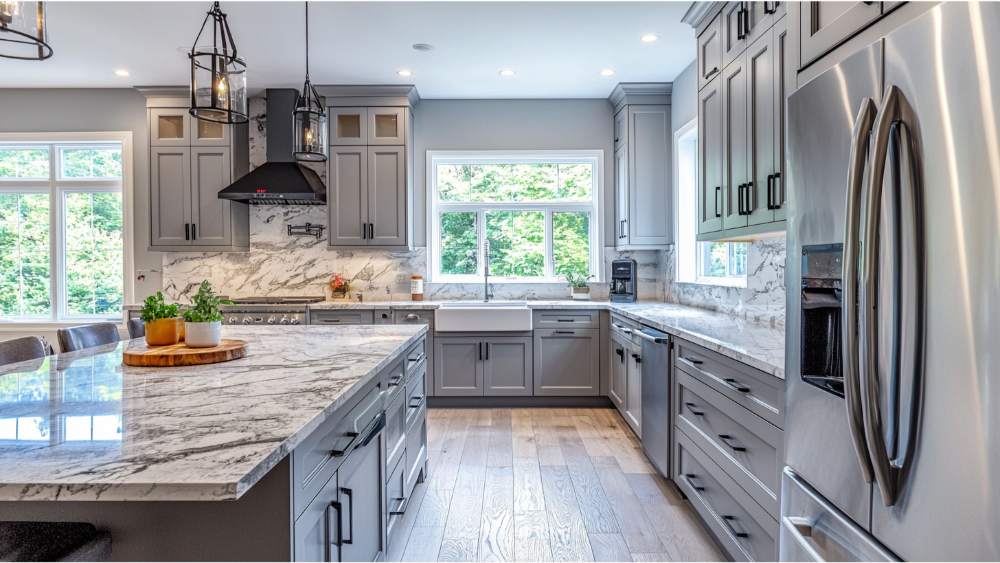
How Deep Are Custom Kitchen Cabinets?

Custom kitchen cabinets offer a great degree of flexibility in terms of depth, allowing homeowners to tailor their kitchen storage solutions to their unique needs and preferences. While standard cabinet depths serve as guidelines, custom cabinets can be designed to deviate from these norms, accommodating specific items or architectural features.

A homeowner might choose to create custom cabinets that are 30 inches deep to provide additional storage for larger appliances or cookware. Shallower custom cabinets around 15 inches deep could be utilized in narrow spaces where a conserving room is necessary. The ability to specify exact dimensions means that custom kitchen cabinets can blend seamlessly with the overall kitchen design, enhancing both functionality and aesthetics while addressing any unique constraints or requirements of the space.

Conclusion

The depth of kitchen cabinets plays a pivotal role in determining the functionality and efficiency of a kitchen space. Choosing the right cabinet depth is essential for organizing kitchen items conveniently and ensuring a seamless workflow. While standard depths of 12 inches for wall or upper kitchen cabinets and 24 inches for base cabinets provide a general guideline, there are numerous options, including custom cabinet designs, to accommodate specific storage needs and preferences. Considerations such as accessibility, the use of pull-out shelves, and appropriate countertop overhangs further enhance the practicality and aesthetic appeal of a kitchen. By carefully selecting kitchen cabinet dimensions and features, homeowners can transform their kitchen into a well-organized, user-friendly space tailored to their lifestyle.

What Makes a Kitchen Look Expensive In 2025? 8 Ways You Can Make Your Kitchen Look Expensive

Опубликовано: September 19, 2024 в 10:25 pm

Автор:

Категории: Kitchen

Тэги: ,,

It’s not just about the price; it’s about choosing the right materials, finishes, and design to make the space look high-end. Whether you’re on a tight budget or willing to splurge there are many ways to turn an ordinary kitchen into a luxury oasis. In this guide, we’ll go through the must-haves that make a kitchen look expensive, from cabinetry and countertops to lighting and accessories.

Why Design is Important

First Impressions and Aesthetics

The overall design and layout of your kitchen are key to whether it looks expensive or not. From the moment you step into the kitchen, the aesthetics should shout luxury. Design choices like a balanced color palette, clever use of space, and high-end materials give that first “wow” factor. Luxury in design isn’t always about spending a lot of money; it’s about making the space feel elegant and thought-through.

A high-end kitchen should balance form and function. For example, practical design features like hidden storage or built-in appliances give a clean, streamlined look. These features not only improve the functionality of the kitchen but also the luxury feel. Beautiful aesthetics with practicality is the key to a high-end design.

Form and Function in a High-End Kitchen

It’s not enough for a kitchen to look good – it also has to work well. Clever use of space is a must-have in any high-end kitchen. For example, maximizing countertop space, choosing appliances that are easy to clean and maintain, and hidden storage solutions all contribute to a kitchen that feels as good as it looks.

1 | Cabinetry – The Foundation of a Luxury Kitchen

Kitchen cabinets

Cabinets are one of the biggest features in any kitchen and have a big impact on the overall look. Custom cabinetry is often associated with high-end kitchens because it gives a tailored, cohesive look. While custom cabinets can be expensive, there are budget-friendly alternatives like repainting or refacing existing cabinets to get a similar effect.

Custom vs Stock Cabinets

Custom cabinets allow you to design a unique look tailored to your needs and preferences. These cabinets can be designed to fit perfectly into your space giving a seamless high-end look. If custom cabinetry isn’t in your budget consider refacing or painting your existing cabinets to give them a fresh new look.

Color Options for High-End Look

The color of your cabinets has a big impact on the luxury of your kitchen. Classic neutrals like white, cream, or soft grey are timeless and never go out of style. Bold sophisticated colors like deep blue, forest green, or matte black can make a dramatic modern statement. Pair these colors with the right hardware and countertops and the space feels luxurious.

Hardware as a Design Statement

Changing your cabinet hardware is a small but big impact way to make your kitchen look more expensive. Brass, matte black, or polished chrome handles can dress up even the most basic of cabinets. Choose modern minimalist hardware to match sleek cabinet designs or go for ornate classic pieces to add a touch of vintage luxury.

2 | Countertops – The Centre of Luxury Kitchens

Kitchen countertops

Counters are one of the first things people see in a kitchen so they are the focal point for creating a high-end look. Natural stones like marble and granite are often associated with luxury but other options can give you the same look without the price tag.

Material for a Luxe Finish

Marble, granite, and quartz are all popular choices for luxury counters. These materials look beautiful and are durable and long-lasting. But they can be expensive. Quartzite and engineered stone give you the same luxe look for a fraction of the price. Both are heat resistant and easy to maintain so perfect for everyday use.

Countertop Edge Finishes that Add the Wow

The edge finish of your counters can make a big impact on how luxurious the space feels. Ogee and bullnose edges give a more elaborate traditional look, and straight and square edges give a sleek modern look. These subtle design details add to the overall look of the kitchen.

3 | Lighting – The Secret to a Luxury Kitchen Vibe

Kitchen lighting

Lighting is often the most overlooked part of kitchen design but it’s a big part of creating a luxurious feel. The right lighting can highlight the design elements of your kitchen and make it feel inviting and high-end.

Layering Lighting for an Expensive Look

A combination of ambient, task, and accent lighting creates a well-lit, functional, and beautiful kitchen. Task lighting like under cabinet lights illuminates the work areas while keeping it sleek. Ambient lighting like recessed lights or ceiling fixtures makes sure the kitchen is evenly lit and accent lighting like pendant lights adds the decorative touch.

Statement Fixtures

One of the simplest ways to add luxury to your kitchen is to install statement lighting fixtures. Pendant lights over islands or chandeliers can be focal points and add glamour to the space. The right fixtures not only provide the necessary lighting but also contribute to the overall design of the kitchen.

4 | Appliances and Fixtures – The Jewellery of the Kitchen

Kitchen appliances

Just like accessories can make an outfit, high-end appliances, and fixtures are the “jewelry” of the kitchen. Stainless steel, panel-ready appliances, and statement faucets can give your kitchen a high-end look without overwhelming the design.

High-End Appliances for a Luxury Kitchen

Stainless steel, panel-ready, and smart appliances are all signs of a luxury kitchen. Panel-ready appliances that can be hidden behind cabinet fronts give a seamless custom look. Smart appliances that integrate with your home’s technology add modern functionality to the space without overwhelming the design.

Statement Faucets and Sinks

Faucets and sinks are often overlooked but can make a big impact on the overall design. Brushed gold, matte black, or polished chrome faucets are a focal point in the kitchen and add luxury. Farmhouse sinks or under-mount sinks provide practical benefits and add to the sleek high-end look.

5 | Flooring – The Base of a Luxury Kitchen

Kitchen flooring

The type of flooring you choose can make a big impact on the overall look and feel of your kitchen. Natural materials like hardwood and stone are classic choices for luxury kitchens but there are budget-friendly alternatives that can mimic the look of more expensive materials.

Natural Materials

Hardwood and stone flooring add warmth and texture to the kitchen and look sophisticated. While these materials can be expensive there are budget-friendly alternatives like high-quality vinyl or ceramic tiles that look the same without the price. These materials are durable, easy to clean, and come in a wide range of styles and finishes.

Patterns and Layouts That Add Visual Appeal

The way your flooring is laid can also add to the luxury of your kitchen. Herringbone and chevron patterns add visual interest and sophistication, wide plank flooring can make a small kitchen feel bigger and more spacious.

6 | Backsplashes – A Small Detail with Big Impact

Kitchen backsplash

Backsplashes are a small part of the kitchen but can have a big impact.

Material for a Luxury Backsplash

Marble, glass, and subway tiles are all great choices for a luxury kitchen backsplash. A full-height backsplash that goes from countertop to ceiling can create a seamless high-end look especially when using marble or glass.

Textures and Patterns That Add to the Space

Adding texture with mosaic tiles or using large format tiles with fewer grout lines can create a clean look. The fewer grout lines the more luxurious the design will feel as it adds to the seamless-ness of the kitchen.

7 | Organising for Luxury – Declutter and Simplify

Simple kitchen

An organized, clutter-free kitchen looks more refined and expensive. Hidden storage solutions and minimalism add to the clean look.

Hidden Storage

Hidden storage like pull-out drawers, hidden trash bins, and built-in pantry systems keep clutter at bay while maintaining a clean modern look.

Minimalism and Simplicity

Keeping counters clear of appliances and gadgets allows the design elements of the kitchen to be seen. A minimalist approach with less visible objects and clean lines can make the space feel more open and luxurious.

8 | Finishing Touches

Kitchen remodel

Small details like wall art, décor, and custom window treatments can make a kitchen feel complete and expensive.

Wall Art and Décor

Adding carefully selected artwork or high-end décor can take your kitchen to the next level. Framed art or gallery walls with personal photos or artistic pieces can add personality and luxury to the space.

Custom Window Treatments

Drapes, blinds, and shutters are the final touches to the kitchen. The right window treatments not only control light and privacy but also add to the overall look of the room.

Crown Moulding and Trim for a finish

Crown molding and trim around cabinets and ceilings can finish off the space and make it look high-end. These small details complete the design and give the kitchen a custom look.

Conclusion

You don’t need a big budget to make a kitchen look expensive, it’s all about making smart design decisions that lift the space. From updating cabinetry and countertops to choosing the right lighting and finishing touches, every little bit counts.

What is the First Thing to Do When Remodeling a Kitchen?

Опубликовано: September 18, 2024 в 8:59 pm

Автор:

Категории: Kitchen

Тэги: ,

Remodeling a kitchen is a big deal and requires some thought and planning. We want to get to the fun stuff like choosing cabinets or picking out new appliances, but first, you need to plan. Proper planning will make the process smooth, keep you on budget, and end up with a kitchen that meets your functional and aesthetic needs.
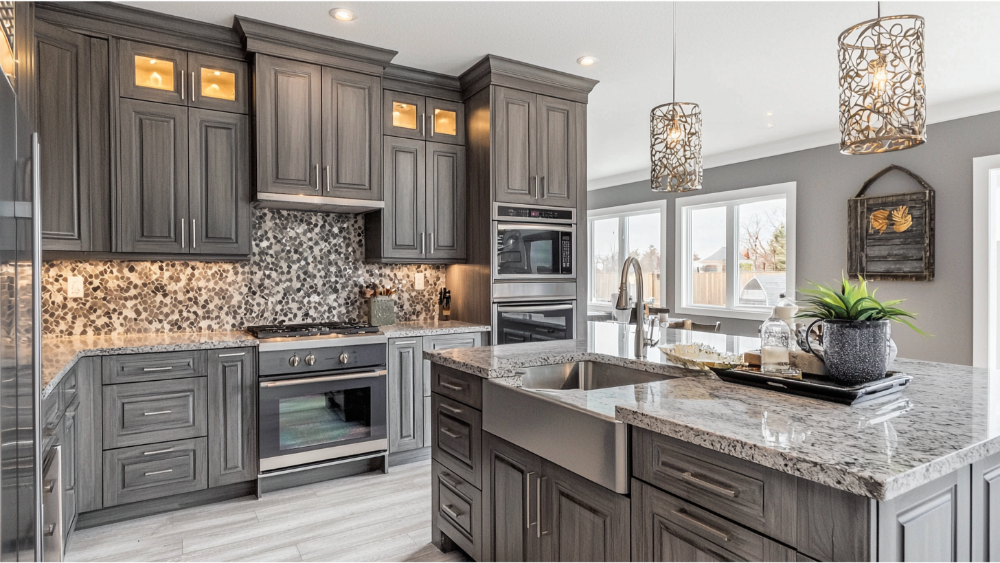
Why Planning Matters

Planning is the first and most important phase of a kitchen remodel because it sets the tone for the whole project. Without a plan, you’ll make costly mistakes or experience delays. According to the experts, thorough planning can avoid problems like poor layout choices or structural surprises that will blow your timeline and budget.

Proper planning will also give you a space that’s not only beautiful but functional. If you rush the design phase you might end up with a kitchen that has no storage or poor workflow and daily tasks like cooking and cleaning will be harder.

How Planning Relates to Budget and Timeline

One of the biggest benefits of planning is how it relates to budget and timeline management. With a plan in place, you can set a realistic budget that accounts for everything from labor to materials. This way you can prioritize your spending on what’s most important to you, whether it’s high-end appliances or custom cabinetry.

Similarly, planning will help you set a timeline for the remodel. By breaking down each phase like demolition, plumbing, and cabinet installation you can ensure the project moves forward without unnecessary delays. Having a defined timeline will also allow you to coordinate the delivery of materials and the schedules of contractors, minimizing downtime.

What Homeowners Face Without Planning

When homeowners skip the planning phase or don’t spend enough time on it they often run into problems down the line. One of the most common is finding out the new layout doesn’t fit the space as expected and having to make costly changes. Another is running out of budget halfway through the project and having to compromise on finishes or materials. Planning will prevent these issues by allowing you to think through everything ahead of time.

What to Do First When Remodeling Your Kitchen

A man planning his kitchen remodel

Your Needs and Goals

The first step in planning your kitchen remodel is to assess your current space and determine your needs. What do you love about your current kitchen and what frustrates you? Is it the lack of storage, poor lighting, or outdated appliances? Make a list of must-haves and nice-to-haves to focus on what’s most important.
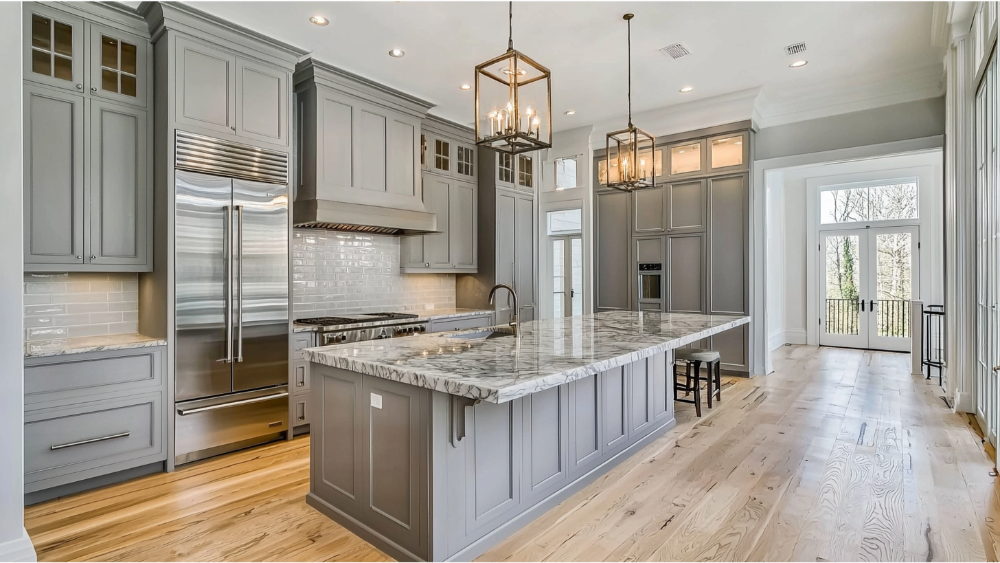
You should also think about your long-term goals. Are you going to sell the home in a few years or is this your forever kitchen? If resale is a priority your remodel should focus on features that appeal to buyers like modern appliances and durable countertops. If you’re remodeling for personal enjoyment you can focus on design elements that suit your style and needs.
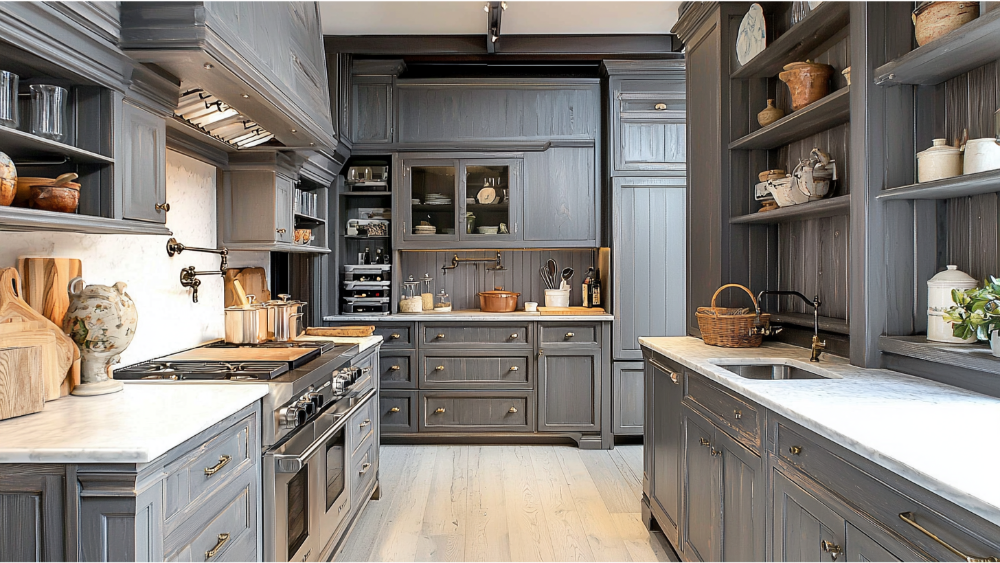
Your Wishlist

Start by making a wishlist of what you want in your new kitchen. This could be a kitchen island, a farmhouse sink, or a double oven. By prioritizing your list you can focus on must-haves and stay within budget and add any nice to-haves if there’s room in the budget later.

Realistic Budget

Once you know what you want to achieve the next step is to set a realistic budget. Remodeling costs can vary greatly depending on the size of your kitchen, the materials you choose, and whether you’re hiring professionals or doing some of the work yourself.

You should get multiple quotes from contractors and suppliers to get the full scope of the project. Remember to include labor costs, material costs, and a contingency fund (10-20% of the total budget) for any unexpected issues that may arise during the remodel.

Contingency Fund

A contingency fund is important because remodeling projects often uncover hidden problems like water damage or outdated electrical systems. Without a buffer in your budget, these issues can derail the project and force you to compromise on the final design.
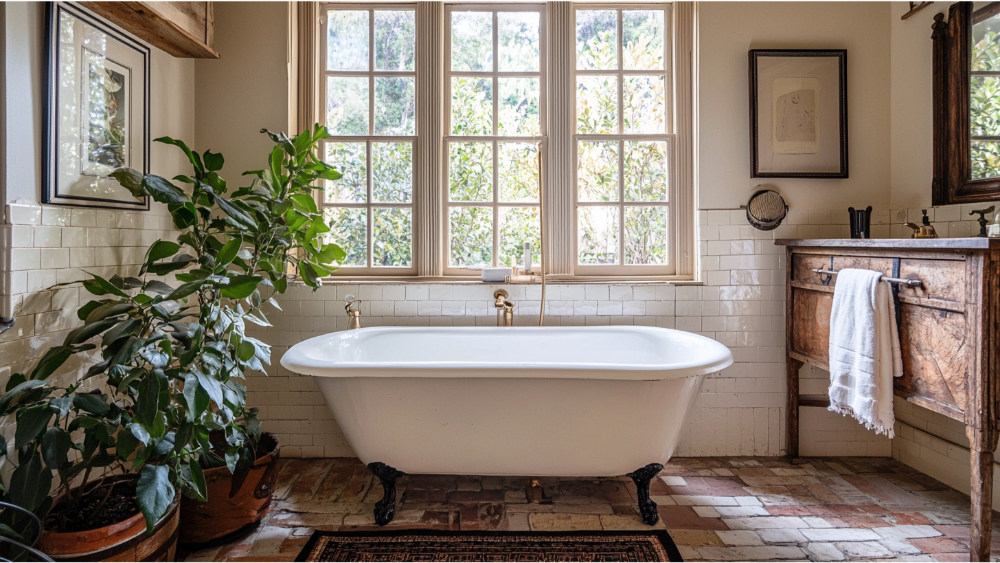
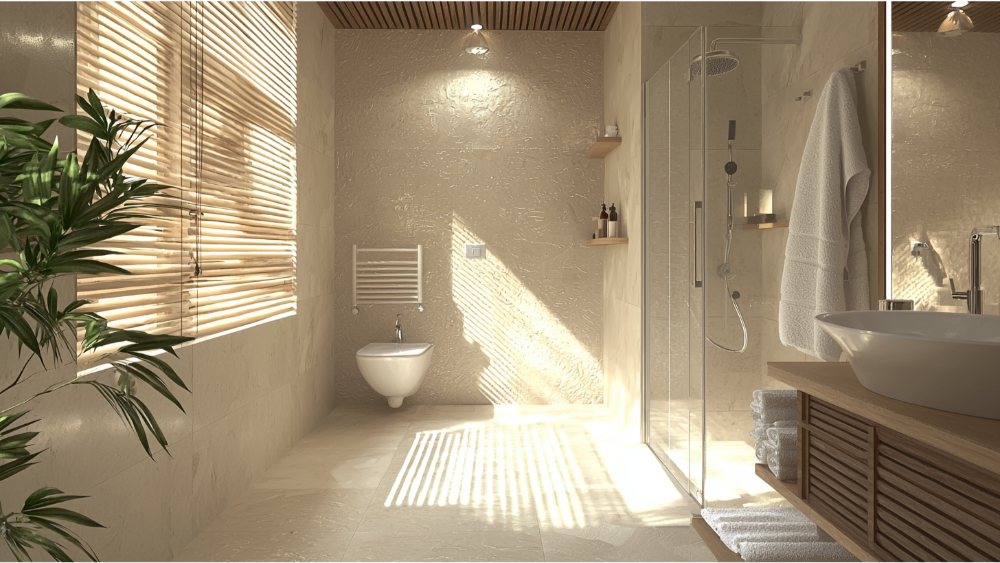
Layout and Design

A good layout is the foundation of a functional kitchen. When designing your kitchen consider the kitchen work triangle which is the placement of the sink, stove, and refrigerator to create an efficient workflow. Popular kitchen layouts are L-shaped, U-shaped, galley, and open-concept.

Design Tools and Professional Help

Many homeowners find it helpful to use kitchen design software or consult with a professional kitchen designer during this phase. These tools and experts can help you visualize different layouts and suggest space-saving solutions or design features you may not have thought of.

Who to Hire for Your Kitchen Remodel

Two men remodeling a kitchen

General Contractor vs DIY

One of the biggest decisions you’ll have to make is whether to hire a general contractor or do some of the work yourself. A general contractor will manage the entire project including hiring subcontractors and making sure everything is done to code. But this convenience comes at a cost, contractors typically charge 15-20% of the total project budget.]

Hire America’s Advantage Remodeling Today!

If you have the skills and experience you can save money by doing some of the work yourself like demolition or painting. Just be aware that DIY projects can take much longer and often require a steep learning curve.

When to Hire a General Contractor

For tasks like electrical work, plumbing or structural changes hiring a general contractor is usually the way to go. They have the expertise and licenses to ensure the job is done safely and to code.

Research and Selecting a Contractor

Choosing the right contractor is key to a successful remodel. Start by asking friends or family for referrals and check online reviews. Once you have a few candidates on your list ask for quotes and meet with each contractor to go over your project.

Contract Terms

When hiring a contractor make sure to have a written contract. This should include the scope of work, payment schedule, timeline, and any warranties on labor or materials. A good contract protects both you and the contractor and makes sure everyone is on the same page.

Your Dream Kitchen

Materials and Finishes

Choosing materials and finishes is the fun part of the remodel but you have to balance aesthetics with durability. For example, quartz countertops are popular for their look and low maintenance while hardwood floors are warm but require more care than tile.

Aesthetics vs Durability

When choosing materials think about how they will hold up to daily use. Marble countertops look great but are prone to staining and scratching. If you want a low-maintenance option consider quartz or laminate.

Kitchen Storage

A well-designed kitchen maximizes storage with features like pull-out shelves, lazy susans, and deep drawers for pots and pans. Consider vertical storage solutions like tall cabinets or open shelving to make the most of every inch.

Cabinetry and Shelving for Storage

Custom cabinetry can be tailored to your needs with features like built-in spice racks, utensil drawers, and pull-out trash bins. Open shelving is another trendy option that adds visual interest and keeps frequently used items at your fingertips.

Timeline and Budget

A man walking in his new kitchen

Create a Detailed Timeline for Your Remodel

A detailed timeline will keep the project on track and prevent delays. Break down the remodel into phases like demolition, electrical work, and cabinet installation, and assign a timeframe to each task. Make sure to share this timeline with your contractor so everyone is on the same page.

Budget Tracking

Tracking your budget throughout the remodel is key to not overspending. Use a spreadsheet or budgeting app to log every expense and compare to your original budget. If you encounter unexpected costs adjust your budget accordingly but don’t cut corners on important items like plumbing or electrical work.

What to Do When Unexpected Costs Happen

When unexpected costs come up like finding out the wiring is outdated or there is hidden water damage you need to dip into your contingency fund rather than compromise on materials or workmanship.

Remodeling Prep

Prepare Your Home for Construction

Remodeling a kitchen can be messy so make sure to prepare your home and family for the construction phase. Set up a temporary kitchen in another room with the essentials like a microwave, mini-fridge, and coffee maker.

Temporary Kitchen

Cook meals in advance and freeze them for easy reheating. This will save you from ordering takeout every night during the remodel.

Delays and Setbacks

Delays happen in kitchen remodels especially if materials are backordered or unexpected issues arise. Stay flexible and communicate with your contractor regularly to manage expectations and keep the project moving.

Be Flexible with Your Timeline

While it’s important to have a timeline understand that some delays are going to happen. Build some buffer time into your schedule to account for these setbacks without stressing about finishing on time.

Conclusion

A kitchen remodel drawing

Final Inspections and Walkthroughs

Before your contractor wraps up the project do a final inspection to make sure everything is complete to your liking. This is your chance to address any issues like unfinished trim or minor repairs.

Punch List

A punch list is a document that outlines any remaining tasks or fixes that need to be done before the remodel is complete. Review this with your contractor and schedule a follow-up if needed.

Enjoy Your New Kitchen

After weeks or months of work, your new kitchen is finally done. Take some time to enjoy the space with family and friends and celebrate the completion of the remodel. With proper planning and the right contractor, you can turn your kitchen into a space that is functional and beautiful. So sit back, relax, and enjoy your new kitchen! There’s so much to consider when designing your dream kitchen from choosing the right materials and finishes to storage and timeline and budget.

,