Butcher Block Countertops: Pros, Cons, and Whether They’re Right for You (2026)
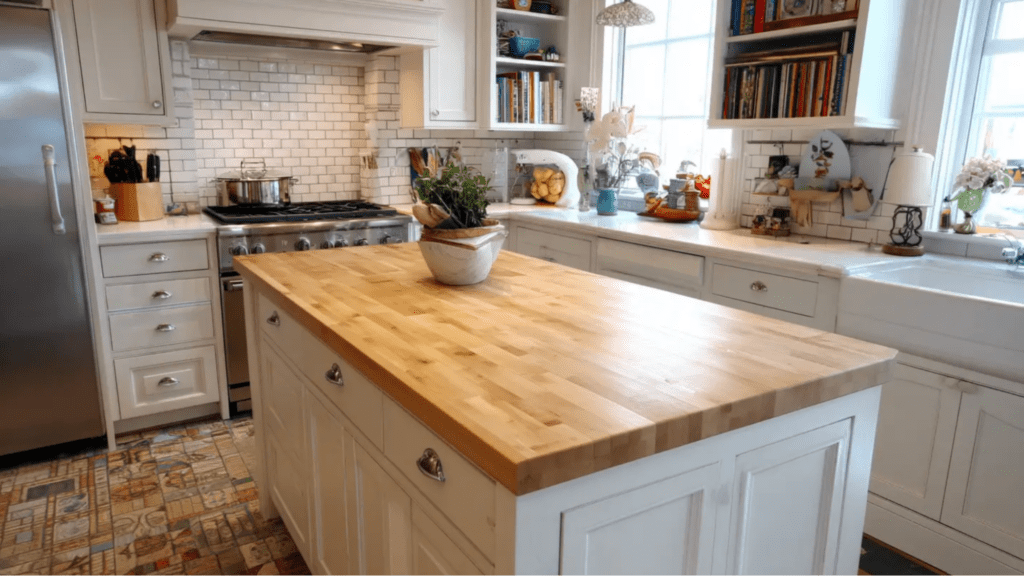
Butcher block countertops are solid wood surfaces — usually maple, oak, walnut, or birch — that bring warmth and a natural, hand-crafted look to a kitchen. Their biggest advantages are beauty, affordability relative to stone, and the fact that they can be sanded and refinished if they get scratched or stained. The trade-offs: they need regular oiling or sealing, they’re sensitive to standing water and heat, and they require more care than stone or quartz. For the right kitchen, they’re a stunning, characterful choice.
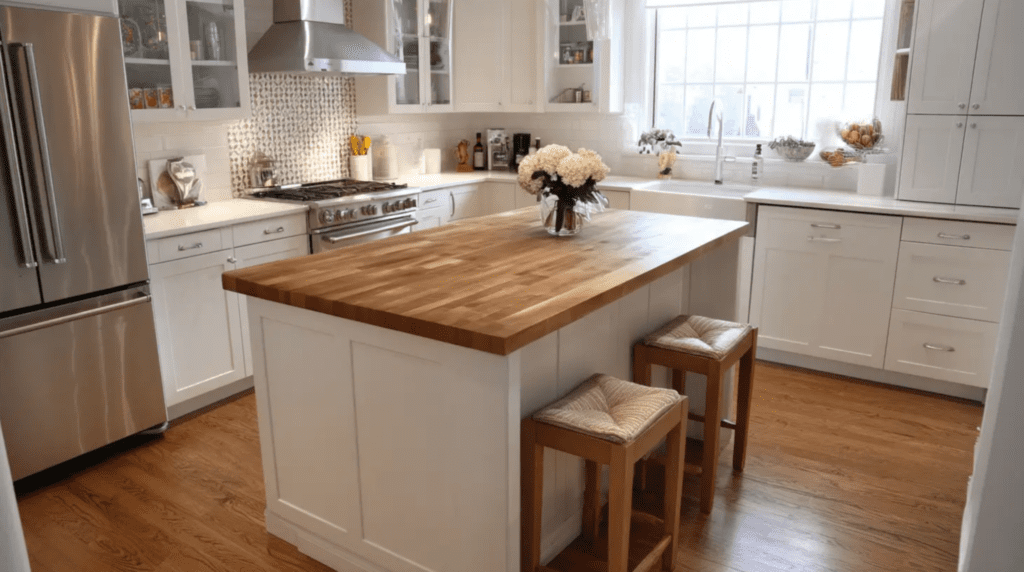
If you’ve fallen for the warm, organic look of wood counters but keep hearing they’re a maintenance headache, this guide gives you the honest pros, cons, and care reality — so you know exactly what you’re signing up for.
What Are Butcher Block Countertops?
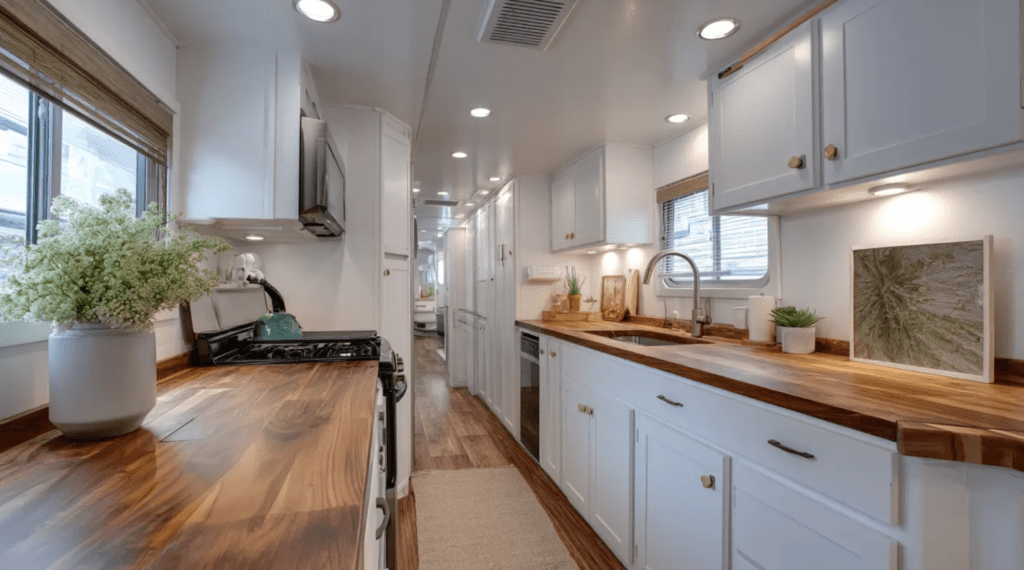
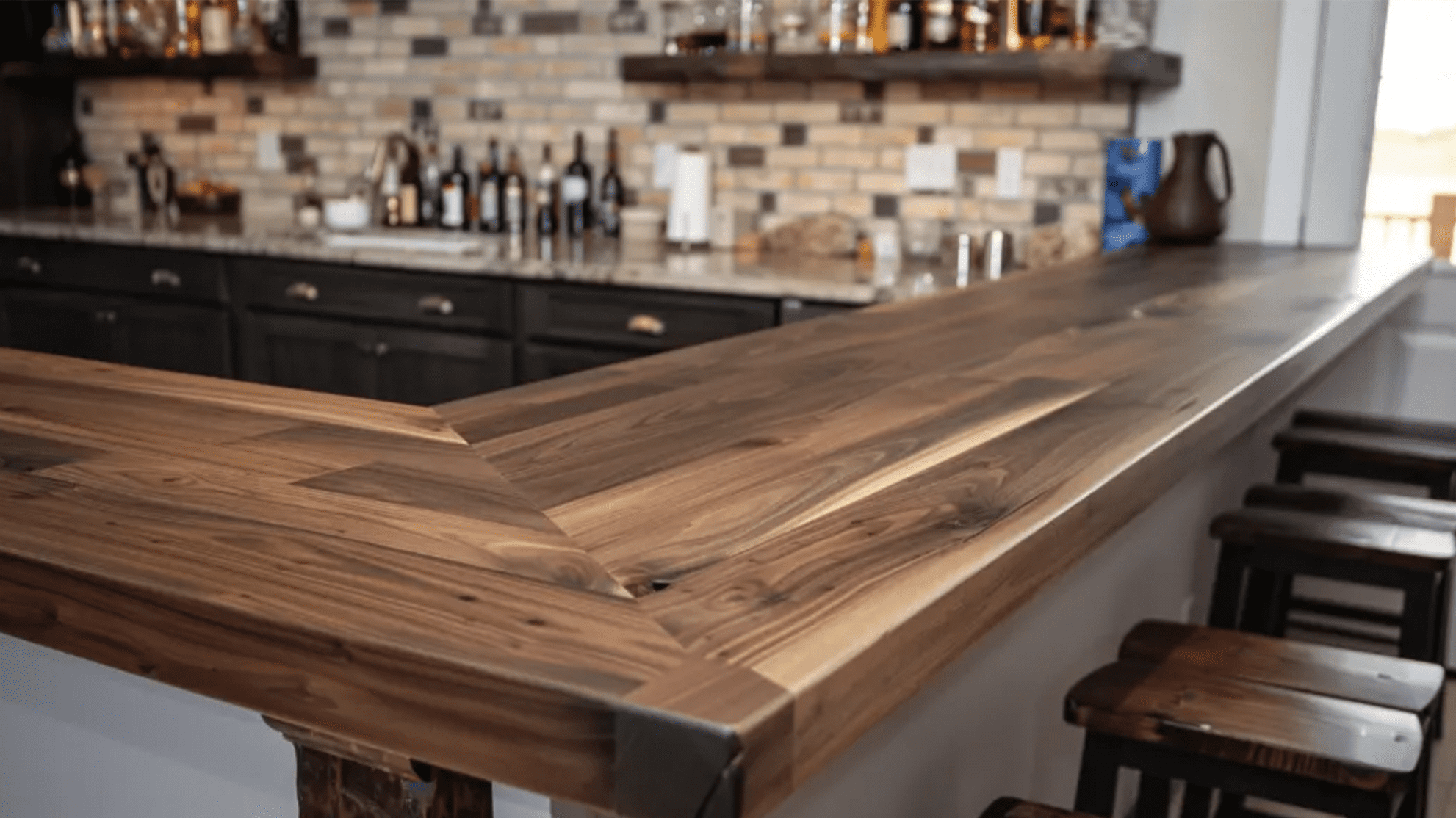
Butcher block is made by joining strips or boards of solid wood into a thick, durable slab. There are three common constructions: edge grain (long boards joined side by side — the most popular and budget-friendly), end grain (small blocks standing on end, the classic “chopping block” look, most durable and most expensive), and face grain (wide boards showing the full grain — beautiful but softer). The wood species and grain you choose affect both the look and the durability.
The Pros of Butcher Block
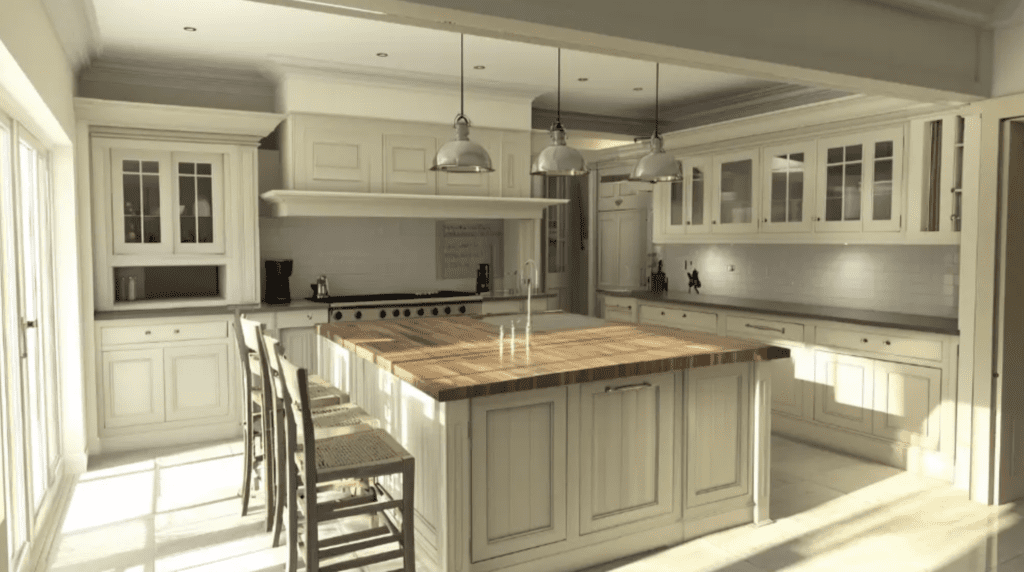
Warmth and natural beauty. Nothing matches the warm, organic look of real wood. It softens a kitchen and pairs beautifully with both modern and farmhouse styles.
More affordable than premium stone. Butcher block typically costs less than quartz, granite, or quartzite, making it a way to get a high-end look on a more modest budget.
Renewable and repairable. This is butcher block’s superpower: scratches, stains, and even burns can be sanded out and the surface re-oiled, returning it to like-new. Stone can’t do that.
Knife-friendly and food-safe. Properly maintained wood is gentle on knife edges and safe for food prep when finished with a food-safe oil.
Warm to the touch. Unlike cold stone, wood feels warm and inviting — a small but real everyday pleasure.
The Cons of Butcher Block
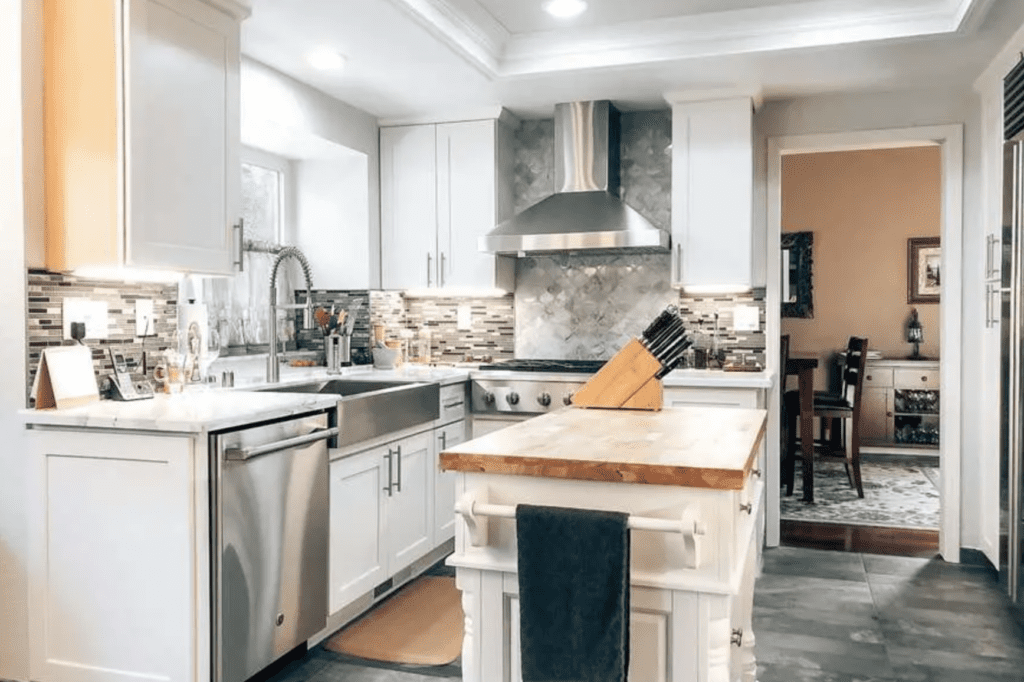
Requires regular maintenance. Butcher block needs periodic oiling (mineral oil or a food-safe finish) to stay sealed and water-resistant — often every few weeks at first, then less frequently. Skipping it leads to drying and cracking.
Sensitive to water and heat. Standing water can cause staining, warping, or splitting over time, especially around the sink. Hot pans can scorch the surface, so trivets are a must.
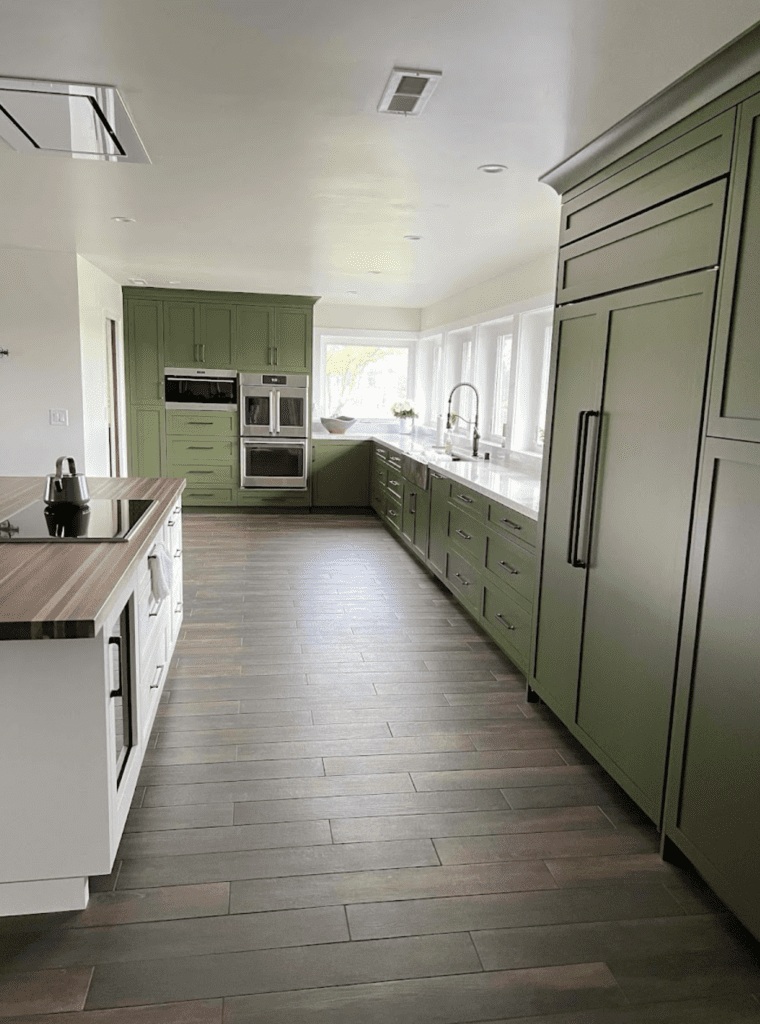
Scratches and dents. Wood is softer than stone, so it shows knife marks and dents more readily — though, again, these can be sanded out.
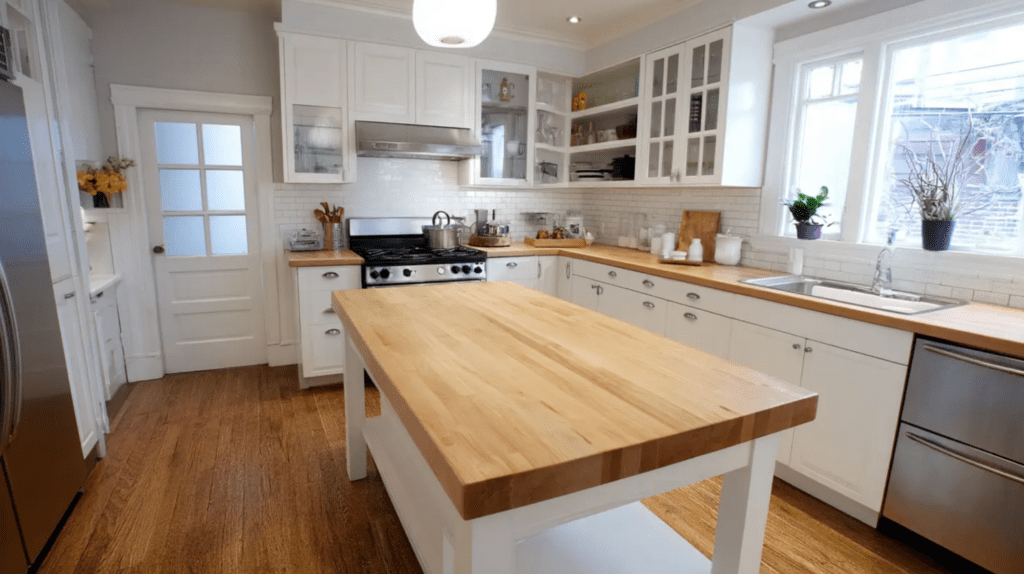
Not ideal everywhere. Many homeowners use butcher block as an accent (an island, a coffee station, or a baking zone) rather than for the entire kitchen, pairing it with stone or quartz in the wet and high-heat areas.
Best Wood Types for Butcher Block
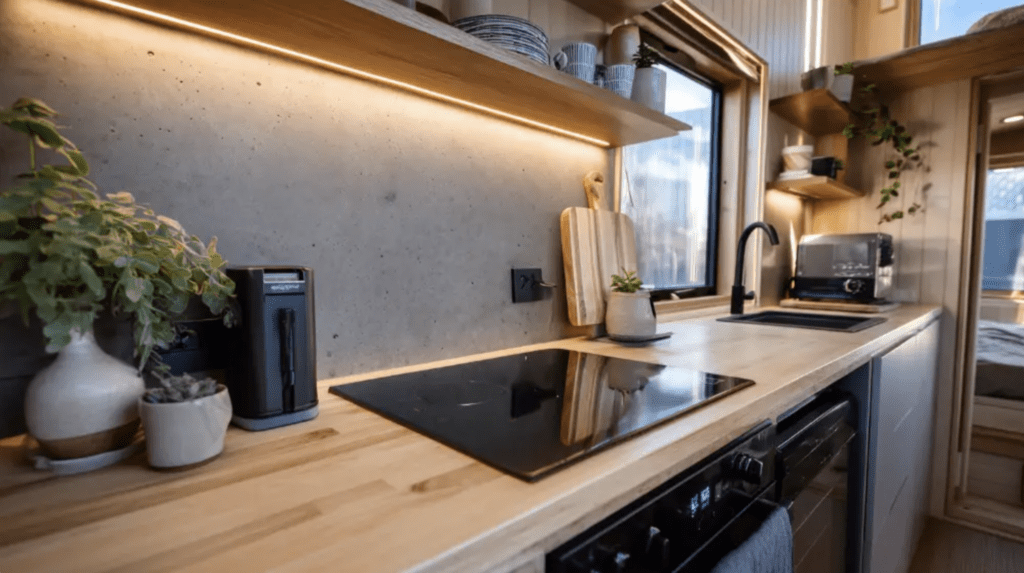
Maple is the most popular — hard, light-colored, affordable, and durable. Oak offers a more pronounced grain and warm tone. Walnut is a premium choice with rich, dark color and a luxurious look. Birch and cherry are also used for specific tones. For most Sacramento kitchens, maple delivers the best balance of durability, look, and value.
How to Care for Butcher Block
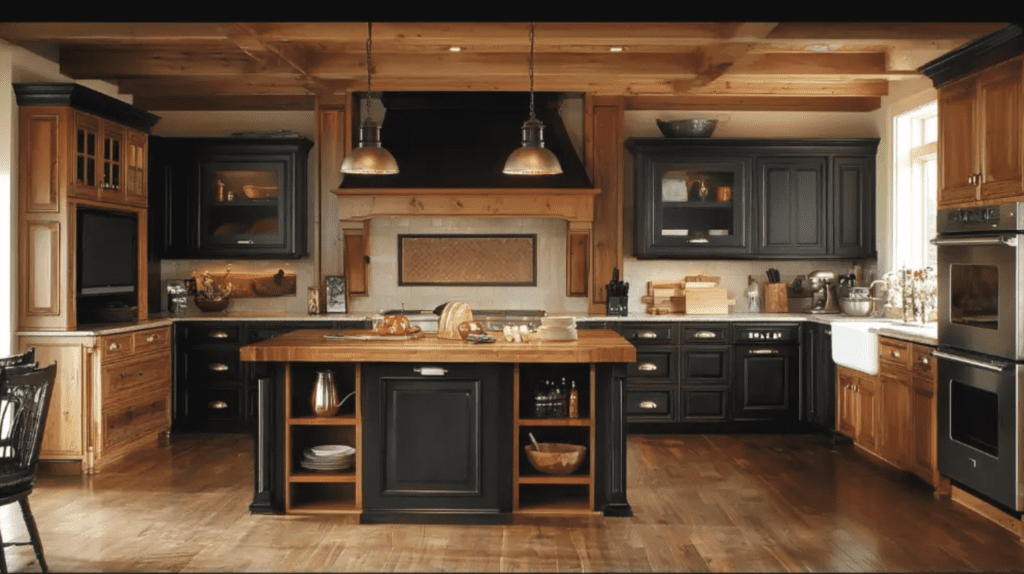
Caring for butcher block is straightforward but ongoing: wipe spills promptly, never leave standing water, use cutting boards for heavy chopping if you want to minimize marks, use trivets for hot cookware, and re-oil on a regular schedule. With consistent care, butcher block lasts for decades and only gets more characterful. Treat it like a quality wood table and it will reward you.
Is Butcher Block Right for Your Kitchen?
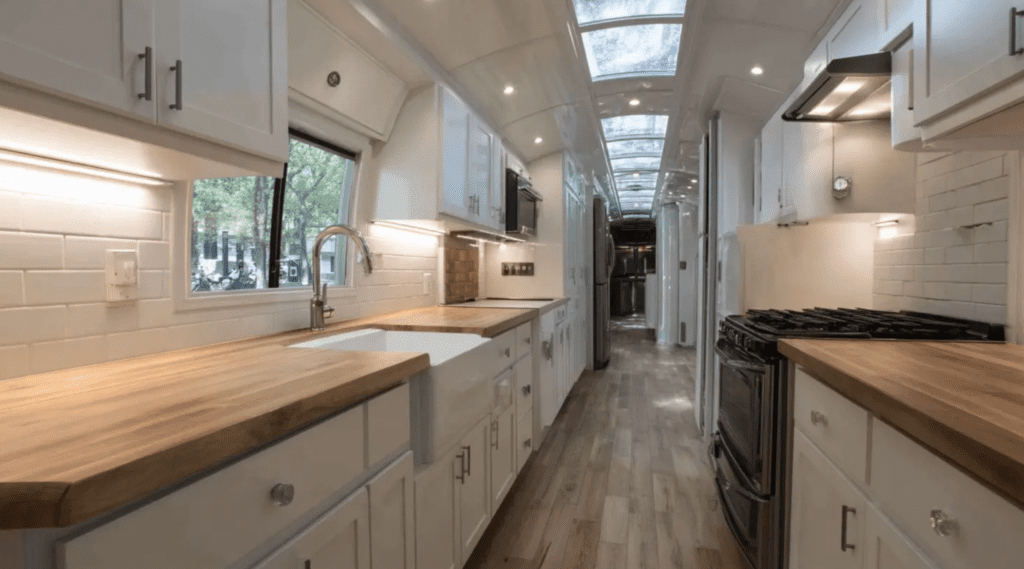
Choose butcher block if: you love warm, natural materials, you want a high-end look at a friendlier price, and you’re comfortable with light, regular upkeep. It’s especially great as an island or accent surface.
Look elsewhere if: you want a zero-maintenance surface, you have a very busy wet-and-hot kitchen, or the idea of periodic oiling sounds like a chore. In that case, a warm-toned quartz may give you a similar feel with less work.
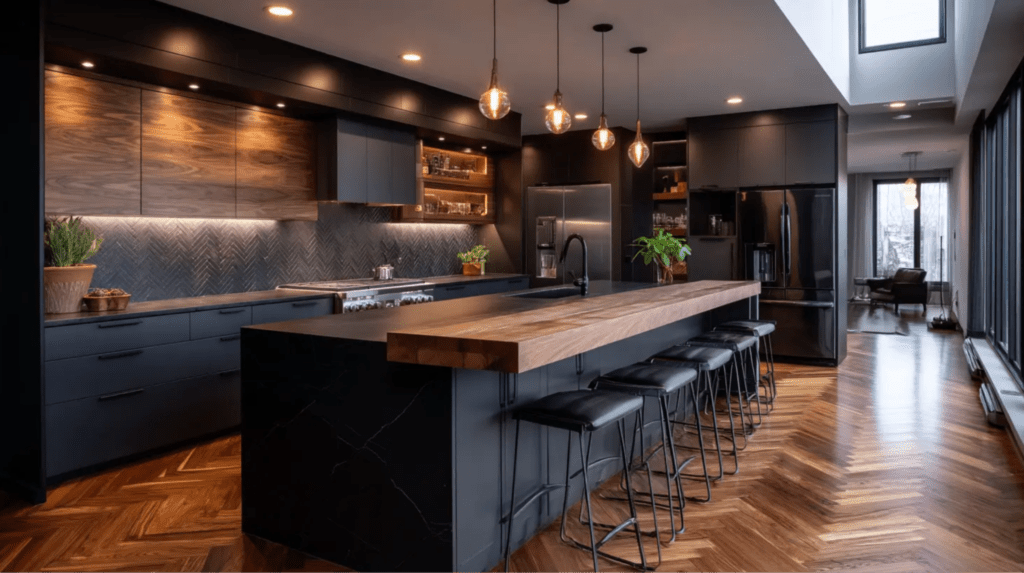
A popular approach we design often: butcher block on the island for warmth and prep, paired with quartz or quartzite on the perimeter for durability in the sink and cooking zones — the best of both worlds.
How We Help Sacramento Homeowners With Countertops

At America’s Advantage Remodeling, we’ve helped Sacramento, Roseville, and Folsom homeowners choose countertops since 2001. If you love the look of butcher block, we’ll talk through where it makes sense in your kitchen, which species and grain fit your use, and how to pair it with stone where durability matters — then model it in 3D so you can see the whole kitchen come together before you commit.
| Love the Look of Wood Counters? Let’s Figure Out Where They Fit.Butcher block can be stunning — in the right spot, finished the right way. Our Sacramento-area design team will help you decide where wood makes sense in your kitchen and where stone serves you better, then model the whole thing in 3D so you see it before you commit. Call 916-507-0469 or request your free design consultation. Serving Roseville, Sacramento, Folsom, El Dorado Hills, and surrounding areas since 2001. |
Frequently Asked Questions
Are butcher block countertops a good idea?
Butcher block countertops are a good idea for homeowners who love warm, natural wood and don’t mind regular maintenance. They’re more affordable than stone, can be sanded and refinished when damaged, and look beautiful. The trade-off is they need periodic oiling and are sensitive to standing water and heat.
How do you maintain butcher block countertops?
Maintain butcher block by wiping spills promptly, never leaving standing water, using trivets for hot pans, and re-oiling the surface with food-safe mineral oil on a regular schedule. With consistent care, butcher block stays water-resistant and lasts for decades, and any scratches can be sanded out.
What is the best wood for butcher block countertops?
Maple is the best all-around wood for butcher block countertops because it’s hard, durable, light-colored, and affordable. Walnut is a premium option with rich dark color, while oak offers a pronounced grain. For most kitchens, maple delivers the best balance of durability, appearance, and value.
Do butcher block countertops stain easily?
Butcher block can stain if spills sit too long or the surface isn’t properly oiled, because unsealed wood is porous. Keeping the surface oiled and wiping spills promptly prevents most staining. If a stain does occur, butcher block can usually be sanded and re-oiled to remove it.
Can you put hot pans on butcher block countertops?
No, you should not put hot pans directly on butcher block countertops because the heat can scorch or burn the wood. Always use trivets or hot pads. Unlike stone, butcher block is heat-sensitive, though minor burns can often be sanded out and the surface refinished.
Are butcher block countertops cheaper than granite or quartz?
Yes, butcher block countertops are typically more affordable than granite, quartz, or quartzite, making them a popular way to get a warm, high-end look on a more modest budget. The exact cost depends on the wood species, grain construction, and thickness, so a quote on your kitchen gives the accurate figure.
Should I use butcher block for my whole kitchen or just the island?
Many homeowners use butcher block just for the island or an accent area rather than the whole kitchen. This pairs the warmth of wood with the durability of stone or quartz in the sink and cooking zones, reducing maintenance where water and heat are heaviest while keeping the natural look where it shines.
How long do butcher block countertops last?
A well-maintained butcher block countertop can last 20 years or more because it can be sanded and refinished repeatedly. Lifespan depends on care — regular oiling, prompt spill cleanup, and trivets for hot pans. Unlike stone, surface damage can be repaired rather than replaced, which extends its usable life.
Can you permanently seal butcher block countertops?
Yes, you can apply a durable film finish such as a food-safe hardwax oil or polyurethane-style sealer that greatly reduces ongoing oiling. The trade-off is that a film finish is harder to spot-repair than oil — once scratched or worn, you typically refinish the whole surface. Many homeowners prefer periodic mineral oil for easier touch-ups.
About the Author
This guide was written by Eugene Chernioglo, owner of America’s Advantage Remodeling, a licensed kitchen and home remodeling contractor (CSLB #1036517) serving Roseville, Sacramento, Folsom, El Dorado Hills, and the surrounding area since 2001. AAR holds a 4.9-star rating across 225+ Google reviews and an A+ rating with the BBB. Eugene and the AAR team handle design, fabrication, and installation in-house, giving homeowners a single accountable partner from the first 3D rendering to the final walkthrough.
CONTACT US
Our Services
Areas We Serve
Certificate