
It is one of the first questions Sacramento homeowners ask me before a kitchen remodel: do I actually need a permit for this? The honest answer is that it depends entirely on the scope of work — and most contractor articles online answer it for Florida or Texas, not for here. I am Eugene Chernioglo, founder of America’s Advantage Remodeling, and in 25 years of remodeling kitchens across Sacramento, Roseville, and Folsom, I have pulled a lot of City and County permits. Here is a clear, Sacramento-specific answer on when you need one, what is exempt, what it costs, and how the process actually works.
The short answer

In Sacramento, you do need a permit for a kitchen remodel any time the work touches the home’s systems or structure — electrical, plumbing, mechanical (ventilation), windows, or walls. You do not need a permit for purely cosmetic updates that leave those systems alone. Since most full kitchen remodels involve at least new wiring or moved plumbing, the majority of them require a permit. When in doubt, the safe assumption is that your project needs one.
What does NOT require a permit

Sacramento treats minor, surface-level updates as exempt. If you are only changing the look of the kitchen without altering systems or structure, you generally do not need a permit for:
- Painting walls and cabinets
- Installing new flooring, wall tile, or backsplash
- Replacing cabinets in the same footprint (no electrical or plumbing changes)
- Swapping countertops
- Like-for-like fixture or appliance swaps that use the existing connections
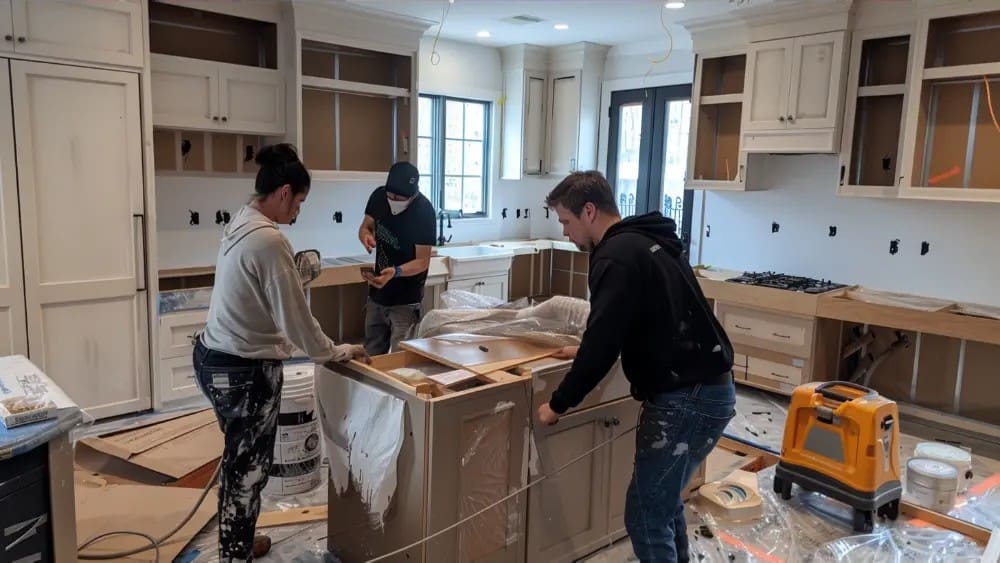
The rule of thumb: if you are not opening a wall and not touching wiring, pipes, or ductwork, it is usually exempt. If you are simply changing a fixture in place, there is often a smaller, simpler fee rather than a full permit. Still unsure? One quick call to the City of Sacramento building department settles it.
What DOES require a permit

Once a remodel touches the kitchen’s “guts” or its structure, Sacramento requires a permit. That includes:
- Electrical work — adding or relocating outlets, running new circuits, or upgrading the panel for new appliances.
- Plumbing changes — moving the sink, adding a pot filler, or running new lines for a refrigerator or dishwasher in a new location.
- Mechanical / ventilation — installing or relocating a range hood, ductwork, or new ventilation falls under mechanical review.
- Windows — adding a new window or changing ventilation must be coordinated with the building department for energy and air-quality standards.
- Structural changes — removing or modifying a wall, or enlarging an opening in a load-bearing wall, always requires a permit. Sacramento may require you to submit plans verifying that a wall is non-load-bearing.

Sacramento sorts these into two buckets: non-structural remodels (new wiring, plumbing, cabinets in place, no walls touched) and structural remodels (walls removed or openings created). Structural projects carry more review and often need a licensed professional’s plans.
How the Sacramento permit process works

The City of Sacramento runs permits through its building department at 300 Richards Boulevard, and applications are submitted online through the Accela Citizen Access Portal. The basic path looks like this:
- Prepare documentation — a drawing of the existing kitchen, project plans, a materials and fixture list, and contractor details.
- Submit the application online through the Accela portal (or in person at 300 Richards Boulevard).
- Pay the fees, which are calculated from the project’s scope and valuation.
- Plan review — the city checks the plans for code compliance and may request revisions.
- Inspections — once approved, inspectors check the work at key construction phases. Work must pause until each inspection passes.

A typical kitchen permit takes roughly 4 to 6 weeks to be approved, depending on how busy the department is and whether the project is structural. Once issued, a Sacramento permit is generally valid for 180 days — if work does not start within that window, it needs to be renewed.
What permits cost

Sacramento does not charge one flat number — the cost depends on the scope and the project’s valuation. A kitchen remodel permit can include a building permit fee, inspection fees, a construction debris fee, and in some cases a fire department review fee. Simple fixture swaps fall at the low end; structural work with plan review costs more. The building department can prepare a preliminary fee estimate on request. The important thing to budget for is that permit fees are a real but modest line item next to the overall remodel — and far cheaper than the cost of fixing unpermitted work later.
Who pulls the permit — you or the contractor?

In most cases, your contractor pulls the permit, and that is how it should be. The contractor is responsible for the work meeting code, so they carry the accountability for inspections. Homeowners can apply directly as an owner-builder, but doing so transfers the liability to you. Be cautious of any contractor who suggests skipping permits to save time or money — that is one of the clearest red flags of an unreliable contractor. At AAR, we handle the entire permit process as part of the job, from application to final inspection. Our license is CSLB #1036517.
Why permits matter (and the risk of skipping)
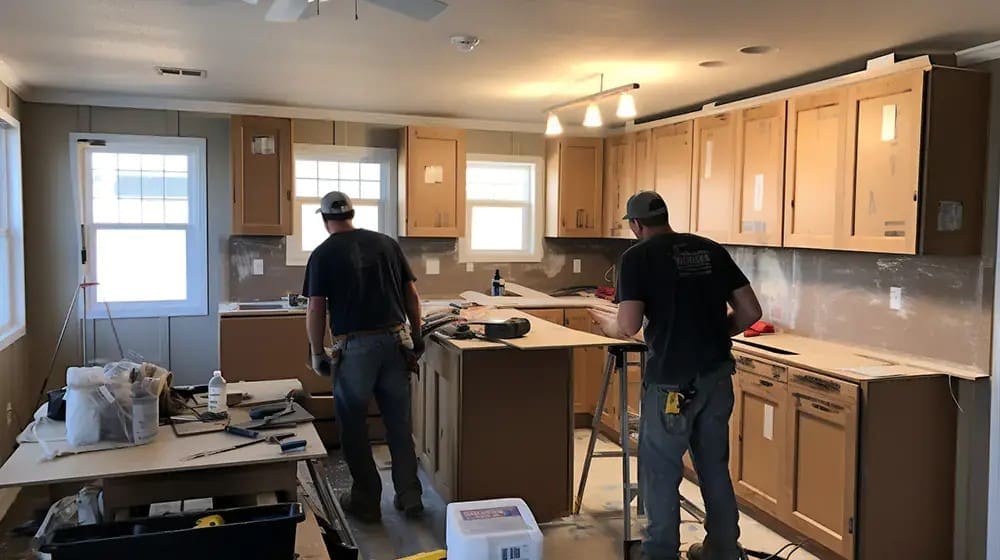
Permits exist to keep the work safe and up to code, but they also protect you financially. Unpermitted work can stall a future home sale, force you to open finished walls for an inspector, or rack up fines. And many homeowners do not realize that insurance companies can deny claims on unpermitted work, leaving you on the hook for damages. One more Sacramento-specific note: homes built before 1980 may require asbestos or lead testing before certain work, which is exactly the kind of older-home surprise our team is used to handling without blowing up the timeline.
Planning a kitchen remodel in the Sacramento area and not sure what your project needs? We will tell you exactly which permits apply, handle the entire process, and give you an itemized estimate with no surprises. Reach out for a free in-home consultation.
Let a licensed Sacramento contractor handle the permit maze for you. Call (916) 507-0469 or request your free in-home consultation.
Frequently Asked Questions

Q: Do you need a permit to remodel a kitchen in Sacramento?
A: Yes, in Sacramento you need a permit for a kitchen remodel whenever the work involves electrical, plumbing, mechanical (ventilation), window, or structural changes. Purely cosmetic updates — like painting, new flooring, backsplash, or swapping countertops — are exempt. Because most full remodels include at least new wiring or relocated plumbing, the majority of them require a permit.
Q: What kitchen work is exempt from a permit in Sacramento?
A: In Sacramento, cosmetic updates that don’t alter the home’s systems or structure are exempt from permits. This includes painting walls and cabinets, installing flooring or wall tile, replacing cabinets in the same footprint, swapping countertops, and like-for-like fixture or appliance swaps using existing connections. If you’re not opening a wall or touching wiring, pipes, or ductwork, it’s usually exempt.
Q: How long does it take to get a kitchen remodel permit in Sacramento?
A: A kitchen remodel permit in Sacramento typically takes about 4 to 6 weeks to be approved, depending on how busy the building department is and whether the project involves structural changes. Structural remodels that need plan review take longer than simple non-structural permits. Once issued, the permit is generally valid for 180 days.
Q: How much does a kitchen remodel permit cost in Sacramento?
A: Sacramento permit costs vary by project scope and valuation rather than a single flat fee. A kitchen permit can include a building permit fee, inspection fees, a construction debris fee, and sometimes a fire department review fee. Simple fixture swaps cost less, while structural work with plan review costs more. The building department can prepare a preliminary fee estimate on request.
Q: What happens if you renovate your home without a permit?
A: Renovating without a required permit can lead to fines and stop-work orders, a stalled or failed home sale, having to open up finished walls so an inspector can verify the work, and denied insurance claims on the unpermitted portion. Purely cosmetic updates — painting, flooring, backsplash, or countertop swaps that don’t touch systems or structure — don’t need a permit, so there’s no risk there. But for any electrical, plumbing, or structural changes, pulling the permit upfront is far cheaper than fixing an unpermitted remodel later.
Q: Does the homeowner or contractor pull the kitchen remodel permit?
A: In most cases the contractor pulls the permit, which is the safer option because they’re responsible for the work meeting code and carry accountability for inspections. Homeowners can apply directly as an owner-builder, but this transfers liability to them. Be cautious of any contractor who suggests skipping permits — a reputable contractor handles the permit process as part of the job.
Q: Do I need a permit to remove a kitchen wall in Sacramento?
A: Yes, removing or modifying a wall in a Sacramento kitchen always requires a permit, and the city may require submitted plans verifying whether the wall is load-bearing. Structural changes carry more review than non-structural remodels and often need a licensed professional’s plans. It’s safest to assume a wall is load-bearing until a professional confirms otherwise.
CONTACT US
Our Services
Areas We Serve
Certificate