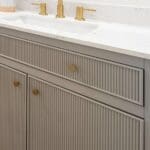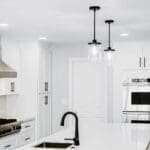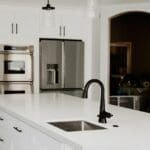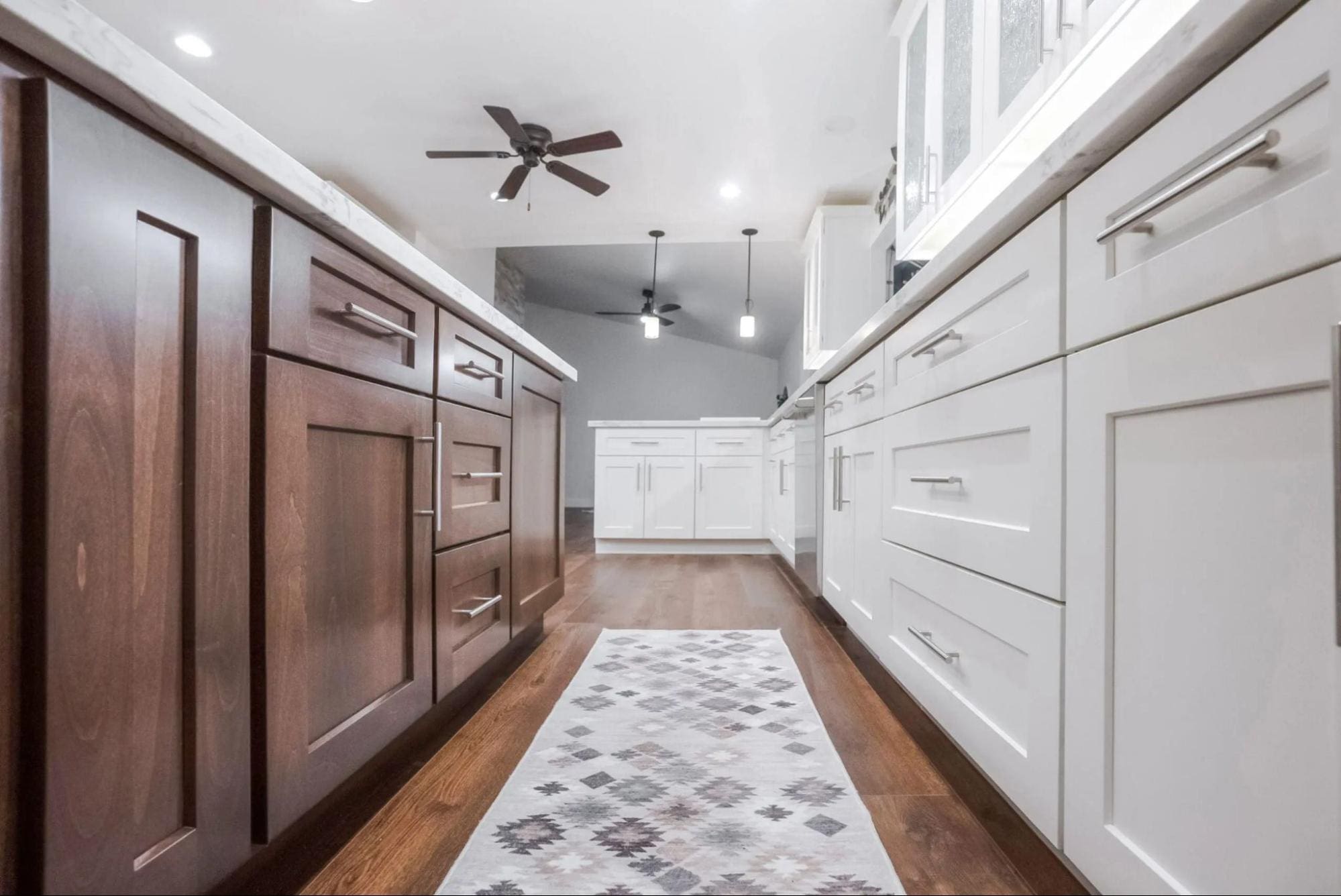
When homeowners come into a kitchen project knowing they want a “high-end” or “custom” look but can’t put their finger on why some kitchens have it, the answer is often the cabinet door style. Inset cabinetry is one of the biggest drivers of that furniture-quality feel — and one of the most common things people ask me to explain versus the more affordable overlay options. After 25 years building kitchens across Sacramento, Roseville, and Folsom, I’ve installed both styles in hundreds of homes. I’m Eugene Chernioglo, and here’s the honest comparison so you can decide what’s right for your kitchen and your budget.
What Are Inset Cabinets?
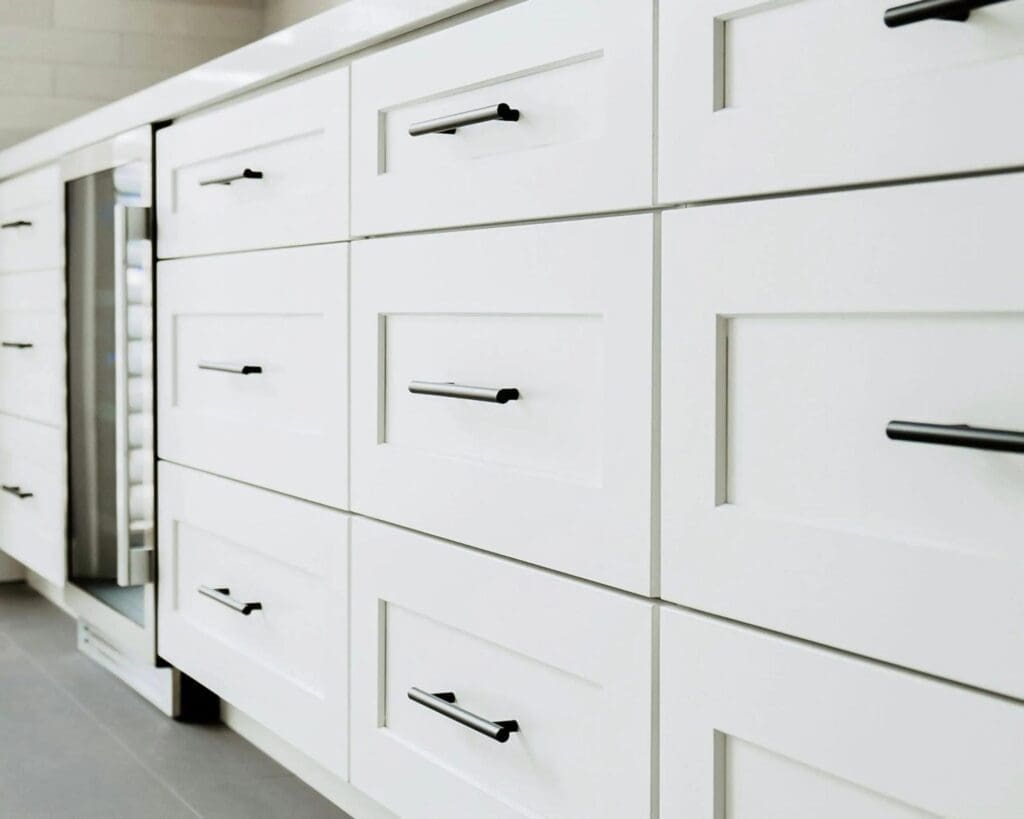
Inset cabinets have doors and drawer fronts that fit flush inside the cabinet’s face frame, so when everything is closed the doors sit even with the frame around them. It’s the most traditional cabinet construction, and it produces a clean, built-in, furniture-like look that reads as craftsmanship. The reason it costs more is precision: every door has to be fitted exactly to its opening, with consistent gaps all the way around, which takes more skill and time to build and hang.
What Is Overlay (and Full Overlay)?
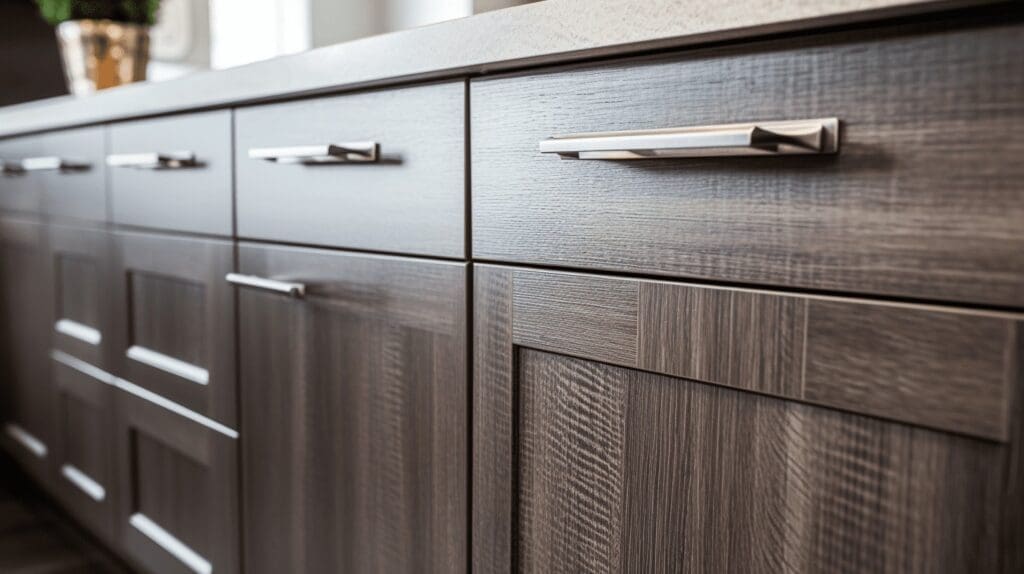
Overlay cabinets have doors that rest on top of the face frame rather than inside it. There are two kinds:
- Standard (partial) overlay: the doors cover part of the frame, leaving a visible band of frame between doors. This is the most economical and traditional overlay style.
- Full overlay: the doors cover nearly the entire frame, leaving only a thin reveal between them. This gives a sleek, modern look and is the style used on frameless European cabinets.
Overlay is more affordable than inset and, in full overlay, gives you that clean contemporary face with very little frame showing. It also tends to maximize the usable door size and storage opening.
Inset vs. Overlay: The Real Trade-Offs
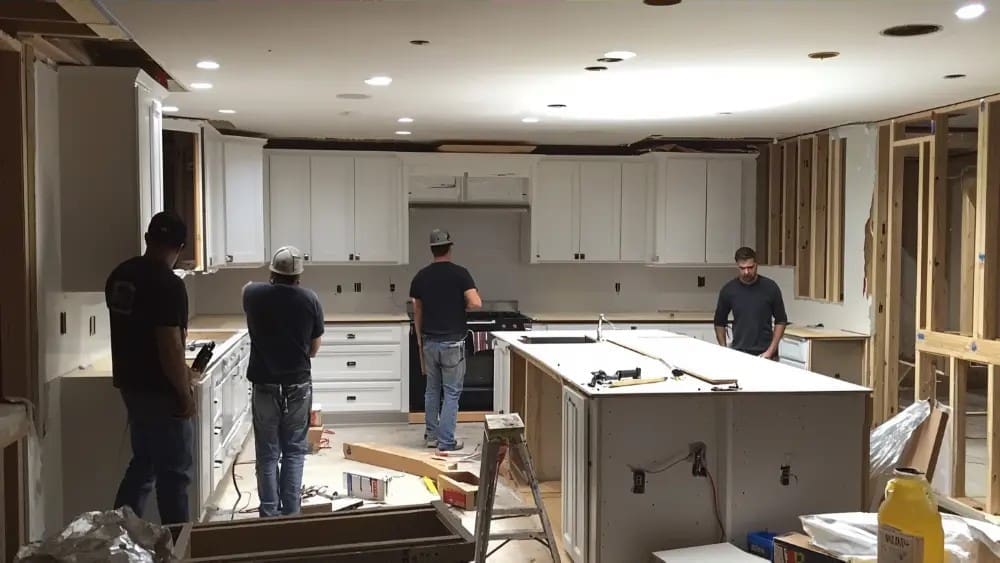
Here’s how I lay it out for homeowners deciding between them. Inset gives you the most traditional, high-end, furniture-quality look — at the highest price, with slightly less interior storage and some sensitivity to humidity since flush wood doors can move with the seasons. Overlay gives you a more budget-friendly option with full overlay leaning modern and standard overlay leaning classic, with maximum storage and fewer fit issues. Neither is “better” — inset suits classic and transitional kitchens where the framed, built-in look is the whole point, while overlay suits contemporary designs and tighter budgets.
A Note on Cost and Construction
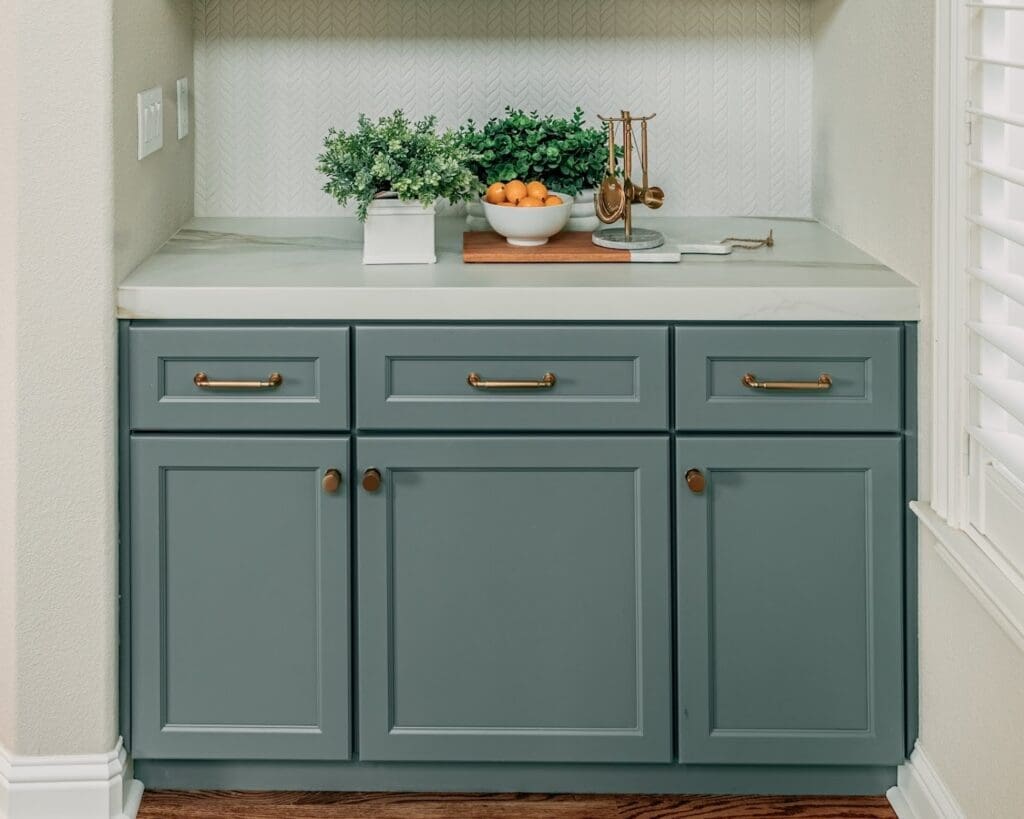
Inset is the priciest door style because of the precise construction it demands, and it’s always built on a framed cabinet — you can’t get a true inset look on frameless cabinets. If the inset look is your goal, you’re choosing framed, American-style construction. When my team helps a homeowner decide, we look at the kitchen’s overall style and the budget together: sometimes inset on a key run (like an island or a furniture-style hutch) with overlay elsewhere delivers the high-end feel without the full-kitchen inset price. That kind of mix is where an experienced in-house team earns its keep.
Which Should You Choose?
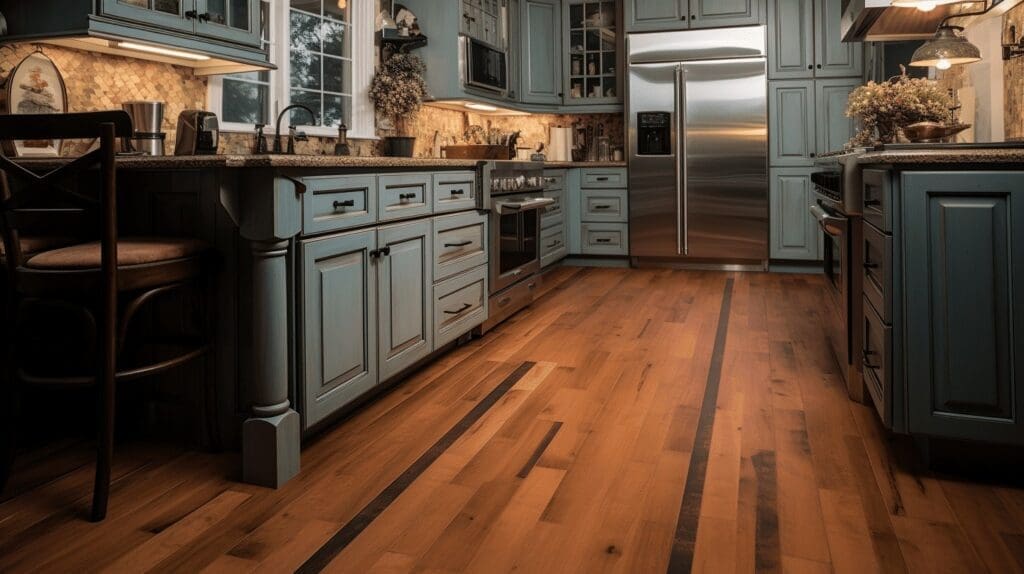
If you want a timeless, traditional, custom-quality kitchen and the budget supports it, inset cabinets deliver a look overlay simply can’t match. If you want a clean modern face or you’re managing cost, full overlay is an excellent choice, and standard overlay is the value option. The right answer comes down to your style and your budget — and there’s no wrong choice, just the one that fits your kitchen. If you’d like to see and feel the difference in person, my team at America’s Advantage Remodeling brings door samples right to your home. We’ve been building Sacramento-area kitchens since 2001, all in-house, and we’ll help you choose the door style that gives you the look you want at a price that works. Reach out for a free in-home consultation.
Frequently Asked Questions
Q: What is it called when cabinet doors are inset?
A: When cabinet doors sit flush inside the cabinet frame rather than on top of it, the style is called inset cabinetry. The doors and drawer fronts are set into the face frame so they’re even with it when closed, creating a clean, furniture-like look. Inset is considered the most traditional and high-end of the cabinet door styles, and it requires precise construction to fit each door exactly within its opening.
Q: What are the disadvantages of inset cabinets?
A: The main disadvantages of inset cabinets are higher cost, slightly reduced storage space, and sensitivity to humidity. Because the doors fit precisely inside the frame, they cost more to build, the face frame takes up a little interior room, and wood doors can stick or gap as they expand and contract with seasonal humidity. For most homeowners the trade-off is worth the premium look, but these are real factors to weigh.
Q: Are inset cabinets more expensive?
A: Yes, inset cabinets are more expensive than overlay cabinets, typically commanding a noticeable premium because they require more precise construction and tighter tolerances. Each door must be fitted exactly within its frame opening, which takes more skilled labor and material. The result is a high-end, custom look, but homeowners should expect inset to be the priciest of the door-mounting styles.
Q: Which is better, overlay or inset cabinets?
A: Neither is objectively better — it depends on your style and budget. Inset cabinets offer the most traditional, furniture-quality look at a higher price, while full overlay cabinets give a clean, modern appearance and maximize storage at a lower cost. Inset suits classic and transitional kitchens where the framed look is the goal; overlay suits contemporary kitchens and tighter budgets. A good remodeler matches the choice to your design and what you want to spend.
Q: What is the difference between inset and overlay cabinets?
A: The difference is where the doors sit: inset doors fit flush inside the cabinet face frame, while overlay doors rest on top of the frame, either partially (standard overlay) or covering nearly all of it (full overlay). Inset gives a traditional, built-in look and costs more; overlay is more affordable and, in full overlay, gives a sleek modern face with minimal frame showing. The mounting style affects both appearance and price more than function.
Q: Why do people like inset cabinets?
A: People like inset cabinets because they have a timeless, custom, furniture-like appearance that signals quality, with clean flush lines and visible, often decorative hardware. The precise fit reads as craftsmanship, and the style suits classic and transitional kitchens beautifully. For homeowners who want their kitchen to feel high-end and traditional, inset delivers a look that overlay cabinets can’t quite match.
Q: Are inset cabinets framed or frameless?
A: Inset cabinets are always framed — the inset style requires a face frame for the doors to be set into, so it is not available as a frameless (European) construction. Frameless cabinets, by definition, have no face frame and use full overlay doors. If you want the inset look, you’re choosing framed cabinet construction, which is the traditional American building method.
CONTACT US
Our Services
Areas We Serve
Certificate