Soapstone Countertops: Pros, Cons, and Care (2026 Guide)
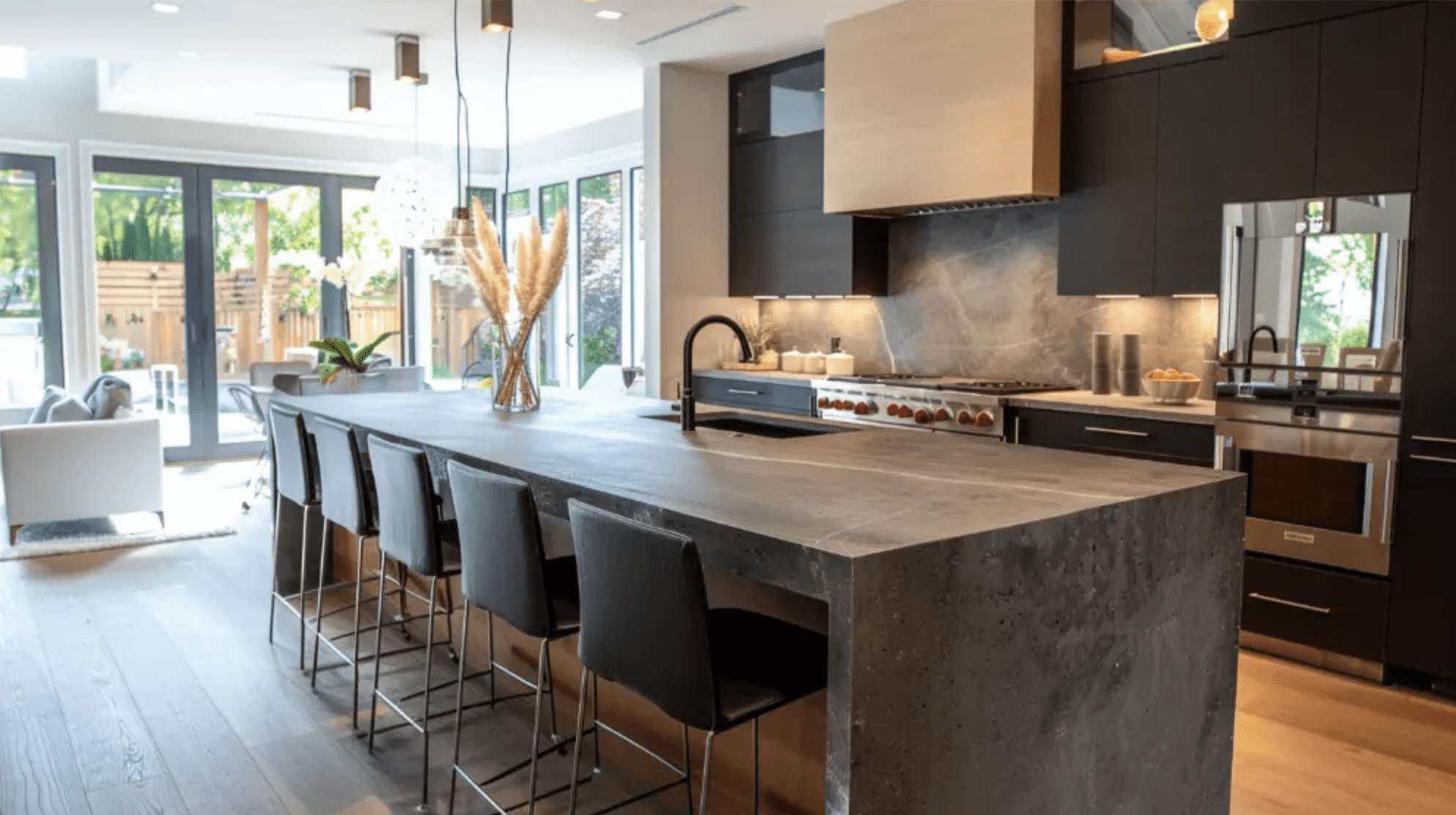
Soapstone countertops are a natural stone surface with a soft, matte finish and a distinctive dark gray-to-charcoal color that often develops green or blue undertones. Their biggest advantages are that they’re completely non-porous (so they never need sealing and resist stains), highly heat-resistant, and develop a beautiful aged patina over time. The trade-offs: soapstone is softer than granite or quartz, so it can scratch — though scratches sand out easily — and the color naturally darkens with age. For homeowners who want a distinctive, low-maintenance, characterful surface, soapstone is a hidden gem.
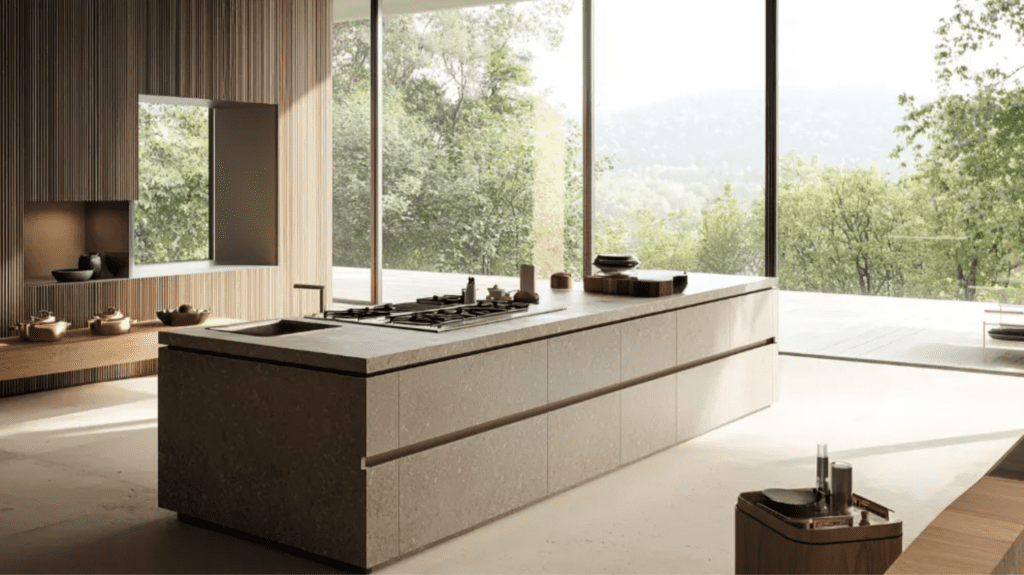
If you’re tired of seeing the same quartz in every kitchen and want something with more soul, soapstone deserves a look. Here’s the honest rundown.
What Is Soapstone?
Soapstone is a natural quarried stone composed largely of talc, which gives it a smooth, soft, almost soapy feel — hence the name. It’s been used for centuries in everything from science-lab countertops to wood stoves precisely because it’s non-porous and heat-resistant. In kitchens, it brings a quiet, understated elegance that pairs beautifully with both modern and traditional designs.
The Pros of Soapstone
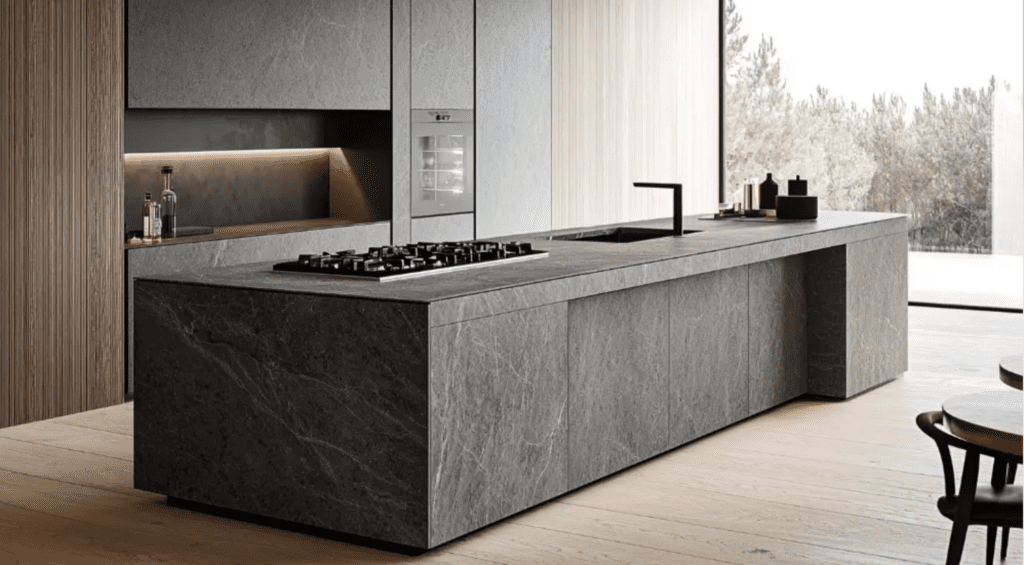
Non-porous — never needs sealing. Unlike granite or marble, soapstone doesn’t absorb liquids, so it resists stains from wine, coffee, and oil without any sealing. This is its biggest practical advantage.
Excellent heat resistance. Soapstone shrugs off heat — you can set a hot pot directly on it without worry. This is why it was historically used around stoves and in laboratories.
Distinctive, timeless look. The soft matte finish and deep gray tones feel calm and high-end without being flashy. It stands apart from the ubiquitous white quartz look.
Easy to repair. Because it’s soft, minor scratches can be sanded out with fine sandpaper and a little mineral oil — a DIY-friendly fix that stone like granite can’t offer.Naturally antibacterial and food-safe. Its non-porous surface doesn’t harbor bacteria, making it a hygienic, food-safe prep surface.
The Cons of Soapstone
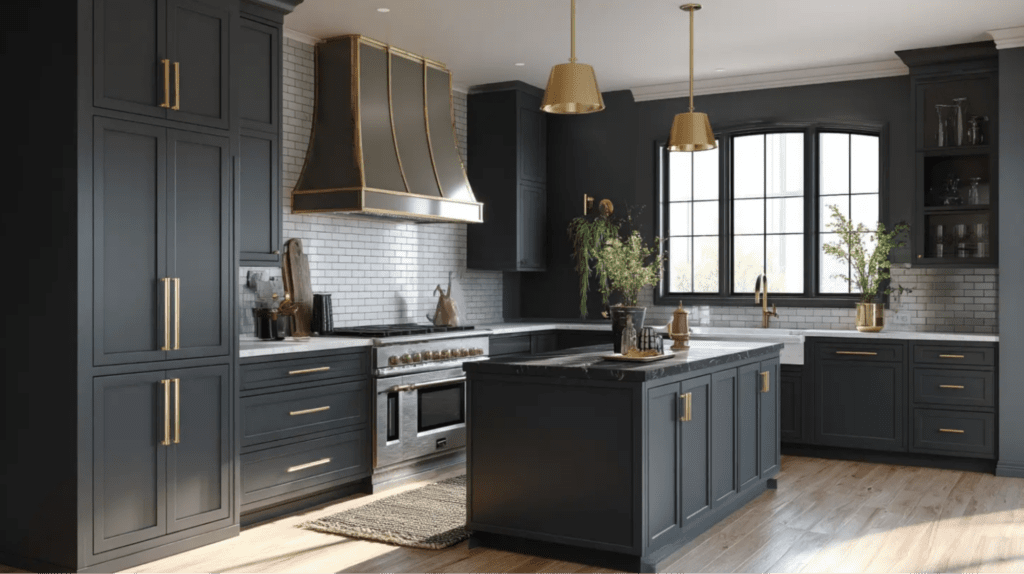
Softer than granite or quartz. Soapstone scratches and can chip more easily than harder stones. The upside is that scratches sand out — but if you want a surface that never shows a mark, soapstone isn’t it.
Color darkens over time. Soapstone naturally develops a darker, richer patina, especially where it’s handled and oiled. Many homeowners love this; others want it applied evenly with mineral oil to control the look. Either way, expect it to change.
Limited color range. Soapstone comes in grays and charcoals with subtle veining — there’s no bright white or bold color option. If you want variety, your palette is limited.
Less common, so sourcing varies. Soapstone isn’t stocked as widely as granite or quartz, so slab selection may take more effort.
Soapstone vs. Granite and Quartz
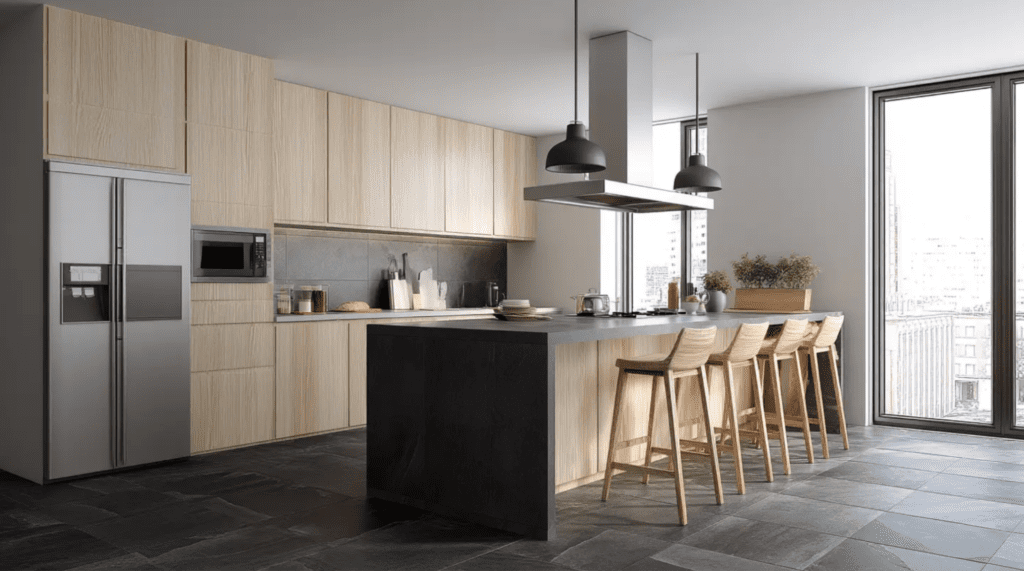
vs. Granite: Granite is harder and comes in more colors, but it’s porous and needs sealing. Soapstone is softer but non-porous and more heat-resistant. Granite resists scratches better; soapstone resists stains and heat better.
vs. Quartz: Quartz is engineered, extremely durable, and comes in endless colors including marble looks, but it can scorch under heat and never develops natural character. Soapstone is natural, handles heat better, and ages with patina — but scratches more easily and offers fewer color choices.
For a homeowner who values heat resistance, zero sealing, and a one-of-a-kind natural look — and who appreciates a surface that ages with character — soapstone wins.
How to Care for Soapstone
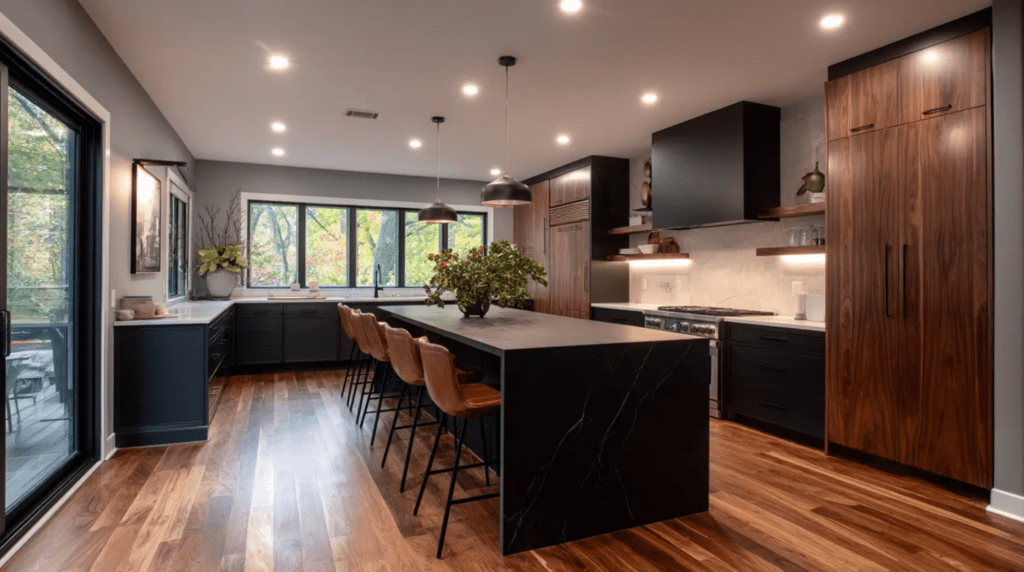
Soapstone care is genuinely minimal. Clean it with mild soap and water — no special stone cleaners or sealers needed. Many owners apply food-grade mineral oil periodically to deepen and even out the patina, though this is optional and purely aesthetic. Minor scratches can be buffed out with fine sandpaper followed by a coat of oil. That’s it — no sealing schedule, no special products.
Is Soapstone Right for Your Kitchen?
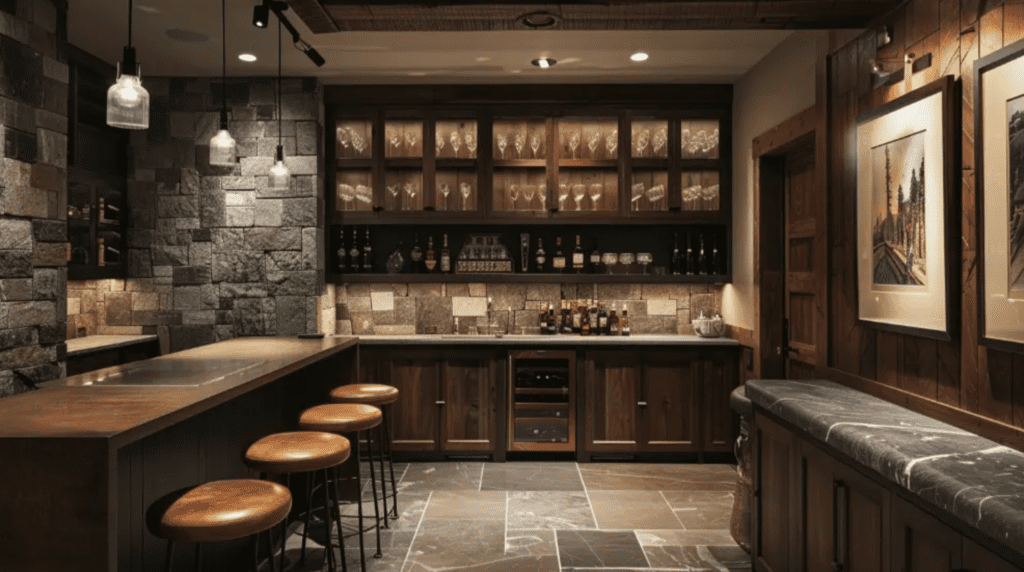
Choose soapstone if: you want a distinctive, natural surface that never needs sealing, you cook a lot and value true heat resistance, and you appreciate a material that develops character over time. It’s perfect for homeowners who want something different from the quartz mainstream.Look elsewhere if: you want a bright white or colorful counter, you need maximum scratch resistance, or you dislike the idea of the color evolving. In those cases, quartz or quartzite may suit you better.
How We Help Sacramento Homeowners Choose Countertops

At America’s Advantage Remodeling, we’ve guided Sacramento and Roseville homeowners through countertop decisions since 2001. Soapstone isn’t for every kitchen, but for the right homeowner it’s a standout choice — and we’ll show you real slabs, explain how the patina will develop, and model it in your kitchen in 3D so there are no surprises after installation.
| Want a Countertop That Isn’t Like Everyone Else’s?Soapstone is a quietly stunning, low-maintenance choice that most homeowners never consider. If you want something distinctive, our Sacramento-area team will show you real soapstone slabs, explain exactly how the patina develops, and model it in your kitchen in 3D before you decide. Call 916-507-0469 or request your free design consultation. Serving Roseville, Sacramento, Folsom, El Dorado Hills, and surrounding areas since 2001. |
Frequently Asked Questions
Are soapstone countertops a good choice?
Soapstone countertops are an excellent choice for homeowners who want a non-porous, heat-resistant, low-maintenance natural stone with a distinctive look. They never need sealing and resist stains and heat well. The main trade-offs are that they’re softer than granite (so they scratch) and the color darkens with age.
Do soapstone countertops need to be sealed?
No, soapstone countertops never need sealing because soapstone is naturally non-porous and doesn’t absorb liquids. This is one of its biggest advantages over granite and marble. Some owners apply mineral oil periodically, but this is purely to deepen the color and patina, not to seal the stone.
Do soapstone countertops scratch easily?
Soapstone is softer than granite and quartz, so it can scratch more easily, but scratches are easy to repair. Minor scratches buff out with fine sandpaper and a coat of mineral oil, restoring the surface. Many homeowners find the lived-in patina, including light marks, part of soapstone’s character.
Can you put hot pans on soapstone?
Yes, you can set hot pans directly on soapstone because it’s highly heat-resistant — it was historically used around wood stoves and in laboratories for this reason. While trivets are still good practice for any countertop, soapstone handles direct heat far better than quartz, which can scorch.
How is soapstone different from granite?
Soapstone is softer and non-porous, so it never needs sealing and resists heat better, but it scratches more easily and comes only in gray tones. Granite is harder and offers many colors and patterns, but it’s porous and requires periodic sealing. Soapstone wins on heat and maintenance; granite wins on hardness and color variety.
Does soapstone change color over time?
Yes, soapstone naturally darkens and develops a richer patina over time, especially in areas that are handled often or treated with mineral oil. Many homeowners love this evolving character. If you prefer a consistent look, applying mineral oil evenly across the surface helps control and unify the darkening.
Is soapstone more expensive than granite or quartz?
Soapstone is generally a premium material and its price varies with slab availability and quality, often falling in a similar range to mid-to-high granite and quartz. Because it’s less commonly stocked than those materials, pricing and selection vary, so a quote on your specific kitchen gives the accurate figure.
Is soapstone safe and non-toxic for kitchen countertops?
Yes, soapstone is completely safe and non-toxic for kitchen countertops. It is a dense, non-porous natural stone that doesn’t harbor bacteria and has long been used for laboratory surfaces and food preparation. The mineral oil sometimes applied to it is food-safe, so there are no health concerns with everyday kitchen use.
Can you use vinegar or acidic cleaners on soapstone?
Yes, soapstone resists acids, so vinegar and acidic foods won’t etch or damage it the way they would marble — a major advantage of the stone. For everyday cleaning, mild soap and water is all you need, and harsh chemicals are unnecessary.
About the Author
This guide was written by Eugene Chernioglo, owner of America’s Advantage Remodeling, a licensed kitchen and home remodeling contractor (CSLB #1036517) serving Roseville, Sacramento, Folsom, El Dorado Hills, and the surrounding area since 2001. AAR holds a 4.9-star rating across 225+ Google reviews and an A+ rating with the BBB. Eugene and the AAR team handle design, fabrication, and installation in-house, giving homeowners a single accountable partner from the first 3D rendering to the final walkthrough.
CONTACT US
Our Services
Areas We Serve
Certificate