Quartz vs Quartzite Countertops: Which Is Right for Your Sacramento Kitchen? (2026 Guide)
Quartz and quartzite sound nearly identical, but they are two completely different countertop materials. Quartz is engineered (manmade from ground stone and resin), while quartzite is a 100% natural stone quarried from the earth. That single difference drives everything else — how each one handles heat, scratches, sealing, and daily life in a busy Sacramento kitchen.
If you’ve been comparing slabs and feeling like the salesperson is speaking a different language, you’re not alone. The names get used interchangeably constantly, and choosing wrong can mean thousands of dollars on a surface that doesn’t fit how you actually cook and live. Here’s the straight comparison, with no jargon.
Quartz: The Engineered Option
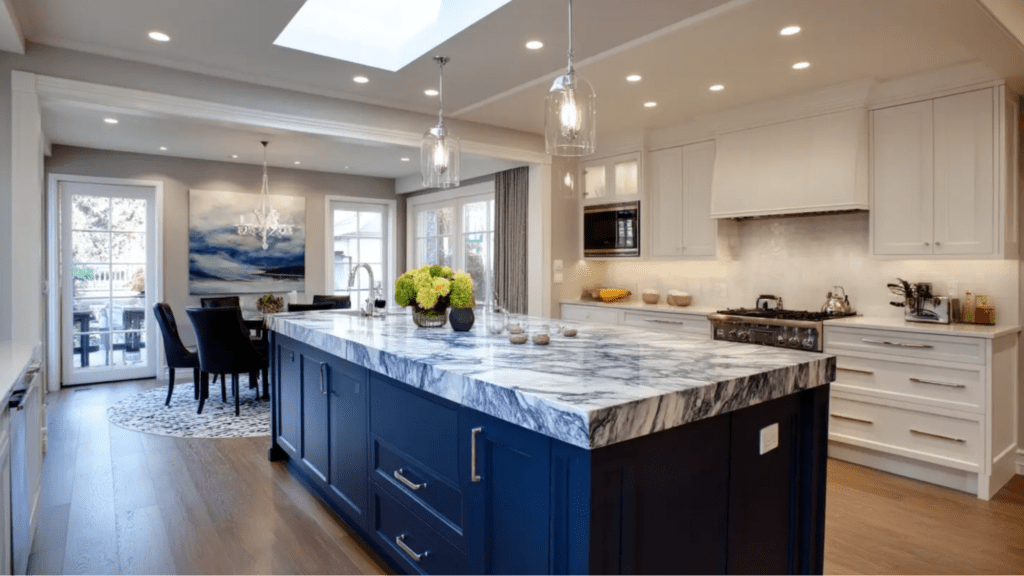
Quartz countertops are made from roughly 90% ground natural quartz crystals bound together with resins and pigments. Because they’re manufactured, the color and pattern are consistent and predictable — what you see on the sample is what shows up in your kitchen.
The big advantage is that quartz is non-porous. It never needs sealing, it resists staining from wine, coffee, and tomato sauce, and it doesn’t harbor bacteria. For families who want a low-maintenance surface that looks the same in ten years as it did on day one, quartz is hard to beat.
The trade-off: quartz is sensitive to heat. The resin that holds it together can scorch or discolor if you set a hot pan directly on it. You’ll want trivets, and you’ll want them every time.
Quartzite: The Natural Stone Option
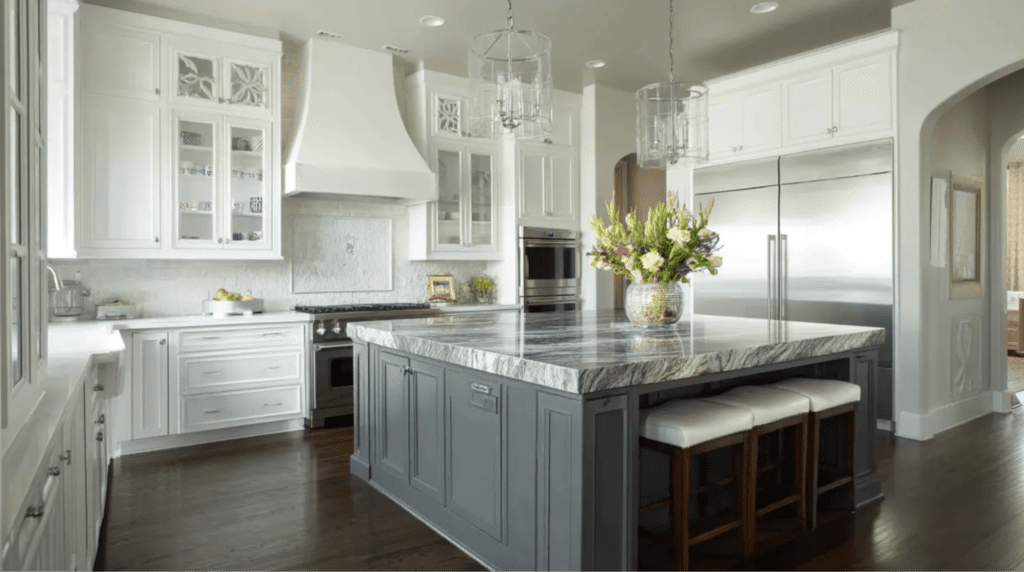
Quartzite is natural sandstone that’s been transformed by heat and pressure deep underground into an extremely hard stone. It is not the same as quartz, and it’s not the same as marble — though it often looks like marble, which is a big part of its appeal. Homeowners who love the dramatic veining of marble but want something far more durable often land on quartzite.Quartzite is harder than granite and stands up to scratches and heat exceptionally well. You can set a hot pot down without the panic you’d feel on quartz. The trade-off: because it’s natural stone, quartzite is porous and needs sealing — typically once a year — to resist stains. Each slab is also unique, so you’ll want to hand-select yours rather than ordering from a photo.
Quartz vs Quartzite: Head-to-Head
| Factor | Quartz | Quartzite |
|---|---|---|
| Origin | Engineered (90% stone + resin) | 100% natural stone |
| Heat resistance | Moderate — use trivets always | Excellent — handles hot pans |
| Scratch resistance | Very good | Excellent (harder than granite) |
| Sealing | Never needed | Yearly |
| Stain resistance | Excellent (non-porous) | Good when sealed |
| Appearance | Consistent, predictable | Unique, marble-like veining |
| Best for | Low-maintenance families | Homeowners wanting natural drama + durability |
Cost in the Sacramento Area (2026)
Both materials sit in a similar premium range, though pricing depends heavily on the specific slab, color, and edge profile you choose. As a 2026 Sacramento-area estimate, installed quartz typically runs in the mid range for engineered surfaces, and quartzite tends to land slightly higher because it’s natural stone that requires more careful fabrication and hand-selection.
The smarter way to think about cost isn’t the per-square-foot number — it’s the lifetime fit. Choosing quartz for a household that loves to set down hot cookware leads to regret. Choosing quartzite for someone who never wants to think about sealing leads to the same. Match the material to how you live, and the cost takes care of itself. *(For a current quote on your specific kitchen, call us at 916-507-0469.)*
Which Should You Choose?
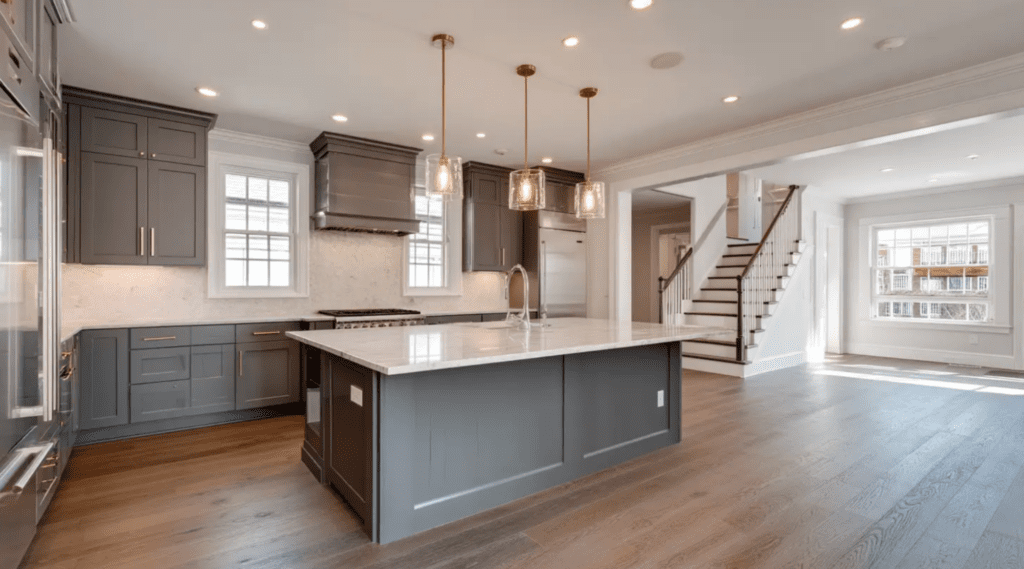
Choose quartz if: you want zero maintenance, a consistent look, and you’re willing to use trivets religiously. It’s the practical pick for busy families and rental-grade durability without the upkeep.
Choose quartzite if: you want the look of natural marble with far better durability, you cook a lot and want true heat resistance, and you don’t mind a quick yearly seal. It’s the pick for homeowners who want their kitchen to feel one-of-a-kind.
There’s no universally “better” stone here — only the one that fits your kitchen, your cooking, and your tolerance for maintenance.
How We Help Sacramento Homeowners Decide
At America’s Advantage Remodeling, we’ve helped Sacramento and Roseville families choose countertops since 2001. Rather than pushing one material, we walk you through how you actually use your kitchen, show you real slabs in person, and use 3D renderings so you can see quartz versus quartzite in your specific space before you commit. Our in-house team handles fabrication and installation, so the slab you hand-select is the one that gets installed correctly.
| Not Sure Which Stone Fits Your Kitchen? Let’s Look at Slabs Together.You shouldn’t have to guess between quartz and quartzite from a tiny sample. Our Sacramento-area design team will show you real slabs, model both options in your actual kitchen with 3D renderings, and help you choose based on how you cook and live — not on what’s easiest to sell. Call 916-507-0469 or request your free design consultation. Serving Roseville, Sacramento, Folsom, El Dorado Hills, and the surrounding area since 2001. |
Frequently Asked Questions
Is quartzite better than quartz?
Neither is universally better — they suit different needs. Quartzite is a natural stone with superior heat and scratch resistance but needs yearly sealing. Quartz is engineered, never needs sealing, and resists stains better, but it can scorch under hot pans. The right choice depends on how you cook and how much maintenance you want.
What is the difference between quartz and quartzite?
Quartz is engineered from about 90% ground stone mixed with resin, while quartzite is 100% natural stone quarried from the earth. Quartz offers a consistent look and zero maintenance; quartzite offers natural marble-like veining and better heat resistance but requires sealing.
Does quartzite need to be sealed?
Yes, quartzite needs sealing because it is a natural, porous stone. Most quartzite countertops should be sealed about once a year to resist stains from spills like wine, oil, and coffee. Quartz, by contrast, is non-porous and never needs sealing.
Can you put a hot pan on quartzite?
Yes, quartzite handles direct heat far better than quartz because it’s natural stone formed under intense heat and pressure. While we still recommend using trivets to protect any countertop long-term, quartzite won’t scorch the way quartz can when exposed to a hot pan.
Is quartzite harder than granite?
Yes, most quartzite is harder than granite on the Mohs scale, making it one of the most scratch-resistant natural countertop materials available. This durability is a big reason Sacramento homeowners choose it for high-use kitchens.
Which is more expensive, quartz or quartzite?
Quartzite is often slightly more expensive than quartz because it’s a natural stone that requires careful fabrication and hand-selection. However, pricing for both varies widely by slab, color, and edge profile, so the only accurate number comes from a quote on your specific kitchen.
Does quartzite look like marble?
Yes, quartzite often closely resembles marble with similar dramatic veining, which is a major reason homeowners choose it. Unlike marble, however, quartzite is far harder and more resistant to scratches, etching, and heat, making it a more practical choice for kitchens.
What is the downside of quartzite?
The main downsides of quartzite are that it is porous and needs sealing about once a year, and quality slabs sit at a premium price. Because it is natural stone, each slab varies and should be hand-selected. Homeowners who want zero maintenance often choose engineered quartz instead, which skips sealing entirely.
How can you tell quartz from quartzite?
The simplest tell is consistency: quartz has a uniform, repeating pattern because it is manufactured, while quartzite shows random, one-of-a-kind veining because it is natural stone. Quartzite is also hard enough to scratch glass and can be sealed, which quartz cannot. When in doubt, ask to see the slab’s material certification.
About the Author
This guide was written by Eugene Chernioglo, owner of America’s Advantage Remodeling, a licensed kitchen and home remodeling contractor (CSLB #1036517) serving Roseville, Sacramento, Folsom, El Dorado Hills, and the surrounding area since 2001. AAR holds a 4.9-star rating across 225+ Google reviews and an A+ rating with the BBB. Eugene and the AAR team handle design, fabrication, and installation in-house, giving homeowners a single accountable partner from the first 3D rendering to the final walkthrough.
CONTACT US
Our Services
Areas We Serve
Certificate