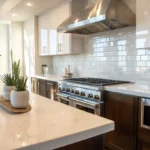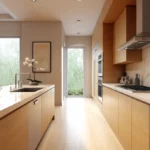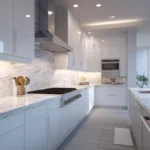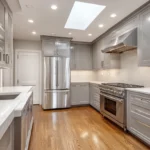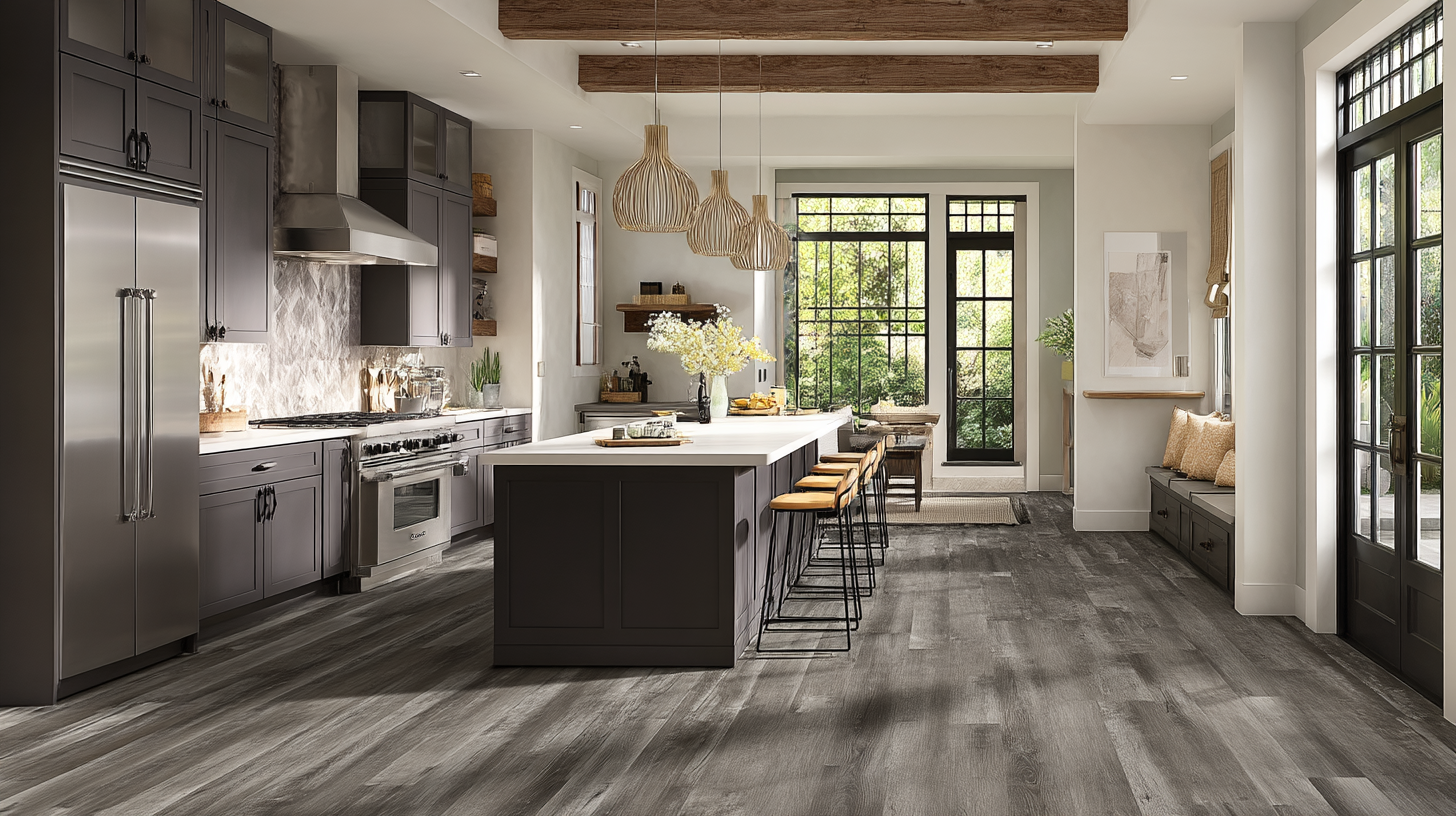
Understanding what are common mistakes to avoid in a kitchen remodel is one of the most important steps homeowners can take before starting construction. A kitchen remodel is exciting, but it is also complex, expensive, and full of decisions that affect daily life, long term comfort, and home value. Without careful planning, even small oversights can turn into costly mistakes that impact functionality, budget, and satisfaction. At America’s Advantage Remodeling, we have seen firsthand how the right approach makes all the difference between frustration and a successful kitchen remodel. This guide walks through the most common mistake patterns homeowners encounter and how to avoid them during a kitchen renovation project.
1 | Rushing Into the Remodel Without Proper Planning
One common mistake is starting a kitchen remodel without proper planning. Homeowners often focus on finishes before defining how the kitchen space should function. Careful planning means understanding how you use your kitchen, how often you cook, how much counter space you need for food preparation, and how many people move through the space daily. Proper planning also includes timelines, permits, and coordination of trades. Skipping this step leads to costly mistakes, delays, and unexpected costs. A successful renovation always begins with careful planning that accounts for space, layout, appliances, and lifestyle needs.
2 | Underestimating Budget and Unexpected Costs
Another common mistake is underestimating the budget. Many homeowners plan only for visible upgrades like new cabinets or granite countertops, but forget about electrical work, plumbing adjustments, flooring materials, and demolition. Unexpected costs can arise once walls are opened or outdated systems are discovered. Planning a realistic budget with a contingency helps save money in the long run. A kitchen renovation should balance quality materials with financial flexibility, allowing room for surprises without sacrificing the end result.
3 | Choosing Style Over Function
A beautiful kitchen should also be practical. One of the most common mistakes to avoid is prioritizing trends over daily usability. Open shelving may look great in photos, but open shelves often lack enough storage for real households. Similarly, sleek designs that reduce counter space can make preparing meals more difficult. Kitchen design should reflect cooking habits, storage needs, and how the space is used for dirty dishes, small appliances, and entertaining. Function always comes first in a successful kitchen remodel.
4 | Poor Kitchen Layout Decisions
Kitchen layout mistakes are among the most impactful and expensive to fix. Ignoring the work triangle between the sink, refrigerator, and cooking surface can disrupt workflow and waste space. A poorly planned kitchen layout may not allow enough room for appliance doors to open or for multiple people to move comfortably. Circulation space around a kitchen island is critical, as is maintaining enough room between base cabinets and wall cabinets. A well planned layout ensures enough space for cooking, cleaning, and gathering without frustration.
5 | Not Planning for Enough Storage
Lack of enough storage is a frequent regret after a kitchen renovation. Cabinets play a central role in organization, and poorly planned cabinets can lead to cluttered counters and frustration. Homeowners should consider wall cabinets, upper cabinets, tall cabinets, and corner cabinets to maximize space. Solid wood cabinets offer durability and long term value, while thoughtful cabinet doors and interior organization improve accessibility. Enough storage makes a new kitchen more functional and enjoyable.
6 | Overlooking Lighting Design
Poor lighting is a common mistake that can undermine even the most beautiful kitchen. Proper lighting requires a layered approach that includes ambient lighting, task lighting, and accent lighting. General lighting provides overall illumination, while task lighting supports food preparation and cooking. Under cabinet lights are essential for illuminating countertop space, and cabinet lighting improves visibility inside cabinets. Accent lighting highlights design features and adds warmth. Pendant lights over a kitchen island enhance both style and function. Without proper lighting, kitchens feel dark, cramped, and less inviting.
7 | Failing to Maximize Natural Light
Natural light has a powerful impact on kitchen space. Blocking windows, ignoring sight lines, or choosing dark finishes without balancing light sources can make a kitchen feel smaller. Incorporating natural light improves mood, reduces reliance on artificial lighting, and enhances the appearance of quality materials. Combining natural light with dimmer switches allows homeowners to adjust brightness throughout the day and create a more comfortable environment.
8 | Waiting Too Long to Choose Appliances
Appliances should be selected early in the kitchen design process. Waiting too long can result in cabinets that do not fit appliances properly or insufficient floor space for appliance doors to open fully. Appliance selection affects electrical outlets, ventilation, and cabinet dimensions. Stainless steel appliances remain popular for durability and timeless appeal, while energy efficient appliances help save money over time. Choosing appliances early ensures they integrate seamlessly into the overall design.
9 | Ignoring Ventilation Needs
Inadequate ventilation is a costly mistake that affects comfort and air quality. A properly sized range hood removes heat, smoke, and odors during cooking. Without adequate ventilation, moisture and grease can damage cabinets and surfaces. Kitchen renovation projects should always account for ventilation requirements based on cooking habits and appliance choices. Good ventilation supports a healthy, comfortable kitchen environment.
10 | Skimping on Countertop and Floor Space
Insufficient countertop space is one of the most common homeowner complaints after a remodel. Countertop space is essential for food preparation, small appliances, and everyday use. Similarly, poor planning of floor space can make a kitchen feel cramped. A kitchen island can provide additional counter space and storage, but only if there is enough room around it. Balancing countertop space with circulation space is key to a functional kitchen design.
11 | Choosing the Wrong Flooring Materials
Flooring materials must withstand moisture, foot traffic, and daily wear. Selecting flooring based solely on appearance can lead to durability issues. Kitchen flooring should complement cabinets and countertops while providing safety and longevity. Poor flooring choices can detract from the overall kitchen renovation and lead to early replacement.
12 | Not Planning Electrical Outlets Properly
Insufficient electrical outlets are a common mistake that affects convenience and safety. Modern kitchens rely on multiple appliances and small appliances that require accessible outlets. Planning electrical outlets during the design phase prevents cluttered counters and extension cords. Electrical work should account for current needs and future upgrades to avoid costly changes later.
13 | Attempting DIY Projects Without Experience
DIY projects can be tempting, but kitchens are complex environments that involve plumbing, electrical work, and structural considerations. DIY projects without professional expertise often result in costly mistakes, failed inspections, and compromised safety. Experienced contractors bring professional expertise that ensures the kitchen renovation is completed correctly and efficiently.
14 | Hiring Inexperienced or Unqualified Contractors
Choosing inexperienced contractors is another common mistake. A successful renovation depends on skilled professionals who understand kitchen design, building codes, and project management. Experienced contractors coordinate trades, manage timelines, and deliver consistent results. Reviewing completed projects and verifying credentials helps homeowners avoid costly setbacks.
15 | Overcustomizing and Ignoring Home Value
Overly personalized designs can limit future resale appeal. While your dream kitchen should reflect your style, it should also align with the overall home. Thoughtful kitchen design enhances home value and supports a successful renovation. Quality materials, timeless layouts, and functional features appeal to a wider range of buyers.
16 | Ignoring the Dining Area Connection
Kitchens often connect to a dining area, and poor planning can disrupt flow between these spaces. Ensuring enough room for seating, movement, and serving improves usability. A well designed connection between kitchen and dining area enhances daily living and entertaining.
17 | Forgetting About Cabinet Functionality
Cabinets are more than just storage. Base cabinets, wall cabinets, and tall cabinets should be selected based on accessibility and use. Lower cabinet storage should accommodate heavy items, while upper cabinets store lighter goods. Poor cabinet planning can limit efficiency and comfort.
18 | Overlooking Work Habits and Daily Routines
Every household has unique cooking habits. Some people cook daily, others rely on quick meals. Understanding how you prepare meals, clean up dirty dishes, and use appliances informs better design decisions. Kitchen design should support real life routines, not just aesthetics.
19 | Not Allowing Enough Room for Movement
Enough room to move comfortably is essential. Crowded layouts with limited circulation space cause frustration. Ensuring enough space between cabinets, islands, and appliances improves safety and comfort. Enough room makes the kitchen feel open and functional.
20 | Not Working With a Kitchen Designer
A kitchen designer brings insight that helps avoid mistakes to avoid throughout the process. Interior designers and kitchen designers understand space planning, lighting, materials, and workflow. Their guidance often saves money by preventing errors and improving efficiency. Professional expertise contributes directly to a successful kitchen remodel.
Frequently Asked Questions (FAQs)
What is the most common mistake to avoid in a kitchen remodel?
The most common mistake is rushing into the remodel without proper planning. This can lead to costly delays, budget overruns, and a kitchen layout that does not meet your lifestyle needs.
How can I ensure I have enough storage in my kitchen renovation?
Maximize storage by including tall cabinets that extend to the ceiling, utilizing corner cabinets effectively, and incorporating pull-out drawers and organizers. Planning storage based on your actual kitchen items and habits is key.
Why is lighting important in a kitchen remodel?
Proper lighting enhances both functionality and ambiance. Layered lighting with ambient, task, and accent lighting ensures good visibility for food preparation and creates a welcoming atmosphere.
When should I select appliances during the kitchen remodel process?
Appliances should be chosen early in the design phase. This ensures cabinets and electrical outlets are sized and positioned correctly, and that there is enough floor space for appliance doors to open fully.
How do I avoid unexpected costs during a kitchen remodel?
Create a realistic budget that includes all aspects of the renovation, such as demolition, electrical work, plumbing, and flooring. Include a contingency fund of at least 15-20% to cover surprises that may arise during construction.
Final Thoughts on Avoiding Kitchen Remodeling Mistakes
Understanding what are common mistakes to avoid in a kitchen remodel empowers homeowners to make informed decisions. From proper planning and lighting to cabinet selection and appliance placement, every detail matters. Avoiding common mistake patterns leads to a successful renovation that balances beauty, function, and value. A well planned kitchen renovation project results in a beautiful kitchen that supports daily life and enhances home value. When done right, a new kitchen delivers comfort, efficiency, and satisfaction for years to come.
CONTACT US
Our Services
Areas We Serve
Certificate