A Complete Kitchen Cabinet Style Guide
If you are planning a kitchen remodel, one of the first big decisions you will make is which types of kitchen cabinets to choose because the right kitchen cabinet style shapes the look, function, and flow of your space. This kitchen cabinet style guide explains what types of kitchen cabinet styles are available, how to choose between them, and why the right kitchen cabinets in your home matter more than most people realize.
Why Cabinet Style Matters
When you choose kitchen cabinets you are doing more than picking storage space. Cabinet style impacts layout, storage efficiency, and visual appeal. Cabinets typically define the character of your kitchen. Whether you prefer classic charm, modern designs, or custom flair, the kitchen cabinet doors and configuration of your base cabinets, upper cabinets, and tall cabinets set the stage for appliances, countertops, backsplashes, and how you live in the space.
Part of understanding what types of kitchen cabinet styles are available is knowing how cabinet materials and cabinet hardware interact with door styles, finishes, and construction quality. Choosing the right kitchen cabinets means balancing aesthetic goals with practical needs like storage space, corner solutions like corner cabinets, and features such as pull out trays and utility cabinets. It also means understanding the differences between inset cabinets, partial overlay cabinet doors, and full overlay cabinet doors, which affect the cabinet’s appearance and functionality.
The Most Popular Kitchen Cabinet Styles in 2025
Shaker Cabinets, a Timeless Classic
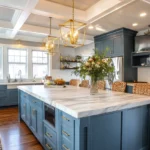
Shaker cabinets remain one of the most enduring and popular styles of kitchen cabinets available in 2025. Recognizable for a recessed center panel, clean lines, and functional simplicity, shaker style cabinets suit everything from traditional to contemporary kitchens. Shaker cabinets often feature durable construction with solid wood or wood veneer doors and balanced proportions.
Shaker style is sometimes referred to as a center panel or five‑piece door design, with the recessed center panel surrounded by a clean frame that adds depth without ornamentation. Shaker cabinets work beautifully in both modern and classic kitchens.
Shaker cabinets pair easily with modern finishes, two toned cabinets, and varying hardware, which makes them a top choice for homeowners who want enduring style with flexibility.
Slab Cabinets for Modern Kitchens
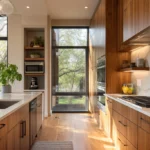
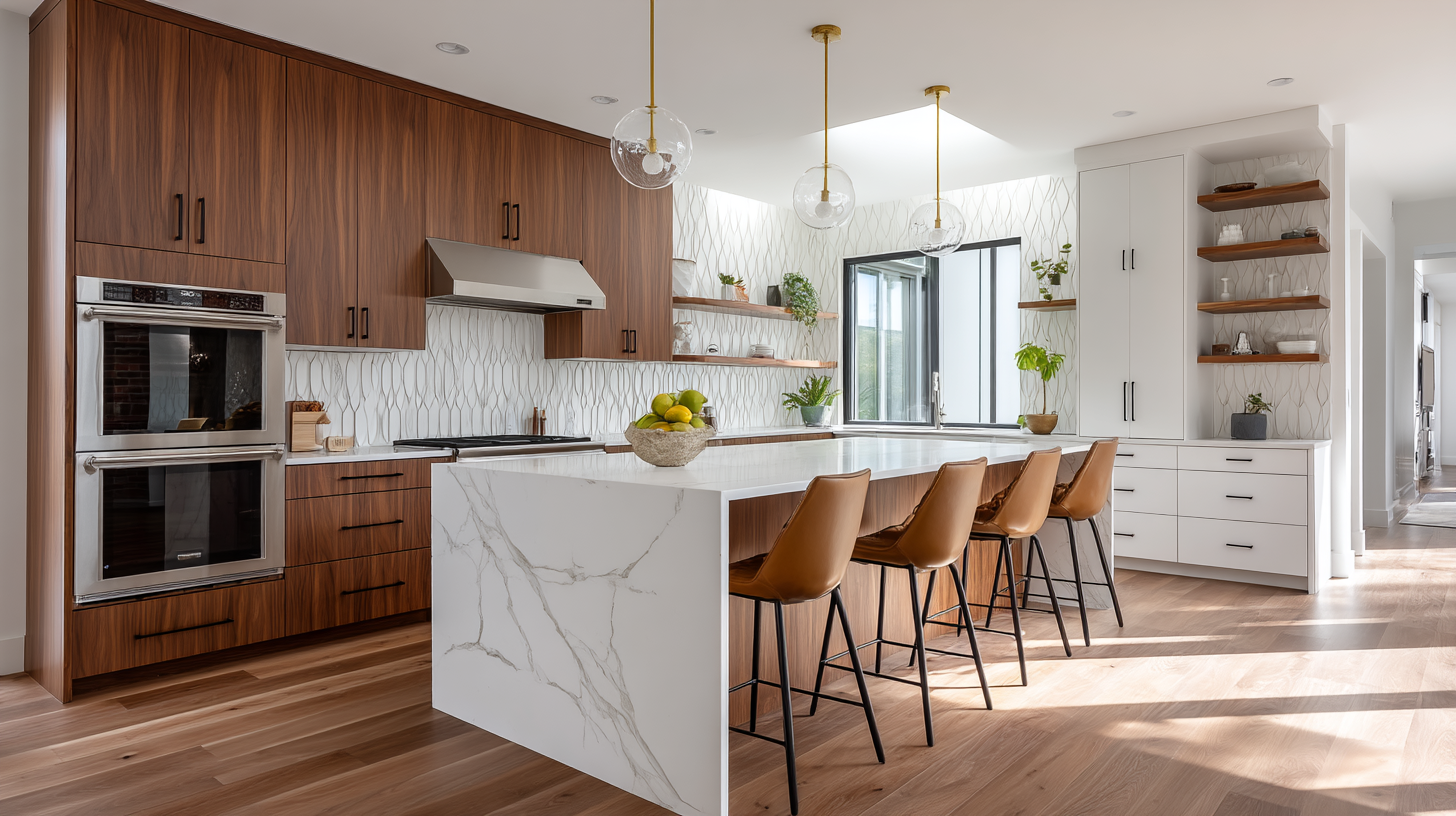
Flat panel cabinets, sometimes also called slab doors, are a go‑to for contemporary kitchens and minimal designs. Slab doors provide a smooth, unadorned face with no raised or recessed panels, emphasizing clean, flat surfaces.
Flat panel cabinets are one of the primary types of kitchen cabinets used when the goal is sleek simplicity. These cabinets are made to pair with modern materials like wood veneer, matte finishes, or bold color choices. Slab doors are ideal for those who value minimalist visuals, and they support a broad range of door and drawer fronts options from integrated handles to push‑to‑open hardware.
Raised Panel Cabinets for Traditional Appeal
Raised panel cabinets offer visual depth with a raised center panel in the cabinet door and decorative detailing along the edges. These are classic examples of traditional cabinets that bring sculptural detail and richness to kitchen spaces.
In a raised panel cabinet design, the center panel stands out, adding dimension and texture to the door style. While more detailed than Shaker cabinets, raised panel cabinets add warmth and character to kitchens leaning toward classic design sensibilities. When paired with rich wood tones and traditional finishes, raised panel cabinets deliver a timeless aesthetic that anchors the space.
Frameless Cabinets, Also Known as Euro Style
Frameless cabinets, often called Euro style cabinets, represent a different approach to kitchen cabinets construction and design. Instead of a cabinet face frame that supports the cabinet box, frameless construction has a flush, continuous surface that maximizes interior space and provides streamlined visuals.
This approach makes frameless cabinets especially effective in small kitchens where every inch of functioning space matters. Frameless designs pair exceptionally well with slab doors but also work with Shaker style cabinets depending on finish and detailing.
Inset Cabinets and Overlay Door Styles
Inset cabinets feature doors and drawers that fit flush inside the cabinet face frame, creating a clean, furniture-like appearance that is highly prized for its craftsmanship and classic look. These cabinets require precise manufacturing and installation but offer a timeless, high-end appeal.
Overlay doors, including partial overlay cabinet doors and full overlay cabinet doors, cover the cabinet frame to varying degrees. Partial overlay cabinet doors leave some of the cabinet frame visible between doors and drawers, providing a traditional look with defined lines. Full overlay cabinet doors cover the cabinet frame almost entirely, creating a seamless, modern appearance with minimal gaps.
Understanding these differences is crucial when choosing your kitchen cabinet style, as they greatly influence both the visual style and the functionality of your cabinetry.
Glass Front Kitchen Cabinets and Display Options
Adding glass front cabinets or glass panels to upper cabinets introduces lightness and display potential into your kitchen. These options let you showcase dishware, glassware, or decorative items while still anchoring the design with solid storage below.
Glass front cabinets can be inserted into traditional framed cabinets or used with frameless cabinets for a modern twist. In large kitchens, they help visually break up wall cabinets and add depth to your design.
Textured and Specialty Door Styles
Beyond classic Shaker, slab, and raised panel designs, textured door styles like fluted, ribbed, or vertical paneling are gaining popularity. These styles create visual appeal without sacrificing the clean lines that many designers and homeowners prefer. Pair these textured door styles with wood veneer for warmth, or use bold painted colors for a contemporary statement.
Mixed Style Kitchens
Increasingly, homeowners choose to mix kitchen cabinets styles to create a personalized look. A kitchen may combine shaker bases with slab uppers, use raised panel cabinets on islands only, or include glass front kitchen cabinets above open shelving. These hybrid approaches break up uniformity and create tailored spaces.
Two toned cabinets, such as darker base cabinets combined with lighter upper cabinets, are also part of this trend.
How to Choose the Right Cabinet Style for Your Kitchen
Match Cabinet Type to Your Kitchen Aesthetic
First, consider your kitchen’s overall design theme. Traditional homes often look best with raised panel cabinets or Shaker cabinets, while contemporary spaces embrace flat panel cabinets, frameless solutions, or full overlay cabinet doors.
Kitchen layout and floor space influence your choice too. Open concept spaces may benefit from slab doors that keep the visual plane simple, whereas U‑shaped kitchens can use varied cabinet style to define zones.
Function and Storage
Evaluate your storage priorities. Do you need specialized features like pull out trays, deep drawers, or adjustable shelves? The type of cabinets you choose impacts how you store items and access space. For example, frameless cabinets tend to provide easier access to the cabinet box interior. On the other hand, inset kitchen cabinets with doors built to sit flush within the frame create a high‑end traditional feel.
Stock cabinets, semi custom cabinets, and custom cabinets each play a role here. Stock cabinets are pre‑manufactured in standard sizes and are typically the most budget‑friendly. Semi custom cabinets offer more door style and size flexibility, and custom kitchen cabinets are built to your exact specifications for unique spaces and specific storage needs.
Finish, Material, and Door Style
Cabinet materials matter just as much as shape. Solid wood exudes luxury and durability but comes at a higher price. Wood veneer provides the appearance of wood grain at a more moderate cost and works well in both traditional and modern kitchens. Other options like medium density fiberboard allow paintable surfaces with consistent performance.
Your choice of kitchen cabinet doors and finish will ultimately influence the final look of kitchen cabinets in your home.
Custom Cabinets Versus Stock and Semi Custom Cabinets
When determining what types of kitchen cabinet styles are available, you will also encounter different manufacturing approaches:
Stock cabinets are ready‑made off the shelf. They come in standard sizes and popular door styles like Shaker and slab, and are a practical choice for many remodels.
Semi custom cabinets expand on stock options with more size, style, and finish choices. Semi custom solutions allow you to tailor your kitchen a bit more while keeping budgets controlled.
Custom cabinets represent the most personalized route. Whether you want unique proportions, specialty materials like wood veneer, or bespoke storage features, custom kitchen cabinets are designed for your space. Custom solutions also include refined details like inset doors or specialty finishes.
Frequently Asked Questions About Cabinet Styles
What cabinet style is most popular in 2025?
Shaker cabinets continue to lead as one of the most popular kitchen cabinet styles, followed by flat panel cabinets for modern designs.
What is the difference between Shaker and flat panel cabinets?
Shaker cabinets have a recessed center panel, providing framed depth and visual detail, whereas flat panel cabinets have smooth slab doors for a minimalist look.
Should I choose inset kitchen cabinets?
Inset kitchen cabinets have doors that fit inside the cabinet frame, offering a high‑end traditional appearance, but they require precision installation and work best in kitchens focused on craftsmanship.
Are glass front kitchen cabinets practical?
Yes, glass front cabinets are both beautiful and functional, especially for displaying dishware or adding visual lightness to wall cabinets.
Can I mix different kitchen cabinet styles?
Absolutely. Mixing cabinet styles such as combining raised panel cabinets with slab doors or pairing wood veneer cabinets with painted Shaker doors is a strong design trend.
Final Thoughts on Kitchen Cabinets and Cabinets Explained
Understanding what types of kitchen cabinet styles are available helps you make informed decisions that reflect your lifestyle, aesthetic preferences, and functional needs. From stock cabinets with classic door styles to custom cabinets with unique features, choosing the right kitchen cabinets impacts every aspect of your kitchen remodel.
Whether you prefer the enduring simplicity of Shaker cabinets, the sleek lines of flat panel cabinets, or the rich detail of raised panel cabinets, there are options to suit every home and every design plan. Consider your daily use, kitchen layout, storage needs, and aesthetic goals when you choose your cabinets.
Exploring the differences between stock cabinets, semi custom cabinets, and custom kitchen cabinets ensures you make a confident and rewarding choice that elevates your home now and for years to come.
Ready to Bring Your Kitchen Vision to Life
Designing the perfect kitchen starts with understanding your cabinet options, and this kitchen cabinet style guide gives you a comprehensive overview of what types of kitchen cabinet styles are available. With thoughtful selection and expert advice, you can create kitchen cabinets that support both your functional needs and visual goals. Whether you want classic, modern, or custom solutions, the right cabinets will set the foundation for your kitchen’s success.
CONTACT US
Our Services
Areas We Serve
Certificate