A Complete Step by Step Guide
Laminate countertops remain one of the most widely used kitchen countertops because they offer affordability, design versatility, and a smooth surface that is easy to clean. But even the best laminate eventually shows wear. When scratches, swelling, old laminate patterns, or outdated styles start taking over your kitchen, it may be time to learn how to replace kitchen counter laminate. Updating an old laminate countertop can instantly transform the look and function of a kitchen, and homeowners today often consider this upgrade a smart diy project or a job worth hiring out depending on the layout and complexity. This complete guide walks through every step of replacing laminate countertops while also explaining how to achieve a perfectly straight installation, how to handle the sink hole, and how to avoid chipping during cuts. Whether you are installing laminate countertops on your own or planning to hire a professional, understanding each stage ensures a better result and a new countertop you will feel proud to showcase.
What Are Laminate Countertops?
Overview of Laminate Materials
A laminate countertop is made by bonding a thin sheet of laminate to a substrate such as MDF or particle board using contact cement or high strength glue. The top layer includes a decorative print that can replicate stone patterns like granite, wood textures, or solid colors. Laminate is lightweight, budget friendly, and easier to install compared to stone counter tops, making it a popular choice for kitchens, apartments, and rental properties. Because laminate countertops are not as heat resistant or impact resistant as natural stone, they typically require a little more mindfulness to protect the surface. However, modern formica and other laminate brands have improved significantly, offering better durability and more realistic finishes. A well maintained laminate counter can last many years, especially when installed correctly with proper sealing around the sink area, back wall, and exposed edges.
Why Replace Laminate Countertops?
Signs It’s Time for a Change
Knowing when to replace an old countertop is important. Many homeowners decide to replace laminate countertops when they notice bubbling, peeling along the front edge, staining, swollen substrate near the sink, or rough edges that are difficult to clean. Old laminate may also have visible lines or cracks that affect hygiene and appearance. If the existing countertops include seams that have separated or an old sink that no longer fits tightly, replacement is often the best solution. Style changes also motivate replacement because current laminate designs look far more realistic than older generations of laminates. New laminate countertops provide more texture, richer color, and a more modern feel. A laminate counter upgrade can quickly refresh the look of the entire kitchen without the cost of granite or quartz.
Repair vs Replace, What Makes Sense?
Light damage on existing laminate might be repaired with special kits, but deep burns, delamination, or substrate swelling usually require a full replacement. When the old laminate countertop is already warped or when the cabinets beneath have shifted, a repair might only mask issues temporarily. Replacing ensures a smooth surface that is level, durable, and visually appealing. Homeowners often appreciate the ability to choose a new sink, modern backsplash height, and updated edge profiles at the same time as the replacement.
How to Replace Kitchen Counter Laminate Step by Step
Step 1 | Planning and Measuring
Replacing laminate begins with precise measurements. Use a tape measure and masking tape to outline the dimensions of your new laminate countertop. Measure length, width, and desired overhang carefully. Be sure to account for the front edge, back edge, and any return splashes. Confirm right angles where counters meet walls because many walls are not perfectly straight. If there is a tile backsplash, measure backsplash height so your new countertops fit cleanly along the back wall. Identify the sink hole location, the position of appliances, and how the countertop meets the cabinets. Planning is the moment to decide whether to install laminate sheets on a new substrate or purchase preformed new laminate countertops with laminated side edges and integrated backsplash options.
Step 2 | Remove the Old Countertop
Before removing existing laminate or old countertops, disconnect plumbing fixtures, remove the old sink, and turn off water supply lines. Use a utility knife to slice through caulk so you do not pull off window trim or damage the wall. Remove screws from inside the cabinets that hold the old countertop in place. If the old countertop is glued down, use pry bars and scrap wood to protect cabinet frames as you lift. Take your time to avoid cracking the cabinet frame or causing a little bow in the wood supports. Once the old laminate is lifted, inspect cabinets for level. Cabinet drawers should open cleanly without rubbing, which indicates your base is ready for new laminate installation.
Step 3 | Prepare the Base Cabinets or Substrate
After removing old laminate, clean the top of the cabinets and check for level using a straight line or level tool. Use buildup strips if the cabinets require additional height so the countertop sits properly above cabinet drawers. Inspect the back wall for gaps or unevenness. A small difference here can influence how the back edge fits. Install new substrate if necessary, especially when the existing laminate surface is damaged or not suitable for reuse. The substrate must be a smooth surface for the laminate to adhere to and must be thick enough to support construction adhesive or contact cement. Be sure to test fit a scrap piece of wood along the cabinets to confirm that the top edge of the cabinets sits evenly across the entire run.
Step 4 | Cut and Fit the New Laminate Countertop
Cutting laminate requires precision to avoid chipping. Use a fine tooth blade and cut the countertop upside down so the finished side faces downward. This helps avoid cracking along the edge. When creating the sink hole, use masking tape to outline your cut and reduce chipping as the blade enters the laminate. If you need to trim rough edges or adjust for a little bow in the wall, use a belt sander carefully. Cut corners with accuracy so the back wall, side walls, and cabinets align cleanly. If the design includes miter joints, use miter bolts to tighten the connection securely. Check that the laminated side aligns with the front edge cleanly and that any exposed edges are sanded lightly. Always dry fit pieces first to verify that every counter meets the walls perfectly.
Step 5 | Install the New Laminate Countertop
Installation begins by applying construction adhesive to the cabinet frame or the buildup strips. Position the new laminate countertop carefully, ensuring the desired overhang remains consistent from end to end. Tighten miter bolts for corner sections and ensure all seams are flush. Recheck level because installing laminate countertops requires precision to prevent pooling water or rocking appliances. Once everything sits correctly, secure the countertop from beneath the cabinets using screws. Seal the joint where the counter meets the wall with caulk to prevent moisture from penetrating the edge of the countertop. Install a new sink and reconnect plumbing with care. If you have a tile backsplash or plan to install one, ensure spacing along the back edge is even. Finally, clean the surface with a damp cloth to remove dust and adhesive residue.
Tips for a Smooth Installation
Common Mistakes to Avoid
Replacing laminate is straightforward when handled methodically, but common mistakes include cutting too quickly which can cause chipping, failing to seal exposed edges, forgetting to check the level of cabinets, or using the wrong blade which can damage the laminate. Avoid cracking by cutting slowly, support the countertop while cutting, and always keep a scrap piece beneath areas you are trimming. Test fitting is essential when working with existing countertops that may have shifted over time. Measure twice before cutting to ensure right angles remain accurate.
DIY vs Hiring a Pro, What You Need to Know
Many homeowners enjoy taking on a diy project like installing laminate countertops because the material is more forgiving than stone. However, tricky layouts, angled walls, and custom sink cutouts can become time consuming. Professional countertop installation ensures a tight fit, precise lines, and long lasting results, especially around the sink area where sealing is critical. Professionals can also help cover exposed edges properly and avoid rough edges that collect dirt over time. If plumbing, appliances, or irregular cabinet shapes are involved, hiring a pro can save time and frustration.
Cost of Replacing Laminate Countertops in 2025
Costs vary depending on new countertops, material thickness, labor, and layout. Laminate is still one of the most affordable options for kitchen countertops. Homeowners replacing only a straight run will pay less than those replacing multiple corners, large sink areas, or adding return splashes. While laminate is cost effective, prices rise when adding premium formica patterns, integrated backsplash sections, or complex cuts. Still, laminate delivers excellent value compared to granite or solid surfacing, and the overall investment remains budget friendly for most households.
Maintaining Your New Laminate Countertop
Maintaining a new laminate countertop is simple. Use a damp cloth and mild cleaner regularly to preserve the smooth surface. Avoid placing extremely hot pans directly on the counter. Use cutting boards to protect against scratches. Keep water away from seams and exposed edges by wiping spills quickly. Proper care ensures your new laminate provides long lasting performance. When cleaning, avoid harsh chemicals that may dull the surface. Gentle care helps laminate maintain its color and clarity for years.
Before and After Inspiration
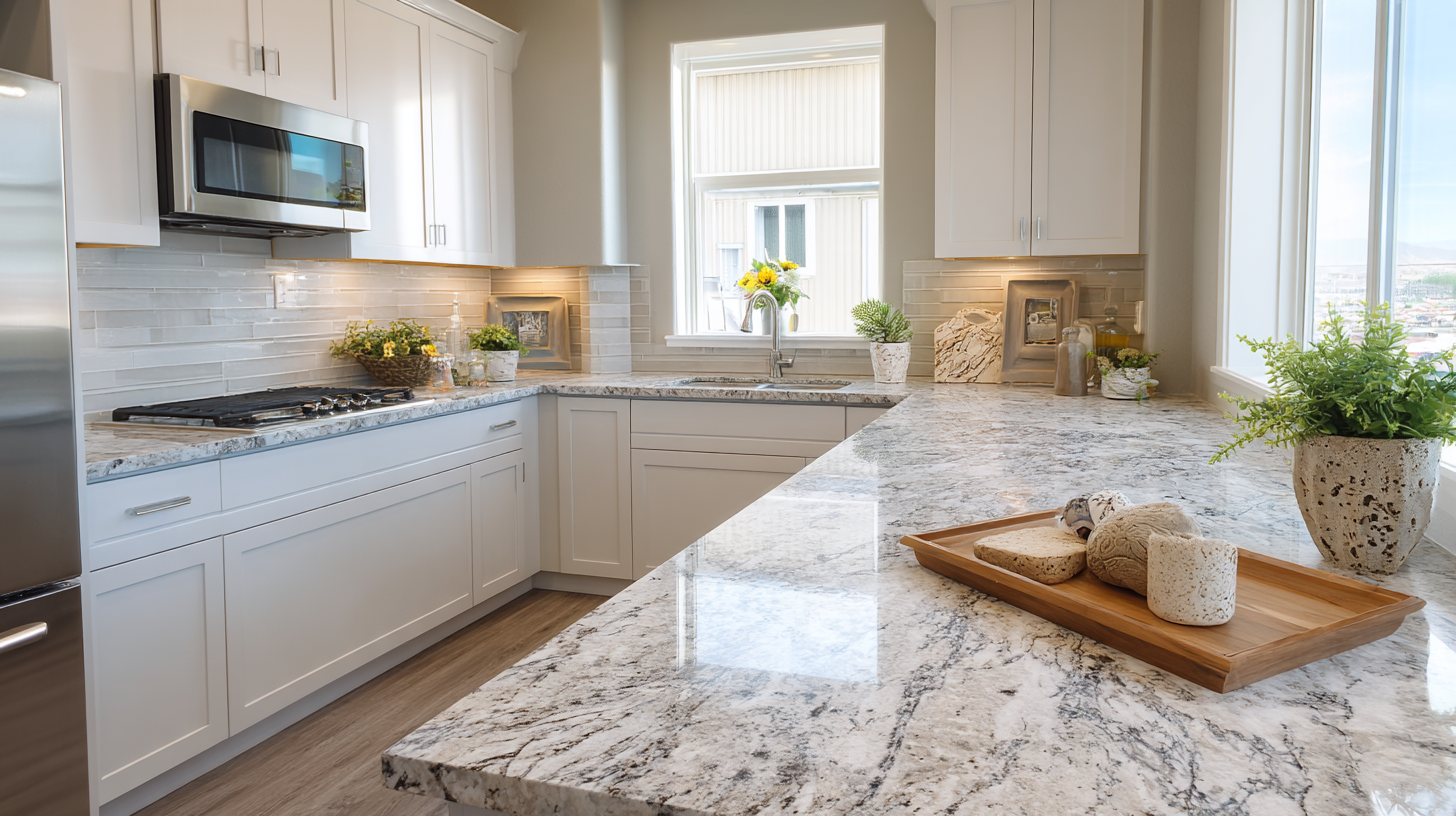
Replacing old countertops with new laminate countertops is one of the quickest ways to modernize a kitchen. Many kitchens look instantly brighter and more contemporary once the new laminate is installed, the edge is finished cleanly, and the counter meets the wall without gaps. Homeowners who pair new laminate with an updated tile backsplash often achieve an even bigger transformation.
FAQs, Replacing Laminate Kitchen Countertops
Can I install new laminate over existing laminate?
Although possible, most installers recommend removing the old laminate to ensure a smooth surface and proper adhesion.
How long does it take to replace a kitchen countertop?
Most countertop installation projects take one to two days depending on layout and complexity.
What is the best glue for laminate?
Contact cement is commonly used when you install laminate sheets, while construction adhesive is used for setting preformed countertops.
Do I need to hire a plumber?
If you are switching to a new sink or moving plumbing fixtures, a plumber is helpful.
What is the difference between postform and custom laminate?
Postform countertops are pre shaped with curved edges and a built in backsplash, while custom laminate is bonded to substrate in the home.
Final Thoughts, Is Laminate Countertop Replacement Worth It?
Replacing an old countertop with new laminate is a cost effective way to refresh your kitchen. It delivers noticeable visual impact, improved function, and a clean smooth surface that feels like an entirely new space. With a wide range of patterns available, modern laminate countertops can mimic high end materials at a fraction of the price. Whether you choose a diy project or hire professionals, replacing laminate countertops provides an excellent return on investment.
Get a Free Quote for Your Laminate Countertop Upgrade
If you are ready for a fresh, modern look, new laminate countertops are the perfect place to start. A properly handled installation gives your kitchen the clean lines, crisp edges, and updated feel you want. Our team specializes in countertop installation, cabinet updates, and full kitchen transformations. Reach out today to begin planning your upgrade.
CONTACT US
Our Services
Areas We Serve
Certificate