A Complete Remodeler’s Guide
Choosing between frameless vs framed kitchen cabinets is a crucial decision when remodeling your kitchen. The cabinet style you select not only defines your kitchen’s appearance, but also affects functionality, cabinet construction, and long-term satisfaction. Whether you’re leaning toward a modern, minimalist look or a warm, traditional aesthetic, understanding the difference between framed and frameless cabinets is key to getting it right. In this guide, we break down everything you need to know, from how each cabinet type is built to how they influence storage, cost, and style, so you can make an informed decision for your remodeling project.
What Are Framed Cabinets?
Key Characteristics
Framed cabinets are the most common style used in American homes. These cabinets feature a solid wood face frame attached to the front of the cabinet box, which provides additional strength and stability. The face frame surrounds the cabinet interior and supports the hinges for the cabinet doors. This type of cabinet construction allows for various door styles, including inset doors, partial overlay, and full overlay doors.
The inclusion of a solid wood frame enhances the overall sturdiness, making framed cabinetry a reliable option for long-term durability and a traditional aesthetic.
Pros of Framed Cabinets
- Classic look: Perfect for kitchens with a traditional design or transitional style.
- Durability and stability: The face frame acts as a built-in brace, keeping the cabinet from racking over time.
- Installation flexibility: Framed construction is more forgiving in older homes where walls might not be perfectly square.
- Door style options: Supports a wide range of cabinet doors, including inset, overlay, and custom drawer openings.
Cons of Framed Cabinets
- Less interior space: The face frame can limit access to the cabinet interior, resulting in slightly less usable storage.
- More fillers needed: Designing with framed cabinetry sometimes requires more fillers to align with appliances or walls.
- Not as sleek: If you’re going for a modern design, framed cabinets may not offer the seamless appearance you want.
What Is Frameless Cabinetry?
Key Characteristics
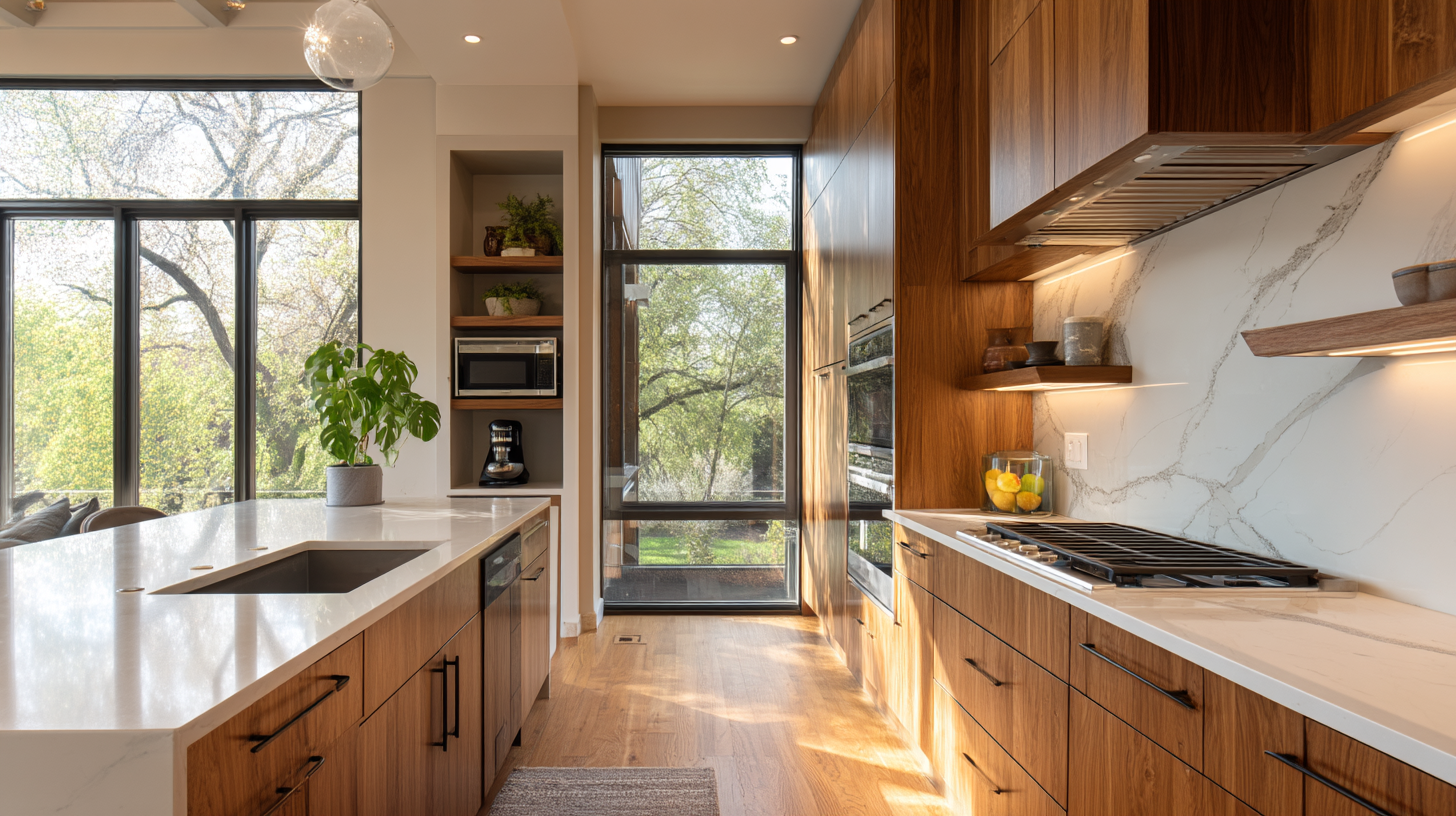
Frameless cabinets, often called European-style or full-access cabinets, are designed without a face frame. The cabinet doors attach directly to the cabinet box, creating a smooth and sleek exterior. This frameless construction relies on thicker cabinet sides for stability. The result is a minimalist, modern look that appeals to homeowners wanting a clean, continuous surface across the kitchen.
Frameless cabinetry supports full overlay doors, where the door covers the entire front of the cabinet, offering a more refined, uniform finish.
Pros of Frameless Cabinets
- Maximized access: Without a face frame, the cabinet interior is more accessible, offering full access to wider drawers and shelves.
- More storage: Frameless cabinets provide up to 10–15% more usable interior space, which is ideal for small or highly efficient kitchens.
- Sleek modern appeal: With full overlay styling and clean lines, frameless kitchen cabinets create a contemporary feel.
- Perfect for modern styles: They align well with slab-style cabinet doors, glossy finishes, and modern hardware.
Cons of Frameless Cabinets
- Precision is critical: Frameless cabinet construction requires exact measurements and expert installation to ensure proper alignment.
- Durability depends on build: The lack of a face frame means the cabinet box must be high quality to prevent issues like sagging or warping.
- Higher cost: Typically, frameless cabinets use thicker materials and require precise labor, which can increase costs.
Frameless vs. Framed Cabinets: A Side-by-Side Comparison
At a Glance
| Feature | Frameless Cabinets | Framed Cabinets |
|---|---|---|
| Style | Modern, sleek look | Classic, traditional style |
| Storage space | More usable interior space | Slightly less cabinet interior |
| Construction | No face frame | Includes solid wood face frame |
| Door options | Full overlay only | Inset, partial overlay, or full overlay |
| Durability | Relies on thick cabinet side panels | Reinforced by solid wood frame |
| Installation | Requires high precision | More adaptable in uneven spaces |
| Design fit | Best for modern design | Ideal for traditional aesthetic |
Choosing Based on Style and Aesthetics
Best Cabinet Type for a Modern Kitchen
If your remodel leans toward modern design, frameless cabinets are the clear choice. Their seamless appearance, sleek lines, and ability to use full overlay doors make them ideal for flat-panel cabinet doors, glossy finishes, and minimalistic layouts. Frameless cabinetry supports the vision of an open, clutter-free kitchen that emphasizes geometry and function.
Best Cabinet Type for a Classic or Transitional Kitchen
For a more timeless or versatile kitchen design, framed cabinets are the better fit. They accommodate various door styles such as inset doors, raised panels, and partial overlay doors. The presence of a face frame also allows for detailed moldings, decorative trim, and custom pull outs that elevate your kitchen’s charm.
Functionality & Storage Considerations
Interior Space & Accessibility
In terms of storage space, frameless cabinets offer more room due to the lack of a face frame. You’ll get wider door and drawer openings, easier access to items, and more storage in the same footprint. For homeowners maximizing space in smaller kitchens, this is a game-changer.
Framed cabinetry, while slightly more restrictive, still provides excellent functionality. Thoughtful cabinet design can help minimize any limitations and make the most of available storage.
Door and Drawer Hardware
Frameless construction relies heavily on concealed hinges and precision-mounted hardware. These doors and drawers must be aligned perfectly to maintain smooth operation. In contrast, framed cabinets offer more tolerance for adjustment and traditional hardware configurations.
Durability and Longevity
Materials & Construction Quality
With framed cabinets, the face frame reinforces the cabinet box, improving durability and preventing racking. They’re especially reliable for long-term use in busy kitchens. Frameless cabinets, on the other hand, depend on thicker side panels for stability and strength. While both types are durable when built correctly, lower-quality frameless cabinet construction may show wear faster.
Long-Term Maintenance
Framed cabinetry allows for easier door adjustments over time. Frameless cabinets, due to their full overlay alignment, may require occasional tweaks to maintain visual uniformity. In either case, proper cabinet installation ensures long-term satisfaction.
Cost Breakdown
Material and Manufacturing Costs
Frameless cabinets tend to cost more due to the need for thicker materials and high-precision construction. They also usually come equipped with premium hinges and full-extension drawers. However, for homeowners who prioritize more storage and modern appeal, the investment pays off.
Framed cabinets, depending on the materials and design complexity, can be more cost-effective. They’re widely available in custom, semi-custom, and stock options, allowing flexibility for different budgets without compromising quality.
Installation Labor
Framed construction is easier to install, especially in older homes where walls may not be perfectly square. Frameless cabinet construction, by contrast, demands exact precision during installation, requiring experienced professionals to avoid alignment issues.
What’s Right for Your Home? A Remodeler’s Take
Questions to Ask Before Choosing
Ask yourself:
- Is your kitchen more traditional or modern in design?
- Do you need more storage and full access to wide drawers and shelves?
- Are you working within a set budget or flexible on costs?
- Do you prefer inset, overlay, or full overlay cabinet doors?
These answers will help determine whether frameless or framed cabinetry makes the most sense for your remodel.
Why It Pays to Work With a Design-Build Team
Choosing between framed vs frameless cabinets comes down to more than just looks. At America’s Advantage Remodeling, we help homeowners understand the real-world impact of these choices on workflow, storage, aesthetics, and installation. Whether you need frameless kitchen cabinets framed for a hybrid look or want to embrace full frameless cabinet construction, we’ll guide you through every detail.
Real-World Remodel Examples
Framed Cabinet Remodel – Roseville, CA
This homeowner chose custom framed cabinets with inset doors and crown molding for a clean, elegant finish. The traditional design and matte black hardware added sophistication while maintaining a welcoming feel.
Frameless Cabinet Remodel – Rocklin, CA
For a modern kitchen update, we installed sleek frameless cabinets with slab-style full overlay doors. The increased storage space and crisp lines made this kitchen both functional and stylish.
FAQs – Frameless vs. Framed Cabinets
Are frameless cabinets less durable than framed?
Not when built properly. High-quality frameless cabinetry with thick cabinet sides can be just as strong as framed cabinetry, though proper installation is critical.
Can you reface frameless cabinets?
Yes, but options may be more limited due to the need for full overlay doors that cover the entire cabinet face.
Do framed cabinets cost less than frameless?
Typically yes, especially when using semi-custom or stock lines. Frameless cabinets may cost more due to materials and labor.
Which option offers more storage?
Frameless cabinets provide more usable interior space, making them ideal for smaller kitchens or homeowners needing easier access to contents.
Can you combine framed and frameless cabinets in one kitchen?
Yes. Some homeowners choose framed cabinets for wall units and frameless cabinets for base storage. This framed and frameless cabinetry mix can offer the best of both worlds.
Final Thoughts – Which Cabinet Style is Best for Your Remodel?
Whether you’re remodeling for function, style, or resale value, choosing between frameless vs framed kitchen cabinets should be based on your priorities and how you use your space. Frameless cabinets offer modern lines and greater storage space, while framed cabinets offer versatility, durability, and timeless appeal. Both styles can be customized to match your unique vision.
At America’s Advantage Remodeling, we help homeowners throughout Northern California navigate all aspects of their kitchen projects. From choosing between framed and frameless cabinetry to executing flawless installations, our team is here to bring your kitchen dream to life with precision and care.
CONTACT US
Our Services
Areas We Serve
Certificate