
Quartz Countertop Installation Process: What Homeowners Need to Know Before Starting a Kitchen or Bathroom Remodel
Quartz Countertop Installation Process
The quartz countertop installation process is one of the most important parts of any kitchen or bathroom upgrade, especially when homeowners want long-lasting results and a visually seamless finish. Quartz countertops are one of the most requested upgrades in remodeling projects because they offer durability, design consistency, and low maintenance performance compared to other countertop material options like granite or marble.
However, the success of quartz countertops depends heavily on the quality of the countertop installation. Even premium quartz slabs can underperform if the installation process is not handled with precision. Every project involves careful measurements, fabrication, countertop removal, installation, polishing, and final inspection to ensure a smooth installation process from start to finish.
Whether homeowners are replacing old countertops or upgrading to new countertops in larger kitchens or bathroom spaces, the installation team must evaluate cabinets, surfaces, and layout details before any slab is installed. The goal is always a seamless fit between quartz, cabinets, sinks, and surrounding space.

What Makes Quartz Countertops So Popular in Modern Homes
Quartz countertops continue to lead the remodeling industry because they combine engineered strength with aesthetic flexibility. Unlike natural stone, quartz is manufactured as engineered stone, which ensures consistency across every quartz slab and simplifies countertop material selection and countertop installation planning.
Engineered Strength and Durability
Quartz countertops are made from engineered stone that blends natural minerals with resins. This creates a durable surface that resists stains and scratches during everyday use. During countertop installation, each quartz slab must be supported properly across cabinets and set at the right kitchen counter height to ensure stability and long-term performance.

Design Consistency and Natural Look Options
Homeowners can choose quartz countertops that resemble granite or marble slab designs while maintaining consistent patterns. This makes countertop installation easier because seams in stone countertops and edges can be matched more precisely across each installed piece.
Low Maintenance Surface Benefits
Quartz countertops are non-porous, so they do not require sealing. Cleaning with mild soap is usually enough to maintain the surface. This simplicity is one reason quartz continues to outperform other countertop material options in modern remodeling projects.
Quartz Countertop Installation Process Overview
The quartz countertop installation process involves several coordinated steps including measurement, fabrication, countertop removal, delivery, installation, and finishing. Each phase must be completed by an experienced installation crew to ensure accuracy and durability.

Why Professional Countertop Installation Is Required
Quartz slabs are heavy and rigid, which means countertop installation must be completed with precision. Installers must ensure cabinets are level and strong enough to support the weight of each quartz slab. Without proper preparation, even small errors can affect seams, edges, or sink alignment.
Full Installation Process Summary
The installation process includes consultation, on-site measurement, slab selection, fabrication, old countertop removal, delivery, dry fitting, installation, and final polishing. Each stage contributes to a successful countertop installation and a smooth final result.
Step 1 | In-Home Consultation and Design Planning
The first step in countertop installation is the consultation phase. The installation team evaluates existing countertops, cabinet structure, and overall space layout. This ensures the project is properly planned before fabrication begins.
Installers also check cabinets for level accuracy and structural support. If cabinets are uneven, adjustments may be required before quartz countertops can be installed. This step is critical for ensuring proper fit and long-term durability.
Homeowners also select quartz slab designs, edges, and color options. Quartz countertops are available in a wide range of finishes, including styles that mimic marble and granite.

Step 2 | Precision Measurements and Templating
Accurate measurements are essential for successful countertop installation. Installers measure cabinets, walls, and appliances to ensure every quartz slab fits correctly.
On-site templating ensures precise alignment for sinks, edges, and backsplash areas. Even small measurement errors can affect how countertops are installed, especially in larger kitchens where multiple slabs are used.

Window ledges and surrounding space details are also measured carefully to ensure a complete and accurate installation process.
Step 3 | Quartz Slab Selection and Layout Planning
Once measurements are complete, the fabricator selects the quartz slab for the project. Each slab is carefully inspected for surface quality, pattern consistency, and structural integrity.
Layout planning ensures seams are placed strategically and that each countertop section flows naturally. The fabricator also considers how each slab will be cut and installed, including sink cutouts and edge placement.
This step is essential for achieving seamless countertop installation results.

Step 4 | Fabrication of Quartz Countertops
Fabrication is where quartz slabs are transformed into finished countertop pieces. Using advanced machinery, fabricators cut and shape each slab based on exact measurements.
Wet diamond cutting tools are often used during fabrication to ensure clean and precise cuts. Sink cutouts, edge shaping, and polishing are completed before delivery. Each slab is carefully inspected to ensure quality before installation.
Fabrication also includes polishing edges and preparing each countertop surface for installation.
Step 5 | Site Preparation and Countertop Removal
Before installation begins, the installation team prepares the space through old countertop removal and, if needed, faucet disconnection. Existing countertops are carefully removed to avoid damaging cabinets or surrounding walls, and any kitchen faucet removal is handled safely to protect plumbing connections.
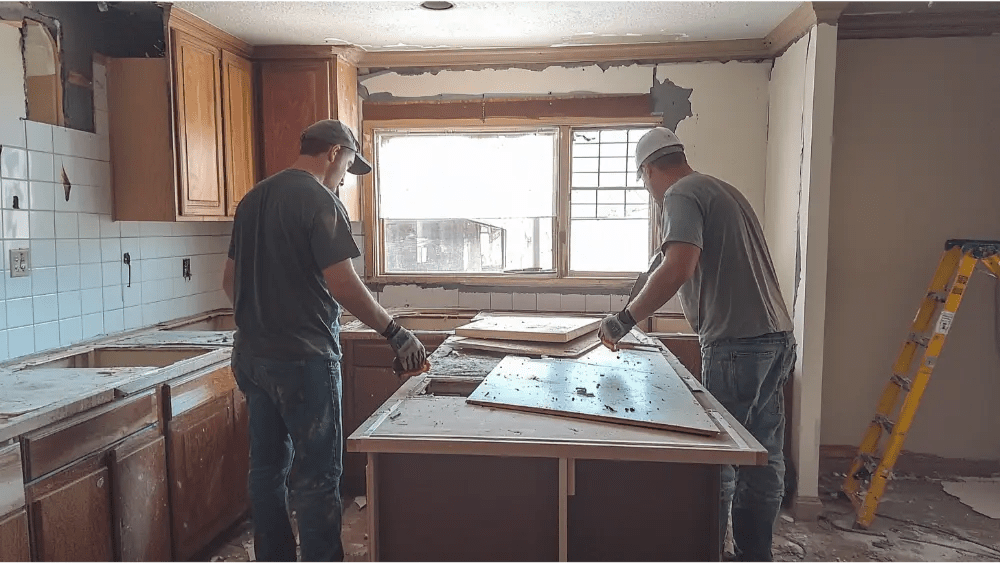
Countertop removal must be handled carefully to protect cabinets and surrounding space. In some cases, plumbing connections and appliances are disconnected before removal begins.
Once old countertops are removed, cabinets are inspected again to ensure they can support new countertops and coordinate properly with existing or new flooring. Additional support may be added using plywood or reinforcement materials if needed, and decisions about whether flooring should be installed before or after cabinets are confirmed at this stage.
Step 6 | Delivery and Dry Fit Installation
Quartz slabs are delivered on site by the installation crew. Each slab is heavy and must be handled carefully during transport.
A dry fit is performed to ensure each countertop piece aligns correctly with cabinets, edges, and surrounding space. This step checks seams, overhangs, appliance alignment, and how the countertops will meet existing or planned tile surfaces so that decisions about installing tile before or after kitchen cabinets are fully accounted for before permanent installation.
Installers also verify sink placement and ensure all measurements match fabrication details.

Step 7 | Final Installation and Seaming
Once the dry fit is approved, final countertop installation begins. Adhesive is applied to secure each quartz slab to cabinets, ensuring long-term stability and support, especially when working with professional kitchen countertop installation services in Sacramento, CA.
Seams are carefully joined using color-matched adhesive to create a seamless appearance. Each installed countertop is adjusted for alignment before the adhesive sets.
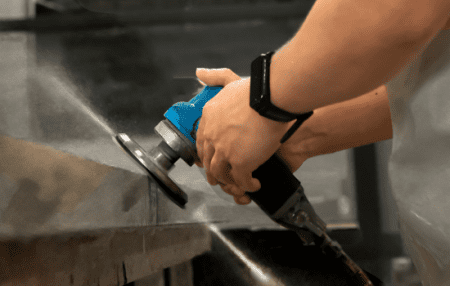
Polishing is completed along seams and edges to ensure a smooth and consistent surface across the entire countertop.
Step 8 | Sink and Fixture Integration
Sink cutouts are one of the most detailed parts of countertop installation. Undermount sinks are secured using adhesive and support brackets to ensure stability.
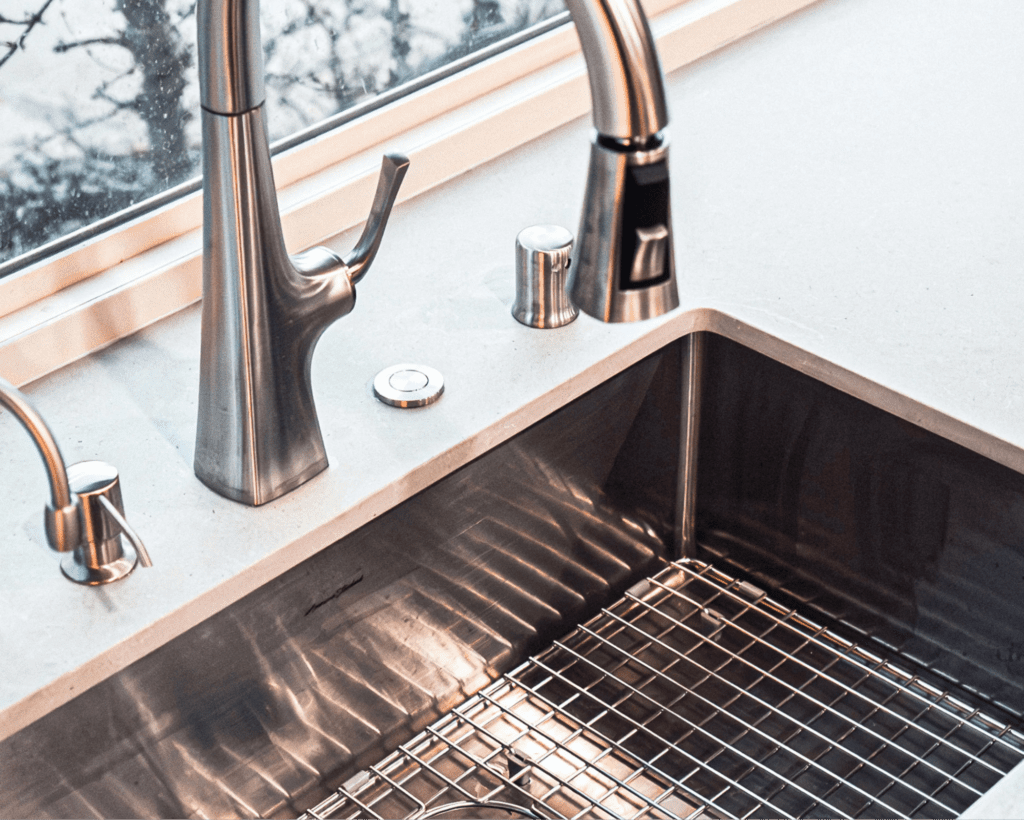
Plumbing connections are reinstalled once countertops are fully installed. Faucets and appliances are checked for alignment and functionality to ensure proper operation within the new space.
Step 9 | Final Inspection and Cleanup
After installation is complete, the installation team carefully inspects every countertop surface. Each installed piece is checked for alignment, seam quality, and overall finish.
The surface is cleaned using mild soap and water to remove any installation residue. Homeowners receive care instructions to maintain quartz countertops and preserve surface quality over time.
How Long Quartz Countertop Installation Takes
Most countertop installation projects take a few hours for final placement once fabrication is complete, typically around two to five hours depending on project complexity. However, the full installation process including fabrication, templating, and preparation takes several days.
Larger kitchens or projects involving multiple quartz slabs may require additional time for precise alignment and installation.
Quartz Countertop Installation Cost Factors
Several factors affect countertop installation cost, including slab selection, edge design, square foot coverage, and overall project complexity. Reviewing typical granite countertop costs can help homeowners compare pricing across materials. Additional costs may include countertop removal, plumbing adjustments, and fabrication requirements.
Each project is unique, and pricing depends on material selection, cabinet condition, and installation details.
Common Installation Mistakes to Avoid
Common issues in countertop installation include improper cabinet preparation, inaccurate measurements, and poor seam placement. Choosing an unqualified installation team can also impact long-term performance.

Proper cabinet leveling is essential to support quartz countertops and ensure stability across the entire surface.
Why Professional Installation Matters
Professional countertop installation ensures durability, safety, and long-term performance. Experienced installers understand how to support heavy quartz slabs, align seams, and create a smooth installation process.

Professional installation also protects warranties and ensures quartz countertops perform as intended for many years.
Quartz Countertop Care After Installation
Quartz countertops require simple maintenance. Cleaning with mild soap and water is typically enough to maintain the surface, and some homeowners may even consider painting kitchen countertops as a cost-effective refresh in the future. Harsh chemicals should be avoided to protect the finish.

Homeowners should avoid placing hot cookware directly on the surface to preserve long-term durability.
Frequently Asked Questions
How Long Does Quartz Countertop Installation Take?
The countertop installation process typically takes a few hours for final placement after fabrication, while the full project timeline is longer due to measurement and fabrication stages.
Do Quartz Countertops Require Sealing?
Quartz countertops do not require sealing because they are non-porous engineered stone surfaces.
Can Quartz Be Installed Over Existing Countertops?
It is not recommended, since proper countertop installation requires direct support from cabinets after countertop removal.
Are Quartz Countertops Heat Resistant?
Quartz countertops are heat resistant but not heat proof, so care should be taken to avoid direct heat exposure.
What Is the Lifespan of Quartz Countertops?
Quartz countertops can last decades with proper installation and maintenance.
Can Seams Be Invisible?
High quality fabrication and countertop installation can make seams very minimal when slabs are properly matched.
Conclusion

Installing quartz countertops is a detailed process that requires precision, planning, and professional expertise to achieve a durable and visually appealing result. From initial consultation and precise measurements to careful fabrication, delivery, and final installation, each step plays a crucial role in ensuring the countertops fit perfectly and function optimally. Homeowners can expect a timeline of about 10–15 business days from templating to installation, with the actual installation typically taking several hours. Proper preparation, including ensuring cabinets are level and structurally sound, and coordinating with a qualified contractor, will help ensure the process runs smoothly. By understanding the quartz countertop installation process and working with experienced professionals, homeowners can enjoy the lasting beauty and performance of their new quartz surfaces for years to come.
CONTACT US
Our Services
Areas We Serve
Certificate