What Cabinet Construction Features Indicate High Quality Cabinets?
Understanding what cabinet construction features indicate high quality cabinets is essential when choosing kitchen cabinets that are meant to last for decades instead of just a few years. Many homeowners focus on finishes, color, or door styles, but true cabinet quality is determined by what is underneath the surface. High quality kitchen cabinets are built with durable cabinet box engineering, strong drawer boxes, solid wood components, and reliable hardware systems designed for long term performance in real homes.
Why Cabinet Quality Matters More Than Appearance
Cabinets are one of the most frequently used elements in any kitchen, and cabinet quality directly affects daily performance, durability, and long term satisfaction. While many kitchen cabinets may look similar at first glance, differences in construction methods quickly become obvious over time.
High quality cabinets are designed to withstand constant use, moisture exposure, and heavy storage loads. Lower grade cabinets, especially those found in big box stores or lower cost RTA cabinets, often rely on thin panels and weak fastening systems that break down under pressure. Even if they look attractive initially, they tend to lose alignment, develop loose hinges, and suffer from reduced smooth operation.
Better quality cabinets maintain structural integrity and provide reliable smooth operation for doors and drawers over many years, making them a stronger long term investment.
Cabinet Box Materials and Structural Integrity

The cabinet box is the foundation of all kitchen cabinets and one of the most important indicators of cabinet quality. A strong cabinet box ensures durability, stability, and resistance to wear over time.
Plywood Construction Versus Particle Board
High quality kitchen cabinets typically rely on plywood construction or plywood boxes because plywood is significantly stronger and more moisture resistant than particle board. In contrast, particle board is commonly used in stock cabinets and RTA cabinets due to its lower cost, but it is more vulnerable to swelling and deterioration.
Cabinets built with plywood sides and plywood boxes maintain their shape longer and perform better in kitchens exposed to humidity and temperature changes. Furniture board and medium density fiberboard are less durable options when used for structural cabinet boxes, especially in high moisture environments.
Solid Wood and Engineered Materials
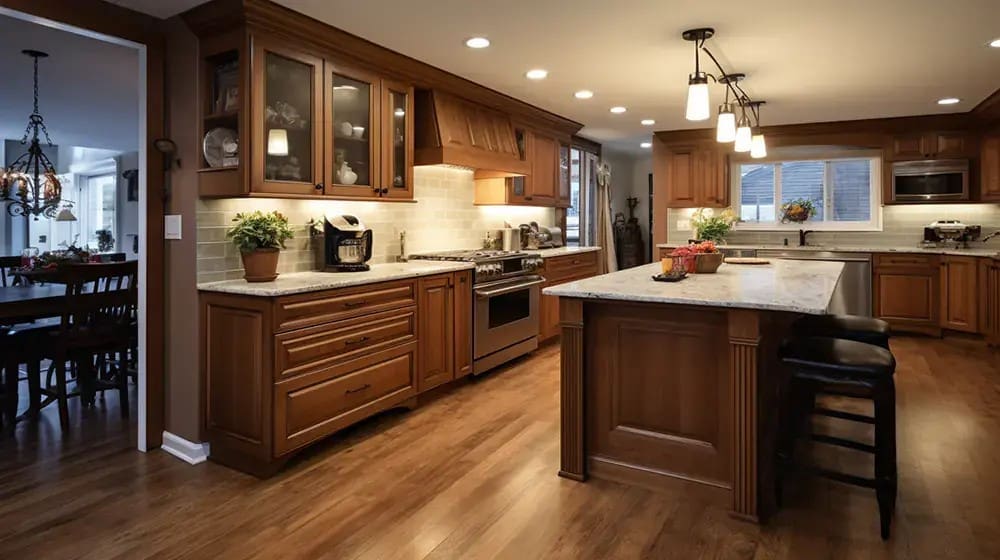
Many high quality cabinets combine solid wood framing with engineered materials for balance between strength and stability. Solid wood provides natural strength, durability, and grain patterns that enhance aesthetic appeal.
Thicker solid maple and other solid hardwoods are often used in better quality cabinets to improve durability in high stress areas. Solid hardwoods are especially valuable in cabinet structures that must support heavy countertops or frequent daily use.
Medium density fiberboard is sometimes used for cabinet doors with painted finishes, but it is not ideal for load bearing cabinet box structures.
Cabinet Box Construction Methods
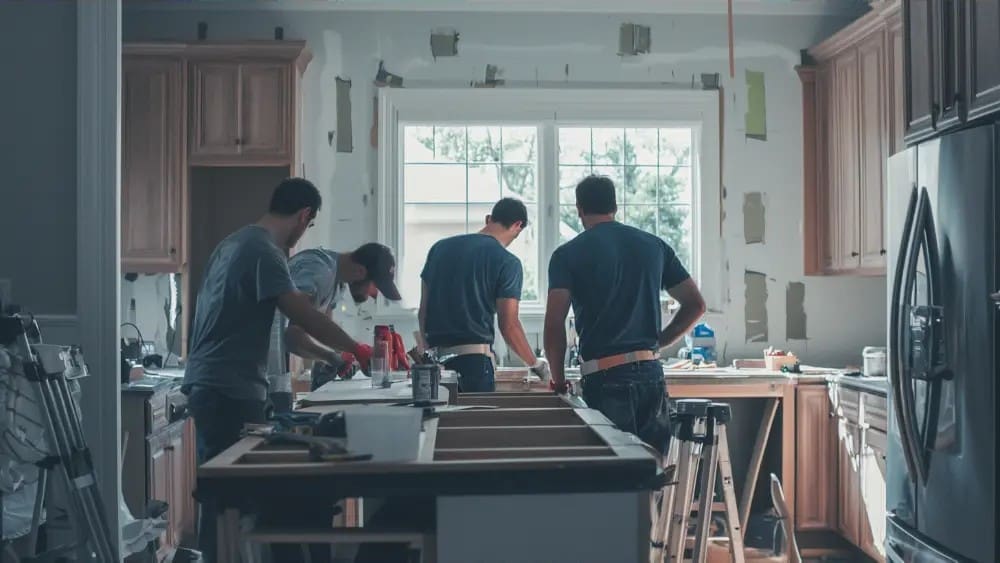
Cabinet quality is also determined by how the cabinet box is assembled. High quality cabinets use strong construction methods that combine hot and cold glue systems with mechanical fasteners for maximum durability.
Industrial techniques and power fasteners ensure that cabinets can support heavy loads and maintain long term stability. Poor construction methods that rely on weak adhesives or plastic rollers often lead to early structural failure.
Face Frames, Frameless Cabinets, and Structural Design
Cabinet design plays a major role in both durability and function. Both framed cabinets and frameless cabinets can be considered high quality cabinets when built correctly.
Face Frames and Structural Strength
Face frames are a traditional feature that adds strength and stability to kitchen cabinets. Cabinets with face frames help maintain alignment of cabinet doors and drawer fronts, especially over long periods of use.
Strong face frames also improve installation flexibility and reduce the likelihood of loose hinges or shifting components over time.
Frameless Cabinets and Modern Design
Frameless cabinets are commonly used in modern kitchen designs and semi custom cabinets. They offer increased storage space and a clean, streamlined aesthetic appeal.
However, frameless cabinets require precise manufacturing and strong cabinet box construction to ensure long term durability and proper alignment. Without proper engineering, frameless designs may struggle with drawer slides and soft close mechanisms over time.
Cabinet Side Walls and Hanging Systems
Cabinet side panels and hanging rails are critical structural components that support installation and long term stability. Hanging rails help secure cabinets to walls and allow them to support heavy countertops without shifting.
Well built cabinets use reinforced side walls and durable mounting systems to ensure long lasting performance.
Drawer Box Construction and Performance
Drawer boxes are one of the most important indicators of cabinet quality because they are used constantly in everyday kitchen activity.
Dovetail Joints and Strong Drawer Construction
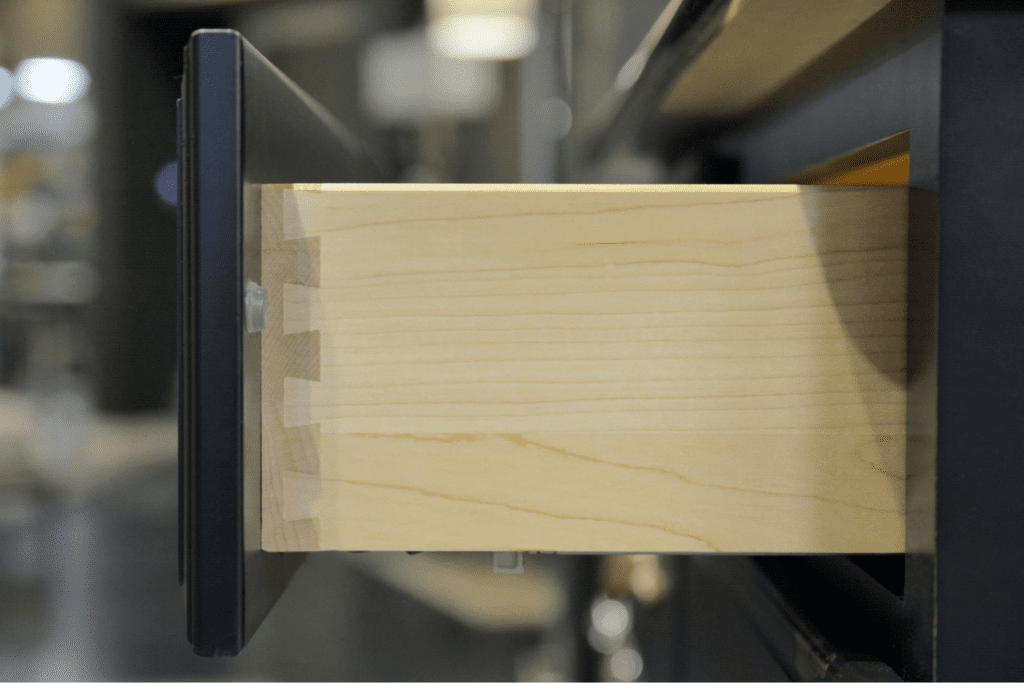
Dovetail joints are a defining feature of high quality cabinets. These interlocking joints create strong drawer boxes that resist separation under heavy use. Cabinets with dovetail joints are generally considered better quality cabinets than those with stapled or weakly assembled drawers.
Dovetail joints improve durability and help drawer boxes maintain structural strength over time.
Solid Wood Drawer Boxes
Solid wood drawer boxes are commonly used in high quality kitchen cabinets because they provide superior strength and load capacity. Solid wood resists warping and cracking, making it ideal for storing heavy cookware and everyday kitchen items.
Drawer Slides and Smooth Operation
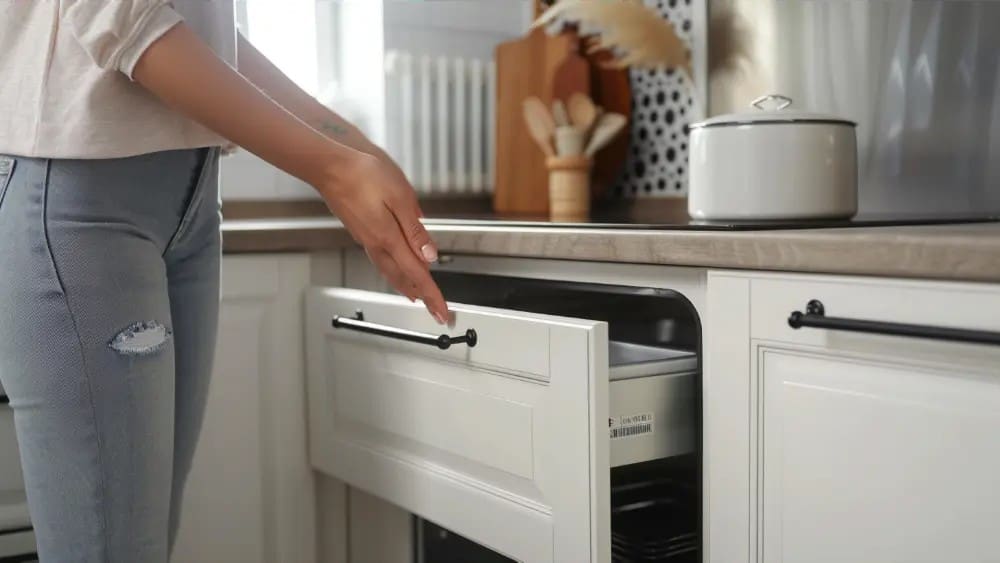
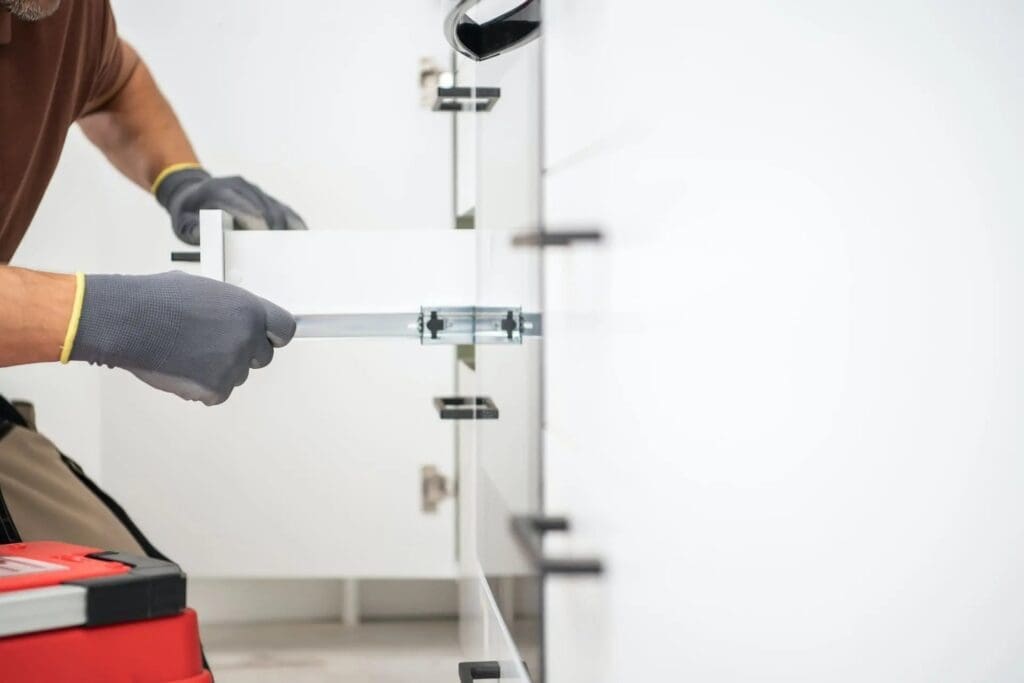
Drawer slides are essential to cabinet function and directly impact smooth operation. High quality cabinets often use drawer slides with ball bearings or epoxy coated metal components for durability and stability.
Full extension drawers allow full access to storage space, improving usability and efficiency. Side mounted glides are more common in lower quality cabinets, while premium designs use undermounted systems mounted beneath drawer boxes for improved performance.
Soft close systems are now a standard feature in high quality cabinets, preventing slamming and extending the lifespan of drawer boxes, drawer fronts, and cabinet frames.
Plastic rollers and inferior hinges are typically found in low grade cabinets and often result in noisy or uneven operation.
Cabinet Doors and Finishing Quality
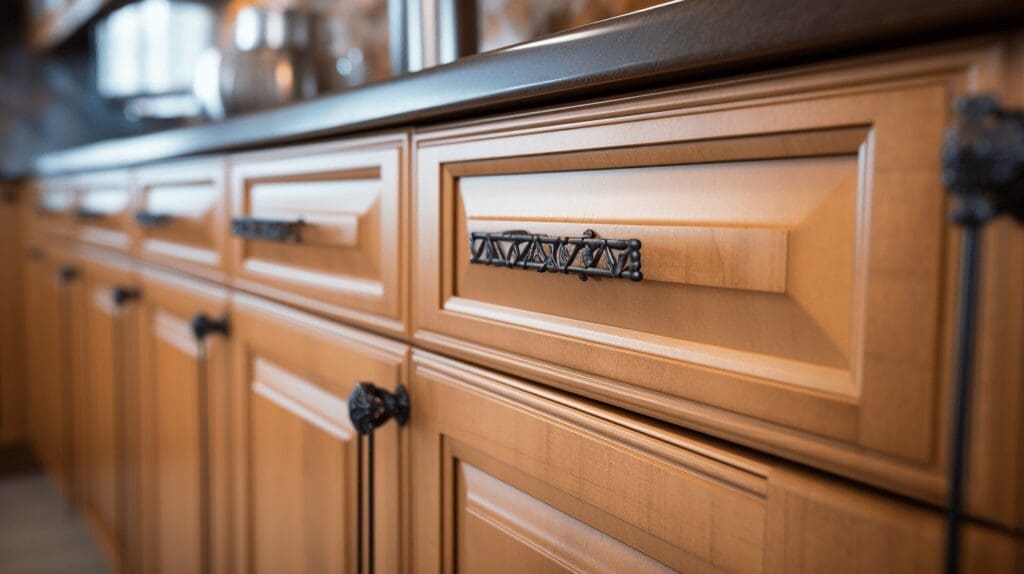
Cabinet doors are one of the most visible elements in kitchen cabinets and play a major role in both aesthetic appeal and overall cabinet quality, including how you might decorate the top of kitchen cabinets to complete the look.
Solid Wood and Door Materials
Solid wood cabinet doors offer natural beauty, strength, and long term durability. Real wood materials such as maple and other solid hardwoods are commonly used in high quality cabinets because they provide strong grain patterns and lasting performance, especially when paired with complementary hardwood floors and white cabinets in a cohesive kitchen design.
Painted Finishes and Surface Quality
Painted finishes must be carefully applied using controlled processes to ensure durability and consistency. High quality kitchen cabinets often use multi step finishing processes that result in smooth, long lasting surfaces, similar to the steps recommended in a professional guide to painting kitchen cabinets.
Door Alignment and Construction Precision
Cabinet doors must be precisely aligned for proper function and appearance. Industrial techniques and precision manufacturing help ensure consistent spacing and reliable performance over time.
Loose hinges or inferior hinges can cause misalignment, while soft close hardware helps maintain alignment and reduce long term wear.
Hardware Systems and Cabinet Functionality
Hardware plays a major role in cabinet quality and determines how well kitchen cabinets perform over time, and thoughtful kitchen cabinet hardware ideas can also elevate both style and usability.
Soft Close Systems and Durability
Soft close mechanisms improve cabinet performance by reducing impact stress on doors and drawers. These systems help extend the life of cabinet doors, drawer boxes, and cabinet frames while improving daily usability.
Drawer Slides and Metal Components
Drawer slides made from epoxy coated metal or nickel plated components provide durability and smooth movement. Ball bearings improve motion control and help maintain consistent operation over time.
Side mounted glides are more common in lower grade cabinets, while higher quality cabinets use more advanced systems that improve stability and reduce wear.
Hinges and Fastening Systems
Soft close hinges are commonly used in high quality cabinets to improve performance and reduce long term wear. Inferior hinges or loose hinges can lead to sagging doors and reduced functionality.
Strong fastening systems and power fasteners improve structural integrity and ensure cabinets can support heavy loads without failure.
Stock Cabinets, Semi Custom Cabinets, and Custom Cabinets
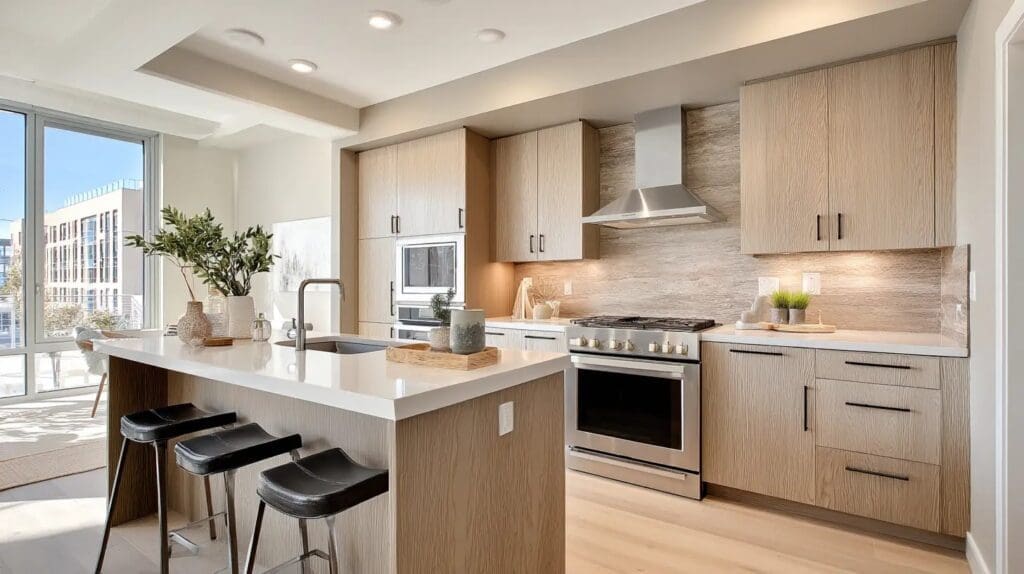
Cabinet options vary widely in quality depending on construction methods and materials used.
Stock cabinets are mass produced and often rely on particle board and lower grade materials. Semi custom cabinets offer more flexibility in sizing and material selection, while understanding standard and custom kitchen cabinet depths helps ensure the layout fits your storage and accessibility needs. Custom cabinets provide the highest level of control over design, construction, and material quality.
RTA cabinets are typically more affordable but often use thinner panels and simpler construction methods. Fully custom cabinets allow for real wood materials, solid hardwoods, and premium drawer box construction using dovetail joints, which is important to factor into the cost to replace cabinets and countertops during a remodel.
Common Signs of Low Quality Cabinets
Low quality cabinets often show clear warning signs during inspection or use. Thin panels, weak cabinet box construction, and reliance on particle board or furniture board are all indicators of reduced durability.
Cabinets with loose hinges, misaligned cabinet doors, or sticking drawer boxes often indicate poor construction methods. Over time, these issues lead to reduced smooth operation and early failure.
How Construction Methods Affect Cabinet Quality
Construction methods are one of the most important factors in determining cabinet quality. High quality cabinets often use industrial techniques combined with hot and cold glue systems to create strong, durable bonds between components.
Proper construction methods ensure cabinets can support heavy loads such as heavy countertops and frequent daily use without structural failure. Weak construction methods often result in premature wear and reduced performance.
Why High Quality Cabinets Improve Long Term Value
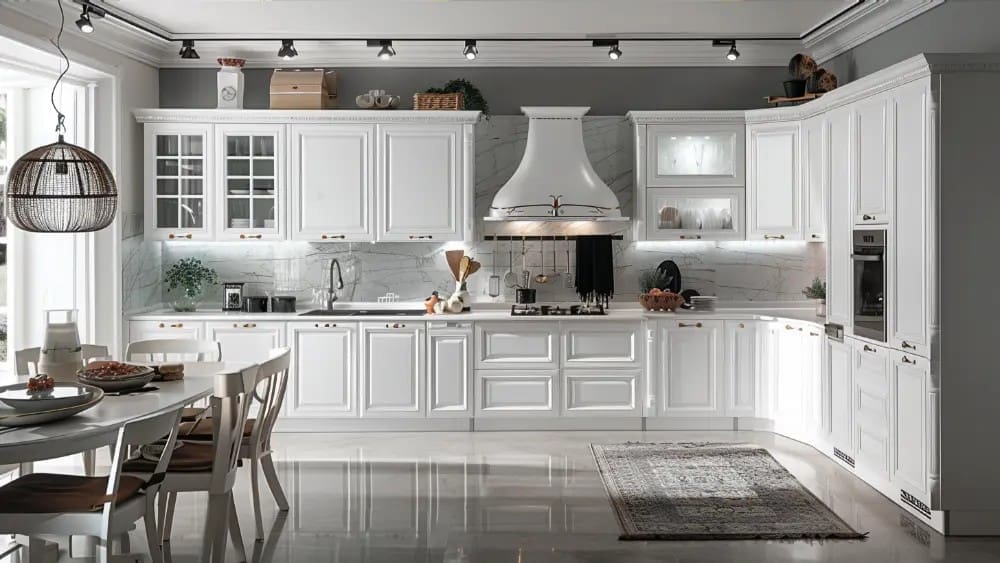
Investing in high quality cabinets improves both functionality and home value. Cabinets built with solid construction methods, quality materials, and durable drawer boxes last significantly longer than low grade alternatives.
Better quality cabinets also enhance aesthetic appeal and improve the overall look and functionality of kitchen cabinets by supporting current kitchen cabinet trends for 2025. Homeowners benefit from improved storage space efficiency, reduced maintenance, and long term durability.
Frequently Asked Questions About High Quality Cabinet Construction
What materials are best for durable cabinet boxes?
Plywood is the preferred material for cabinet boxes due to its strength and moisture resistance. Solid wood framing adds durability, while particle board is less durable and prone to damage.
Why are dovetail joints important in drawer construction?
Dovetail joints provide interlocking teeth that create strong, long-lasting connections in drawer boxes, preventing separation and enhancing overall drawer durability.
What role do drawer glides play in cabinet quality?
High quality drawer glides, especially undermount soft-close glides with ball bearings, ensure smooth, quiet operation and can support heavy loads without sagging or sticking.
How do soft-close hinges improve cabinet functionality?
Soft-close hinges prevent doors from slamming, reducing wear and tear on cabinet frames and doors, while providing a quieter and smoother closing experience.
Are custom sizes and modifications available for high quality cabinets?
Yes, many premium cabinets offer custom sizes and features such as pull out shelves, angled end cabinets, and specialized corner cabinet ideas, allowing for tailored solutions that maximize storage and fit unique kitchen layouts.
What warranty should I expect with high quality cabinets?
High quality cabinets often come with comprehensive or lifetime limited warranties covering materials, construction, and finish, giving homeowners peace of mind about their investment when working with a reputable kitchen cabinet store near Sacramento, CA.
Conclusion
Understanding what cabinet construction features indicate high quality cabinets helps homeowners make informed decisions when selecting kitchen cabinets or deciding whether they can refinish existing cabinets instead of replacing them. The difference between low grade and high quality cabinets comes down to cabinet box materials, drawer boxes, solid wood components, and construction methods.
Whether choosing stock cabinets, semi custom cabinets, or custom cabinets, focusing on cabinet quality ensures better performance, longer lifespan, and improved smooth operation. High quality kitchen cabinets are built with superior materials, precise engineering, and strong construction techniques that deliver lasting value in any home.
CONTACT US
Our Services
Areas We Serve
Certificate