What Homeowners Need to Know
Many homeowners planning a remodel eventually ask the same question: can hardwood floors be installed in kitchens safely? The answer is yes. Hardwood floors can work well in a kitchen when the right flooring materials are chosen and when installing wood floors is done correctly. A kitchen is one of the busiest rooms in the house, and the flooring in that space must handle spills, heavy foot traffic, and everyday wear while still looking beautiful.
Hardwood has long been one of the most popular flooring materials in American homes because of its natural beauty, warmth, and long life. Many homeowners request hardwood floors in the kitchen so the flooring flows smoothly from the living room into the kitchen and dining space. That continuity can create visual warmth and make the entire room feel more elegant and connected.
However, installing hardwood in a kitchen does require thoughtful planning. Moisture, humidity, and spills must be considered when choosing wood flooring. Understanding the differences between solid hardwood and engineered hardwood can help homeowners make the right choice for their kitchen flooring.
In this guide, we will look at the benefits of hardwood floors in a kitchen, the potential risks, and the best practices for installing wood floors so they remain durable and beautiful for many years.
Why Homeowners Want Hardwood Floors in the Kitchen
Hardwood floors remain one of the most requested flooring options during kitchen remodels. Many homeowners want the warmth and character that wood flooring brings into a home.
Seamless Open Concept Design
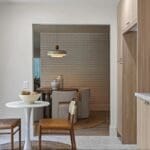
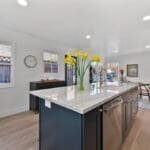
One of the biggest reasons homeowners install hardwood floors in the kitchen is to create a seamless design. When hardwood flooring runs through the living room, hallway, and kitchen, the entire space feels larger and more connected.
In modern homes, the kitchen is often open to the living room, which means different flooring materials can break up the space visually. Hardwood helps create a continuous flow that makes the house feel cohesive. The natural beauty of wood also adds character that other flooring materials sometimes lack.
Increased Home Value and Resale Appeal
Hardwood flooring is widely known for adding value to a house. Many homeowners choose hardwood floors for their durability and timeless appeal because they appeal to future buyers and provide long-lasting quality.
Real wood flooring often signals quality construction and thoughtful design. Oak, maple, and cherry hardwood floors are especially popular because of their durability and classic appearance. These species offer different textures and stains that can match a wide range of kitchen styles.
Warmth and Comfort Compared to Tile
Tile is a common kitchen flooring material, but it can feel cold underfoot. Hardwood floors provide warmth and comfort when you walk across the room. That warmth is especially appreciated in kitchens where people spend a lot of time cooking, cleaning, and gathering.
Wood flooring also softens the overall feel of the room. The visual warmth of hardwood can make a kitchen feel more welcoming and elegant.
The Biggest Concern: Moisture and Water Damage
While hardwood floors are beautiful, moisture is the main factor homeowners should consider when installing wood floors in a kitchen.
Why Water Is the Main Risk for Hardwood Floors
Wood is a natural material that reacts to moisture and humidity. When wood flooring absorbs water, it can swell, expand, or even begin warping. These changes can affect the surface of the flooring and may cause boards to shift.
Unlike vinyl or tile, hardwood is not completely resistant to water. That does not mean hardwood floors cannot work in a kitchen, but it does mean spills must be cleaned up quickly.
Common Sources of Water in Kitchens
Most kitchen flooring damage does not come from normal spills. Instead, hidden leaks are often the problem. Dishwashers, sinks, refrigerators, and ice makers can all introduce moisture if a leak goes unnoticed.
Areas around sinks often experience repeated spills and splashes. Over time, moisture exposure can weaken wood flooring and cause boards to swell or warp.
How Moisture Affects Wood Flooring
When hardwood floors absorb moisture, they can develop issues like cupping or warping. Cupping happens when the edges of the boards rise slightly higher than the center. Warping may occur when moisture levels remain high for long periods.
It is worth noting that most hardwood floor problems come from prolonged exposure to moisture rather than occasional spills. Prompt cleaning and proper maintenance help prevent these issues.
Solid Hardwood vs Engineered Hardwood for Kitchens
Not all wood flooring is the same. Homeowners choosing kitchen flooring should understand the difference between solid hardwood and engineered hardwood.
Solid Hardwood
Solid hardwood is made from a single piece of solid wood. Oak, maple, and cherry are popular species used for solid hardwood floors.
Solid hardwood offers long life and can be sanded and refinished multiple times. Many hardwood floors made from solid wood can be refinished three to five times during their life, which helps restore the beauty of the flooring after years of wear.
However, solid hardwood reacts more strongly to humidity changes and temperature fluctuations. Because the planks are made from solid wood, they expand and contract as humidity rises and falls.
Engineered Hardwood
Engineered hardwood flooring uses several layers of materials. The top layer is real wood, while the lower layers are typically plywood or engineered wood panels.
This layered design makes engineered hardwood more stable than solid hardwood. The construction helps reduce expansion and contraction caused by humidity changes. For that reason, engineered hardwood is often considered a better choice for kitchens.
Engineered wood flooring still provides the beauty and character of real wood while offering improved resistance to moisture and temperature changes.
Choosing the Right Option
When reviewing flooring materials for a kitchen remodel, engineered hardwood is often the better choice because it handles humidity and moisture more effectively. However, solid hardwood can still perform well when installing wood floors is done properly and when the homeowner follows good maintenance practices.
When Hardwood Floors Work Well in a Kitchen
Hardwood floors can work very well in kitchens under the right conditions.
Homes with Stable Indoor Conditions
Hardwood flooring performs best in environments where humidity and temperature remain stable. Homes with proper climate control tend to see fewer issues with wood flooring.
Kitchens Without Frequent Standing Water
Occasional spills are normal in any kitchen. However, kitchens that regularly experience standing water are not suitable for hardwood flooring.
Open Floor Plans
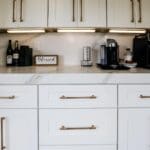
In many modern homes, hardwood floors already extend throughout the living room and dining room. Continuing the same flooring into the kitchen, especially in designs featuring hardwood floors with white kitchen cabinets, helps create a unified design.
Homeowners Willing to Maintain the Floor
Maintaining hardwood floors requires basic care. Cleaning spills quickly, using protective mats near sinks, and keeping humidity levels stable can help hardwood floors last for many years.
Situations Where Hardwood May Not Be the Best Choice
While hardwood floors are beautiful, they are not always the most suitable kitchen flooring.
Homes with Heavy Spills
Families with young children may experience frequent spills and heavy traffic in the kitchen. In these cases, waterproof kitchen flooring options might be a better choice.
Kitchens with Moisture Problems
Kitchens with plumbing issues or persistent moisture may not be ideal for hardwood flooring. Water damage can cause boards to swell and lead to warping.
Rental Properties
Rental homes often experience high traffic and heavier wear. Vinyl kitchen flooring or tile can be more resistant to damage in these situations.
Low Maintenance Preferences
Some homeowners prefer flooring materials that require minimal maintenance and are planning broader updates. Exploring kitchen remodel must‑have features alongside luxury vinyl and waterproof vinyl flooring can provide a wood look without the same moisture concerns.
Best Practices for Installing Hardwood Floors in Kitchens
Installing wood floors in a kitchen requires careful planning and professional installation.
Choose the Right Wood Flooring
Engineered hardwood is often the best option for kitchen flooring because of its stability. The layered construction helps resist humidity and moisture changes, and understanding whether to install flooring before or after cabinets is also important during a kitchen remodel.
Professional Installation Matters
Professional installation is one of the most important factors when installing hardwood flooring. Experienced installers understand how to prepare the subfloor and properly place planks.
Proper installation ensures the boards remain stable and reduces the risk of warping.
Prepare the Subfloor
The subfloor must be clean, level, and dry before installing wood floors. Subfloors may be made of plywood or concrete depending on the structure of the house.
Concrete surfaces require moisture barriers before wood flooring can be installed.
Protect High Moisture Areas
Areas near sinks and dishwashers should have protective mats to reduce water exposure. Mats and rugs help protect the flooring surface from repeated spills.
How to Maintain Hardwood Floors in a Kitchen
Maintenance is essential for protecting hardwood floors in a kitchen environment.
Clean Spills Immediately
Spills should be wiped up quickly so moisture does not seep into the wood flooring. Prompt cleaning prevents stains and protects the surface.
Avoid Excess Water When Cleaning
Using too much water when cleaning can introduce moisture into the wood. Damp cleaning methods designed for hardwood flooring are usually recommended, and following safe hardwood floor cleaning practices helps prevent damage.
Use Protective Mats and Rugs
Mats near sinks and rugs in high traffic areas can help reduce wear. These protective materials also help catch spills before they reach the wood flooring.
Refinish Floors When Needed
Hardwood floors can be sanded and refinished when they begin to show wear. Sanding removes scratches and stains from the surface, and the flooring can be refinished to restore its appearance.
Most hardwood floors can be refinished several times during their life depending on the thickness of the planks.
Alternatives to Hardwood for Kitchen Flooring
While hardwood floors are popular, other flooring materials can work well in kitchens, and coordinating them with the right kitchen countertop materials can create a cohesive design.
Luxury Vinyl Plank
Luxury vinyl plank flooring is designed to replicate the look of hardwood. Many vinyl products offer a realistic wood look and come in styles that resemble oak, maple, or cherry.
Luxury vinyl flooring is resistant to moisture and can handle heavy traffic. For homeowners who want durability and easy maintenance in a compact layout, reviewing 10×10 kitchen floor plan ideas can help decide where each flooring type works best.
Porcelain or Ceramic Tile
Tile flooring remains one of the most durable kitchen flooring options. Tile is resistant to water and stains, making it a reliable choice for busy kitchens.
However, tile can feel harder and colder compared to hardwood floors.
Waterproof Vinyl Flooring
Modern vinyl flooring options include waterproof designs that resist moisture and stains. These materials offer durability while still providing the appearance of wood flooring, and details like kitchen soffits and their design options can further shape the overall look.
Expert Recommendation: Should You Install Hardwood Floors in Your Kitchen?
After reviewing the advantages and potential concerns, hardwood floors can absolutely work in a kitchen when installed properly. Installing wood floors with the right materials and professional installation can create a beautiful and durable surface.
Engineered hardwood is often the better choice for kitchens because it offers greater resistance to humidity changes and moisture. However, solid hardwood can still be suitable when installed in stable environments.
Many homeowners choose hardwood because of the warmth, beauty, and character it brings to the kitchen. When maintained properly, hardwood floors can last for decades and can be refinished several times during their life.
The right choice ultimately depends on the homeowner’s lifestyle, the level of traffic in the kitchen, and the overall design goals for the space.
Frequently Asked Questions About Hardwood Floors in Kitchens
Is hardwood flooring a bad idea for kitchens?
Hardwood flooring is not a bad idea for kitchens. With proper installation and maintenance, it can perform well in many homes.
What type of hardwood works best in kitchens?
Engineered hardwood flooring is often recommended because it handles humidity and moisture better than solid hardwood.
Can hardwood floors handle kitchen traffic?
Yes, hardwood floors are durable and can handle normal kitchen traffic when maintained properly.
How do you protect hardwood floors from spills?
Cleaning spills quickly, using mats near sinks, and maintaining stable humidity levels help protect hardwood floors.
Is engineered hardwood waterproof?
Engineered hardwood is more resistant to moisture than solid hardwood, but it is not completely waterproof.
Thinking About New Kitchen Flooring
Choosing the right flooring for a kitchen renovation is an important decision. Hardwood flooring can create warmth, beauty, and visual continuity throughout the home.
However, the success of hardwood floors in a kitchen depends on selecting suitable materials, proper installation, and consistent maintenance.
Homeowners reviewing flooring options should consider how their kitchen is used, the level of traffic in the room, and how much moisture exposure the flooring may experience.
If you are planning a kitchen remodel and want guidance choosing the best flooring materials, contact our team to review your options. Our customers rely on our experience installing wood floors and helping homeowners select flooring that combines durability, beauty, and long-term performance.
CONTACT US
Our Services
Areas We Serve
Certificate